Pillows for Back Pain: Tips for Choosing the Right One

Pillows for Back Pain—What Really Helps
- Back pain is one of the most common complaints worldwide and is often caused by poor posture during the day and at night, choosing the wrong pillow, or a lack of spinal support.
- The right pillow can support the spine’s natural curvature, relieve muscle tension, and reduce pressure on the intervertebral discs.
- Proper spinal alignment is especially important—particularly for side and stomach sleepers.
- Pillows with pressure-relief zones also help relieve pressure on sensitive areas and prevent back pain.
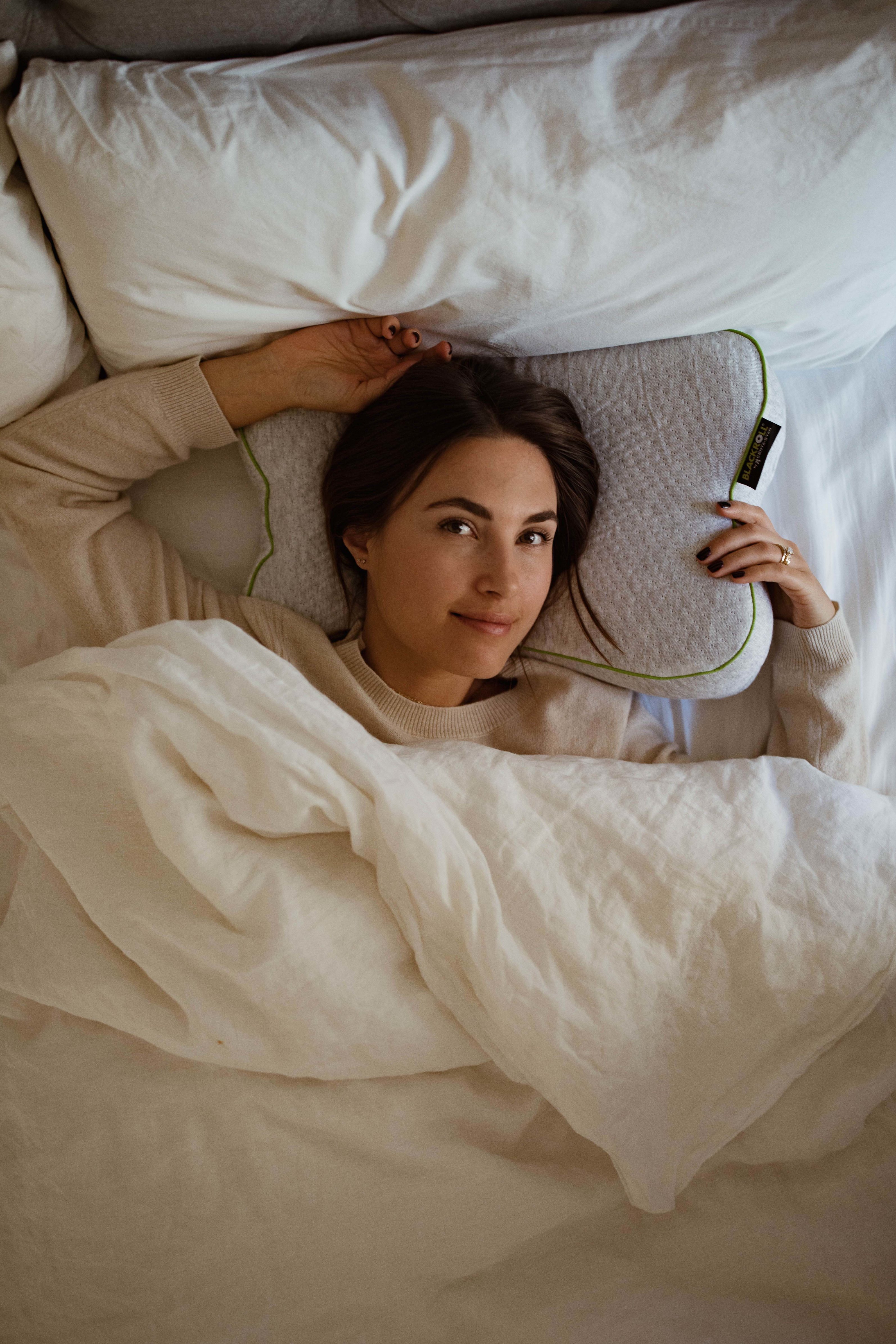
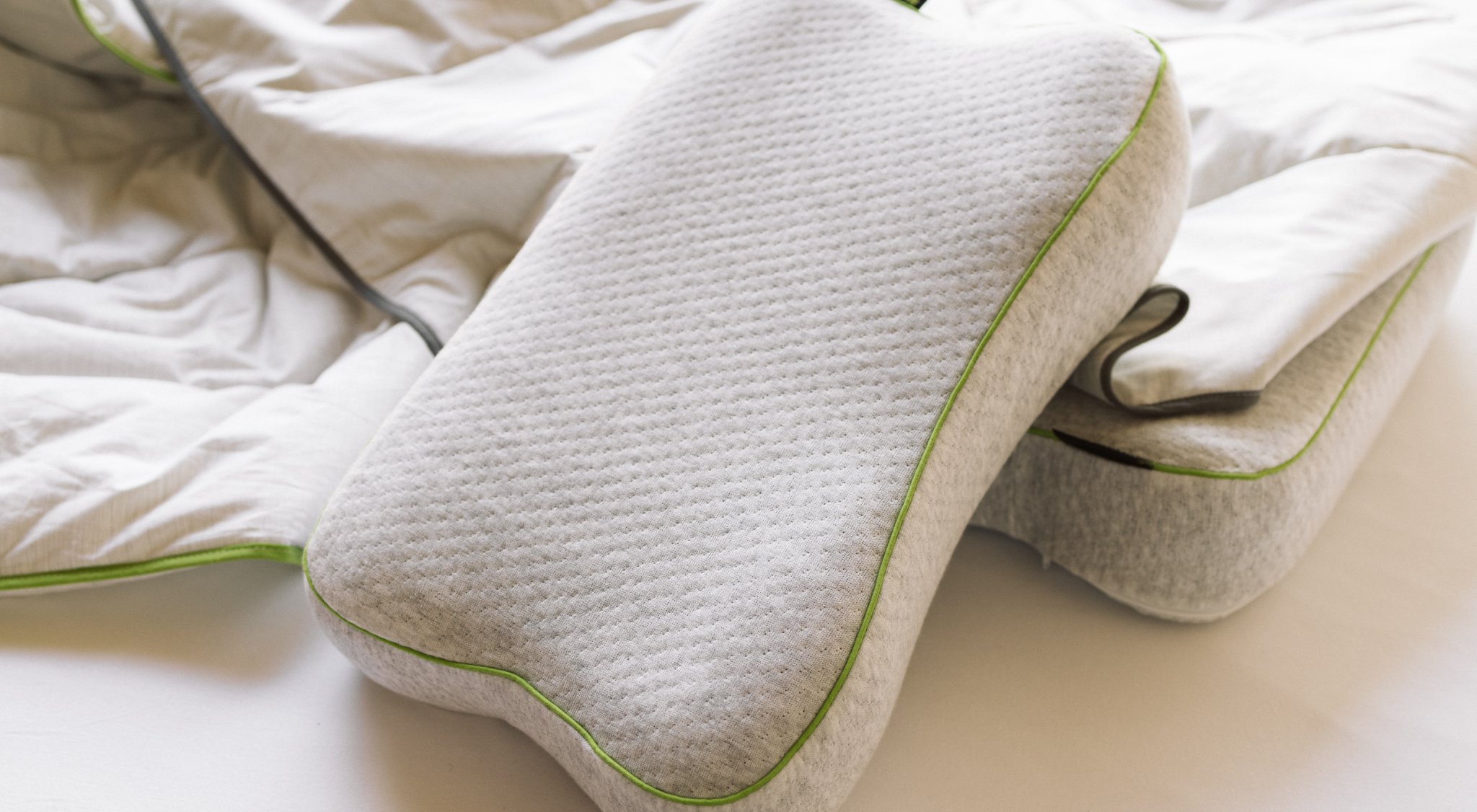
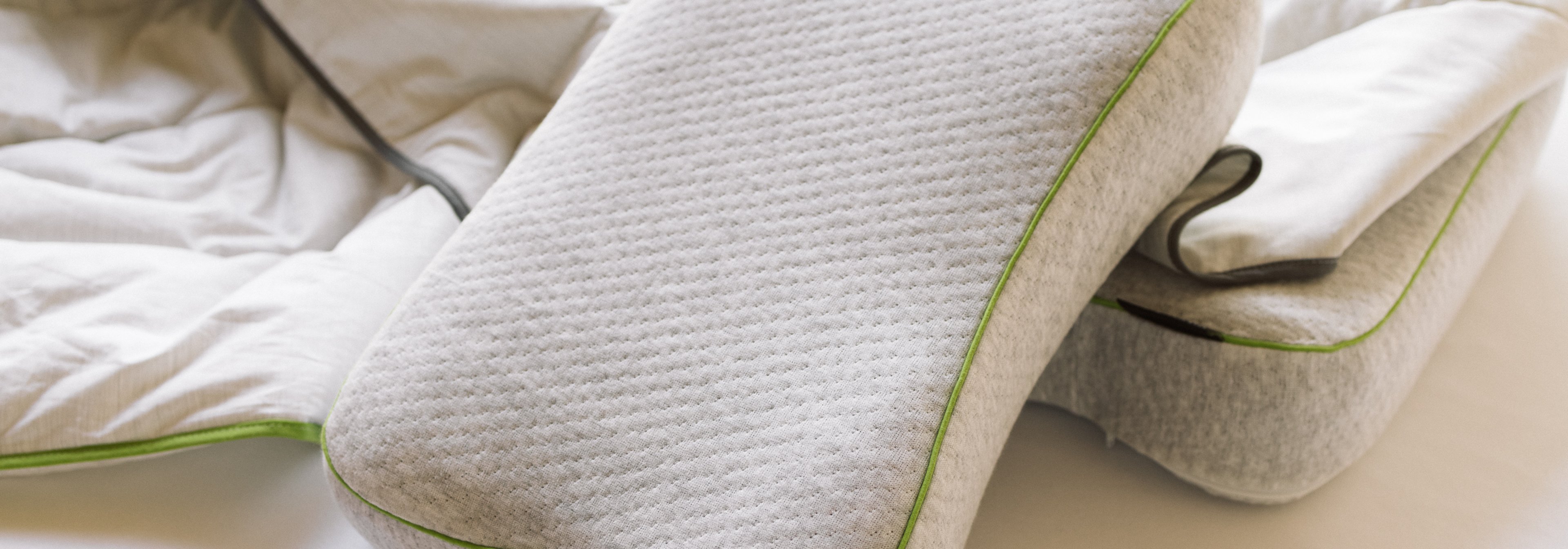
Recommendation: The BLACKROLL® RECOVERY PILLOW —an ergonomically shaped pillow that supports the neck and back and stabilizes the spine in its natural posture.
Does this sound familiar? You wake up in the morning with a totally stiff neck, and the back pain is so bad you can barely get out of bed? You’re not alone. However, you can prevent these discomforts by using the right pillow for back pain. Wondering what a pillow has to do with back problems? You’ll find some information on that in this article.


Back Pain: A Common Problem
Back pain is a widespread problem that affects people of all ages. Although it can take various forms, back pain is one of the most common complaints worldwide. The prevalence of back pain is so high that it has become a significant burden on individuals, healthcare systems, and society as a whole.
There are many causes of back pain, including poor posture, lack of physical fitness, physical inactivity, sitting too much or for too long in an uncomfortable chair at work, being overweight, weak muscles, myofascial imbalances, and problems with the intervertebral discs. In addition, injuries, degenerative conditions such as arthritis or osteoporosis, nerve compression, and psychosocial factors can also lead to back pain.
The effects of back pain can be significant and severely impact daily life. People who suffer from back pain may have difficulty performing everyday tasks, become unable to work, and in some cases even develop depression or anxiety. The costs of treating back pain and the associated lost work time are enormous, which increases the burden on both individuals and the economy as a whole.
Fortunately, there are various approaches to preventing and treating back pain. Good posture, regular physical activity, and targeted muscle training can help improve back health. Using the right pillow can be an effective measure against back pain.
"A comfortable pillow is an important part of healthy sleep and a healthy spine." — Joyce Carol Oates
Pillows for the Back
Choosing the right pillow can have a significant impact on relieving pressure on the spine and alleviating back pain. Here are a few reasons why pillows can help with back pain:
- Supporting the spine’s natural curves: A healthy spine has natural curves, including cervical lordosis (the curve in the neck) and lumbar lordosis (the curve in the lower back). A suitable pillow can support these curves and help keep the spine in a neutral position. Maintaining the natural curves reduces pressure on the intervertebral discs and relieves strain on the muscles.
- Spinal Alignment: A properly positioned pillow can help keep the spine aligned in a straight line. This is especially important when sleeping on your side or back. The pillow should provide adequate support for the head and neck to ensure proper spinal alignment. Improper spinal alignment during sleep can lead to tension, stiffness, and back pain. If you consistently wake up feeling tense in the morning, this could be due, among other things, to your sleeping position.
- Pressure Relief: Pillows with special pressure-relief properties can help reduce pressure on specific areas of the spine. This is particularly important for people who suffer from sensitive or painful areas in the back. By evenly distributing body weight across the pillow, pressure points can be minimized, leading to improved blood circulation and relief for the affected areas.
- Personalized Fit: Everyone has different preferences and needs when it comes to sleeping positions and pillow comfort. Fortunately, there is a wide variety of pillow options on the market, making it possible to find the perfect pillow that meets individual requirements. Whether memory foam, down, feather pillows, or orthopedic pillows—the wide selection makes it possible to find a pillow that matches personal preferences and needs.
There is now a very wide range of different pillows designed to support a healthy back. You have a diverse selection when it comes to pillow size and design. Given the breadth of products available on the market, there’s definitely something for everyone to help combat back and neck pain.
"Choosing the right pillow can make a significant difference in relieving back pain. By taking individual needs and sleeping habits into account, we can find customized solutions that lead to more restful sleep and a pain-free back."
Dr. rer. nat. Torsten Pfitzer, pain expert


Different Types of Pillows for Back Pain
There are various types of pillows that have been specifically designed to relieve back pain and provide better support for the back. Here are some of the most common types of pillows recommended for back pain:
Pillows for Healthy Sleep
- Memory foam pillows: Pillows filled with memory foam conform to the contours of the body and provide personalized support. They respond to body heat and pressure, thereby adapting to the specific contours of the body. Memory foam pillows help distribute pressure evenly and reduce strain on the spine.
- Body pillows: Body pillows are elongated pillows that wrap around the entire body and allow for stable positioning during sleep. They can help keep the spine in a neutral position and reduce pressure on the back. Body pillows are particularly popular among people who suffer from back pain during pregnancy or among side sleepers.
- Water pillows: Water pillows contain a water-filled chamber that can be individually adjusted. The water adapts to the body’s movements and provides flexible support for the neck and back. Because the water level can be adjusted, water pillows can be tailored to individual needs.
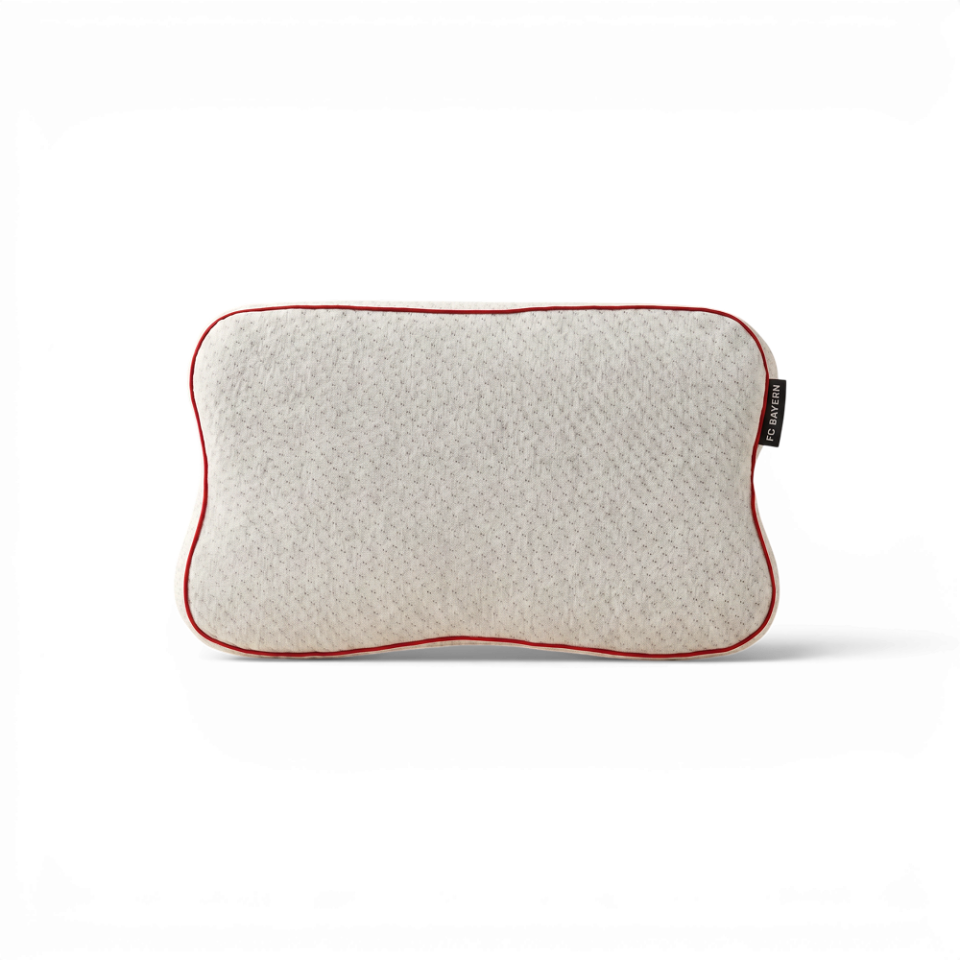
- An orthopedic pillow is a specially designed pillow developed to provide optimal support for the spine and neck during sleep. It features an ergonomic shape designed to maintain the natural curves of the spine and promote healthy alignment. Orthopedic pillows provide adequate support for the neck and head to reduce tension, pain, and stiffness. They are often made of high-quality materials such as memory foam, latex, or springy materials that relieve pressure points and allow for even weight distribution.
- A pillow for pregnant women, also known as a pregnancy pillow or nursing pillow, is specifically designed for the comfort and support of pregnant women. It is usually long and has a curved or U-shaped design to optimally cradle the expectant mother’s body. A pregnancy pillow offers various benefits for pregnant women. It can help support the growing belly, thereby relieving pressure on the back, hips, and legs. The pillow promotes a better sleeping position by keeping the spine in a neutral alignment and supporting the neck and shoulders. In addition, a pregnancy pillow can be used in a variety of ways even after childbirth. It can be used as a support for the baby during breastfeeding or as a positioning pillow for the mother. Pregnancy pillows are available in various sizes, shapes, and fill materials to meet individual needs and preferences. Some models also feature a removable cover that can be washed to ensure a hygienic sleeping environment. Overall, pregnancy pillows offer a comfortable and supportive solution for expectant mothers, helping them achieve better sleep quality and relief during pregnancy and beyond.
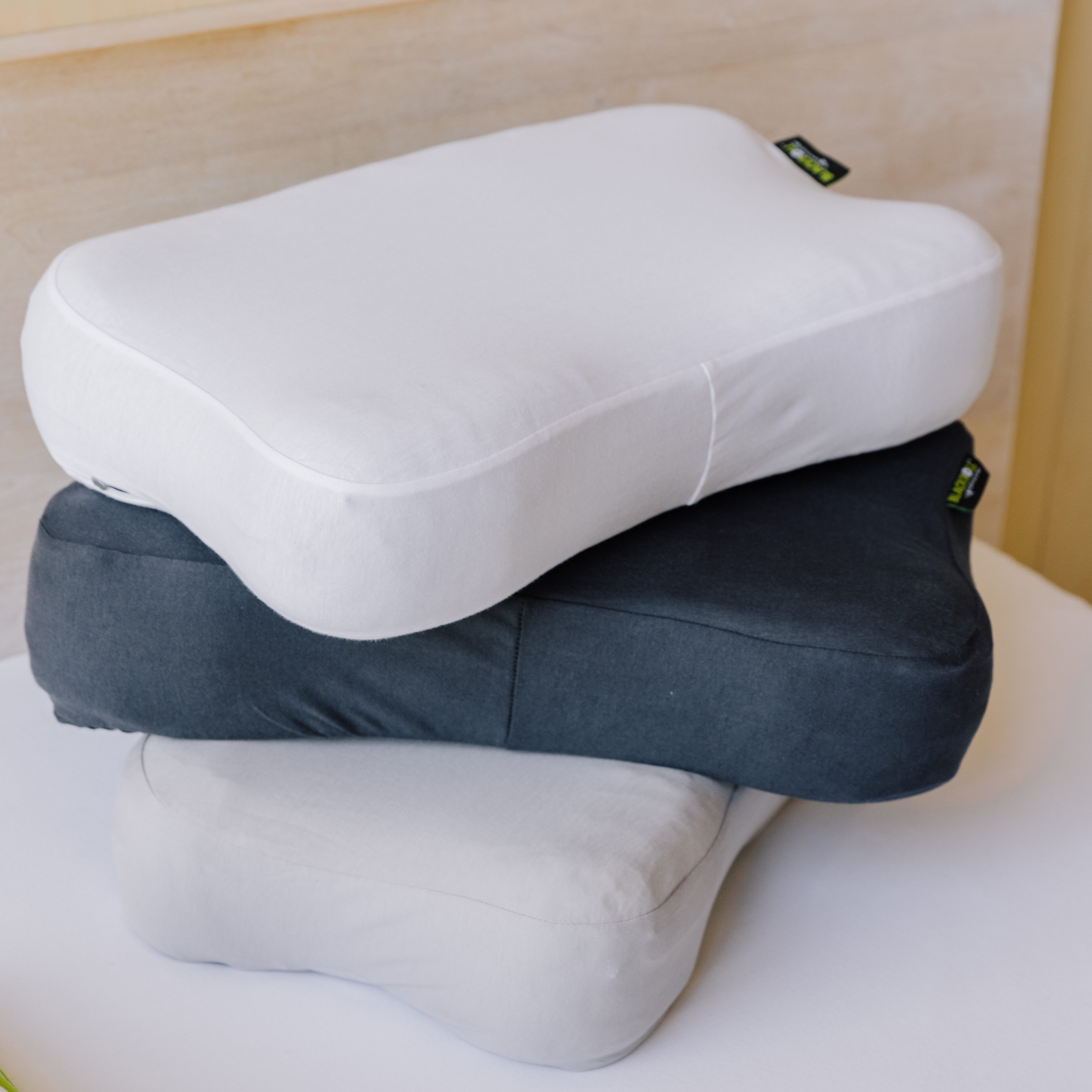
, we rely on memory foam and have developed theRECOVERY PILLOW, which can support your back.
Pillows for Healthy Posture While Sitting
- Lumbar pillows: These pillows are ergonomically shaped and provide additional support for the lower back, also known as the lumbar spine. They are often curved or arched and help maintain the spine’s natural curvature. This type of pillow can reduce pressure on the lower back and alleviate muscle tension.
- Wedge pillows: Wedge pillows have a slanted shape and are often used to support an upright sitting posture. They are placed under the buttocks or back and can help keep the spine in a neutral position. Wedge pillows can be especially useful when back pain is caused by prolonged sitting, such as at the office or in the car.
When looking for the right pillow for you, keep in mind that each of us has different sleep needs, so the perfect pillow for each person has different characteristics. Pillows from different manufacturers often vary greatly in quality and price.
More tips for relieving back pain
It’s not just your pillow that’s crucial for your back health. To relieve or even prevent back pain, there are various solutions that can help you:
- Improving your posture: Make sure to maintain good posture, both when standing and sitting. Avoid sitting for long periods in a hunched position as much as possible, and make an effort to maintain an upright posture. If possible, use ergonomic chairs and adjust your workspace accordingly to promote proper posture: Your best posture is the one you’re in right now. Try to move around as often as possible.
- Regular exercise: Regular physicalactivity , especially exercises to regulate muscle tension, can help relieve back pain. Stretching exercises and yoga can also be helpful for improving flexibility and relaxing the muscles.
- Weight management: Being overweight can put additional pressure on your back and lead to back pain. A healthy diet and regular exercise can help you achieve or maintain a healthy weight, thereby reducing the pressure on your back.
- Ergonomic sleeping position: Make sure to adopt an ergonomic sleeping position that relieves pressure on your back. For back sleepers, it can be helpful to place a pillow under your knees to relieve pressure on the spine. For side sleepers, it’s advisable to place a pillow between your knees to improve spinal alignment.
- Adjusting Your Sleep System: Make sure your mattress and pillow provide adequate support. A medium-firm mattress and a pillow that properly aligns your neck and back can help relieve back pain. In some cases, it may be advisable to use an orthopedic mattress or a special back pillow.
- Stress management: Stress can contribute to muscle tension and back pain. Find strategies for managing stress, such as relaxation techniques, meditation, or taking regular breaks, to reduce tension in the back.
- Physical Therapy and Medical Treatment: In some cases, targeted osteopathic or physical therapy treatments—such as massages, stretching exercises, or electrotherapy—may be necessary to relieve back pain. If you experience persistent or severe back pain, it is advisable to see a doctor to receive a comprehensive diagnosis and appropriate treatment options.


Pillow for Shoulder Pain
Shoulder pain can be extremely uncomfortable and significantly disrupt your sleep. One way to relieve shoulder pain and promote restful sleep is to choose the right pillow. Here are some tips on how different types of pillows can help relieve shoulder pain or prevent it from occurring in the first place:
- Understanding the Causes of Shoulder Pain: Before we look at the different pillow options, it’s important to understand the possible causes of your shoulder pain. Injuries, inflammatory conditions, poor sleeping positions, or muscle tension can all cause shoulder pain.
- Choosing the Right Material: Selecting the right material for your pillow is crucial for relieving shoulder pain. Here are some options you should consider:
- Memory foam: This material conforms to the shape of your body and provides good support for your neck and shoulders.
- Latex: Latex pillows are hypoallergenic and provide adequate support for the neck and spine.
- Down pillows: Down pillows are soft and comfortable, but they may not provide enough support for your shoulders.
- Memory foam: This material conforms to the shape of your body and provides good support for your neck and shoulders.
- Choosing the Right Height and Firmness: The height and firmness of the pillow play an important role in supporting your shoulders. Here are some guidelines that might help you choose:
- Height: Choose a pillow that keeps your spine in a neutral position, with your neck and shoulders properly supported.
- Firmness: A medium firmness is often the best choice to minimize pressure on your shoulders. A pillow that’s too firm or too soft can lead to additional shoulder pain.
- Specialized Pillow Options: There are also specialized pillow options designed specifically for people with shoulder pain. Here are a few examples:
- Side-sleeper pillows: These pillows are ergonomically shaped and feature a recess for the shoulder to relieve pressure.
- Wedge pillows: A wedge pillow can help you keep your shoulders in an upright position and relieve shoulder pain.
- Neck support pillows: These pillows provide specialized neck support and can help reduce shoulder pain.
Try out different pillows: Choosing the right pillow is always a personal decision. Take the time to try out different pillows and find out which one suits you best. Some manufacturers also offer a trial period or a money-back guarantee to ensure you’re satisfied with your purchase. At BLACKROLL, for example, we offer you 90 nights to test our sleep products.
Choosing the right pillow can make a big difference in relieving shoulder pain and promoting restful sleep. When selecting a pillow, you should especially make sure that you feel comfortable with your new pillow so that it can help you get a good night’s sleep.
Discover our sleep products:
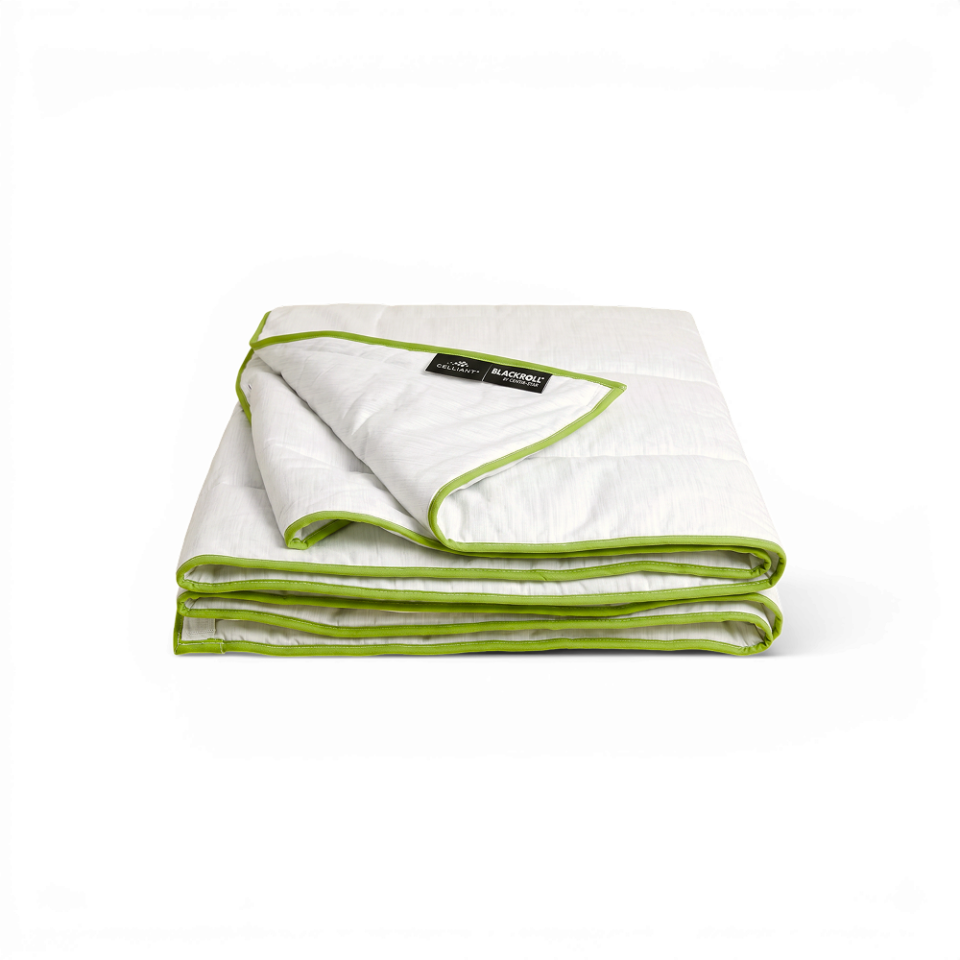
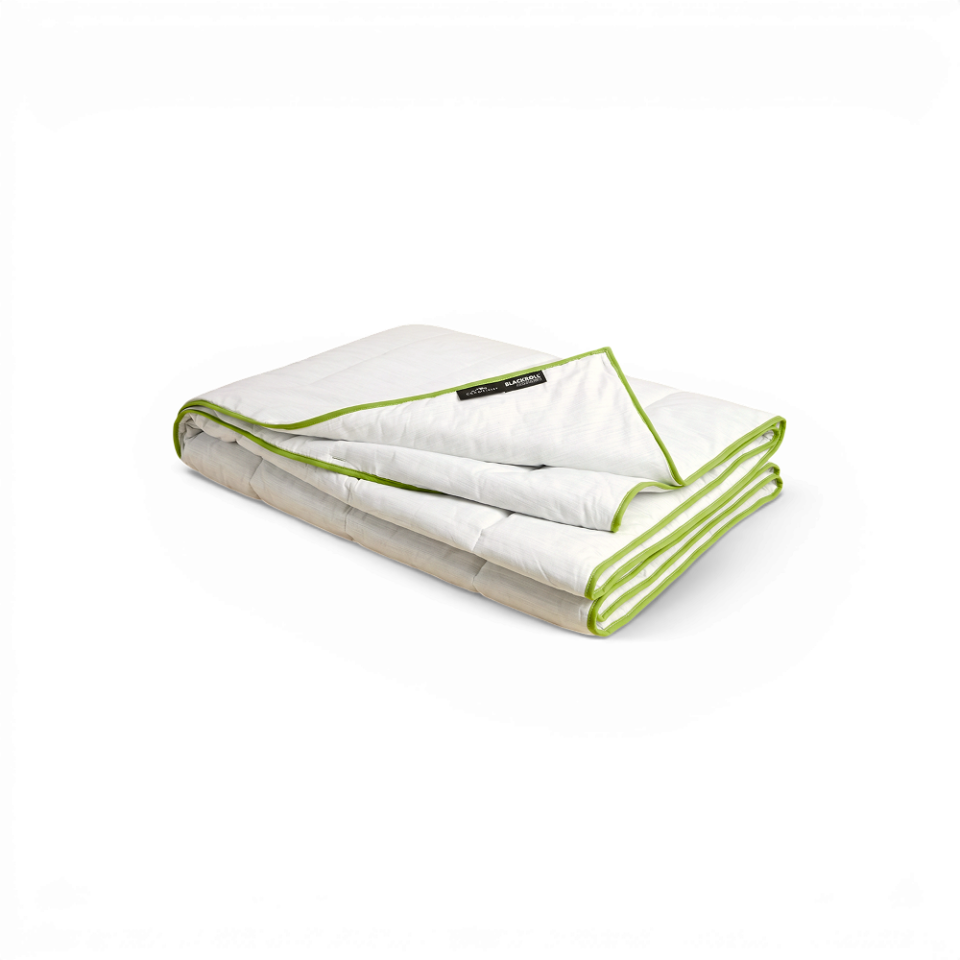
Recovery Blanket All Year
Available in multiple variants
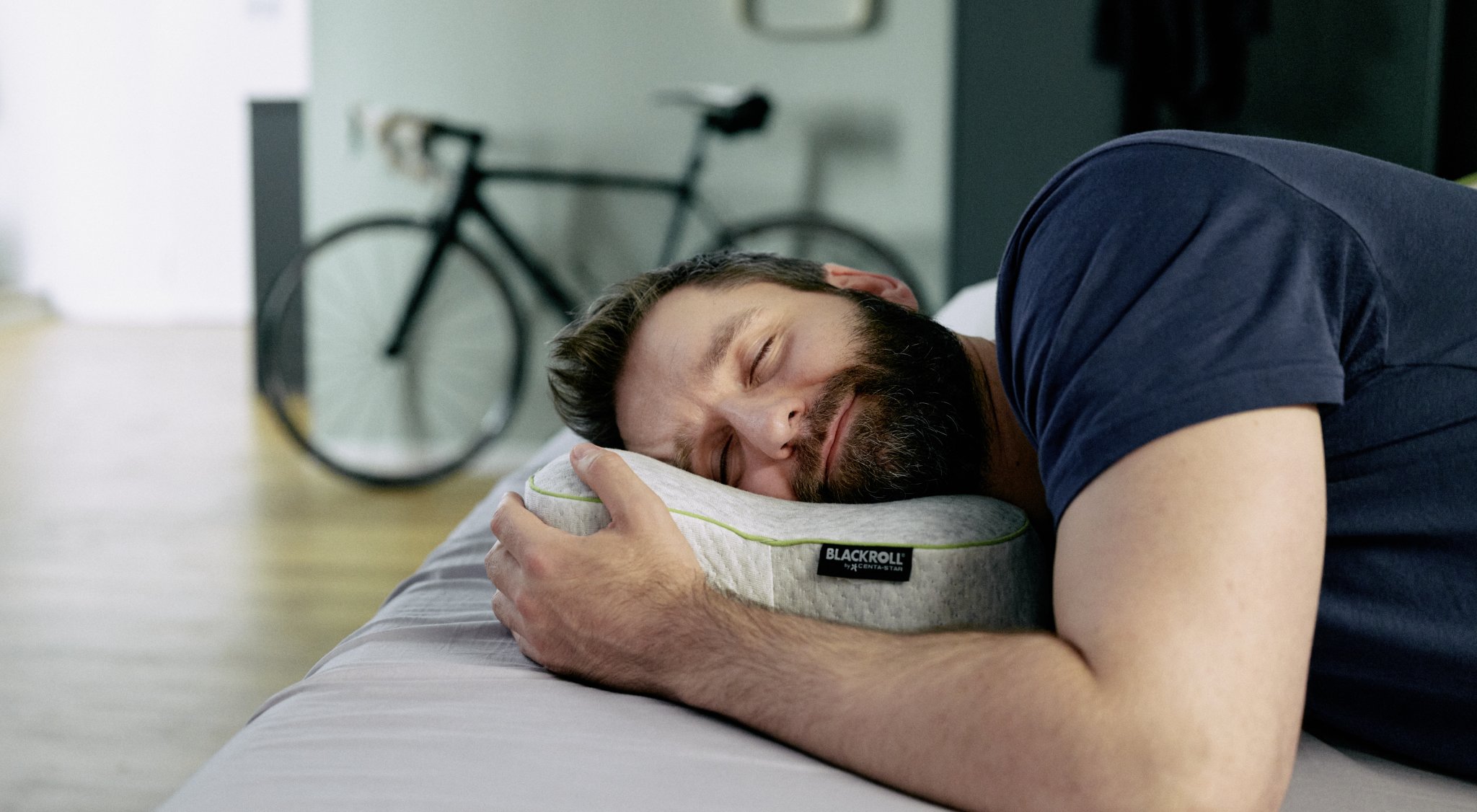

Cervical pillow for side sleepers
As a side sleeper, it’s important to find a suitable pillow that supports the cervical spine and ensures proper spinal alignment. Here are some tips to help you find the right pillow for better sleep quality and healthy posture.
- Understanding Cervical Support: The cervical spine consists of seven small vertebrae that have a natural curve. The right pillow for side sleepers should support this curve and keep the neck in a neutral position. It should provide enough support to bridge the gap between the shoulder and the head.
- Pillow Height and Contour: A cervical pillow for side sleepers should be tall enough to support the neck and keep the spine aligned. It should also have a contoured shape that mimics the natural curve of the neck. This contour helps relieve pressure on the neck and promotes a healthy sleeping position.
- Material selection: Choosing the right material for the cervical pillow is also important (as with pillows for shoulder pain)
- Pillow Firmness: The firmness of the cervical pillow is important for ensuring proper spinal alignment. It should be firm enough to support the neck but also give enough to reduce pressure points. It’s important to customize it to your personal preferences, as everyone has different needs.
- Testing and Adjustment: It’s recommended to try out different cervical pillows to find the right one for your needs. Check for return policies or trial periods to ensure you’re satisfied with your choice. Test the pillow for a few nights to make sure it provides the comfort and support you’re looking for.
When choosing a cervical pillow for side sleepers, it’s important to consider the right height, contour, firmness, and material. By keeping the spine and neck in a neutral position, a suitable pillow can reduce pain and create a restful sleeping environment. Try out different options to find the perfect cervical pillow that will help you enjoy healthy and comfortable sleep.


Proper Pillow Positioning
Proper pillow placement is also crucial for ensuring optimal sleep posture, support, and comfort while you sleep. That’s why we’ve summarized here how you should best position your pillow for each sleeping position:
- Pillow for the neck: Position your pillow so that it supports your neck and head. The pillow should bridge the gap between your shoulder and your head and keep your cervical spine in a neutral position. Make sure the pillow isn’t too high or too low to avoid neck strain.
- Side Sleeping: If you sleep on your side, place an extra pillow between your knees. This pillow helps keep your spine in a straight line and reduces pressure on your hips and knees. It can also help improve balance in your sleeping position.
- Back sleeping: If you sleep on your back, position your pillow under your knees. This pillow helps relieve pressure on your lower back and support the natural curve of your spine. It can also help reduce snoring and breathing difficulties.
- Stomach position: Sleeping on your stomach is often the least favorable sleeping position for your spine and neck. If you sleep on your stomach, it’s best to sleep without a pillow or with a flat pillow. A pillow that’s too high can hyperextend your neck and lead to tension. It can also be helpful to place an extra pillow under your stomach to reduce pressure on your lower back.
- Pillow Care: In addition to proper positioning, it’s important to care for your pillow regularly. Shake out your pillows daily to restore them to their original shape, and wash them according to the manufacturer’s instructions. Treat yourself to a new pillow every now and then to ensure good hygiene.


Tips for Sleeping Without a Pillow
From an ergonomic standpoint, sleeping on your stomach is not recommended. Stomach sleepers, in particular, are often advised to sleep without a pillow. However, if you’ve always slept with a pillow, it will take some time to get used to sleeping without one. Keep these tips in mind if you want to try sleeping without a pillow:
Gradually reduce the support under your head. Instead of removing the pillow right away, start with a folded blanket or towel.
Support the rest of your body with pillows. If you sleep on your stomach, place a pillow under your stomach and pelvis to keep your spine in a neutral position. Place a pillow under your knees if you’re lying on your back, or between your knees if you’re lying on your side.
Choose the right mattress. Without a pillow, it’s even more important to have a mattress that provides adequate support. A mattress that’s too soft causes your spine to sag, which can lead to back pain.
It might be a good idea to get used to a different sleeping position.


Conclusion
The right pillow can play an important role in managing back pain by supporting the spine and promoting a healthy sleeping position. Choosing the right pillow—one that takes into account individual needs and sleeping positions—can help reduce muscle tension, relieve pressure points, and keep the spine in a neutral alignment. An ergonomic pillow that supports the natural curves of the neck and back can be particularly beneficial. A custom-fitted pillow can help alleviate back pain and contribute to a restful and pain-free sleep environment.


FAQ: Frequently Asked Questions
Causes:
- Lack of spinal support: A pillow that is too flat or too soft may not provide adequate support for the spine. This can cause the spine to adopt an unnatural alignment, which may lead to back pain.
- Pressure points: A pillow that doesn’t provide enough give or the right support can create pressure points on the shoulders, back, or neck. This can lead to pain and discomfort, especially when lying down for long periods.
- Incorrect sleeping position: Using the wrong pillow in combination with an unfavorable sleeping position can increase the likelihood of back pain. For example, a pillow that is too high, combined with sleeping on your stomach, can lead to an unnatural curvature of the spine.
Symptoms:
- Lower back pain
- Neck pain and stiffness
- Shoulder pain or tension
- Headaches
- Numbness in the arms or hands while sleeping
- Restless sleep and sleep disturbances
- Muscle tension and injuries: Overuse, poor posture, sudden movements, or lifting heavy objects can lead to muscle tension or injuries in the back.
- Herniated discs: A herniated disc occurs when the soft center of a disc between the vertebrae protrudes and presses on nerves. This can cause severe back pain.
- Degenerative changes in the spine: As we age, degenerative changes such as osteoarthritis or disc degeneration can occur, which may lead to back pain.
- Poor posture and body mechanics: Poor posture—whether while sitting, standing, or lifting heavy objects—can lead to back pain over time.
- Injuries and accidents: Sports injuries, car accidents, or falls can lead to acute back pain.
- Excess weight: Excess weight puts strain on the spine and can lead to back pain.
- Diseases and medical conditions: Certain conditions such as osteoporosis, fibromyalgia, scoliosis, or inflammatory diseases can cause back pain.
- Stress and psychosomatic factors: Stress and emotional strain can affect the body and cause or worsen back pain.
There are many different treatments for back pain. For example, you can attend physical therapy or do targeted fascia training.
Since there are so many different types of back pain, it’s very difficult to make a general statement about which treatment works best for the pain. Here are a few examples:
- Heat therapy can be very helpful for increasing blood flow
- various types of massage
- gentle stretching and strengthening exercises.
- For acute symptom relief, you can also use pain relievers such as acetaminophen.
You might also be interested in







Our ergonomic design can help reduce strain on your neck and shoulders. We don’t promise a cure—but many of our customers report relief from neck pain since they started using our PILLOW. If you’d like to see for yourself, feel free to check out our reviews.
Sometimes your body needs a few nights to adjust. But we want you to feel confident: You have up to 90 nights to try out the pillow at your leisure. If, after that, you feel like it just isn’t right for you—you can return it hassle-free.
We spent a long time fine-tuning it until we found the perfect balance: The memory foam is soft yet supportive—it adapts to your sleeping position without “sinking you in.”
If you toss and turn a lot at night, use the side of the pillow that feels most comfortable for you when falling asleep. The indentation on the top of the pillow helps you maintain proper alignment while you sleep, so you automatically end up in the right position. This can help prevent muscle tension, even if you’re restless at night.
Conventional pillows often don’t provide support where it’s needed. The RECOVERY PILLOW was developed with the goal of giving you targeted relief every night. It’s not just a pillow—it’s a conscious choice for your sleep.
Yes, it supports back, stomach, and side sleepers alike.
The pillow itself contains high-quality memory foam and should not be put in the washing machine. However, the cover is removable and machine-washable at 40°—for a fresh, clean sleeping experience, night after night.