


Pain6 min read
What to Do About Shoulder Pain? Common Causes and Exercises

Dr. rer. nat. Torsten PfitzerPain Expert
Shoulder pain is one of the most common complaints in Germany. 23% of adults are currently experiencing pain, and 64% have had shoulder problems at least once in their lives (Robert Koch Institute, 2023). Women are slightly more affected than men. The condition occurs particularly frequently between the ages of 50 and 60—in this age group, 35% suffer from chronic shoulder pain (German Orthopedic Society, 2024).
For those affected, this often means stabbing pain, limited mobility, nighttime discomfort, or the feeling of no longer being able to use their arm freely. At the same time, shoulder pain can be difficult to pinpoint. This is due to the complex anatomy of the shoulder. Pain can also radiate into the shoulder from the neck, the cervical spine, or the upper back.
This makes it all the more important to be familiar with the key symptoms, causes, and effective treatment strategies.
In this article, you’ll learn how to recognize shoulder pain, what typical conditions may be causing it, and which measures have been proven to help alleviate the symptoms.
What to Do About Shoulder Pain? Quick Help & Overview
For sudden or worsening shoulder pain, measures based on the modern PEACE & LOVE concept can help. This evidence-based approach is now the standard for musculoskeletal complaints—especially for soft tissue irritation, tendon problems, and overuse injuries.
PEACE: Immediate Measures in the First Few Days
- Protect: Avoid movements that trigger pain—but do not completely immobilize the area.
- Elevate: If there is swelling, position the arm slightly elevated.
- Avoid Anti-Inflammatories: Use anti-inflammatory medications (NSAIDs) only after consulting a doctor, as they can interfere with the body’s natural healing response.
- Compress: If there is obvious swelling, moderate pressure can provide relief.
- Educate: Understand that healing takes time and that avoiding movement can be counterproductive.
LOVE: Steps to take in the coming days and weeks
- Load (Weight-bearing): Resume light, pain-free movements early on—e.g., pendulum exercises.
- Optimism: A positive attitude toward the situation has been shown to improve the healing process and reduce pain perception.
- Vascularization (Promote Blood Flow): Light activities such as arm circles, brisk walking, or gentle mobilization stimulate healing.
- Exercise: Gradually increase the intensity of exercises to improve mobility, strength, and coordination. Particularly important: rotator cuff and scapular stability.
If you experience severe pain, numbness, or a visible misalignment of the shoulder, you should seek medical attention immediately. Fractures, dislocations, or acute tendon tears must be detected and treated early.
Recognizing Shoulder Pain: Symptoms in Detail
Shoulder pain can occur suddenly or develop gradually. Typically, the nature of the pain and limitations varies greatly depending on the cause. The following groups of symptoms will help you better understand your symptoms.
Acute Pain Symptoms
- A stabbing or sudden, shooting pain following a fall, a jerky movement, or overexertion.
- Inability to move the arm or significantly limited ability to raise it.
- Visible swelling, bruising, or deformity of the shoulder.
- Warning signs of a medical emergency: Numbness in the arm, a cold sensation in the hand, severe deformity, or a persistent inability to move the arm.
Chronic pain symptoms
- Pain on exertion during overheadmovements (e.g., combing hair, reaching for something on a shelf).
- Pain at rest and nighttime discomfort, especially when lying on the affected side.
- Painful Arc: Pain when raising the arm between 60–120° often indicates impingement.
- Increased shoulder stiffness —typical of osteoarthritis or frozen shoulder.
Associated symptoms
- Loss of strength when lifting or rotating the arm—often indicative of rotator cuff problems.
- Muscle tension in the neck and upper back, which may radiate into the shoulder.
- Tingling or numbness in the arm or hand—possible with nerve irritation or entrapment syndromes.
- Radiating pain in the upper arm, shoulder blade, or chest area when surrounding structures are involved.
Important to know: The nature of the pain often provides initial clues to the underlying cause. Chronic nighttime pain is more likely to indicate inflammation or impingement, while sudden, severe pain following a fall may indicate a tear, dislocation, or fracture.
03. What are the causes of severe shoulder pain?
The causes of shoulder pain can vary widely. It can be acute or chronic (lasting longer than three months).
An Overview of the Causes of Shoulder Pain
Shoulder pain is often caused by overuse, inflammation, or injuries to the muscles, tendons, and joint structures. Studies show that 25–32% of all cases are due to impingement syndrome, followed by rotator cuff problems (up to 40%) and shoulder osteoarthritis (approx. 20%). Acute events such as falls or sudden movements can also lead to injuries.
Generally, a distinction is made between acute and chronic causes. This classification helps you understand why your shoulder hurts and what treatment is appropriate.
Acute Causes: Injuries & Sudden-Onset Pain
Acute shoulder pain usually occurs after a fall, an unusual strain, or an abrupt movement. Typical triggers include:
- Upper arm fracture: sharp pain, severe swelling, limited range of motion.
- Acromioclavicular (AC) joint dislocation: pain at the top of the shoulder, visible step-off.
- Shoulder dislocation: a dislocated shoulder with a sharp, intense pain and inability to move the arm.
- Acute rotator cuff injury: sudden loss of strength and sharp pain when raising the arm.
Chronic causes: Long-term symptoms & degenerative changes
Chronic shoulder pain develops gradually and often worsens with activity or at night. Common causes include:
- Impingement syndrome: Tendons pinched between the humerus and the acromion— impingement syndrome is the most common chronic cause of shoulder pain.
- Shoulder osteoarthritis: Joint wear and tear with stiffness, grinding noises, and morning stiffness.
- Frozen shoulder: Painful stiffness with a typical three-phase progression.
- Calcific tendinitis: Calcium deposits in tendons cause inflammation and severe, sudden episodes of pain.
- Psychological strain: Stress-related muscular and fascial tension in the neck and shoulder area.
You can often identify the likely cause based on the pain pattern: sudden, stabbing pain is more indicative of an acute event, while nighttime discomfort and a pain arc when raising the arm are typical of chronic shoulder problems.
Acute Shoulder Pain: Injuries in Detail
Acute shoulder pain is usually caused by falls, direct blows, or sudden, jerky movements. It occurs suddenly and is often accompanied by swelling, loss of strength, or visible misalignment. The following injuries are among the most common causes.
Upper Arm Bone Fracture (Humerus Fracture)
A fracture of the upper arm bone is usually caused by falling onto an outstretched arm. Typical symptoms include sharp pain, significant limitation of movement, swelling, and bruising. People over the age of 65 with osteoporosis are particularly at risk. As a rule, prompt medical evaluation is necessary to prevent misalignment and preserve long-term mobility.
Acromioclavicular (AC) Joint Dislocation
An AC joint dislocation involves an injury to the joint between the collarbone and the acromion. Those affected experience severe pain at the top of the shoulder, often accompanied by a visible step-like gap between the collarbone and the upper arm. The joint is very sensitive to pressure. This injury frequently occurs during falls onto the shoulder or while playing sports.
Shoulder Dislocation (Dislocated Shoulder)
The shoulder is the most mobile joint in the body—and therefore also the one most frequently dislocated. A dislocation causes sudden, intense pain, immobility of the arm, and often a visible misalignment. The labrum, joint capsule, or nerves are frequently affected as well. Rapid reduction and medical care are necessary to prevent secondary damage such as instability.
Acute Rotator Cuff Injury
A sudden strain or a jerky pull can lead to a tear or injury to the tendons of the rotator cuff. Those affected experience sharp, stabbing pain, often accompanied by a noticeable loss of strength when lifting or rotating the arm. The specific nature of the limitation helps identify which tendon is affected. Early diagnosis (ultrasound or MRI) helps initiate the appropriate treatment.
The following applies to all acute injuries: Severe pain, visible deformities, or numbness are warning signs and require immediate medical evaluation.
Chronic Shoulder Pain: Common Conditions in Detail
Chronic shoulder pain usually develops gradually and worsens with activity or at night. Typical symptoms include recurring episodes of pain, stiffness, and progressively limited range of motion. The following conditions are among the most common causes.
Impingement Syndrome
Impingement syndrome is one of the most common causes of chronic shoulder pain (25–32% of cases). In this condition, the tendons of the rotator cuff are pinched between the humerus and the acromion. A characteristic feature is the “painful arc”: pain when raising the arm between 60–120°. Nighttime pain is also common, especially when lying on the affected side.
Treatment: Rest, targeted strengthening of the rotator cuff, and improved scapular control. Studies show that structured exercise therapy leads to significant improvement in the majority of patients.
Rotator Cuff Problems (Degenerative)
Repeated overhead movements, poor posture, or age-related wear and tear can cause the tendons of the rotator cuff to become irritated, thickened, or partially torn. Typical symptoms include loss of strength, pain when abducting the arm, and difficulty with everyday movements such as putting on a jacket or reaching into a closet.
Treatment: Exercise-based rehabilitation, with a focus on eccentric training, rest during acute phases, and correction of shoulder and neck posture.
Shoulder Osteoarthritis (Omarthrosis)
In shoulder osteoarthritis, the articular cartilage wears down. This leads to deep-seated pain, stiffness, and often grinding noises. A typical symptom is morning stiffness that improves after a few minutes of movement. Symptoms worsen with physical exertion, overhead activities, or cold weather.
Treatment: Mobilization, gentle strengthening, heat therapy, posture correction, and, if necessary, injections. In advanced cases, surgical options may be considered.
Frozen Shoulder (Adhesive Capsulitis)
Frozen shoulder progresses through three phases: the stiffening phase (2–9 months), the frozen phase (4–12 months), and the thawing phase (12–42 months). Initially, severe nighttime pain is the main symptom; later, there is significant restriction of movement in all directions, particularly during external rotation.
Treatment: Patience, controlled mobilization, gentle strengthening, and pain management. Excessively aggressive exercise often worsens the symptoms.
Calcific Tendinitis (Tendinosis Calcarea)
In calcific tendinitis, calcium crystals deposit in the tendons of the rotator cuff. This can lead to severe pain attacks, pain radiating into the upper arm, and significant limitations in range of motion. Symptoms often occur in episodes and can suddenly become very intense.
Treatment: Rest during acute phases, physical therapy, shock wave therapy, or—rarely—surgical removal of the calcium deposits.
Psychological and Fascial Factors
Chronic stress, overexertion, and emotional tension can exacerbate muscular and fascial tension in the shoulder, neck, and thoracic spine regions. This leads to dull, pulling pain and general stiffness.
Treatment: Stress reduction, breathing techniques, myofascial release, posture training, and regular exercise.
Chronic shoulder pain is often multifactorial. Depending on strain, posture, age, and physical activity, several of these causes may occur simultaneously.

Shoulder osteoarthritis

Frozen Shoulder
Diagnosis: How Shoulder Pain Is Evaluated
A precise diagnosis is crucial for the targeted treatment of shoulder pain. Since the shoulder consists of muscles, tendons, bursae, and several joint structures, similar symptoms can have different causes. A structured diagnostic approach ensures that acute injuries are identified and chronic symptoms are correctly classified.
1. Medical History: Understanding the Course of Pain & Strain
In the first step, the doctor or therapist will ask about the progression, onset, and nature of your pain. Important clues include:
- Pain triggers: e.g., a fall, a sudden movement, or gradual strain.
- Pain patterns: pain during movement, at night, or at rest.
- Accompanying symptoms: loss of strength, radiating pain, numbness.
- Pre-existing conditions: previous shoulder problems, osteoarthritis, instability.
2. Clinical Examination
Targeted tests can help identify which structure is affected. Typical tests include:
- Range-of-motion tests for abduction, external rotation, and internal rotation.
- Strength tests to assess the rotator cuff tendons.
- Provocation tests for impingement, instability, or labral problems.
- Physical examination findings: swelling, tenderness, and misalignment.
3. Imaging Techniques: Precision Through Modern Diagnostics
When it is unclear which structure is injured or irritated, imaging techniques can provide further insight. According to current data (German Radiology Consensus 2024), these techniques have the following accuracy rates:
- MRI – 94% accuracy: The gold standard for visualizing tendons, muscles, bursae, and the labrum. Ideal when a rotator cuff tear or frozen shoulder is suspected.
- Ultrasound – 87% accuracy: cost-effective, dynamic, and immediately available. Particularly suitable for assessing tendons, bursae, and impingement.
- X-ray – 78% accuracy: the first choice when a fracture, osteoarthritis, or AC joint changes are suspected.
- CT: helpful for complex fractures or difficult bony issues.
4. Arthroscopy: Diagnosis & Treatment in One
If the cause of the pain remains unclear despite all examinations, arthroscopy may be performed. During this procedure, the doctor examines the joint from the inside and can simultaneously treat minor damage—for example, smoothing out tears or removing inflamed tissue.
A well-founded diagnosis is the basis of any successful treatment. Only once it is clear which structure is affected can exercises, manual therapy, medications, or surgical interventions be appropriately selected.
Pain between the shoulder blades
Pain between the shoulder blades often does not originate directly from the shoulder joint but primarily involves the muscles, fascia, or structures of the thoracic spine. It can feel dull, pulling, or sharp and localized, and may radiate to both the neck and the upper arm. People with sedentary jobs or those who perform repetitive, one-sided movements are particularly affected.
Common muscular causes
- Tension in the upper back: Prolonged sitting, static posture, or stress can lead to stiffness in the rhomboid and trapezius muscles.
- Fascial tension: Poor posture and lack of movement can cause fascial structures to adhere to one another, leading to a dull, pressing sensation between the shoulder blades.
- Overuse during exercise: Unilateral pulling or pushing movements can lead to muscular imbalances.
Spinal causes
- Blockages in the thoracic spine: Can lead to localized, movement-dependent pain.
- Intervertebral disc problems: Rare, but possible—with pain radiating to the ribs or chest.
- Degenerative changes: Osteoarthritis of the thoracic spine can cause pain between the shoulder blades.
Less common: Organ-related causes
In rare cases, pain between the shoulder blades can be caused by internal organs, such as stomach, heart, or gallbladder problems. If additional symptoms such as nausea, shortness of breath, or chest pain occur, the situation should be evaluated by a doctor.
Regardless of the cause, gentle mobilization, postural adjustments, and regular exercise can, in most cases, significantly reduce discomfort between the shoulder blades.
Treatment for Shoulder Pain
The treatment of shoulder pain depends on the cause, type of pain, and duration of symptoms. Modern rehabilitation approaches combine early, controlled movement with targeted training and a thorough understanding of the healing processes. The PEACE-&-LOVE approach, in particular, has proven effective for soft tissue irritation, overuse, and chronic shoulder problems.
Immediate Measures According to the PEACE & LOVE Concept
PEACE – in the first few days
- Protect: Reduce painful movements without completely resting the shoulder.
- Elevate: If there is swelling, elevate the arm slightly.
- Avoid anti-inflammatories: Take NSAIDs only as needed and after consulting a doctor—they can interfere with early healing processes.
- Compress: Light compression can relieve swelling.
- Educate: Understand that too much rest is counterproductive and that healing must be actively supported.
LOVE – for the days and weeks ahead
- Load: Resume light, pain-free movements early on—e.g., pendulum movements.
- Optimism: A positive outlook has been shown to improve pain and rehabilitation outcomes.
- Vascularization: Gentle activities such as light arm circles or walking promote blood circulation.
- Exercise: Gradually increase the intensity of exercises to improve mobility, strength, and scapular control.
This approach combines short-term protection with early functional loading—a combination that has proven effective for shoulder irritation and overuse injuries.
Physical Therapy & Targeted Exercises
For most chronic shoulder problems, physical therapy is the most effective treatment method. It improves mobility, relieves pressure on inflamed structures, and strengthens the muscles around the shoulder and shoulder blade. Particularly important are:
- Mobilization exercises to improve pain-free range of motion.
- Strengthening the rotator cuff, as it provides central stabilization for the shoulder.
- Scapular control (scapular setting) to correct faulty movement patterns.
- Eccentric training for tendon irritation—well-supported by scientific research.
In many cases, a structured exercise program shows significant improvements after just a few weeks. It is important to start exercises pain-free and to increase the load only once the movement can be performed in a stable and controlled manner.
Pain Management & Medications
Medications can help make the symptoms more bearable until active therapy begins. However, they are no substitute for rehabilitation.
- NSAIDs such as ibuprofen or diclofenac can reduce inflammation and alleviate pain.
- Acetaminophen is suitable for pain without an inflammatory component.
- Cortisone injections can have a strong anti-inflammatory effect in the short term but should be used sparingly due to potential side effects.
- Muscle relaxants are useful for severe muscle tension.
Important: Medications are a complementary measure. Long-term improvement comes from exercise and training.
When Surgery May Be Appropriate
Only a small percentage of shoulder patients require surgery. Surgery is considered if:
- there is a complete rotator cuff tear,
- a dislocation leads to persistent instability,
- there is severe osteoarthritis with loss of function,
- conservative treatment fails to produce improvement over weeks or months.
The most common procedures include arthroscopy, decompression, and, in severe cases, joint replacement. Even after surgery, consistent rehabilitation is crucial for success.

Shoulder Stretches
Targeted stretching can effectively relieve tension in the muscles around the shoulders, chest, and upper back. Many symptoms are caused by prolonged sitting, poor posture, or repetitive strain—especially in people who spend a lot of time working at a desk or regularly perform overhead movements. Regular stretching improves mobility, promotes blood circulation, and relieves pressure on structures such as the rotator cuff and the acromion.
Why Stretching Helps with Shoulder Pain
- Relieves muscle tension: Especially in the upper trapezius, the chest muscles, and the shoulder blade muscles.
- Improves range of motion: Ideal for those prone to impingement, as it creates more space in the shoulder joint.
- Improves posture: Balanced muscle tone makes it easier to maintain an upright position of the shoulders and neck.
- Reduces stress peaks: Tense structures create friction and pressure—greater flexibility reduces these stresses.
Effective Stretching Exercises for the Shoulder
- Chest muscle stretch against the wall: Opens the chest, reduces rounded-back posture, and relieves tension on the front of the shoulder.
- Rear shoulder stretch: Pull your arm across your body at chest height—ideal for tension in the rear shoulder girdle.
- Shoulder blade mobilization: Slowly circle the shoulder blades to improve scapular mobility.
- Latissimus stretch: Reach your arm over your head and bend it to the side—this relieves tension in the flank and the lateral shoulder area.
Important: Stretch slowly and in a controlled manner, without any jerky movements. A slight pull is intended—pain, however, is a sign that you should reduce the intensity. For lasting results, short daily stretching sessions or at least 3–4 repetitions per week are recommended.

Exercises for Shoulder Pain
Go to the exercisesPreventing Shoulder Pain
Much shoulder pain isn’t caused by a single accident, but rather by long-term improper strain, poor posture, and a lack of compensatory movement. With a few targeted adjustments to your daily routine, you can significantly reduce your risk.
Improve Your Posture
- Maintainan upright posture: Lift your sternum slightly, relax your shoulders back and down, and keep your head in line with your spine.
- Vary your sitting position: Alternate regularly between sitting, standing, and walking—avoid sitting rigidly for hours on end.
- Ergonomic workstation: Screen at eye level, forearms resting comfortably, mouse and keyboard positioned close to your body.
Avoid Overuse
- Reduce overhead strain: Minimize frequent, heavy overhead activities as much as possible or distribute them evenly between both sides.
- Carry loads close to your body: Keep heavy bags close to your body and switch sides regularly.
- Adjust one-sided sleeping positions: Avoid lying on the same shoulder for extended periods.
Targeted training & exercise
- Balanced upper-body training: For every pushing exercise (e.g., bench press), include a pulling exercise (e.g., rowing) to prevent imbalances.
- Strengthen the rotator cuff: Light, controlled rotational exercises using a resistance band or small weights help stabilize the shoulder joint.
- Maintain flexibility: Incorporate regular stretching of the chest, shoulders, and upper back into your daily routine.
Long-term prevention means: fewer static positions, more varied movement, and a mindful approach to stress in everyday life. This is how you can permanently relieve strain on your shoulder joint, muscles, and fascia.
Lifestyle and Behavioral Changes for Pain Relief
Shoulder pain often results from repetitive strain, poor movement patterns, or persistent muscle tension. In addition to targeted exercises, daily habits and lifestyle also play a major role in achieving long-term pain relief. Small, consistent adjustments can provide lasting relief for your shoulders.
Improve Ergonomics in Daily Life
- Vary your sitting and working positions: Avoid staying in the same position for long periods and make a point of changing your posture regularly.
- Ergonomic workstation: Screen at eye level, forearms supported in a relaxed position, shoulders relaxed.
- Lift and carry consciously: Keep loads close to your body and switch sides regularly.
Reduce stress & relieve muscle tension
- Stress relief: Breathing exercises, meditation, or short relaxation breaks reduce underlying tension in the shoulder and neck area.
- Movement breaks: Stand up briefly several times a day, rotate your shoulders, and open your chest.
- Myofascial self-treatment: Gentle pressure on tense areas can improve shoulder mobility.
Body Weight & Nutrition to Support Healing
- Healthy body weight: Takes pressure off the joints and reduces inflammatory processes in the body.
- Anti-inflammatory diet: Plenty of vegetables, omega-3 fatty acids, and few industrially processed foods.
Pace Your Exercise Carefully
- Pay attention to pain—don’t ignore it: Gradually increase your range of motion and avoid painful overexertion.
- Stay Active in Your Daily Life: Regular, moderate exercise boosts metabolism and promotes healing.
- Reduce overhead and one-sided activities: Especially if they repeatedly cause discomfort.
These lifestyle changes complement your exercises and ensure that your shoulder remains relieved of strain in the long term. They promote healing, reduce peak stress levels, and lay the foundation for lasting pain relief.
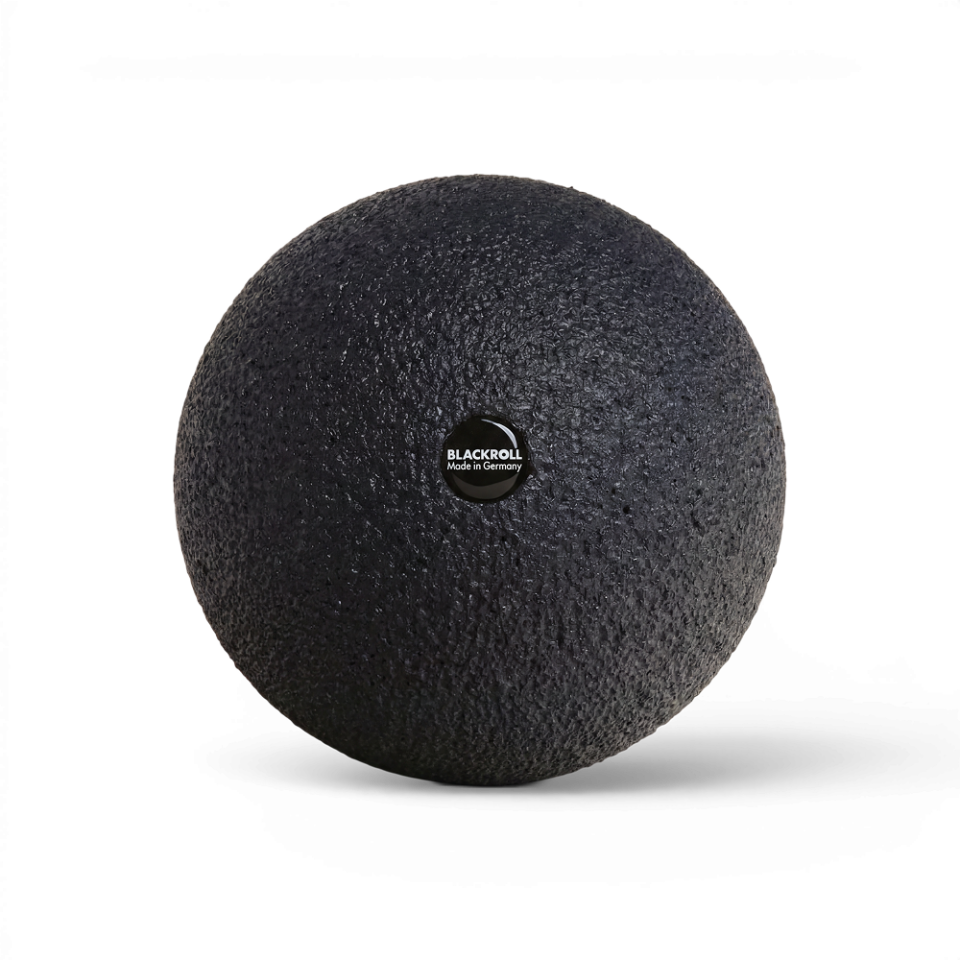
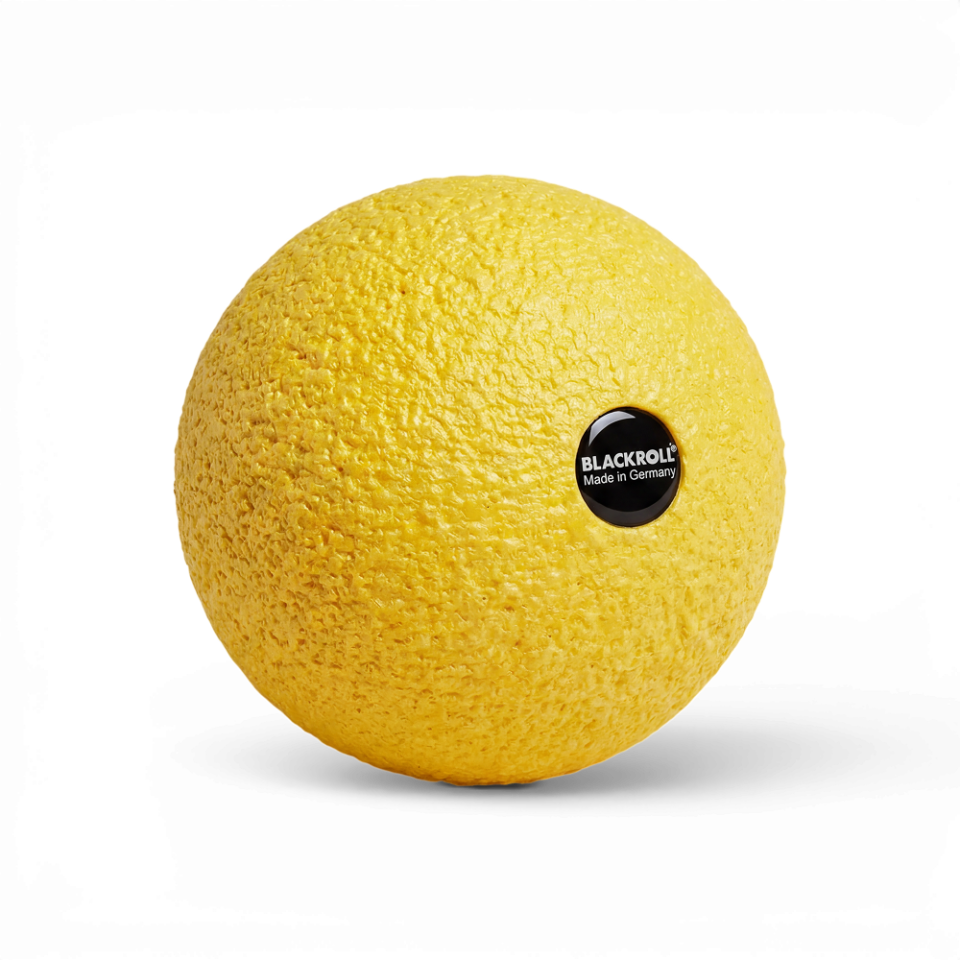
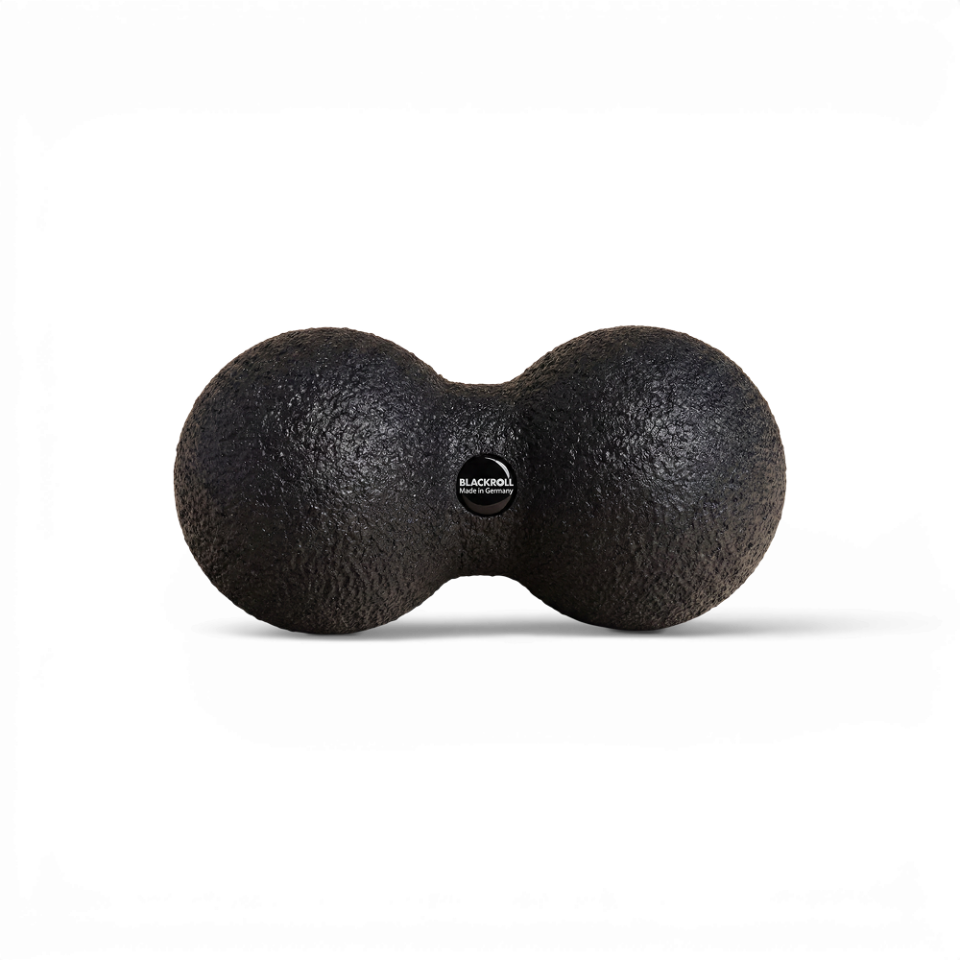
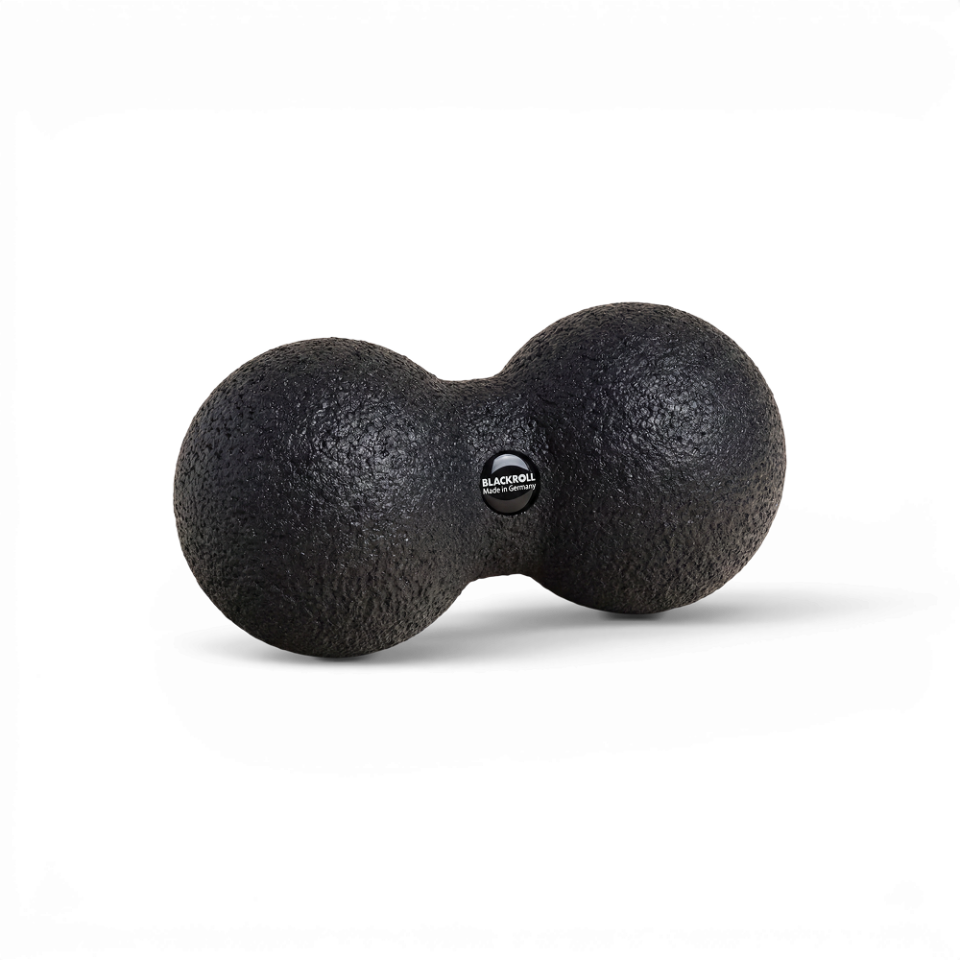
Your Tools for Shoulder Pain Exercises
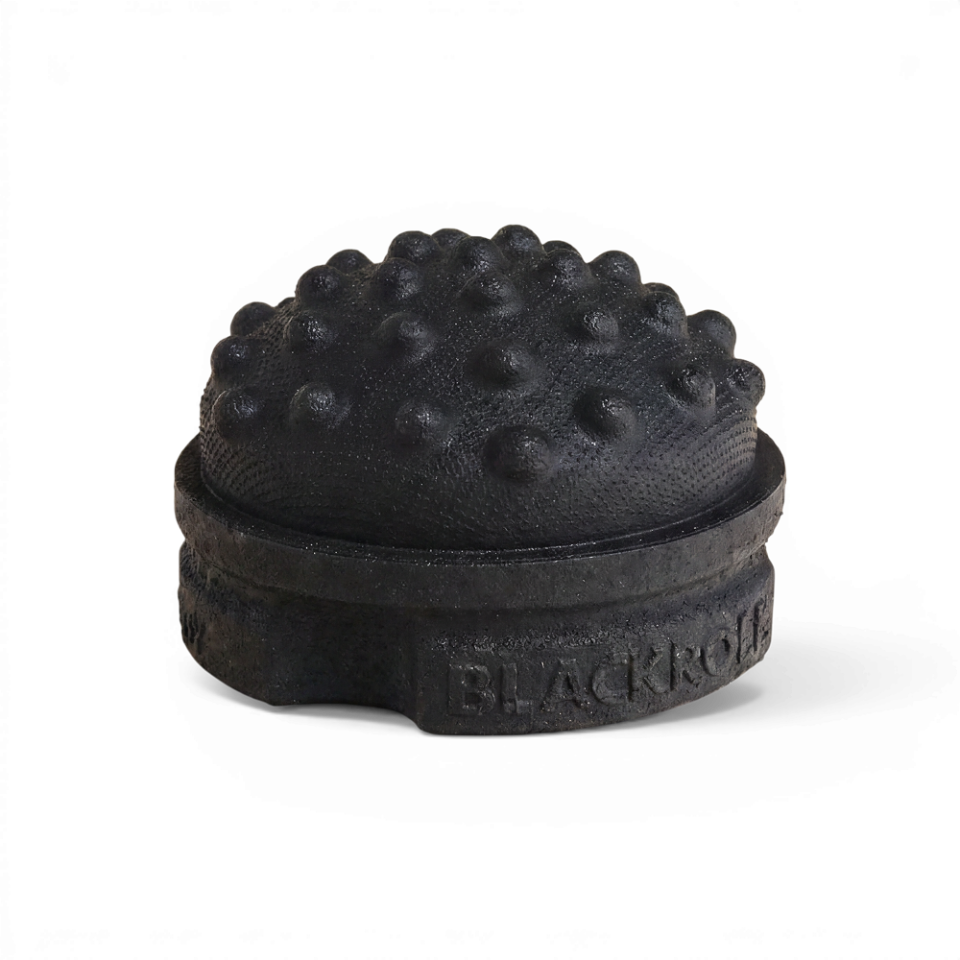
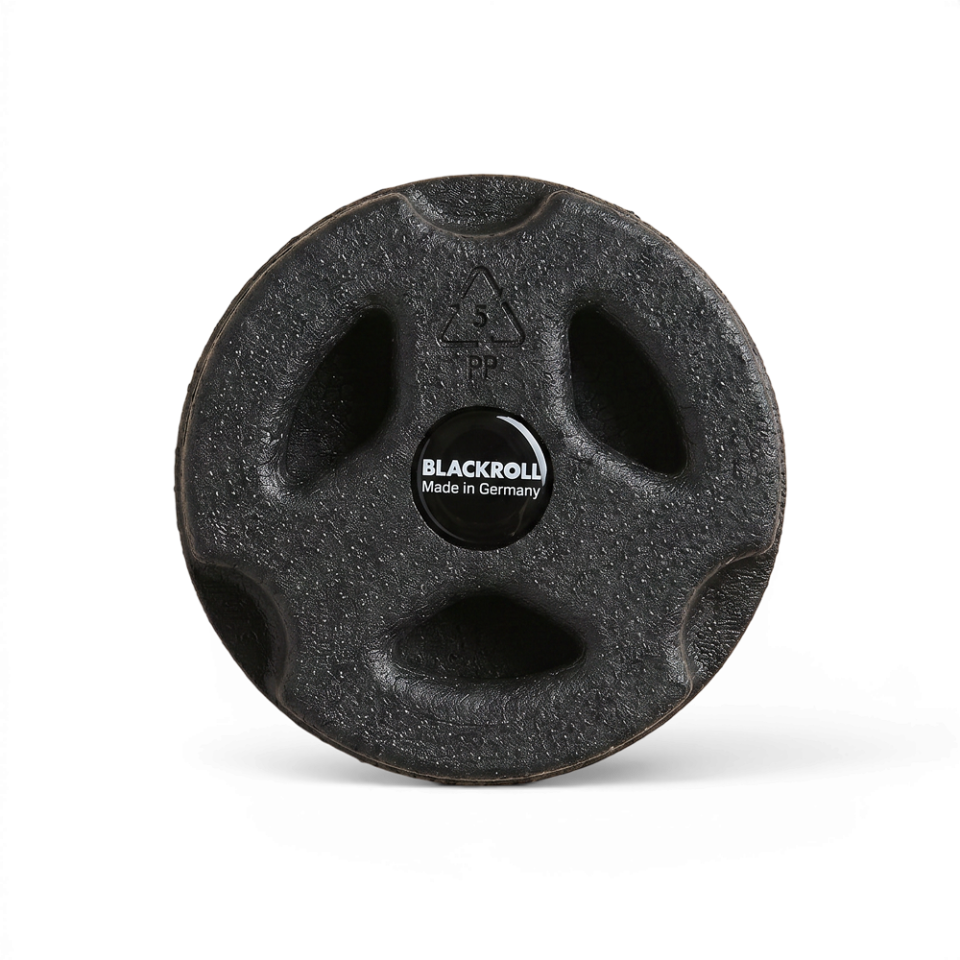
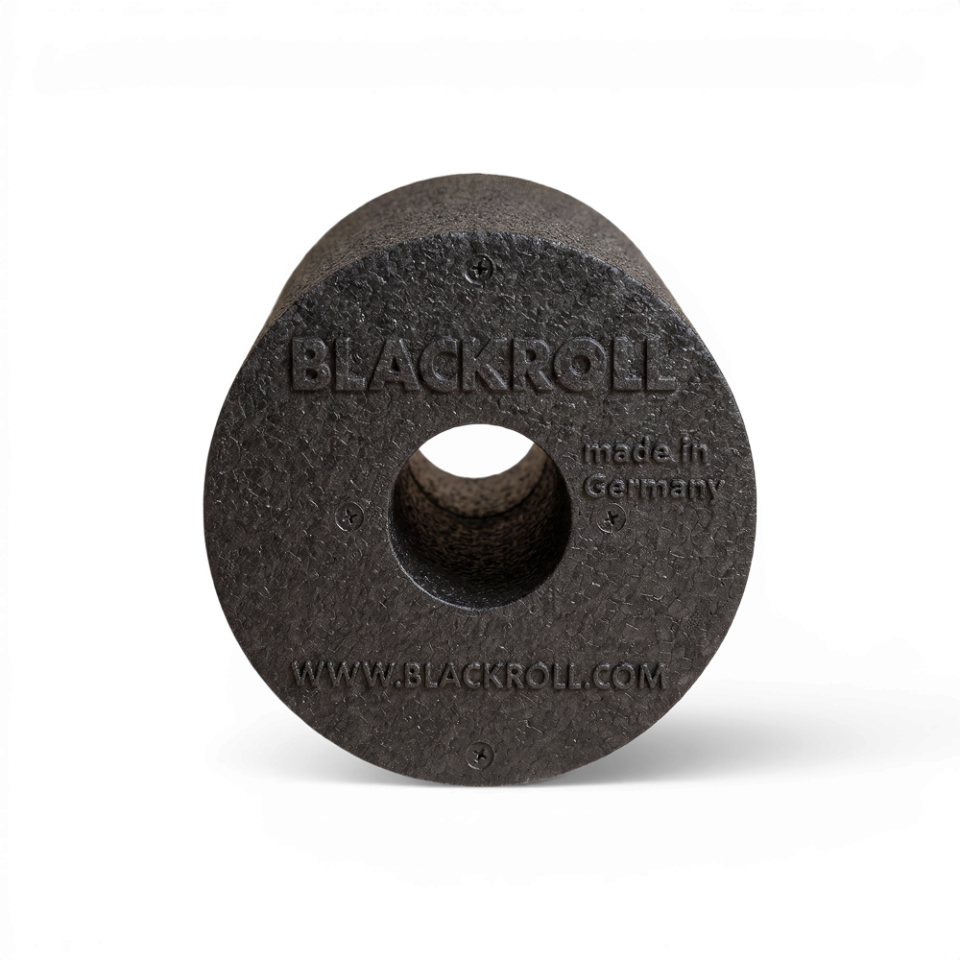
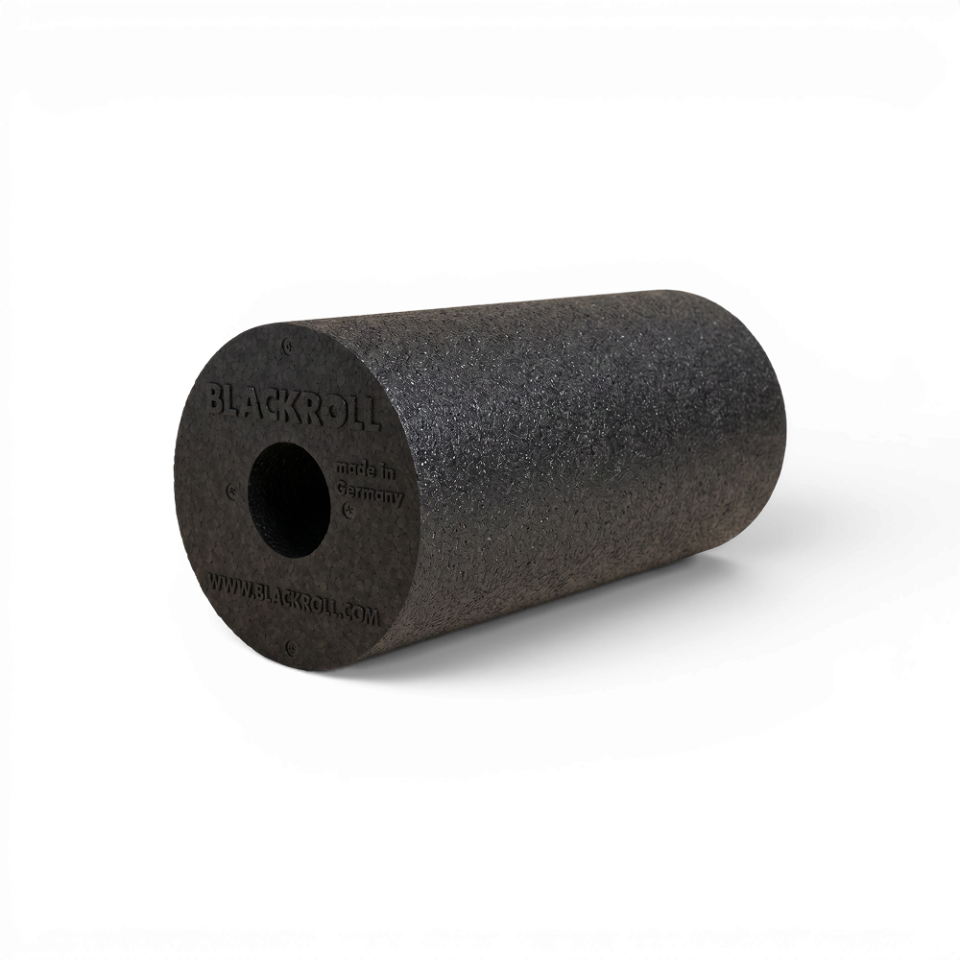


Frequently Asked Questions About Shoulder Pain
Avoid movements that cause pain, use gentle mobilization techniques such as pendulum exercises, and follow the PEACE & LOVE approach. If you experience severe, persistent, or sudden pain, you should have your shoulder examined by a doctor.
Typical symptoms include stabbing or pulling pain in the shoulder joint, which may occur during movement or at night. These are often accompanied by loss of strength, limited range of motion, or pain radiating into the arm or shoulder blade.
Gentle movement, short-term pain medication, and, if necessary, applying cold can relieve symptoms. If an injury is suspected (fall, visible misalignment, numbness), immediate medical evaluation is necessary.
Orthopedists, sports medicine specialists, or experienced physical therapists are good first points of contact. If you have neurological symptoms, a neurological evaluation may also be advisable.
A medium-firm mattress with good pressure relief in the shoulder area is often the most comfortable. It’s important that you don’t “sink in” when lying on your side or put too much strain on your shoulder.
Mobilization exercises (e.g., pendulum swings), stretches for the chest and upper back, and rotator cuff strengthening exercises are particularly effective. Exercises should be performed pain-free and gradually increased in intensity.
The pain can occur in the front, side, or back of the shoulder. It often radiates into the upper arm, neck, or shoulder blade, depending on the affected structure.
p>Depending on the cause, the pain can be sharp, dull, movement-related, or particularly intense at night. Often, a painful arc occurs when raising the arm between 60–120°.
Yes. Nerve irritation in the cervical spine can cause radiating pain in the shoulder and arm. Typical symptoms include tingling, numbness, or loss of strength.
This pain often occurs with rotator cuff irritation, impingement, or biceps tendon problems. Nerve irritation can also cause pain that radiates down the arm.
Typical causes include overuse, tendon irritation, impingement, osteoarthritis, frozen shoulder, and acute injuries such as dislocations or rotator cuff tears.
Without treatment, restricted movement, chronic inflammation, loss of strength, and poor posture can develop. The risk of long-term problems increases, especially with recurring symptoms.
Typical symptoms include pain during movement, at night, or at rest; limited range of motion; muscle tension; loss of strength; and possibly pain radiating into the arm or shoulder blade.
Sources
- Robert Koch Institute. (2023). Health Reporting: Prevalence of Musculoskeletal Complaints in Germany. RKI.
- German Orthopedic Society. (2024). Annual Report on Shoulder Pain: Prevalence, Diagnosis, and Treatment Strategies. DOG.
- German Radiology Consensus. (2024). Diagnostic Accuracy of Imaging Methods for Shoulder Pathologies (Study of 15,000 Examinations).
- Federal Association for Physical Therapy. (2023). Analysis of 2.3 million physical therapy prescriptions: Most common reasons for treatment.
- Cochrane Collaboration. (2023). Exercise Therapy Versus Pharmacological Treatment for Shoulder Pain: Meta-analysis of Randomized Controlled Trials.
- German Shoulder Society. (2024). Prevalence and outcome study on impingement syndrome and rotator cuff pathologies (N = 12,000).
- International Frozen Shoulder Study. (2024). Natural history and recovery phases of adhesive capsulitis (5-year follow-up).
- Occupational Health Cohort Study. (2023). Overhead work and risk of impingement syndrome: Results of a 5-year observation (N = 8,400).
- Deutsches Ärzteblatt. (2024). Efficacy of conservative therapy for shoulder pain: Randomized study with 1,400 participants.
- German Shoulder Osteoarthritis Registry. (2023). Course and symptom progression in omarthrosis.


