
Shoulder Blade Pain—Identify the Causes & Relieve Pain with These Tips

Schmerzen am oder zwischen den Schulterblättern sind häufig muskulär bedingt und können etwa durch Verspannungen, Fehlhaltungen oder einseitige Belastungen entstehen. Je nach Ursache können Bewegung, gezielte Übungen und Wärme helfen. Treten zusätzlich Brustschmerzen, Atemnot oder andere ungewöhnliche Beschwerden auf, solltest du die Ursache ärztlich abklären lassen.
Das Wichtigste in Kürze
- Schulterblatt-Schmerzen sind häufig muskulär bedingt, etwa durch Verspannungen, Fehlhaltungen oder einseitige Belastungen.
- Die Ursache kann auch im Nacken, der Halswirbelsäule oder im oberen Rücken liegen.
- Bewegung, Dehnung, Kräftigung und Wärme können bei muskulären Beschwerden helfen.
- Ausstrahlende Schmerzen, Kribbeln oder Taubheitsgefühle können auf eine Beteiligung von Nerven hindeuten.
- Bei anhaltenden oder starken Schmerzen sowie Atemnot oder Brustschmerzen ist eine ärztliche Abklärung sinnvoll.
Do you feel a twinge between your shoulder blades? Does your back feel stiff—as if you were constantly carrying an invisible weight around with you? If so, you’re one of the many people who regularly experience shoulder blade pain. The causes are varied: sitting for long periods at the office, an awkward sleeping position, one-sided strain in daily life, or stress that literally “weighs on your back.”
As unpleasant as this pain may be—you don’t have to just put up with it. The better you understand what’s behind the discomfort, the more effectively you can address it in your daily life. This article explains common causes of shoulder blade pain. It highlights the warning signs you should watch for and when it’s advisable to see a doctor. You’ll also get useful tips on how to adjust your lifestyle and habits to benefit your shoulders and your entire body in the long run.


Shoulder Blade Pain – What You Should Know
The scapula—one of three bones in the highly mobile shoulder joint—plays a central role in our arm and upper body movements. When pain occurs in this area, it is usually caused by muscle issues. Tension, poor posture, or uneven strain are often the underlying causes. A typical symptom is so-called impingement pain beneath the acromion, in which tendons or tissues become irritated during certain movements.
Diagram
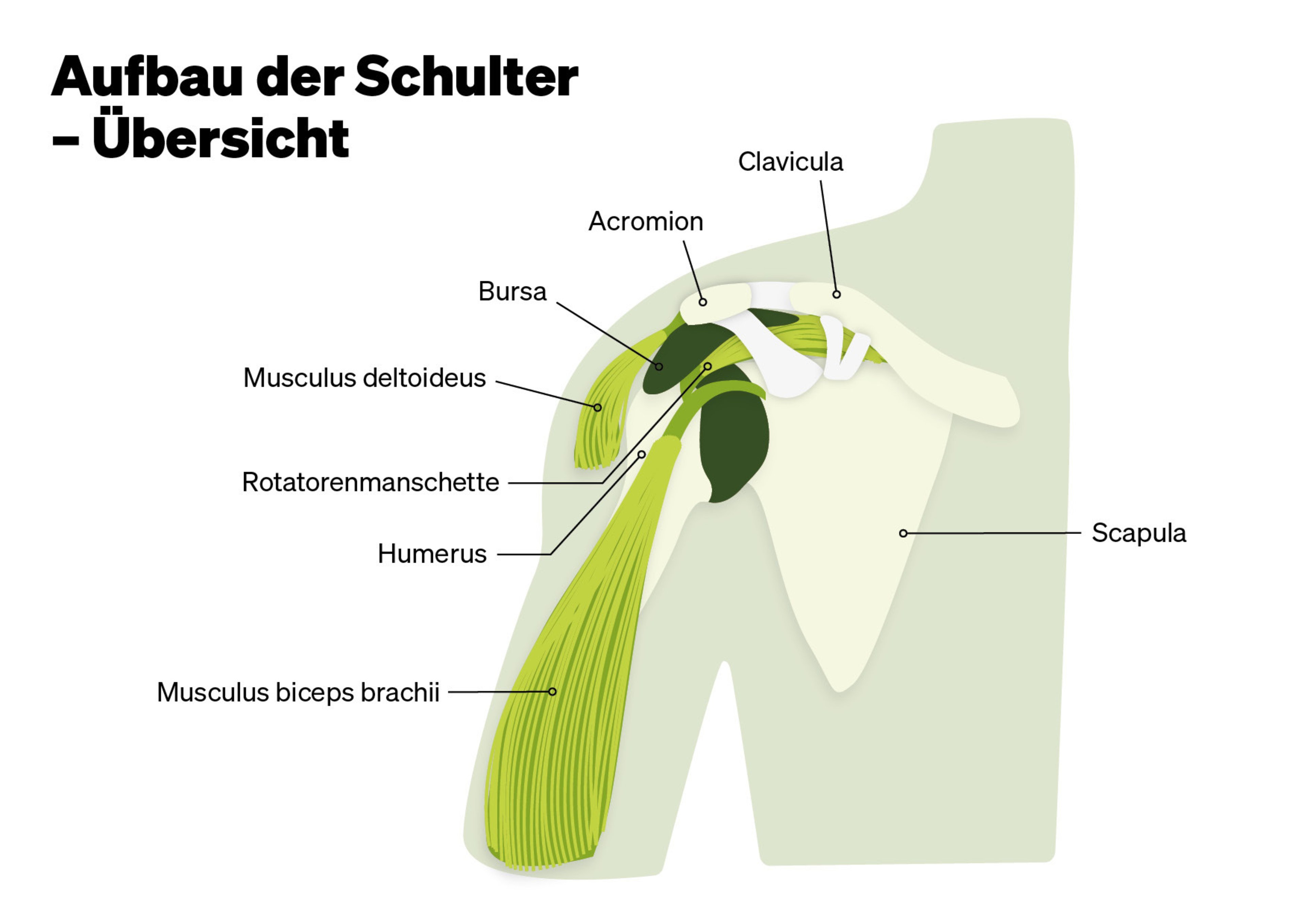
Good to know: The cause of shoulder blade pain is often not directly in the shoulder blade itself. The problem frequently lies in adjacent areas—for example, in the cervical spine, upper back, or neck. In rarer cases, organic issues, such as those involving the heart or lungs, may also play a role.
These symptoms are very common and affect many people in their daily lives. Causes include prolonged sitting, lack of exercise, or physical strain. Therefore, it’s important to take action early on. Heat packs for the shoulders, upper back, and neck can help. Targeted stretching and strengthening exercises loosen and strengthen the muscles over the long term.
Helpful Exercises for Shoulder Blade Pain




Scapular Pain: Causes & Symptoms of Different Pain Areas
Scapular pain can be experienced in many different ways—sometimes dull and aching, sometimes sharp or burning. It’s often difficult to pinpoint the exact cause, as discomfort in the shoulder blade region can stem from various sources: muscles, fascia, joints, nerves, or even internal organs. The key to an initial assessment is determining exactly where the pain is located. This is because different locations correspond to different triggers and symptoms.
If the pain occurs on one side—that is, only in the right or left shoulder blade—it is often due to muscle tension or a functional disorder. Carrying heavy bags on one side overloads the muscles. An asymmetrical sleeping position or consistently holding your arm in the same position—such as when working with a mouse—can also lead to a pulling pain. Blockages in the thoracic spine or an irritated costal joint are also typical causes. However, if you experience pain in the left shoulder blade—especially in combination with shortness of breath, a feeling of tightness, or pain radiating into the arm—you should also consider the possibility of a heart-related issue. In rare cases, pain on the right side may be related to organs such as the gallbladder.
Pain under the shoulder blade is often described as stabbing or localized. The cause is usually myofascial tension—that is, stiffness in the interaction between muscles and fascia, which also restricts shoulder blade mobility. Nerve irritation, such as that caused by the so-called “scapula alata” phenomenon (a protrusion of the shoulder blade, particularly due to lateral chest muscles that are disproportionately tense), can also manifest in this area.
The area between the shoulder blades is a common pain point for people who sit a lot—often combined with forward-hunching shoulders and a slumped posture. This posture weakens the back muscles and causes the chest area to shorten, leading to muscular imbalance. The result: a dull, pressing pain or a burning, pulling sensation between the shoulder blades.
Pain in the front of the shoulder blade —that is, deeper inside the shoulder joint—is often difficult to pinpoint. Those affected frequently describe it as “unpleasant deep inside.” Possible causes include trigger points in the subscapularis muscle or irritation of the joint capsule, which are particularly noticeable during overhead work or in cases of shoulder instability.
In the rear area of the shoulder blade—that is, along the upper edge of the back—tension-related pain often occurs during times of stress. Many people unconsciously hunch their shoulders in stressful situations—a posture that places sustained strain on the muscles. Here, too, neck and shoulder girdle muscles, such as the levator scapulae, are often involved.
If the pain intensifies when breathing, the cause often lies in the area of the ribs or the intercostal muscles. A blocked thoracic spine or irritation of the pleura can make breathing difficult and lead to stabbing, movement-related pain. Tense back muscles that need to stretch when inhaling but are unable to do so sufficiently due to their condition also frequently cause pain.
Shoulder blade pain is multifaceted. It can occur in isolation or indicate more extensive muscular, structural, or even organic causes. That is why it is important to take the exact location of the pain seriously—it provides valuable clues for targeted investigation of the cause and effective measures for relief.
Expert Advice for Home Care
More interesting articles




Tension in the Shoulder Blade – Causes and Symptoms
Tension in the shoulder blade area is one of the most common causes of upper back pain —and it’s often more persistent than one might initially suspect. The shoulder blade region is a sensitive hub in the body’s muscular-fascial network. Many important muscle groups converge here: for example, the trapezius muscle, the rhomboid minor and major muscles (Musculus rhomboideus minor and major), and the levator scapulae muscle (Musculus levator scapulae). These muscles stabilize the shoulder blade, enable arm movements, and ensure that we remain upright and mobile.
If this interaction is disrupted—for example, by poor posture, overexertion, or lack of movement—the body reacts with tension. A typical cause is sitting for long periods in a forward-leaning position, such as at a desk or in a car. One-sided activities such as carrying bags, working overhead, or lifting heavy loads can also lead to muscular imbalances. Psychological stress also plays a central role: Many people unconsciously tense the shoulder-neck area in stressful situations—sometimes for hours on end. The result: localized muscle stiffness, known as trigger points, which cause pain and restrict mobility.
A characteristic symptom of tension in the shoulder blade is a dull, pulling, or pressing pain that can intensify with certain movements or when remaining in one position for an extended period. Some people also experience radiating discomfort in the neck, shoulder, or arm. People often feel as though they cannot “stretch out properly” or have a constant urge to stretch or massage the painful area. If such tension goes untreated, it can become chronic—which is why it’s important to listen to your body’s signals early on and get to the root of the problem.
Tackle Your Scapular Pain with These Exercises





Nerv an Schulter oder Schulterblatt eingeklemmt
Ein „eingeklemmter Nerv“ an der Schulter oder am Schulterblatt kann durch eine Reizung oder Kompression eines Nervs entstehen, beispielsweise im Bereich der Halswirbelsäule. Neben Schmerzen können Kribbeln, Taubheitsgefühle oder Muskelschwäche auftreten und die Beschwerden bis in den Arm ausstrahlen. Bei anhaltenden oder stärkeren neurologischen Symptomen ist eine ärztliche Abklärung sinnvoll.


Shoulder-Arm Syndrome – When Pain Radiates into the Arm
Shoulder-Arm Syndrome describes a set of symptoms in which pain occurs in the shoulder area and can radiate down into the arm. Those affected often report pulling, stabbing, or dull pain that spreads along the arm and sometimes extends all the way to the hand. Typical accompanying symptoms include tingling, numbness, or loss of strength in the affected arm. This is not a single disease, but rather a functional disorder in which various structures of the musculoskeletal system may be involved.
What is shoulder-arm syndrome?
The syndrome is not a specific diagnosis, but rather a collective term for pain and neurological sensory disturbances that usually originate in the area of the shoulder, upper chest, neck, or cervical spine. The pain does not occur only locally but radiates along the nerve pathways into the arm—an indication of nervous system involvement. However, it is not uncommon for these sensory disturbances to be caused simply by a tense muscle-fascia system combined with impaired metabolism.
Anatomical Explanation: Nerve Compression and Muscle Tension
Irritation or compression of the nerves supplying the arm is often the cause. The brachial plexus—a large network of nerves between the cervical spine and the shoulder—is particularly affected. Muscular tension (e.g., in the scalene muscles, pectoralis minor, or trapezius) can trigger this compression. Intervertebral disc problems, poor posture, or degenerative changes in the cervical spine may also be potential causes. Chronic improper strain in daily life, lack of exercise, or prolonged stress have a particularly adverse effect on these structures.
Differential Diagnosis from Other Shoulder Conditions
It is important to distinguish this condition from other shoulder disorders, such as frozen shoulder, rotator cuff tears, or pure impingement syndrome. These primarily affect the joint itself and usually lead to limited mobility or localized shoulder pain—without pain radiating into the arm. In shoulder-arm syndrome, however, radiating pain and neurological symptoms are the primary features.
Shoulder-arm syndrome can significantly impair quality of life and should be diagnosed and treated early. A thorough diagnostic evaluation, such as an orthopedic or neurological examination, is crucial for determining the exact cause and initiating targeted therapeutic measures.


How Long Does Shoulder-Arm Syndrome Last? – Course and Prognosis
The duration of shoulder-arm syndrome can vary greatly—depending on the cause, the start of treatment, and the individual’s physical condition. In acute cases, such as those resulting from overexertion or muscle tension, symptoms may subside within a few days to weeks—provided that the strain is reduced and targeted measures for relief and recovery are implemented.
Chronic cases, on the other hand, can drag on for several weeks to months. This is especially true if the underlying cause—such as poor posture, degenerative changes in the spine, or persistent muscular imbalances—is not addressed. The longer the syndrome remains untreated, the more persistent the symptoms may become.
Factors that influence recovery:
- Exercise and mobilization: Gentle, pain-free movement can help promote blood circulation and relieve tension.
- Recovery: Adequate sleep, stress reduction, and heat therapy support the healing process.
- Therapy: Physical therapy with home exercises, manual therapy, or pain management can specifically release blockages and correct muscular imbalances.
When should you see a doctor?
A visit to the doctor is recommended if:
- the pain persists for several days or worsens,
- you experience numbness, tingling, or weakness in your arm,
- mobility is severely restricted, or
- accompanying symptoms such as shortness of breath, dizziness, or chest pain develop (suggesting an organic cause).
Precisely because shoulder-arm syndrome can have such a wide range of causes, an evaluation by a specialist is advisable in order to initiate the appropriate treatment—and to prevent the condition from becoming chronic. With the right approach, the chances of recovery are very good in most cases.


Shoulder pain when raising the arm
Shoulder pain when raising the arm can significantly limit daily activities. Stabbing, pulling, or locking pain is typical of functional disorders in the shoulder joint. This affects everyday movements such as putting on a sweater, reaching for an item on a high shelf, or lifting objects. Those affected often report that the first few centimeters of lifting are pain-free. However, the pain suddenly occurs or increases significantly once a certain angle is reached, usually between 60 and 120 degrees.This so-called “painful arc” is a classic sign of impingement syndrome.
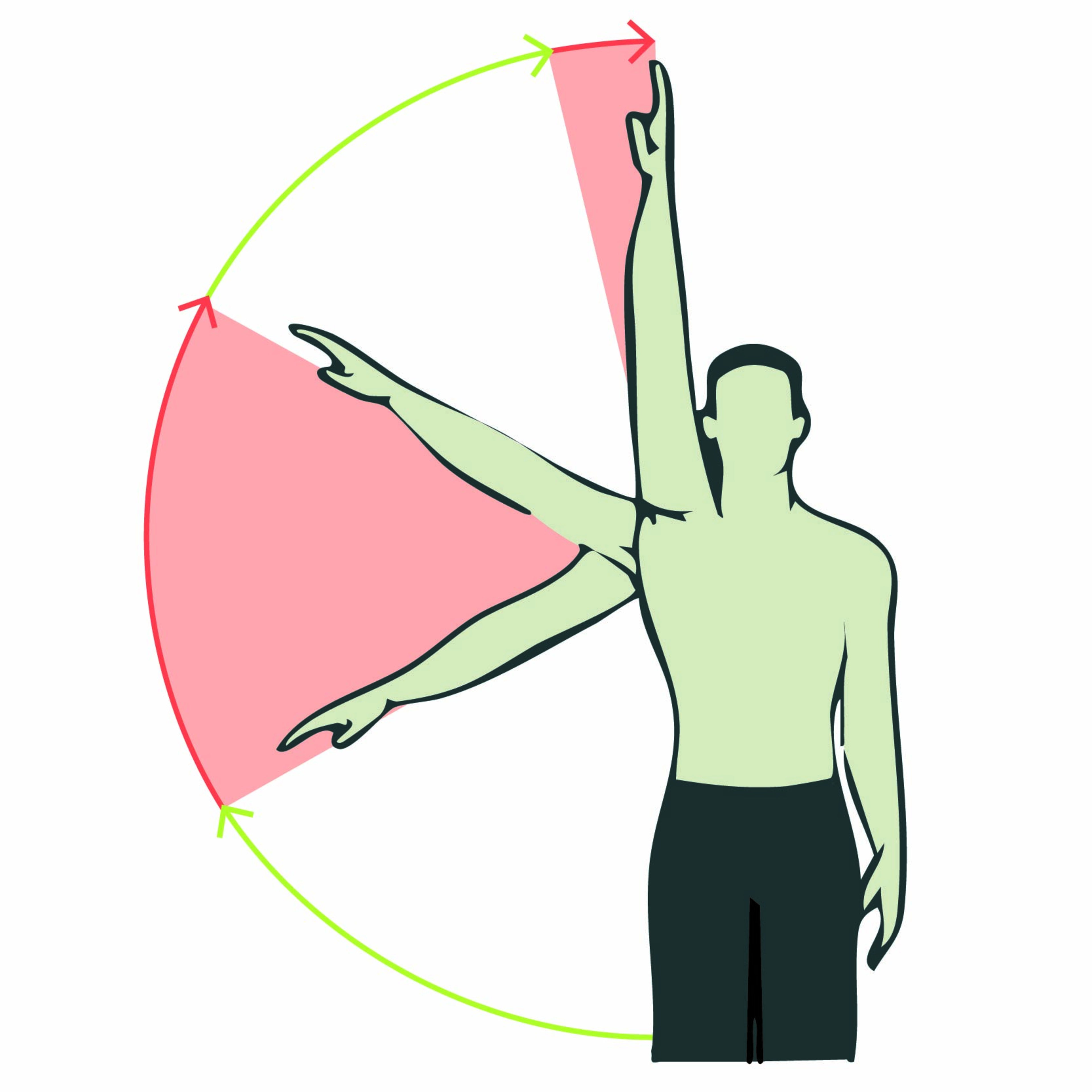
The cause usually lies in irritation or tightness in the rotator cuff—a group of four deep muscles (supraspinatus, infraspinatus, teres minor, and subscapularis) that stabilize the shoulder joint and coordinate movements with precise precision. When the arm is raised, the tendon of the supraspinatus muscle glides beneath the bony acromion. If the space there is constricted—for example, due to muscular imbalances, tendon irritation, bursitis, or poor posture—friction occurs, which over time can lead to pain, inflammation, or even tears. This impingement syndrome is one of the most common causes of shoulder pain during overhead movements.
What helps? During the acute phase, the movement that triggers the pain should initially be avoided. At the same time, it is important to specifically strengthen the muscles and stabilize the shoulder joint without overloading it. Targeted exercises strengthen and balance the tension in the rotator cuff, mobilize the thoracic spine, and stretch the chest muscles. These measures can reduce pressure under the acromion and improve mobility in the long term. Posture training and regular movement breaks throughout the day are also important for correcting poor posture and keeping the shoulder pain-free over the long term.
However, in cases of persistent or severe pain, a medical evaluation should be conducted to rule out structural damage and develop a personalized treatment plan.


A pulling pain from the shoulder down to the fingers—what’s causing it?
A pulling pain that radiates from the shoulder down the arm to the fingers is not only unpleasant but often alarming as well. Unlike localized shoulder pain, this symptom frequently indicates involvement of the nervous system—specifically, irritation or inflammation of the peripheral nerve pathways that supply the arm and hand.
Possible causes include:
- nerve irritation in the cervical spine (e.g., due to herniated discs or degenerative changes),
- trigger points in muscles such as the trapezius or the scalene muscles, which transmit pain along the nerve pathways,
- blockages or misalignments of the cervical or thoracic spine that obstruct nerve exit,
- as well as a condition known as thoracic outlet syndrome, in which blood vessels and nerves become pinched at the junction between the neck, collarbone, and chest-shoulder region.
Such pain typically results from irritation of the nerve root (radiculopathy) or peripheral nerve compression caused by myofascial tightness—for example, of the median, ulnar, or radial nerves. Depending on the affected nerve, the pain may be more pronounced in certain fingers or sections of the arm.
Warning signs of possible neurological causes include:
- numbness or tingling in the fingers or hand,
- muscle weakness in the arm or loss of grip,
- coordination problems or impaired fine motor skills,
- persistent, pulling pain that worsens when coughing, sneezing, or holding the head in certain positions.
In such cases, it is important to consult a doctor to determine whether there is a neurological cause. Early diagnosis and treatment can prevent permanent damage.
What can you do on your own?
Neurodynamic exercises can be particularly helpful for functional causes—such as muscle restrictions or mild nerve irritation. These exercises promote the mobility of the nerve pathways (“nerve flossing”) and improve the gliding ability of the nerve tissue through surrounding structures. This involves gently moving the nerve along its path—for example, through targeted arm movements combined with turning the head, or through mobilization exercises for the cervical spine. Gentle stretches and relaxation exercises can also reduce pressure on the affected structures.
It is important to note that the exercises should be performed without causing symptoms or only with mild discomfort—and under no circumstances should they be done in a way that aggravates the condition.
Fascia Training for the Shoulder


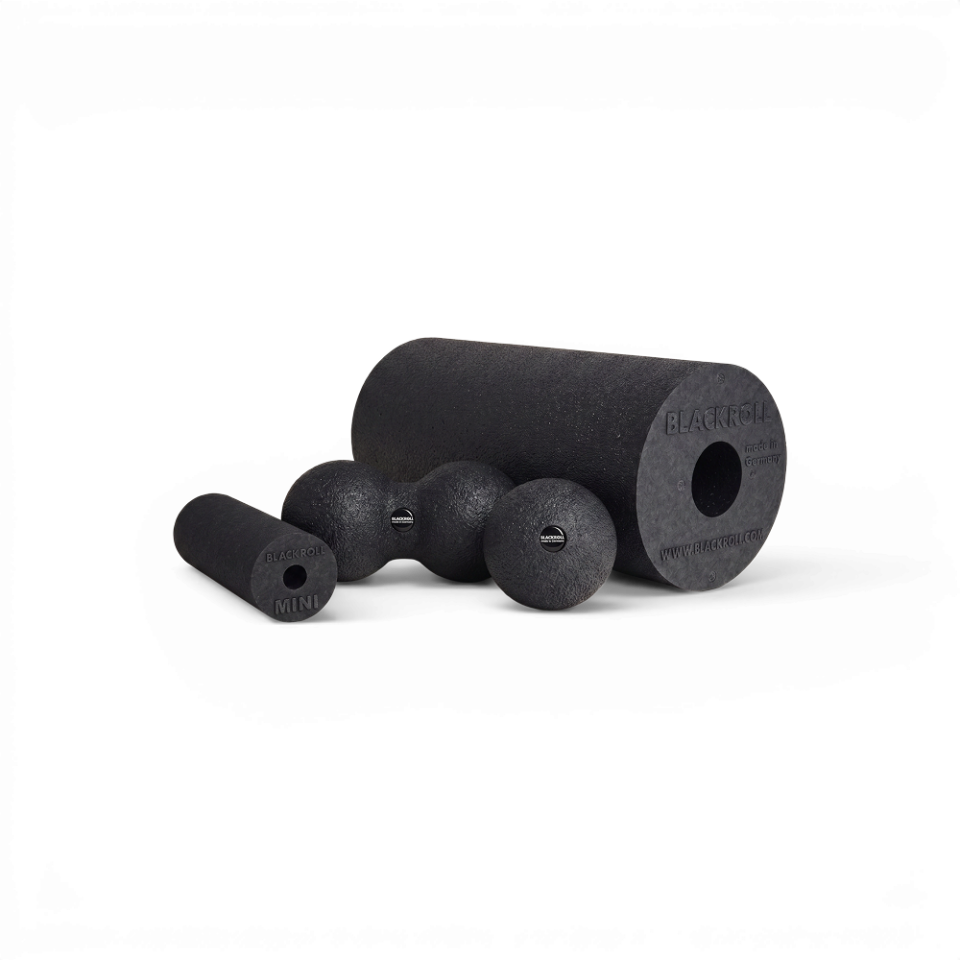
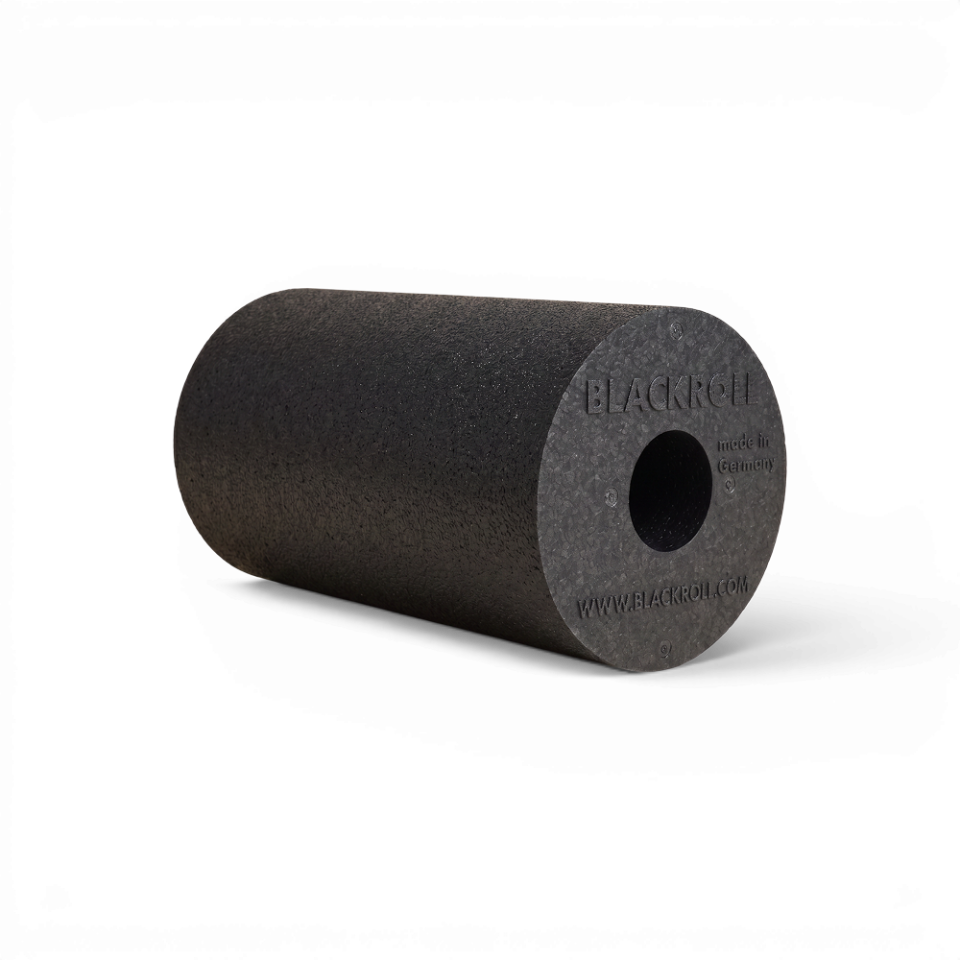
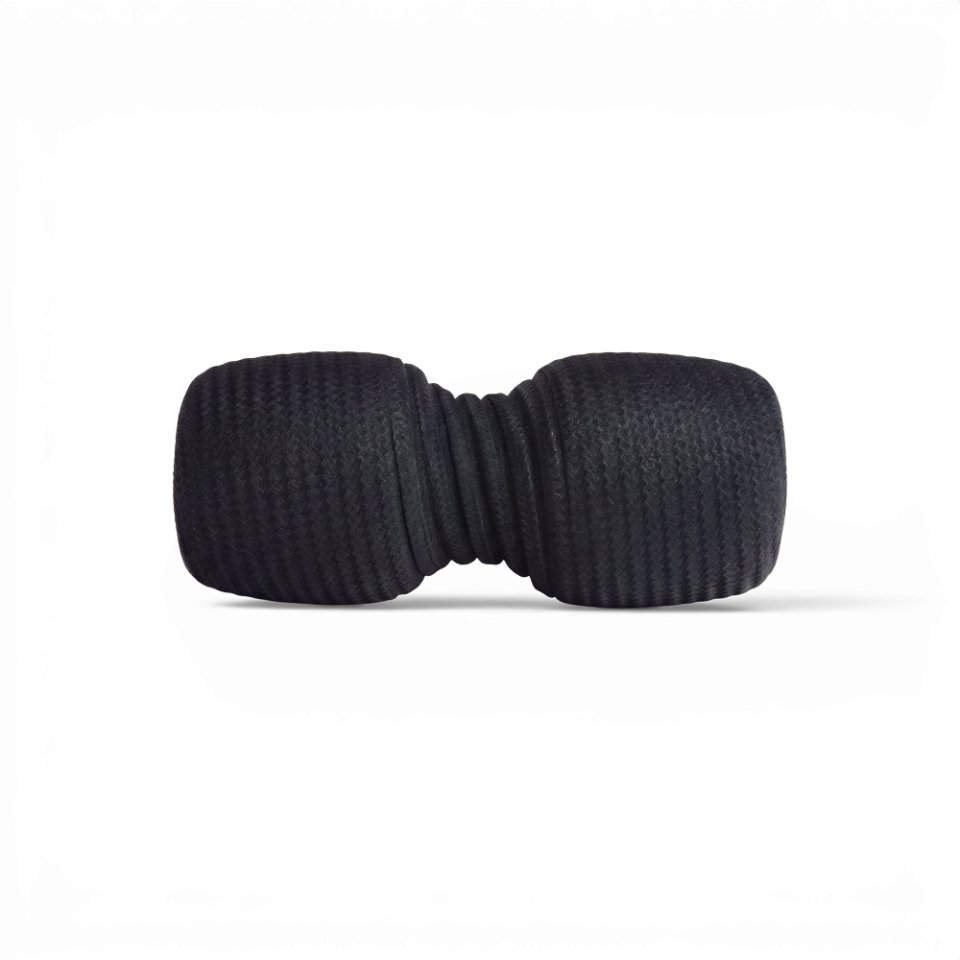
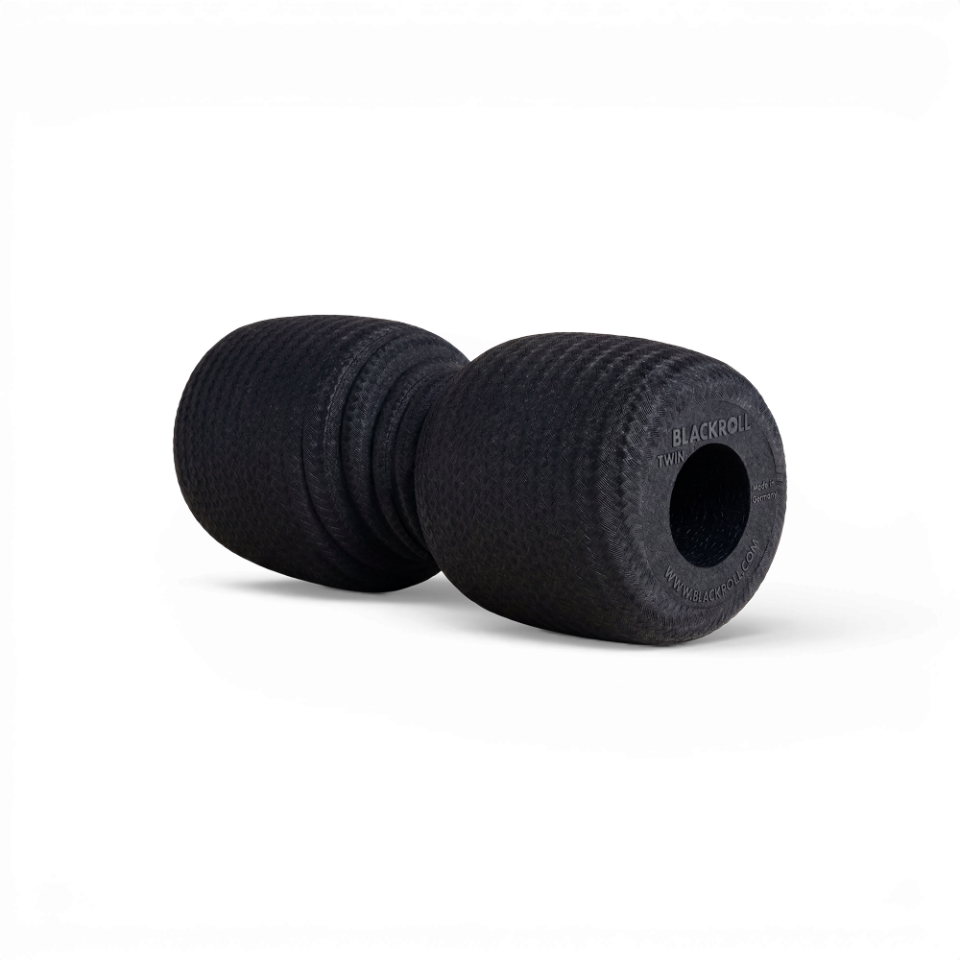
Fascia Tools for Scapular Pain


Conclusion & Tips for Everyday Life
Shoulder blade pain and radiating discomfort in the arm and neck are very common—and often the result of a combination of muscle tension, poor posture, and lack of exercise. The good news: In most cases, you can take steps on your own to relieve the symptoms and prevent them in the long term. The key is to take your body’s signals seriously and maintain a healthy balance between exertion and rest.
Maintain good posture in your daily life—especially when working at a computer or sitting for long periods. Incorporate regular movement breaks, stretch your chest and neck muscles, and specifically strengthen your upper back. Even simple measures like heat packs, mindful breathing exercises, and an ergonomic workspace can make a big difference. If the pain persists despite self-care measures, becomes more severe, or is accompanied by numbness, don’t hesitate to seek medical advice.
Remember: Your body isn’t a rigid machine—it’s flexible, adaptable, and capable of regenerating. Give it the stimulation it needs—through mindful movement, intentional breaks, and targeted relaxation. This way, you can not only better understand shoulder blade pain but also actively work to improve your well-being—day after day.
FAQ
Schmerzen am Schulterblatt sind häufig muskulär bedingt. Typische Ursachen sind Verspannungen, Fehlhaltungen, langes Sitzen, einseitige Belastungen oder Überlastung. Auch Beschwerden der Hals- oder Brustwirbelsäule und Nervenreizungen können Schmerzen in die Schulterblattregion ausstrahlen.
Muskuläre Beschwerden fühlen sich häufig dumpf, ziehend oder drückend an und verändern sich bei Bewegung oder Druck. Kribbeln, Taubheitsgefühle, Muskelschwäche oder bis in Arm und Hand ausstrahlende Schmerzen können dagegen auf eine Nervenbeteiligung hinweisen.
Ja, insbesondere linksseitige Schulterblatt-Schmerzen können in seltenen Fällen mit Herzproblemen zusammenhängen. Treten sie zusammen mit Brustschmerzen oder Engegefühl, Atemnot, Übelkeit, Schwindel oder ausstrahlenden Schmerzen in Arm oder Kiefer auf, sollte umgehend medizinische Hilfe gesucht werden.
Lass Schulterblatt-Schmerzen ärztlich abklären, wenn sie stark sind, länger anhalten oder sich verschlimmern. Auch Taubheitsgefühle, Kribbeln, Muskelschwäche, Bewegungseinschränkungen oder Begleitsymptome wie Brustschmerzen und Atemnot sollten medizinisch abgeklärt werden.
Bei muskulär bedingten Beschwerden können sanfte Schulterbewegungen und Mobilisationsübungen kurzfristig entlasten. Eine einfache Möglichkeit ist, die Schultern langsam nach hinten zu kreisen und dabei schmerzfrei zu bewegen. Welche Übung geeignet ist, hängt jedoch von der Ursache der Beschwerden ab.
Wechsle regelmäßig deine Sitzposition und unterbrich längeres Sitzen durch kurze Bewegungspausen. Mobilisiere Schultern und Brustwirbelsäule regelmäßig und kräftige den oberen Rücken. Auch ein ergonomisch eingerichteter Arbeitsplatz kann einseitige Belastungen reduzieren.
More interesting articles




Quellen & Studien
Jeon, N.-Y., & Chon, S.-C. (2018). Effect of glenohumeral stabilization exercises combined with scapular stabilization on shoulder function in patients with shoulder pain: A randomized controlled experimenter-blinded study. Journal of Back and Musculoskeletal Rehabilitation, 31(2), 259–265. https://doi.org/10.3233/BMR-169612
Kamonseki, D. H., Haik, M. N., Ribeiro, L. P., Almeida, R. F., & Camargo, P. R. (2023). Scapular movement training is not superior to standardized exercises in the treatment of individuals with chronic shoulder pain and scapular dyskinesis: Randomized controlled trial. Disability and Rehabilitation, 45(18), 2925–2935. https://doi.org/10.1080/09638288.2022.2114552
Moradi, M., Hadadnezhad, M., Letafatkar, A., Thomas, A. C., & Hosseinzadeh, M. (2025). Effect of motor control retraining program on symptoms, strength, and function in individuals with shoulder impingement syndrome and scapular dyskinesis: A randomized controlled trial. Journal of Bodywork and Movement Therapies, 43, 201–209. https://doi.org/10.1016/j.jbmt.2025.04.041
Tang, L., Chen, K., Huang, L., Liang, J., Wang, M., He, L., Liu, L., Li, L., Ma, Y., et al. (2024). Efficacy of targeted scapular stabilization exercise versus conventional exercise for patients with shoulder pain: A randomized clinical trial. American Journal of Physical Medicine & Rehabilitation, 103(9), 771–776. https://doi.org/10.1097/PHM.0000000000002431
Zhong, Z., Zang, W., Tang, Z., Pan, Q., Yang, Z., & Chen, B. (2024). Effect of scapular stabilization exercises on subacromial pain (impingement) syndrome: A systematic review and meta-analysis of randomized controlled trials. Frontiers in Neurology, 15, 1357763. https://doi.org/10.3389/fneur.2024.1357763