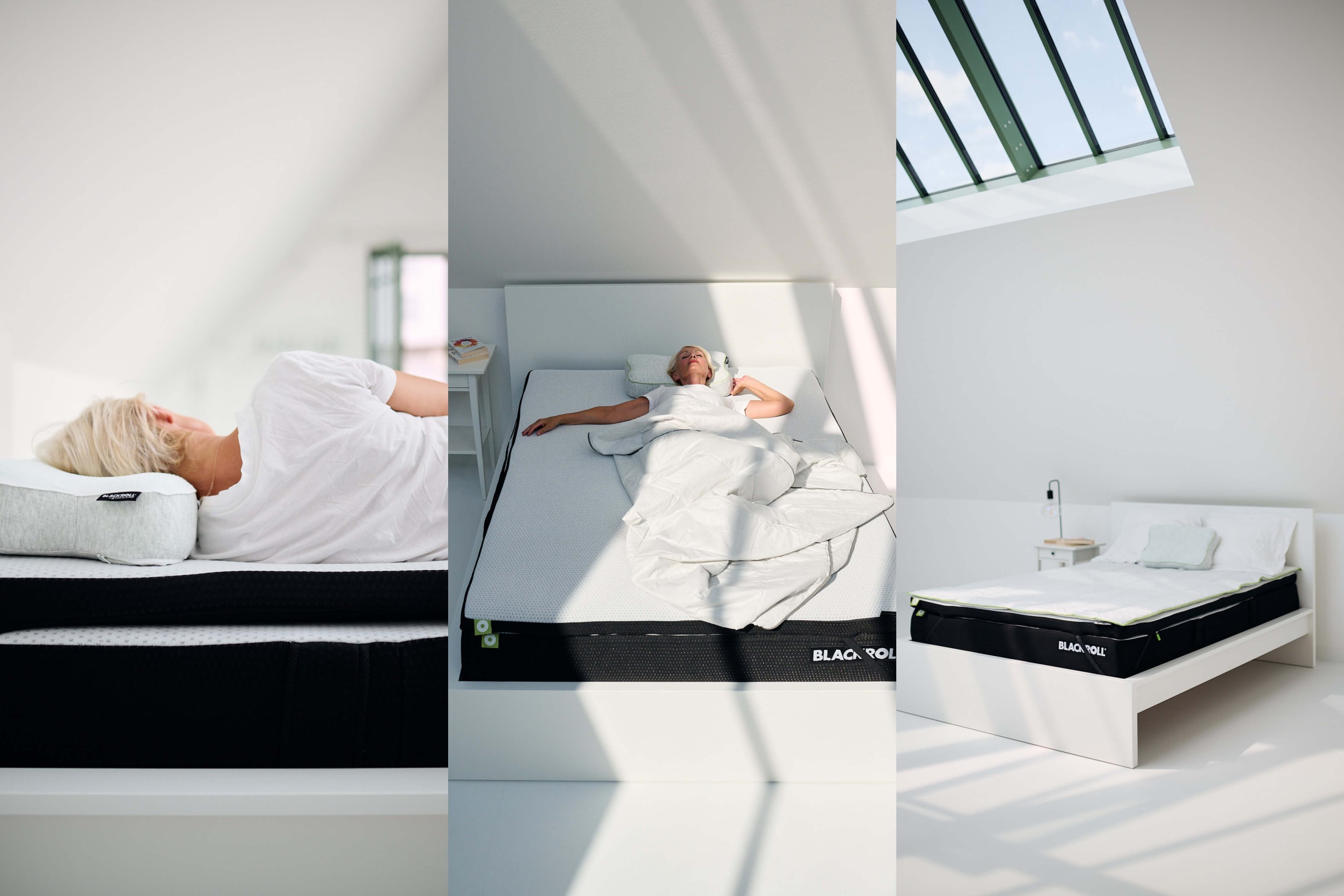
Which Mattress Topper Is Best for Back Pain? Tips for Restful Sleep and a Healthy Back

Back pain is one of the most common complaints —whether caused by prolonged sitting, poor posture, physical and mental strain, or a lack of exercise and poor nutrition. It’s especially noticeable at night or in the morning upon waking, when the back feels stiff, tense, or painful. The quality of sleep plays a central role in the body’s recovery. And this is exactly where the mattress topper comes into play: the mattress and topper significantly influence how well the muscles and spine can recover during sleep.
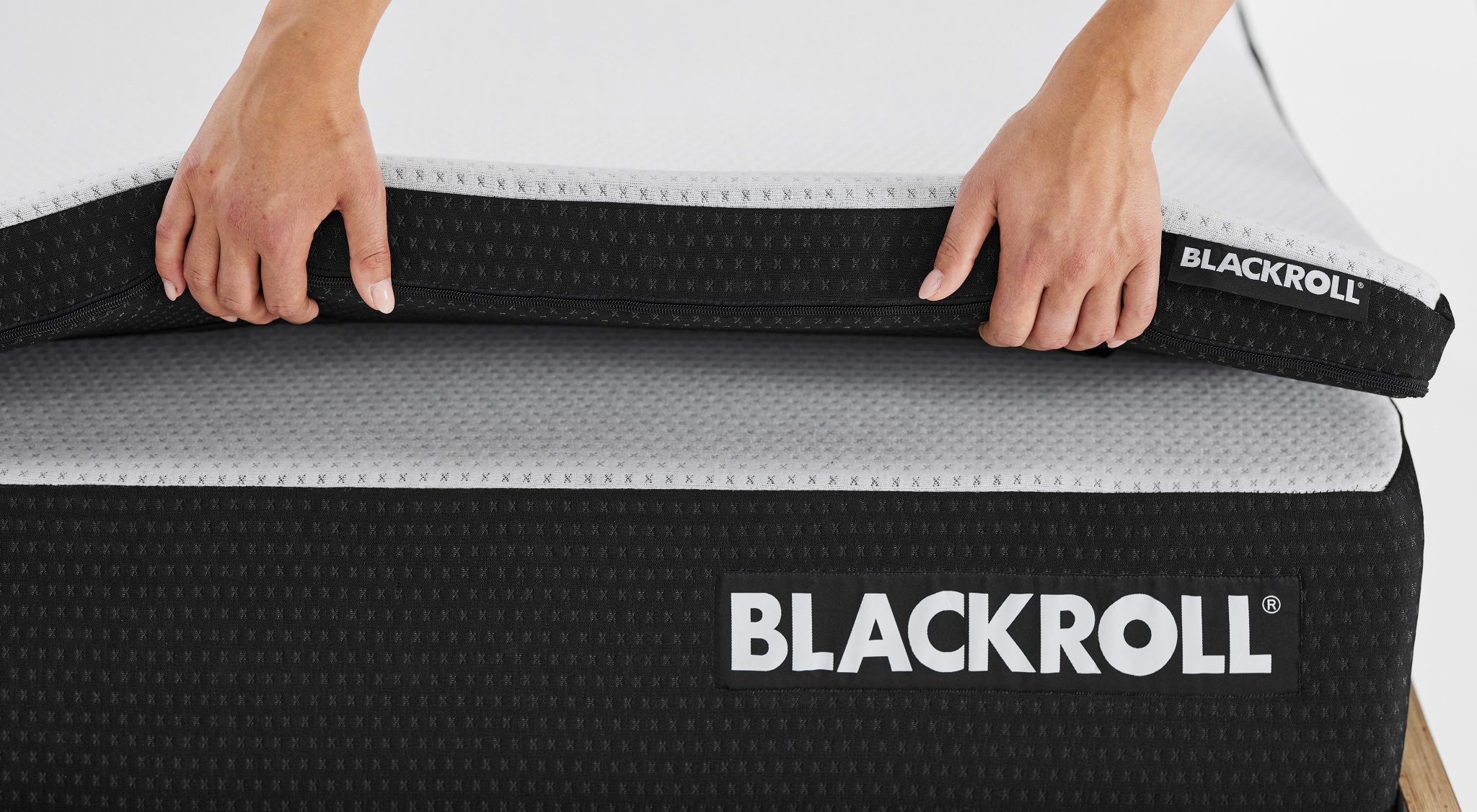
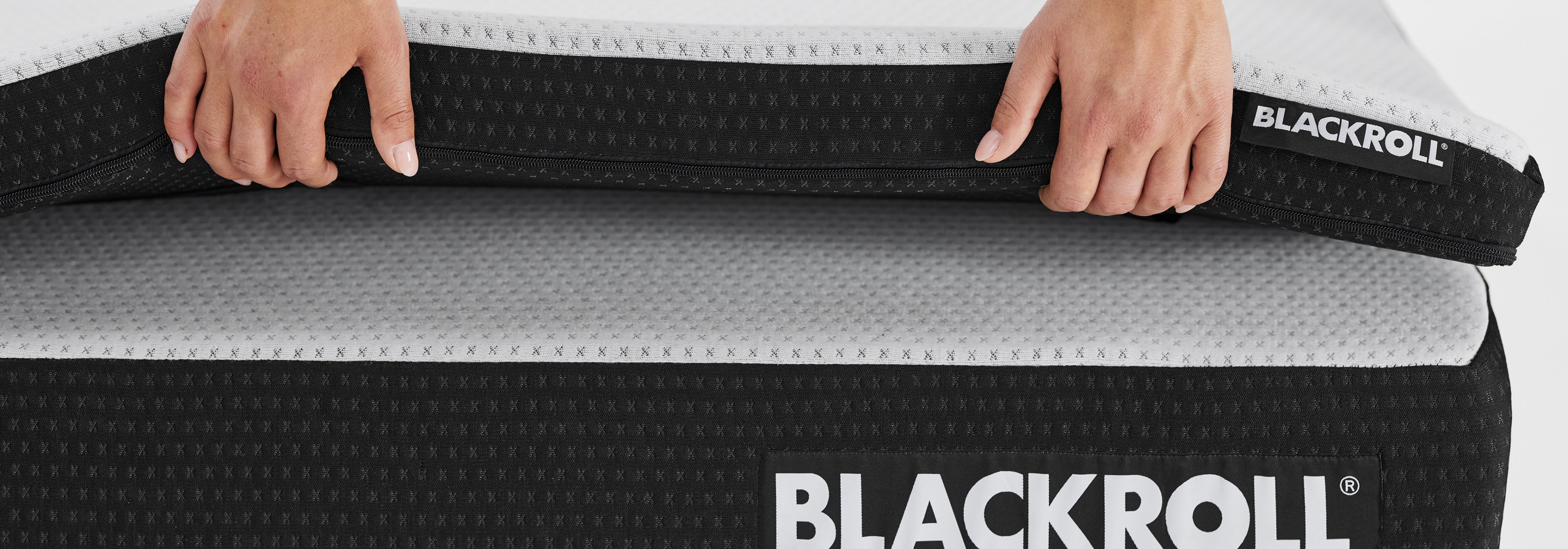
A topper is an additional layer placed on top of the mattress to improve sleeping comfort. It can help reduce pressure points, relieve strain on the spine, and regulate the sleeping environment. A suitable topper can make a difference, especially for localized discomfort or if the mattress feels too hard or too soft.
However, a topper is not a miracle cure. It cannot cure back pain, but under the right conditions, it can help provide relief—especially when it is individually tailored to your body shape, sleeping position, and existing symptoms.
In this article, you’ll learn which types of mattress toppers are particularly helpful for back pain, what side sleepers should look for, and what recommendations orthopedists offer when it comes to healthy sleep and back health.
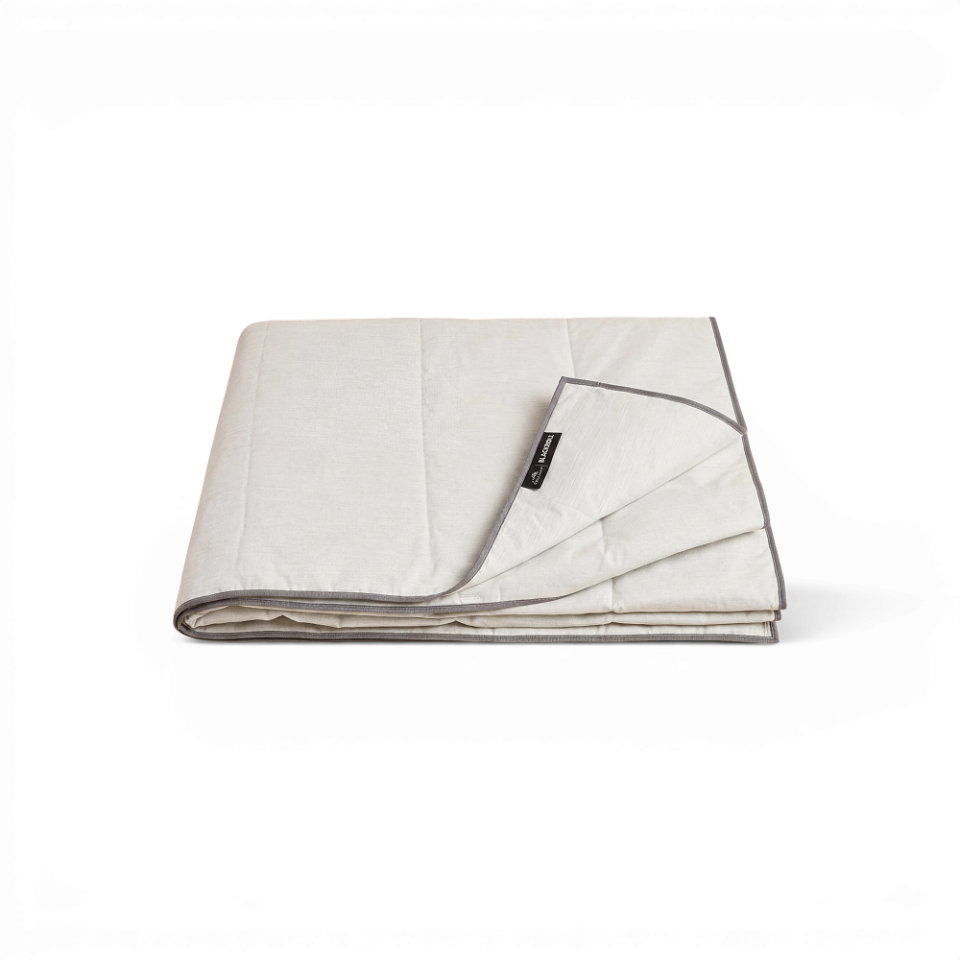
Recovery Blanket Summer
Available in multiple variants
Cold Foam, Memory Foam, or Gel Toppers for Back Pain
Not all toppers are the same—especially when it comes to back pain, it’s worth taking a closer look at the material. That’s because pressure relief, point elasticity, and temperature regulation vary significantly depending on the type of foam. Depending on your sleeping position, body type, and individual symptoms, one topper may be more suitable than another.
Cold Foam Toppers—Breathable and Supportive
Cold foam toppers are made of open-cell foam with high resilience. They conform well to the body, offer medium to high point elasticity, and support the natural alignment of the spine—especially during movements while sleeping. Another advantage: cold foam is temperature-insensitive and highly breathable, making it suitable for people who sweat easily.
Suitable for:
- Back sleepers and stomach sleepers
- People who change sleeping positions frequently
- People who prefer a somewhat “firmer” feel
Limitations: In areas that are very sensitive to pressure (e.g., the shoulders of side sleepers), cold foam may not provide enough give.
Memory foam topper – maximum pressure relief, but retains heat
Memory foam reacts to body heat and conforms very closely to the body’s shape. This provides exceptionally high pressure relief, making it an attractive option for back pain —especially for those with sensitive joints. The downside: Memory foam can feel firm at low temperatures and trap heat, which some people find uncomfortable.
Suitable for:
- People with chronic back pain or joint pain
- Side sleepers with shoulder or hip problems
- People who don’t sweat much and like to “sink in”
Limitations: Limited freedom of movement, low resilience, not ideal for restless sleepers or people who sweat heavily .
Gel topper – flexible, temperature-regulating, and conforming
A gel topper often combines the benefits of cold foam and memory foam. It’s usually constructed as so-called gel foam—that is, a foam with embedded gel or gel particles. The material conforms precisely to the body, relieves pressure on sensitive areas, and remains temperature-stable, even on cooler nights. It offers good point elasticity without letting you sink in too deeply.
Suitable for:
- People who change sleeping positions frequently
- People suffering from back pain who are looking for a balanced sleeping experience
- People with sensitive body temperature regulation
Limitations: Gel toppers are often slightly more expensive and heavier than other types. Additionally, quality varies significantly depending on the manufacturer.
The Best Topper
Every topper has its own specific characteristics—so the “best” topper for back pain always depends on individual needs. Cold foam offers more active support, memory foam excels at maximum pressure relief, and gel toppers are a versatile middle ground with good temperature regulation. If you’re unsure, you should test different materials while lying down or take advantage of a trial sleep period.
Discover more articles








Which mattress topper is best for back pain and side sleepers?
Side sleepers with back pain have specific requirements for their mattress—because when lying on your side, your body needs to be both supported and relieved of pressure at the same time. To allow the spine to relax in a natural, straight position, it’s essential to have the right combination of zoned support, pressure relief, and the appropriate firmness level. A suitable mattress topper can help prevent poor posture and relieve tension in the back.
1. Requirements for Sleeping on Your Side
When sleeping on your side, the shoulders and pelvis sink lower, while the waist and lumbar region need to be supported. An unsuitable topper puts too much pressure on the contact points—especially on the shoulders. This not only leads to tension but can also impair blood circulation and exacerbate back pain caused by imbalances in muscle tension.
An ideal topper for side sleepers with back problems should therefore:
- be softer in the shoulder area so that the shoulder can sink in
- provide support at the waist and lumbar spine to support the spine’s natural curvature
- give slightly in the pelvic area without sinking in too deeply
Some toppers feature so-called comfort zones or multi-zone contouring that are precisely tailored to these body regions—highly recommended for side sleepers with back issues.
Discover more products


2. Firmness Level and Sleeping Comfort
The right firmness level depends on your body weight, preferred sleeping position, and personal comfort preferences. Toppers that are too firm often cause pressure points, while those that are too soft can allow the body to “sag”—both of which can lead to lower back pain. A medium-soft to medium-firm topper (depending on your body type) usually offers a good balance between support and comfort.
Important: You must also consider how the topper interacts with your mattress. A topper that’s too soft on top of an already soft mattress offers little support. On the other hand, if you have a slightly firmer mattress, an adaptable topper can specifically improve your sleeping comfort without sacrificing the necessary stability.
3. Movement Patterns During Sleep
Side sleepers move frequently at night—from one arm to the other, or turning slightly onto their stomach or back. That’s why the topper should remain elastic and responsive even when you change positions. Materials like cold foam or gel offer advantages here, as they quickly adapt to new body positions without disturbing your sleep.
A Customized Topper for Side Sleepers
For side sleepers with back pain, a custom-tailored topper is especially important. Look for point-elastic material, zone-specific support in the shoulder and pelvic areas, and a firmness level that’s supportive but not too firm. This allows your body to truly recover at night—and you’ll wake up with a more relaxed back.


Which topper is best for back pain and back sleepers?
Back sleepers with back pain need one thing above all else: even support for the entire spine—especially in the lumbar region. Here, the right combination of support and slight sinkage determines whether your back can relax while you sleep.
1. Requirements for Sleeping on Your Back
When lying on your back, body weight is distributed evenly—but the pelvis, lower back, and shoulders require targeted adjustment to prevent misalignment and muscle tension.
An ideal mattress topper for back sleepers with back pain should:
- provide light support in the lumbar region to prevent both sagging and a hollow back
- give slightly at the pelvis without sinking in too deeply
- provide gentle cushioning for the shoulders without causing the spine to become misaligned
Even pressure distribution without harsh transitions is particularly important here—so-called multi-zone toppers can be beneficial.
2. Firmness Level and Material Selection
For back sleepers, a medium-firm topper is suitable—one that is stable but not too hard. Cold foam toppers often offer the right balance between contouring and support. Memory foam can also be a good option, as long as it doesn’t allow you to sink in too deeply.
3. Movement and Sleep Climate
Back sleepers change positions less frequently during the night but are more sensitive to heat buildup. Therefore, a breathable material such as cold foam or open-cell gel foam is ideal for maintaining a comfortable sleeping environment.
Which topper is best for back pain and stomach sleepers?
Stomach sleepers with back pain often have a particularly hard time: This sleeping position can easily lead to hyperextension of the lumbar spine and twisting of the cervical spine. The wrong mattress topper can exacerbate these strains—resulting in morning stiffness or pain in the cervical spine, upper back, and lower back.
1. Requirements for Sleeping on Your Stomach
When sleeping on your stomach, your body weight rests primarily on your chest, abdomen, and pelvis. The lower back curves slightly downward—which is particularly problematic with mattresses that are too soft.
A suitable mattress topper for stomach sleepers should:
- be relatively firm to prevent the pelvis from sinking
- provide a stable sleeping surface so that the spine remains as straight as possible
- be paired with a flat pillow to relieve pressure on the neck
The rule here is: Less sinking is better—the more stable the mattress topper, the lower the risk of overstretching.
2. Firmness Level and Material
Cold foam toppers are usually the first choice for stomach sleepers: They offer high resilience, are breathable, and prevent sinking in too deeply. Gel foam can also work if you choose a slightly firmer version. Memory foam is usually unsuitable for stomach sleepers, as it makes turning over difficult and gives in too much.
3. Movement and Body Awareness
Stomach sleepers move more frequently at night, intuitively seeking relief. Therefore, the topper should be elastic, provide even pressure distribution, and not be temperature-sensitive—this makes it easier to change positions and ensures a more stable sleeping experience.


Which mattress topper do orthopedic specialists recommend? – Medical Perspective and Recommendations
When back pain interferes with sleep, many people look for a quick solution—often in the form of a topper. But what do orthopedists actually say about this? The medical perspective on the topic is nuanced: Not every topper automatically helps—but when used correctly, it can help relieve pressure and positively support back health.
Key Criteria from an Orthopedic Perspective
Orthopedists emphasize that a mattress topper is beneficial if it supports the natural alignment of the spine while lying down. Specifically, this means:
- When lying on your side, your body should sink into the mattress or be supported in such a way that the spine forms a straight line
- When lying on your back, the pelvis should sink in slightly, while the lumbar region is kept stable
- When lying on your stomach, a stable surface with minimal sinkage is beneficial
- The mattress topper should adapt to the body with point elasticity, without building up pressure or allowing the body to sag
A surface that is too hard or too soft can place excessive strain on the muscles over time or force the spine into an unnatural position—both of which can exacerbate existing symptoms.
When is a topper a good idea—and when isn’t it?
Orthopedists view a topper as a supplement, not a replacement for an unsuitable or sagging mattress. If the mattress is already deformed, too soft, or too old (rule of thumb: older than 8–10 years), a topper alone cannot solve the problem—in this case, a new mattress is generally recommended. However, if the mattress is functional but, for example, slightly too firm or not very adaptable, a high-quality topper can specifically improve sleeping comfort.
Discover more articles


Body Contouring and Back Health
Mattress toppers with good body contouring and zoned support are particularly recommended, as they relieve pressure on sensitive areas such as the shoulders and pelvis. At the same time, the topper should be designed so that it does not restrict movement during sleep—an important prerequisite for natural nighttime recovery.
Orthopedists also point out that the ideal topper must not only be back-friendly but also tailored to the individual. People with herniated discs, chronic back pain, or scoliosis often require different features than those with occasional muscle tension.
What Orthopedists Often Recommend
In many cases, experts recommend medium-soft to medium-firm toppers with point-elastic adaptation, e.g., made of high-quality cold foam, gel foam, or viscoelastic foam, depending on the specific symptoms. An important factor here is:
- body contact (how well the topper conforms)
- pressure distribution (how evenly body weight is supported)
- temper ature regulation (especially for people sensitive to pain)
Orthopedists do not view a topper as a panacea—but rather as a useful component in the overall design of a healthy sleep system. Those who suffer from back pain should consider their choice of topper in conjunction with other factors such as the mattress, box spring, sleeping position, and physical activity—to ensure long-term relief for the spine and better sleep.

Conclusion: Tailored to the individual rather than a one-size-fits-all solution
There is no “one perfect topper” for everyone—because back pain is as individual as the people who suffer from it. This makes it all the more important to focus on personal needs when making a selection and not to blindly follow a trend. The most important criteria when making a decision are: pressure relief, point elasticity, body contouring, a firmness level suited to your sleeping position, and the best possible temperature regulation.
Especially if you have back pain or a specific sleeping position—such as sleeping on your side—the topper should specifically relieve pressure on your shoulders and pelvis while providing sufficient support. The choice of material (e.g., cold foam, memory foam, or gel) also plays a crucial role when it comes to comfort and orthopedic benefits.
Our tip: Take the time to test it out by sleeping on it, listen to your body, and pay attention to how you feel in the morning. Reputable retailers offer return periods—take advantage of them. Also, be mindful of your sleeping habits, such as whether you toss and turn a lot at night or tend to sweat.
Just as important as the topper itself is how it interacts with your mattress and your body posture. A high-quality topper can effectively complement a suitable mattress—but it cannot replace an unsuitable sleeping surface. An ergonomic sleeping position, a properly fitted pillow if needed, sufficient daily exercise, and an adequate supply of nutrients are all part of the overall picture of a healthy back.
The right topper can relieve back pain, help you relax, and promote restful sleep—if it’s a good fit for you, your body, and your sleep habits. The best decision is the one you make yourself, based on how your body feels.