
Nutrition during the menopause: the right diet for better health

The hormonal shifts during the menopause affect energy requirements, muscle mass, bone health and fat distribution. A protein-rich, balanced diet containing vegetables, fibre and healthy fats can support the body through this time. Discover the roles of blood sugar, calcium, vitamin D and exercise and why crash diets aren't a sustainable solution.
Key points at a glance
- Hormonal shifts during the menopause can trigger various symptoms and affect your metabolism. Your body may use less energy, muscle mass and bone density may decrease more easily and fat's more likely to accumulate around your abdomen.
- Adequate protein intake helps maintain muscle and bone mass; aim for around 1.2 to 1.5 g of protein per kg of body weight per day.
- Vegetables, fruit, pulses, whole grains, nuts, seeds, fish and high-quality oils provide important nutrients and can help reduce inflammation in the body.
- Include protein, fibre and healthy fats in each meal to help keep blood sugar levels steady. Keep high-sugar and highly processed foods as an occasional treat.
- Calcium, vitamin D, vitamin K2 and magnesium are particularly important for bone health. Check whether additional supplements are necessary on the basis of your diet and, where appropriate, through blood tests.
- No single food is crucial – it’s the combination of a balanced diet, strength training, exercise and sufficient sleep that makes the difference. Crash diets and so-called miracle cures such as phytoestrogens aren’t substitutes for sustainable strategies or necessary medical treatment.
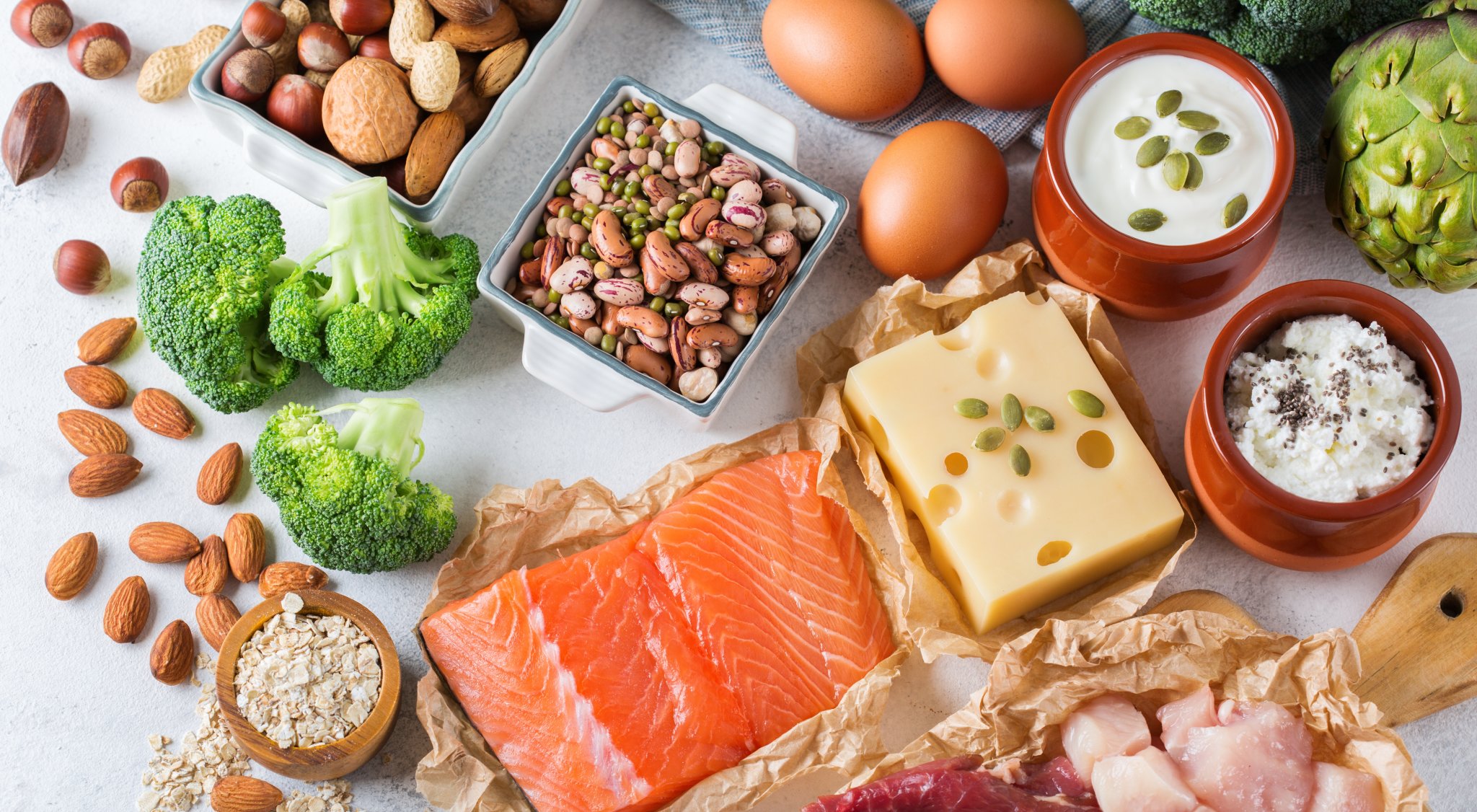
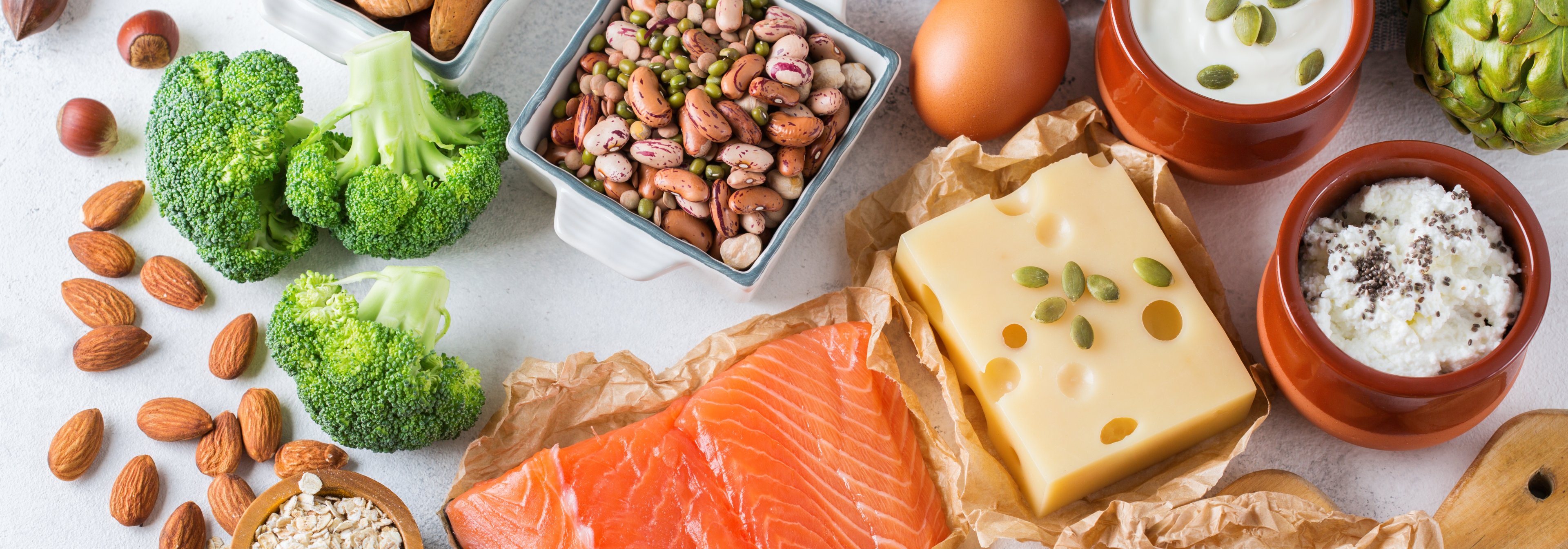
Nutrition during the menopause: protein, inflammation and blood sugar
As the menopause begins, your hormone levels change: the sex hormones oestrogen and progesterone initially fluctuate significantly before declining permanently. This hormonal shift can have an impact in many areas: your metabolism no longer works as efficiently, your energy expenditure decreases and, at the same time , weight gain, food cravings and blood sugar fluctuations may increase.
Fat distribution also changes – belly fat accumulates more easily and can promote inflammatory processes in the body, which in the long term increase the risk of cardiovascular diseases and other metabolic disorders. Wright et al. (2024) describe these changes as part of what is known as musculoskeletal menopausal syndrome, which includes, amongst other things, changes to muscles, bones and metabolism.
This is where diet comes in: it can help your body cope better with these changes and support your long-term health.
Focus on protein: how to protect your muscle mass during the menopause
During perimenopause and menopause muscle mass and basal metabolic rate can decrease — particularly due to the decline in sex steroids. As a result of changing hormone levels, ageing and changes in body composition, energy expenditure can fall by 200–300 kcal per day. If your lifestyle remains unchanged, this can lead to weight gain of up to 2 kg per year.
Muscle mass also decreases by around 0.6% per year over the course of a lifetime. At the same time, body fat percentage often increases, particularly around the abdomen. Visceral fat, which is metabolically active, can promote inflammatory processes. Due to falling oestrogen levels, people in perimenopause also lose around 10% of their bone mineral density. In the long term, these changes can contribute to muscle loss, weaker bones and reduced physical performance.
Ensure you include adequate high-quality protein in your diet to support muscle health during the menopause. The amino acids in protein help maintain and build muscle tissue, and when combined with strength training they can counteract age- and hormone-related muscle loss. We'll now explain how much protein you need and which sources are suitable.
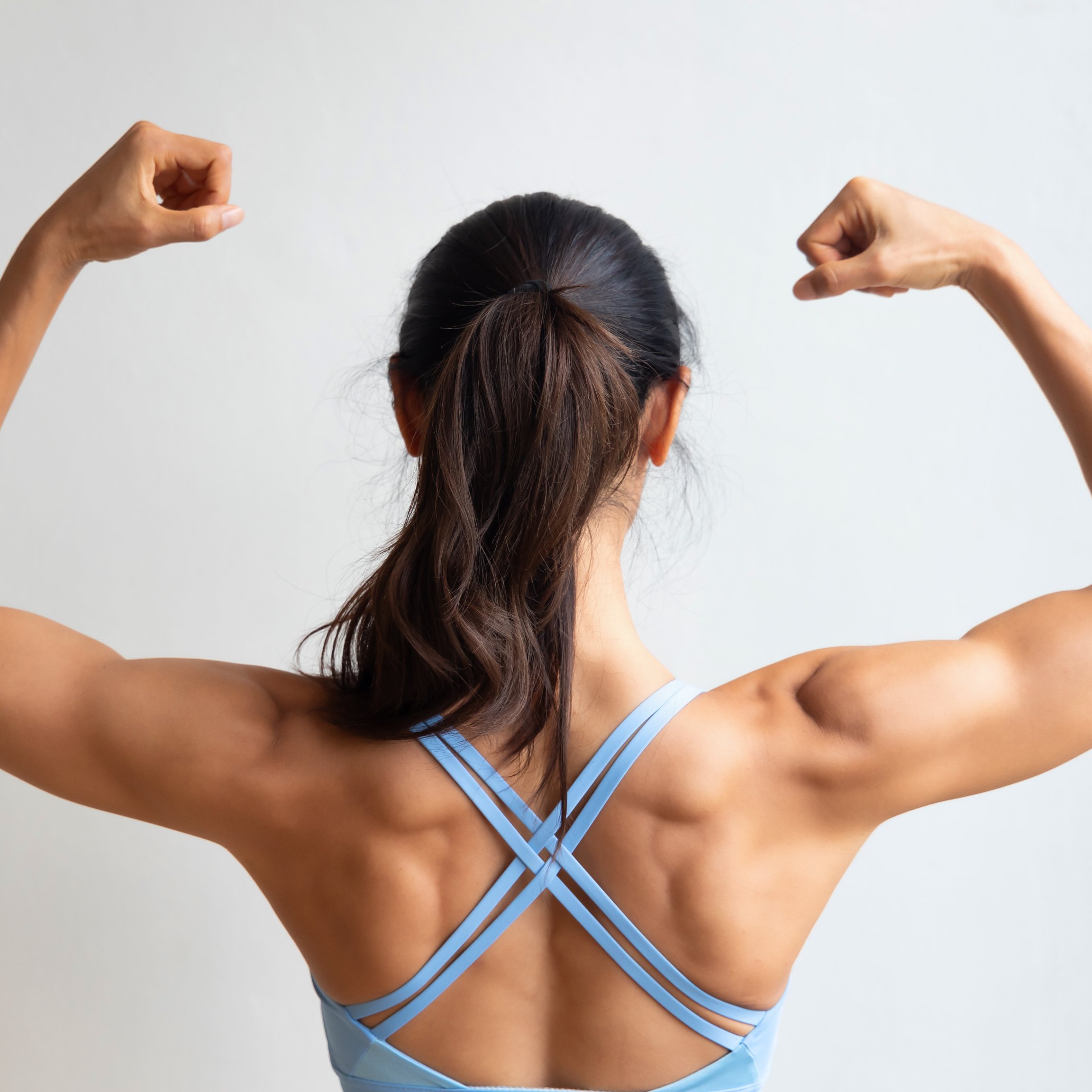
Protein requirements during the menopause
How much protein you need depends on your age, body weight, activity level, muscle mass, state of health and your goals. The German Nutrition Society (DGE) recommends that adults consume at least 0.8 g of protein per kilogram of body weight to avoid a deficiency (DGE, 2017).
For people going through the menopause and those who've passed it, a higher intake is often recommended:
- 1.0 g/kg of body weight for general muscle maintenance
- 1.2–1.5 g/kg to support muscle mass and bone health
- 1.4–1.6 g/kg for those doing regular strength training or whilst losing weight
(see Erdélyi et al., 2024; Silva et al., 2021; Rizzoli et al., 2014)
Someone weighing 70 kg should therefore aim for around 84–105 g of protein a day.
As well as quantity, quality is also crucial. High-quality protein sources provide all the essential amino acids, promote satiety and support the maintenance of muscle mass as well as muscle protein synthesis. Suitable options include:
- Low-fat dairy products: skyr, low-fat quark, Greek yoghurt and cottage cheese
- Animal sources: eggs, fish, poultry and lean meat
- Plant-based sources: lentils, chickpeas, beans, tofu, tempeh, edamame, soya yoghurt, nuts and seeds. Soya products contain a complete amino acid profile. Combining different plant-based protein sources, such as pulses and whole grains, can increase their biological value.
- Protein powder can bridge the gap if your diet falls short. Whey supplies leucine, while soya or pea-rice protein are plant-based options. Choose a high protein content and few additives.
Spread your protein intake as evenly as possible throughout the day and aim for around 25–30 g per main meal. Remember, diet and protein alone won’t stop muscle loss — combine them with regular strength training to slow it down effectively.
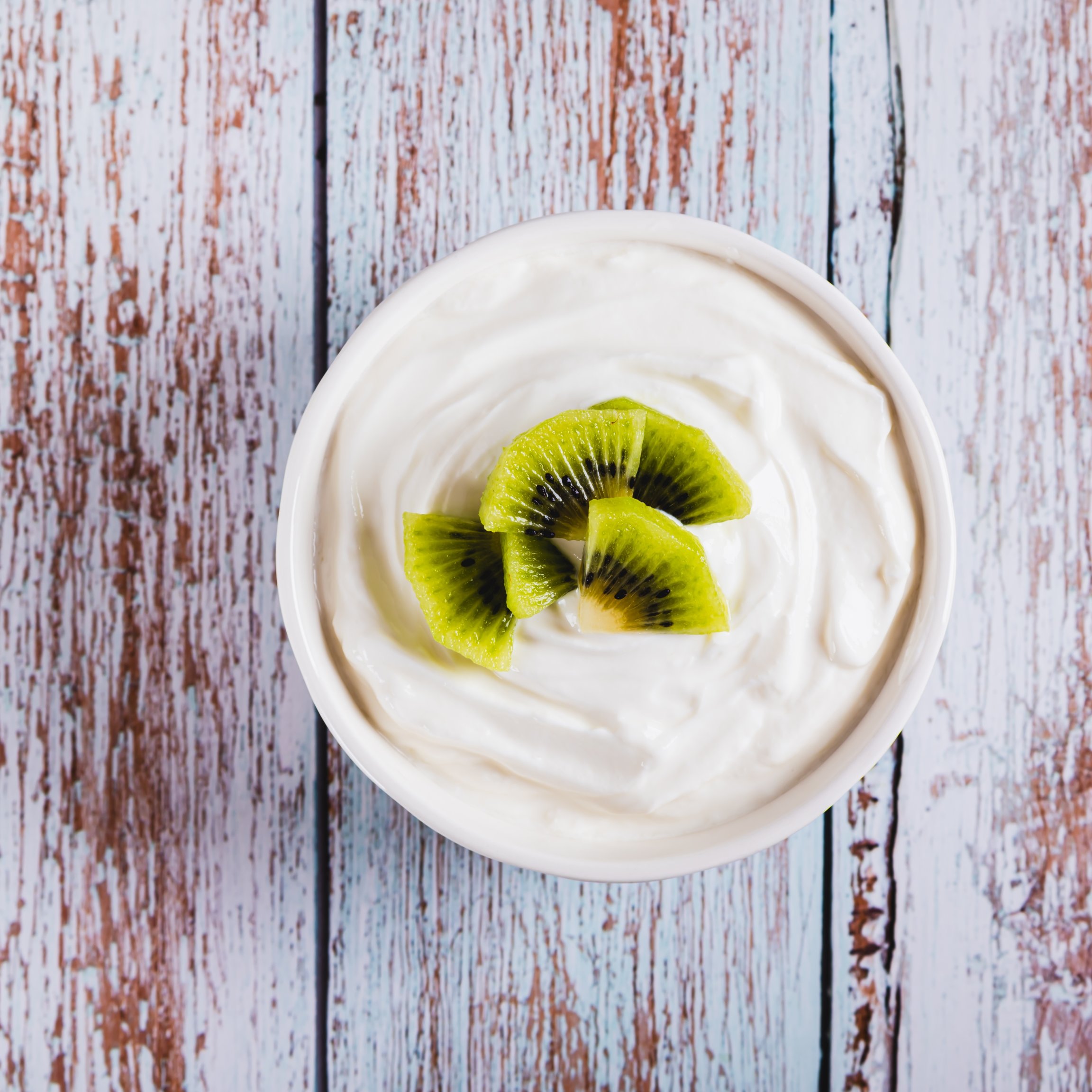
Alleviating symptoms with an anti-inflammatory diet
Oestrogen helps regulate inflammation, so when levels fall during the menopause inflammatory activity in the body may rise. At the same time more visceral abdominal fat is often stored, which can release pro-inflammatory substances. This can contribute to muscle loss, metabolic changes and an increased risk of cardiovascular disease. A low-inflammation diet can help to reduce oxidative stress and inflammatory activity.
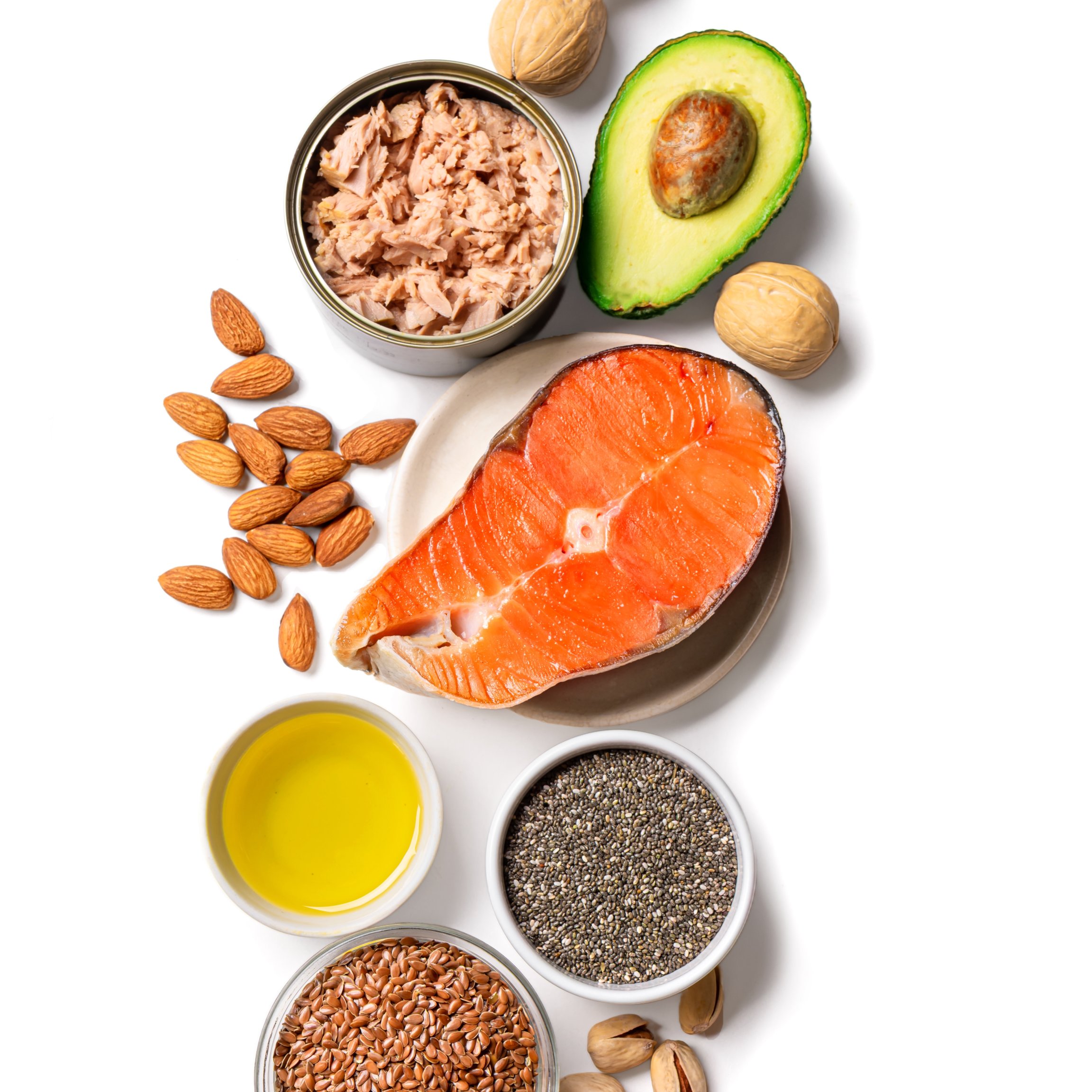
The Mediterranean diet, rich in vegetables, fruit, pulses, whole grains, nuts, seeds, olive oil and regular portions of fish, is considered particularly suitable. It provides polyphenols, omega-3 fatty acids, fibre, vitamins and minerals while reducing the intake of sugar, highly processed foods, refined carbohydrates and processed meat.
A meta-analysis shows that this diet may be associated with better blood sugar control, more favourable blood lipid levels and a moderate reduction in blood pressure (Schwingshackl et al., 2015). There's also evidence of fewer menopausal symptoms and a better quality of life.
Regular exercise and strength training remain important complementary activities.
Bone health during the menopause: vitamin D, calcium and more
During the menopause falling oestrogen levels can accelerate bone loss, increasing the risk of osteoporosis and lowering bone density. Alongside hormone replacement therapy, which may be advisable, diet plays an important role.
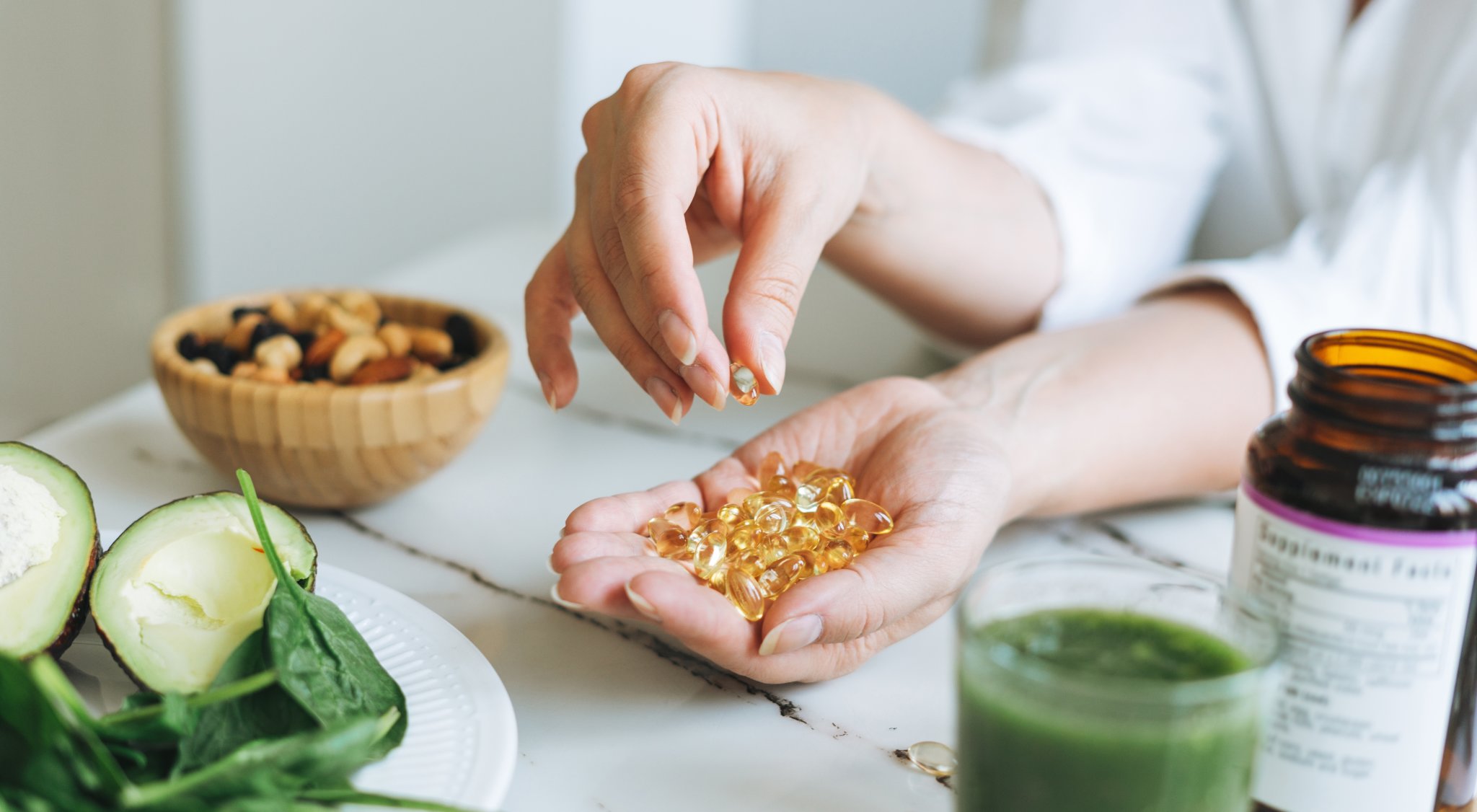
Calcium, vitamin D3, vitamin K2 and magnesium are particularly important.
Calcium supports bone formation and maintenance. Aim to obtain around 1,200 mg a day from foods such as dairy products, tofu, green vegetables, sardines, salmon or calcium-enriched water. If this isn't sufficient, consider calcium citrate or calcium carbonate after consulting your pharmacist.
Vitamin D3 improves calcium absorption. It’s primarily produced through exposure to sunlight, which is often insufficient, particularly in winter. Oily sea fish and egg yolks provide vitamin D3, but usually don’t fully meet the body’s requirements. If intake is insufficient, 800–1,000 IU (20–25 µg) per day is recommended.
Vitamin K2 supports the incorporation of calcium into the bones. It’s found, amongst other things, in sauerkraut and mature cheese. If intake is insufficient, 90–180 µg of MK-7 per day is recommended, combined with vitamin D3 where appropriate.
Magnesium supports bone mineralisation and may help with restlessness and sleep problems. Aim for 300–400 mg a day from nuts, seeds, whole grains, pulses and green vegetables; if needed, use magnesium citrate or magnesium bisglycinate supplements.
Good gut health also supports the absorption of vitamins and minerals, and a high-fibre plant-based diet plus fermented foods such as natural yoghurt, kefir, sauerkraut or kimchi can contribute to a diverse gut microbiota.
Many nutrients can be obtained through diet, so have your levels checked before you reach for supplements.
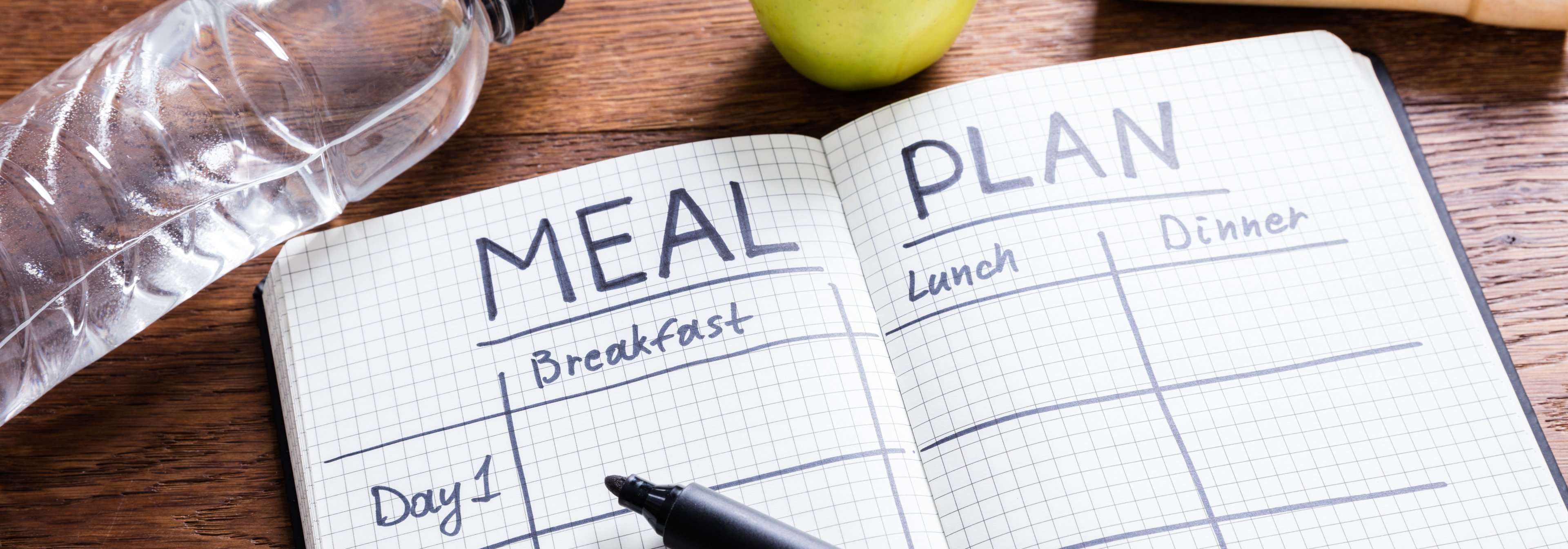
7-day basic plan — practical examples for everyday life
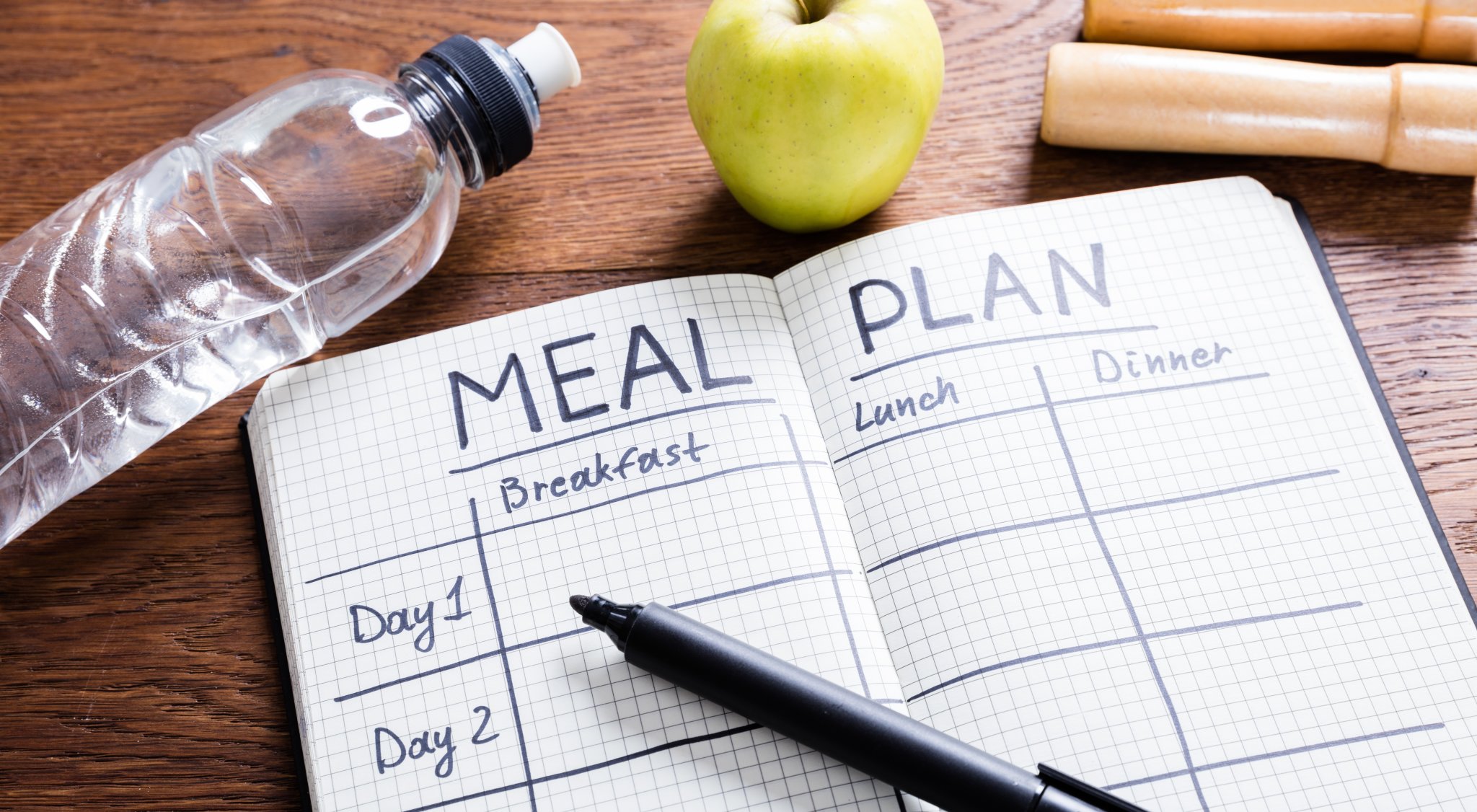
This 7-day plan isn't a strict diet; it simply shows you how to apply the core principles of healthy eating during the menopause: sufficient protein, plenty of vegetables and fibre, high-quality fats and predominantly complex carbohydrates.
There's a particular focus on breakfast: many people tend to eat relatively little protein in the mornings, so include a good portion of protein in your first meal of the day – around 25–30 g as a guide.
Adjust portion sizes to match your personal needs, hunger and activity level.
Day 1
- Breakfast:
Skyr or Greek yoghurt with berries, a little rolled oats, walnuts and ground linseeds. Depending on the portion size, you can optionally stir in ½–1 portion of protein powder to increase the protein content. - Lunch:
A large bowl of quinoa, chickpeas, rocket, peppers, cucumber, tomatoes, herbs and an olive oil and lemon dressing. - Dinner:
Oven-baked salmon with broccoli, carrots and new potatoes. - Optional snack:
An apple with a small portion of nuts or cottage cheese.
Day 2
- Breakfast:
An omelette made with 2–3 eggs, spinach, mushrooms and tomatoes, served with a slice of wholemeal bread and some cottage cheese or skyr as an extra source of protein. - Lunch:
Lentil salad with roasted vegetables, feta, parsley and olive oil. - Dinner:
Chicken or tofu and vegetable stir-fry with brown rice and sesame seeds. - Optional snack:
Plain yoghurt or skyr with berries.
Day 3
- Breakfast:
Protein overnight oats made with rolled oats, skyr or high-protein soya yoghurt, chia seeds and berries. Stir in protein powder if required. - Lunch:
Wholemeal wrap with chicken or tofu, hummus and plenty of salad and vegetables. - Dinner:
Mediterranean bean stew with white beans, tomatoes, courgettes, carrots and leafy greens. - Optional snack:
Vegetable sticks with hummus.
Day 4
- Breakfast:
Protein smoothie made with berries, unsweetened milk or a milk alternative, 1–1.5 portions of protein powder, spinach, linseeds and a little almond butter. - Lunch:
Baked potato with herb quark or cottage cheese and a large mixed salad with seeds, nuts and chickpeas. - Dinner:
Pan-fried trout or salmon with green beans and quinoa. - Optional snack:
A pear with a few walnuts.
Day 5
- Breakfast:
Enjoy a generous portion of cottage cheese or skyr with apple, cinnamon, pumpkin seeds and rolled oats. Add a little protein powder if you'd like. - Lunch:
Mediterranean bowl with wholemeal couscous or quinoa, edamame, roasted vegetables, feta and herbs. - Dinner:
Chilli made with beans, lentils, tomatoes, peppers and sweetcorn, served with natural yoghurt and avocado. - Optional snack:
Edamame or skyr with berries.
Day 6
- Breakfast:
Scrambled eggs with smoked salmon, tomatoes and avocado, served with a slice of wholemeal bread. Plant-based alternative: a generous portion of tofu scramble with vegetables and wholemeal bread. - Lunch:
A large salad with tuna or white beans, egg, potatoes, green beans, tomatoes and olive oil. - Dinner:
Chicken, tempeh or tofu baked in the oven with sweet potato and a large portion of mixed vegetables. - Optional snack:
Skyr with ground linseeds.
Day 7
- Breakfast:
Protein porridge made with a little rolled oats, chia seeds, hemp seeds and walnuts, milk or a milk alternative and a portion of protein powder, served with berries. - Lunch:
Tomato and lentil soup with wholemeal bread and a small salad with a boiled egg, nuts and seeds. - Dinner:
Mediterranean oven-roasted vegetables with chickpeas, feta or tofu and a small portion of quinoa. - Optional snack:
Fruit with natural yoghurt or a small portion of nuts.
The principle behind it: protein first, followed by a variety of plant-based foods
You don’t have to follow the meals in the plan exactly; what matters is the structure: include a high-quality source of protein with every main meal, ideally starting with breakfast.
Use the ‘plate method’ as a guide for your meals: half vegetables, a quarter protein and a quarter complex carbohydrates. Supplement your diet with high-quality fats, as well as regular portions of pulses, berries, nuts, seeds and fermented foods.
Keep your diet practical for everyday life and sustainable in the long term – perfection isn’t necessary.



Challenges during the menopause
Many people try to combat weight gain during the menopause with crash diets, but severely calorie-restricted diets and rapid weight loss aren't recommended because they can lead to muscle and bone loss.
Hormonal changes already make bone loss more likely and severe calorie restriction can also make it harder to get enough essential nutrients. Create a moderate calorie deficit of around 300–500 kcal a day, combined with exercise and strength training.
Adequate protein intake helps you maintain muscle mass, promotes a feeling of fullness and supports metabolism, while the amino acids it contains are also important for the collagen structure of your bones.
Phytoestrogens are plant-based compounds that resemble the body’s own oestrogens. Soya products such as tofu, tempeh and edamame provide these compounds and high-quality plant-based protein. However, there's no clear scientific evidence that they alleviate symptoms or support bone health, so they shouldn't be regarded as a miracle cure or a substitute for medical treatment (Erdélyi et al., 2024; Sirotkin and Harrath, 2018).
There’s no single ‘superfood’ for strong bones. What’s crucial is an adequate intake of protein, calcium, vitamin D, vitamin K2 and magnesium, regular exercise and strength training, as well as, where medically appropriate, hormone replacement therapy.


Menopause and health: striking the right balance
A balanced diet and a healthy lifestyle form the foundation for your bone health, your well-being and a balanced approach to the changes associated with the menopause. With the right diet – low in inflammation and rich in protein – you can provide targeted support for your body and positively influence many typical symptoms of the menopause.
Seek medical advice if you experience significant weight changes, persistent fatigue, depressive moods, an increased risk of osteoporosis, bone fractures without major injury or symptoms that cause long-term distress. Discuss hormone replacement therapy with your doctor and take dietary supplements only once your actual needs and relevant blood test results have been assessed.
Frequently asked questions
A balanced, protein-rich diet based on the Mediterranean model, with plenty of fibre from vegetables, whole grains, pulses and healthy fats, supports your body during the menopause. Ensure an adequate intake of micronutrients and vitamins such as vitamin D3, K2, magnesium and calcium to help alleviate menopausal symptoms.
For many people, around 1.2–1.5 g of protein per kilogram of body weight per day supports muscle mass and bone health. Individual requirements depend on your daily activity level, age and state of health.
Vegetables, fruit, pulses, whole grains, nuts, seeds, fish and, in general, high-quality sources of protein provide important nutrients and can help reduce inflammation and support metabolism.
Absolutely not. What matters is the quantity and quality of the carbohydrates. Choose complex carbohydrates that are digested more slowly, such as wholegrains, pulses and potatoes, and feel free to combine them with protein, fibre and healthy fats to keep your blood sugar stable.
Calcium, vitamin D, vitamin K2 and magnesium, in particular, play an important role in bone health. It’s best to discuss with your doctor on an individual basis whether taking supplements is advisable.
They’re natural plant compounds with oestrogen-modulating properties and can be part of a balanced diet, though they’re no substitute for medically necessary treatment and their effect hasn’t been conclusively proven by scientific evidence.
Yes. Follow a high-protein diet, practise regular strength training, stay active and create a moderate calorie deficit — rather than resorting to crash diets — to help maintain muscle mass and keep your weight steady over time.
Sources
German Nutrition Society. (2017). Reference values for protein intake. https://www.dge.de/wissenschaft/referenzwerte/protein/
Erdélyi, A., Pálfi, E., Tűű, L., Nas, K., Szűcs, Z., Török, M., Jakab, A. and Várbíró, S. (2024). The importance of nutrition in menopause and perimenopause — A review. Nutrients, 16(1), Article 27. https://doi.org/10.3390/nu16010027
Haghshenas, N., Ghoreishy, S. M., Noormohammadi, M., et al. (2025). Association between modified Mediterranean diet score and menopause-specific quality of life and symptoms: A cross-sectional study. Scientific Reports, 15, Article 31682. https://doi.org/10.1038/s41598-025-17578-x
Kuo, Y. Y., Chang, H. Y., Huang, Y. C. and Liu, C. W. (2022). Effect of whey protein supplementation in postmenopausal women: A systematic review and meta-analysis. Nutrients, 14(19), Article 4210. https://doi.org/10.3390/nu14194210
Rizzoli, R., Stevenson, J. C., Bauer, J. M., van Loon, L. J. C., Walrand, S., Kanis, J. A., Cooper, C., Brandi, M. L., Diez-Perez, A., Reginster, J. Y. and ESCEO Task Force. (2014). The role of dietary protein and vitamin D in maintaining musculoskeletal health in postmenopausal women: A consensus statement from the European Society for Clinical and Economic Aspects of Osteoporosis and Osteoarthritis (ESCEO). Maturitas, 79(1), 122–132. https://doi.org/10.1016/j.maturitas.2014.07.005
Schwingshackl, L., Missbach, B., König, J. and Hoffmann, G. (2015). Adherence to a Mediterranean diet and risk of diabetes: A systematic review and meta-analysis. Public Health Nutrition, 18(7), 1292–1299. https://doi.org/10.1017/S1368980014001542
Silva, T. R., Oppermann, K., Reis, F. M. and Spritzer, P. M. (2021). Nutrition in menopausal women: A narrative review. Nutrients, 13(7), Article 2149. https://doi.org/10.3390/nu13072149
Sirotkin, A. V. and Harrath, A. H. (2018). Phytoestrogens and their effects. European Journal of Pharmacology, 816, 94–99. https://doi.org/10.1016/j.ejphar.2017.10.052
STADA Arzneimittel AG. (2020). A healthy diet for strong bones made easy: A guide to the most important nutrients for preventing osteoporosis. https://www.stada.de/media/45pjlwq5/stada_osteoporose_patientenratgeber_erna-hrung_feb2020.pdf
Straub, R. H. (2007). The complex role of oestrogens in inflammation. Endocrine Reviews, 28(5), 521–574. https://doi.org/10.1210/er.2007-0001
Wright, V. J., Schwartzman, J. D., Itinoche, R. and Wittstein, J. (2024). The musculoskeletal syndrome of menopause. Climacteric, 27(5), 466–472. https://doi.org/10.1080/13697137.2024.2380363