Neck pain: where it comes from and what helps now

Poor posture or sleeping position, one-sided activities and stress are common causes of neck pain. Find out here how you can target quick relief.


Symptoms by condition: when should I see a doctor?
Neck pain can be an accompanying symptom of various conditions. On the other hand, it can also be a condition in its own right. The symptoms are rarely limited to the neck area alone.
The following symptoms can occur with neck pain:
Description / Symptom / Possible condition
Pulling/drilling pain in the shoulder, arms, fingers, head or jaw
- Radiating pain
- Herniated disc in the cervical spine, cervical spine syndrome
Stiff neck, especially in the morning, limited turning/tilting of the head
- Limited mobility
- Ankylosing spondylitis, rheumatoid arthritis
Muscle tightness (trigger points), tenderness, possibly muscle weakness
- Muscular symptoms
- Myofascial pain syndrome, fibromyalgia
Headache, dizziness, tinnitus, visual disturbances
- Neurological
- Meningitis, migraine
Poor posture, protective posture, possibly torticollis
- Postural changes
Chronic cervical spine syndrome, scoliosis
Neck pain: acute or chronic?
How long symptoms last varies. Acute neck pain usually eases within a few days to two weeks and is generally nothing to worry about. However, if the pain lasts longer than three months, it is known as chronic neck pain and you should see a doctor.
Recognising symptoms and easing pain
Although the causes are usually harmless, the symptoms of neck pain often affect your quality of life considerably. With targeted exercises and treatments, you can often ease neck pain quickly. However, it is important not to just do anything. A mobilisation exercise or a relaxing hot water bottle won’t help in the long term if the cause of your discomfort is poor posture. For sudden tension, though, mobilisation exercises (done correctly) are often exactly what you need.
Find out: what helps now with your symptoms?
How long have you had the pain?
- A few hours
- A week
- Over a month
What does the pain feel like?
- Dull / pulling
- Pressing when moving
- Stabbing / electric
Restriction or pain with certain movements?
- When turning
- When tilting sideways
- When tilting forwards or backwards
Possible treatment methods
Warmth for relaxation: hot water bottle, hot shower or bath, balm to boost circulation and relax
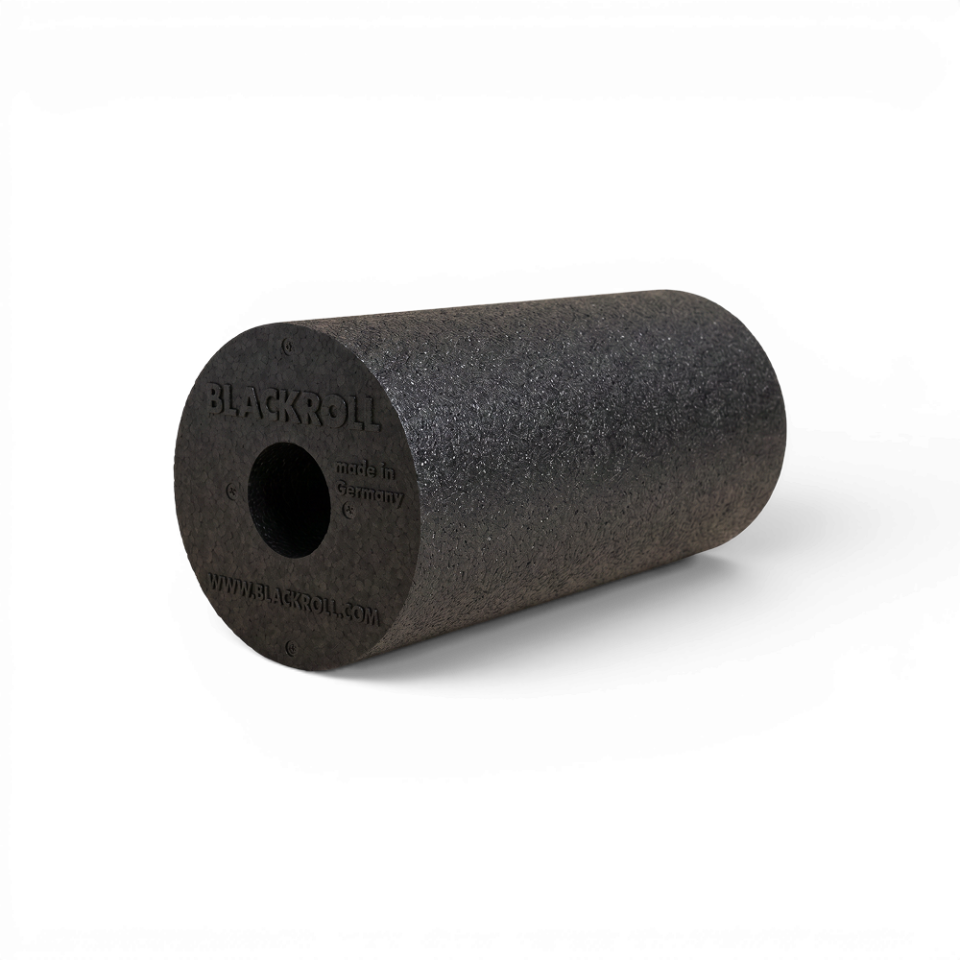
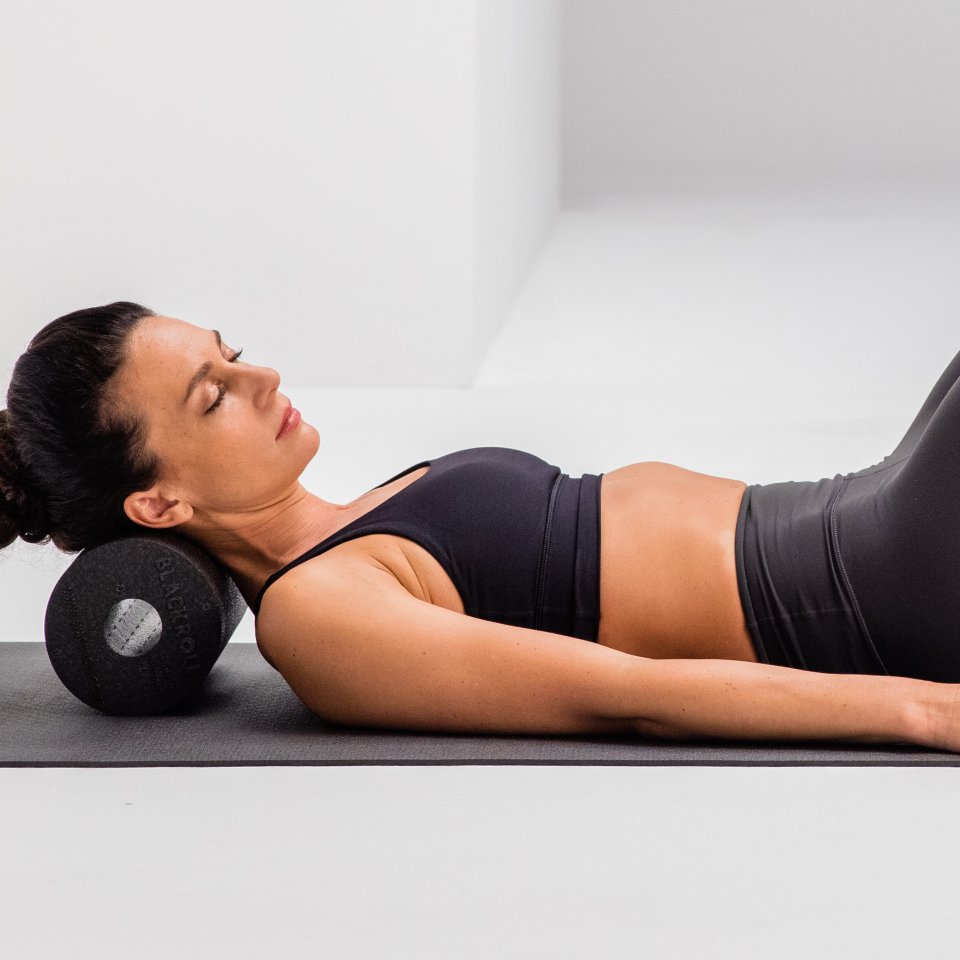
Gentle fascia massage: fascia massage to lower muscle tone (e.g. BLACKROLL DUOBALL)
Gentle mobilisation: mobilisation exercises to improve mobility (app / starter set,
Optimise your posture: e.g. workstation set-up to reduce the cause, with the Posture trainer
Reduce stress to lower muscle tension
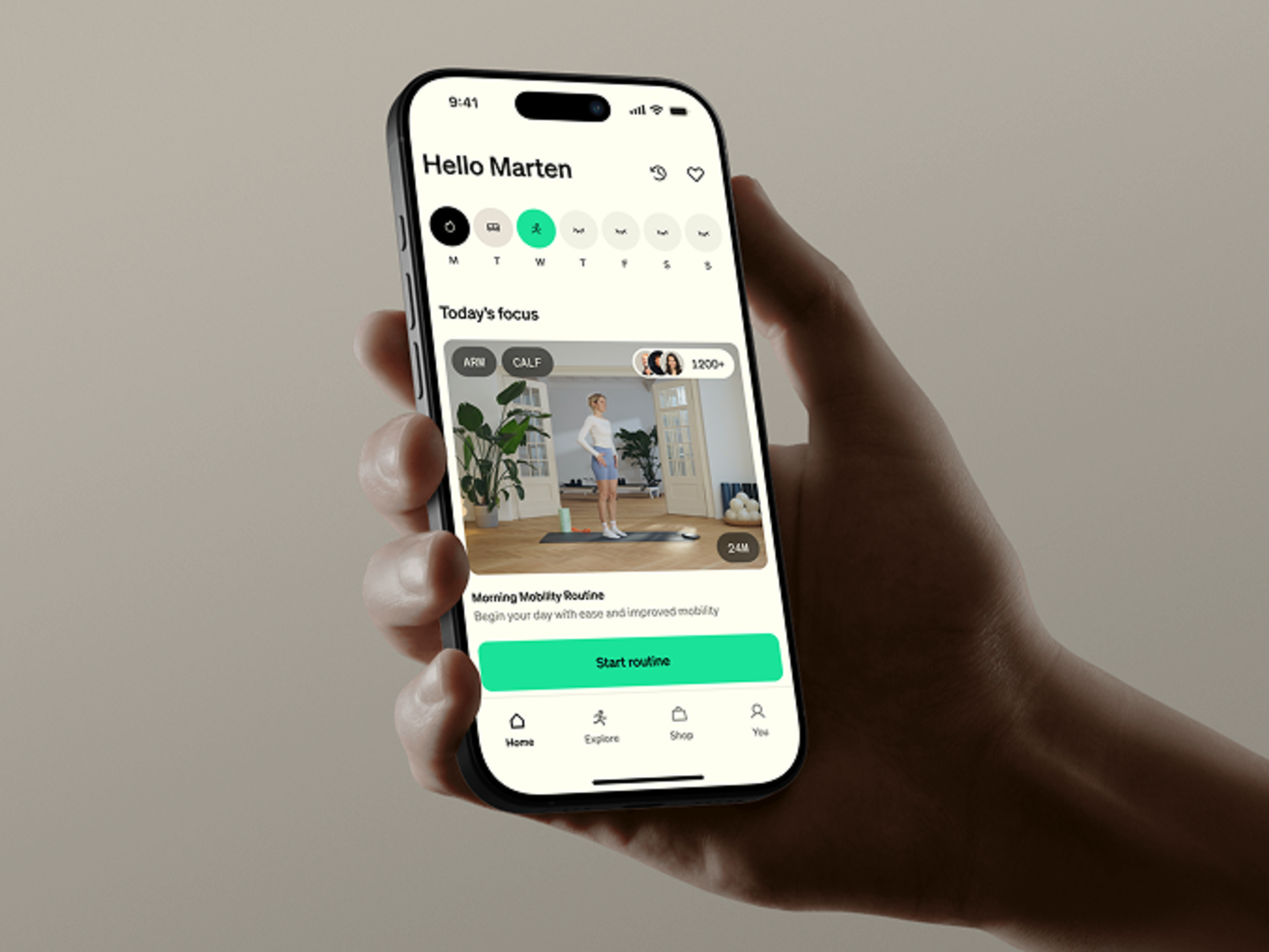
All exercises in our App
Download our free app to find more than 500 exercises and configure your own workouts, track your trainings and progress. Save your favorite routines and exercises and learn how to recover, train your flexibility and strength as well as your athletic capabilities.
When should you see a doctor about neck pain?
If your neck pain comes with nausea, vomiting, sensitivity to light, fever, chills, nerve disorders or signs of paralysis, you should definitely seek medical advice. Depending on the symptoms, your GP, an orthopaedist, neurologist, psychotherapist or psychiatrist may be the right person to speak to. These specialists can examine the cause of your symptoms more closely and start suitable treatment.


Immediate relief: what to do about neck pain.
When it hurts, you want help quickly. But what helps quickly with neck pain? Regular exercises can release tension, support circulation and noticeably improve mobility and wellbeing.
Go to the exercises
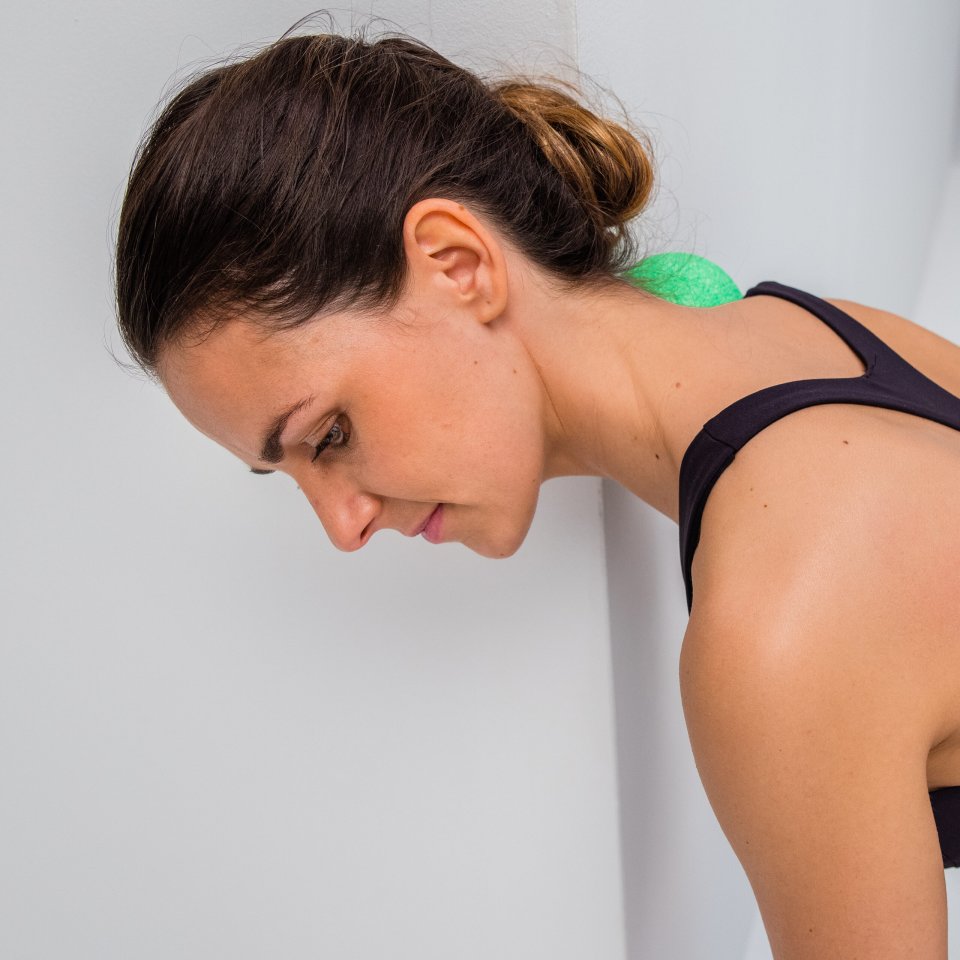
The more specifically you treat your symptoms, the more quickly and lastingly you can get rid of them. Our treatment recommendations and tips for neck pain, tailored to your symptoms, can help. You can find exercises to hand at any time, including video guides and exercise routines, in the BLACKROLL APP.
All exercises in our App
Download our free app to find more than 500 exercises and configure your own workouts, track your trainings and progress. Save your favorite routines and exercises and learn how to recover, train your flexibility and strength as well as your athletic capabilities.
Multiple physio award winner since 2009.Official supplier to the German national team


Treatment by symptoms
+ Warmth for relaxation
+ Gentle fascia massage
+ Gentle mobilisation
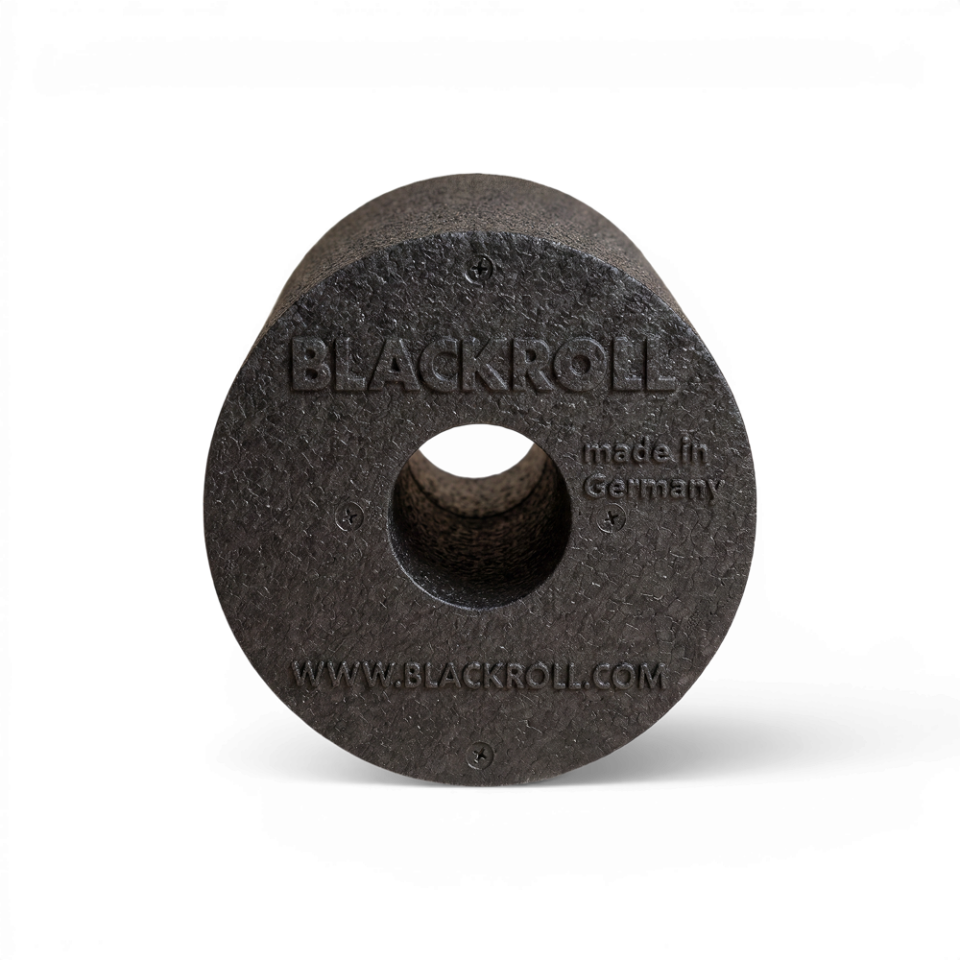
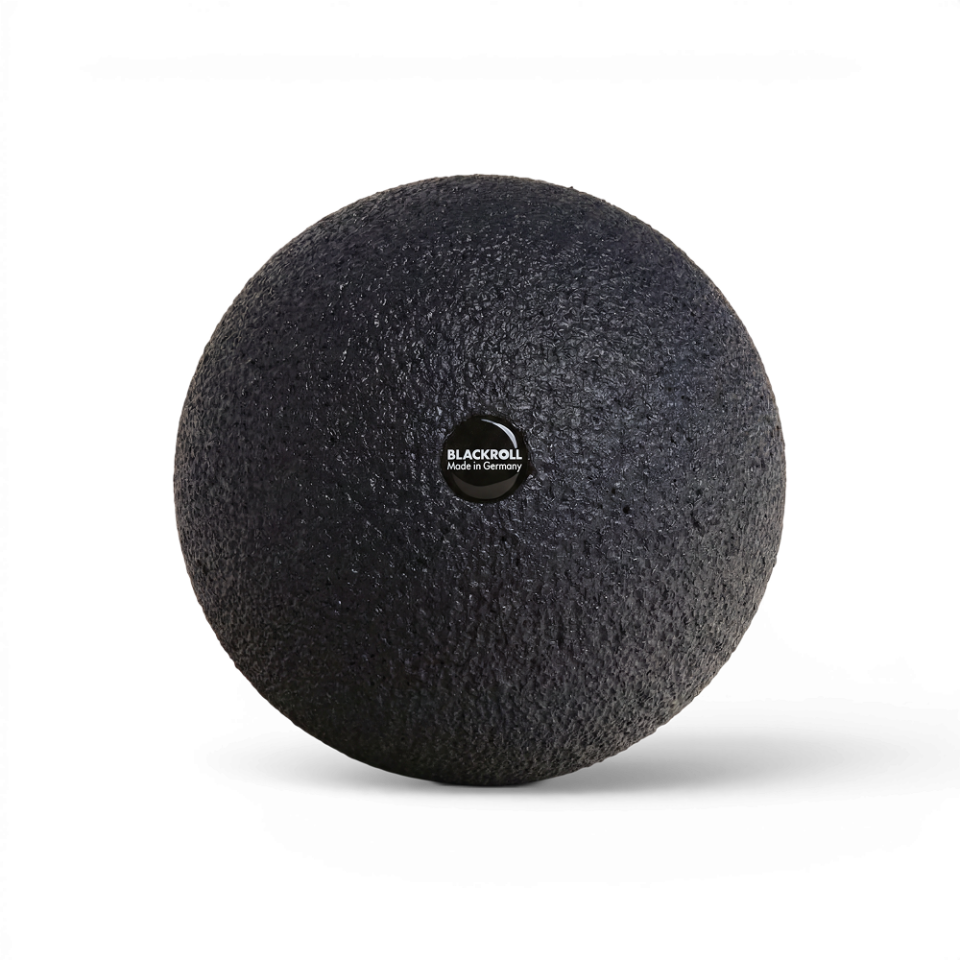
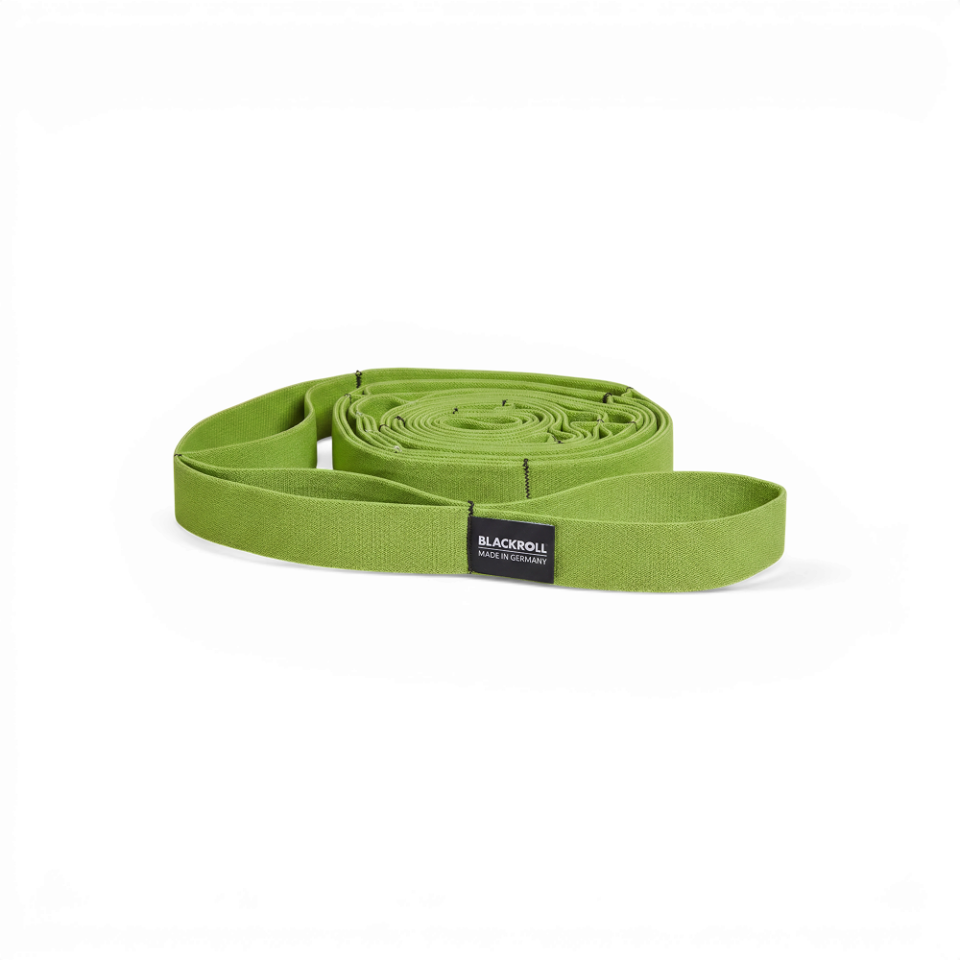
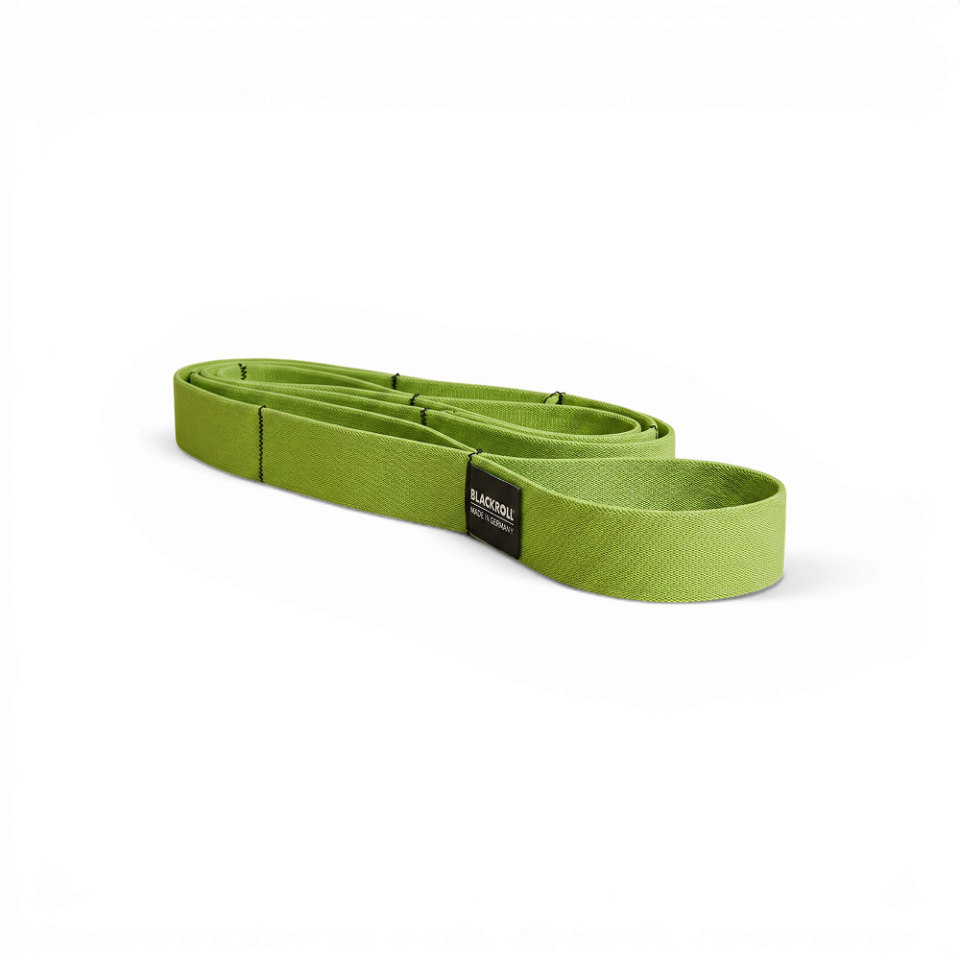
Targeted set for the neck area: DUOBALL 12, BALL 08, SUPER BAND – for precise massage, mobilisation and strengthening.
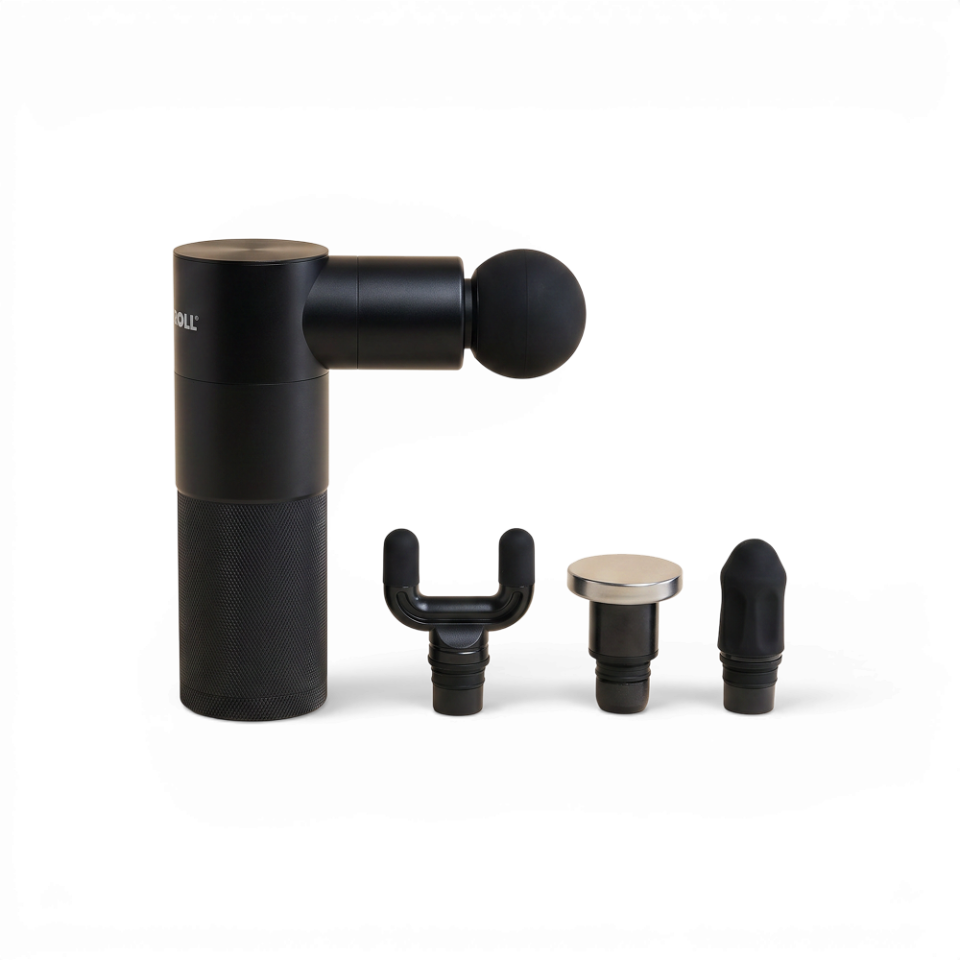
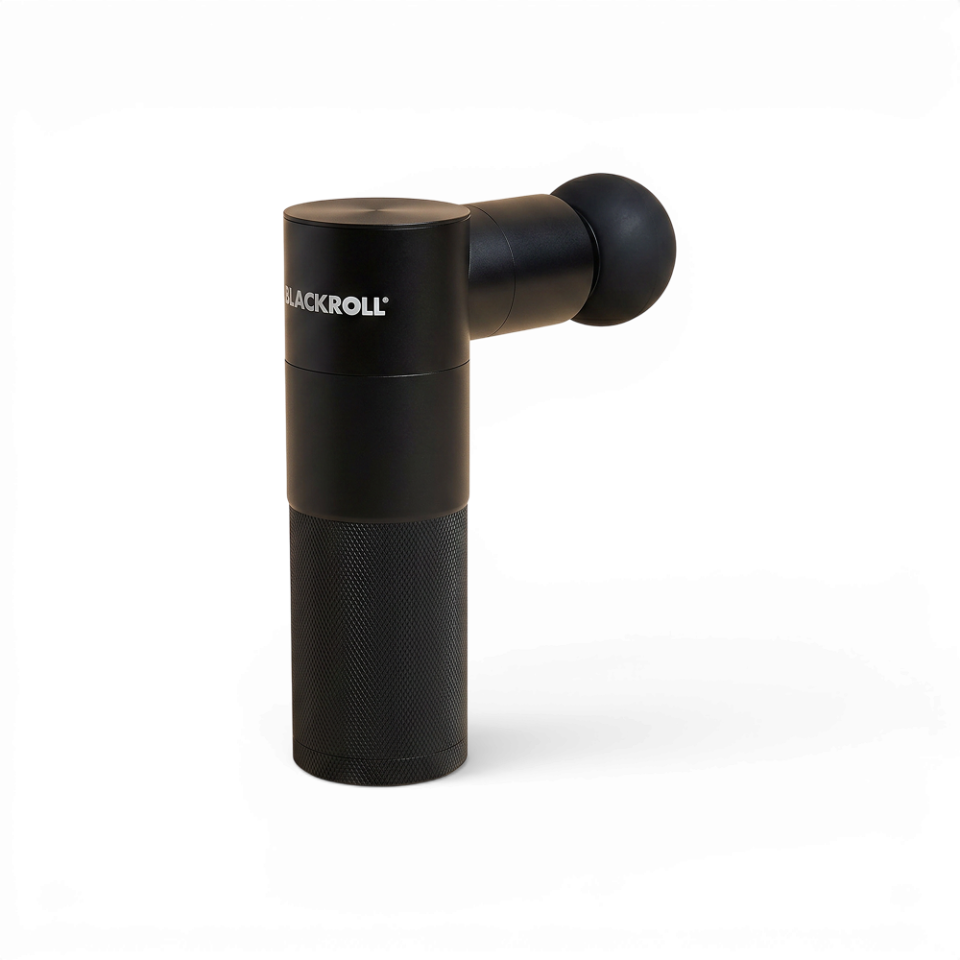
For gentle muscle relaxation – we recommend the lowest setting for sensitive areas and beginners.
Relaxation exercises for stress relief
Exercises for neck pain
Exercises can help you ease and prevent neck pain in a targeted way. You should definitely build this physiotherapy approach into your everyday life if you have neck pain permanently or it keeps coming back. Exercises for neck pain don’t only help with acute discomfort – they also strengthen your muscles and improve your posture in the long term.
Not sure how to get started?
Here you will find an overview of different exercise approaches. When you’re ready to go deeper and get started, we have put together individual neck exercises and perfectly matched neck exercise routines for you on our further pages.
All exercises in our App
Download our free app to find more than 500 exercises and configure your own workouts, track your trainings and progress. Save your favorite routines and exercises and learn how to recover, train your flexibility and strength as well as your athletic capabilities.

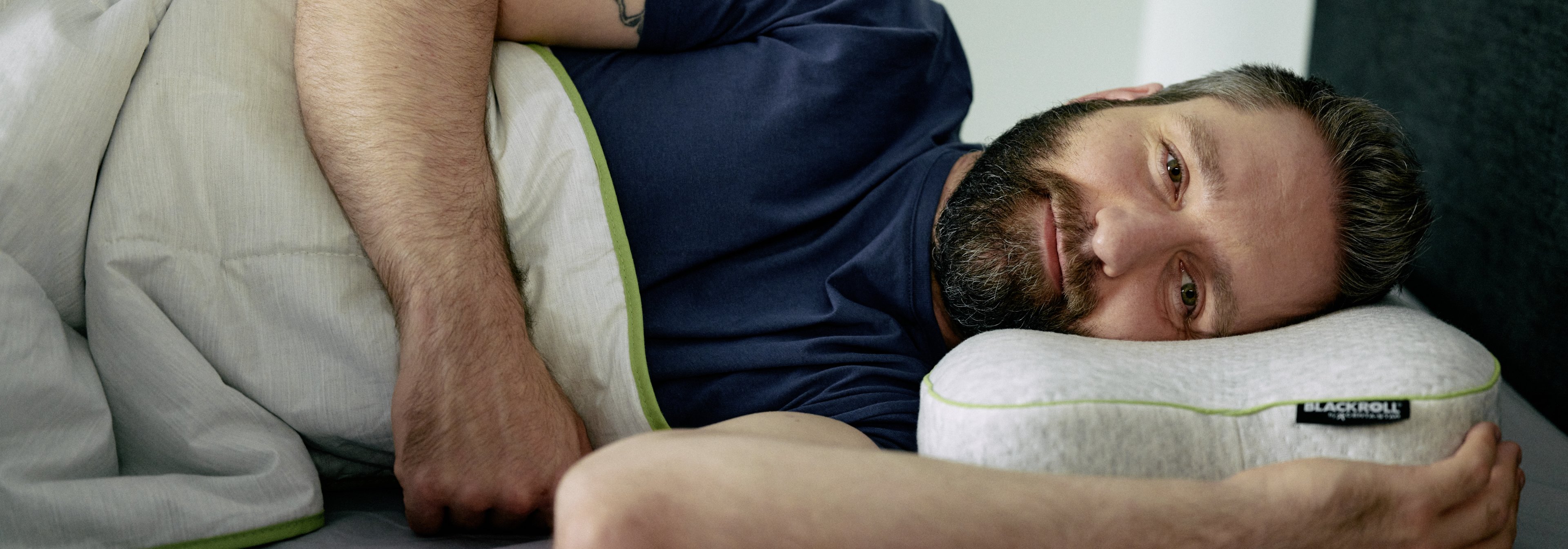
Preventing neck pain
Self-massage using myofascial techniques
When to use: for acute tension and as a regular preventive measure
How it works: BLACKROLL® self-massage can help release tension in the neck area through targeted pressure on the fascia. It is important not only to work on the neck itself, but also to include the chest and the front neck muscles. This technique can improve circulation, release adhesions in the tissue and prepare the muscles for further exercises.
Gentle mobilisation
When to use: for acute neck pain and limited mobility.
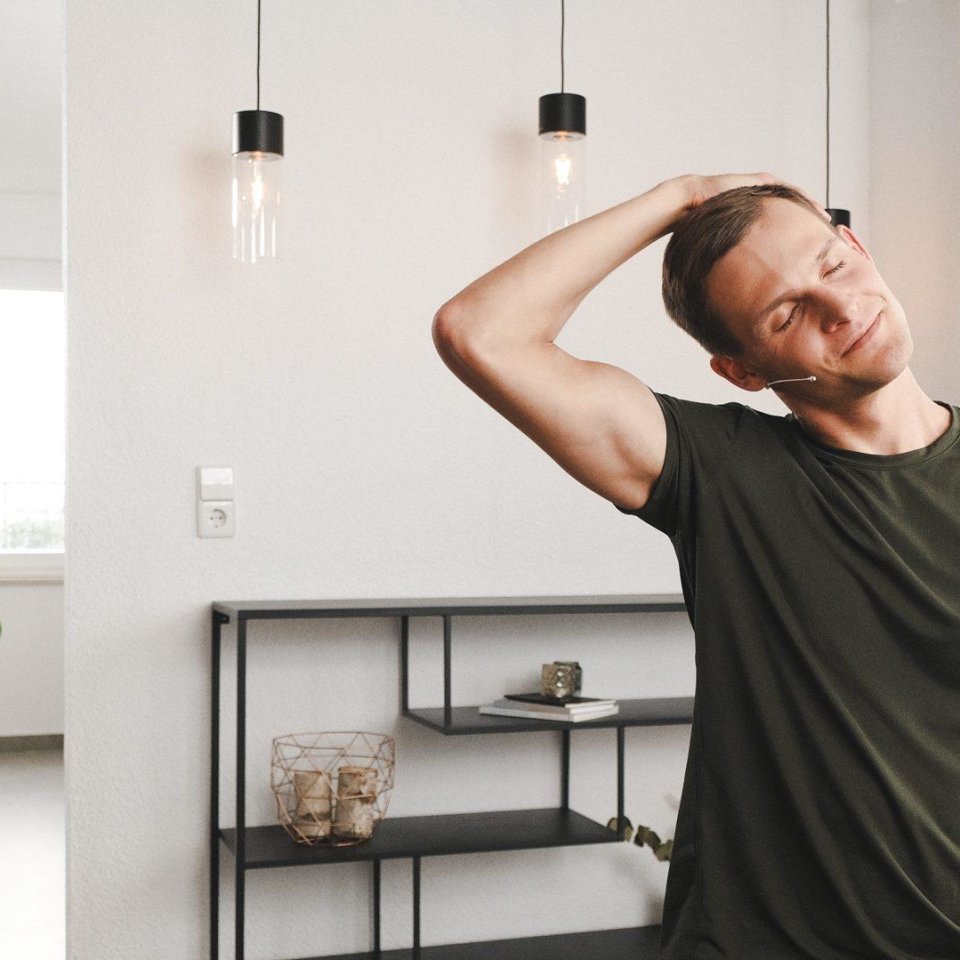
How it works: Careful movements of the head in all directions can help release blockages and gradually restore mobility. The important thing here: never move into the pain, only up to the pain threshold. These gentle movements signal to the nervous system that there is no danger and can reduce the protective tension in the muscles.
Relaxation exercises
When to use: for stress-related neck tension or when pain and tension form a vicious circle.
How it works: Progressive muscle relaxation or conscious breathing techniques can help reduce overall body tension. When your whole body relaxes, neck tension often eases too. These exercises are particularly valuable if stress is a main trigger of your symptoms.
Neck and shoulder stretches
When to use: for stiffness and limited mobility
How it works: Systematic stretches in all directions of movement can help restore the full mobility of your neck. Side tilts, rotation and forward and backward bends should all be included. These exercises are particularly important for counteracting a protective posture and maintaining natural mobility.
Opening up the chest muscles
When to use: for a forward-bent posture and so-called ‘text neck’
How it works: The often shortened chest muscles pull the shoulders forward and increase the strain on the neck. Targeted stretches of the chest muscles are therefore an important part of any neck treatment. Doorframe stretches or wall stretches can be very effective here.
Other treatment methods
Find out more about heat and cold therapy
See your doctor to get medication prescribed and a plan for the correct dosage.
Myofascial self-massage can take effect after just a few uses. You can also see a suitable physiotherapist.

The causes of neck pain
What causes neck pain?
Neck pain can have many causes, often rooted in everyday life. From overload due to poor posture to medical problems – the reasons are varied. Here you will find an overview of the ten most common triggers of neck pain and how they arise.
Overload and tension
Poor posture
Shallow breathing
Sport
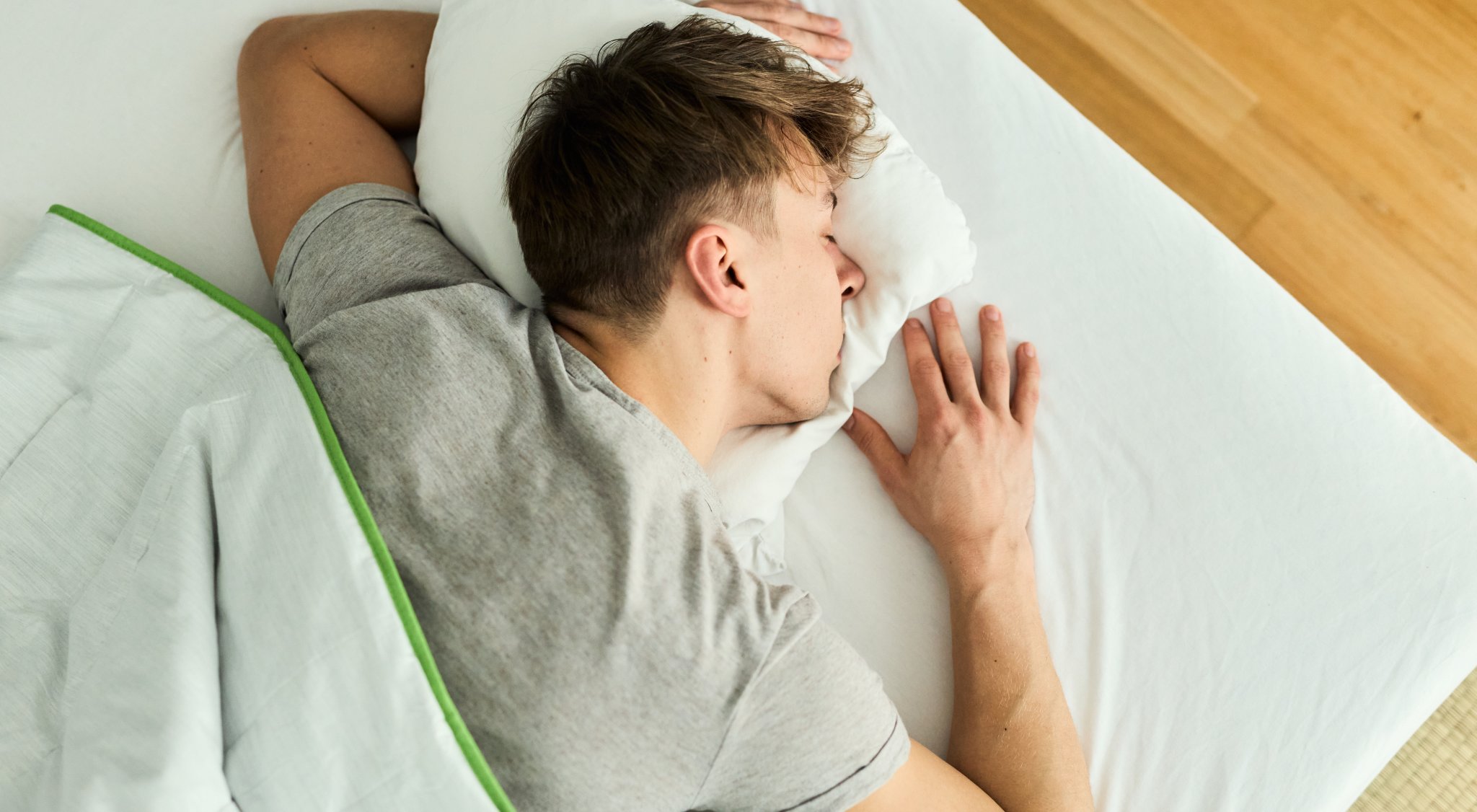
Wrong sleeping position
Stress
Wear and tear
Herniated disc
Whiplash
Medical conditions