
Breathe better in everyday life and sport: CO₂ tolerance for focus and performance

CO₂ tolerance describes how your body reacts to rising carbon dioxide levels and the associated respiratory stimulus. Those who tolerate this stimulus better are able to breathe more calmly and in a more controlled manner under stress and physical exertion. It’s not about holding your breath for long periods, but about recognising the respiratory stimulus, interpreting it correctly and managing it effectively.
Key points at a glance
- CO₂ tolerance describes how your body copes with rising carbon dioxide levels and the resulting respiratory drive.
- The respiratory centre reacts with varying degrees of sensitivity to rising CO₂ levels.
- Low tolerance may manifest as restlessness, rapid breathing and an early urge to breathe.
- Better regulation helps you stay calmer under stress and during physical exertion.
- Training isn't about holding your breath for as long as possible, but about managing the respiratory drive in a controlled manner.
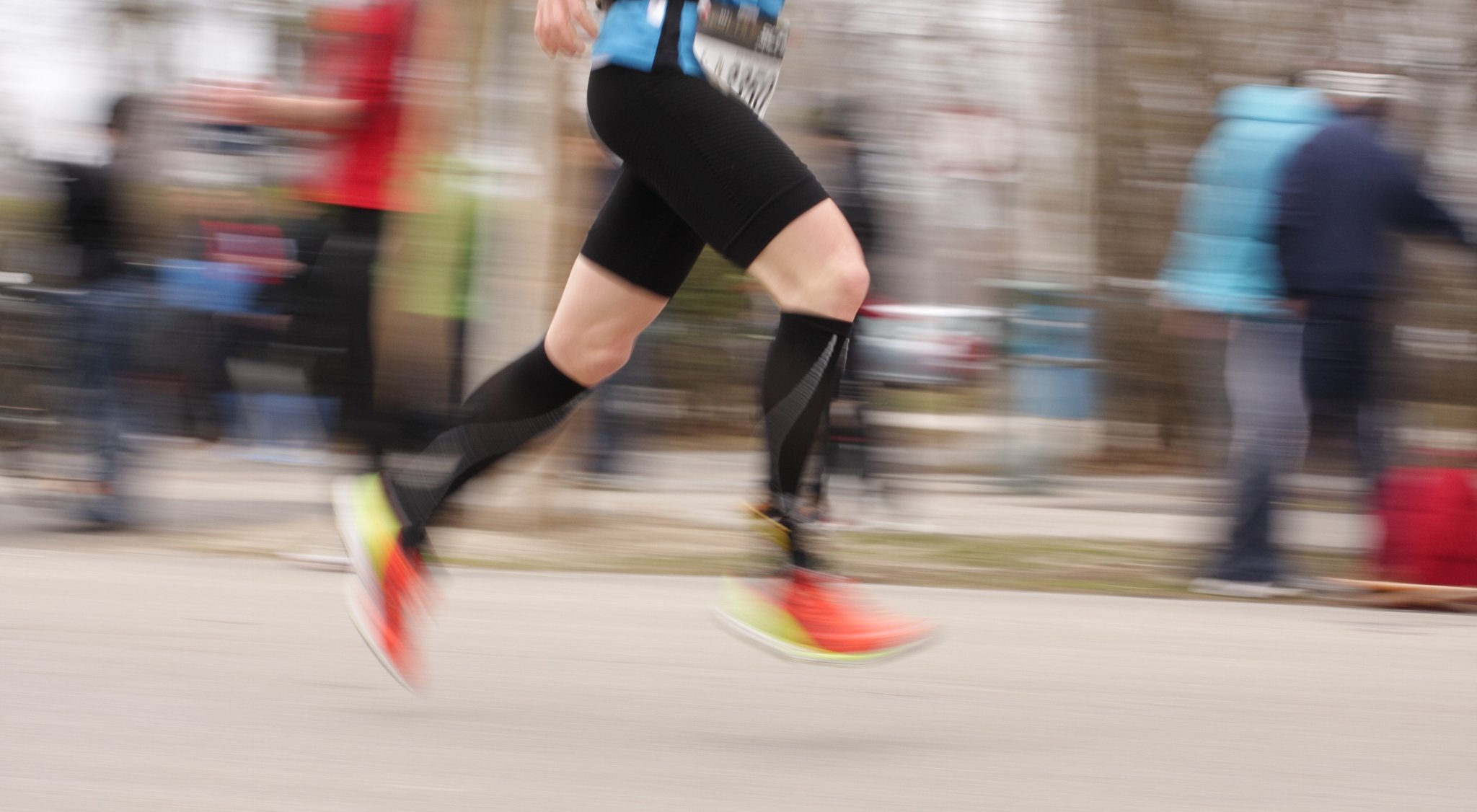

Why managing the breathing impulse is a hidden performance factor
Many people confuse the initial strong urge to breathe with a lack of oxygen. Often, it’s the rising carbon dioxide levels in the blood that first trigger what’s known as ‘air hunger’ – that is, the feeling of needing to breathe urgently (Forster and Smith, 2010; Banzett et al., 2021). When you hold your breath, falling oxygen levels and involuntary diaphragmatic contractions come into play.
As CO₂ rises, the respiratory centre sends a signal to breathe, which can feel like a lack of air, tightness or inner restlessness. Interpret this stimulus as an alarm and you'll often breathe hectically. In sport, CO₂ tolerance describes the ability to stay calm as the respiratory drive increases and to keep managing the exertion.
In everyday life low tolerance shows itself, among other things, as shallow, rapid breathing during times of stress. Calmer breathing can help to interrupt this activation, which mayalso be reflectedin heart rate variability (Bentley et al., 2023; Shaffer and Ginsberg, 2017). Try the following exercises to spot these shifts earlier and steady your breathing.


Focus and calm in everyday life
In everyday life, low CO₂ tolerance often shows up in subtle ways. Your breathing becomes shallow. Your chest tightens. After stress it’s hard to wind down again.
Breathing exercises can help here. They don’t eliminate every source of stress, but they can influence how you respond to it. You’ll notice sooner when your breathing changes and you can take action before tension builds up further.
The parasympathetic nervous system also plays a role here. This is the part of the nervous system that’s more closely associated with recovery and calm. Calm, guided breathing can support it (Bentley et al., 2023). This is often immediately apparent: your breathing becomes quieter. Your pulse slows down. Your body comes out of ‘alert mode’ more quickly.
Simple exercises, such as these, are sufficient for everyday life:
Box breathing
Breathe in for 4 s.
Hold for 4 s.
Breathe out for 4 s.
Hold for 4 s.
This exercise sets a clear rhythm, calms you down and helps you focus your attention. It’s particularly useful if you’re feeling restless, have a lot on your mind or need to regain your focus.
Keep the pauses calm; if you feel pressure or stress, shorten the hold.

Extended exhalation
- Breathe in through your nose for 4 s.
- Exhale calmly for 6–8 s.
This extended exhalation can support your body's natural relaxation response and is often helpful when your breathing becomes shallow and you feel restless. It's a useful exercise for the evening, after stressful moments or as a quick reset in between.

Nose-Pause Walks
Walk at a gentle pace, breathe in through your nose and pause briefly after each exhalation; not for as long as possible but just long enough that the sensation remains noticeable without creating a sense of haste.
This gentle approach helps you get used to higher carbon dioxide levels in everyday life. The advantage is that you’re practising while moving rather than sitting still, so you learn to recognise the urge to breathe while still walking calmly.

Performance and control in sport
During training a subtle respiratory stimulus often appears earlier than the urge to breathe, an irregular rhythm or the feeling of being out of breath more quickly than the level of exertion would normally suggest.
Learn to handle this sensation more calmly and you’ll control your intensity better. It won’t automatically improve every aspect of your performance, but it’ll help you stay within the zone you want to train in for longer rather than stepping up the pace too soon or breathing heavily.
Try these simple applications:
Nasal breathing during the warm-up
Start your warm-up breathing through your nose only. Increase the intensity slowly. As soon as you feel the need to strain or find yourself wanting to breathe through your mouth, slow down.
Your nose acts as a natural limiter here. You’ll immediately notice whether the effort is still manageable. This is particularly suitable for easy runs, mobility exercises, strength warm-ups or Zone 2 sessions.
Calm breathing between sets
After a set, keep breathing calmly and consciously, ideally through your nose with a deliberate exhalation.


The physical foundation: create breathing space first
Breathing exercises work best when your body gives them enough space. This requires a chest that can move, ribs that move with the breath and a thoracic spine that doesn't restrict movement with every inhalation. If this area is stiff, breathing quickly becomes laborious. Air tends to stay in the upper chest, breathing feels more constricted and even simple exercises require more effort and concentration than they should.
Follow this sequence: create mobility then train your breathing.
Progression and measurability
Progress isn't usually visible in the first few seconds but becomes clear in everyday life and under stress when your breathing stays calmer and you recover more quickly.
The BOLT score is often used as a rough self-assessment .BOLT stands for Body Oxygen Level Test. It doesn't measure oxygen levels, but rather the time taken until the first distinct urge to breathe.
- Breathe in and out normally whilst at rest; after exhaling, pinch your nose shut and count the seconds until the first distinct urge to breathe. Stop the test at this point and don’t hold your breath to the maximum.
Although it hasn't been scientifically validated, it can serve as a practical guide for monitoring changes over several weeks. A three-stage programme is based on practical experience and is deliberately kept conservative.
Stage 1
3 to 5 min of prolonged exhalation, 3 to 4 times a week
Stage 2
10–20 min of nasal breathing while performing gentle exercise, 2–3 times a week
Stage 3
Stage 3: Take 5–8 short breathing pauses after exhaling, twice a week.
Only progress to the next stage once you’ve settled comfortably into the current one – you don’t need a new challenge every week.
The better indicator isn't the length of the pause but the quality afterwards: does your breathing stay controlled? Do you feel clear-headed? Does your body quickly return to a calm rhythm?
Common mistakes
- Breathing pauses that are too long.
- Building up too quickly.
- Too much ambition.
- Allow adequate rest between sessions.
- Train only when your nervous system can handle it.


What CO₂ training can and cannot achieve
It isn't a quick fix for every kind of breathlessness and it doesn't replace a medical assessment if you have symptoms. Instead, it helps you become more aware of the urge to breathe, react to it less frantically and keep your breathing more stable during light to moderate exertion.
Important: Breathing pauses aren't suitable for everyone. If you're pregnant or have epilepsy, panic disorders, cardiovascular disease or uncontrolled high blood pressure, consult a doctor first to find out whether and in what form breathing training is suitable for you. Stop the exercise immediately if you experience dizziness, a headache or feel unwell.
It’s not about holding your breath for as long as possible; it’s about managing the urge to breathe in a more controlled way.
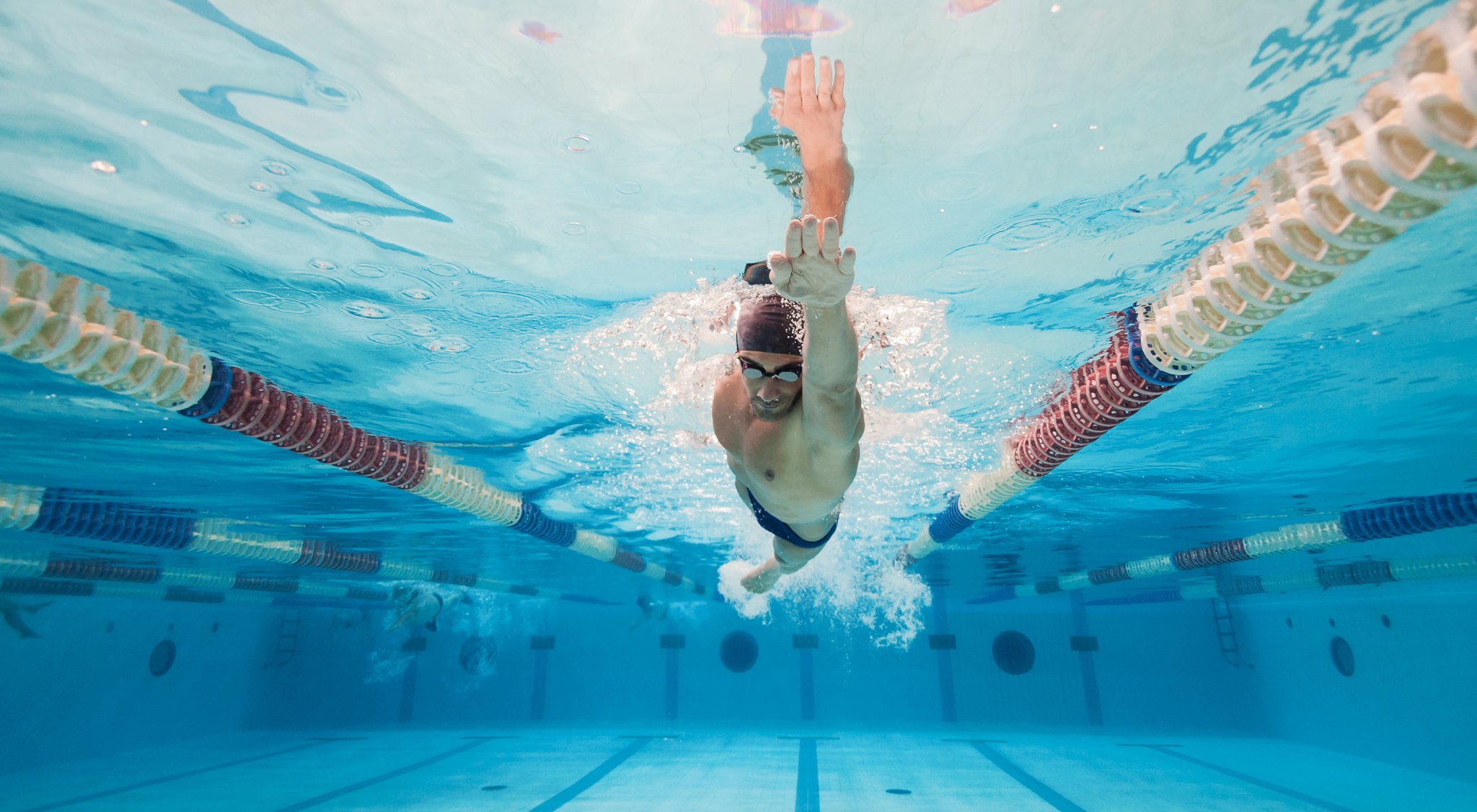

What you understand particularly well in the water
CO2 tolerance is often most evident in water. When you're holding your breath, practising apnoea or even freediving, the urge to breathe eventually becomes very noticeable.
This is precisely what illustrates the point: it’s not about holding out for as long as possible, but about staying calm in that moment.
Underwater you often realise more quickly just how closely breathing, stress and body awareness are linked. Anyone who reacts to the urge to breathe immediately with panic uses up more energy and loses control more easily. Those who remain calmer are better able to process the urge.
Never hold your breath in the water alone and never after rapid, deep breathing (hyperventilation): it suppresses the urge to breathe and can lead to loss of consciousness without warning.
After all, what becomes clear in the water also applies on land: those who notice the urge to breathe without immediately succumbing to stress breathe more controlled, stay calmer and manage exertion better.


Conclusion
It's not about mastering a technique; it's about spotting restlessness earlier and guiding your body back to a calmer rhythm.
This is precisely where the value of CO₂ tolerance training lies: not in extremes, but in better management of the respiratory stimulus. In everyday life, it can help you stay clearer-headed under stress. In training, it can help you manage exertion in a more controlled way and regain calm more quickly after exertion.
Getting started doesn’t have to be complicated. Often, a few minutes, a clear structure and exercises that remain calm are enough. What matters isn’t the length of a break but the quality afterwards.
Frequently asked questions about CO₂ tolerance
It describes how your body reacts to rising carbon dioxide levels and the associated respiratory stimulus. It’s about how sensitive your respiratory centre is to rising CO₂ levels and how calmly you can cope with this signal.
Indicators may include breathing that quickly becomes shallower or more laboured, an early urge to breathe during moderate exertion or difficulty returning to a calm breathing rhythm after stress.
In everyday life, being mindful of the urge to breathe can help you react more calmly when under stress. In sport, it can help you manage light to moderate exertion in a more controlled manner and maintain a calmer breathing rhythm.
Try box breathing, prolonged exhalation, ‘nose-pause’ walks, nasal breathing during warm-ups and short breathing pauses after exhaling. Focus on a controlled rhythm rather than holding your breath for as long as possible.
Use the BOLT value as a rough self-assessment: after a normal exhalation, measure the time until you feel the first distinct urge to breathe. Remember, the test hasn't been scientifically validated and it's only a practical guide.
No. During light to moderate exercise, nasal breathing can serve as an indicator of exertion. At high intensity, however, mouth breathing is normal and necessary.
No. During pregnancy or if you have epilepsy, panic disorder, cardiovascular disease or uncontrolled high blood pressure, consult a doctor first to check whether breathing training is suitable. Stop the exercise if you experience dizziness, headache or feel unwell.
Read more






Sources
Banzett, R. B., Lansing, R. W. and Binks, A. P. (2021). Air hunger: A primal sensation and a primary element of dyspnoea. Comprehensive Physiology, 11(2), 1449–1483. https://doi.org/10.1002/cphy.c200001
Bentley, T. G. K., D’Andrea-Penna, G., Rakic, M., Arce, N., LaFaille, M., Berman, R., Cooley, K. and Sprimont, P. (2023). Breathing practices for stress and anxiety reduction: Conceptual framework of implementation guidelines based on a systematic review of the published literature. Brain Sciences, 13(12), 1612. https://doi.org/10.3390/brainsci13121612
Forster, H. V. and Smith, C. A. (2010). Contributions of central and peripheral chemoreceptors to the ventilatory response to CO₂/H+. Journal of Applied Physiology, 108(4), 989–994. https://doi.org/10.1152/japplphysiol.01059.2009
Shaffer, F. and Ginsberg, J. P. (2017). An overview of heart rate variability metrics and norms. Frontiers in Public Health, 5, 258. https://doi.org/10.3389/fpubh.2017.00258