
BOLT test: measure your respiratory efficiency

It measures how long you can comfortably hold your breath after a normal exhalation. The score indicates your breathing efficiency and CO2 tolerance, though it isn't a substitute for a medical examination. Links to nasal and oral breathing, as well as further information on CO2 tolerance, help you interpret the results.
Key points at a glance
- The BOLT test (Body Oxygen Level Test) gives you an initial indication of your breathing efficiency and CO₂ tolerance.
- Breathe in and out normally, then pinch your nose shut after exhaling and time yourself until you feel the first distinct urge to breathe.
- Times under 20 s may indicate an unfavourable breathing pattern; 25 to 30 s are considered functional; 40 s or more are considered efficient.
- Tracking the trend over several days is more meaningful than a single reading. Remember, the test isn't a substitute for medical diagnosis and should be considered in the context of your breathing in everyday life and during exercise.


What is the BOLT test?
BOLT stands for Body Oxygen Level Test. At first glance the name suggests an oxygen measurement, but in fact it’s about something else: measure how quickly your body wants to breathe in again after a normal exhalation.
Exhale, then hold your breath briefly and time how long it takes until you feel the first distinct urge to breathe. It’s not about holding your breath for as long as possible. The test doesn’t end when you’re gasping for air, but at the moment your body first clearly signals: ‘I want to breathe again.’
The BOLT value indicates your breathing efficiency and CO₂ tolerance. CO₂, or carbon dioxide, is produced naturally when your cells generate energy and is released through breathing; it also signals your urge to breathe. When the CO₂ level in your blood rises, your body eventually signals that you need to breathe in again (McKeown, 2015; Oxygen Advantage).
This makes the test useful for a wide range of people: from athletes who want to manage their exertion more effectively to those with stressful working lives, few breaks or family commitments that keep the body constantly ‘switched on’. The BOLT test can help you recognise whether your breathing is working calmly or whether your respiratory system is sounding the alarm too early.
It doesn’t measure your blood oxygen levels, lung capacity or general fitness, but it does reveal how quickly your respiratory system reacts to the breathing stimulus. It’s therefore a straightforward self-assessment, not a medical diagnostic test.



Performing the BOLT test: how to measure correctly
To ensure your BOLT value is comparable , always measure it under similar conditions. Choose a quiet moment, such as in the morning or after sitting for a few minutes. The test is less reliable immediately after sport, a cup of coffee, a stressful situation or a large meal.
Sit upright and breathe calmly through your nose for a few minutes. Don't try to make your breathing particularly deep or slow — this'll distort the result. Keep your breathing as normal as possible.
Here’s how the test works:
- Breathe in normally through your nose.
- Breathe out normally through your nose.
- After this normal exhalation, pinch your nose shut.
- Start the stopwatch.
- Stop the seconds as soon as you feel the first distinct urge to breathe.
- Continue to breathe calmly through your nose afterwards.
- The urge to breathe can manifest in different ways: as a slight twitch in the diaphragm, as a swallowing reflex, as an initial feeling of pressure or simply as a clear desire to breathe in again. It's precisely this moment that counts.
If you find yourself gasping for air after the test, you were too late – in that case, you’ve measured your willpower rather than your BOLT value.


What does your BOLT score tell you?
It doesn’t judge how ‘good’ or ‘bad’ your breathing is; instead, it shows how early your respiratory system responds to rising CO₂ levels. The sooner this stimulus occurs, the quicker you feel the need to breathe in again.
In sport, an early stimulus can mean you feel out of breath more quickly during exertion, lose your rhythm sooner, breathe more hectically or sense you’re not getting enough air.
This figure can also be interesting in everyday life. Many people don’t even realise that they frequently breathe shallowly, rapidly or through their mouths. Instead, they tend to notice the consequences: inner restlessness, frequent sighing, tension in the chest or the feeling of not being able to breathe deeply enough.
CO₂ isn’t just a substance you breathe out; it also influences how effectively oxygen can be delivered from the blood to the tissues. This relationship is described as the Bohr effect. Put simply: a good CO₂ balance helps ensure that oxygen reaches the places in your body where it’s needed (Benner and Patel, 2023; Kaufman and Khattar, 2023).


Interpreting the BOLT value: what is a good reading?
BOLT value | Interpretation | Possible meaning |
|---|---|---|
Under 10 s | very low | Your respiratory drive sets in very early, suggesting either low CO₂ tolerance or a very active breathing pattern. |
10 to 20 s | low to average | Many people fall within this range, and your breathing could probably become even more efficient and calmer. |
20 to 30 s | solid | Your body's coping better with the breathing stimulus, often indicating more stable breath control. |
30 to 40 s | good | Your CO₂ tolerance tends to be well developed. |
Around 40 s or more | advanced | This range is often cited as a target in breathing training. |
Remember, a very high value isn’t automatically better. The BOLT test isn’t about holding your breath for as long as possible. If you manage 60 or 90 s but then have to gasp for air, you’ve probably carried out the test for too long.
Don’t overestimate the BOLT value – it’s simply a snapshot. Sleep, stress, caffeine, infections, training, your menstrual cycle or nervousness can all influence the result.
Focus on the trend over time rather than any single reading. Measure regularly under similar conditions and you’ll gradually see how your breathing responds to exercise, recovery and everyday life.


Common mistakes in the BOLT test
Many people unknowingly skew their BOLT score because they treat the test like a breath-holding challenge, but that’s exactly what it isn’t.
Avoid the following:
Don't breathe in or out too deeply
The test begins after a normal exhalation so if you breathe in particularly deeply beforehand you'll alter the CO₂ level and the result won't be reliable.
Don't hold your breath for too long.
Stop at the first distinct urge to breathe, not when you’re completely out of breath.
Continue breathing through your mouth
After the test you should be able to continue breathing calmly through your nose; if you’re gasping for breath the test was too long.
Measure immediately after exertion
Sport, stress, coffee or excitement can lower the reading so take the measurement when you’re at rest.
Don’t overinterpret individual readings
A single BOLT reading is just a snapshot; the trend over several days or weeks is more meaningful.


Why the BOLT test is useful for sport and recovery
Breathing influences how you feel during exercise, how you recover after training and how you regenerate. That’s why the BOLT test can’t only help you better understandyour breathing during sport but also provide guidance in everyday life.
During exercise the body produces more CO₂ and the harder you push the greater the respiratory drive so you breathe faster and more deeply to expel CO₂ and keep your acid-base balance steady.
This doesn't automatically mean your fitness level is poor; your breathing pattern can also influence your exercise capacity. Calm, controlled breathing helps you pace yourself better during exercise and return to a steady rhythm more quickly afterwards.
After training, your body should switch from an active state to recovery. If your breathing stays shallow or laboured for a long time, it may indicate that your respiratory system is still highly activated. In everyday life, restless breathing often shows up as frequent sighing, shallow chest breathing, mouth breathing, a feeling of pressure in the chest, tense shoulders or the sensation of being unable to breathe deeply. Research links altered breathing to symptoms such as shortness of breath, a feeling of tightness, frequent sighing and reduced exercise tolerance (Courtney, 2009; Thomas et al., 2005; van Dixhoorn and Folgering, 2015).
The BOLT test makes these connections more tangible. It isn’t a substitute for performance testing or a medical examination, but it can show how your respiratory system responds to training, stress and recovery. More meaningful than a single reading is the trend over several days: if the respiratory stimulus becomes noticeable later on, this may indicate that your body is coping more calmly with exertion and CO₂.
For you, this means the BOLT test isn’t about putting pressure on yourself to optimise your performance; it’s a way of checking in with your body. It helps you become more aware of whether your breathing is currently supporting you or adding stress.


Improving CO₂ tolerance: these 4 steps will help
Before you begin specific breathing exercises, review the basics. Your breathing isn’t shaped by five minutes of training alone – it’s influenced by your entire everyday life.
Strengthen nasal breathing in everyday life
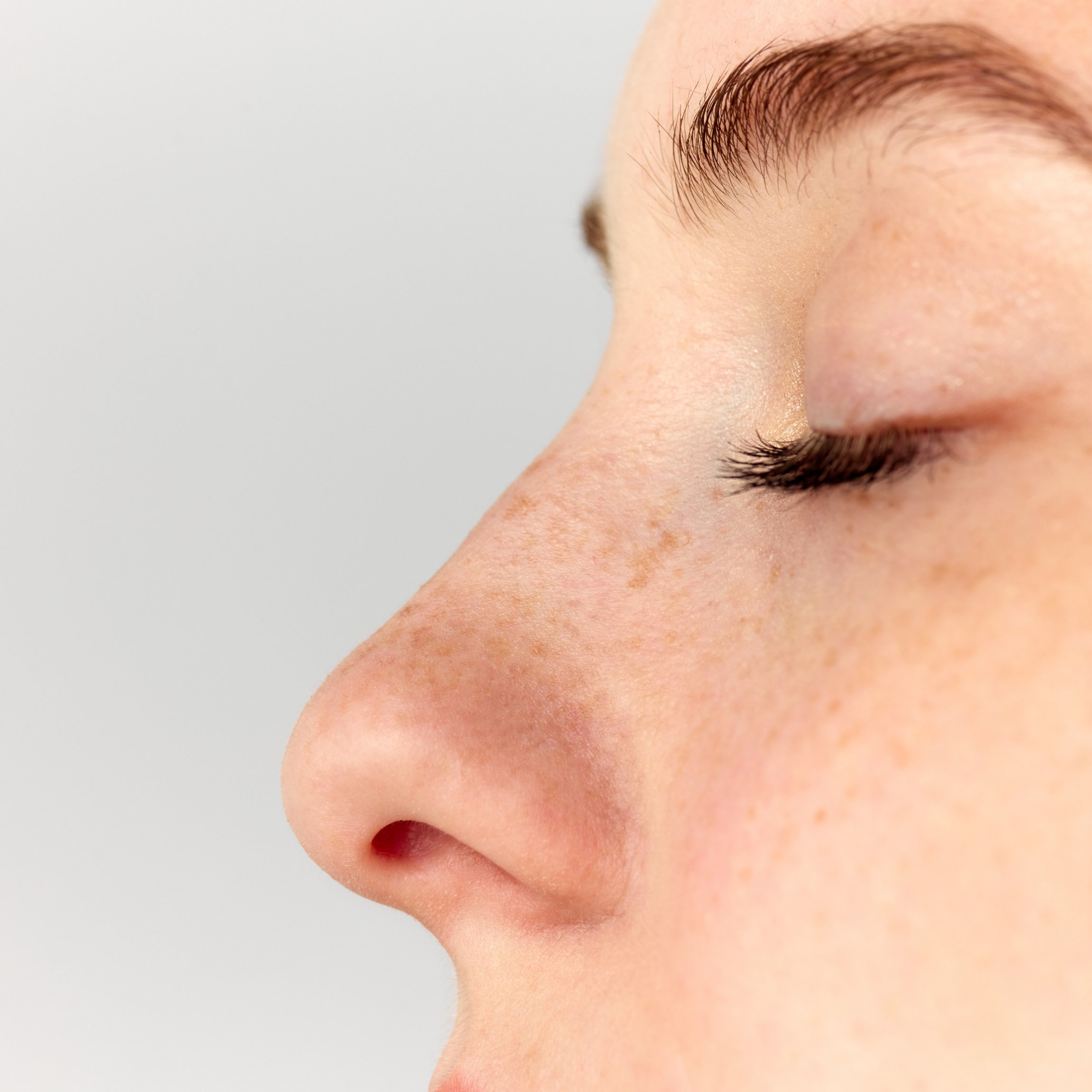
Breathe through your nose more often in everyday life – whilst walking, working, reading, cooking or falling asleep. Nasal breathing slightly slows your breath, filters and moistens the air and helps you breathe more calmly.
Don’t put pressure on yourself; simply guide your breath back to your nose when you notice it’s drifted elsewhere.
Reduce breathing volume
Many people breathe too deeply, too quickly or too high up into the chest, so calmer breathing often means less effort, not more.
Sit upright for 1–2 min, breathe in and out through your nose and let your exhalation become soft and calm. Keep your shoulders relaxed; your breath should become smaller and quieter, not more strained.

Mobilising the chest and diaphragm
Breathing is also movement, so if your thoracic spine, ribs and diaphragm are stiff your breath may feel constricted or blocked.
Gentle mobilisation can help to create more space for breathing. Studies on manual techniques applied to the diaphragm show that targeted myofascial work can have a short-term effect on physical and functional parameters (Marizeiro et al., 2018).
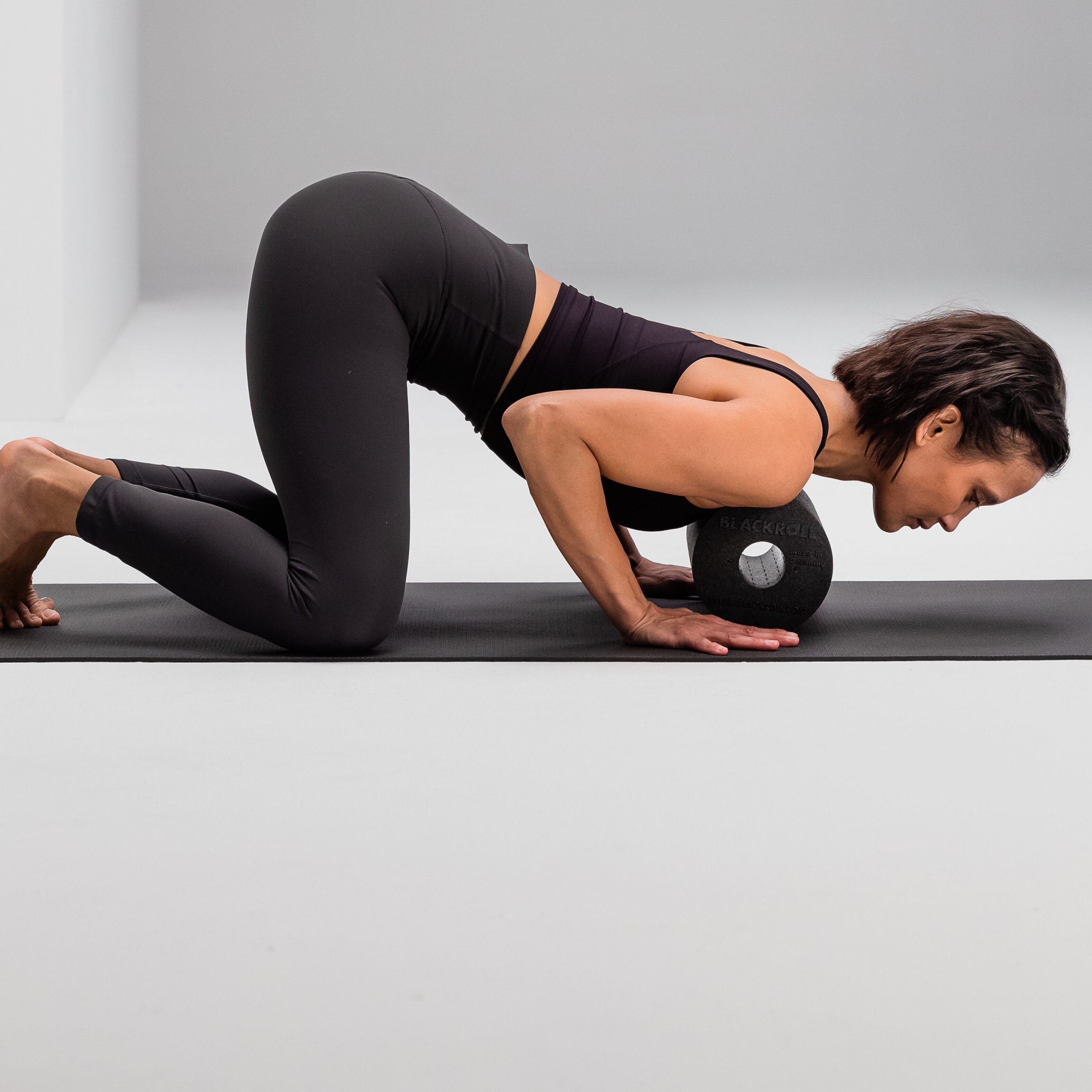
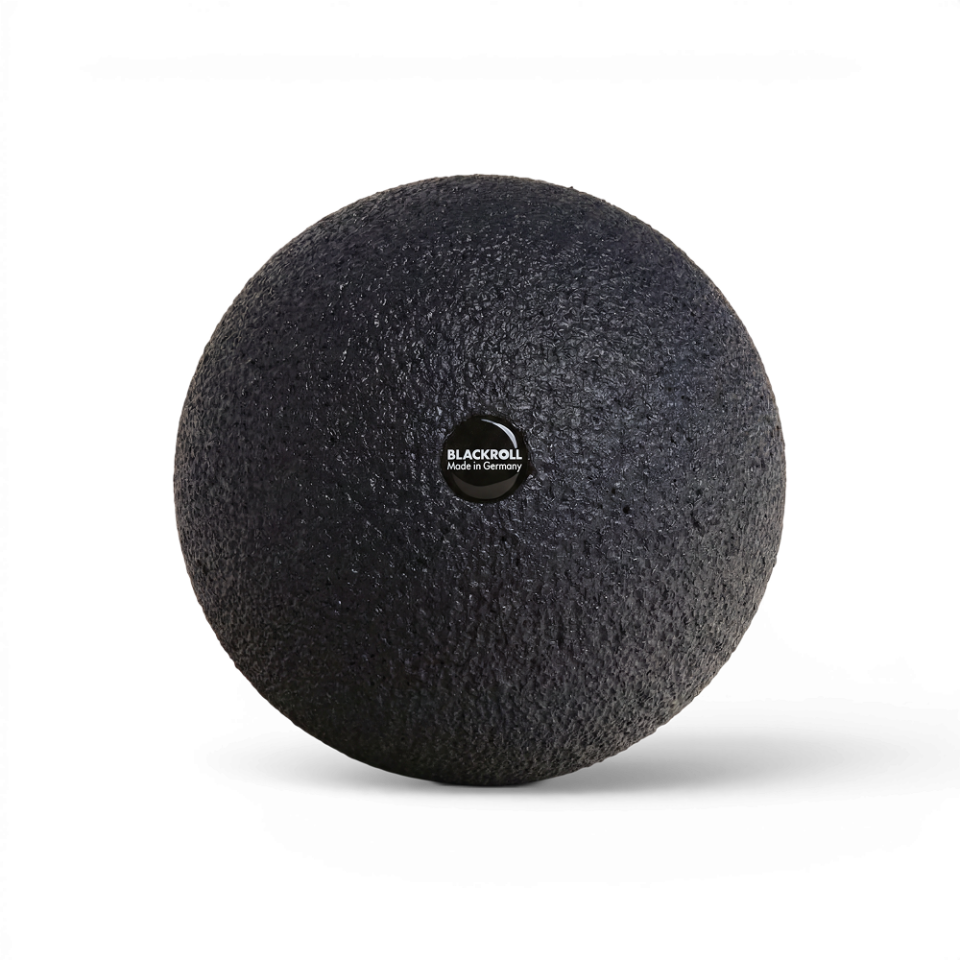
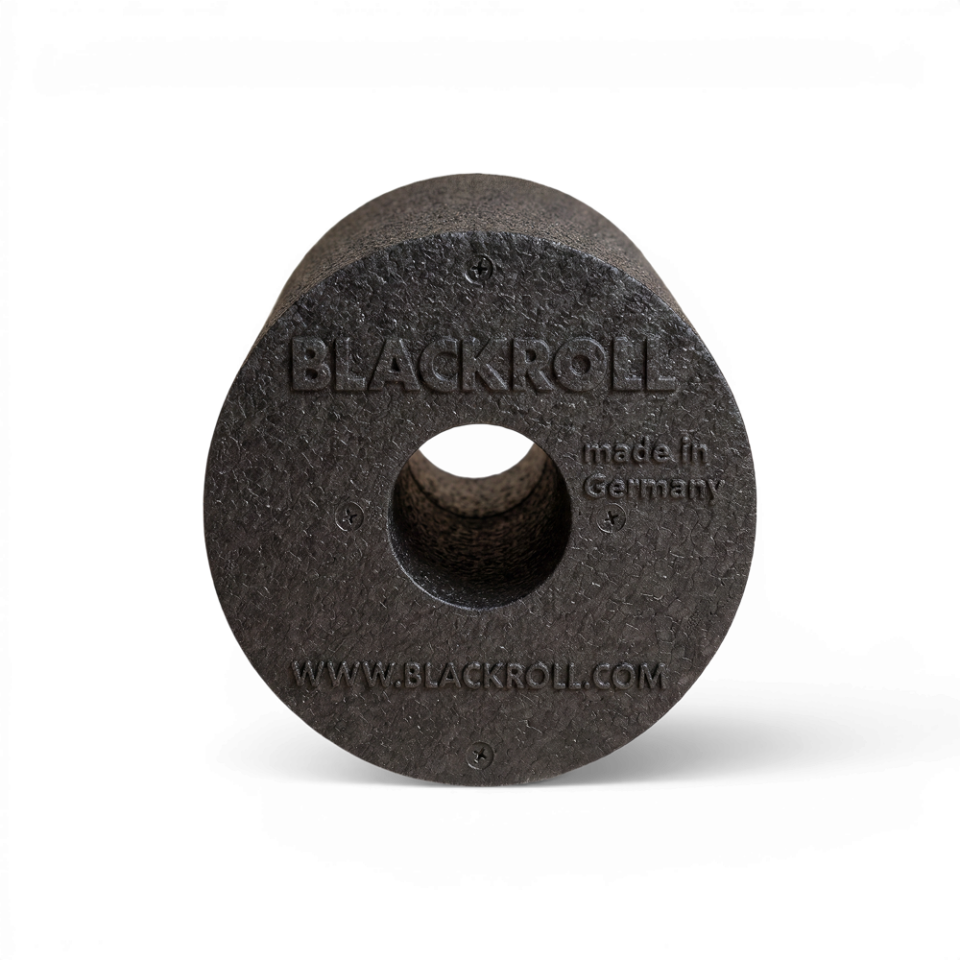
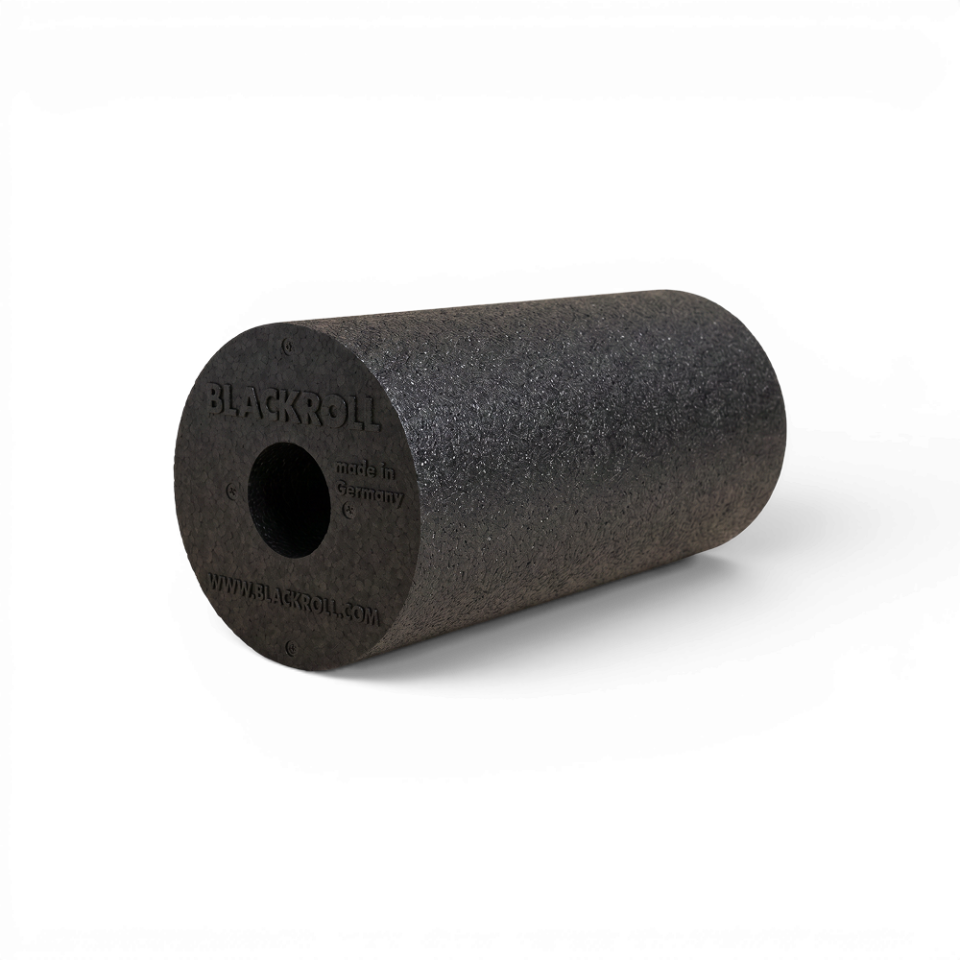
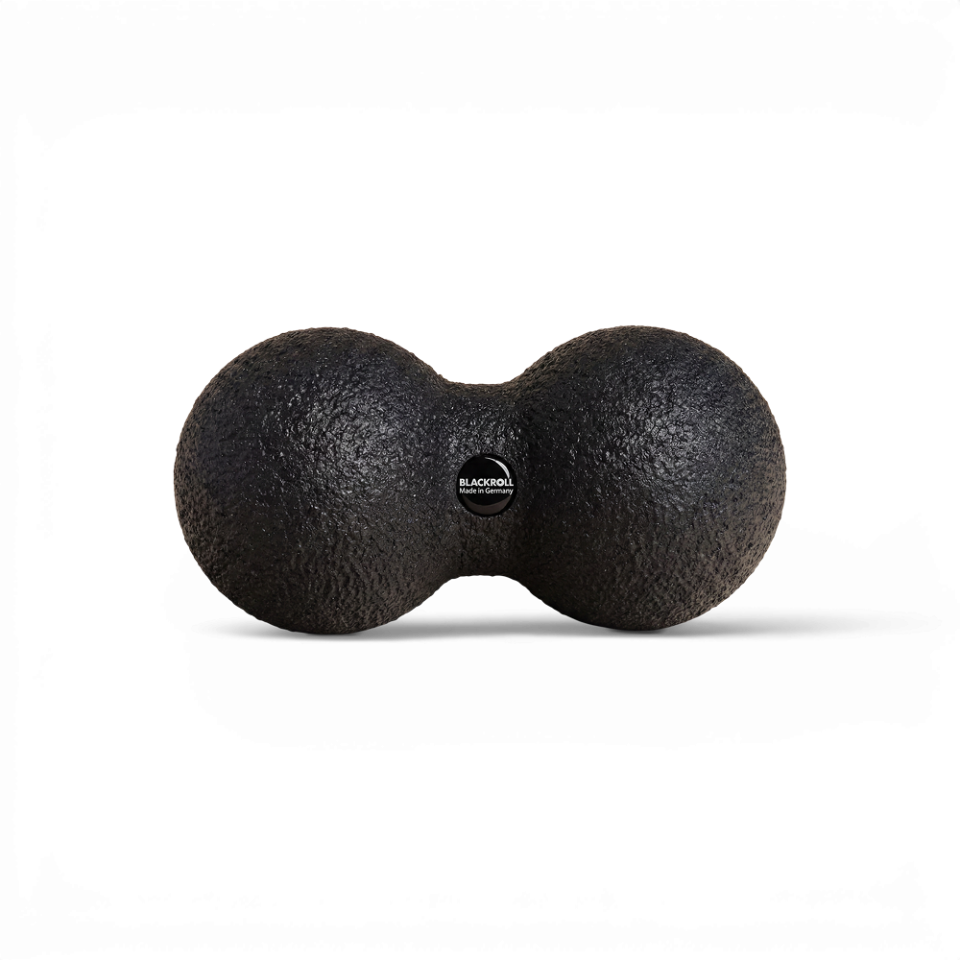
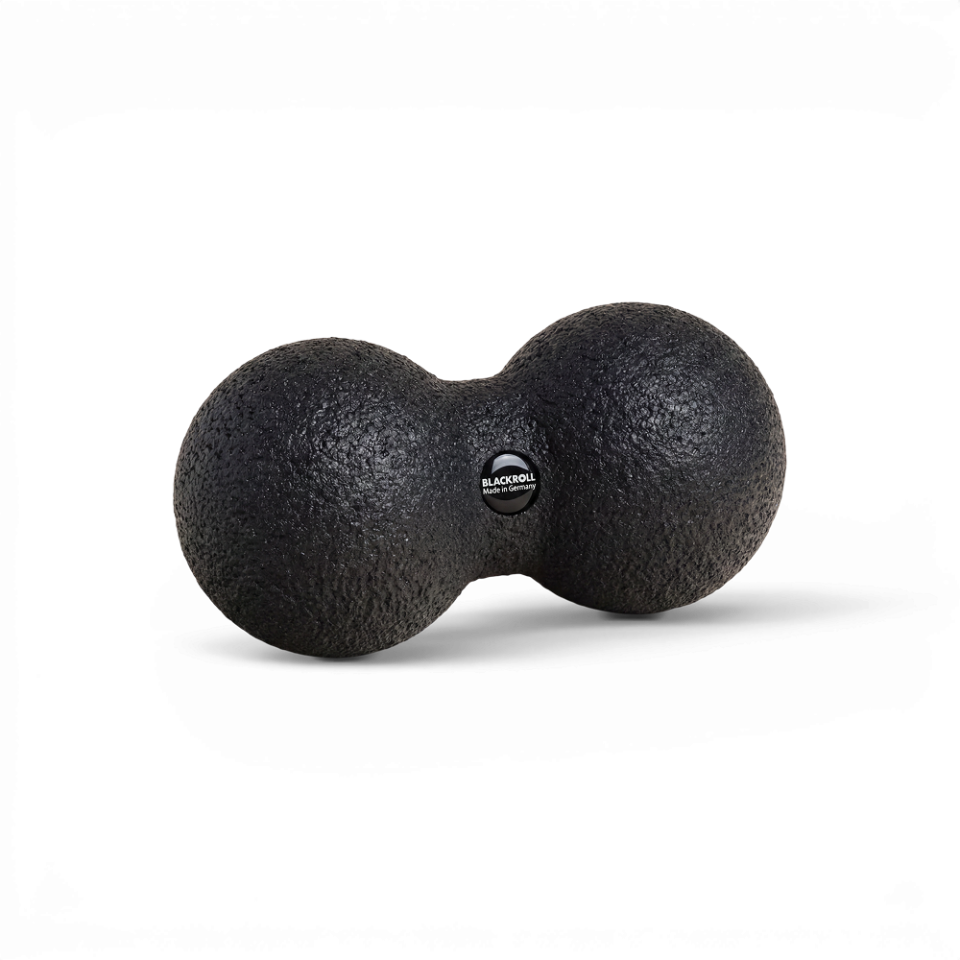
For example, work on the thoracic spine with a foam roller, open up the lateral ribs with gentle stretches or use a ball to work the area around the chest and the accessory respiratory muscles.
Work slowly and mindfully; you’re aiming to ease mobility and body awareness, not cause pain.

Incorporate short breathing breaks
If you're healthy and feel confident, incorporate short breathing pauses into your everyday life. For example, whilst walking breathe out normally through your nose, hold your breath for a few steps then continue breathing calmly through your nose.
Keep the exercise controlled; you shouldn't feel pressure, dizziness or gasping for breath. Small stimuli are sufficient.

When you should be careful
The BOLT test is straightforward for many healthy people. Nevertheless, there are situations in which you should exercise caution.
- Don't perform the test, or only do so after consulting a doctor, if you're pregnant, have severe cardiovascular problems, suffer from severe high blood pressure, are prone to fainting, are experiencing acute shortness of breath or are currently struggling with severe panic attacks.
- Stop the test immediately if you feel dizzy, experience chest tightness or feel unsteady.
If you experience persistent shortness of breath, chest pain, sleep problems with pauses in breathing or severe symptoms, seek medical help. Breathing exercises and self-tests aren't a substitute for a medical diagnosis.


The BOLT test makes your breathing more tangible
It shows you when your body wants to breathe in again after a normal exhalation, giving you an indication of your CO₂ tolerance.
Understand the test correctly: it’s not about holding your breath for as long as possible, but about the first distinct urge to breathe. A low score isn’t cause for concern, but rather an indication that your breathing may still have room for improvement.
Breathe more through your nose, breathe more calmly, mobilise your chest and diaphragm and take short breathing breaks in your everyday life to improve your breathing efficiency step by step.
Starter set for this week
- Measure your BOLT value in the morning on three consecutive days.
- Don't evaluate individual readings; record the average instead.
- Breathe through your nose more often during the day.
- Incorporate two min of calm, quiet nasal breathing into your daily routine.
- Mobilise your chest and diaphragm with gentle exercises.
- Repeat the test after seven days under similar conditions.
Frequently asked questions about the BOLT test
It’s a quick self-assessment of your breathing. Exhale normally, hold your breath and time how long it takes until you feel the first distinct urge to breathe. The result indicates your CO₂ tolerance and breathing pattern.
BOLT stands for Body Oxygen Level Test. The name's a little misleading because the test doesn't directly measure your oxygen levels; instead it shows how sensitive your respiratory system is to rising CO₂ levels.
As a rough guide, 20–30 s is considered solid whilst 30–40 s is considered good. Results below 20 s may indicate that your breathing still has room for improvement. However, it's always the overall trend that matters, not just a single reading.
Because the BOLT test isn’t a maximum breath-holding exercise. The first urge to breathe shows when your body wants to breathe in again. If you hold your breath beyond that point, you’re measuring willpower rather than breath control.
Once or twice a week is sufficient for most people. If you’re specifically working on your breathing, measure your score in the morning for a few days in a row and compare the average.
Yes, you can often improve your score through calmer nasal breathing, consciously reducing your breathing volume, mobilisation of your chest and diaphragm and taking gentle breathing pauses. Start slowly and safely.
For healthy people, the test is generally straightforward when carried out correctly. However, don’t take it if you’re pregnant, experiencing acute shortness of breath, prone to fainting or suffering from serious cardiovascular conditions. If in doubt, seek medical advice.
Read more



Sources
McKeown, P. The Oxygen Advantage: Simple, Scientifically Proven Breathing Techniques to Help You Become Healthier, Slimmer, Faster and Fitter. William Morrow, 2015.
McKeown, P. (n.d.). How to measure your BOLT score. Oxygen Advantage. Retrieved from https://oxygenadvantage.com/blogs/science/measure-bolt
Benner, A., Patel, A. K., Singh, K. and Dua, A. (2023). Physiology, Bohr effect. In StatPearls. StatPearls Publishing. Retrieved from https://www.ncbi.nlm.nih.gov/books/NBK526028/
Kaufman, D. P., Kandle, P. F., Murray, I. V. and Dhamoon, A. S. (2023). Physiology, oxyhaemoglobin dissociation curve. In StatPearls. StatPearls Publishing. Retrieved from https://www.ncbi.nlm.nih.gov/books/NBK499818/
Courtney, R. (2009). The functions of breathing and its dysfunctions and their relationship to breathing therapy. International Journal of Osteopathic Medicine, 12(3), 78–85. https://doi.org/10.1016/j.ijosm.2009.04.002
Thomas, M., McKinley, R. K., Freeman, E., Foy, C. and Price, D. (2005). The prevalence of dysfunctional breathing in adults in the community with and without asthma. Primary Care Respiratory Journal, 14(2), 78–82. https://doi.org/10.1016/j.pcrj.2004.10.007
van Dixhoorn, J. and Folgering, H. (2015). The Nijmegen Questionnaire and dysfunctional breathing. ERJ Open Research, 1(1), Item 00001-2015. https://doi.org/10.1183/23120541.00001-2015
Marizeiro, D. F., Florêncio, A. C. L., Nunes, A. C. L., Campos, N. G. and Lima, P. O. de P. (2018). Immediate effects of diaphragmatic myofascial release on the physical and functional outcomes in sedentary women: A randomised placebo-controlled trial. Journal of Bodywork and Movement Therapies, 22(4), 924–929. https://doi.org/10.1016/j.jbmt.2017.10.008