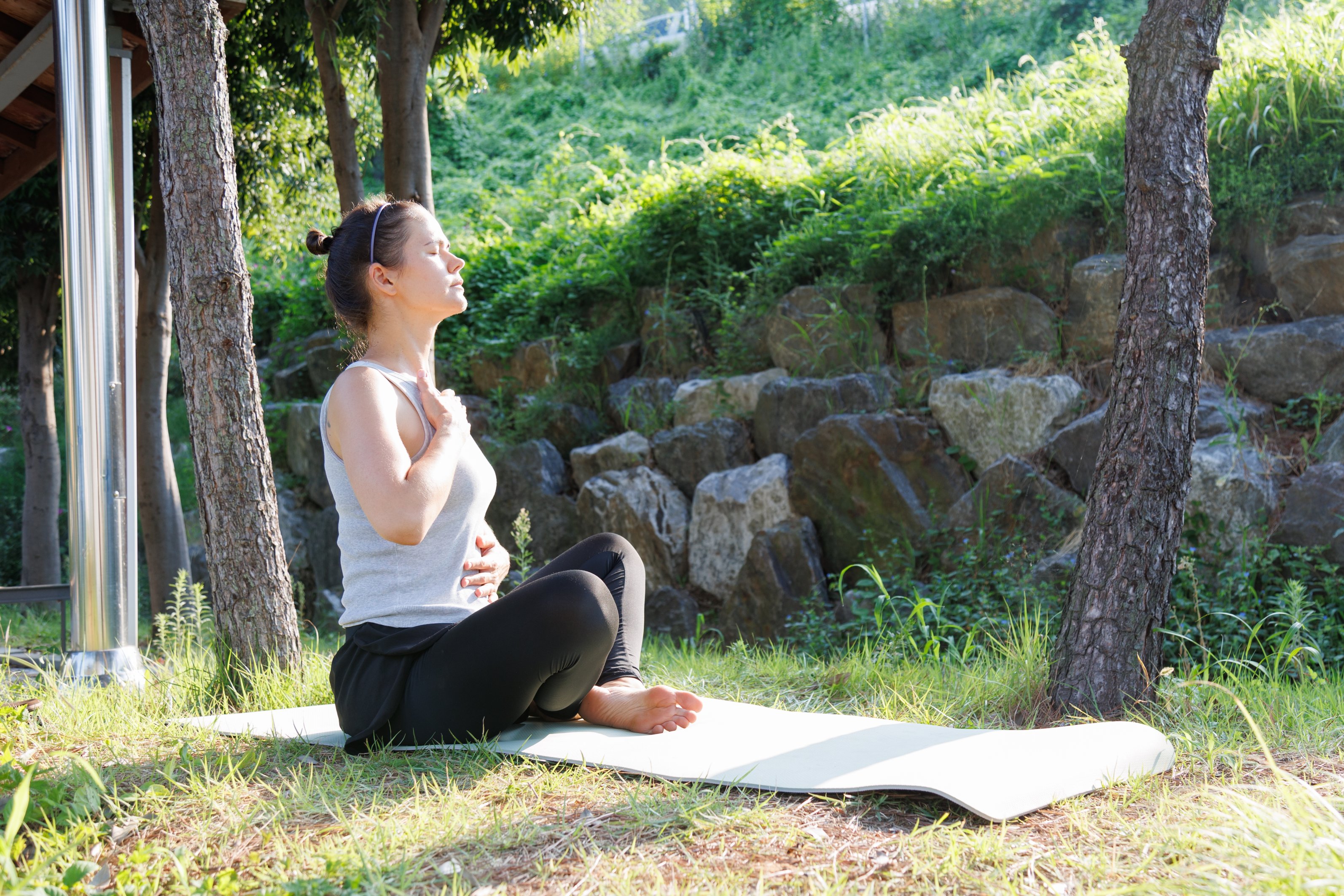
Breathwork: what intensive breathing techniques can really achieve

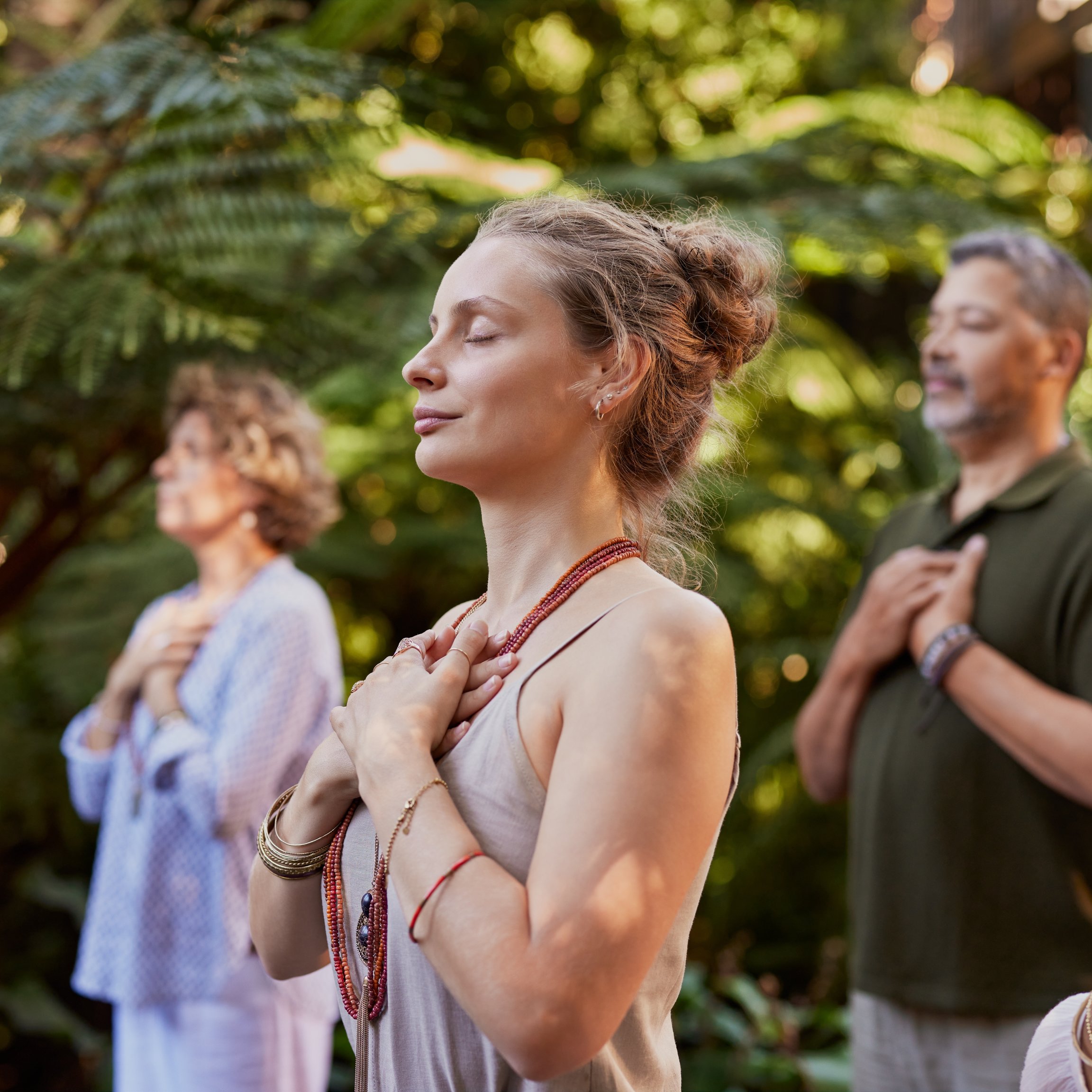
Breathwork, also known as breathing exercises, involves consciously controlled breathing techniques. This involves deliberately altering one’s breathing, for example through a specific rhythm, a change in breathing depth or conscious pauses in breathing. Among the best-known breathwork exercises are Coherent Breathing, Box Breathing and the 4-7-8 method. They’re used to regulate stress and influence the nervous system.
Key points at a glance
- Breathwork is the umbrella term for conscious breathing techniques designed to have a targeted effect on the body and mind — ranging from gentle relaxation exercises to intensive methods involving altered states of consciousness.
- Breathing Techniques performed at around five to six breaths per min have the strongest evidence: they can increase heart rate variability, lower blood pressure and stress hormones and improve mood (Laborde et al., 2022; Zaccaro et al., 2018; Russo et al., 2017).
- Intense techniques such as rebirthing or holotropic breathing have hardly been studied scientifically and carry risks — particularly for those with pre-existing conditions.
- Not every technique is suitable for everyone: if you have cardiovascular problems, epilepsy, are pregnant or have a mental health condition, seek medical advice before undertaking intensive breathwork .
- Conscious breathing can be a useful addition to your post-training recovery and your wind-down routine — as part of an overall approach combining exercise, breathing and recovery.


What is breathwork?
Breathwork encompasses all methods that use breathing in a conscious and targeted way to produce physical and mental effects. The term covers a broad spectrum – from simple relaxation exercises to intensive techniques applied by therapists in therapeutic settings.
Definition and origin
The English term ‘breathwork’ has become established internationally as an umbrella term. However, its roots go back a long way: conscious breathing techniques have existed for millennia — in yogic pranayama, in Buddhist forms of meditation and in traditional healing systems. Modern breathwork approaches were developed from the 1960s onwards, such as Holotropic Breathing by the psychiatrist Stanislav Grof or Rebirthing by Leonard Orr.
Today the spectrum ranges from scientifically grounded techniques such as Coherent Breathing to spiritual practices and therapeutic approaches that specifically work with the nervous system and somatic processes.
Differences from meditation or classical breath therapy
Meditation usually uses breathing as an anchor for attention — the breath flows freely and consciously. Breathwork, on the other hand, actively alters breathing: faster, slower, deeper, with pauses or rhythmic patterns. Traditional breathing therapy has a medical and psychotherapeutic focus and helps people with conditions such as asthma, COPD or psychosomatic complaints to improve their breathing mechanics and awareness of their breath.
Breathwork bridges these worlds: it’s neither purely meditative nor purely medical, but rather a distinct approach to self-regulation.
Connection to self-regulation and holistic health
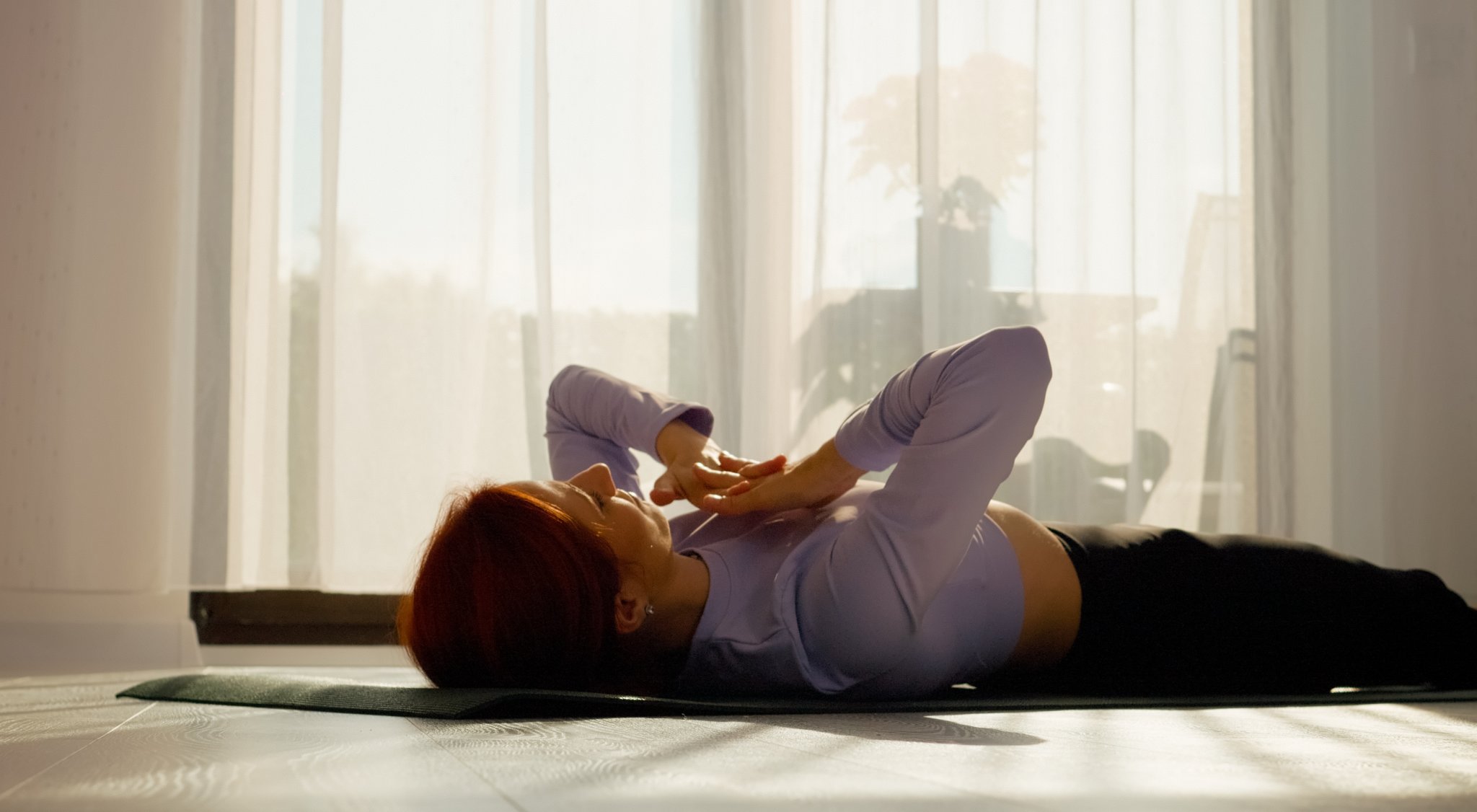
Breathing is the only autonomic bodily function that both occurs automatically and can be consciously controlled. It's precisely this dual role that makes it a direct gateway to the autonomic nervous system. Use conscious breathing patterns to influence processes that would otherwise lie beyond your voluntary control – this is the principle behind breathwork.
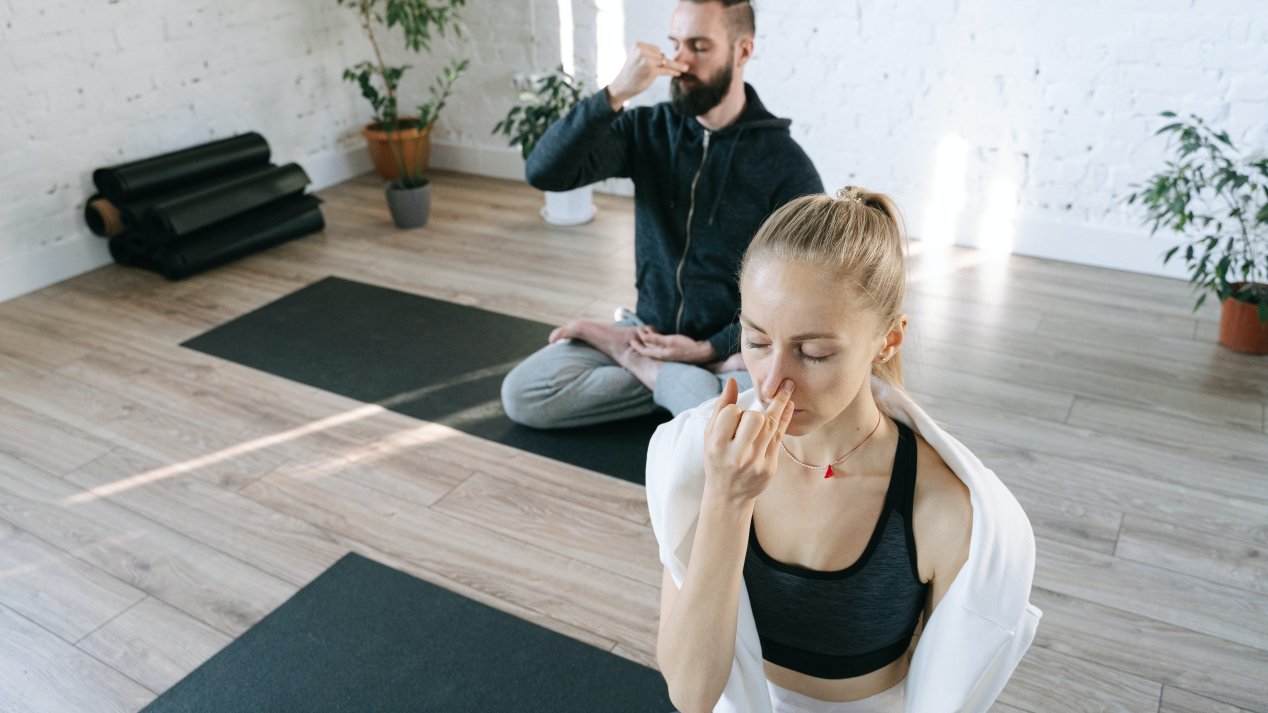
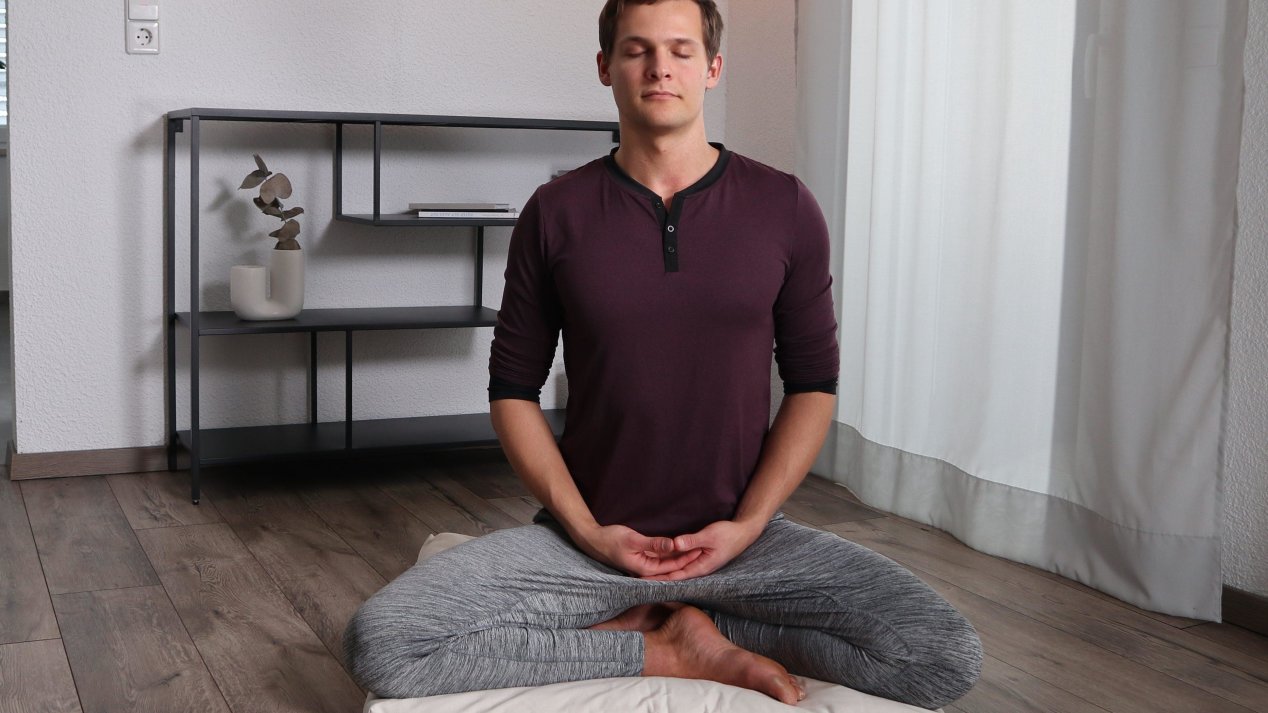
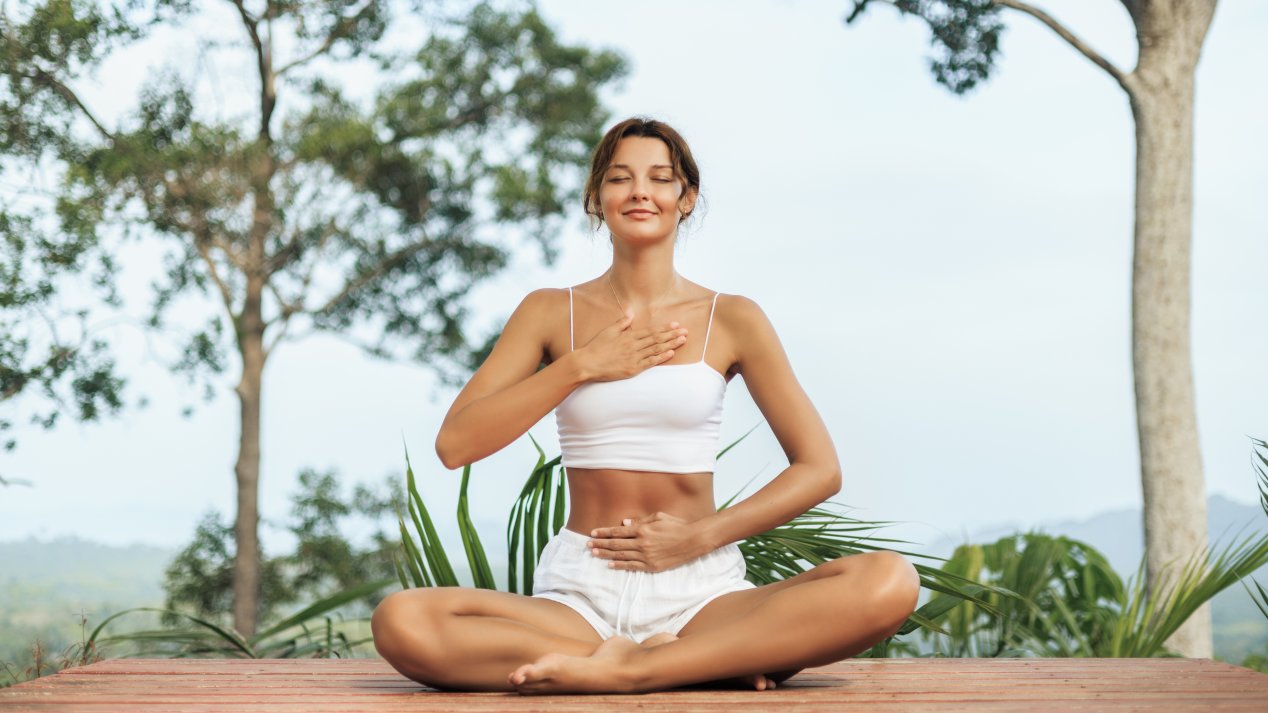

How does breathwork affect the body?
Slow, conscious breathing directly affects your autonomic nervous system — triggering measurable changes in heart rate, blood pressure and hormone balance ( Laborde et al., 2022; Russo et al., 2017).
Effects on the nervous system, oxygen supply, heart rate and hormones
When you breathe slowly and deeply — particularly at a rate of around five to six breaths per minute — a whole chain of physiological processes is altered. Studies show that this so-called resonance frequency breathing increases heart rate variability ( HRV) (Laborde et al., 2022; Zaccaro et al., 2018). High HRV is seen as a marker of a well-functioning, adaptable nervous system.
Systolic blood pressure may also fall and oxygen saturation may rise (Russo et al., 2017). Stress hormones respond too: research involving adolescents and people with high blood pressure suggests that slow breathing can reduce salivary cortisol levels (Pal et al., 2014).
Parasympathetic activation and stress reduction
The vagus nerve is the body's primary transmitter of parasympathetic signals and functions bidirectionally, connecting the brain and the body in both directions. Research shows that slow breathing can increase vagal activity, as measured by the RMSSD value in HRV analysis, one of the most sensitive indicators of recovery and sleep quality (Laborde et al., 2022; Zaccaro et al., 2018).
This means your body measurably switches into a state of rest. A meta-analysis of 223 studies confirms this effect for conscious, slow breathing (Laborde et al., 2022).

Emotional clearing through altered states of consciousness
In more intensive techniques such as holotropic breathing or rebirthing, participants breathe very rapidly and deeply over an extended period. This alters the CO₂ levels in the blood, which can lead to tingling, dizziness and, in some cases, altered states of consciousness. Practitioners and therapists report emotional experiences described as ‘clearing’ or catharsis.
It’s important to note that there’s very little reliable scientific evidence for this form of ‘emotional clearing’: the accounts are subjective and controlled studies are largely lacking.


Your stress management course for greater calm. Up to 100% refund.

An overview of the most well-known breathwork techniques
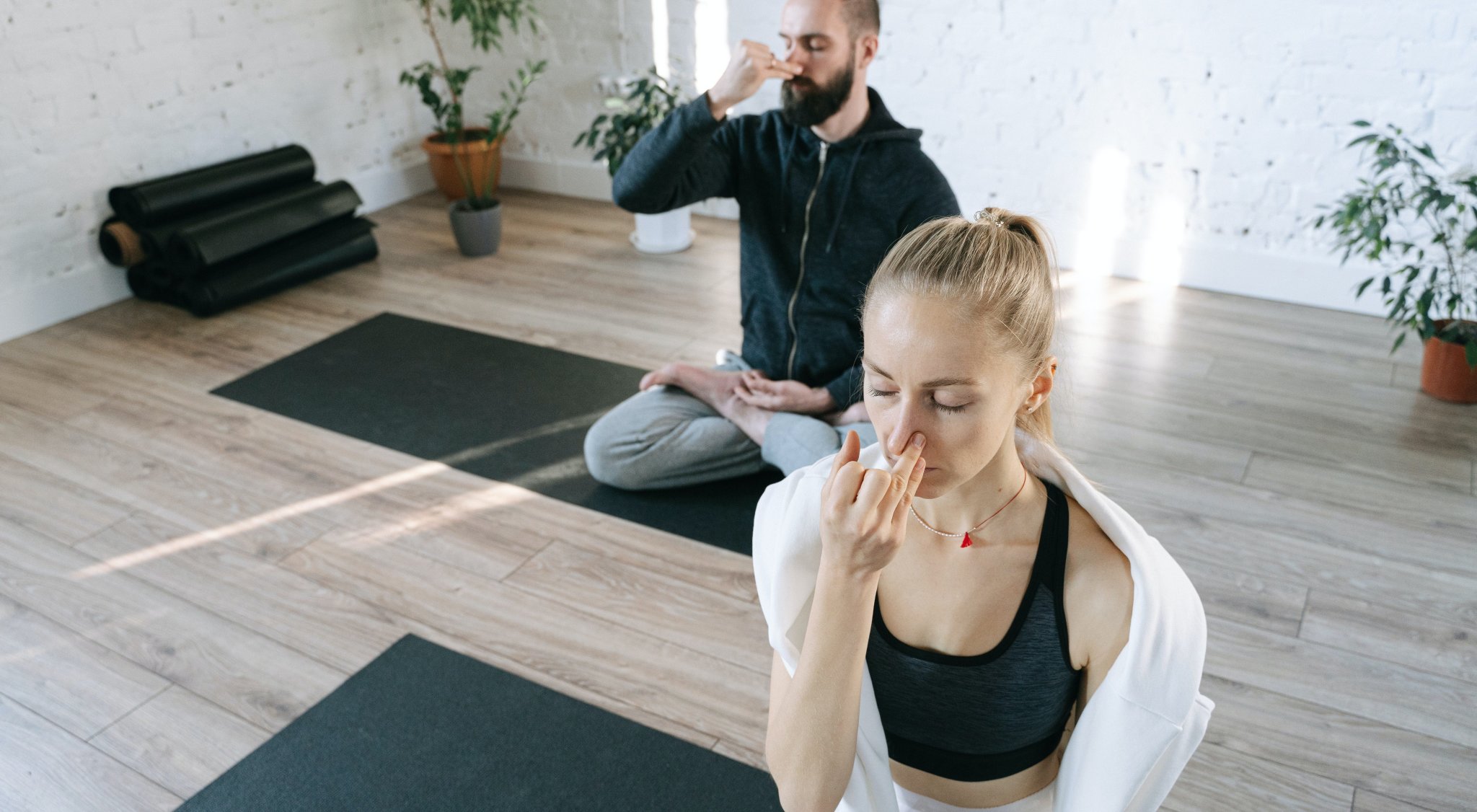
The umbrella term ‘breathwork’ encompasses a wide variety of techniques – some with significantly different levels of scientific evidence. The spectrum ranges from gentle, well-researched practices to intensive methods with very limited research.
Technique | Breathing rhythm | Evidence base | Areas of application |
|---|---|---|---|
Coherent breathing | approx. 5 to 6 breaths/min | Well researched | Stress, blood pressure and HRV |
Box breathing | Inhale for 4 s, hold for 4 s, exhale for 4 s, hold for 4 s. | Moderate evidence | Focus and stress regulation |
4-7-8 technique | Breathe in for 4, hold for 7, breathe out for 8 | Limited evidence | Falling asleep, calming down |
Wim Hof method | Hyperventilation and breathing pauses | Initial RCTs | Immune modulation and cold adaptation |
Rebirthing | Connected, rapid breathing | Very limited | Spiritual-therapeutic |
Holotropic breathing | Connected, intense breathing | Very thin | Spiritual-therapeutic |
Rebirthing
Developed in the 1970s by Leonard Orr, it’s based on connected breathing — rapid, uninterrupted inhalation and exhalation, usually through an open mouth, without pause. The method suggests that this intense breathing can bring repressed emotions and even birth traumas back into awareness.
The body of research on rebirthing is very limited and there's a general lack of controlled clinical trials that would demonstrate any therapeutic benefit. At the same time the technique isn't without risk: the continuously elevated breathing rate alters the acid–base balance and can lead to tetany (muscle spasms), altered states of consciousness and circulatory incidents.
When applied incorrectly, rebirthing has also been linked to serious incidents in the past. If you're considering this technique, work only with experienced, medically trained practitioners and have any pre-existing medical conditions assessed by a doctor beforehand.

Holotropic breathing
Holotropic breathing was developed by the Czech-American psychiatrist Stanislav Grof in the 1970s as an alternative to LSD therapy. Here , too , participants breathe very rapidly and deeply through the mouth for several hours , accompanied by intense music. Practitioners report ‘expanded states of consciousness’ and profound psychological experiences.
To date there's been little rigorous scientific research into this method. Existing studies show initial evidence of positive effects but suffer from small sample sizes and methodological weaknesses. Robust randomised controlled trials demonstrating therapeutic benefit are still pending.
The physiological risks are similar to those associated with rebirthing – prolonged hyperventilation may lead to tetany, cardiac arrhythmias and psychological crises. It isn’t suitable for people with pre-existing medical conditions or psychological instability.
The Wim Hof method
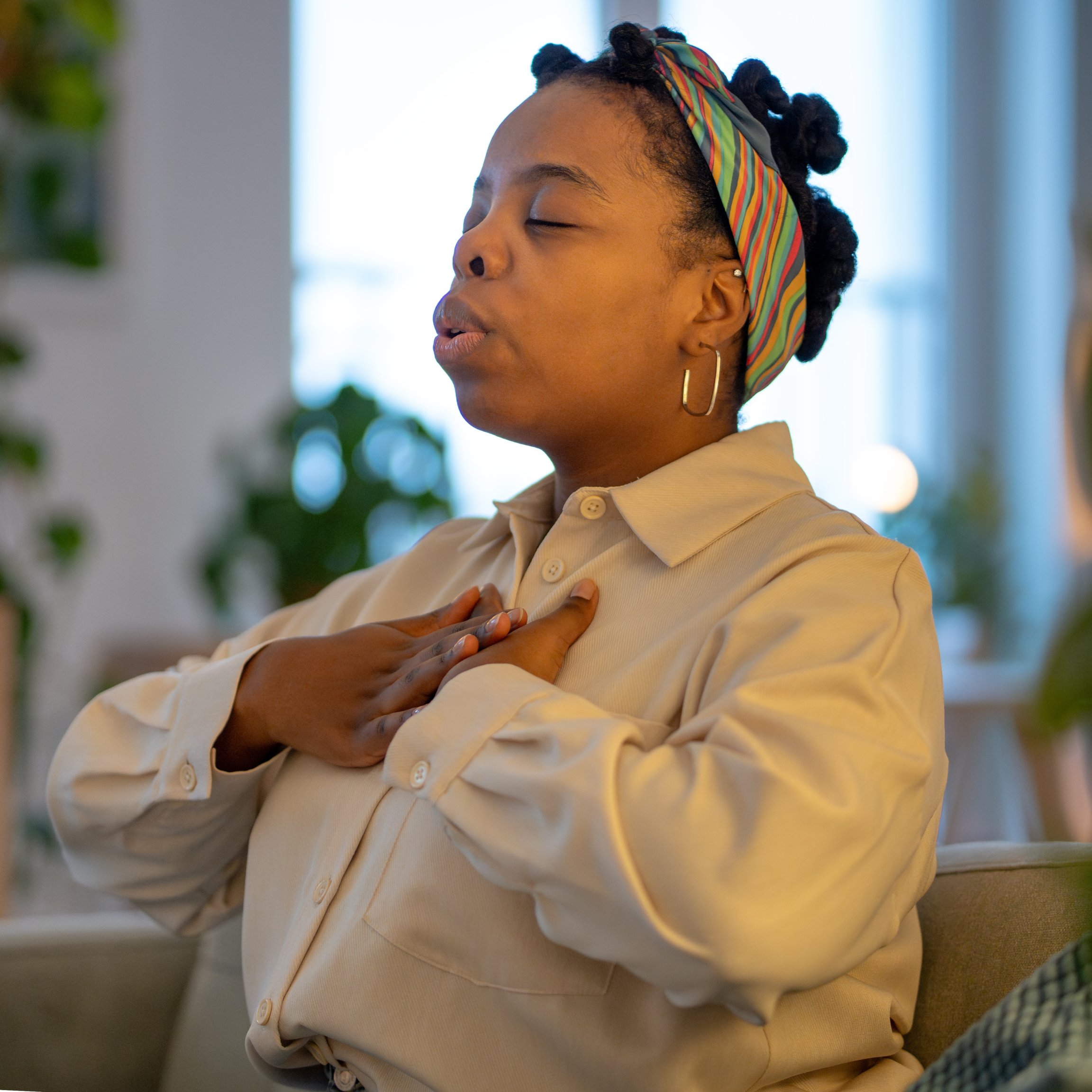
The Wim Hof Method combines controlled hyperventilation, breath holds and cold exposure. A systematic review of nine studies found evidence of increased adrenaline release, elevated levels of the anti-inflammatory messenger substance IL-10 and reduced levels of pro-inflammatory cytokines (Almahayni and Hammond, 2024). This suggests anti-inflammatory effects.
Nevertheless, the evidence base is still limited and the method isn’t without risk — in particular breath-holding can be problematic for people with pre-existing conditions.

Coherent breathing, box breathing and 4-7-8 technique
These three techniques are among the most accessible and are the best supported by scientific evidence – at least in comparison with the more intensive methods.
Coherent Breathing involves taking around five to six breaths per minute, which corresponds to the individual’s resonant frequency. Studies show that this rhythm maximises HRV and is more effective than freely chosen ‘slow breathing’. The resonant frequency varies slightly from person to person and should ideally be determined before each session (Lehrer et al., 2020).
Box Breathing follows a simple pattern: inhale for four s, hold for four s, exhale for four s, hold for four s. In a four-week randomised controlled trial, structured breathing patterns such as Box Breathing improved mood and reduced respiratory rate more effectively than mindfulness meditation alone (Balban et al., 2023).
The 4-7-8 technique — inhale for 4 s, hold for 7 s, exhale for 8 s — is often used as a sleep aid. Specific controlled studies on this are rare, but the longer exhalation phase is consistent with the general principle of exhalation-focused breathing techniques, which have been shown to have beneficial effects on mood and arousal (Balban et al., 2023).
When different breathwork exercises are appropriate
Objective | Recommended technique |
|---|---|
Acute stress reduction | Box breathing, coherent breathing |
To help you drop off, use the 4-7-8 technique. | 4-7-8 technique |
Long-term HRV improvement | Coherent breathing (daily routine) |
Focus before a task | Box breathing |
Cold adaptation and immunity | Wim Hof method (with caution) |

What are the benefits of breathwork — and when should you be cautious?
Breathwork can have measurable effects on the nervous system, mood and stress regulation — but it’s not a risk-free miracle cure. The benefits are particularly evident with regular application of gentle techniques; intensive methods require caution and often professional guidance.
Benefits for focus, sleep, energy and recovery
Slow breathing techniques are associated with a range of potential benefits. Meta-analyses report moderate to significant reductions in negative emotions and perceived stress (Zaccaro et al., 2018; Fincham et al., 2023). In a one-month study, daily breathwork exercises lasting just five min were found to improve mood and reduce physiological arousal (Balban et al., 2023).
Reviews also show that slow breathing may be associated with improved executive function and stress management (Zaccaro et al., 2018). Direct, well-controlled studies on sleep quality and post-exercise recovery are still limited – but the physiological effects (parasympathetic activation, reduced cortisol levels) point in this direction.
Risks and side effects of breathwork involving intensive techniques
Studies report very few and mostly mild side effects with gentle, slow techniques — such as brief drowsiness (Zaccaro et al., 2018). The situation's different with intensive techniques involving phases of hyperventilation: here, tingling in the hands and feet, tetany, dizziness, visual disturbances and changes in consciousness are typical side effects.
It’s worth knowing that research so far hasn’t paid enough attention to systematic recording of side effects. Reviews explicitly call for better documentation of adverse effects and contraindications — the available data in this area is patchy (Zaccaro et al., 2018).
Contraindications
Although there aren't any systematic studies on many specific risk groups, experts advise
Take caution if you have:
- cardiovascular diseases (uncontrolled high blood pressure, cardiac arrhythmias, coronary heart disease)
- Epilepsy and other neurological conditions
- Pregnancy (particularly with intensive techniques)
- Panic disorders, PTSD or other mental health conditions
- Asthma, COPD and other respiratory conditions
- Eye conditions such as glaucoma
In clinical trials on hypertension, slow breathing is described as well tolerated but is carried out under supervision (Pal et al., 2014). If you're in a high-risk group, discuss breathwork with your doctor before you start — particularly if you wish to try intensive techniques.


BLACKROLL tip: Breathwork as part of your recovery routine
Breathing, movement and recovery are interlinked – and together they have more effect than any single element on its own. Breathwork can be easily incorporated into existing routines and is particularly well-suited to complement recovery phases.
Why exercise, breathing and recovery go hand in hand
After intense training your sympathetic nervous system stays active — your heart rate and stress hormones remain elevated. Research shows that slow breathing techniques can help you shift into recovery mode by promoting parasympathetic activity (Laborde et al., 2022; Zaccaro et al., 2018). Pair this with targeted fascia work and you’ll create a routine that calms both body and nervous system.
Breathwork as part of your evening routine or after training
Here's a straightforward 15 min routine you can slot in after training or before bed:
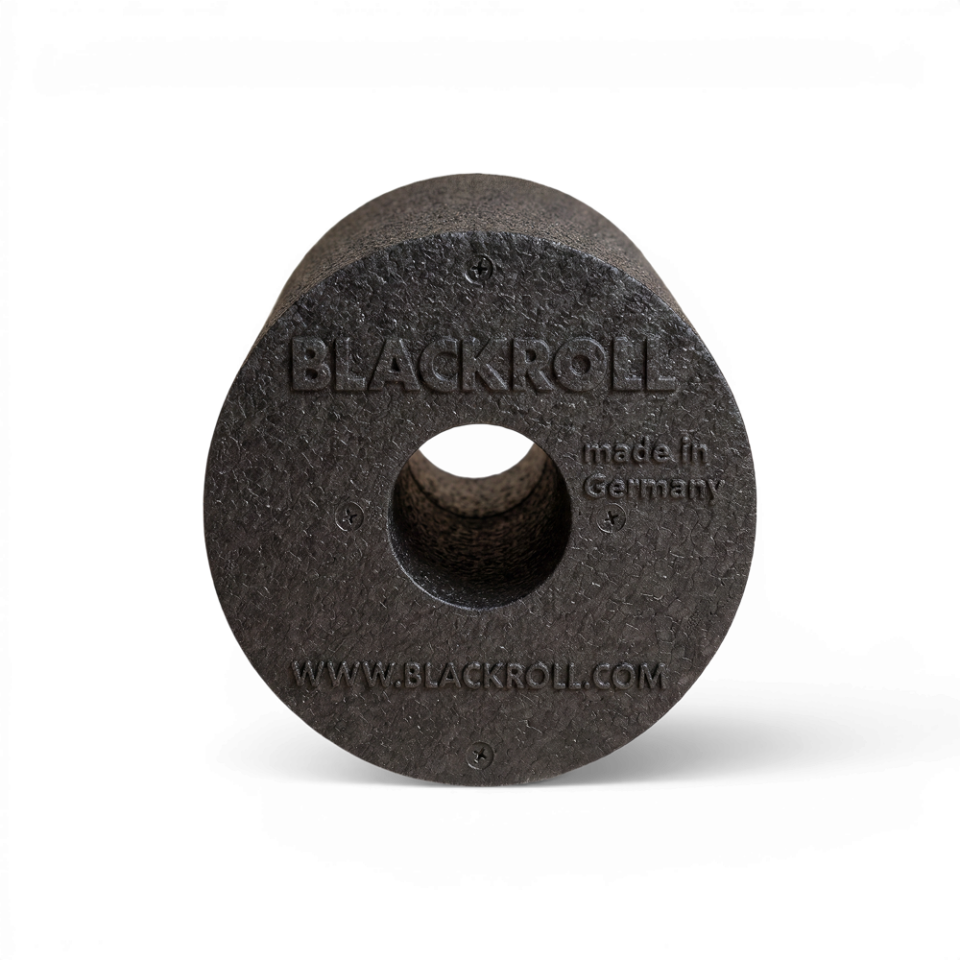
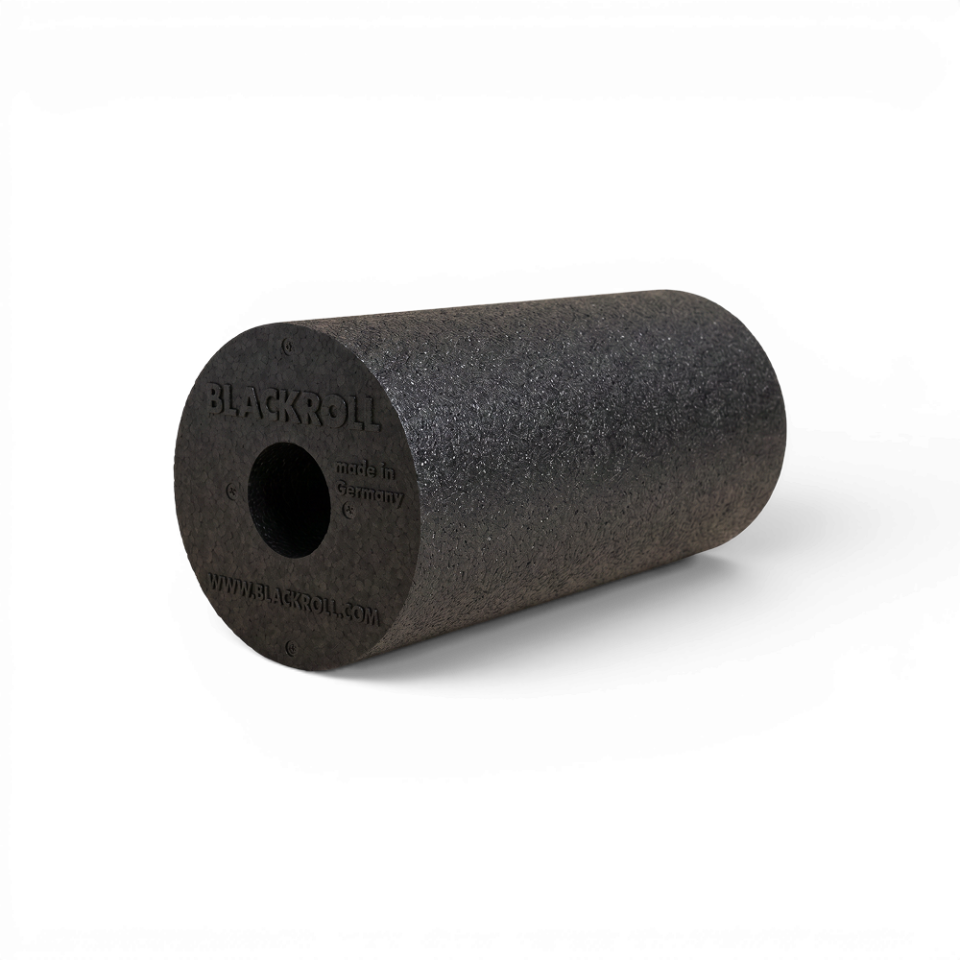
- Lie down with the BLACKROLL® STANDARD under your spine andgently roll to target tension in your back, glutes and thighs.
- 5 min of stretching and mobilisation: Work on the major muscle groups using a LOOP BAND — slowly, in a controlled manner, with conscious breathing.
- Sit upright, breathe in for five seconds and breathe out for five seconds; this steady rhythm of around six breaths per minute has been studied to support relaxation.
Breathing and fascial work: strengthening body awareness
Fascia work trains interoception — that is, the perception of physical signals from within the body. It's precisely this ability that can also be enhanced through resonance breathing (Laborde et al., 2022). Combining the two allows you to specifically train your body awareness — a foundation for self-regulation in everyday life.
Your recovery routine


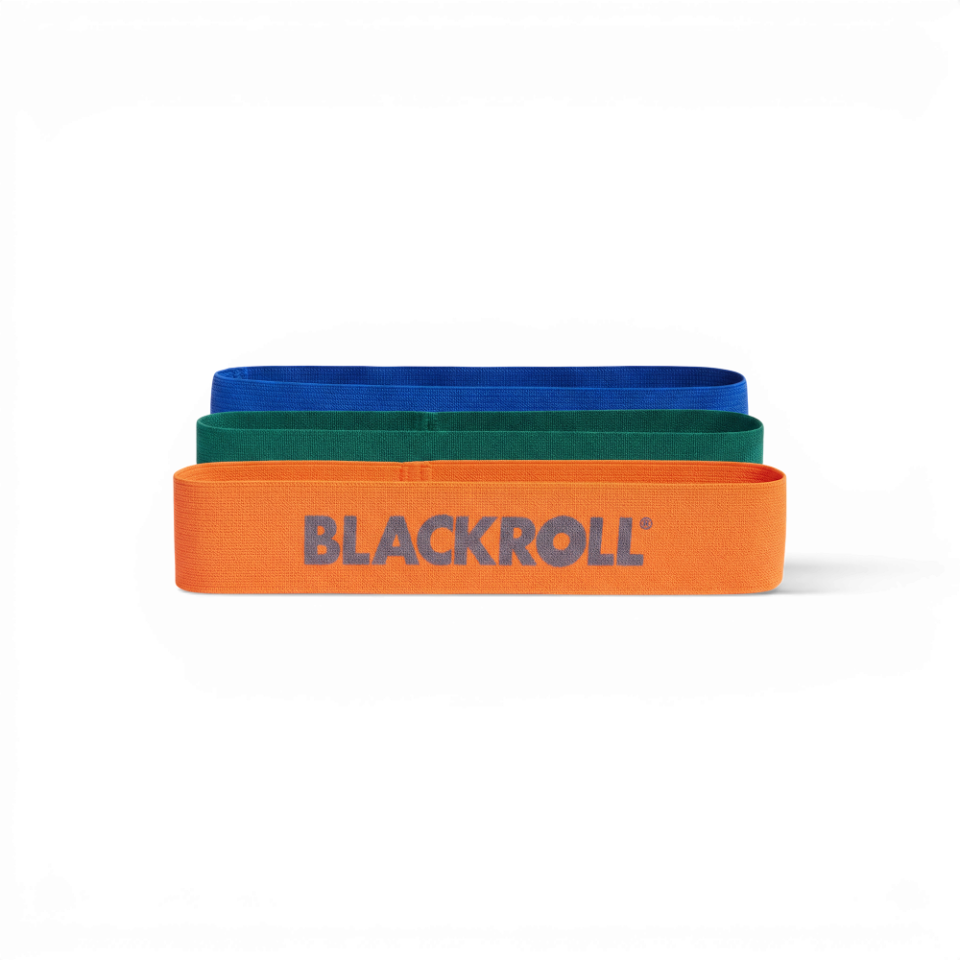

06 Breathing as the key to balance
Breathwork is more than a wellness trend: slow, conscious breathing is one of the best-researched, low-threshold methods for regulating the nervous system. There's a solid body of evidence for gentle techniques such as coherent breathing, box breathing or the 4-7-8 method; for intensive methods such as rebirthing or holotropic breathing, however, the evidence is limited and the risks are real.
Incorporate breathwork into your everyday life — and feel how mindful breathing can transform you mentally and physically.

FAQ: Breathwork
It’s a collective term for breathing techniques you use consciously to achieve physical or mental effects. The spectrum ranges from gentle methods such as Coherent Breathing to intensive practices such as Rebirthing. Unlike meditation, breathwork actively alters your breathing – in terms of rhythm, depth or speed.
Research shows that conscious, slow breathing can activate the parasympathetic nervous system, increase heart rate variability and lower blood pressure (Laborde et al., 2022; Russo et al., 2017).
In people with hypertension and adolescents, reduced cortisol levels were also observed (Pal et al., 2014). Intensive hyperventilation techniques alter the CO₂ balance in the blood and can thus trigger altered states of consciousness.
The best-known techniques include Coherent Breathing (~6 breaths per minute), Box Breathing (4-4-4-4 seconds), the 4-7-8 technique, the Wim Hof Method, Rebirthing and Holotropic Breathing. The slow techniques, such as Coherent Breathing, have been the most thoroughly studied scientifically (Laborde et al., 2022; Lehrer et al., 2020; Balban et al., 2023).
Rebirthing and Holotropic Breathing, by contrast, have hardly been scientifically substantiated.
Healthy adults can generally try gentle techniques such as Coherent Breathing or Box Breathing on their own. If you have cardiovascular conditions, epilepsy, are pregnant, have mental health conditions or respiratory problems, seek medical advice beforehand. Practise intensive techniques only under the guidance of experienced practitioners with medical and psychological training.
Studies report only rare instances of mild side effects, such as brief dizziness, with slow techniques (Zaccaro et al., 2018).
Intense hyperventilation techniques can trigger tingling, tetany, dizziness and changes in consciousness. Research hasn’t yet systematically documented side effects — so we recommend caution if you have any pre-existing conditions.
Read more





Sources
Laborde, S., Allen, M. S., Borges, U., Dosseville, F., Hosang, T. J., Iskra, M., Mosley, E., Salvotti, C., Spolverato, L., Zammit, N. and Javelle, F. (2022). Effects of voluntary slow breathing on heart rate and heart rate variability: A systematic review and a meta-analysis. Neuroscience & Biobehavioural Reviews, 138, 104711. https://doi.org/10.1016/j.neubiorev.2022.104711
Zaccaro, A., Piarulli, A., Laurino, M., Garbella, E., Menicucci, D., Neri, B. and Gemignani, A. (2018). How breath control can change your life: a systematic review on psycho-physiological correlates of slow breathing. Frontiers in Human Neuroscience, 12, 353.
https://doi.org/10.3389/fnhum.2018.00353
Russo, M. A., Santarelli, D. M. and O’Rourke, D. (2017). The physiological effects of slow breathing in the healthy human. Breathe, 13(4), 298–309. https://doi.org/10.1183/20734735.009817
Pal, G. K., Agarwal, A., Karthik, S., Pal, P. and Nanda, N. (2014). Slow yogic breathing through the right and left nostrils influences sympathovagal balance, heart rate variability and cardiovascular risks in young adults. North American Journal of Medical Sciences, 6(3), 145–151.
https://doi.org/10.4103/1947-2714.128477
Almahayni, O. and Hammond, L. (2024). Does the Wim Hof Method have a beneficial impact on physiological and psychological outcomes in healthy and non-healthy participants? A systematic review. PLOS ONE, 19(3), e0286933. https://doi.org/10.1371/journal.pone.0286933
Lehrer, P., Kaur, K., Sharma, A., Shah, K., Huseby, R., Bhavsar, J., Sgobba, P. and Zhang, Y. (2020). Heart rate variability biofeedback improves emotional and physical health and performance: a systematic review and meta-analysis. Applied Psychophysiology and Biofeedback, 45(3), 109–129.
https://doi.org/10.1007/s10484-020-09466-z
Balban, M. Y., Neri, E., Kogon, M. M., Weed, L., Nouriani, B., Jo, B., Holl, G., Zeitzer, J. M., Spiegel, D. and Huberman, A. D. (2023). Brief structured respiration practices enhance mood and reduce physiological arousal. Cell Reports Medicine, 4(1), 100895. https://doi.org/10.1016/j.xcrm.2022.100895
Fincham, G. W., Strauss, C., Montero-Marin, J. and Cavanagh, K. (2023). Effect of breathwork on stress and mental health: A meta-analysis of randomised-controlled trials. Scientific Reports, 13, 432.
https://doi.org/10.1038/s41598-022-27247-y