
Your autonomic nervous system—also known as the vegetative nervous system—works around the clock in the background, controlling vital functions such as breathing, heart rate, digestion, and even your stress responses. It’s the key to your inner balance and has a significant impact on how you feel physically and mentally. The good news? You can actively support it, thereby improving not only your well-being but also your recovery and performance. With simple techniques, targeted exercises, and the right tools, we’ll help you bring your nervous system into balance and feel stronger and more relaxed!


Structure and Relevance
The nervous system is your body’s central control system and consists of two main parts: the central nervous system (CNS) and the peripheral nervous system (PNS). While the CNS—comprising the brain and spinal cord—serves as the “command center,” the PNS transmits information to and from the organs, muscles, and sensory organs. An important part of the PNS is the autonomic nervous system —also known as the vegetative nervous system —which unconsciously controls vital functions such as breathing, heart rate, and digestion. It is further divided into the sympathetic and parasympathetic divisions. The sympathetic nervous system provides energy and arousal (e.g., during stress), while the parasympathetic nervous system is responsible for rest and recovery.
A well-balanced nervous system is essential for your well-being: It influences your physical and mental health, the quality of your sleep, and even your performance. By consciously strengthening your nervous system, you lay the foundation for more energy, calm, and balance in your everyday life.


Autonomous Meaning
The term “autonomous” is derived from the Greek word “autonomos” and means “self-governing” or “independent.” This is exactly what applies to the autonomic nervous system: It functions completely independently of your conscious will. Whether your heart is beating, your lungs are breathing, or your digestive system is active—your autonomic nervous system regulates all of this in the background without you having to actively think about it.
This autonomy is crucial for our survival and well-being. It enables your body to automatically adapt to changing demands—whether through an increased heart rate during stress (sympathetic nervous system) or through relaxation and recovery after exertion (parasympathetic nervous system). If you understand how this system works, you can use it strategically to promote your health and balance.
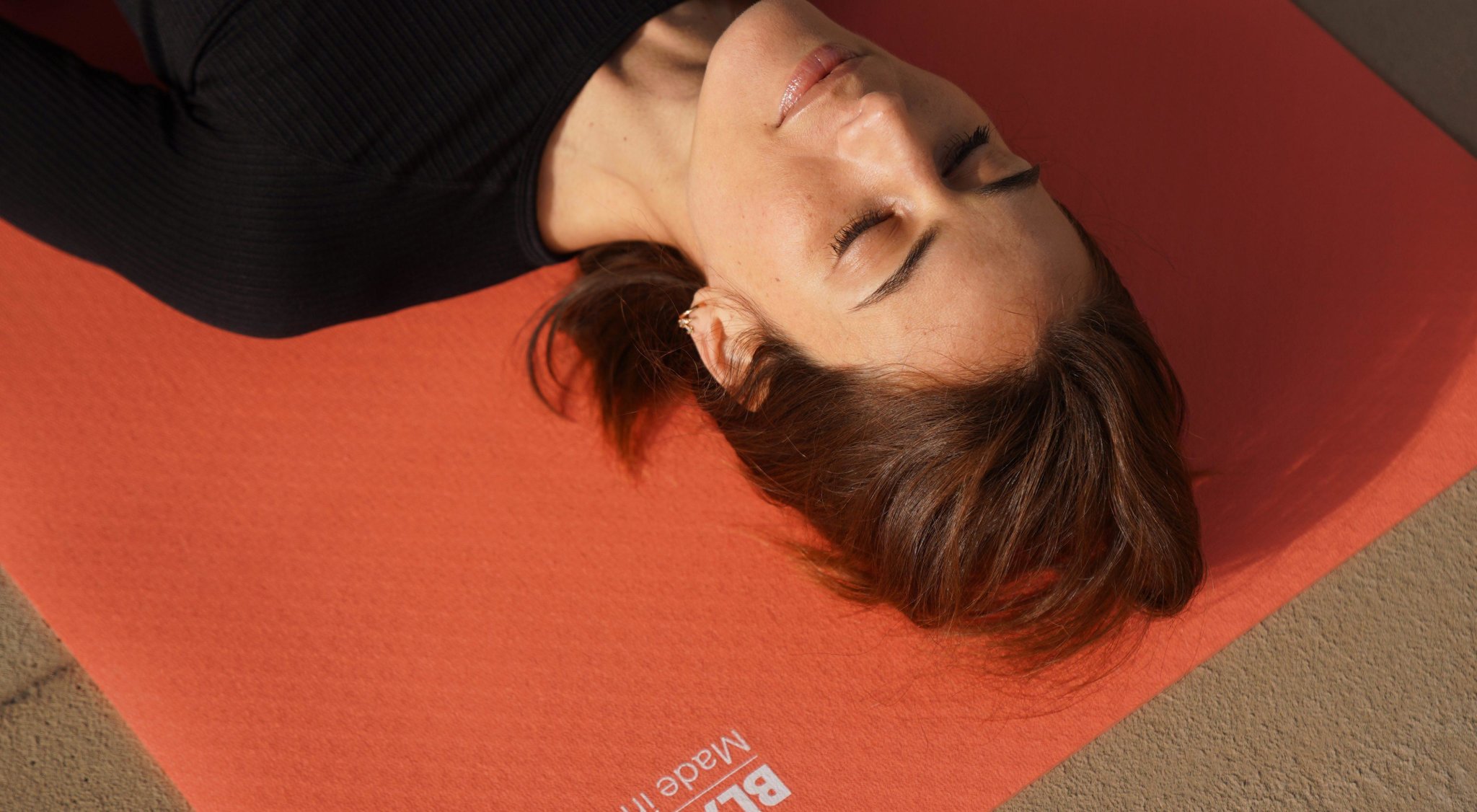

Invisible Support in Everyday Life
The autonomic nervous system unconsciously controls many vital processes and ensures that your body functions smoothly. Here are the key roles it plays in your daily life:
- Stress Management and Activation: When you push yourself physically or mentally—whether during an important meeting, a workout, or a stressful situation—the sympathetic nervous system takes over. It increases your heart rate, speeds up your breathing, and releases energy so you can maintain your performance. This system puts your body on high alert and prepares it for action.
- Relaxation and Regeneration: After exertion, recovery is essential—this is where the parasympathetic nervous system comes into play. It helps you wind down, lowers your heart rate, and promotes digestion. This mode is essential for staying healthy and performing at your best in the long term.
- Continuous Adaptation to Your Environment: Whether it’s warm or cold, light or dark, loud or quiet—your autonomic nervous system adapts you to external conditions. It regulates temperature, circulation, and other bodily functions so you can adapt optimally to your environment.
- Balance between tension and relaxation: The interplay between the sympathetic and parasympathetic nervous systems is like a well-oiled pendulum: A balance between activity and rest is crucial for avoiding burnout and maintaining your well-being in the long term.
By consciously strengthening your autonomic nervous system, you can better cope with stress, optimize your recovery, and bring more balance to your daily life. A key to achieving this lies in targeted exercises and techniques that help you bring your nervous system into harmony.


Effects of Stress
Your autonomic nervous system—consisting of the sympathetic and parasympathetic nervous systems—is key to regulating your body during times of stress. The sympathetic nervous system, also known as the “stress nervous system,” activates your body in stressful situations. It increases your heart rate, speeds up your breathing, and releases stress hormones such as adrenaline. This reaction is an evolutionary adaptation: it enables you to act quickly—whether to flee from danger or to fight it.
The parasympathetic nervous system, on the other hand, is the “rest and recovery system.” It ensures that your body returns to a state of recovery after a period of tension. Your heart rate and breathing slow down, digestion is stimulated, and your muscles relax. This state is essential for recovery, healing, and long-term health.
Stress arises when the sympathetic nervous system dominates for an extended period and the parasympathetic nervous system is neglected. This happens, for example, with chronic stress, overwork, or lack of sleep. As a result, your body remains in a constant state of heightened arousal. The consequence: your stress hormones remain at high levels, recovery processes are slowed down, and physical symptoms such as muscle tension, digestive problems, or sleep disturbances can occur.
To counteract this imbalance, it’s important to specifically activate the parasympathetic nervous system. Techniques such as deep abdominal breathing, meditation, or regular moderate-intensity exercise can help lower stress levels and restore the balance between the sympathetic and parasympathetic nervous systems. Targeted self-massage using tools like a fascia roller or fascia ball can also help release tension in the body and calm the autonomic nervous system.
A balanced nervous system is the foundation for a strong sense of well-being—both physically and mentally. With simple routines, you can actively influence this and reduce stress in the long term.


Tips for a Strong Autonomic Nervous System
A strong autonomic nervous system is the foundation for balance, recovery, and resilience. Here are 10 practical tips on how you can specifically support your nervous system:
- Deep abdominal breathing: Slow, deep breathing calms the body, activates the parasympathetic nervous system, and effectively reduces stress. Feel free to check out our videos on breathing exercises on YouTube.
- Regular exercise: Moderate activities like cycling, swimming, or walking promote blood circulation and strengthen your nervous system.
- Fascia training: Targeted fascia training with a fascia roller or a fascia ball not only helps release tension but also calms the autonomic nervous system. Gentle rolling movements and stretching exercises promote recovery and help your body shift into relaxation mode. Are you new to fascia training? Then feel free to check this out .
- Meditation and mindfulness: Regular meditation or mindfulness exercises lower stress levels and promote emotional stability.
- Contrast baths or cold showers: Alternating between warm and cold water trains your body’s ability to adapt and strengthens the autonomic nervous system.
- Targeted relaxation exercises: Techniques such as progressive muscle relaxation or autogenic training help activate the parasympathetic nervous system.
- Take digital breaks: Regular breaks from your cell phone and computer reduce mental overload and give your nervous system time to recover.
- Establishing consistent sleep routines: Adequate sleep and a regular sleep schedule are essential for the regeneration of your nervous system. With our 21-day sleep course, you, too, can learn to sleep better. Feel free to check it out.
- Nutrition for your nerves: Magnesium, omega-3 fatty acids, and B vitamins support nerve function and boost your resilience.
Positive social connections: Spending time with people who are good for you not only strengthens your mental health but also has a calming effect on your autonomic nervous system.
By incorporating these techniques into your daily routine, you can strengthen your autonomic nervous system in the long term and find a better balance between tension and relaxation.


Benefits of a Healthy Nervous System
A well-functioning autonomic nervous system is the key to a balanced life. When the sympathetic and parasympathetic nervous systems work in harmony, your body reaches its full potential—and this has a noticeable impact on many areas of your life.
With a healthy autonomic nervous system, you respond more flexibly to changing demands. Your body can switch efficiently between activation and relaxation, which increases your stress resilience and gives you more energy for everyday life. In the long term, your ability to cope with stress and stay focused in challenging situations improves.
Your sleep also benefits: A strong nervous system ensures that you enter the deep sleep phases more quickly—phases that are essential for physical and mental regeneration. At the same time, your immune system remains more stable, as a relaxed autonomic nervous system supports anti-inflammatory processes.
Physically, you’ll become more resilient. Your circulation adapts better, your digestion works more efficiently, and you’ll benefit from a consistently healthy metabolism. At the same time, a stable nervous system acts as a protective shield against stress-related illnesses—from cardiovascular problems to muscle tension.
Another benefit is emotional: A balanced autonomic nervous system helps you stay calm and composed. It promotes clear thinking and supports you in nurturing positive relationships and feeling more at ease in your surroundings.
By strengthening your autonomic nervous system, you lay the foundation for long-term vitality and a zest for life —without having to actively think about it every moment. It is the invisible foundation for a healthy, contented life.


Conclusion: A Strong Nervous System – Greater Well-Being
A healthy autonomic nervous system is essential for balance, energy, and resilience in everyday life. The harmonious interaction between the sympathetic and parasympathetic nervous systems enables your body to respond flexibly to stress while promoting recovery. With targeted exercises such as breathing techniques, movement, and relaxation methods , you can actively influence and strengthen your nervous system.
The long-term benefits range from better stress management and more restful sleep to a strengthened immune system. By focusing on your nervous system, you’re making a lasting investment in your well-being and laying the foundation for a healthy, fulfilling life.