Autogenic Training: Relaxation Through Thought

Discover Autogenic Training as Your Relaxation Method of Choice
How to Relax Your Body Even Better
You’ve probably heard of autogenic training before, right? This relaxation method was developed in the 1920s by the German physician Johannes Heinrich Schultz. He discovered that, with the right practice, patients could put themselves into a deep, trance-like state similar to hypnosis.
The term “autogenic” comes from Greek and means “self-induced.” The concept of autogenic training refers to triggering various internal sensations through a “self-induced” process. Experiences such as calmness, warmth, or a sense of heaviness can be brought about by oneself. The method aims to promote physical and mental relaxation and reduce stress.
Autogenic training is based on the idea that your mind is capable of influencing the body and activating self-healing powers. You give yourself the instruction to relax and bring about specific internal sensory experiences.
The technique of autogenic training consists of various exercises in which you focus on specific phrases or suggestions to help your body relax more and more deeply. The idea behind this method is that, by regularly practicing these techniques, you can use suggestions to bring your body into a relaxed state.
Autogenic training can be helpful for various stress symptoms, sleep disorders, difficulty falling asleep, anxiety, and other health issues, and can help improve your mental health. You can find out which specific fears or anxiety disorders autogenic training is helpful for in the section on stress-related illnesses.
To achieve the best results, you’ll need a licensed trainer or expert who can guide you safely through the method.
In this article, you’ll learn how to learn and apply this method step by step, as well as what to keep in mind when using it.
How exactly does autogenic training work?
Here’s how you can reduce your physical and mental tension
Autogenic training is a relaxation technique designed to reduce stress. It’s based on the idea of relaxing the autonomic nervous system through targeted training of specific body areas. Muscles and the cardiovascular system are also consciously guided into the desired state. This relaxation is a prerequisite for the subsequent formation of the autogenic formula.
During the training, your body is brought into a state of calm. The following instructions will show you exactly how to proceed.
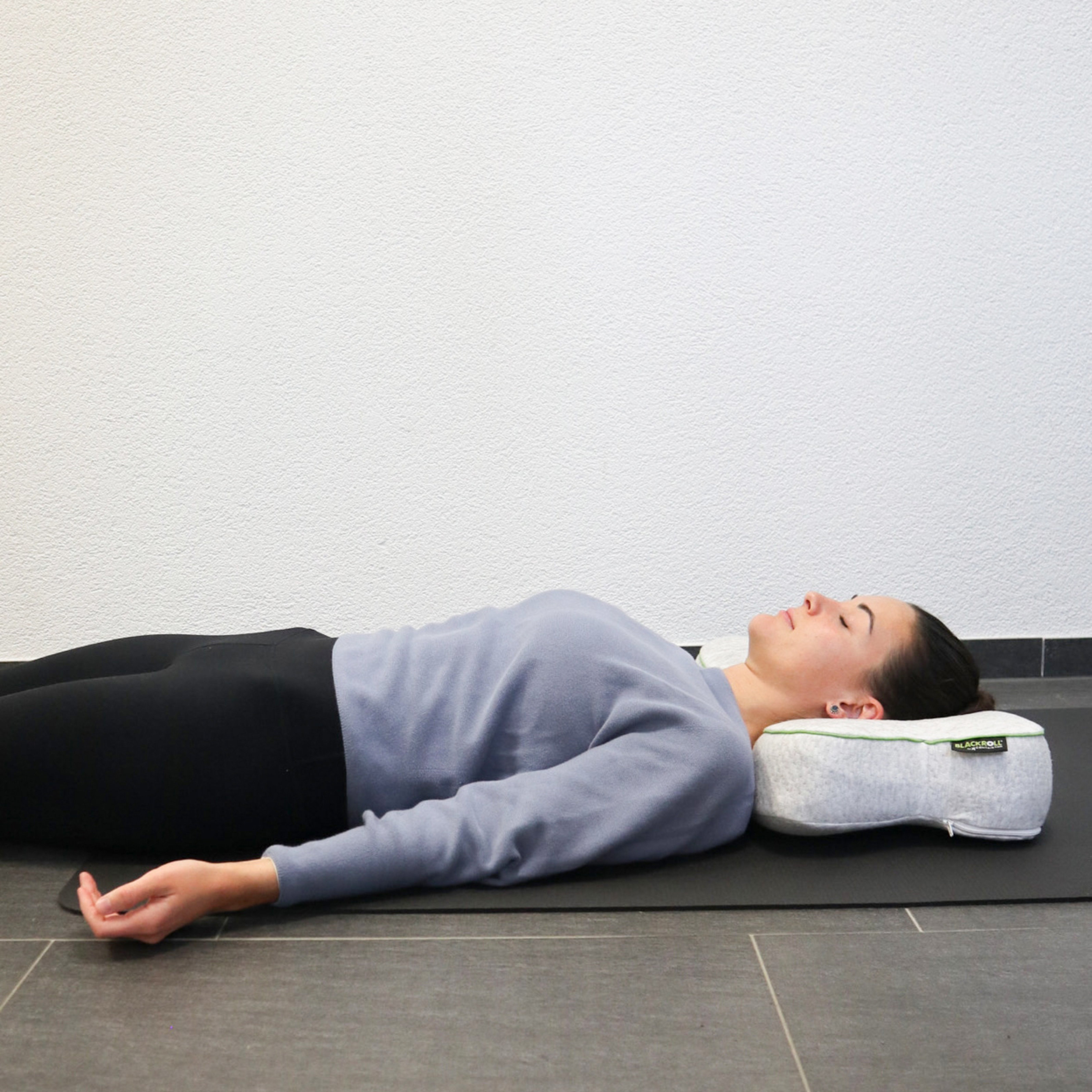
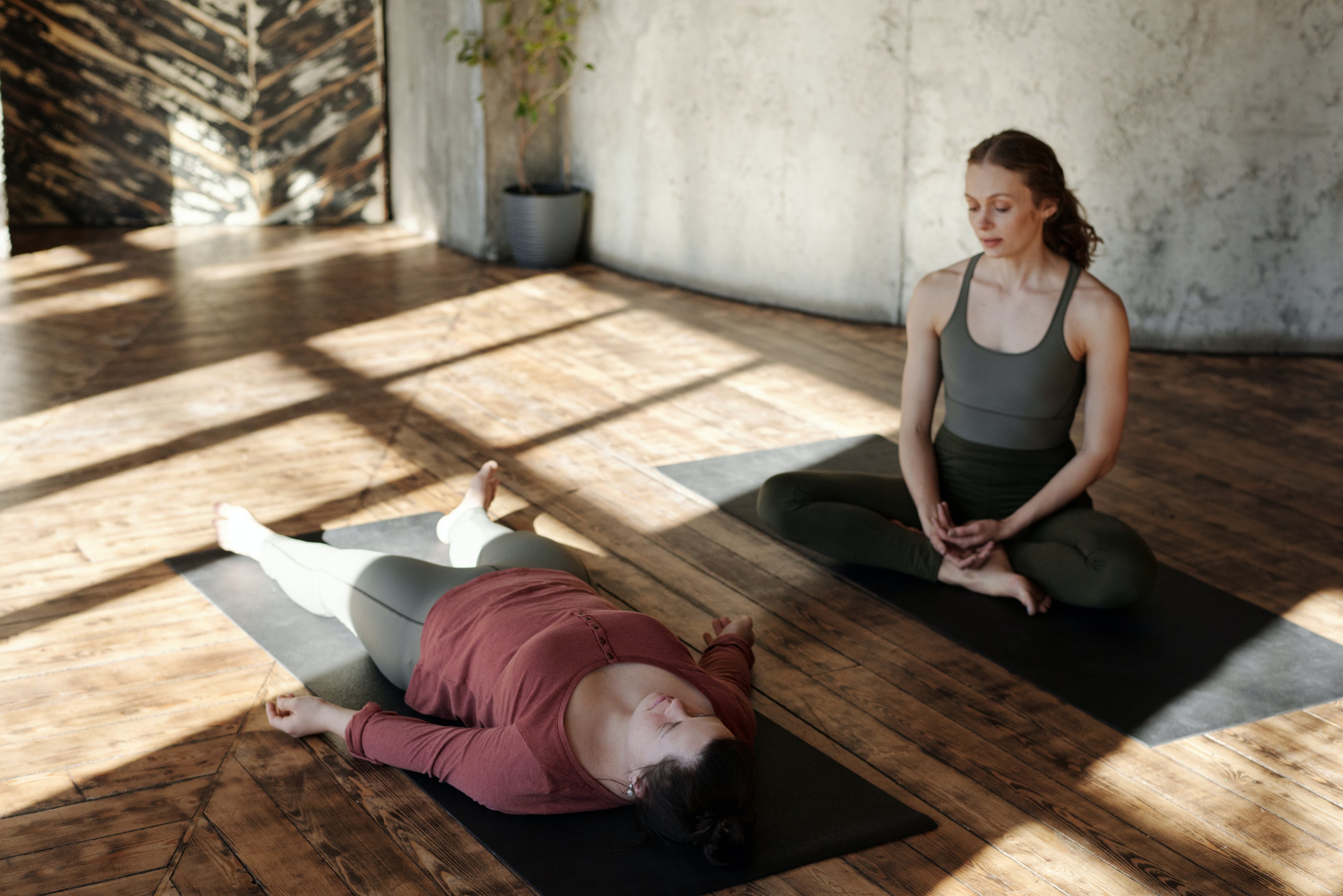
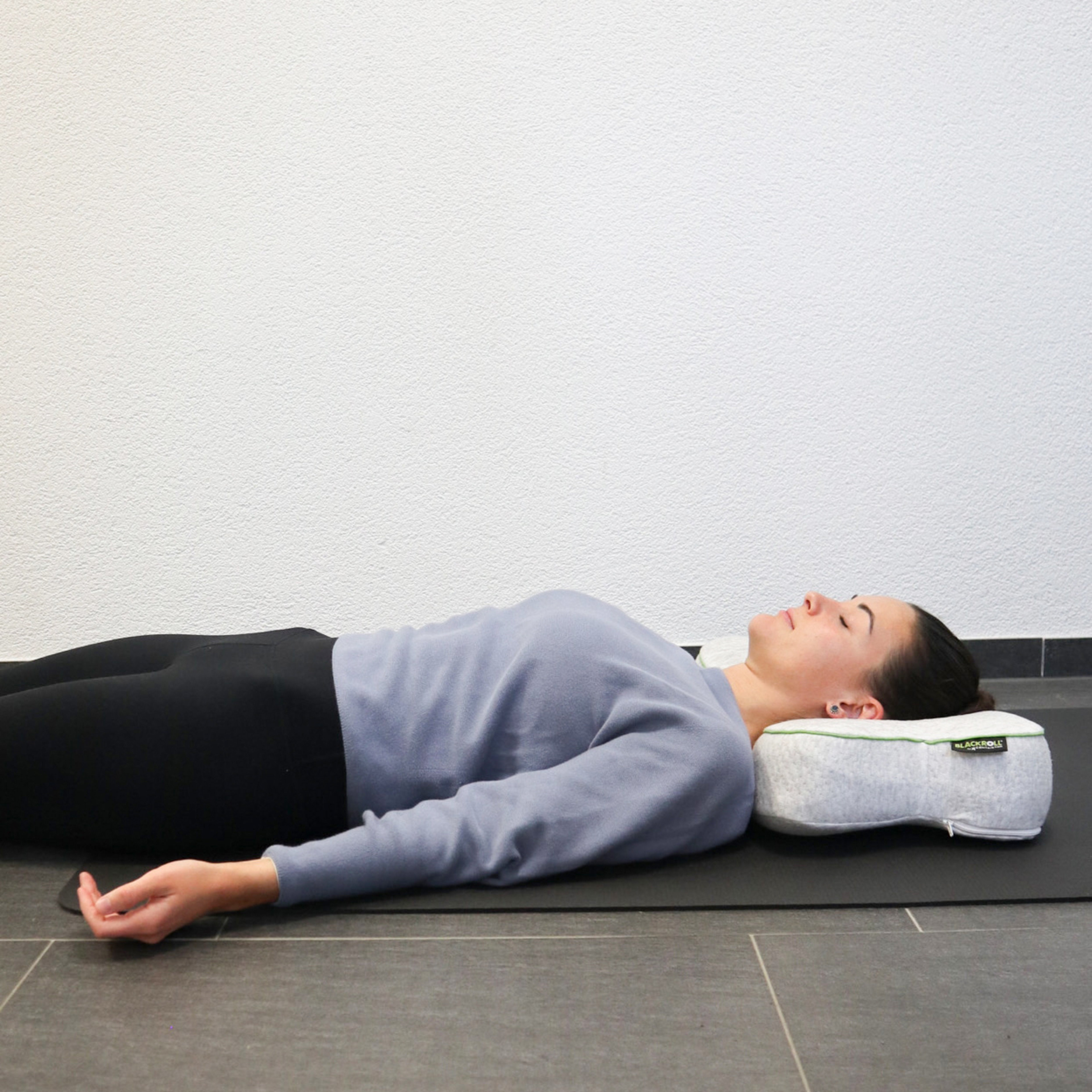
- First, find a quiet and comfortable place where you feel free and undisturbed. Lie down relaxed on a lounger or sit in a relaxed position on a chair.
- Focus on your breathing, try to calm your body, and direct your attention to the present moment. Be in the here and now.
- As you focus on your breathing, repeat the specific standard phrases found in the following section—either aloud softly or in your mind. It’s important to adapt and use these phrases according to your needs. The two most well-known phrases are: “I am calm and serene” or “My arms and legs are heavy.” These two phrases are very catchy and easy to remember.
- To relax specific areas of your body, consciously focus on your various body parts. It’s best to start with your feet and then work your way up step by step. Feel the tension melting away from each area of your body.
- With practice, you’ll be able to sink deeper and deeper into a state of relaxation. You’ll be better able to quiet your racing thoughts or distracting thoughts and achieve your desired sense of calm. Enjoy this moment of doing nothing for just a little while longer.
- End the exercise when you’ve opened your eyes again and redirected your attention to your surroundings. Move your fingers and toes. Wait just a little while longer until you’re fully aware of your active state again.
What exactly are standard phrases in Autogenic Training?
The spoken formulas are sentences or phrases designed to promote relaxation and positive changes in your body and mind. You can adapt them at any time to suit your individual goals and needs. It’s always worth making adjustments, as your needs may change. The most important standard formulas are:
- Feeling of heaviness: You imagine that your arms and legs are becoming heavy, thereby promoting muscle relaxation.
- Feeling of warmth: Focus on how warmth flows through your body to improve your blood circulation.
- Heart regulation: You can slow down and calm your heartbeat.
- Breath regulation: You learn to deepen and relax your breathing.
- Solar plexus: Here, you focus on the abdominal region to harmonize your digestive processes.
- Forehead Cooling: You can relax your head and calm your mind.
Are you already experienced and advanced in the practice of autogenic training?
Do you use supportive and organ-specific formulas?
Supportive and organ-specific formulas allow you to tailor your relaxation mode even more specifically. To target, relax, and specifically influence certain body regions or functions, you’ll need the following formulas:
Supportive Formulas
- “I am completely calm and relaxed.” (Calmness exercise)
- “I am safe and secure.” (Safety exercise)
- “I am calm and balanced.” (Calmness exercise)
- “I trust myself and my body.” (Trust exercise)
The affirmations listed here help you foster a generally positive attitude and a sense of relaxation. The affirmations relate to specific states or feelings.
Organ-Specific Affirmations
- “My heart beats calmly and steadily.”
- “My gastrointestinal tract is warm and relaxed.”
- “My mind is free of thoughts and pressure.”
- “My legs and feet are warm and light.”
These formulas address areas of the body and organ functions that you can influence by bringing them into a relaxed state. With these formulas, you can reduce physical discomfort and stress and improve your well-being.
How to customize the standard formulas for autogenic training to suit your individual needs
Before you begin, there are a few mental steps to take. Take your time and reflect on the following points and questions. Write down your formulas so you can revise them regularly. Are you ready?
- What specific needs do you want to define? Are you focusing on reducing stress, building self-confidence, or potentially relieving pain? Once you’ve gained clarity on this, you’re already a big step ahead.
- Be flexible in adapting your phrasing. For example, if you want to focus on reducing stress, the classic phrase “I am calm and composed” could be changed to “I am relaxed and stress-free.” If you want to work on your self-confidence, the phrase could be “I am self-assured and positive.”
- The positive wording of the statements is what matters most. Formulate the adapted sentences without the words “not,” “never,” “no,” or “no.” Use, for example, the sentence “I feel calm and composed.” Your phrase should be light, short, and easy to say.
- “Repetition is the mother of wisdom!”— Repeat your personalized phrases quietly or in your mind as you prepare to relax and focus on your space. Desired changes can take place in your mind and body as you visualize them, imagine them, and watch your self-confidence grow.
- Stay patient and practice regularly to help your body and mind get used to autogenic training and its effects, and enjoy the sense of accomplishment that comes with achieving your goals. When you feel yourself making progress, it’s time to update your phrases and set new goals.
Autogenic training requires discipline and regular practice
A prerequisite for autogenic training is that you are able to think clearly and concentrate. If you suffer from severe mental health issues, such as moderate or severe depression, you should seek psychological counseling or therapeutic help.
Furthermore, you need a certain amount of discipline, as this is a form of training and repetition is necessary to master the technique. Autogenic training requires regular practice to achieve your desired results and effects.
The method aims to reduce stress levels and promote relaxation skills. Your overall well-being, performance, and mental resilience will improve. You’ll become mentally stronger, and your self-confidence will grow.
Beginners should practice no more than three times a day. It’s better to practice once than not at all. Later, you can reduce the practice time to 5 minutes and practice twice a day. Once you’ve understood and internalized the method, you can lead a healthier life.
How to Use Autogenic Training for Stress-Related Illnesses
Do you suffer from sleep disorders, burnout, exhaustion, gastrointestinal problems, migraines, headaches, allergies, asthma, tinnitus, or sudden hearing loss? High blood pressure and anxiety-related heart problems are also among the possible stress-related illnesses.
If any of these symptoms apply to you, you can use autogenic training to harness your physical and mental relaxation as a vital resource for personal healing. The goal is to deepen your self-awareness, self-experience, and expand your consciousness.
Autogenic training is therefore more than just a relaxation method.

Reduce Your Anxiety Step by Step with Autogenic Training
Almost everyone has experienced anxiety at some point in their lives. Sometimes it’s only mildly noticeable, while other times it can escalate into severe panic attacks. Autogenic training, when combined with psychotherapy, is highly effective in treating severe anxiety.
Using various types of formulas, you can, for example, help yourself cope with test anxiety and regulate your intense anxiety reactions. Do you suffer from panic attacks, or find it difficult to stay calm while giving a speech in front of an audience, feeling as though your heart is about to leap out of your chest?
Use the techniques that work best for you and learn to help your body respond in a healthy way. Imagine calming situations that trigger positive feelings—a warm sandy beach and a gentle breeze brushing against your skin. You can also picture a bench in a forest where you sit undisturbed, listening to the sounds of the woods or the birds. This form of visualization should help your body relax.
If you generally find it difficult to relax, use a relaxation image of your choice and immerse yourself in it with all your senses, if possible.
Guidance for Your First Autogenic Training Session for Stress Reduction
By now, you’ve read and absorbed some information about autogenic training. In this section, you can get started. The instructions provided here are an example, and you’ll certainly be able to reduce your stress.
The first step is to choose a quiet and relaxed place for yourself to achieve deep relaxation. Sit or lie down comfortably, ideally on a mattress, a soft mat, or a pillow. Decide whether you’d like to sit or lie down.
In the second step, make sure you’re wearing comfortable clothing that doesn’t restrict your breathing or movement. If you’re lying down, place your arms at your sides and spread your legs slightly so your feet can fall loosely outward. Keep your legs relaxed. You may also choose to sit.
In the third step, take deep breaths to calm yourself. Breathe in and out slowly and evenly. Focus on your breathing and try to keep it calm and relaxed. You’ll gradually develop your own basic state of relaxation by focusing on different parts of your body and using the appropriate phrases.
In the fourth step, say your basic phrases. Think: “My arms are heavy.” Focus on the feeling of heaviness in your arms. Tune into this sensation, allow it to be there, and deepen it. You may find it difficult at first or struggle to access this sensation. Don’t give up and don’t put pressure on yourself.
Turn your thoughts to your legs and feel the sensation of heaviness. – “My legs are really heavy!”
Now focus on your breathing. Concentrate on the sensation of calm breathing.
Tell yourself: “My breath is calm and steady.”
Focus on your heart and tell yourself: “My heart is beating calmly and steadily.” Focus on your heartbeat.
Now your entire body is the center of your awareness. Tell yourself: “My whole body is warm and relaxed.” Imagine a pleasant warmth spreading throughout your entire body. Repeat these phrases and try to focus on the corresponding sensations. Step by step, you’ll notice changes and experience deeper and deeper relaxation.
With improved basic relaxation, you can move on to additional phrases that lead to deeper relaxation. You’re already in step five and can incorporate your individual needs more specifically. Stress reduction, serenity, and confidence are important factors in your health. Include these and refine your personal autogenic training. Pay attention to your choice of words so that you can concentrate well on your phrases.
In the final step, you’ll emerge from your deep state of relaxation, breathing a bit more actively and deeply. Open your eyes and take in your surroundings. Stretch and move around until you’re back in the here and now. Slowly stand up on both feet and return to your daily routine.
When You Should Never Practice Autogenic Training
Autogenic training is generally suitable for most people. However, there are situations and mental health conditions where you should exercise caution. If you have acute health problems that require urgent medical care, you should not use relaxation techniques as a substitute for medical treatment. It’s better to see a doctor and seek professional advice.
In cases of severe anxiety, panic attacks, and depression, autogenic training may not be sufficient on its own or should be performed under the guidance of a qualified therapist. If traumatic experiences or memories are fueling your stress, autogenic training may actually intensify it. It’s better to start psychotherapy and combine stress reduction with relaxation later on.
Epilepsy is a neurological condition and can occur spontaneously. Since autogenic training directly influences your nervous system, it could trigger a seizure—though this is rare.
For people with disabilities, certain aspects of the autogenic training relaxation technique may be effective. Depending on the degree of disability, a different relaxation technique may be chosen, or a combination of techniques may be preferred.
In cases of addiction, AT should always be used in conjunction with multiple treatment methods. Simply relaxing is not enough. The underlying mechanisms are usually highly complex.
Do you suffer from heart problems, atrial fibrillation, or myocarditis? Please ask your doctor whether you should practice autogenic training.
People with chronic obstructive pulmonary disease (COPD) or severe asthma may lose control of their breathing or experience irritation due to a change in breathing rhythm.
If you’re in good health but still don’t like autogenic training as a relaxation method, try the body scan or Jacobsen’s progressive muscle relaxation. Make sure you relax in a way that suits your needs and that you can seek help from an expert.
Summary
Autogenic Training (AT) according to Schultz is one of the most effective relaxation techniques available. AT is a scientifically recognized method that allows you to induce an autogenic (self-generated) state, similar to self-hypnosis. You can use this state for relaxation or stress reduction, for positive self-influence and behavioral change, as well as to improve your health.
The appropriate selection of standard and advanced formulas should be tailored to your individual needs. Autogenic Training is a training method that should be learned with the help of an expert. The better you master Autogenic Training, the greater the range of applications becomes. At the basic level, you’ll quickly learn to reduce general bodily tension.
At the advanced level, you’ll be able to better manage your emotional state. The technique of autogenic training is a path to greater self-awareness and self-discovery. Living mindfully is a path to robust health.
The Blackroll team hopes you have a lot of fun relaxing.