
The diaphragm: structure, function and what symptoms might indicate

The diaphragm is a dome-shaped muscle and tendon plate that separates the chest cavity from the abdominal cavity. As the body's principal respiratory muscle, it's involved in every breath. When its work is impaired or the surrounding muscles are tense, you may notice symptoms such as shallow breathing, a sense of pressure in the chest or an unpleasant pulling feeling in the upper abdomen.
Key facts at a glance:
- Key respiratory muscle: the diaphragm is the most important muscle for your breathing and is involved in every breath.
- It sits dome-shaped beneath the lungs and forms the boundary with the abdominal cavity .
- It lowers during inhalation to create space for the lungs and relaxes during exhalation.
- It also contributes to trunk stability and pressure balance within the body.
- Symptoms may be non-specific: a feeling of tightness, shallow breathing or discomfort in the chest and upper abdomen may be linked to altered breathing mechanics.


Anatomy
Situated centrally in the body, directly below the lungs and above the stomach, liver and intestines, it has a dome-like structure and key structures such as the oesophagus, the aorta and the inferior vena cava pass through several openings in it.
It’s precisely these connections that explain why symptoms in this area can be tricky to diagnose. The diaphragm is innervated by the phrenic nerve, which runs from the neck down to this muscle (as described in standard anatomical texts such as Standring (Standring, 2020; Netter 2022).
Function: more than just breathing in
The diaphragm works closely with the abdominal muscles, the pelvic floor, the deep neck muscles and the hyoid bone — and even with the position of the tongue — to form an internal pressure system that stabilises the spine. This relationship is also described in studies on the motor control of the diaphragm (Hodges and Gandevia, 2000).
In this context it's not merely a respiratory muscle but also a central component of postural control.
It also links to your nervous system: when you breathe calmly, the vagus nerve signals the parasympathetic system to promote relaxation. This effect can be measured, amongst other things, via heart rate variability (Shaffer and Ginsberg, 2017).
So how you breathe affects not only the oxygen that reaches your body but also how stable, well-regulated and resilient your whole system is.


Common complaints: correctly identifying symptoms
You might not immediately link these sensations to the diaphragm, yet they often arise when the muscle is tight or overworked. We’ve observed that tightness in the chest, a stabbing pain beneath the ribs or the sense of being unable to take a proper deep breath commonly point to diaphragmatic strain. Sometimes the discomfort drifts towards the upper abdomen, showing up as pressure after a meal or a feeling similar to acid reflux.
A feeling of tightness in the chest area often occurs when the body’s baseline tension is elevated and breathing remains rather shallow. A stabbing pain beneath the ribs may be linked to local irritation or overload. Pressure in the abdominal cavity often arises when the pressure balance within the body changes. This is closely linked to the function of the diaphragm. And when breathing becomes inefficient overall, this often manifests as shortness of breath or the feeling of not ‘getting enough air’.
To help you understand, visualise these connections as follows:
Symptom | Possible functional cause |
|---|---|
Tightness in the chest | Increased muscle tension, shallow breathing |
Stabbing pain under the ribs | Local irritation or overload |
Pressure in the upper abdomen | Changes in pressure |
Shortness of breath | Inefficient breathing mechanics |
You'll often notice these symptoms flare up during stressful periods or after sitting for long stretches because the body's operating in a state of constant tension over time.
Take a closer look and reduce stress.


Warning signs: consult a doctor
Some symptoms require a clear medical diagnosis.
These include, in particular:
- acute shortness of breath or the feeling of being unable to breathe
- severe or sudden chest pain
- Pain radiating into the arm, back or jaw
- dizziness, circulatory problems or sudden weakness
- neurological symptoms such as numbness or signs of paralysis
If you experience chest pain, consult a doctor to rule out cardiac causes .
If they're new, unusually severe or simply worry you, see a doctor straight away.
If symptoms are relatively mild but recur or change, your GP is a good first point of contact.
It's not about assuming the worst, but about gaining clarity.


What you can do yourself – Exercises
Start by restoring mobility to this area. Many people unconsciously hold tension in the lower rib cage — precisely where the diaphragm is located — and when this area lacks movement, breathing can get stuck in the upper chest.
Here, distinguish between two linked factors:
On the one hand, it’s about loosening the tissue around the diaphragm — in other words, making the ‘hardware’ more mobile again.
Secondly, it’s about consciously controlling your breathing itself – in other words, realigning the ‘software’ by actively focusing on abdominal breathing. The two are interlinked.
Here are three exercises that address precisely these two levels.
Exercise 1: Fascia release for the ribs
Start by creating a little more space around the diaphragm.
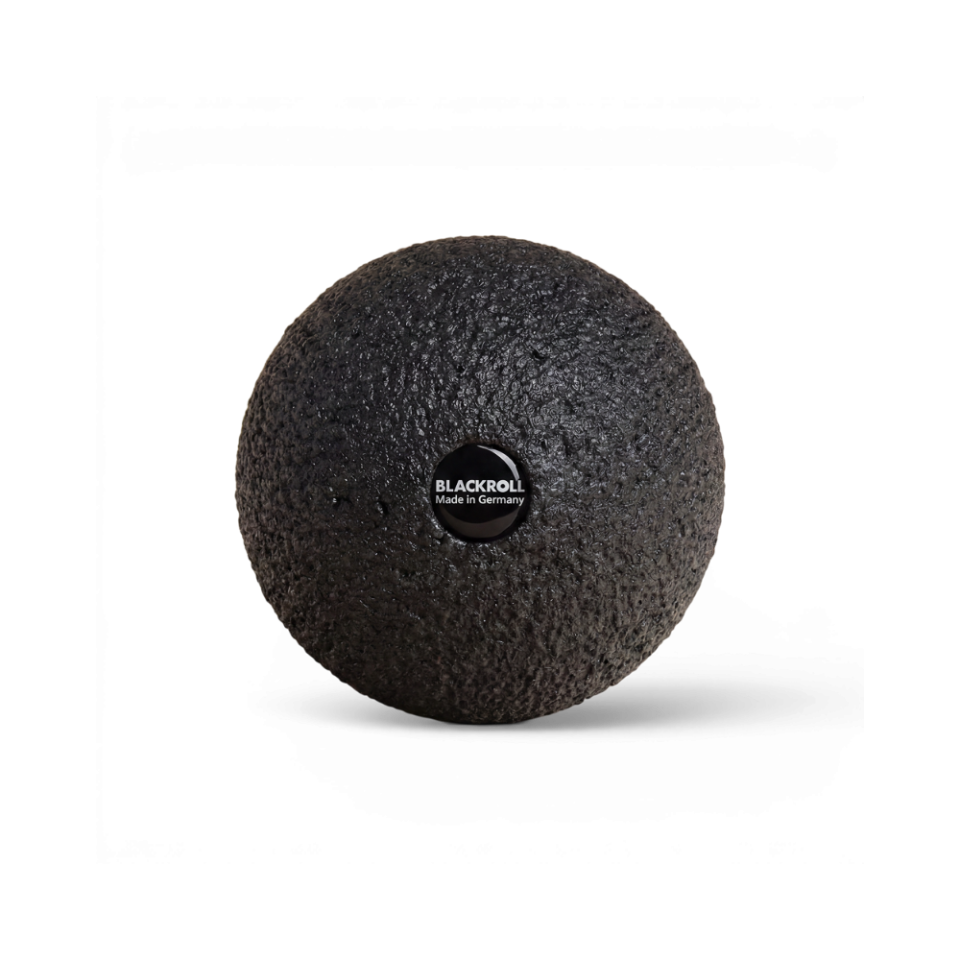
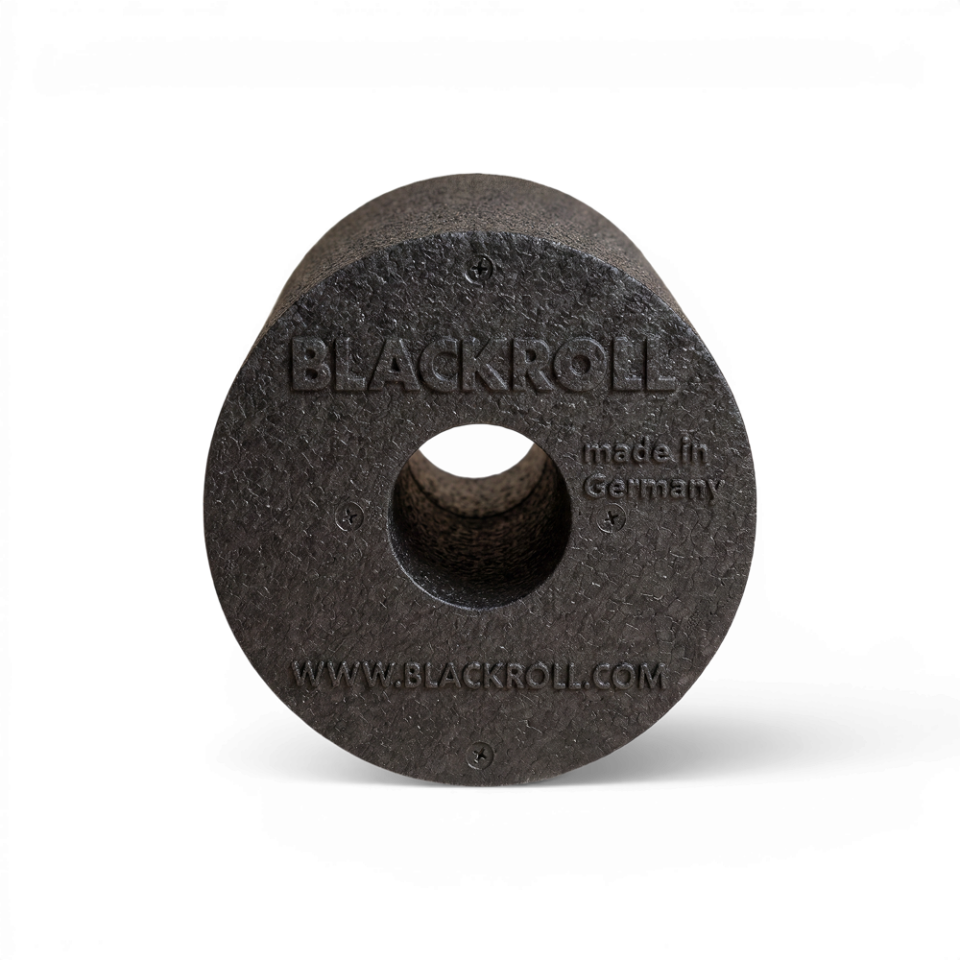
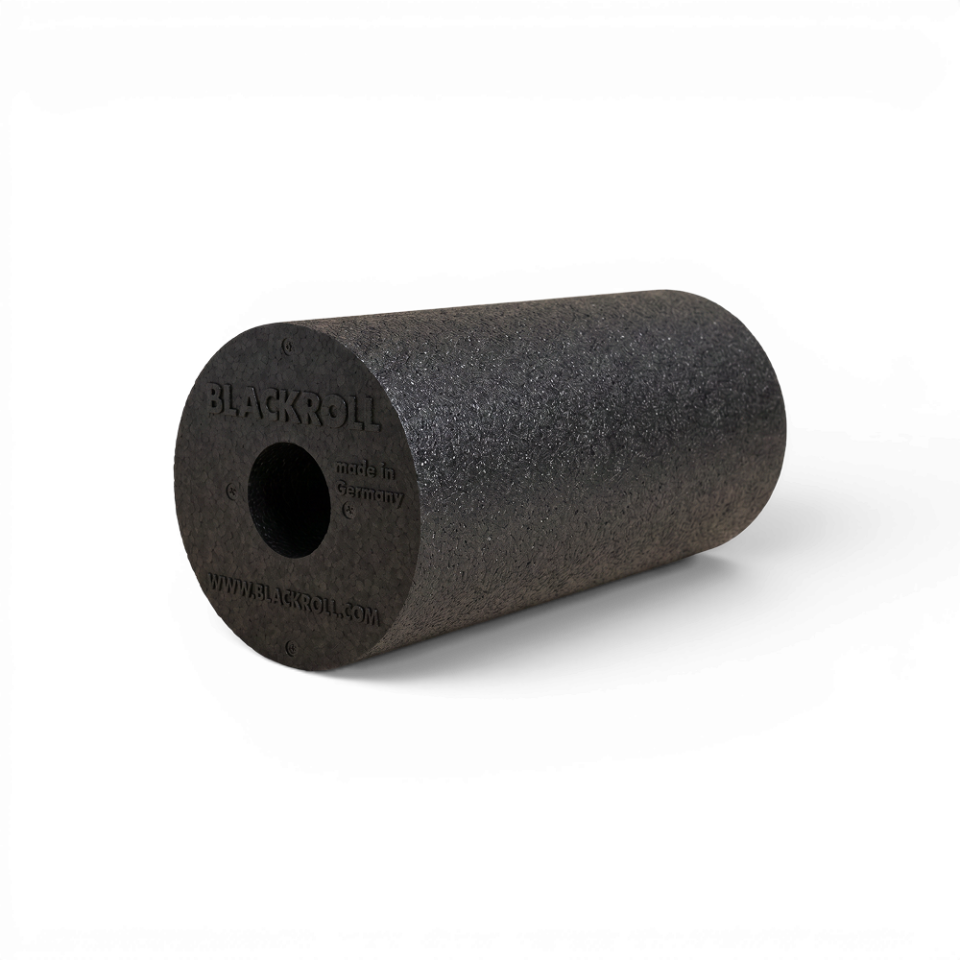
Use simple release exercises along the rib cage with a ball or foam roller. Proceed slowly, without applying pressure — feel your way rather than pressing deeply.
Keep your breathing steady. Notice whether individual areas feel more sensitive or tighter without applying direct pressure – that’s exactly where you should linger a little longer.
What’s important here isn’t so much the technique as how you do it: stay calm, keep breathing, don’t ‘push in’, but give the tissue time to adapt.
Even just 1–2 min per side can make a difference — you’ll often notice afterwards that your breathing feels freer.
It’s not so much the technique that matters, but how you do it.
Stay calm, keep breathing, don’t ‘push in’ – give the tissue time.
Exercise 2: Diaphragm triggering
The diaphragm is closely connected to the thoracic spine via fascia and nerve pathways so if there's tension here, movement of the chest is restricted and with it, breathing.
By releasing these areas the chest cavity moves more freely, giving the diaphragm more room to work without you influencing it directly.
Trigger point massage for the thoracic spine
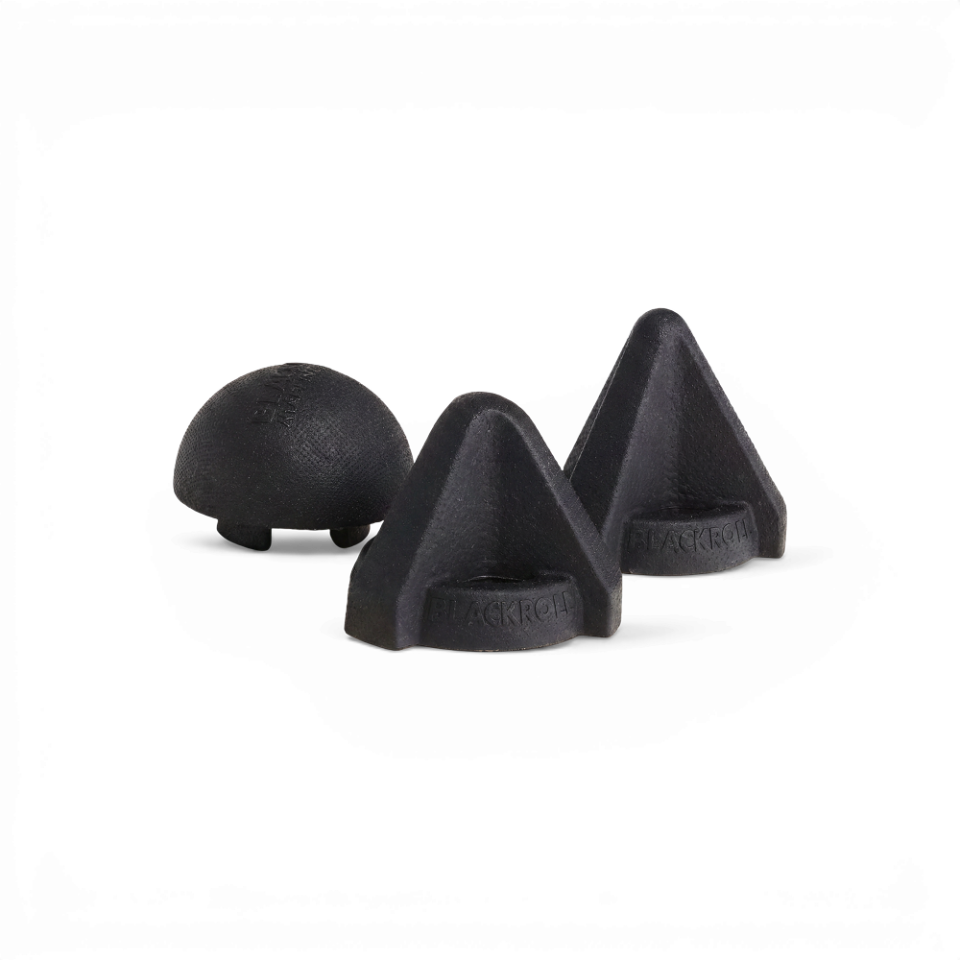
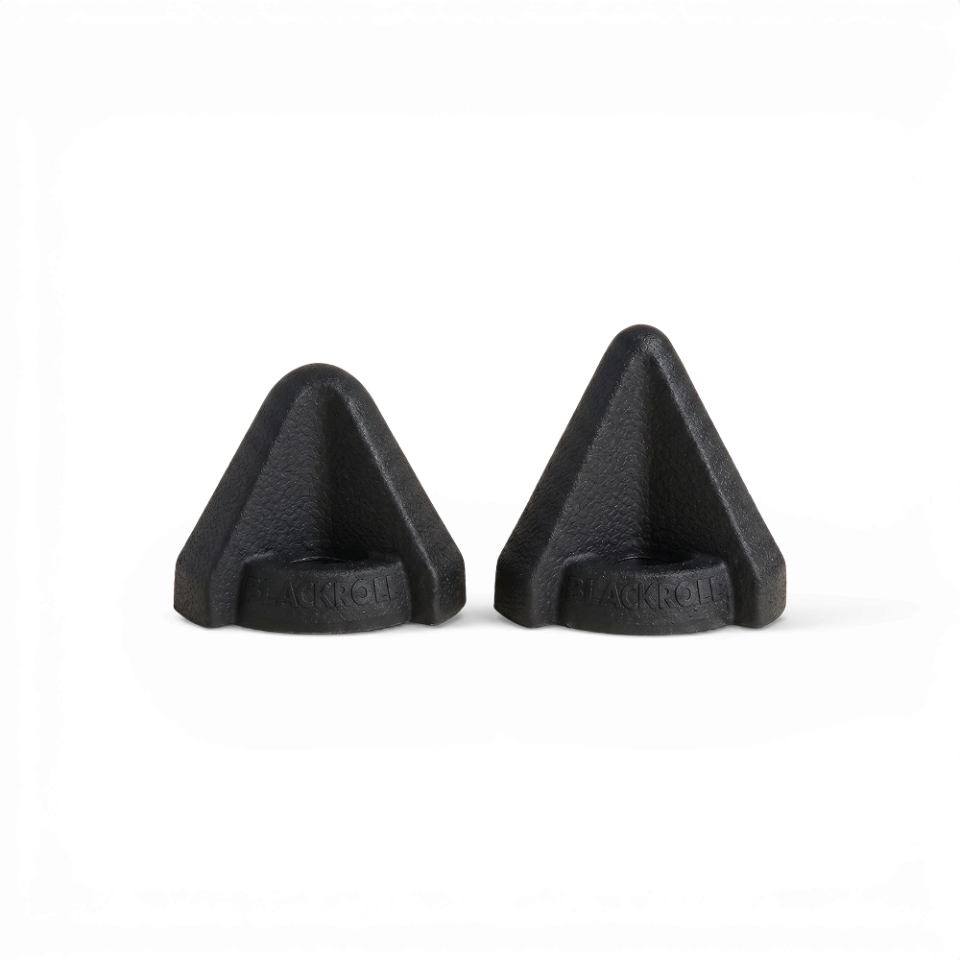
Stand and position the muscles in your thoracic spine on the TRIGGER. Find a tender point, stay on it and relax your body. Concentrate on your breathing and move your head once the initial pain has subsided.

Exercise 3: Vagus nerve breathing, calming the nervous system
The term ‘vagus breathing’ encompasses various breathing techniques that have a calming effect on the body, such as 4-7-8 breathing or gentle humming. The key element here is the prolonged exhalation, which activates the parasympathetic nervous system and thus helps to regulate it.
If you’d like to practise a specific exercise, use the 4-7-8 breathing technique: breathe in for 4 s, hold for 7 s and exhale gently for 8 s. Focus on the prolonged exhalation to activate the parasympathetic nervous system and encourage calm.
If you breathe through your nose while doing this, nitric oxide is also produced, which can aid oxygen uptake (Lundberg et al., 1996).
Here you’ll find some simple instructions on how to do this. Remember , these aren’t ‘quick fixes’ that solve everything straight away, but they can help to restore more movement, space and calm to your breathing.

Exercises with Trigger Tools
Release trigger points nowFAQ
It sits between your chest and abdomen, directly beneath your lungs, arching upwards in a dome-like shape and connecting to your ribs, spine and abdomen via various structures. With every breath it moves up and down, influencing not only breathing but also the pressure balance throughout your entire torso.
Yes, often in the form of pressure, tightness or a feeling of tension in the chest or upper abdomen that can’t be clearly attributed to any specific cause. It’s frequently less to do with a clear injury and more to do with altered breathing, increased baseline tension or restricted mobility in the area of the ribs and the thoracic spine.
Seek medical advice for severe, unexplained or sudden symptoms, especially if you notice shortness of breath, severe chest pain or radiating pain. If your symptoms recur but aren't acute, a medical assessment can still help distinguish between functional and structural causes.
We'll start with a consultation and physical examination and, if needed, arrange supplementary imaging tests to rule out other causes and assess the function of breathing, posture and the structures involved.
Combine fascial release with calm, guided breathing to improve mobility in the rib cage area, reduce tension in the body and help you breathe more consciously and efficiently. Focus on regularity and quality of execution rather than any single exercise.



Sources
Bains, K. N. S., Kashyap, S. and Lappin, S. L. (2023). Anatomy, thorax: Diaphragm. In StatPearls. StatPearls Publishing. https://www.ncbi.nlm.nih.gov/books/NBK519558/
Hodges, P W and Gandevia, S C (2000). Activation of the human diaphragm during a repetitive postural task. The Journal of Physiology, 522(1), 165–175. https://doi.org/10.1111/j.1469-7793.2000.t01-1-00165.xm
Lundberg, J. O. N., Settergren, G., Gelinder, S., Lundberg, J. M., Alving, K. and Weitzberg, E. (1996). Inhalation of nasally derived nitric oxide modulates pulmonary function in humans. Acta Physiologica Scandinavica, 158(4), 343–347. https://doi.org/10.1046/j.1365-201X.1996.557321000.x
Netter, F. H. (2022). Netter’s Atlas of Human Anatomy: Classic Regional Approach (8th ed.). Elsevier.
Shaffer, F. and Ginsberg, J. P. (2017). An overview of heart rate variability metrics and norms. Frontiers in Public Health, 5, Article 258. https://doi.org/10.3389/fpubh.2017.00258
Standring, S. (Ed.). (2020). Gray’s Anatomy: The Anatomical Basis of Clinical Practice (42nd ed.). Elsevier.