
Muscle tension in the back: causes and immediate relief

You wake up and your back feels as though someone has sat on it at night — stiff, tender to the touch and with every twist you feel that unpleasant pulling sensation. Muscle tension in the back is very common: according to the Robert Koch Institute (RKI), around 61% of adults in Germany experience back pain within a year (von der Lippe et al., 2021). Muscle tension is one of the most common triggers.
The good news is that there’s a lot you can do yourself to relax your tense back muscles and prevent further discomfort.
Key points at a glance
- It occurs when your back muscles stay tense for too long – the most common triggers are a lack of movement, poor posture and stress.
- Typical symptoms include dull or aching pain, stiffness and restricted mobility — particularly in the neck, between the shoulder blades and in the lower back.
- Tension in the back muscles can often be relieved within a few days, whereas hardened muscles (myogelosis) are more persistent and can be felt as a palpable, tender lump.
- Heat, targeted self-massage and regular exercise can relieve muscular tension in the back — bed rest, on the other hand, isn’t recommended.
- If symptoms persist for several weeks or you notice radiating pain or numbness, seek medical advice.
Medical note: This information is for general guidance only and isn't a substitute for a medical diagnosis or individual treatment. If you experience initial symptoms, your GP is the right first point of contact. In the event of persistent or radiating pain, consult an orthopaedic or neurological specialist.


What is muscle tension in the back?
It’s an unconscious, persistent tightening of the back muscles that disrupts the natural alternation between contraction and relaxation. The affected muscles stay constantly active, blood flow decreases, metabolic waste products build up and pain develops.
Experts refer to this as increased muscle tone, i.e. a baseline tension in the muscles that's consistently above normal levels (Mense, 2005).


Which muscles in the back tend to become tense particularly often?
The muscle groups along the spine are particularly frequently affected – from the upper back, through the area between the shoulder blades, right down to the lower back.
Region | Muscles typically affected |
|---|---|
Upper back and between the shoulder blades | Trapezius muscle (M trapezius), rhomboid muscles (M rhomboidei) |
Side of the back and flanks | Latissimus dorsi muscle (M. latissimus dorsi) |
Along the entire spine | Erector spinae (M. erector spinae) |
Lower back | Quadratus lumborum (M. quadratus lumborum), back extensor in the lumbar region |
Tension in the upper back often occursalongside neck pain and shoulder problems.


Muscle tension vs. muscle stiffness – the difference
If tension persists, muscle hardening (medically known as myogelosis) may develop — a palpable, tender hardening within the muscle.
Characteristic | Muscle tension | Hardened muscles (myogelosis) |
|---|---|---|
What happens? | The muscles are overactive but still flexible. | Individual muscle fibres stay permanently tense and, because blood flow and metabolism are impaired, you'll feel palpable tender knots in the tissue. |
Nature of the pain | dull, pulling, widespread | localised, stabbing and sensitive to pressure |
Response to self-care | usually responds well to exercise, heat and self-massage | It's often more persistent and requires targeted trigger point treatment. |
Duration | It usually resolves within a few days to a few weeks. | It may persist for weeks or even months. |
In short: muscle tension is often the first stage — hardened muscles can follow if the tension persists for a prolonged period. Act sooner rather than later.


Back muscle pain: recognising the symptoms of tension
Back muscle pain caused by tension usually doesn’t happen overnight, but develops gradually. The sooner you recognise the signs, the quicker you can take action.
Typical symptoms of muscle tension in the back:
- A dull, aching pain that worsens with certain movements or after sitting for a long time
- Stiffness and restricted mobility, which occurparticularly in the morning after sleeping or after sitting for a long time
- Tenderness in specific areas of the back muscles
- Hardened areas of muscle that feel like knots
- Tension in the upper back and neck can lead to tension headaches while tightness in the glutes can contribute to sciatica.
You can read more about symptoms in these specific areas in our guides on tension in the upper back and lower back pain.
When muscle tension in the back escalates: myofascial pain syndrome
If individual muscle areas stay permanently knotted, so-called trigger points can form — small, tender nodules in the muscle and fascial tissue that can refer pain to other parts of the body. Experts refer to this as myofascial pain syndrome.

Muscle tension in the back or a herniated disc?
Muscle tension usually stays in the back and feels dull and aching. If the pain shoots sharply down the leg with tingling, numbness or muscle weakness, a herniated disc may be the cause. Unlike with muscle tension, the symptoms often don't improve with movement. Seek medical advice if you notice such neurological symptoms.
However, even with a herniated disc, the National Care Guideline for Non-specific Low Back Pain advises you to stay active rather than rest (German Medical Association [BAeK] et al., 2017).
Have your stiff back examined:
- if your pain has lasted longer than 4 wk or is getting worse
- if you experience numbness, tingling or muscle weakness in your legs
- if you experience sudden, very severe back pain
- if you've back pain following an accident or a fall
- if you have pain combined with a fever or unexplained weight loss
- if you have or have had osteoporosis or cancer
Dial 999 immediately if you feel pain in the upper back radiating into the arm or jaw, tightness in the chest and shortness of breath — these symptoms may indicate a heart attack.


Causes: why your back is tense
Muscle tension in the back is usually the result of everyday habits. Even if it feels sudden, it usually builds up gradually. The causes of back pain and a tense back vary from person to person and often occur in combination.
Lack of movement and prolonged sitting
The most common trigger for muscle tension in the back is a lack of exercise. If you sit at a desk for hours on end, certain muscle groups are constantly working whilst others become slack. The result: muscular imbalances (i.e. an imbalance between muscle groups), which can lead to tension. A lack of breaks for movement and insufficient physical activity in your free time exacerbate the problem.

Poor posture and one-sided strain
One-sided movement patterns at work – such as frequent lifting, carrying or bending down – can overburden the back muscles just as much as increasing the intensity of your training too quickly without focusing on technique. A constantly stooped posture at the workplace or when using a smartphone also places one-sided strain on the muscles and promotes tension. In the long term, this poor body posture can contribute to a hunched back.

Stress and psychological tension
Mental strain can also have a direct effect on your back muscles. Stress puts your body into a state of alert. Your muscles tense up unconsciously, particularly in the neck, shoulders and upper back. Typical stress reactions include raised shoulders or a clenched jaw. If this happens very frequently, chronic muscle tension can develop.

Unfavourable sleep position
Many people underestimate that your back can also become tense while you’re sleeping. An unsuitable sleep position or a sagging mattress can contribute to tension building up at night rather than easing. Sleeping on your stomach often puts strain on the lumbar spine and the neck. Many people find that sleeping on their side with a pillow between their knees provides relief for their lower back. In our guides on sleep, you’ll learn, amongst other things, how to improve the quality of your sleep and get tips on good sleep hygiene.



What helps with muscle tension in the back?
Combine exercise, heat, targeted self-massage and relaxation for effective relief. The National Care Guideline on Non-specific Lower Back Pain recommends staying physically active and advises against bed rest (BÄK et al., 2017).
Exercise and mobilisation
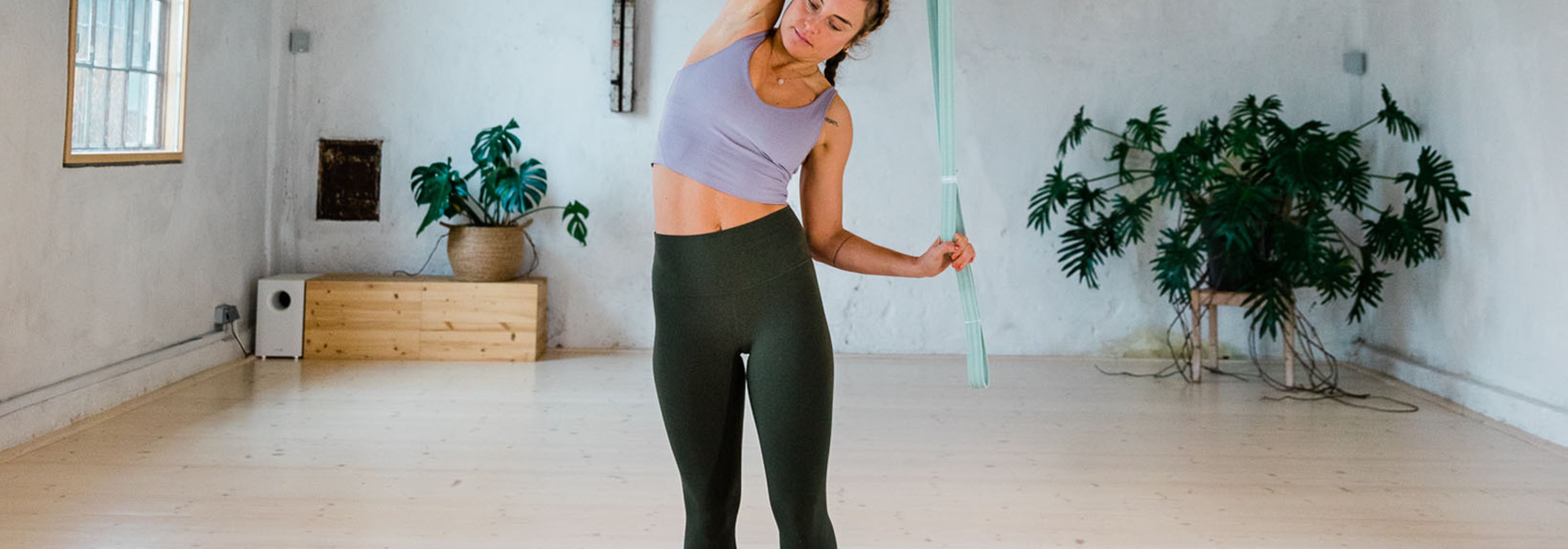
Gentle exercise is one of the most effective ways to relieve tension in the back. Even a brisk walk, gentle mobilisation of the spine or targeted stretching exercises can bring noticeable relief.
Particularly effective for back tension:
- Dynamic mobilisation of the spine (twisting, side-bending): even just a few minutes a day can make a noticeable difference.
- Stretch your hip flexors: sitting for long periods can shorten them and pull on your lower back.
- Hold each stretch for 60–90 s to reach deeper tissue layers.
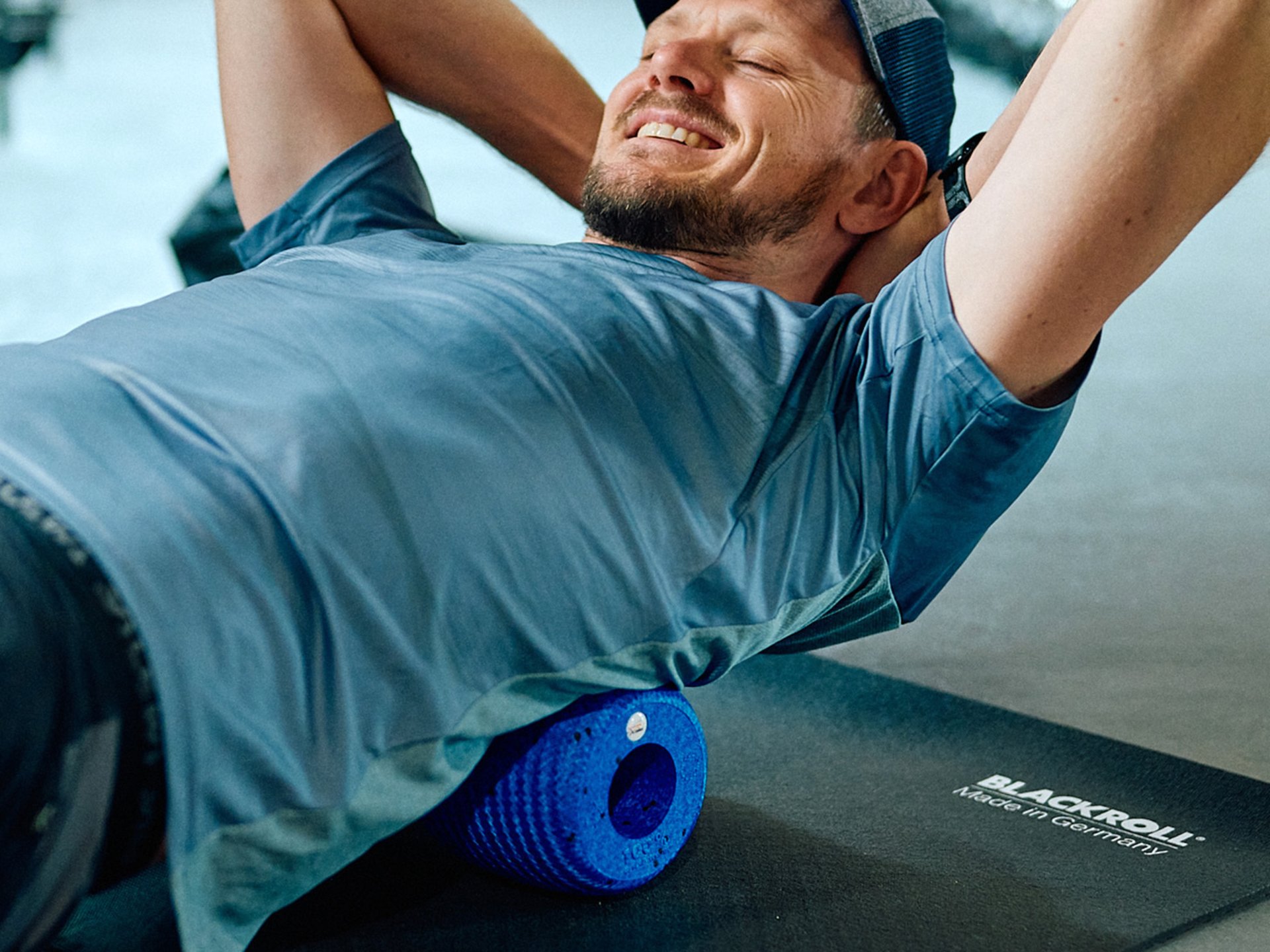
Ready to ease your back tension?
Try these exercises for muscle tension in the back.Apply heat in a targeted way
Heat is a straightforward and often effective immediate remedy for muscle tension in the back. A Cochrane review by French et al. (2006) concludes that heat packs can provide short-term relief from pain in acute and subacute lower back pain and improve mobility.
Here’s how you can use heat for back tension:
- Place a hot water bottle or a warm cherry-stone pillow on the affected area for 15–20 min.
- Take a warm bath with additives that promote blood circulation (e.g. rosemary or spruce needles).
- Use a heat patch when you’re out and about.
Myofascial self-massage
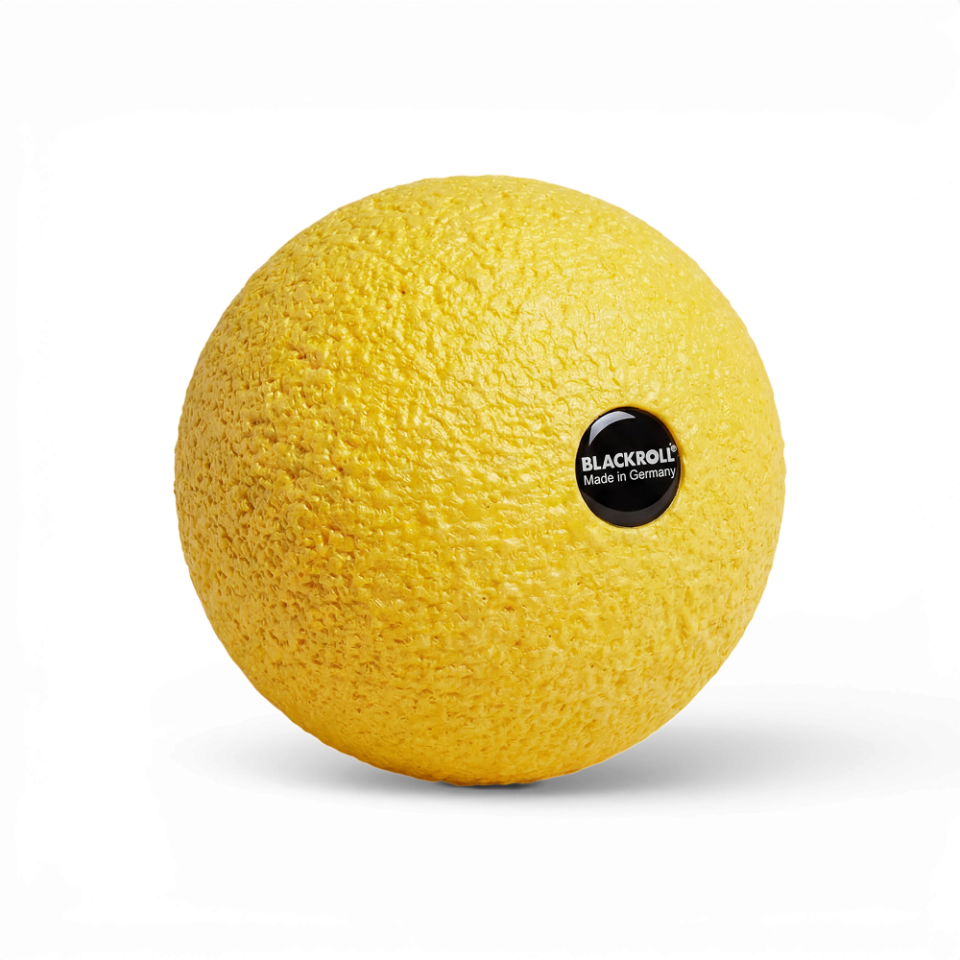
Myofascial self-massage with a foam roller or fascia ball can also help ease back tension. A meta-analysis by Wiewelhove et al. (2019) of 21 studies shows that foam rolling can slightly reduce perceived muscle soreness after intensive exercise – the effects on mobility and performance were generally small, but significant in individual cases. Studies specifically on back tension are currently lacking. In practice, we therefore recommend self-massage as a complementary approach alongside exercise and heat – many people find it pleasantly relieving.
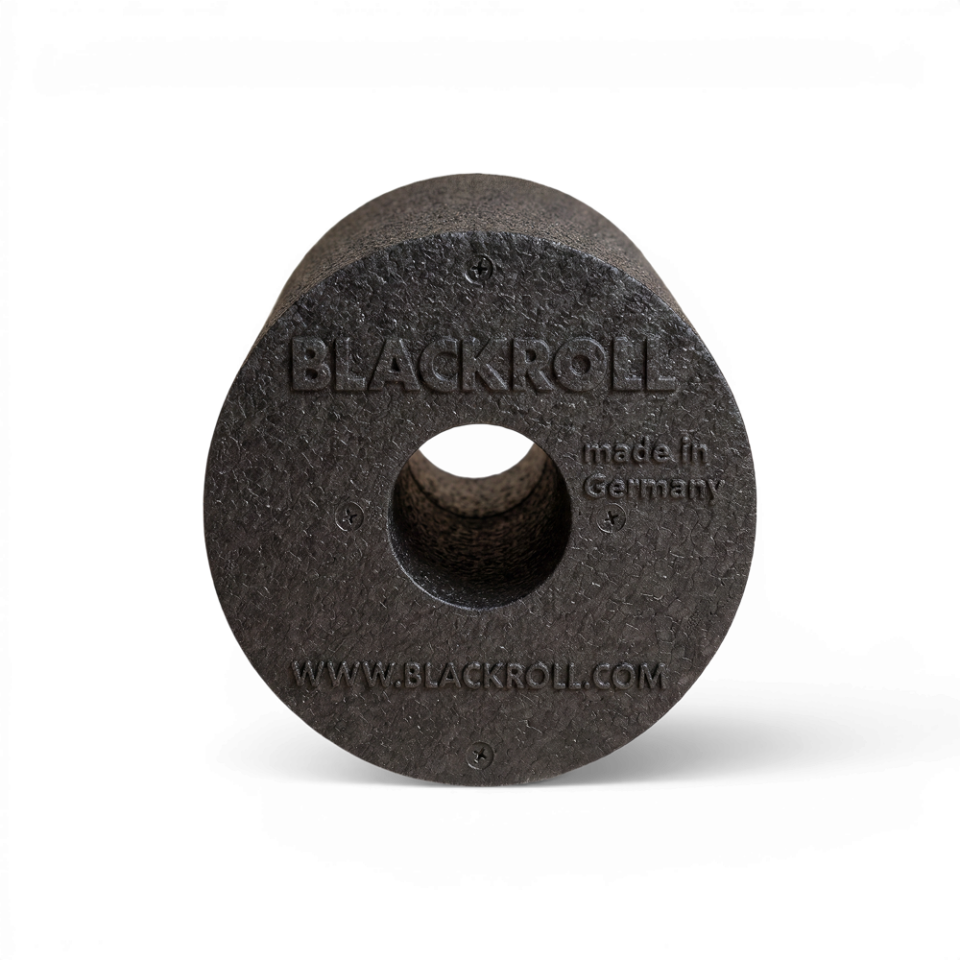
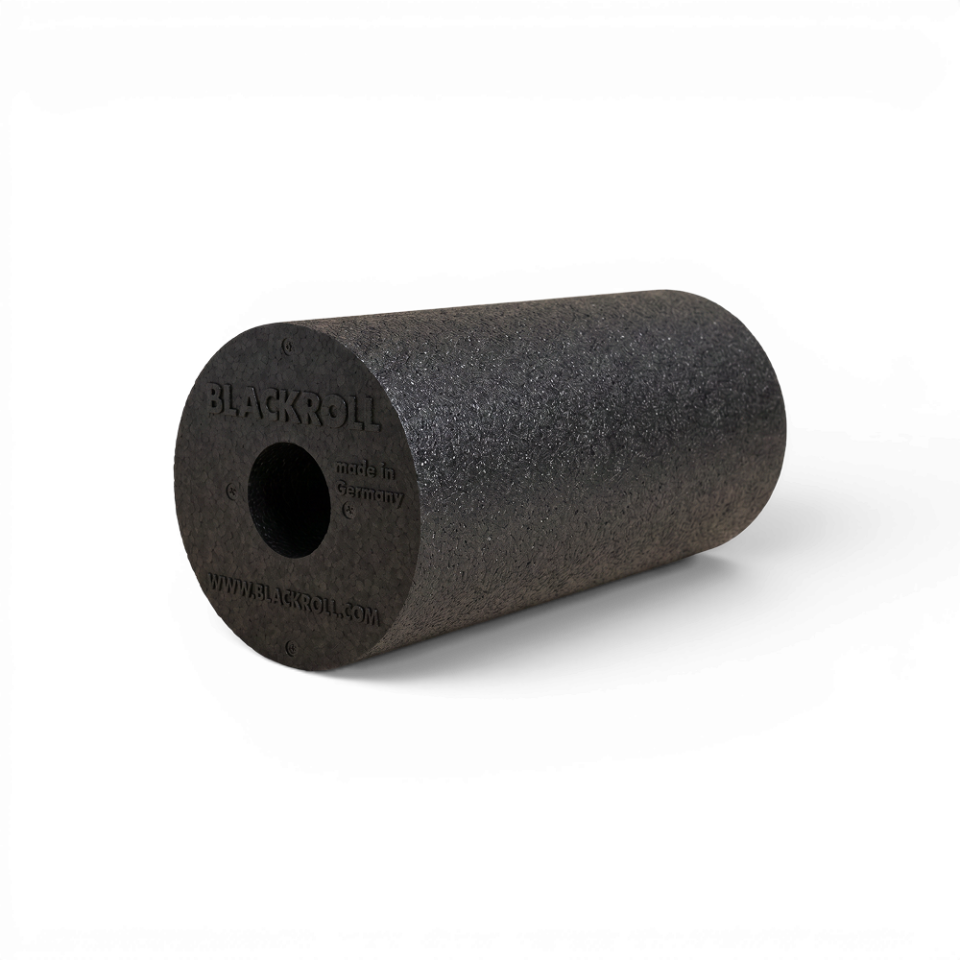

How to use the foam roller on your back:
Lie on your back on the roller and support yourself with your feet.
2. Roll slowly and in a controlled manner — rolling too quickly reduces the effect.
3. Breathe consciously and deeply — exhaling for longer promotes relaxation.
4. Hold the position for 20–60 s on particularly tense areas.
Use the foam roller regularly – ideally two to three times a week.
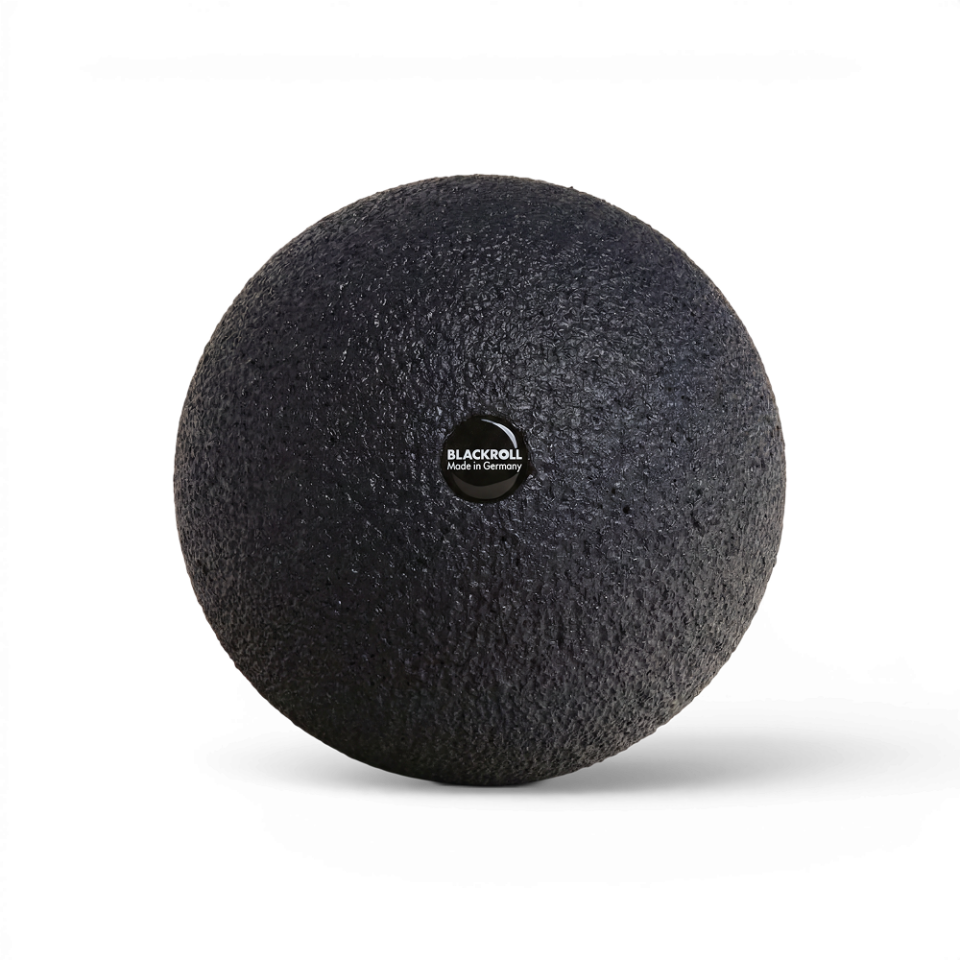
A tool such as the BLACKROLL STANDARD or the slightly softer MED is particularly well suited to large-area self-massage of the back. For more targeted work on individual trigger points, a fascia ball such as the BALL 08 or the slightly larger BALL 12 can be helpful . You can also start without any equipment – for example, using a tennis ball between your back and a wall.
For deeper tension, consider a massage gun such as the FASCIA GUN.
Related exercises



Relaxing your back muscles: stress relief and breathing
As stress is one of the main triggers of muscle tension in the back, targeted stress management is often a key strategy.
- Try progressive muscle relaxation: tense individual muscle groups then release them. This sharpens body awareness and helps you spot and let go of unconscious tension.
- Try breathing exercises: slow breathing with a prolonged exhalation — such as the 4-7-8 technique (breathe in for 4 s, hold for 7 s, breathe out for 8 s) — activates the parasympathetic nervous system and reduces muscle tone.
- Take regular short breaks: even just 2–5 min of movement or breathing exercises every 30–60 min can make a noticeable difference. Stand up briefly, move your spine in all directions and do some stretching to stretch your hip flexors.


Prevent muscle tension in the back in the long term
Don't wait until you feel a twinge . Adopt a few simple habits and you'll prevent muscle tension in your back and avoid it in the long term.
- Exercise regularly: The World Health Organisation (WHO) guidelines recommend that adults get at least 150 min of moderate exercise per week (Bull et al., 2020). Walking, swimming and cycling also benefit your back muscles and keep them supple.
- Strengthenyour core muscles: targeted strength training stabilises your spine and can prevent muscular imbalances.
- Take regularbreaks to move around: break up long periods of sitting every 30–60 min.
- Promote restful sleep: A suitable mattress and a sleep position that’s comfortable for you support night-time recovery — for you and your back.
- Make time forrelaxation: regular relaxation exercises and relaxing activities help to lower muscle tone.
- Pay attention to your diet: an anti-inflammatory diet with sufficient omega-3 fatty acids, fresh vegetables and minimal highly processed foods can support your connective tissue and provide your muscles with the nutrients they need for recovery.
If symptoms persist, seek professional help.
If your back tension doesn’t improve after several weeks despite self-care, chronic pain may develop as tension leads to compensatory posture and compensatory posture leads to even more tension. In this case, professional support is advisable, such as physiotherapy with manual therapy and personalised exercise plans, osteopathy or, if necessary, multimodal pain management.
Expert advice for at home
Frequently asked questions about muscle tension in the back
Combine heat with gentle movement for prompt, effective relief. Place a hot water bottle or cherry-pit pillow on the tense area for 15–20 min, then gently move your spine in all directions — for example, by twisting, bending to the side or going for a short walk. Follow with a gentle self-massage using a foam roller or ball. Avoid prolonged bed rest as it's more likely to make the tension worse.
Acute muscle tension usually resolves within a few days to two weeks if you treat it actively — with heat, exercise and self-massage. If significant hardened muscles have already developed, it may take longer. Seek medical advice if the symptoms persist for longer than four weeks, become more severe or are accompanied by numbness or tingling.
For simple muscle tension heat is usually the better choice because it boosts circulation and relaxes the muscles. Cold is more suitable for acute injuries involving swelling.
During sleep your muscles and fascia move less and blood flow drops. An awkward position or an unsuitable mattress can make this worse. Gently mobilise as soon as you get up — stretch and rotate your spine — to get your muscles and blood flow moving.
The BLACKROLL STANDARD is ideal for large-area self-massage whilst the softer MED is suitable for a gentle introduction. For targeted work on trigger points, the BALL 08 is ideal for precise pressure or the BALL 12 for a less intense application. In addition, the FASCIA GUN can help release deep-seated tension. Important: these tools are there to support you — regular exercise remains the foundation.
More interesting items






Sources
Bull, F. C., Al-Ansari, S. S., Biddle, S., Borodulin, K., Buman, M. P., Cardon, G., Carty, C., Chaput, J.-P., Chastin, S., Chou, R., Dempsey, P. C., DiPietro, L., Ekelund, U., Firth, J., Friedenreich, C. M., Garcia, L., Gichu, M., Jago, R., Katzmarzyk, P. T., …[A2.1] Willumsen, J. F. (2020). World Health Organisation 2020 guidelines on physical activity and sedentary behaviour. British Journal of Sports Medicine, 54(24), 1451–1462. https://doi.org/10.1136/bjsports-2020-102955
German Medical Association, National Association of Statutory Health Insurance Physicians and Working Group of Scientific Medical Societies. (2017). National Care Guideline on Non-specific Low Back Pain – Full Version (2nd ed., Version 1). https://doi.org/10.6101/AZQ/000353
French, S. D., Cameron, M., Walker, B. F., Reggars, J. W. and Esterman, A. J. (2006). Superficial heat or cold for low back pain. Cochrane Database of Systematic Reviews, 2006(1), CD004750. https://doi.org/10.1002/14651858.CD004750.pub2
Mense, S. (2005). Muscle tone and muscle pain. Manual Medicine, 43(3), 156–161. https://doi.org/10.1007/s00337-005-0360-x
von der Lippe, E., Krause, L., Porst[A3.1], M., Wengler, A., Leddin, J., Müller, A., Zeisler, M.-L., Anton, A., Rommel, A. and BURDEN 2020 study group. (2021). Prevalence of back and neck pain in Germany. Results of the BURDEN 2020 burden of disease study. Journal of Health Monitoring, 6(S3), 2–14. https://doi.org/10.25646/7854
Wiewelhove, T., Döweling, A., Schneider, C., Hottenrott, L., Meyer, T., Kellmann, M., Pfeiffer, M. and Ferrauti, A. (2019). A meta-analysis of the effects of foam rolling on performance and recovery. Frontiers in Physiology, 10, 376. https://doi.org/10.3389/fphys.2019.00376