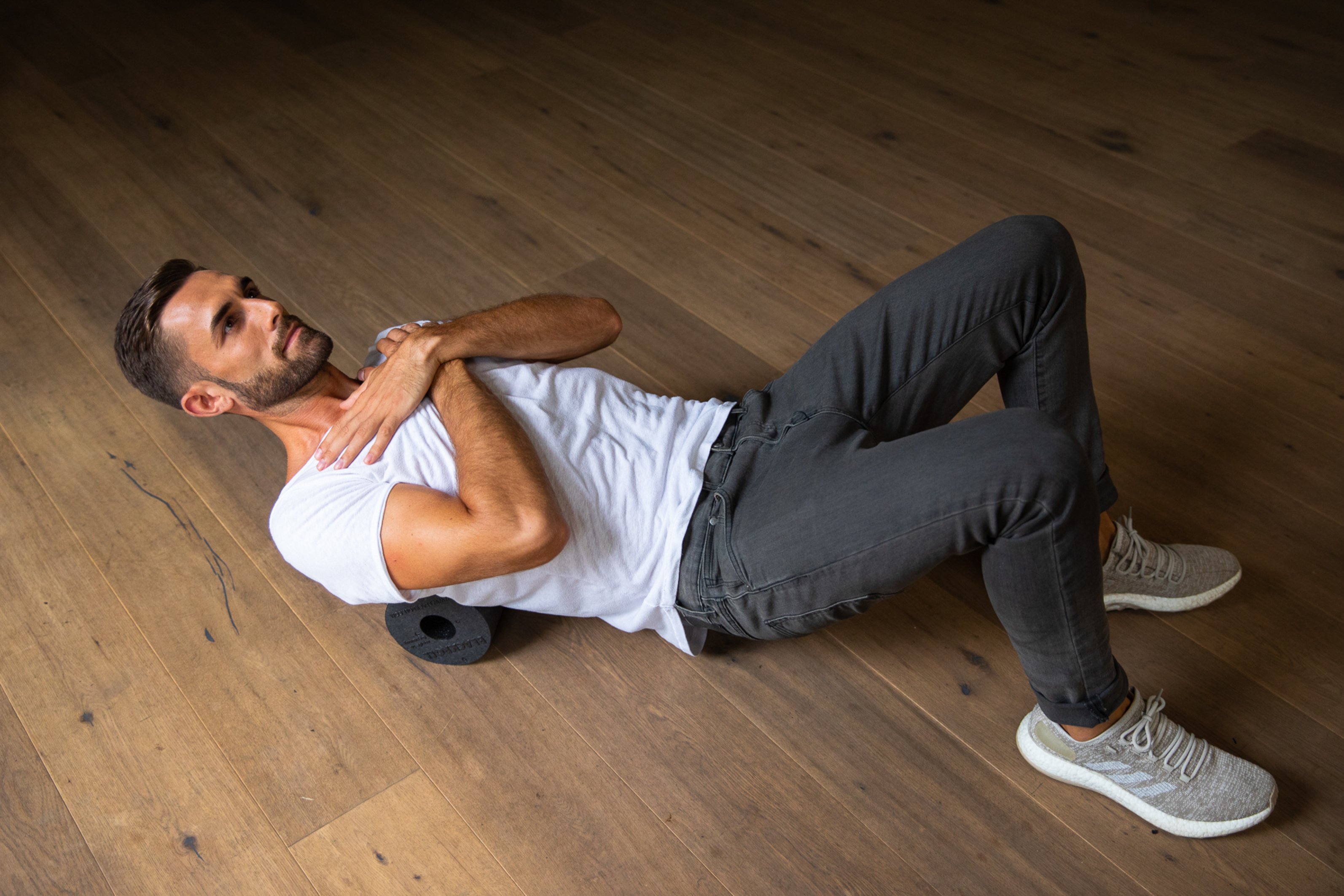
Healthy fascia, healthy back: the role of fascia in back pain

It surrounds the muscles and spine and helps transmit force. Lack of movement, prolonged sitting, repetitive strain and stress can reduce its ability to glide smoothly and maybe linked to non-specific back pain . To maintain healthy fascia we recommendregular exercise, stretching and foam roller exercises for the back.
Key points at a glance
- Fascia are connective tissue sheaths and structures that surround the muscles, organs, nerves and blood vessels.
- The thoracolumbar fascia forms the largest continuous fascia in the back.
- In people with chronic back pain the thoracolumbar fascia shows a measurably reduced ability to glide and pain can lead to compensatory postures that in turn can exacerbate the discomfort.
- A lack of movement, stress and repetitive strain can contribute to the back’s fasciae losing their elasticity and gliding ability.
- Use a foam roller for myofascial self-massage, practise targeted stretching and maintain regular exercise to help improve mobility and relieve symptoms.
- If you experience persistent, radiating or neurological symptoms, seek medical advice.
Medical note: This item is for general information purposes only and isn't a substitute for a medical diagnosis or individual treatment. If you experience initial symptoms, your GP is the right first point of contact. In the case of persistent or radiating pain, it's also advisable to consult an orthopaedic or neurological specialist.

What are the fascia in the back?
Fascias is a thin yet strong and elastic network of connective tissue that runs through and links the back muscles, the spine and surrounding structures . It mainly contains collagen fibres, elastin, proteoglycans and a high proportion of water.
A key structure is the three-layered thoracolumbar fascia. It extends from the neck, across the back, to the pelvis and connects the back and abdominal muscles to the glutes and legs. As a multi-layered structure, it transmits forces between the upper and lower body and contributes to stability of the trunk and spine (Willard et al., 2012).
They’re more than passive sheaths: the outer layers of the thoracolumbar fascia contain numerous pain-conducting nerve fibres, as shown by a histological study by Tesarz et al. (2011) using an animal model and, additionally, human tissue. Consequently, researchers regard fasciae as one of the body’s largest sensory organs.
Fascia can actively contract via so-called myofibroblasts, and if you're under chronic stress or load your back incorrectly over time these cells can maintain increased basal tension and stiffen the tissue.
Between the layers, hyaluronic acid keeps everything sliding smoothly, but dehydration, lack of movement or inflammation can thicken it, reduce glide and activate nociceptors . Healthy fascia is flexible, well hydrated and glides easily.


Why do the fasciae in the back lose their elasticity?
The fascie in your back can lose their elasticity if the balance between strain and recovery is disrupted over a prolonged period. The most common contributing factors include:
- Lack of movement and prolonged sitting: Unbalanced body postures prevent adequate fluid exchange between the fascial layers — the fascia loses its ability to glide smoothly.
- Repetitive strain: monotonous movement patterns create tissue stress in the myofascial system and can lead to imbalances in tension.
- Shortened hip flexors: prolonged sitting can contribute to the hip flexors (iliopsoas muscle) and their fascia becoming shortened. The resulting tensile stress is transmitted via the thoracolumbar fascia to the lower back, where it can contribute to discomfort.
- Stress and psychological strain: chronic stress can contribute to fascial tension becoming permanently entrenched in the body.
- Poorsleep can reduce fascial elasticity.
- Inadequate fluid intake: Fasciae contain a high proportion of water — drinking enough fluids supports their elasticity.
- Injuries and scar tissue: following injuries or operations, scar tissue can restrict the fascia’s ability to glide.
‘Fascia literally absorbs all forms of stressors. Most people often think exclusively of physical strain and are surprised when physical exertion alone doesn’t yield the desired results. Fascia exercises should always be complemented by other measures, such as lifestyle adjustments.’
Dr rer nat Torsten Pfitzer, holistic pain expert and back specialist



What role does fascia play in back pain?
Changes in the back’s fascia are increasingly being discussed as a possible factor in non-specific back pain. When fascia becomes stuck or matted and loses its ability to glide, imbalances in tension can arise, impairing the interaction between muscles, nerves and joints. This can trigger or exacerbate back pain.
An ultrasound study by Langevin et al. (2011) shows that, in people with chronic back pain, the thoracolumbar fascia exhibits around 20% reduction in glide ability compared with pain-free control subjects. In affected people the fascial layers no longer move freely against one another. Whether this reduced mobility contributes to the pain or, conversely, arises as a result of altered movement patterns hasn't yet been conclusively established scientifically.
One thing is clear: there's a close link between fascial health and the experience of pain.
‘Experimental studies by Vogel et al. (2022) on humans demonstrate very impressively that fascia itself can be a significant source of pain: when the thoracolumbar fascia was specifically stimulated, stronger and longer-lasting pain, as well as larger areas of pain spread, were measured than with comparable stimulation of the back muscles. Fascia should therefore always be taken into account in cases of non-specific back pain.”
Dr rer nat Torsten Pfitzer, holistic pain expert and back specialist

When the hyaluronic acid between the fascial layers becomes more viscous — for example, because of a lack of movement or inflammatory processes — the layers lose their ability to glide smoothly. The densely distributed nociceptors in the thoracolumbar fascia register the increased mechanical pressure and send pain signals. In this way, fascial changes can contribute to a self-perpetuating cycle:
- Pain leads to compensatory posture and compensatory posture exacerbates adhesions.
When pain originates from both the fascia and the muscles, it's referred to as myofascial pain syndrome. Fascia can transmit tension throughout the entire body along so-called myofascial pathways. For example, stiffness in the hip area can contribute to back pain. In his Anatomy Trains model, Myers (2020) describes these pathways as interconnected chains of muscles and fascia that transmit forces across multiple joints.


What do fascial back problems feel like?
Fascial back pain often feels dull, pulling and widespread — so it’s distinct from acute injuries or nerve pain.
Typical symptoms:
- Widespread pulling sensation: the pain spreads over a large area, e.g. from the lower back to the hips or between the shoulder blades.
- Stiffness or back pain after sleeping: your back feels particularly stiff and immobile upon waking – the symptoms improve with movement.
- Pain at the limits of movement: movements feel restricted and are particularly painful at the end of mobility.
- Improvement with gentle movement: Unlike acute injuries, fascial discomfort tends to improve rather than worsen with gentle movement.
- Pressure-sensitive areas: you'll feel painful areas of tension at certain points in the myofascial tissue, known as trigger points.
Trya simple self-test: lie on your back and slowly pull one knee towards your chest. If you feel a pulling, widespread sensation of tension in your lower back or glutes that improves slightly with repeated movement, fascial tension could be the cause.
But please note: this test isn’t a substitute for a medical diagnosis.


Back pain caused by adhesions in the fascia or a herniated disc — how do you tell the difference?
Fascial back pain and a herniated disc can cause similar symptoms but differ in the nature of the pain, its radiation and accompanying symptoms.
Fascial back pain typically feels diffuse and widespread — it responds positively to movement and occurs without any neurological warning signs. A herniated disc, on the other hand, presents a distinctly different pattern — the pain is sharper, often clearly localised and may be accompanied by neurological symptoms.
Characteristic | Fascial back pain | Herniated disc |
|---|---|---|
Nature of pain | dull, pulling, widespread | Stabbing, sharp, often localised |
Radiation | along myofascial pathways over a wide area | often down the leg (sciatica) and clearly localised |
Response to movement | improves with gentle movement | Certain movements can make it worse. |
Neurological symptoms | rarely numbness, no paralysis | Possible: tingling, numbness and muscle weakness |
Morning stiffness | typical, improves after a few minutes | less typical |
Tenderness | You may also feel tenderness in the muscles. | Pain tends to occur when the spine is under strain. |
If you notice neurological symptoms such as numbness, tingling in the legs, paralysis or muscle weakness, consult an orthopaedic or neurological specialist without delay; these signs may indicate a herniated disc or nerve root irritation and require medical assessment.
What helps with adhesions in the back fascia?
The most effective strategy for sticky back fascia is a combination of targeted self-massage, exercise and lifestyle changes. A meta-analysis by Wiewelhove et al. (2019) involving 21 studies shows small positive effects from foam rolling or roller massage: flexibility improved slightly before training whilst perceived muscle soreness was somewhat reduced after training.
‘Fascia training isn’t about mechanically “rolling out” supposedly stuck tissue with as much pressure as possible. What’s crucial is regular and varied stimulation: pressure, traction and movement engage the myofascial tissue as well as the nervous system. It’s precisely this combination that makes fascia training so valuable to me.’
Dr rer nat Torsten Pfitzer, holistic pain expert and back specialist
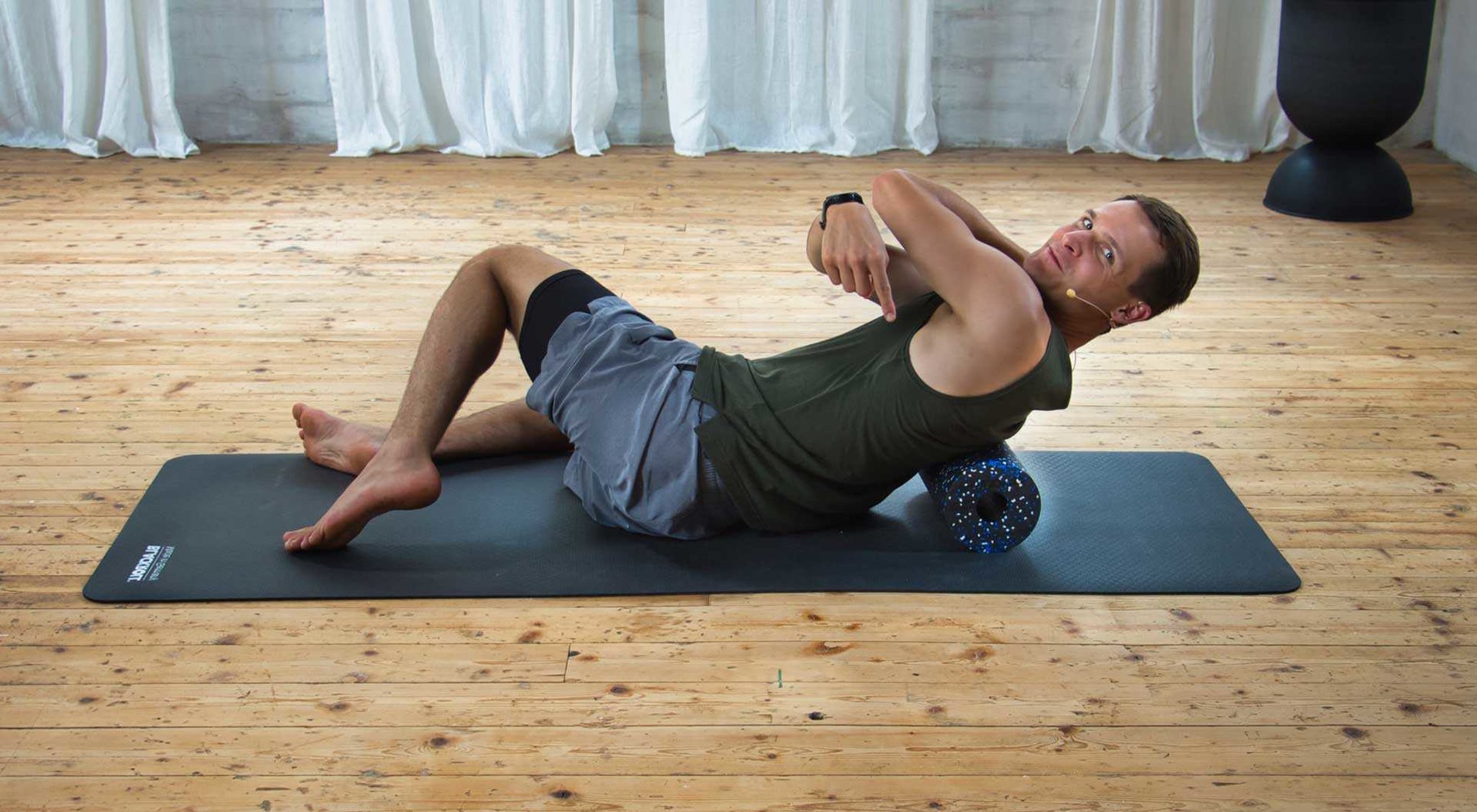
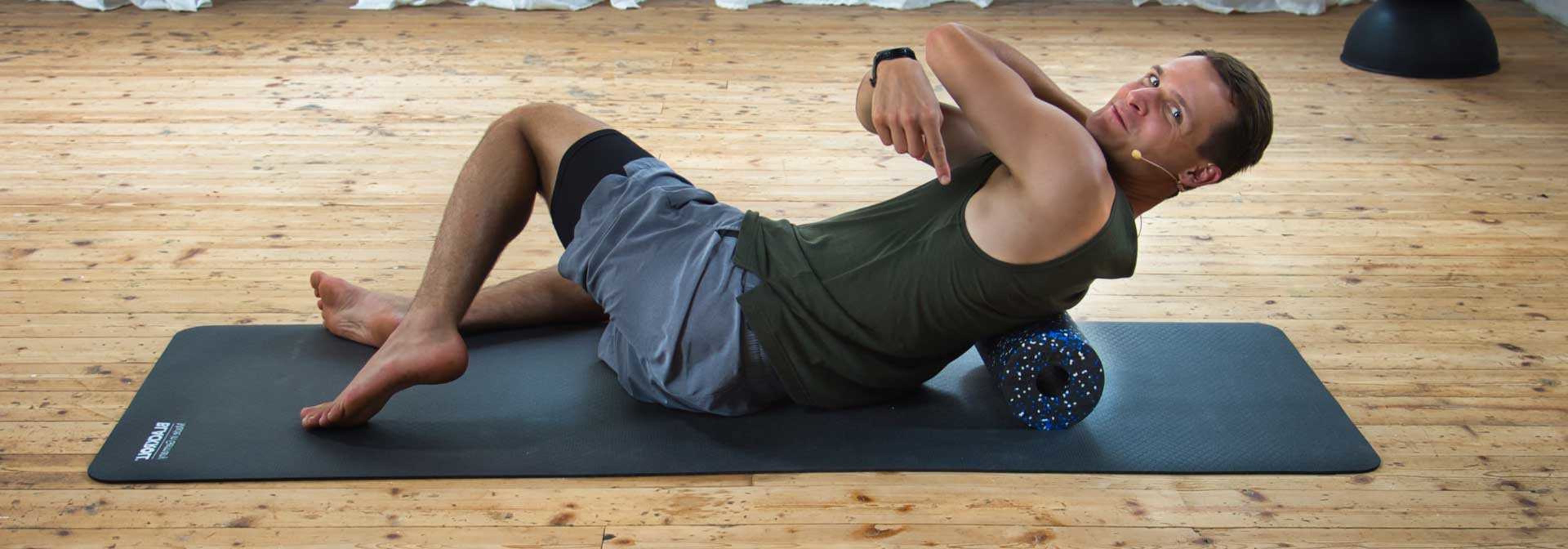
Myofascial self-massage with a foam roller
Myofascial self-massage with a foam roller is one of the most thoroughly researched methods for improving mobility in the back, releasing muscle tension and alleviating discomfort. Imagine fascia as a sponge: as you roll over it, it's squeezed out and then refills with fresh, nutrient-rich fluid.
Whether foam rolling actually releases adhesions in the tissue hasn't yet been conclusively proven scientifically. Behm et al. (2020) report that foam rolling can acutely increase mobility without negatively affecting muscle strength, and it’s likely that rolling activates mechanoreceptors (pressure-sensitive sensory cells in the fascia) and thereby regulates the nervous system.
Here’s how to use the foam roller on your back:
- Roll slowly and in a controlled manner — rolling too quickly reduces the effect.
- Breathe consciously and deeply — exhaling for longer activates the parasympathetic nervous system and promotes relaxation.
- Start with light pressure and increase it as required.
- Hold the roller on areas of particular tension for 20–60 s.
- Use the foam roller regularly — ideally 2–3 times a week.
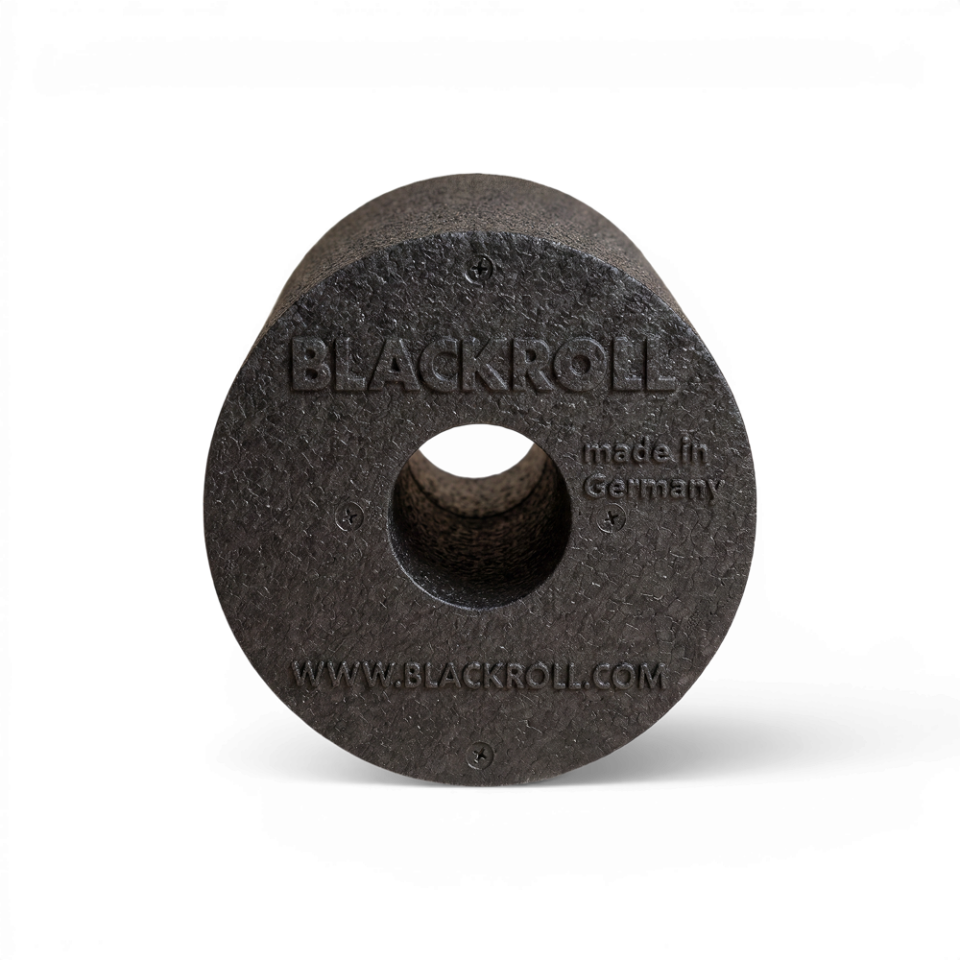
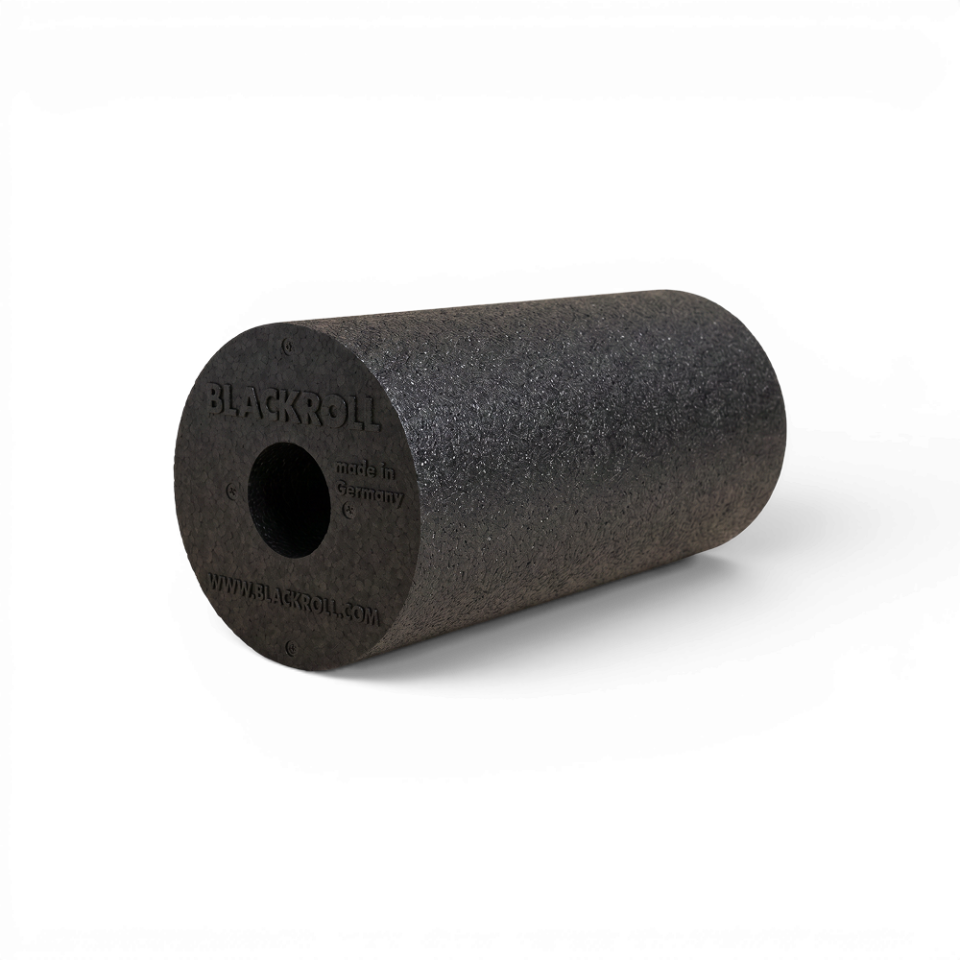
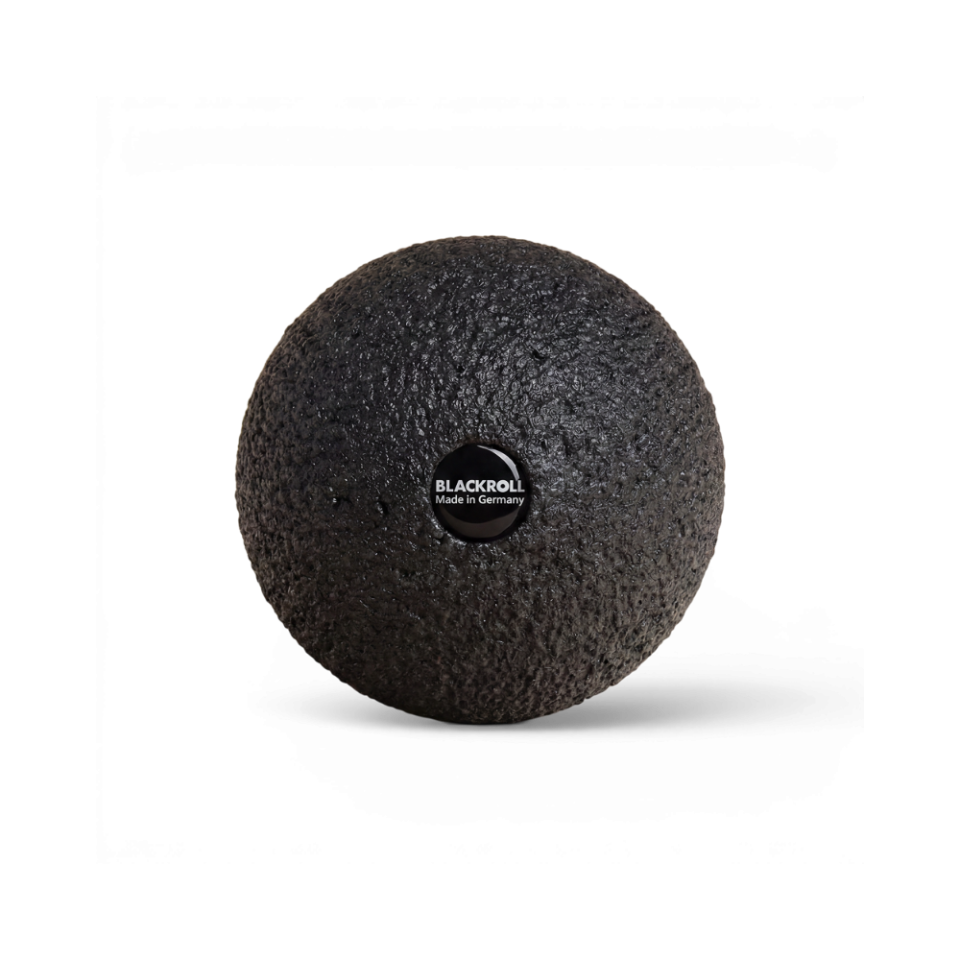
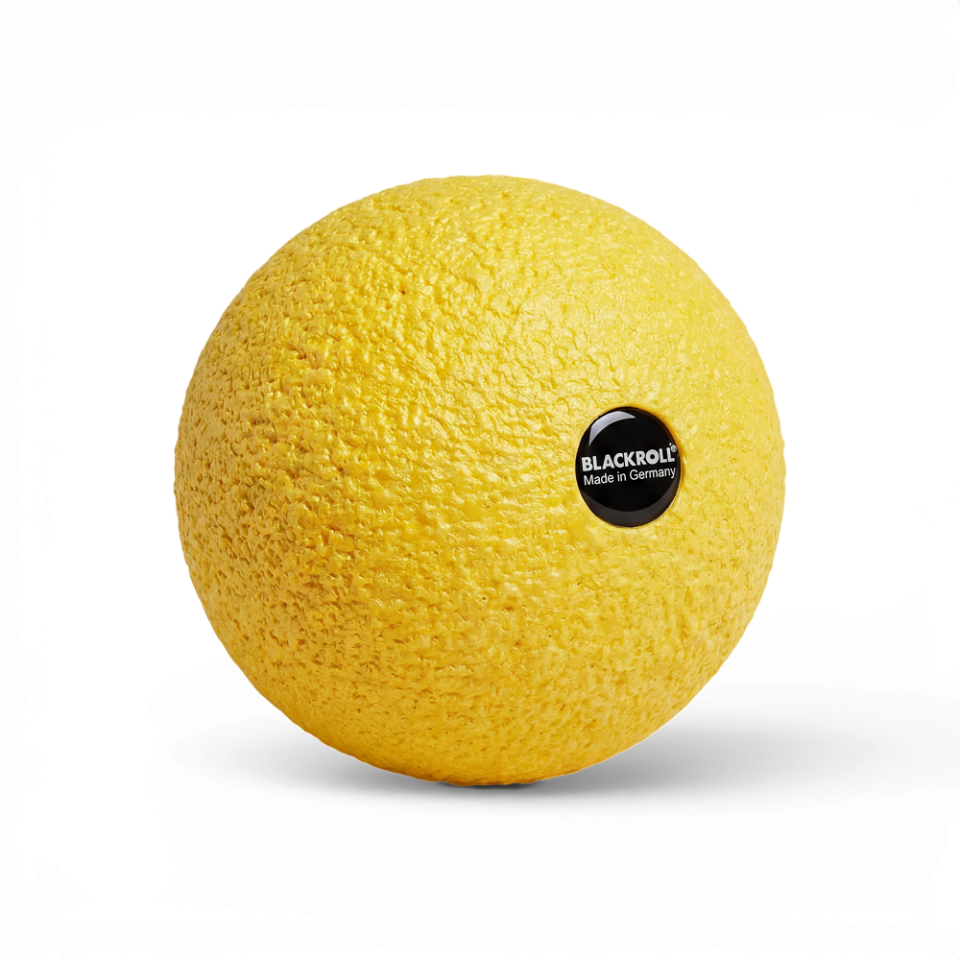
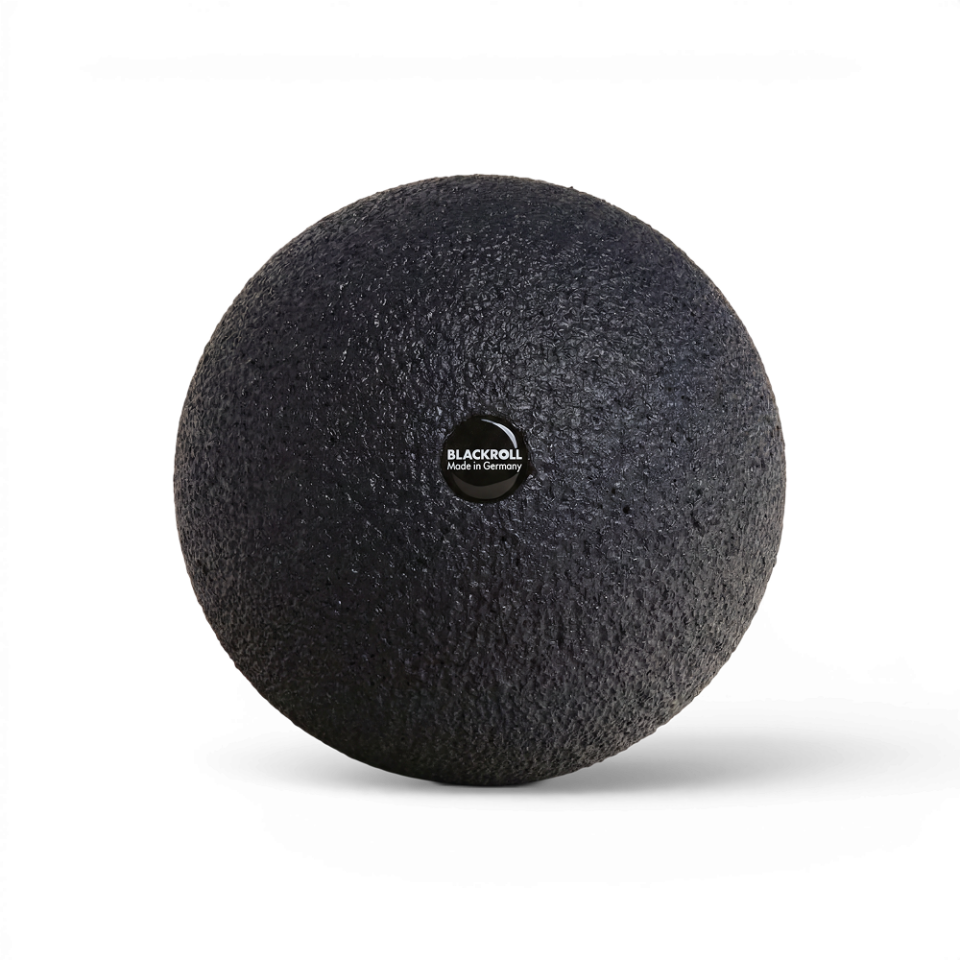
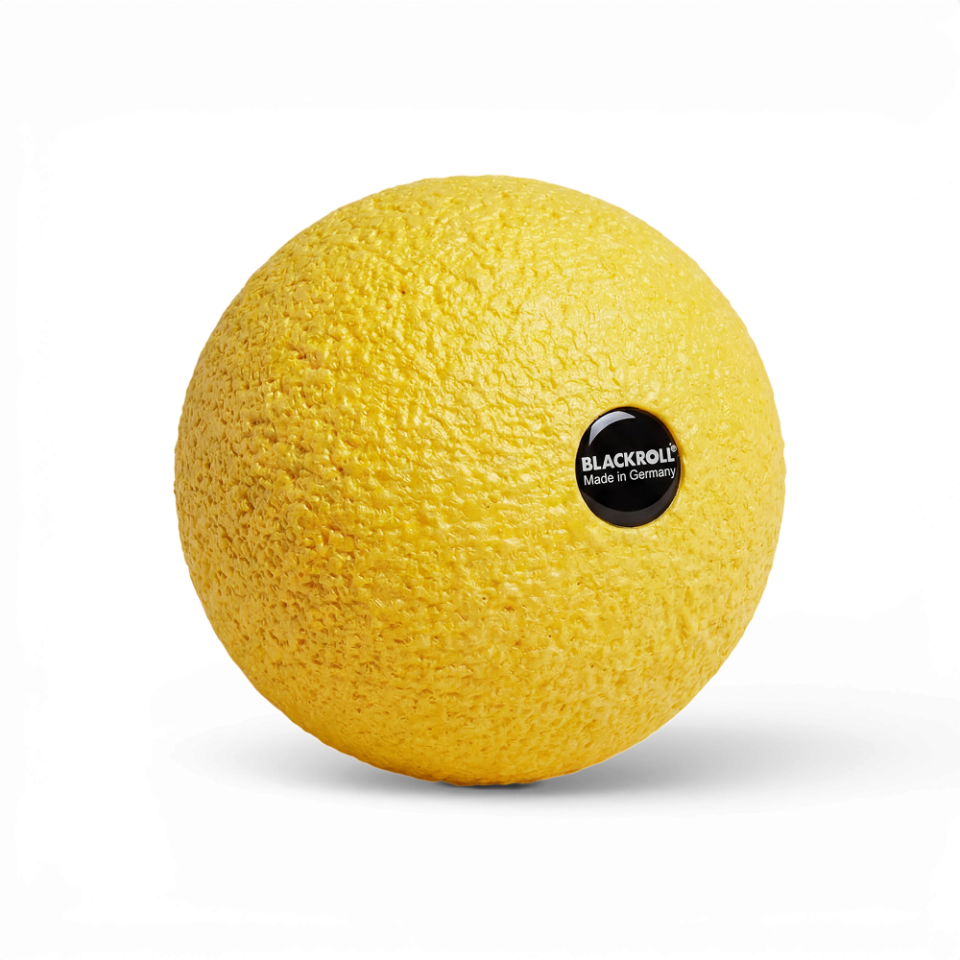
A tool such as the BLACKROLL STANDARD is particularly well suited to large-area self-massage of the back. For more targeted work on individual trigger points, a fascia ball such as the BALL 08 can be helpful – or the BALL 12 for a slightly larger-area and less intense treatment of the pain points.
Targeted stretching and mobilisation
In addition to self-massage, stretching exercises help to keep the back’s fascia supple:
- Hold stretches for 60–90 s to lengthen myofascial tissue and encourage long-term adaptive processes in the connective tissue.
- Dynamic mobilisation of the spine: rotation and lateral flexion exercises that engage the thoracolumbar fascia in various directions.
Yin Yoga is also well suited to targeting the fascia in the back: the poses are held for a long time (3–5 min), thereby reaching the deeper layers of tissue. Poses such as the Sphinx, the Butterfly or the Caterpillar specifically perform fascia stretching along the spine. Just 15–20 min a week can make a noticeable difference.

If you'd like to do something active for your fascia and back, we're here to help.
Our routine also guides you through myofascial self-massage for your back.Lifestyle changes
The motto ‘use it or lose it’ applies to the fascia in your back just as much as it does to the rest of your body: the tissue needs regular, varied exercise to stay healthy. An active and healthy lifestyle plays a key role in maintaining the elasticity of your fascia and can therefore help prevent problems such as back pain.
Here’s what you can do to keep the fascia in your back healthy:
- Take regular movement breaks if your job involves sitting or repeated postures.
- Stay well-hydrated: drink at least 1.5–2 l of water every day.
- Manage stress and prioritisegood sleep to support fascia recovery.
- Fascia-friendly diet: Fascia consists mainly of collagen. Your body needs vitamin C and sufficient protein to build this structural protein. Collagen synthesis (i.e. the body’s own production of new collagen) benefits from a varied diet rich in vegetables, fruit and protein.
In the office, long periods of sitting can reduce the elasticity of the back fascia.
Stand up briefly every 30–60 min, move your spine in all directions and perform stretching for your hip flexors.
Just 2 min of movement can improve blood flow to the fascia.

Frequently asked questions about fascia and back pain
Combine myofascial self-massage with a foam roller, targeted stretching and regular exercise. Roll slowly and in a controlled manner over the affected areas, linger on areas of tension, breathe evenly and perform the exercises 2–3 times a week. Lifestyle changes such as reducing stress and getting enough sleep can also help.
You'll often feel the first improvements after just a few applications — mobility increases and stiffness subsides. However, for a sustainable change in the fascial structure, exercise regularly for several weeks. A meta-analysis by Konrad et al. (2022) shows that regular foam rolling over several weeks can improve range of motion, with interventions lasting more than four weeks producing greater effects than shorter programmes.
Yes, heat can help because it improves blood circulation in the tissues and helps to promote relaxation of the muscles. Heat also promotes collagen remodelling. Place a hot water bottle on your lower back for 15–20 min to prepare the fasciae for subsequent self-massage or stretching exercises and enhance the effectiveness of the exercises.
Both forms of training complement each other. Fascia training (self-massage and stretching) improves glide and elasticity, while strength training builds muscle and stabilises the spine. Start with fascia training to release adhesions then add strengthening exercises for long-term stability.
Yes, stuck fascia can contribute to local inflammatory reactions. Research into the fascia suggests that, when under overload or subjected to microtrauma, fascial tissue can release pro-inflammatory messengers (cytokines). These local inflammatory reactions increase the pain sensitivity of the nociceptors in the fascia — often referred to as ‘silent inflammation’ because they don’t cause classic signs such as redness or swelling, but can contribute to chronic symptoms. Corey et al. (2012) demonstrated, using an animal model and human tissue samples, that such inflammatory processes in the connective tissue of the lower back measurably increase mechanical sensitivity – and that targeted stretching was able to reduce the inflammatory response. Whether these findings can be directly applied to humans hasn't yet been conclusively established. We know regular exercise and myofascial self-massage can help you manage these processes.
Both approaches can be beneficial for fascial back pain and aren't mutually exclusive. Physiotherapy offers targeted exercise guidance and manual techniques such as myofascial release, which is particularly helpful if you need a personalised exercise programme. Osteopathy takes a more holistic view of the body and can be beneficial if your symptoms are linked to problems in other areas. In practice, many people benefit from a combination of both approaches.
The BLACKROLL STANDARDis well suited for large-area self-massage of the back . For targeted work on trigger points, we recommend the BALL 08 — for larger areas and less intensive treatment, the BALL 12. The BLACKROLL MAT provides a non-slip surface for your exercises. Start with the roller for the large-area self-massage and then work specifically with the ball.
Read more






Sources
Behm, D. G., Alizadeh, S., Hadjizadeh Anvar, S., Mahmoud, M. M. I., Ramsay, E., Hanlon, C. and Cheatham, S. (2020). Foam rolling prescription: A clinical commentary. Journal of Strength and Conditioning Research, 34(11), 3301–3308. https://doi.org/10.1519/JSC.0000000000003765
Corey, S. M., Vizzard, M. A., Bouffard, N. A., Badger, G. J. and Langevin, H. M. (2012). Stretching of the back improves gait, mechanical sensitivity and connective tissue inflammation in a rodent model. PLoS ONE, 7(1), e29831. https://doi.org/10.1371/journal.pone.0029831
Konrad, A., Nakamura, M., Tilp, M., Donti, O. and Behm, D. G. (2022). Effects of foam rolling training on range of motion: A systematic review and meta-analysis. Sports Medicine, 52(10), 2523–2535. https://doi.org/10.1007/s40279-022-01699-8
Langevin, H. M., Fox, J. R., Koptiuch, C., Badger, G. J., Greenan-Naumann, A. C., Bouffard, N. A., Konofagou, E. E., Lee, W.-N., Triano, J. J. and Henry, S. M. (2011). Reduced thoracolumbar fascia shear strain in human chronic low back pain. BMC Musculoskeletal Disorders, 12, 203. https://doi.org/10.1186/1471-2474-12-203
Myers, T. W. (2020). Anatomy Trains: Myofascial Meridians for Manual Therapists and Movement Professionals (4th ed.). Elsevier.
Tesarz, J., Hoheisel, U., Wiedenhöfer, B. and Mense, S. (2011). Sensory innervation of the thoracolumbar fascia in rats and humans. Neuroscience, 194, 302–308. https://doi.org/10.1016/j.neuroscience.2011.07.066
Vogel, C., Hoheisel, U., Frank, C., Mense, S. and Treede, R.-D. (2022). Dose-dependent pain and pain radiation following chemical stimulation of the thoracolumbar fascia and multifidus muscle: A single-blinded, cross-over study revealing a greater impact of fascia stimulation. Life, 12(3), 385. https://doi.org/10.3390/life12030340
Wiewelhove, T., Döweling, A., Schneider, C., Hottenrott, L., Meyer, T., Kellmann, M., Pfeiffer, M. and Ferrauti, A. (2019). A meta-analysis of the effects of foam rolling on performance and recovery. Frontiers in Physiology, 10, 376. https://doi.org/10.3389/fphys.2019.00376
Willard, F. H., Vleeming, A., Schuenke, M. D., Danneels, L. and Schleip, R. (2012). The thoracolumbar fascia: Anatomy, function and clinical considerations. Journal of Anatomy, 221(6), 507–536. https://doi.org/10.1111/j.1469-7580.2012.01511.x