
Lower back pain is one of the most common complaints in Germany—whether caused by prolonged sitting, improper movements, or weak muscles. It often starts with a mild ache that intensifies over time and limits your mobility. But you have the power to take control: You can actively do something about it!
In this article, you’ll learn why you shouldn’t ignore back pain, what the common causes are, and which targeted exercises you can use to effectively prevent lower back pain. In addition to simple exercises for everyday life, we’ll show you stretching exercises for relaxation and strengthening exercises for stabilization.
Do you often suffer from lower back pain and are looking for a simple solution?
Get started right now with our Master Trainer Stefan—he’s got a simple 8-minute routine with 2 effective exercises just for you. Get moving and fight back against pain.


Lower Back Pain: Identifying and Understanding the Causes
Lower back pain has many possible causes—ranging from everyday habits to structural problems with the spine. In fact, it’s very common, as confirmed by a 2021 study by the RKI: 61.3% of adults in Germany experience back pain within a year, with lower back pain occurring twice as often as upper back pain. Interestingly, there are gender-specific differences: 66.0% of women are affected, while the rate among men is 56.4%. To remain symptom-free in the long term, it is therefore important to understand the triggers precisely and address them specifically.
Common causes of lower back pain:
Lack of exercise and poor posture
Many people spend most of their day sitting—whether at the office, in the car, or on the sofa. Poor sitting posture, limited movement, and a lack of activation of the back muscles lead to improper strain on the spine. The result: tension, stiffness, and lower back pain.
Muscle tension and imbalances
An imbalance between the muscles on the front and back of our body can lead to improper alignment of the spine. Weak core muscles, in particular, place additional strain on the lower back. Tense muscles and shortened fascia exacerbate the problem, so that even simple movements can become painful.
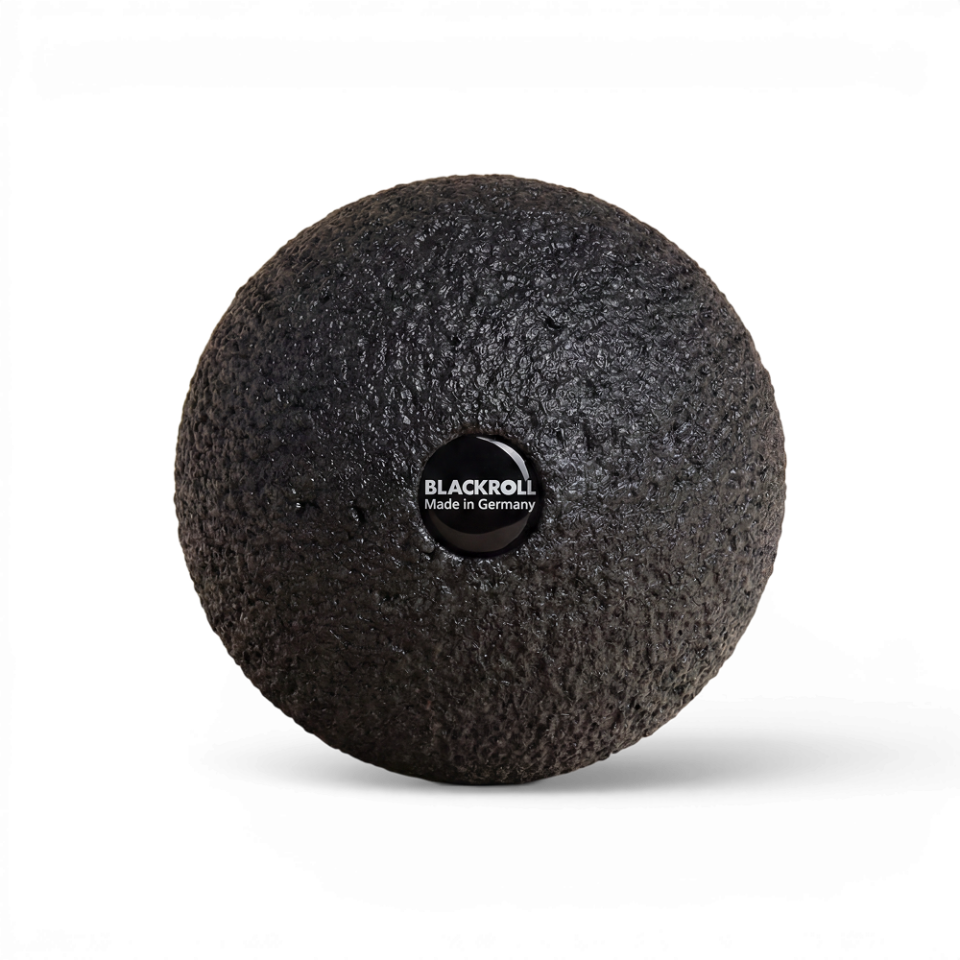

Ball 08
Available in multiple variants

Intervertebral Disc Problems and Nerve Irritation
Intervertebral discs act as shock absorbers between the vertebrae. Incorrect or uneven strain can cause them to wear down or shift out of place. In some cases, a herniated disc or disc protrusion presses on the surrounding nerves, which can cause pain in the lower back as well as radiating discomfort in the legs or buttocks.
The Impact of Stress and Mental Health
Not only physical factors but also psychological stress plays a role. Stress often leads to increased muscle tension, especially in the back and neck. Over time, this can exacerbate tension and pain in the lower back. People who are constantly under pressure also tend to adopt a tense posture, which puts additional strain on the spine.
How to Identify Your Individual Causes
To identify the cause of your back pain, you should carefully analyze your movement patterns and potential risk factors:
- When does the pain occur? After sitting for a long time, in the morning after getting up, or after physical exertion?
- What does the pain feel like? Dull, pulling, stabbing, or radiating?
- Does movement make the pain better or worse?
Keeping a pain diary can help you recognize patterns and take targeted action to address them.
Consequences of Untreated Back Pain
If lower back pain is ignored, it can become chronic and lead to further problems:
- Effects on posture and mobility: People often unconsciously adopt poor posture to avoid pain—but this can lead to additional strain on other structures.
- Reduced quality of life: Back pain can make everyday activities difficult and diminish the enjoyment of physical activity.
When lower back pain can become chronic
Pain is considered chronic if it lasts longer than three months or recurs repeatedly. In this case, it is urgent to identify the causes to prevent the condition from worsening. Medical evaluation is necessary, especially in cases of severe limitations in movement, numbness, or pain that radiates into the legs.
Those who know the causes of their back pain can take targeted action against it. With the right combination of manual therapy and a holistic treatment approach, many symptoms can be alleviated—before they become chronic.
More interesting articles





Lower Back Stretches – Relieve Tension & Reduce Pain
Back pain is often caused by muscular imbalances and increased muscle tension, which contribute to poor posture and place uneven strain on the spine.
Targeted stretching exercises help relieve tension, improve mobility, and provide long-term relief for the lower back. Regular stretching can not only alleviate pain but also serve as a preventive measure by increasing muscle flexibility and counteracting poor posture.
Why Stretching Exercises Help with Back Pain
One of the main causes of lower back pain is muscular imbalances, limited hip mobility, and insufficient core stability. These issues can be exacerbated by prolonged sitting, a lack of physical activity, or repetitive strain.
Stretching exercises counteract these problems by:
- Reducing muscle tone in the spinal region and improving neuromuscular control.
- Stimulating local blood flow and metabolism, thereby supporting recovery.
- Supporting mobility in the hips and hamstrings, as well as recovery.
- Balancing muscle tension between the abdominal and back muscles and promoting muscular balance.
Effective Stretching Exercises for the Lower Back
To specifically relieve the back muscles, you should focus on stretching the hip flexors and hamstrings, as these directly influence the position and stability of the pelvis. Gentle mobilization exercises for the lumbar spine can help release tension, but the focus should be on improving the mobility of the surrounding muscle groups and activating core stability.
Here are a few simple exercises for you:
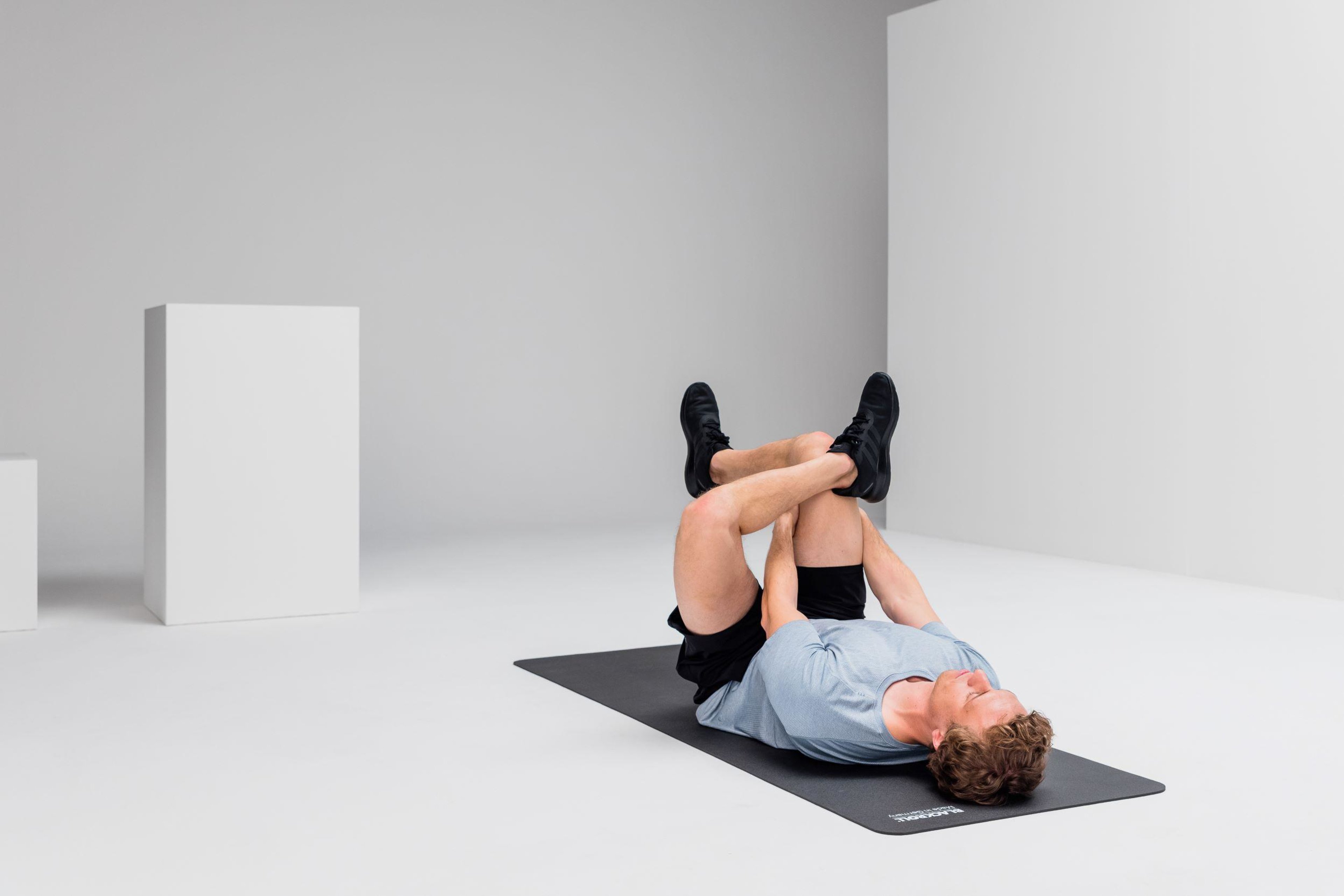
Piriformis Stretch: Start by lying on your back. Bring both legs up. Place one foot on the thigh of the other leg. Grasp the raised leg with both hands. Pull the leg toward you. Hold this position.
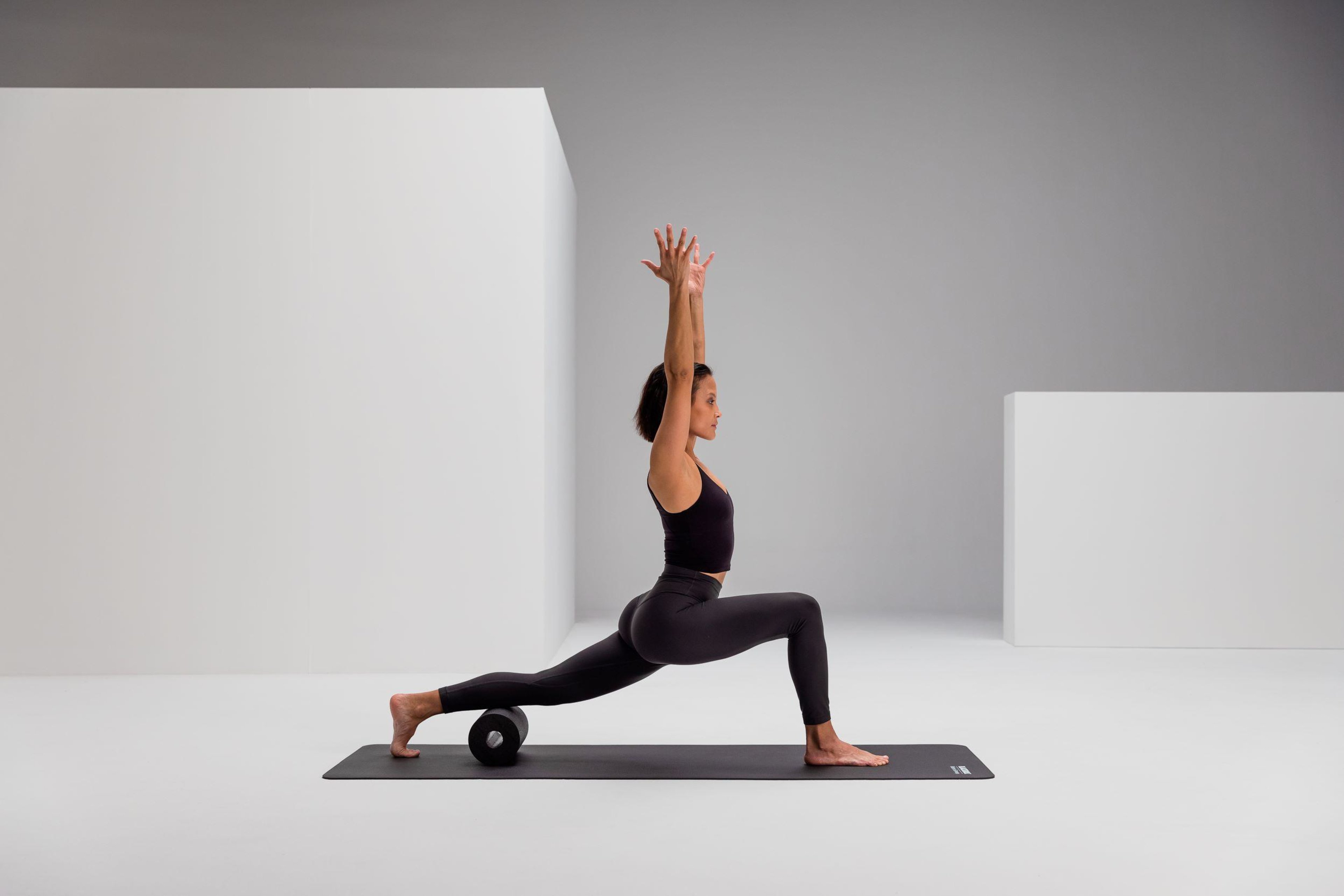
Warrior Pose: Start in a lunge position. Place the FASCIAL ROLLER under your back shin. Extend your hips. Raise your straight arms above your head. Hold this position or deepen the stretch by rolling backward with the FASCIAL ROLLER.
Keep your core stable so you don’t arch your lower back. Your front knee should remain above your ankle throughout the entire exercise.
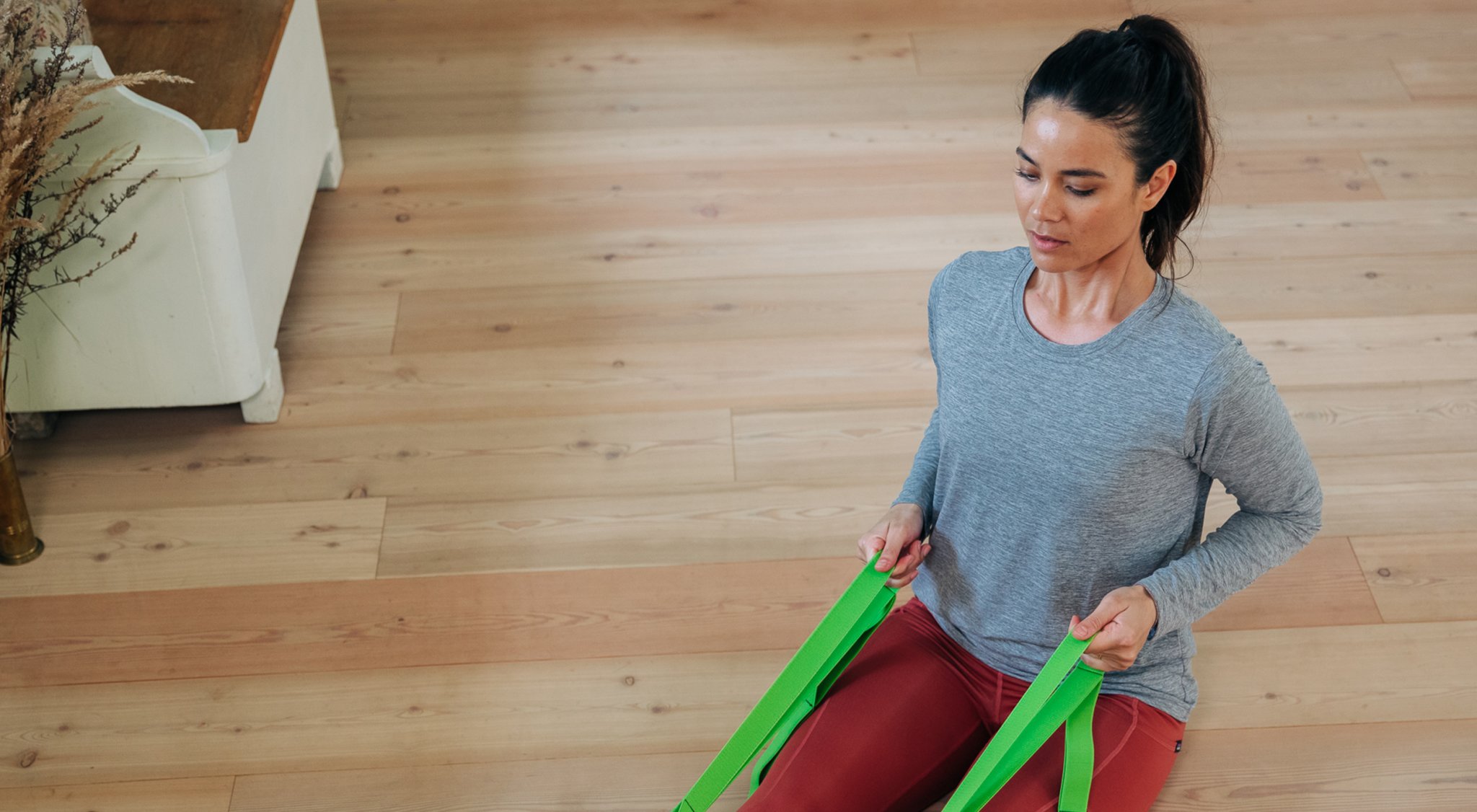
Hamstring Stretch: Start in an upright seated position and loop a SUPER BAND around one foot. Grasp the band with both hands. Slowly lie down on your back. Place both legs on the floor. Actively lift the straight leg with the band as high as possible. Deepen the stretch by pulling the band downward.
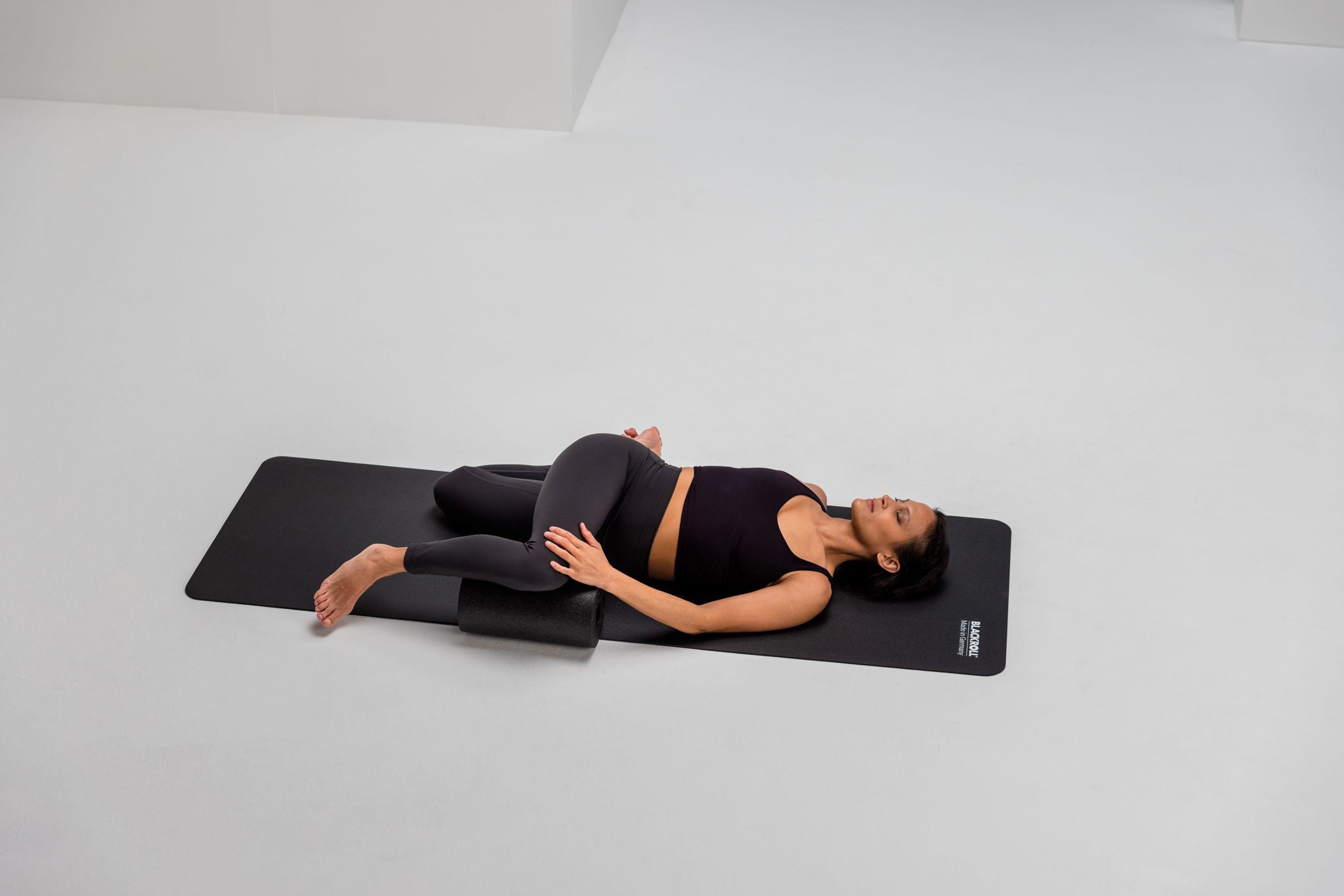
Pretzel: Start in a side-lying position on the floor. Bend the knee of your top leg to 90 degrees. Place the FASCIAL ROLLER against the bent knee to stabilize your pelvis for the following mobilization. Bring your bottom leg into an active hip extension. Grasp the top of your foot to increase the stretch. Try to rest your entire upper back on the floor.
Make sure your upper leg does not leave the FASCIAL ROLLER. Your other leg should remain in full hip extension throughout the entire exercise.
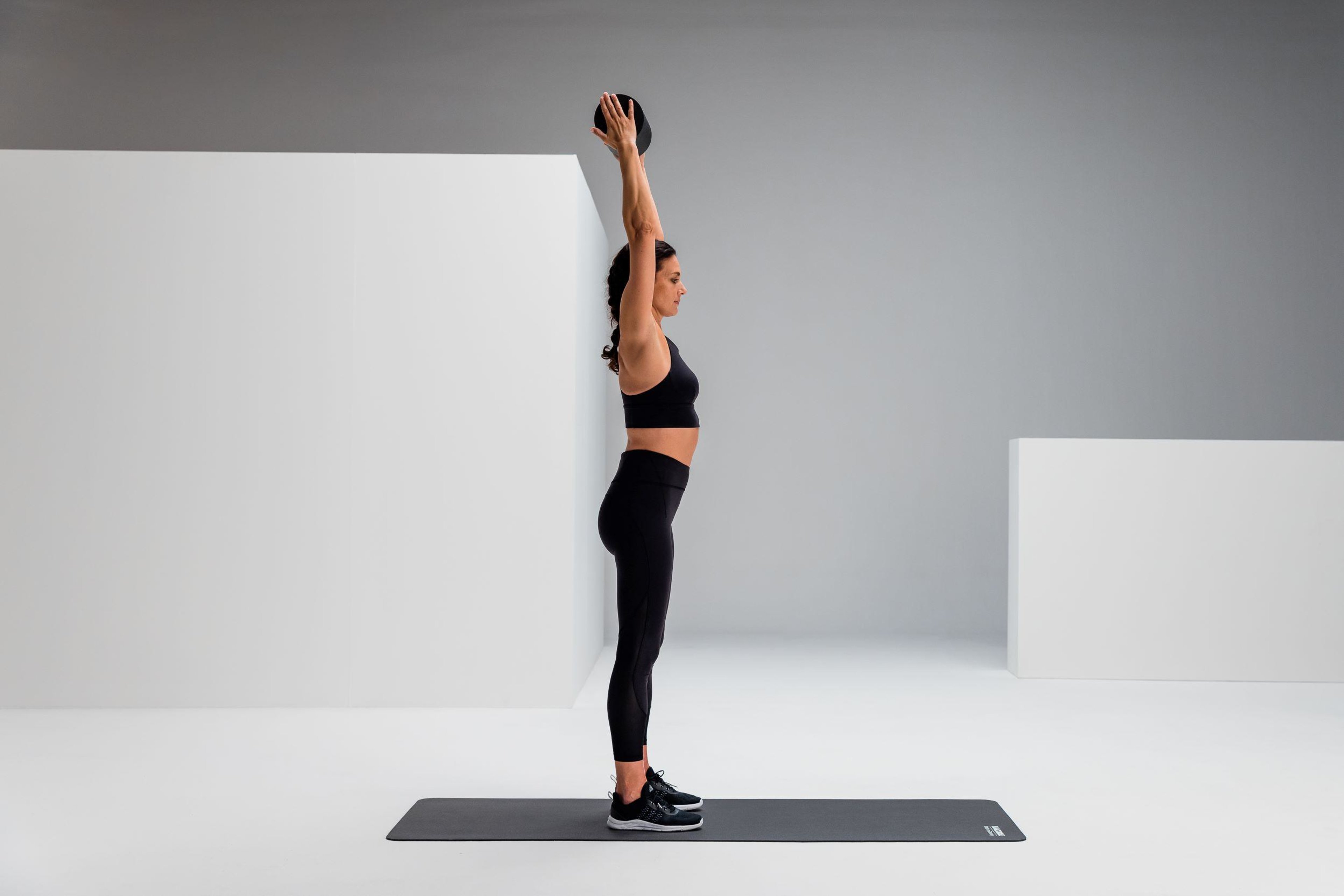
Good Mornings: Start with your feet shoulder-width apart. Keep your knees slightly bent. Hold the FASCIAL ROLLER between your hands, which are stretched overhead. Push your pelvis back. Lean forward with a straight back. Return to the starting position.
Bend your upper body forward until you feel a stretch in the back of your thighs.
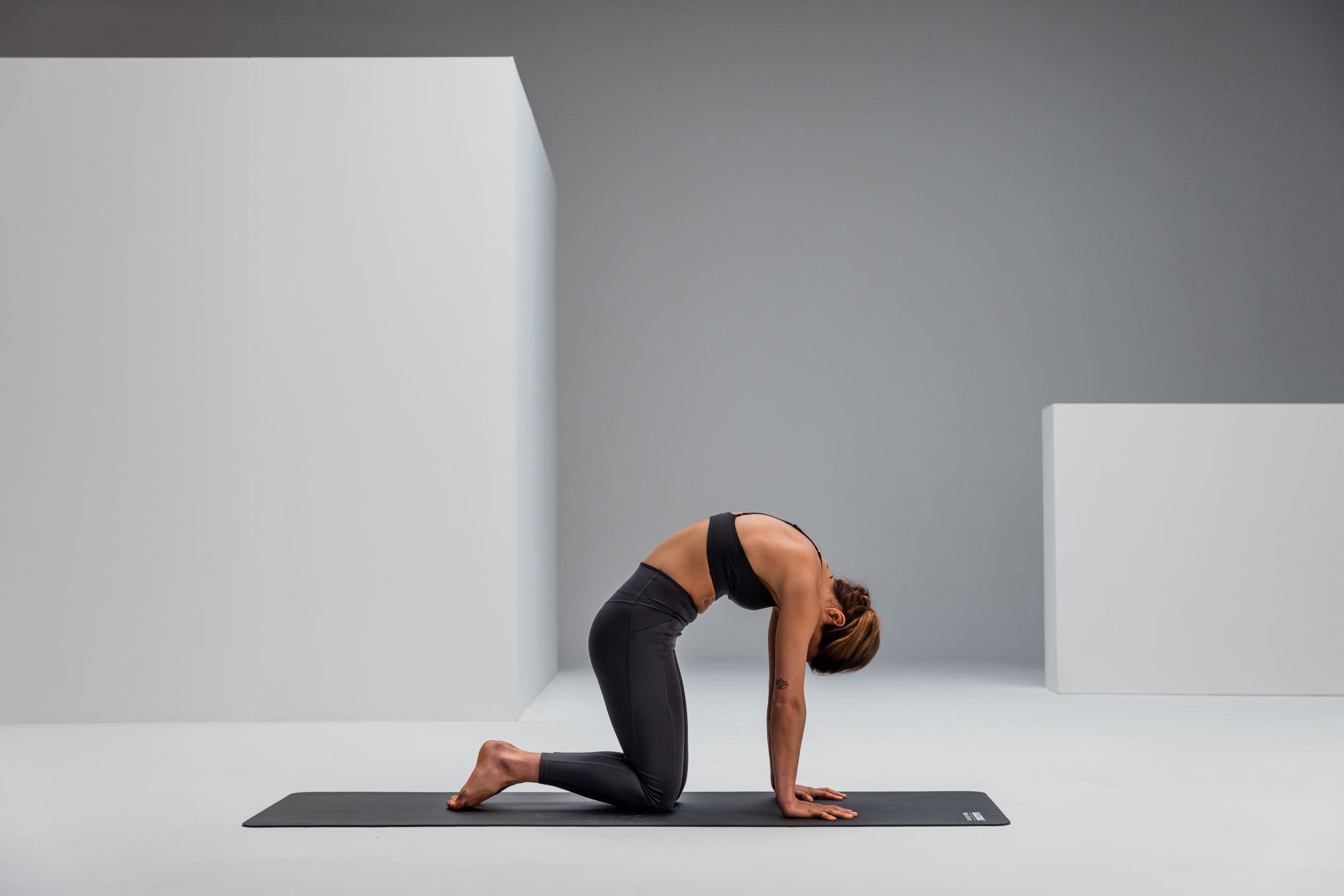
Cat-Cow: Start on all fours with your head in line with your spine. As you exhale, round your back. Pull your navel inward and bring your chin toward your chest. As you inhale, arch your back.
Your hands should be directly under your shoulders. Your hips should be directly above your knees.
Regular stretching exercises like these are a simple and effective way to reduce lower back pain and improve flexibility over the long term. Incorporate these exercises into your daily routine to keep your back healthy and pain-free!

Lower Back Pain: Strengthen Your Back Muscles
A strong back is the best protection against pain! Many cases of back pain are caused by weakened muscles that don’t provide enough support for the spine. Targeted strength training not only helps relieve pain but also prevents it in the long term. It’s especially important to strengthen your entire core, as it promotes good posture and takes pressure off your lower back.
Why Strength Training Is Essential for a Pain-Free Back
The muscles in the lower back play a key role in stabilizing the spine. If they’re too weak, the spine has to bear more of the load, which can lead to tension, poor posture, and pain. Through targeted strength training, you’ll achieve:
- Greater stability: Strong core muscles stabilize the spine and promote a natural, neutral alignment.
- Better posture: Strengthening exercises improve muscular balance and support an upright posture, thereby correcting poor posture.
- Less tension: Strong core and back muscles reduce muscular strain and prevent tension.
- Long-term pain prevention: Targeted strength training improves load distribution and protects the spine from overexertion and recurring pain.
The Best Strengthening Exercises for the Lower Back
Perform each exercise for 45–60 seconds and repeat 2–3 times
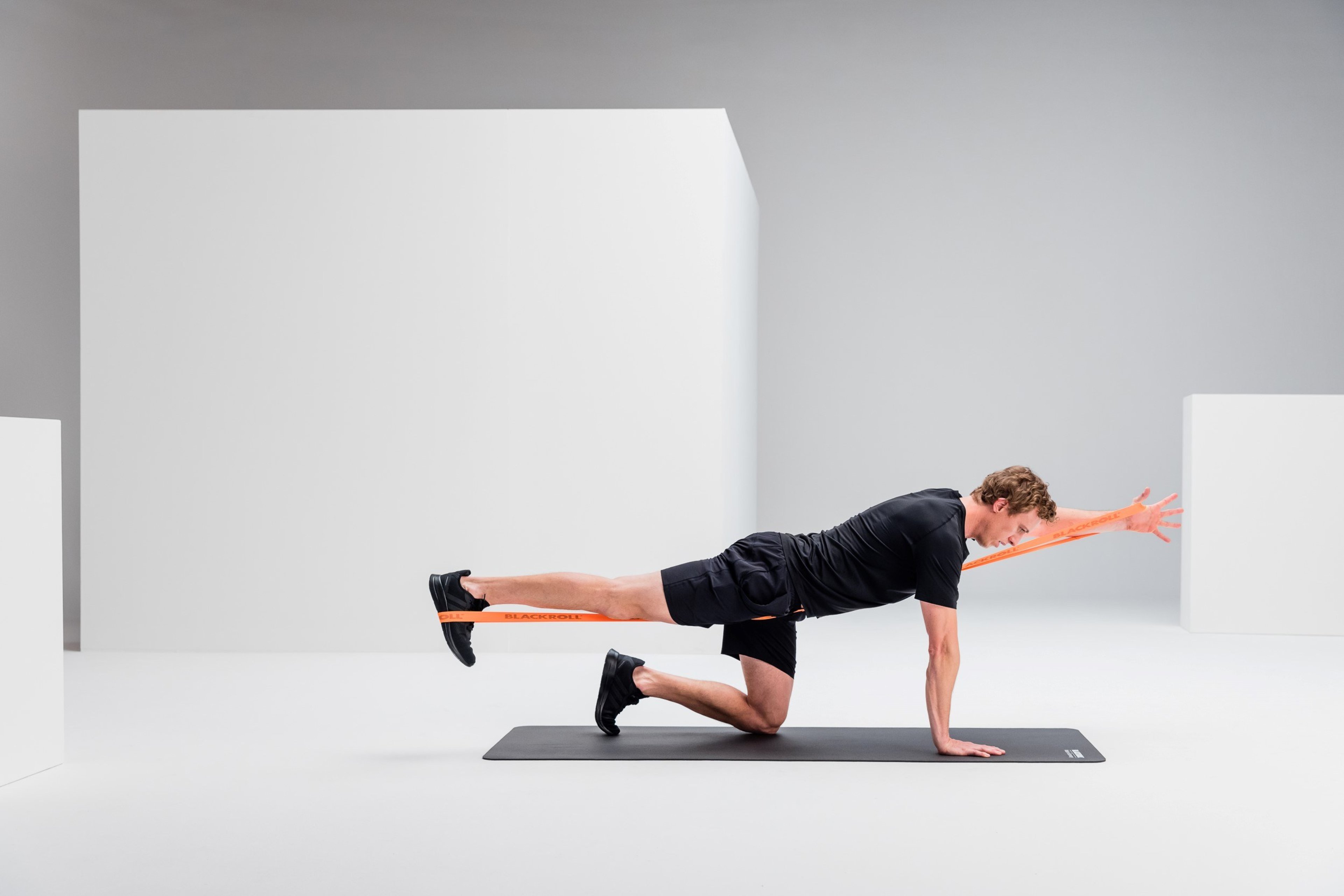
Bird Dog: Start on all fours and wrap the SUPER BAND around your foot. Grasp the other end of the band with your opposite hand. Lift your leg and arm at the same time. Return to the starting position.
In the starting position, your knees should be directly below your hips and your hands directly below your shoulders. Keep your core engaged throughout the exercise and avoid arching your back.
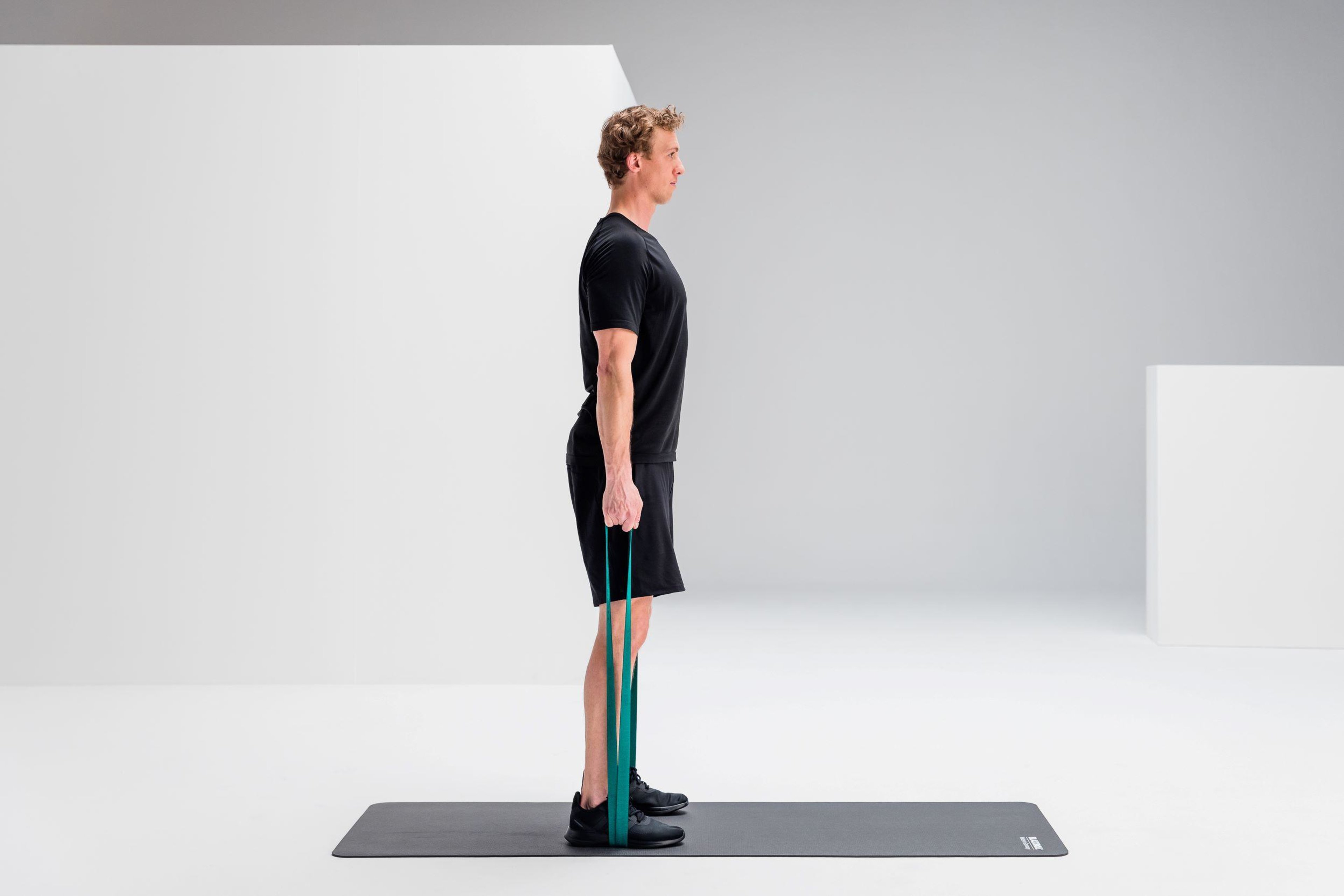
Deadlift: Stand in the center of the SUPER BAND. Bend forward with your back straight. Grasp both ends of the band. Extend your hips and straighten your upper body. Tighten your glutes firmly at the top of the movement. Then return to the starting position.
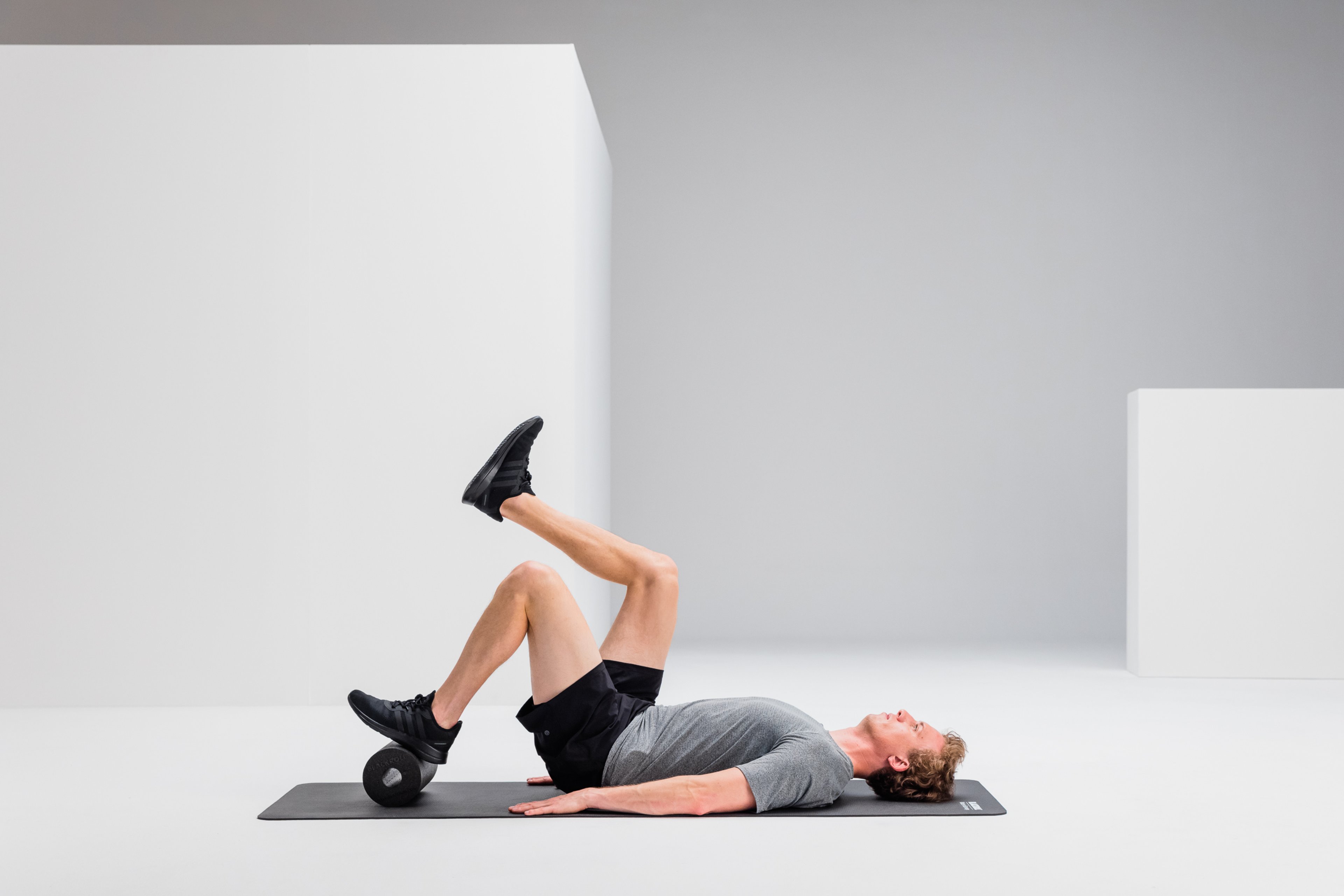
Single-Leg Hip Raise: Start by lying on your back. Place one bent leg on your FASCIAL ROLLER. Keep the other leg bent and suspended in the air. Support yourself with your arms extended at your sides. Lift your pelvis until your upper body and thighs form a straight line. Slowly return to the starting position without letting your pelvis touch the floor.
Make sure your feet, knees, and hips are in a straight line.
A strong core is also important for a healthy back. This helps reduce the strain on your intervertebral discs and protects your lumbar spine from overexertion.
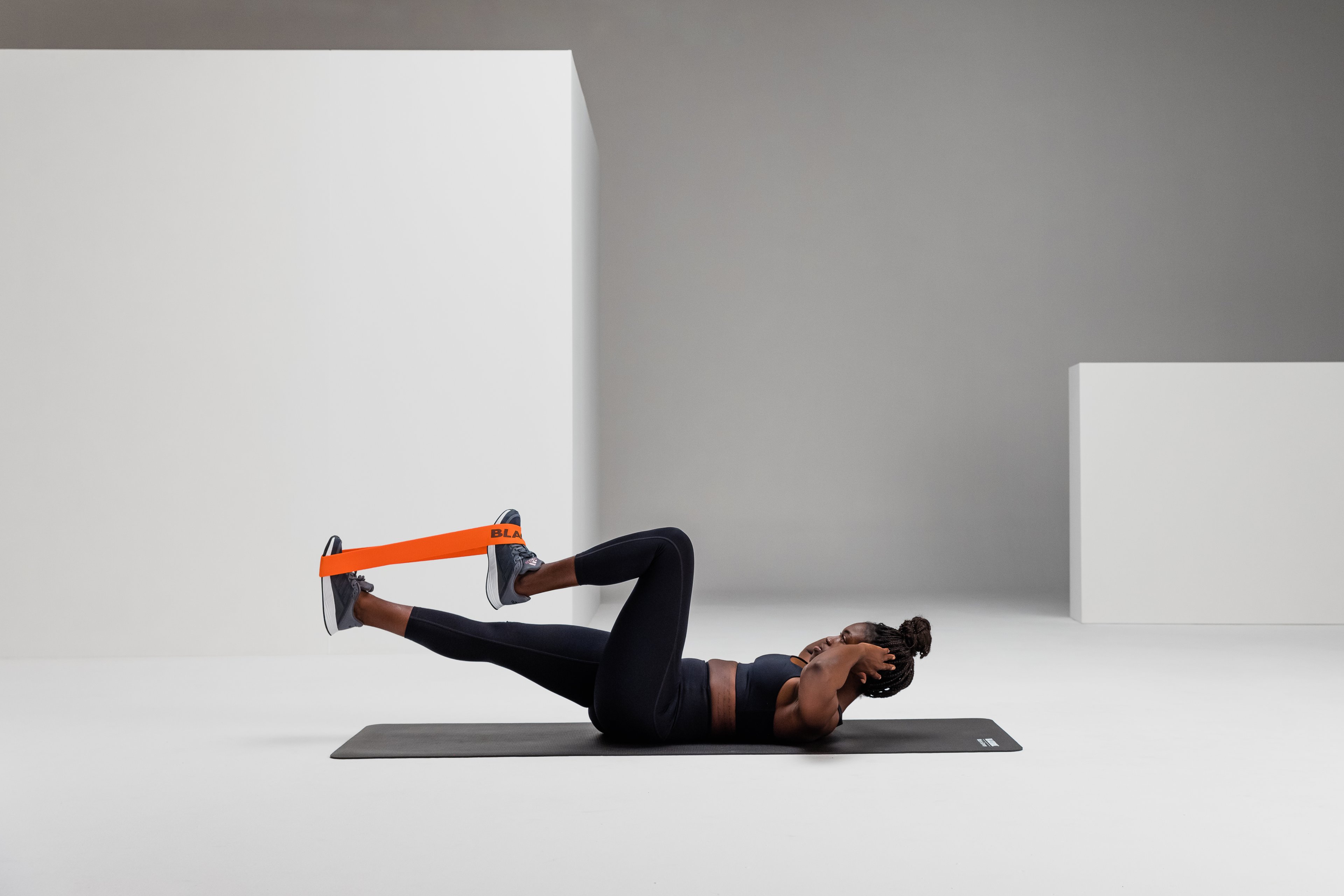
Kicks: Lie on your back. Loopthe LOOP BAND around your feet. Lift your legs slightly off the floor. Bring your hands toward your head. Roll your upper body up slightly. Bend and straighten your legs alternately and in opposite directions.
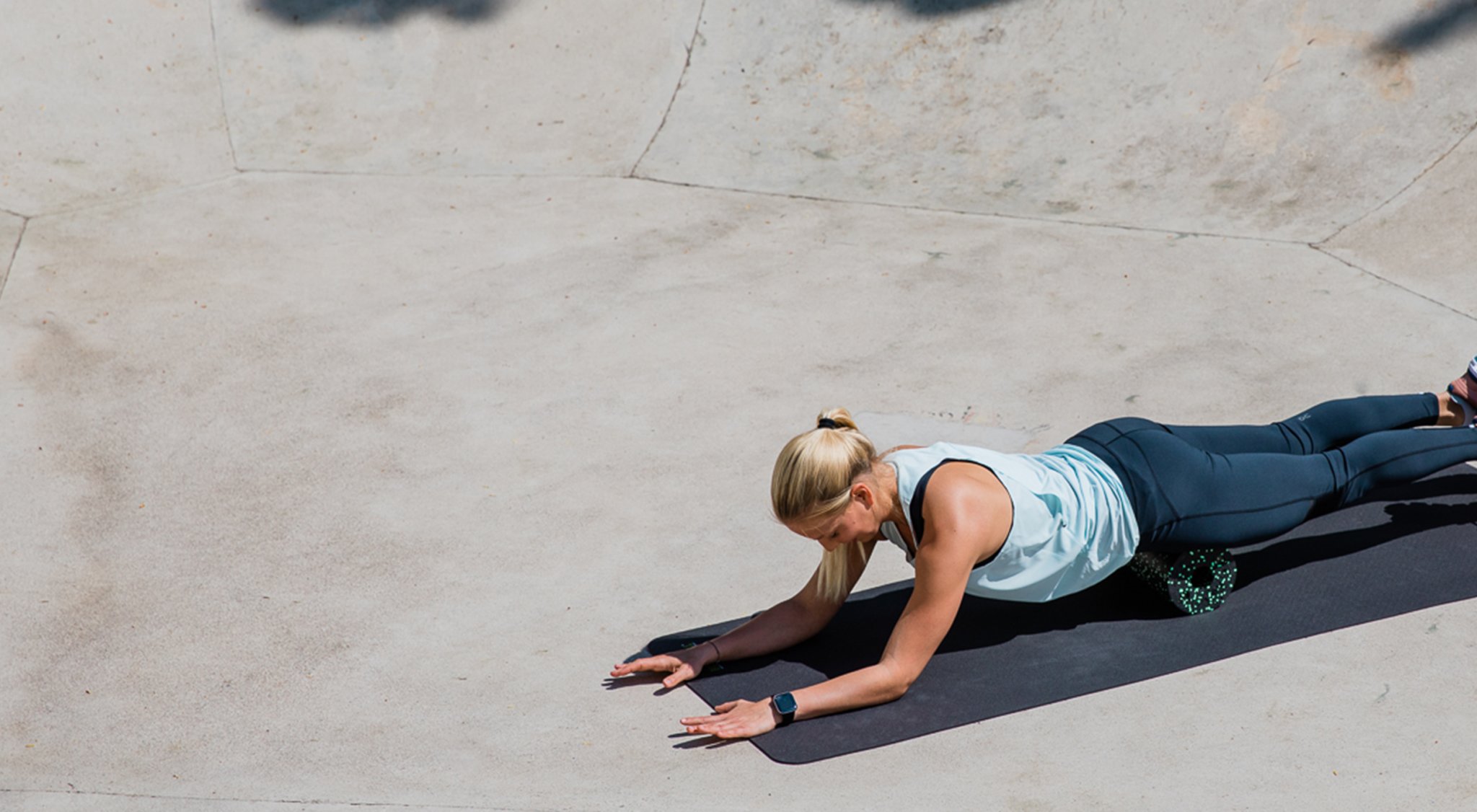
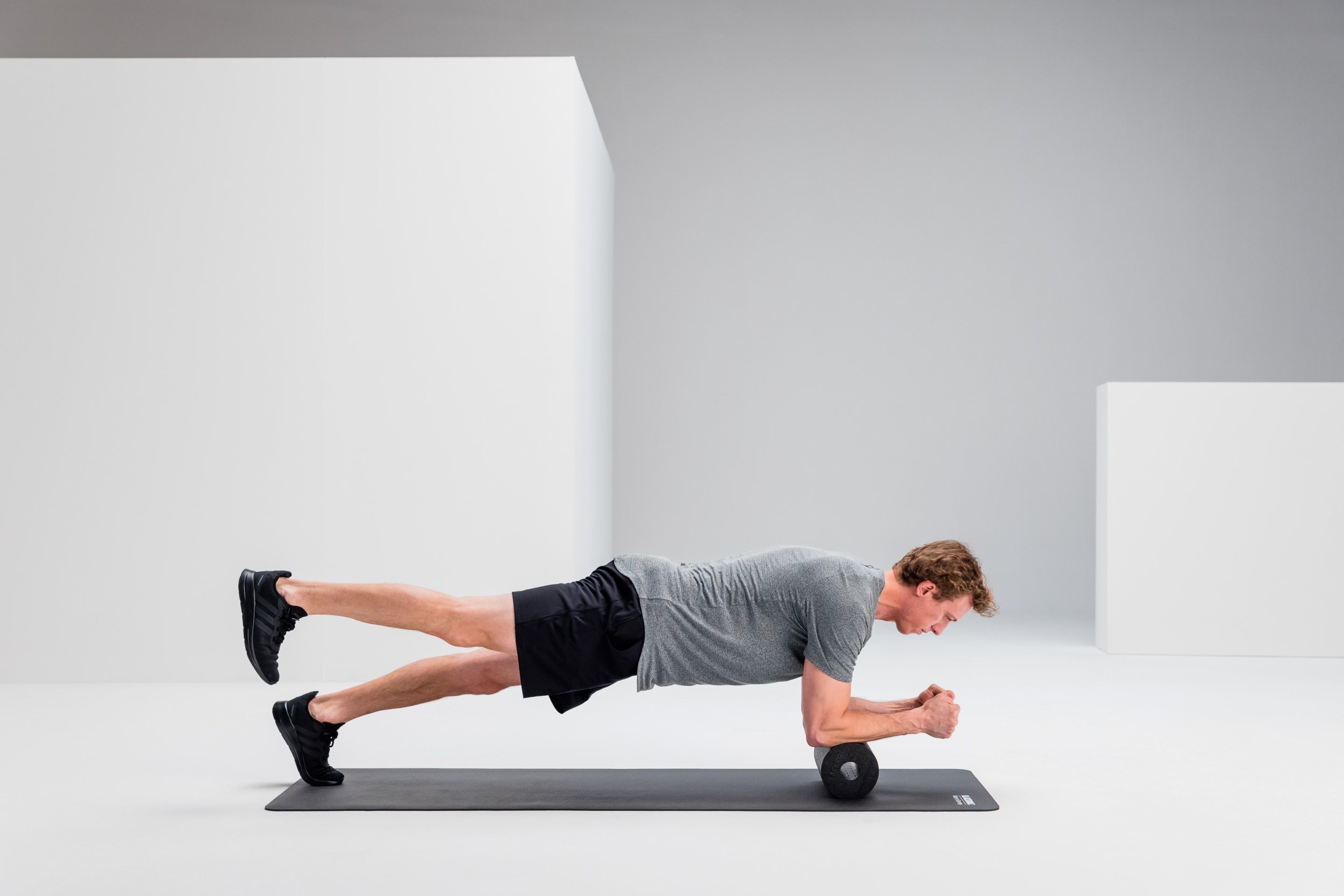
Forearm Plank: Start in a forearm plank. Position the FASCIAL ROLLER under your forearms. Maintain core engagement. Hold the position without letting your pelvis drop.
To increase the difficulty, alternately lift your feet off the floor or slide the FASCIAL ROLLER forward and backward along your arms.
Regular strength training is essential for preventing lower back pain in the long term. Specifically, targeting the back extensors, core muscles, and the core area helps stabilize the spine and prevent discomfort. Incorporate these exercises into your workout and feel your back become stronger and pain-free!
More Interesting Articles





Lower Back Exercises and Tips: Perfect for Everyday Life
Lower back pain can often be reduced through simple measures in everyday life. Targeted exercises, regular physical activity, and ergonomic adjustments can help relieve tension and prevent discomfort. Here, you’ll learn which effective exercises and practical tips can relieve strain on your lower back in everyday life.
Gentle Mobilization Exercises to Relieve Tension
Tension in the lower back is often caused by uneven strain or a lack of movement. Gentle mobilization exercises can help improve blood circulation and keep your spine flexible.
Pelvic tilts while sitting or standing:
Sit upright or stand with your feet hip-width apart. Slowly tilt your pelvis forward and back so that you feel the movement in your lower back and pelvic area. Be sure to find the neutral pelvic position—this means that your lumbar spine maintains a natural, slight curve.
- Duration: Repeat slowly and in a controlled manner for 30 seconds
- Benefit: Promotes mobility in the pelvic and lumbar spine areas and improves awareness of the neutral pelvic position.
Seated Back Twist:
Sit upright in a chair and place one hand on the opposite knee. Gently twist your upper body to the side from the thoracic spine while keeping your pelvis stable. Be sure to initiate the movement from the thoracic spine, not the lumbar spine.
- Duration: Hold the position for 10–15 seconds, then slowly return to the center and switch sides.
- Benefit: Mobilizes the thoracic spine, improves trunk rotation, and reduces tension in the upper back.
More Movement in Everyday Life—Here’s How
Much back pain is caused by prolonged sitting and a lack of physical activity. With these simple tips, you can incorporate more activity into your daily routine:
Take the stairs instead of the elevator: Strengthens your leg and back muscles and promotes blood circulation.
- Plan short walks: Ideal after sitting for a long time to boost blood circulation and loosen up your muscles.
- Back mobility exercises at the office: Light stretching and mobility exercises during work relieve tension and improve posture.
- Talk on the phone or work while standing: This activates your muscles, promotes blood circulation, and relieves pressure on the spine.
Ergonomic Sitting Posture and Proper Lifting
An incorrect sitting posture or improper lifting of heavy objects can put significant strain on the spine. Therefore, keep the following in mind:
Dynamic sitting:
Proper sitting does not mean sitting rigidly upright, but rather dynamic movement. The human body is not designed for long periods of monotonous sitting—this is harmful to both physical and mental health. To avoid one-sided strain, you should regularly alternate sitting positions and incorporate short bursts of movement.
Proper Lifting:
When lifting heavy objects, squat down into a stable position, keep your back in a neutral position, and engage your core muscles. Lift the load in a controlled manner using the strength from your hips and thighs—not your lower back.
Avoid jerky movements and ensure the load is distributed evenly.
Movement Breaks at the Office
If you sit at a desk for long periods, you should plan regular breaks to move around. Even short breaks can help prevent muscle tension.
- Stand up every 30–60 minutes and move around briefly—this helps stimulate blood circulation.
- Rotate your shoulders and gently twist your upper body—this loosens up your muscles.
- Short stretching sessions throughout the day—especially for the lower back and hips.
Heat and Massage as Supportive Measures
In addition to exercise, heat and massage can help relieve back pain:
Heat therapy:
- Heat pads, a hot water bottle, or warm baths promote blood circulation, relax the muscles, and relieve tension.
Self-massage with a foam roller or ball:
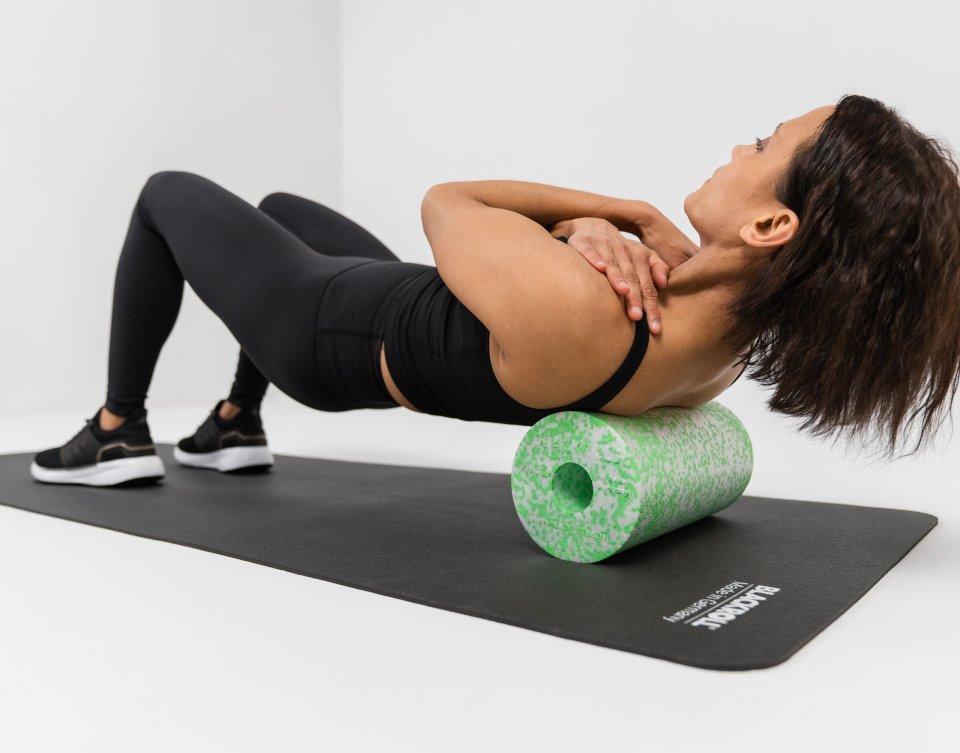
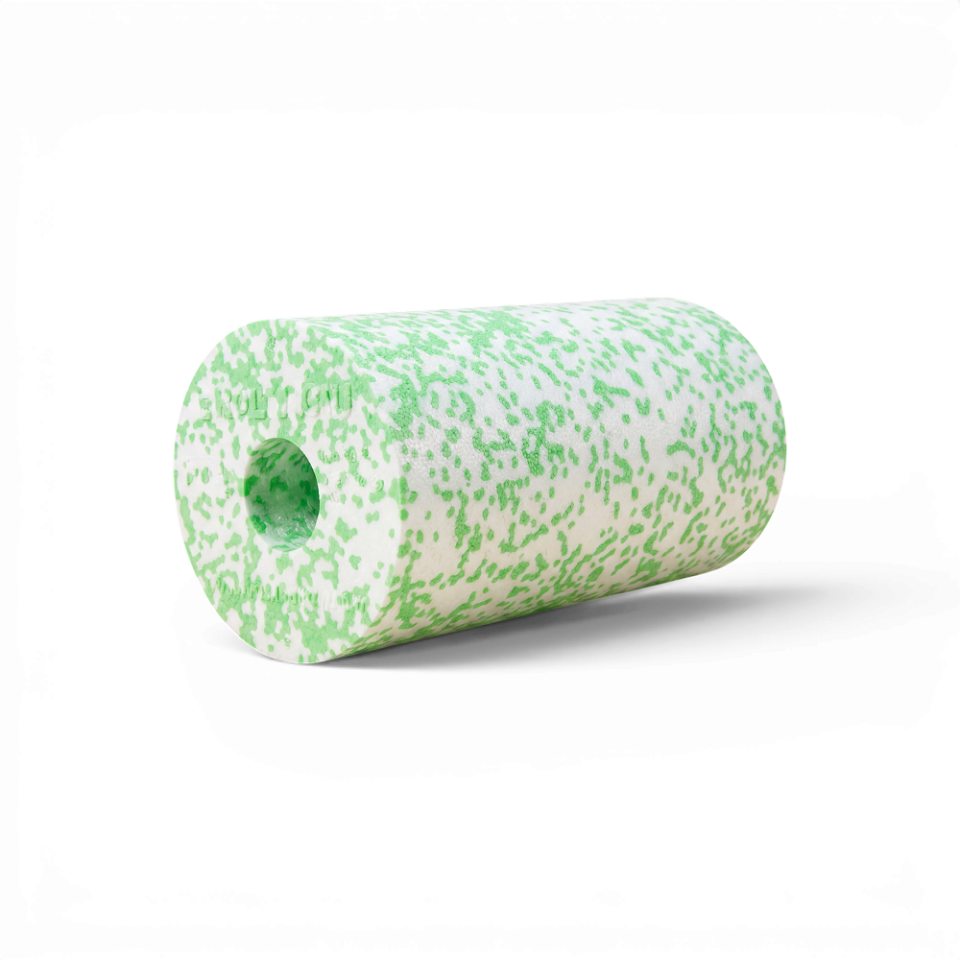
- Gentle massage movements using a MYOFASCIAL ROLLER or a massage ball relieve muscle tension, improve mobility, and promote blood circulation.
With the right exercises and small adjustments to your daily routine, you can actively combat back pain. Regular exercise, good posture, and targeted relaxation techniques help you keep your back healthy and pain-free. Incorporate these simple tips into your daily routine and feel the difference!
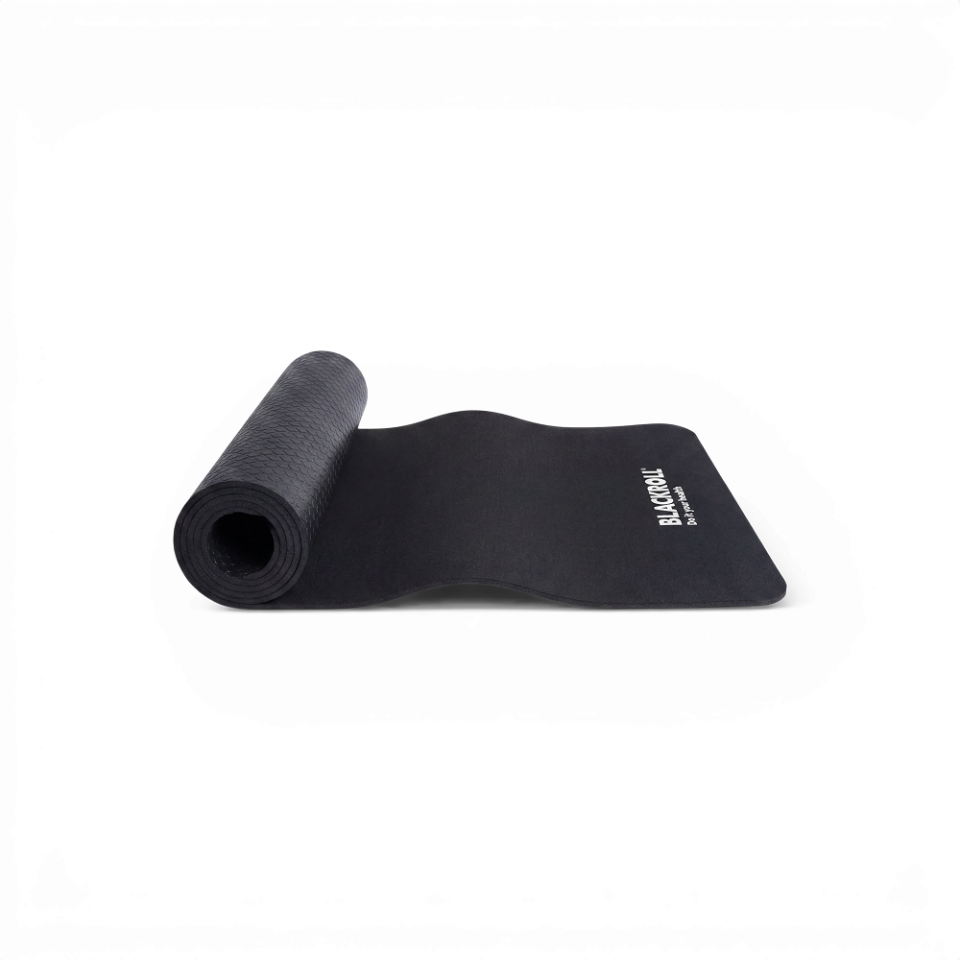
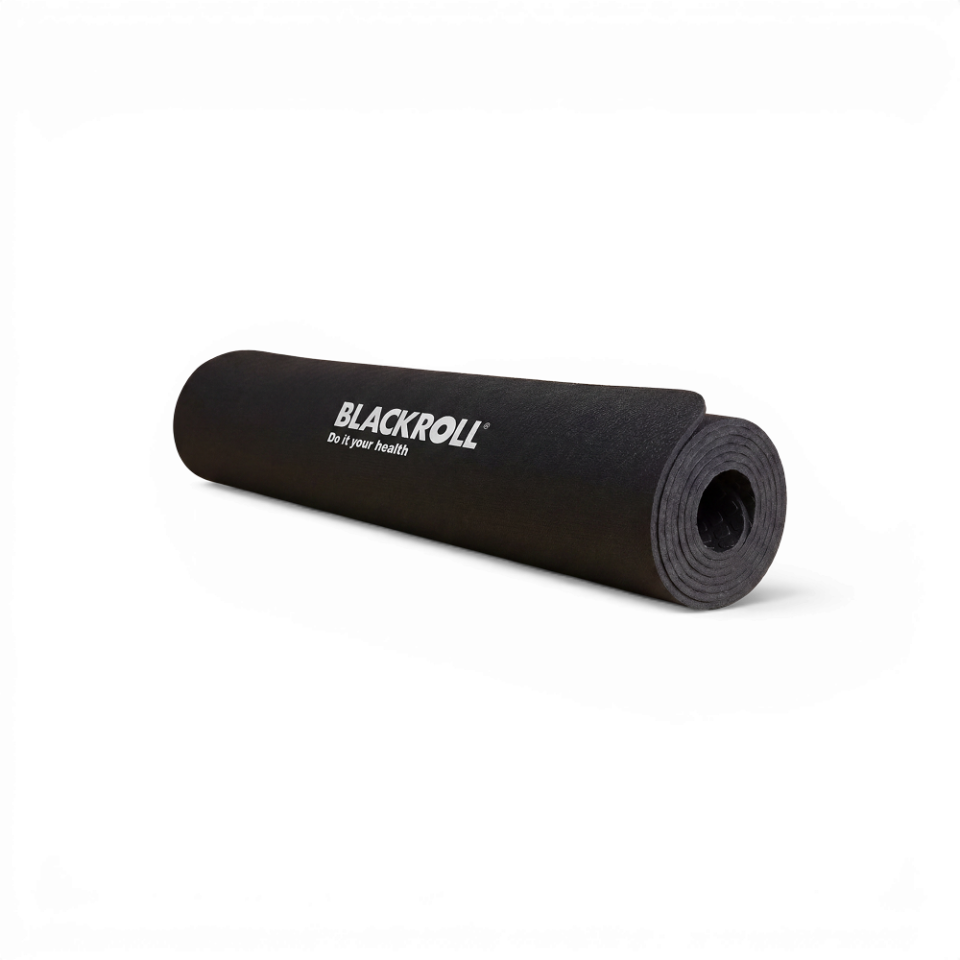
Mat
Available in multiple variants


Conclusion: Relieve lower back pain with targeted exercises
Lower back pain is very common—but you can take active steps to combat it! Targeted exercises for strengthening and mobility help relieve tension and alleviate symptoms in the long term. Strong core muscles are especially important for taking pressure off the spine and improving your posture over time.
In addition to regular exercise, supportive measures such as heat, massage, and physical therapy can further contribute to relief. With the right combination of strengthening, mobility training, and an ergonomic posture in your daily life, you can not only reduce acute discomfort but also prevent it in the long term.
If the pain persists or worsens despite targeted exercises, you should consult a specialist. A physical therapist can provide personalized recommendations and help you find a lasting solution for a strong, pain-free back.
Start now with the right exercises and feel the difference!

