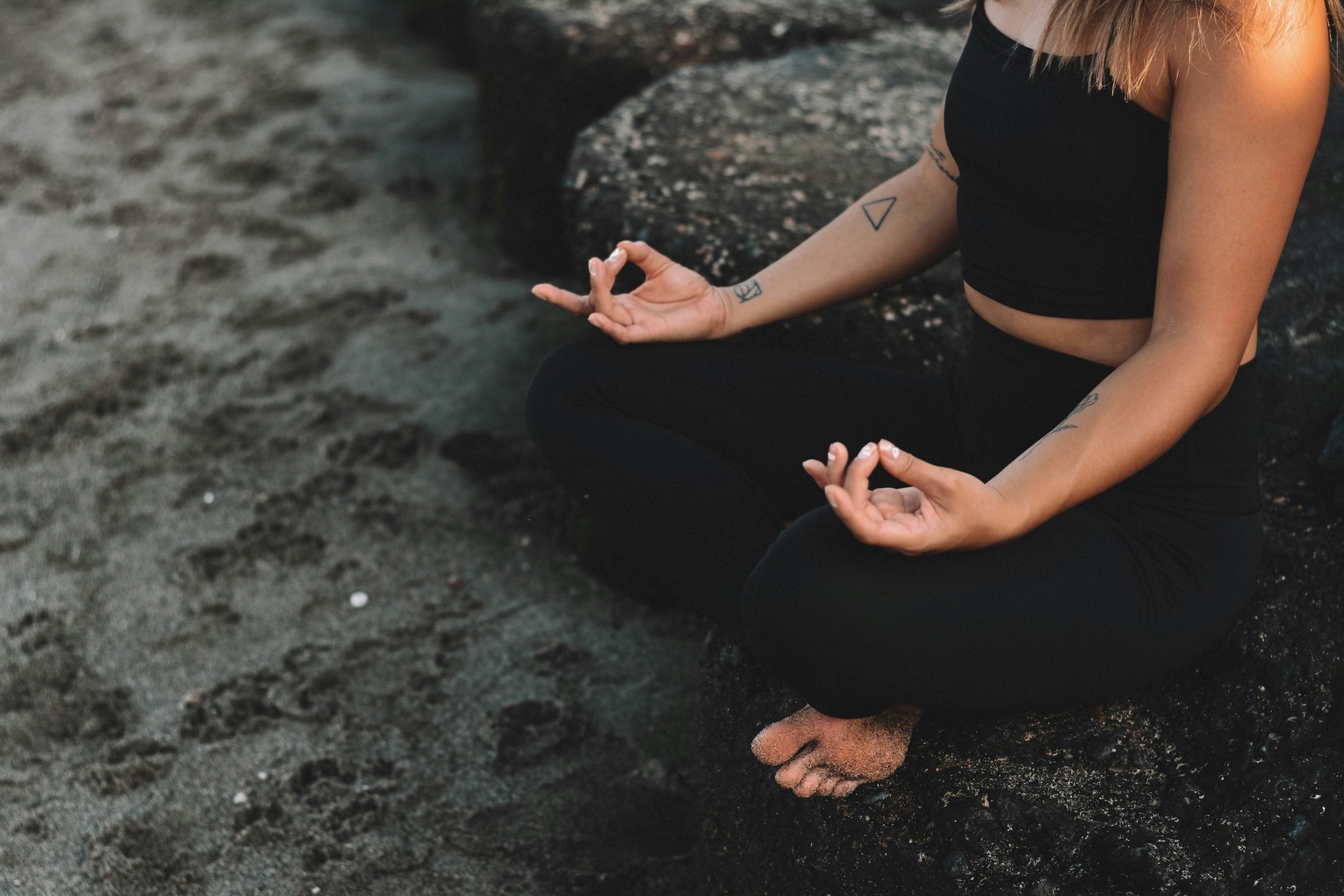
What Is Yin Yoga? The Gentle Yoga Technique for Relaxation and Regeneration

If your daily life is highly demanding—perhaps due to a heavy workload, family obligations, or digital sensory overload—you need a calming counterbalance. Yin Yoga can help you achieve a healthy physical and mental balance.
Yin Yoga places special emphasis on inner peace and stillness. This yoga practice is characterized by holding poses with particular mindfulness and for extended periods. This can lead to mental calm while you do something good for your body.
In this article, you’ll learn exactly what Yin Yoga is all about, what scientific research supports its benefits, and how you can develop a routine using specific exercises.
In a nutshell
- Yin Yoga is a passive form of yoga in which poses are held for three to ten minutes without muscle tension—in contrast to dynamic styles like Vinyasa.
- It targets fascia, ligaments, and joints, not the muscles. Deep connective tissue requires long, gentle pressure to change.
- Yin Yoga can activate the parasympathetic nervous system and lower cortisol levels—scientific studies have shown that it reduces stress and alleviates anxiety and depression.
- Physically, Yin Yoga can improve flexibility, balance, and mobility, relieve chronic back pain, and lower markers of inflammation in the body.
Suitable for beginners —no prior experience necessary; poses can be individually adapted using a block and mat.
What Is Yin Yoga? – Definition, Origins, and Philosophy
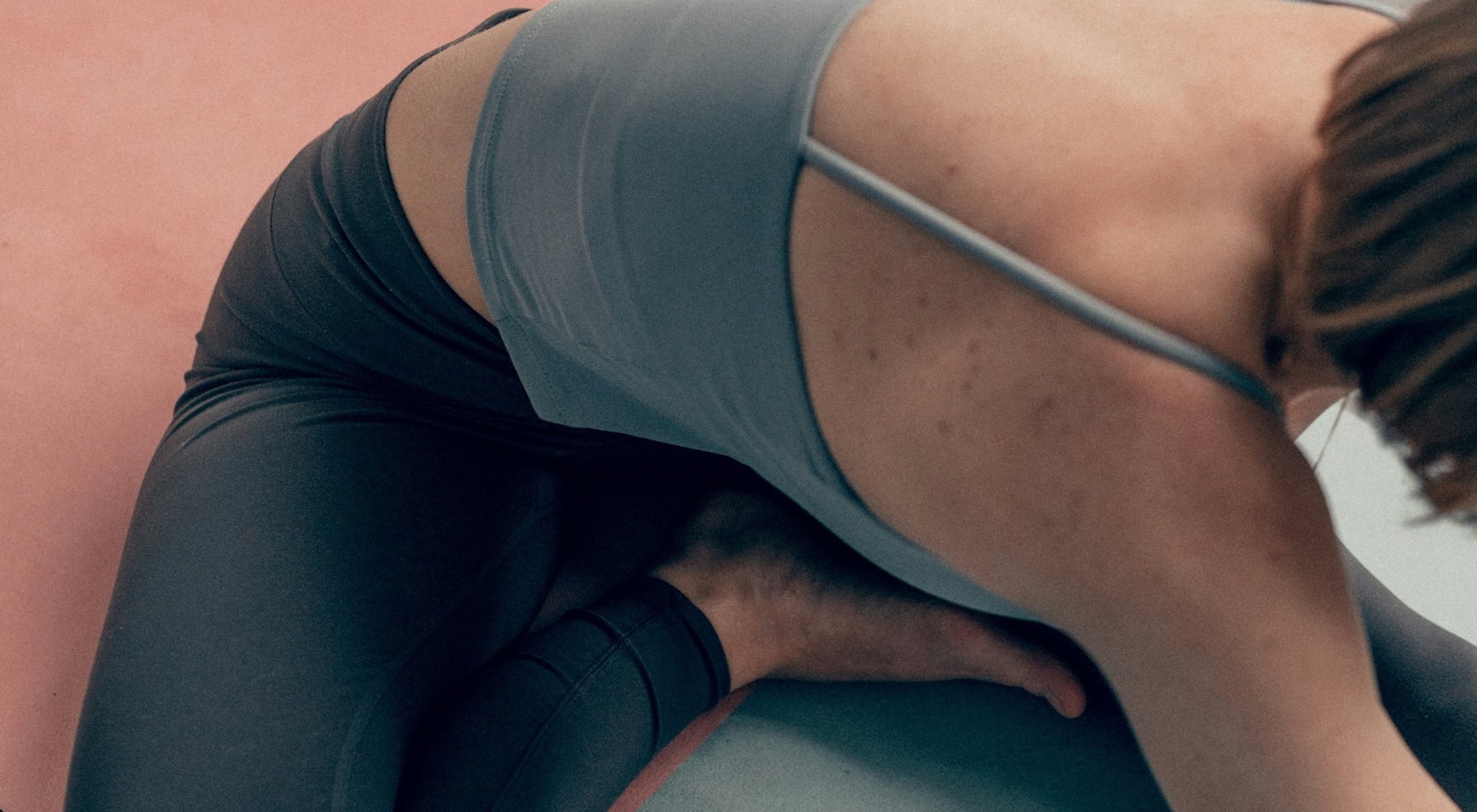
Yin Yoga is a yoga practice inspired by Daoist teachings that promises a peaceful balance to hectic everyday life. The poses are held in a relaxed manner for at least three to five minutes. This technique is closely related to Hatha Yoga and differs from the more fast-paced, flowing Vinyasa Yoga.
The name comes from the Yin-Yang philosophy: Yang represents movement, warmth, and activity. Yin represents stillness, coolness, and stability. Yin Yoga thus creates a calming balance in an active, fast-paced life.
While yoga originated in India, Yin Yoga combines classical yoga philosophy with Far Eastern elements from Daoism and traditional Chinese medicine (TCM). The underlying principle is that health and vitality are closely linked to the life energy known as chi (qi). According to TCM, Chi flows through our bodies along specific pathways called meridians. These are also symbolized by natural elements such as water, wood, and fire.
To practice Yin Yoga successfully, you don’t need to believe in Daoism or TCM. It’s enough to perform the exercises mindfully and conscientiously following the instructions.
What are the effects of Yin Yoga on the mind and body?
The physical and mental benefits of various forms of yoga are well documented by scientific studies.
Physical Effects
Proponents of Yin Yoga emphasize its benefits for fascia, ligaments, and joints. These connective tissues are less elastic than muscles and require sustained, gentle tension to undergo structural changes. Holding poses for extended periods can improve flexibility.
In addition, numerous physical benefits of a regular yoga practice have been scientifically proven:
- Improved flexibility, balance, and strength
- Relief from chronic back pain
- Positive effects on cardiovascular health
- Reduction of inflammatory markers
- Recovery after intense exercise [Sources 2–4]
Effects on mental well-being
By focusing on slow movements and mindfulness, Yin Yoga has a calming, stress-relieving effect. It activatesthe parasympathetic nervous system, which is responsible for rest and recovery.
Like all forms of yoga, Yin Yoga not only involves physical poses—the asanas—but also cultivates a meditative mindset. This is achieved through breathing exercises (pranayama), structured sequences of poses, extended relaxation phases, and mindfulness.
Scientifically proven effects of yoga on mental health include:
- Stress reduction
- Relief from anxiety and depression
- Improved emotional balance
- Increased mindfulness and body awareness
- Lower cortisol levels
- Increased stress resilience
- Improved quality of life [Sources 5–6]
Who is Yin Yoga suitable for?
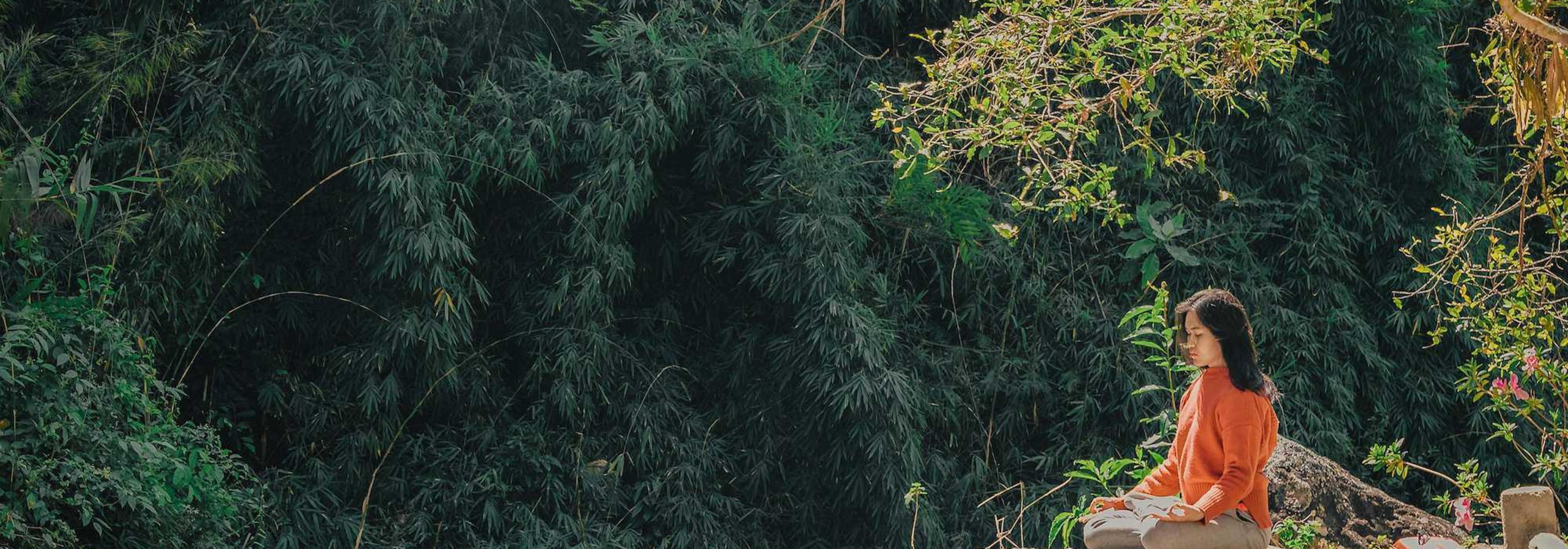
Yin Yoga is suitable for anyone looking for a calming activity for the body and mind. You don’t need any prior experience, basic fitness, or a particular level of body awareness.
- As a beginner, you have nothing to fear from a Yin Yoga class. There’s no pressure to perform and no competition. The intensity and duration of the poses can be adjusted to suit your needs.
- For runners and strength trainers, Yin Yoga can support recovery and improve flexibility after intense workouts.
- On average, men have less flexibility than women, partly due to hormonal differences in connective tissue—which means they can often benefit greatly from targeted fascia work, such as that promoted in Yin Yoga.
Typical Yin Yoga Exercises and Poses
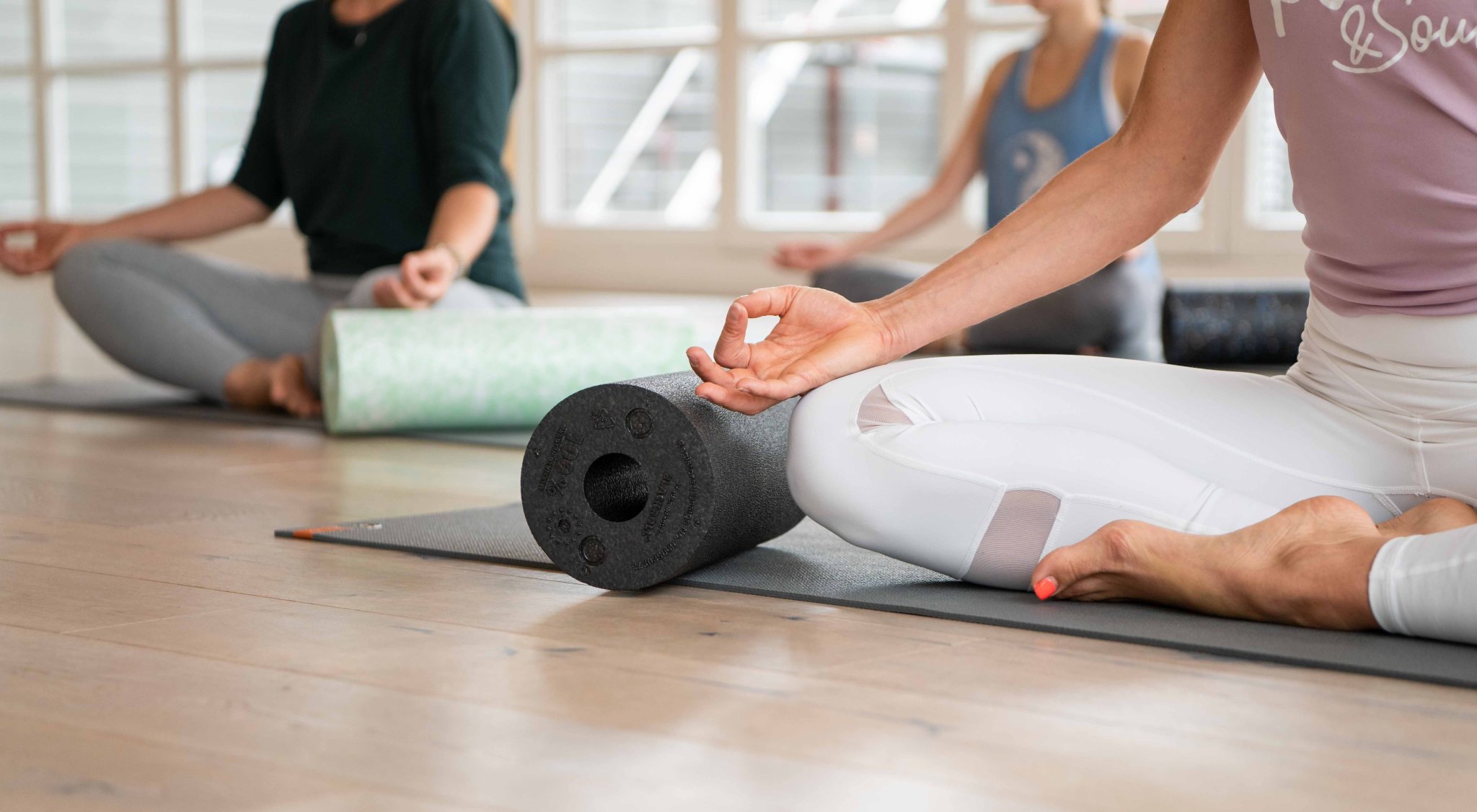
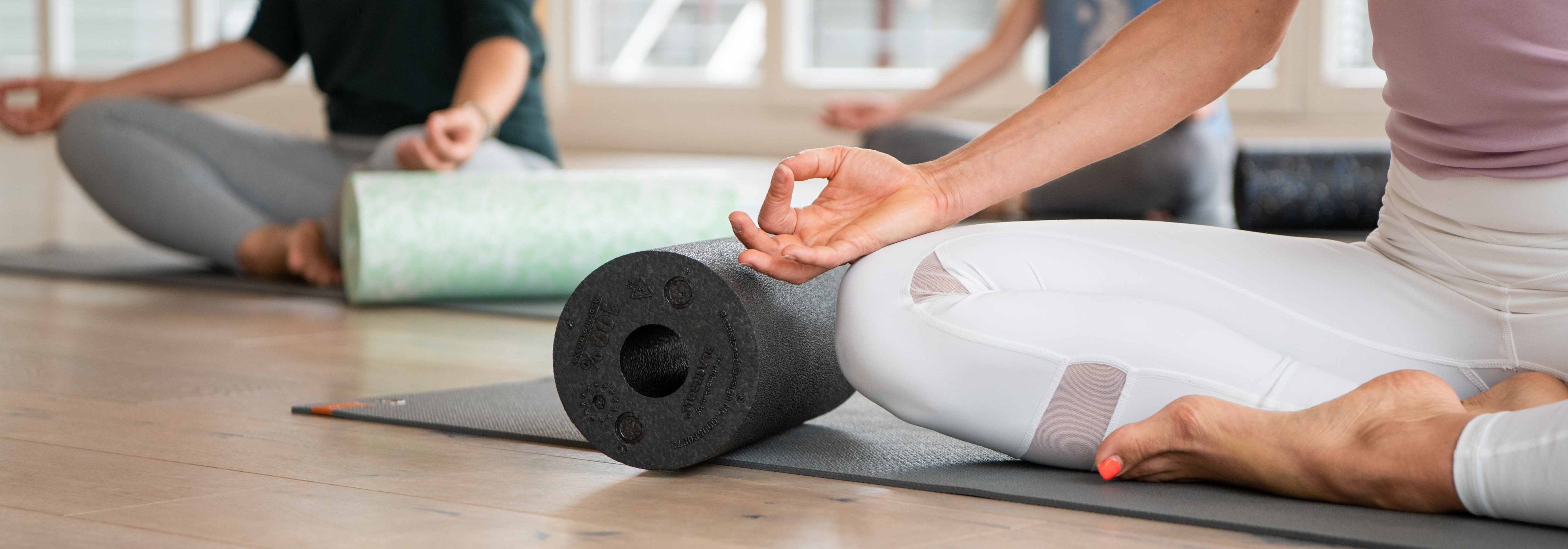
In a Yin pose, you don’t actively do anything—you surrender, relax your muscles, and let gravity do the work.
Follow these steps during your Yin Yoga session:
- Move mindfully into the pose—to about 70% of your maximum stretch.
- Hold the position, remaining as still as possible.
- Remain relaxed in the pose for at least 3 to 5 minutes.
- Come out of the pose as slowly as possible, with conscious support.
- Stay briefly in a neutral position and reflect on what the pose has triggered—both physically and mentally.
The Most Important Yin Yoga Poses for Beginners
Sphinx – Lower Back and Lumbar Region
Lie on your stomach, place your forearms on the floor, and lift your upper body slightly. Keep your hips on the floor and let your shoulders relax downward. The Sphinx gently stretches the lumbar spine—ideal if you sit a lot or feel tension in your lower back.
Butterfly – Hips and Inner Thighs
Sit upright, bring the soles of your feet together, and let your upper body fall forward. Don’t put pressure on your knees or correct your position—let your back round naturally. Depending on your flexibility, you can place a block under your hands to limit the depth of the pose.
Banana – Lateral Fascia
Lie on your back and push your legs and upper body to the side together so that your body forms a banana shape. Keep both shoulder blades on the floor. The Banana stretches the lateral fascia and the area along the IT band—an often-neglected region.
Shoelace – External Hip Rotators and Glutes
Sit with one knee stacked over the other and let your upper body sink forward. If you experience discomfort in your knees, place a block under your buttocks or perform the pose while lying down.
Further Reading: Fascia Yoga Exercises
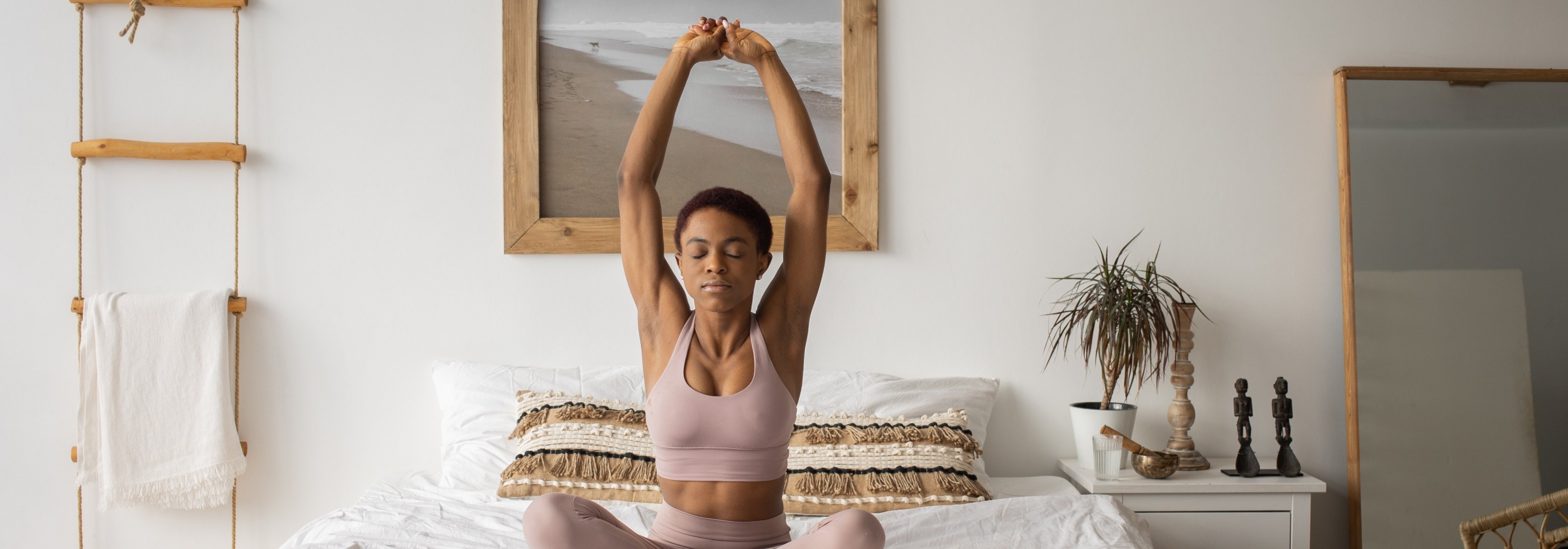
How to Create Your Own Yin Yoga Routine
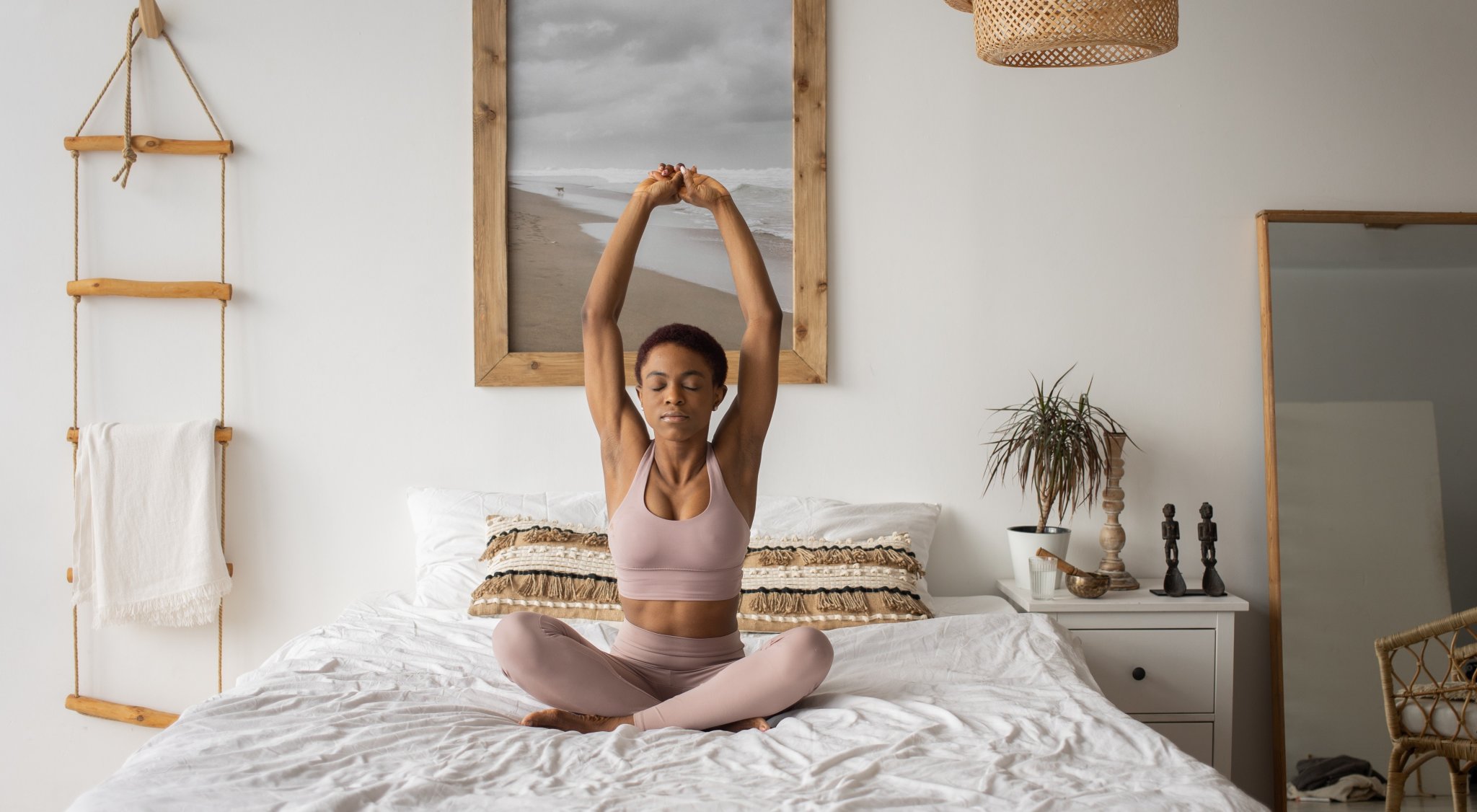
If you want to practice Yin Yoga regularly, it’s best to tie your routine to an existing habit—such as before dinner.
Yin Yoga in the evening is ideal if you’re looking for a routine that helps you unwind and wrap up a hectic day. Your body temperature drops, your connective tissue is supple, and your mind needs to slow down. And if you’ve been sitting a lot during the day, Yin Yoga exercises can be a real treat for your back.
A yoga routine is more likely to become a habit if you do more frequent, shorter sessions rather than just the occasional long session. Five poses, each lasting three minutes, already make up a complete session.
Read more: Yoga in Bed
Yin Yoga Routines for the Evening, Back Care, and Stress Relief
Hold each pose for 3 minutes. Between poses, relax for 30–60 seconds to feel the effects.
Stress Relief: Butterfly → Reclining Twist (both sides) → Savasana
Sleep: Sphinx → Butterfly → Reclining Twist
Back: Sphinx → Sleeping Swan (both sides) → Butterfly
Do these exercises regularly, and you’ll start to see progress in just a few days.
Here are the tools you’ll need for Yin Yoga
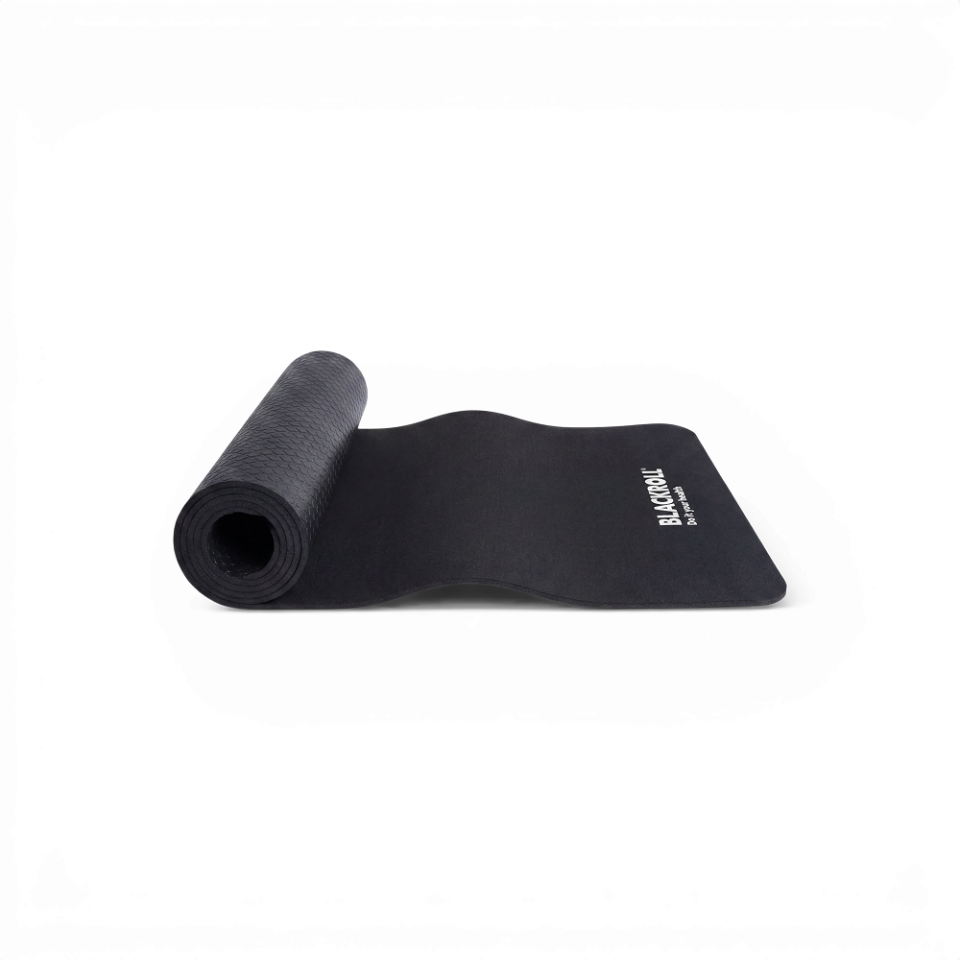
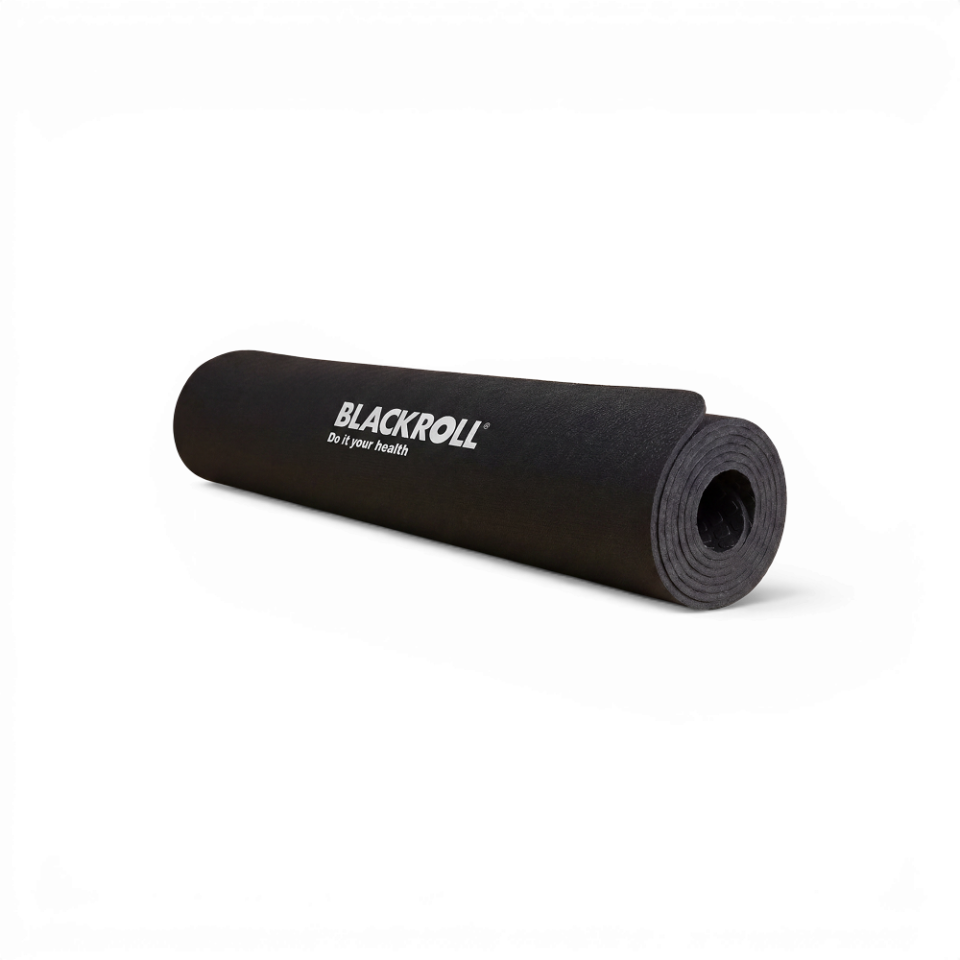
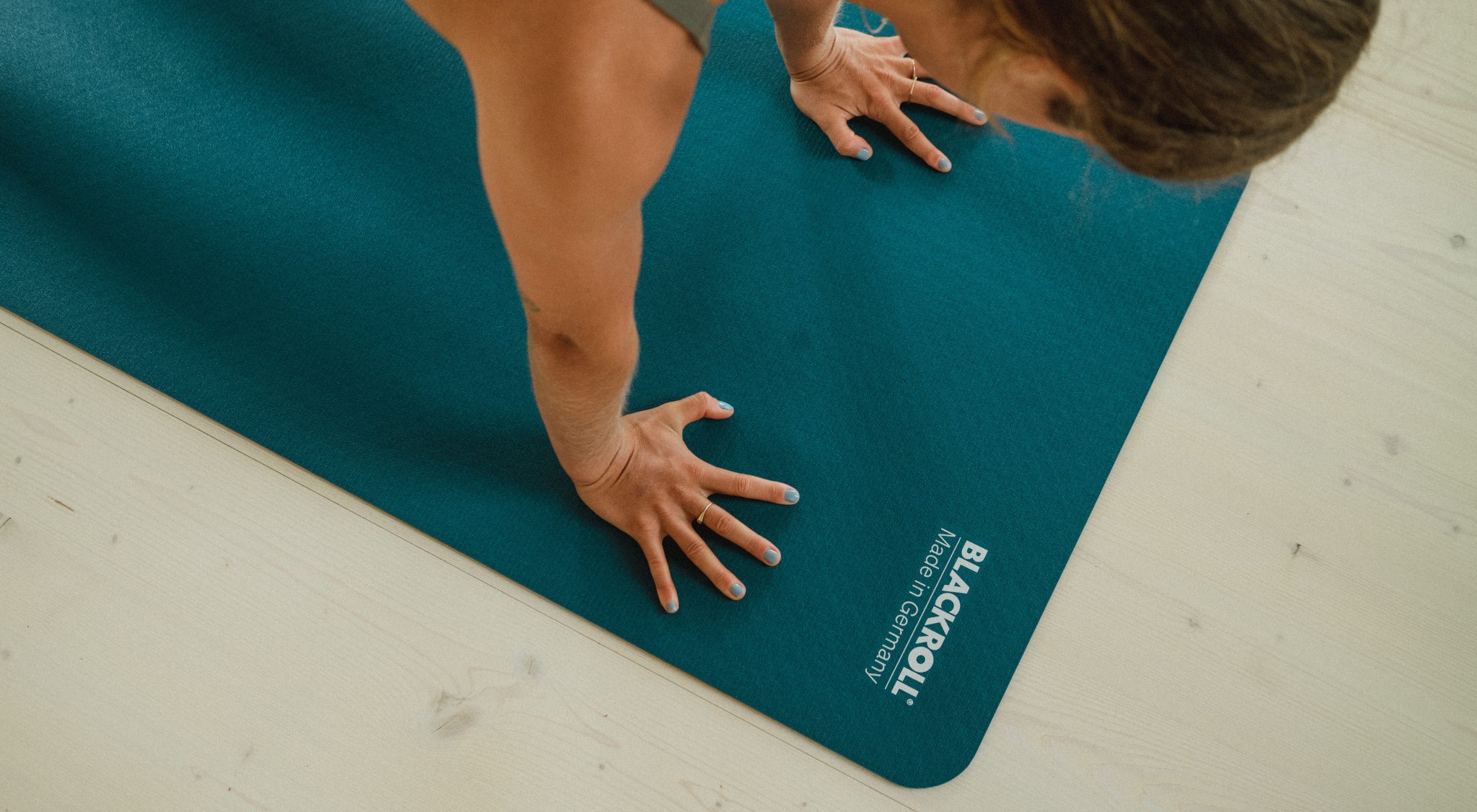
For a yoga session, you’ll need plenty of space, a yoga mat, and ideally a yoga block. A bolster and a blanket can also be helpful.
- Find a place that’s as quiet as possible for your Yin Yoga routine. You should have enough space on the floor to stretch out comfortably in all directions. A yoga mat provides the perfect surface and protects your joints.
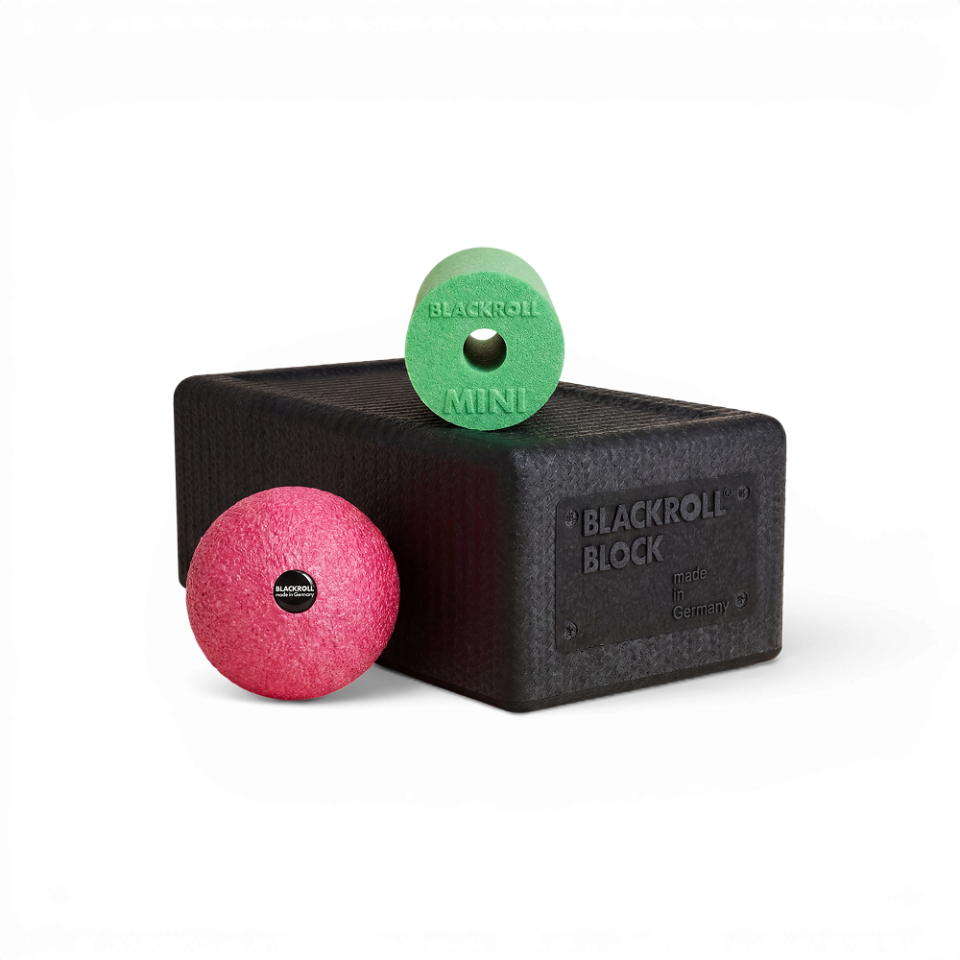
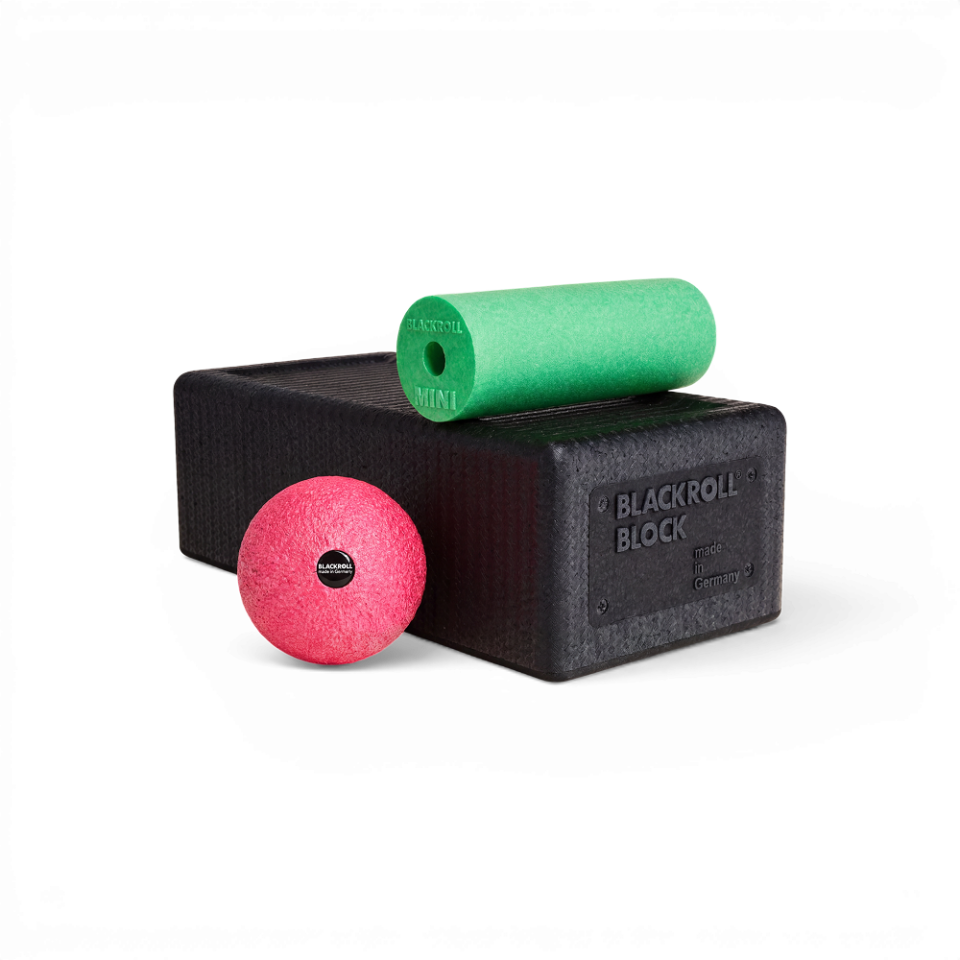
- Some Yin Yoga poses require a yoga block for support. As a beginner, it offers you additional stability, and as an advanced practitioner, you can use it to adapt and vary your asanas.
- You can create a relaxing atmosphere with aroma diffusers, incense sticks, and calm music. Combining Yin Yoga with singing bowls can make for a deeply immersive experience.
Conclusion: Do less—feel more
Yin Yoga isn’t a workout—it’s a deep reset. It’s one of the few practices that doesn’t demand peak performance from you yet still has a measurable impact: on your fascia, joints, nervous system, and mind.
Whether you’re struggling with chronic back problems, can’t wind down in the evening, or simply want more flexibility—Yin Yoga can be a meaningful part of your recovery. Three poses, 15 minutes, one mat—that’s all you need to get started.
Treat your body and mind to a break—with Yin Yoga, mindful breathing, and targeted fascia work.


FAQ: Yin Yoga – Frequently Asked Questions
Yin Yoga is a passive form of yoga in which poses are held for three to five minutes without muscle tension—in contrast to dynamic styles such as Vinyasa or Ashtanga. The goal is to work on fascia, ligaments, and joint capsules, not on the muscles. Holding the poses for an extended period allows for structural changes in the deep connective tissue.
Yin Yoga is suitable for everyone—beginners, athletes, and people with limited mobility. You don’t need any prior experience, basic fitness, or a particular sense of body awareness. Poses can be individually adjusted using blocks and a mat. Men also benefit greatly, as they are often less flexible than women.
Typical poses include Sphinx (lower back), Butterfly (hips), Banana (lateral fascia), and Shoelace (glutes)—all held passively for three to five minutes. A yoga block helps you adjust the intensity to suit your body. Between poses, you remain in a neutral position for 30 to 60 seconds and check in with your body.
Yin Yoga activates the parasympathetic nervous system, lowers cortisol levels, and improves emotional regulation. Studies show a significant reduction in stress, anxiety, and depressive symptoms after eight to twelve weeks of regular practice. Even a single session increases positive emotions and mindfulness. The stillness in the poses promotes body awareness and inner peace.
Two to three times a week for 20 minutes each is a realistic way to start. After just a few weeks, you’ll notice improvements in flexibility, sleep, and stress levels. Consistency is more important than duration—five poses for three minutes each already make up a full session. It’s best to incorporate Yin Yoga into an existing routine.
More interesting articles


Sources & Studies
[1] Denkinger, A. (n.d.). The Yin Healing Method: Theory and Philosophy of Yin Yoga Therapy.
[2] Shin, S. (2021). Meta-Analysis of the Effect of Yoga Practice on Physical Fitness in the Elderly. International Journal of Environmental Research and Public Health, 18. https://doi.org/10.3390/ijerph182111663.
[3] Zhu, F., Zhang, M., Wang, D., Hong, Q., Zeng, C., & Chen, W. (2020). Yoga compared to non-exercise or physical therapy exercise on pain, disability, and quality of life for patients with chronic low back pain: A systematic review and meta-analysis of randomized controlled trials. PLoS ONE, 15. https://doi.org/10.1371/journal.pone.0238544.
[4] Chu, P., Gotink, R., Yeh, G., Goldie, S., & Hunink, M. (2016). The effectiveness of yoga in modifying risk factors for cardiovascular disease and metabolic syndrome: A systematic review and meta-analysis of randomized controlled trials. European Journal of Preventive Cardiology, 23, 291–307. https://doi.org/10.1177/2047487314562741.
[5] K, R., & Selvalakshmi, S. (2025). Effect of Yoga on Mental Health: A Systematic Review. International Journal for Multidisciplinary Research. https://doi.org/10.36948/ijfmr.2025.v07i04.53684.
[6] Chauhan, S., Najaf, S., Gergely, L., Kinga, K., Karsai, I., & Prémusz, V. (2025). Impact of a 10-Week Yoga Intervention on Mental Health and Overall Well-Being Among Medical Students: The GSY Study. Sports, 13. https://doi.org/10.3390/sports13040114.