
Fasting: what happens to your body when you go without food

Fasting refers to the deliberate abstinence from solid food for a specific period of time. The most popular forms include intermittent fasting, therapeutic fasting, juice fasting and water fasting. Depending on the method, fasting can affect body weight, blood pressure, blood lipids and insulin sensitivity. The extent of these effects depends, amongst other things, on the type of fast and the diet followed afterwards.
In brief
- Fasting, the deliberate abstinence from solid food, can support weight management and, when combined with a balanced diet, may contribute to several health markers.
- During fasting, your body increasingly uses stored fat reserves as a source of energy; as the fast continues, more ketone bodies may be produced (ketosis). Fasting also influences various cellular signalling pathways, presumably including cellular cleansing processes (autophagy).
- Moderate intermittent fasting is generally well tolerated by many healthy adults. Seek medical advice if you have a pre-existing condition, are pregnant, perimenopausal, under high stress, have an eating disorder or plan an extended fast.
- Intermittent fasting is one of the most thoroughly researched forms of fasting and can be easily integrated into everyday life for many people.
- Support your body with moderate exercise, myofascial release and sufficient sleep.


What is fasting? Meaning and basics
Fasting is the deliberate abstention from solid food for a specific period of time. It’s not involuntary starvation but a conscious choice you can make to exert a targeted influence on your body. While fasting does require a certain amount of discipline, it doesn’t mean you have to go hungry. With the right guidance and a proven method, many people report positive changes.
- Research suggests that periods without food can trigger metabolic processes linked to weight loss, reduced metabolic stress and lower blood pressure (Mattson et al., 2017). Cellular renewal processes are also being discussed — though the extent to which these occur in humans remains unclear.
- Reasons for fasting vary. Many people use the fasting period not only to lose weight, but also to give their bodies a fresh start and to step back from everyday overconsumption.
- Religious fasting — during Ramadan, the Christian Lent and in many other faiths — aims to foster a sense of self-denial and strengthen one’s faith. However, non-religious people also use periods of fasting to reflect on what is essential and to practise mindfulness.


Is fasting healthy for your health?
For most people, a period of fasting can have positive health benefits.
Follow the rules of your chosen fast and consult a healthcare professional first.
The evidence is strongest for beneficial effects on blood lipids, blood pressure and body weight (Mattson et al., 2017; Vasim et al., 2022).
Cellular processes such as DNA repair or mitochondrial health are also being discussed, but haven't yet been conclusively proven in humans.
If you're carrying excess weight or have prediabetes, you may see greater benefits. During fasting your body draws on fat reserves and, over time, produces more ketone bodies. Weight loss usually stems from the overall reduction in energy intake.
A period of fasting can also encourage you to rethink your eating habits, though the benefits are usually limited unless you make lasting changes to your diet.
03 What types of fasting are there?
There are various approaches and methods to fasting. Which method you choose depends on your goals, your preferences and your circumstances. The most popular types of fasting are:
Intermittent fasting
With intermittent fasting, you can eat every day but only within a specific time window. With the 16:8 method, for example, you’re only allowed to eat for eight hours a day.
It's beginner-friendly and fits easily into everyday life. This method has been the most thoroughly researched scientifically (Vasim et al., 2022).

Therapeutic fasting according to Buchinger
Therapeutic fasting is a method that’s almost 100 years old and remains widely recommended.
It involves several days of fasting (4 to 21 d), during which you consume only broths and juices (De Toledo et al., 2019).

Juice fasting
During a juice fast you avoid solid food but can consume liquid calories in the form of broths, fruit and vegetable juices and, of course, water.
It's less strict than other methods, but the evidence base is also weaker.

Water fasting
Water fasting is the strictest form of fasting; only water is permitted and there are virtually no calories.
We don’t recommend it without prior experience and medical supervision.



Fasting for beginners: what’s the best way to start?
Start with intermittent fasting – it’s less radical than a multi-day programme.
If you’d like a more intensive experience, the Buchinger therapeutic fast is a good option, and many people even make a special trip to a health resort or retreat for this, where they receive professional support and advice.
What to bear in mind as a beginner when undertaking a multi-day fasting programme:
- Consult your GP first, even if you feel fit and well, to ensure there are no medical reasons preventing you from fasting.
- Plan 1–3 ease-in days, during which you eat only light, easily digestible food. This makes the transition easier.
- Plan your meals: buy organic fruit and vegetables as well as herbal teas and juices for the fasting period.
- During longer fasts, support your digestive system regularly.
- During the core fasting period, prioritise relaxation and moderate exercise; walks and gentle training are just as important as extended rest for recovery.
- Recovery days: Once the core fasting period is over, eat very lightly for 2–3 d to allow your metabolism to readjust to food.
Fasting challenges both body and willpower, yet you won’t need to suffer. On the contrary, most people report positive experiences such as heightened senses, feelings of lightness and pride in their own resolve.


What happens in the body during a fast?
When you fast, your body activates several adaptive processes that lead to cell regeneration and the breakdown of stored fat, such as ketosis: after around 12 to 16 h without food, your glycogen stores in the liver and muscles are depleted. Your body seeks new sources of energy and finds them in fat.
At the same time your hormone levelschange: insulin falls while glucagon rises. Studies show that this mechanism actively supports fat loss and can have beneficial effects on blood lipids and blood pressure (Vasim et al., 2022).
Autophagy — a cellular cleansing process in which the cell breaks down damaged components — is also frequently mentioned. We know that fasting triggers this process mainly from animal and laboratory studies, and research is still ongoing to determine where and to what extent it’s beneficial in the human body (Mattson et al., 2017).
Headaches and other side effects of fasting
Unwanted side effects during a fast, such as headaches and fatigue, often subside after 2–3 d. Fasting represents a major adjustment for the body. Always discuss potential risks with a healthcare professional beforehand and include rest days in your fast.
Headaches are among the most common side effects of fasting. They can be caused by a drop in blood sugar, caffeine withdrawal or insufficient fluid intake. Other possible side effects include:
- constipation
- Sleep disturbances
- Circulatory problems
- Feeling weak
- Difficulty concentrating
- Bad breath
These symptoms usually subside on their own after the first few days of fasting. To avoid these side effects, drink plenty of water or tea, replenish your electrolytes and, depending on the circumstances, either increase your physical activity or take more rest breaks. If the symptoms worsen, consult a healthcare professional (Hoddy et al., 2015).



Benefits of fasting: what are the real benefits?
The available research indicates several positive effects, the extent of which varies depending on the method and the individual’s starting point:
- Weight loss: Weight loss is primarily due to reduced energy intake. Fat burning during ketosis is part of the metabolic adaptation, but doesn’t alone explain long-term weight loss. (Rynders et al., 2019)
- Cardiovascular health: Fasting can lead to improvements in blood pressure and blood lipid levels (Vasim et al., 2022; De Toledo et al., 2019).
- Studies show that intermittent fasting can significantly improveinsulin sensitivity and HbA1c levels in adults with prediabetes (Khalafi et al., 2024).
- Metabolic health: the transition to ketosis can have beneficial effects on dyslipidaemia and body weight (Vasim et al., 2022).
- You may also notice a lift in mood, and some studies have observed slightly lower anxiety and depression scores in fasting groups (Berthelot et al., 2021).


Fasting and sport: how do they go together?
You can and should continue to exercise even whilst fasting. With intermittent fasting, train as usual. During longer fasting periods, reduce intensity.
According to sports medicine studies, intermittent fasting combined with training does not have a negative impact on most performance parameters (Kazeminasab et al., 2025).
Moderate endurance and strength training is well tolerated by most people while fasting. Avoid high-intensity sessions such as HIIT during fasting periods lasting several days — if your calorie deficit is too large you risk dizziness, a drop in performance and overload.
Fasting, yoga and mindful movement
Moderate exercise and yoga can be easily integrated into your fasting routine.
Hatha yoga, Yin yoga and targeted mobilisation exercises boost blood circulation without placing any significant strain on the body’s energy system. Breathing exercises – such as diaphragmatic breathing – activate the parasympathetic nervous system and help the body to process the fasting stimulus as a restorative impulse. Alternatively, walks in nature can also be very beneficial.
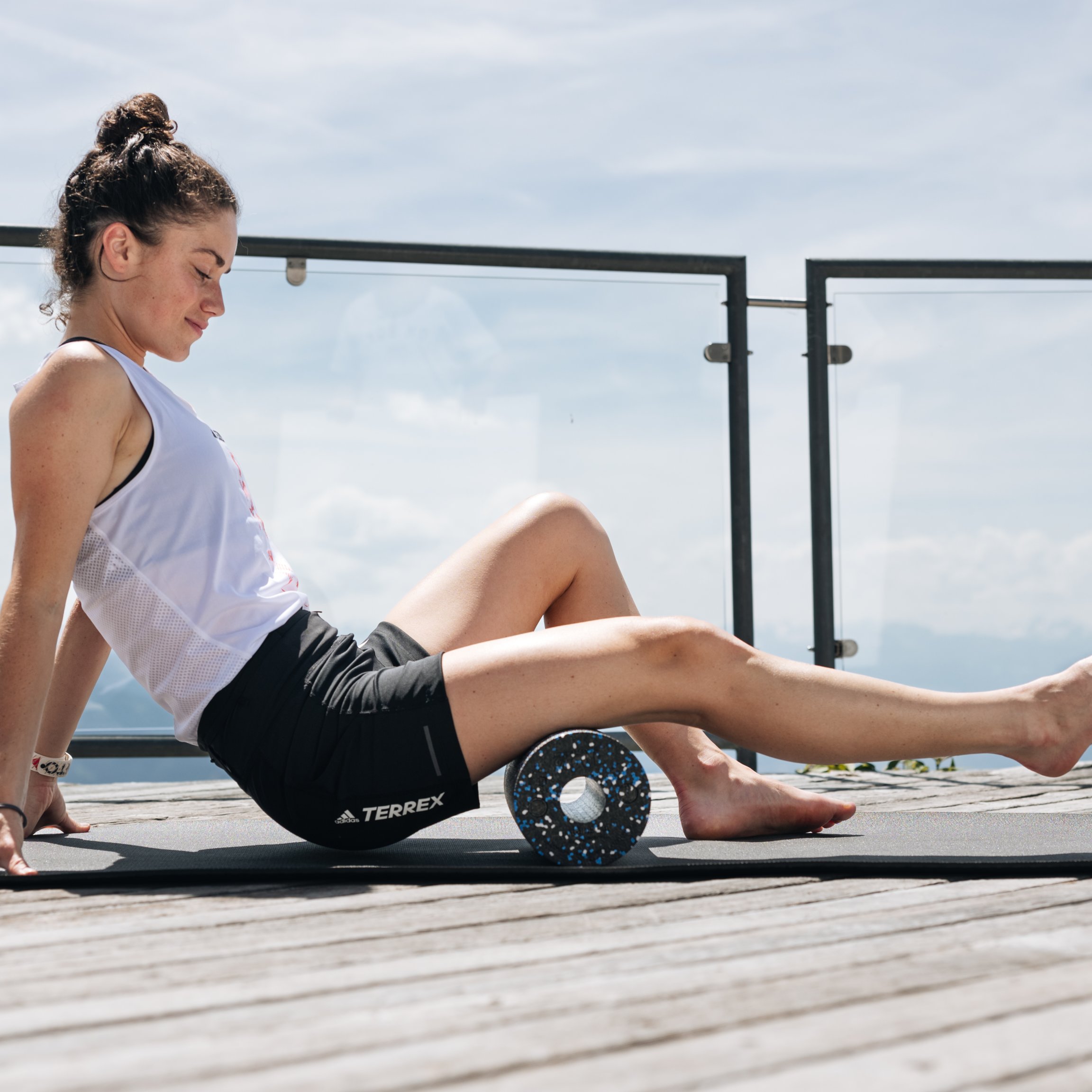
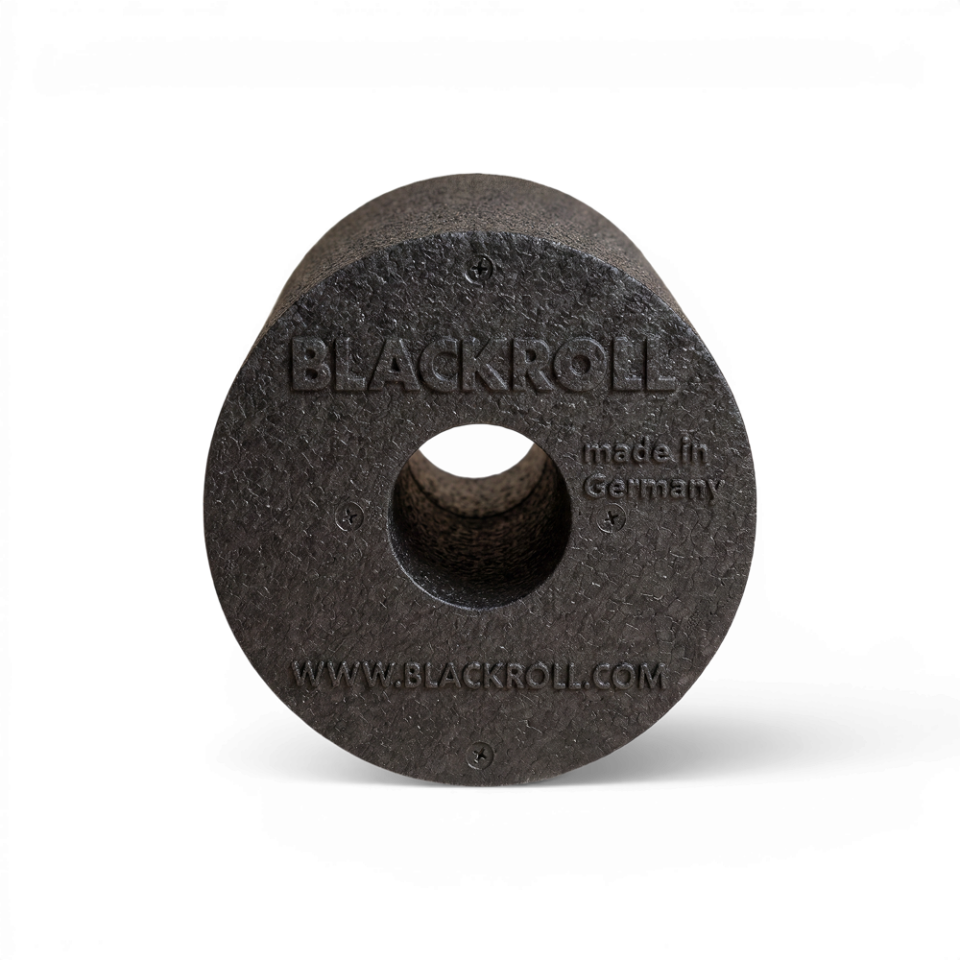
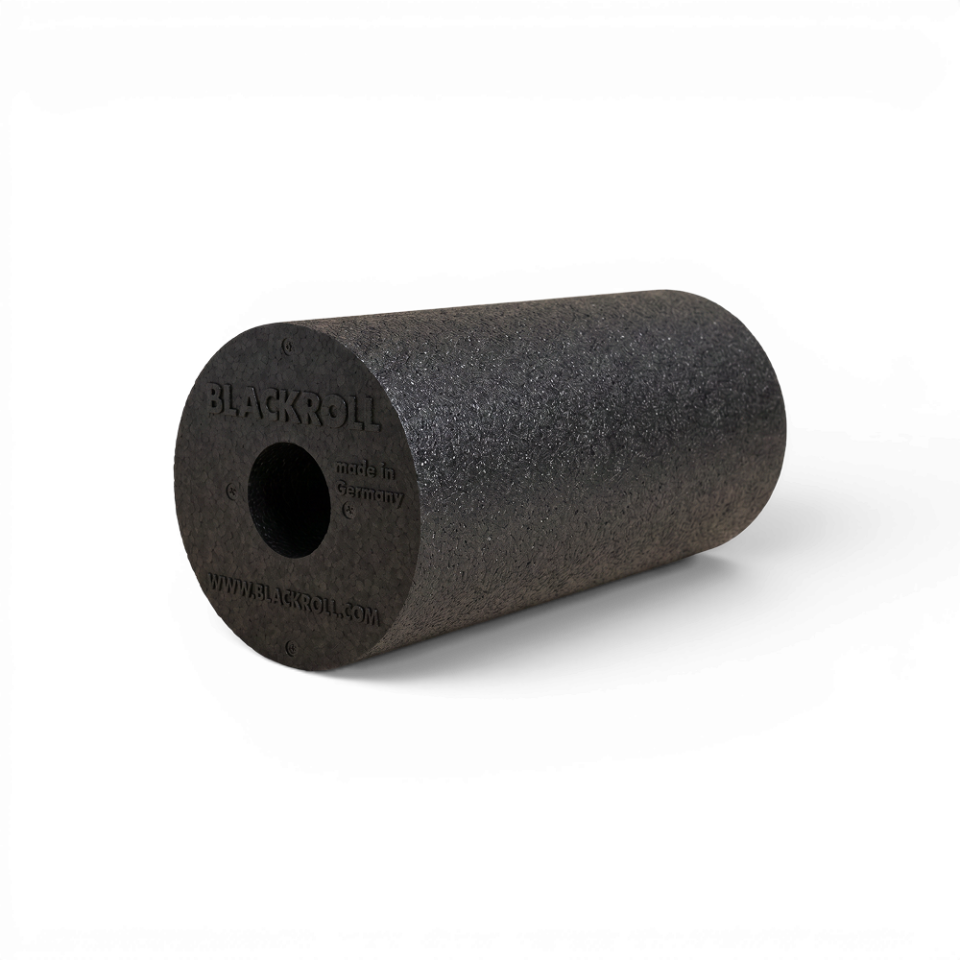
After gentle sessions, the BLACKROLL Standard foam roller can support blood circulation and relieve tension — without placing any additional strain on the body during the fasting phase.

Boost your blood circulation and relieve tension.
Standard08 How to combine fasting and myofascial release
Fasting — like training — is a physiological stressor, and the positive effects are more likely to kick in when you maintain a balanced routine of exercise and recovery. Incorporate targeted myofascial release to complement this approach.
Here’s what a daily fasting routine might look like:
Choosemoderate exercise rather than intense training — a walk, yoga or gentle mobilisation are sufficient.
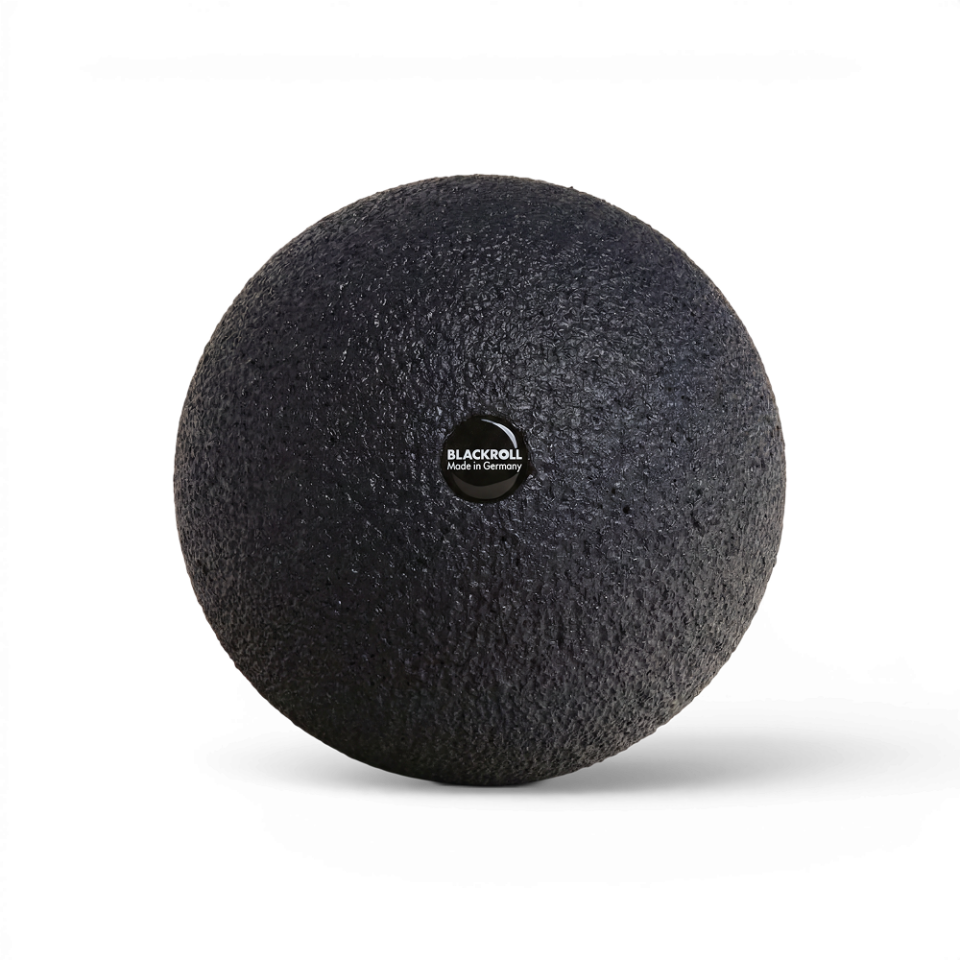
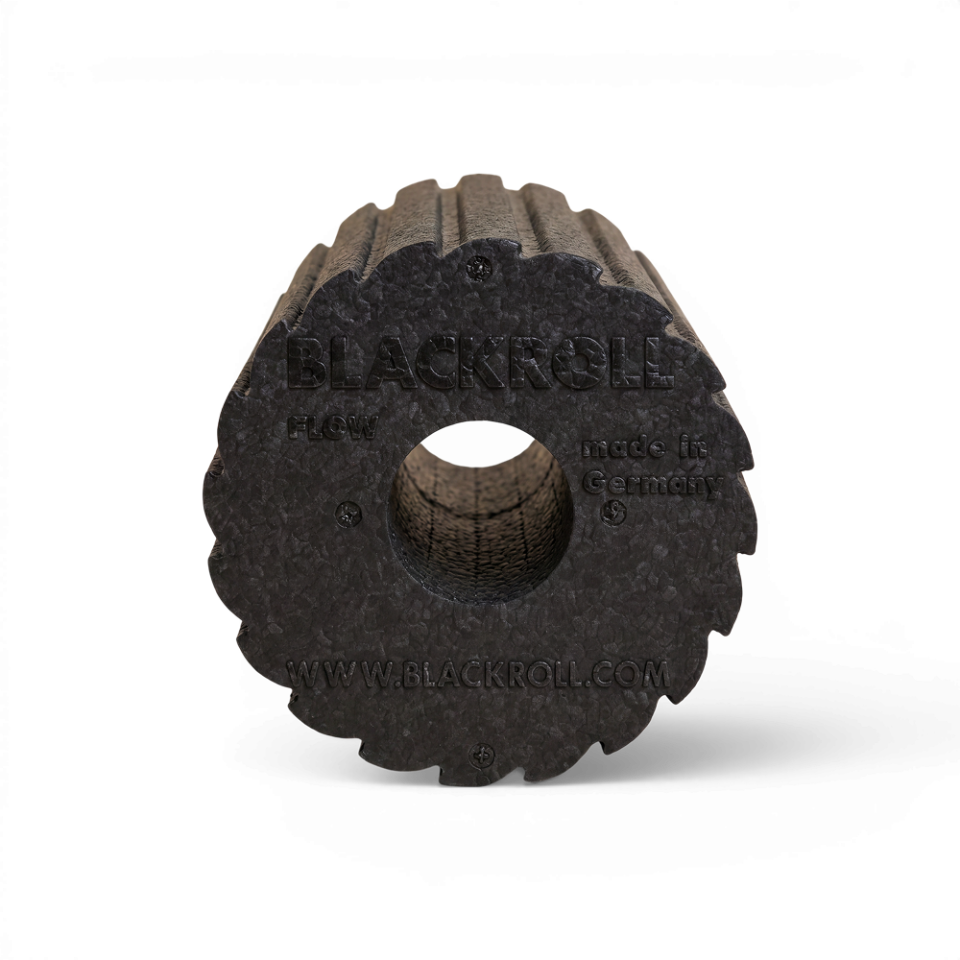
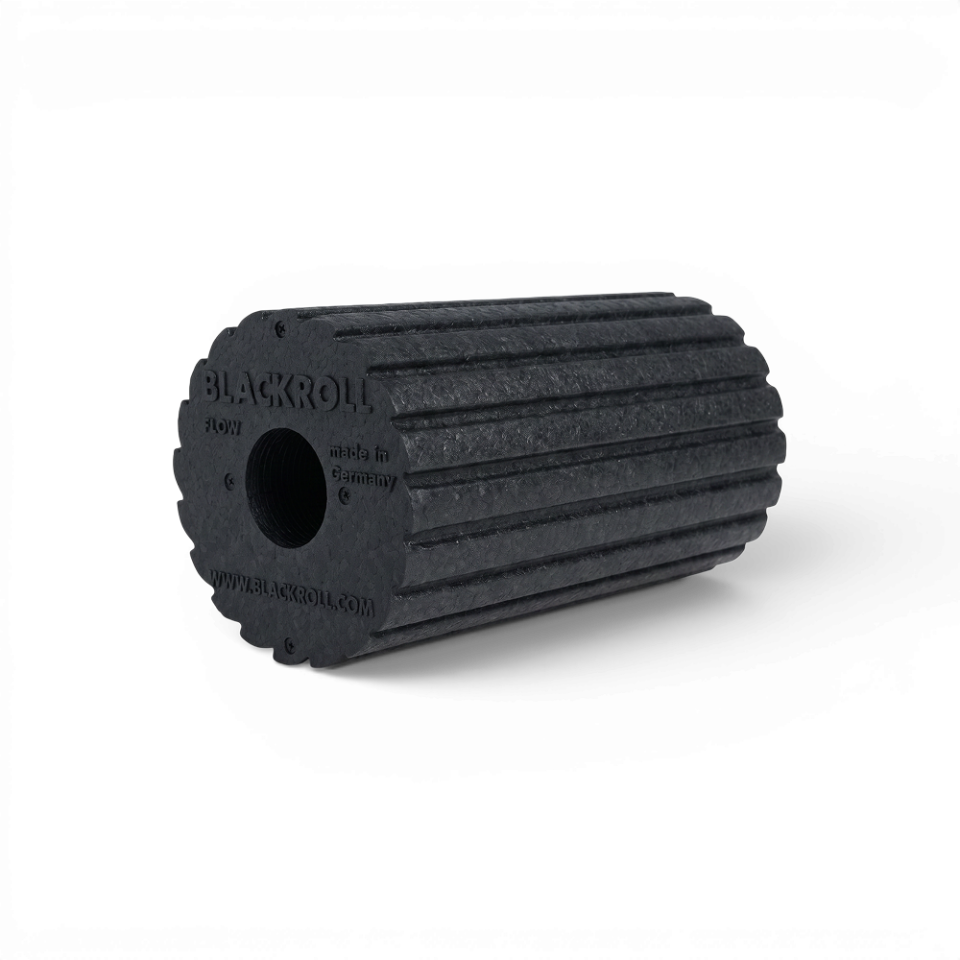
Fascia work with BLACKROLL fascia tools: myofascial self-massage boosts blood circulation and releases tension that can arise from the altered fluid balance during fasting – the BLACKROLL Flow or Ball 12 are well suited for gentle sessions throughout the day.
Aim for 7–9 h of sleep — feel free to sleep in a little longer; your body will thank you for it.
Practise breathing exercises or short meditation sessions to help keep cortisol levels low and manage cravings.
Don’t forgetelectrolytes: water, mineral water or unsalted stock replenish what is lost during fasting.
Fasting as a conscious reset — with the right approach
Weight loss, improved insulin sensitivity and beneficial effects on blood pressure and blood lipids — fasting offers several advantages and can enrich your life with a valuable experience. Approach your fast in a structured way — with medical supervision, rest days and a clear plan for the period afterwards.
The real value lies not in the fasting days themselves but in what you make of them afterwards; use the experience to question old habits and start fresh with your diet.
For your fascia self-massage

FAQ – the most important questions about fasting
It means consciously abstaining from solid food for a defined period of time. Unlike involuntary starvation, fasting's a deliberate choice. After 12 to 16 h without food, your body switches its metabolism from burning glucose to burning fat — a process called ketosis.
For healthy adults, fasting is generally safe and may positively influence metabolism, blood pressure and blood lipids (Mattson et al., 2017; Vasim et al., 2022).
If you have any pre-existing medical conditions, are pregnant or are underweight, consult a doctor before you fast.
To start with, 14–16 h of intermittent fasting is a good option — it’s suitable for everyday life and well tolerated. Undertake multi-day fasting programmes only under medical supervision. More important than the duration of the fast is what comes afterwards: sustainable eating habits determine long-term success (Rynders et al., 2019).
Yes — the calorie deficit causes the body to break down fat reserves. Compared with continuous calorie restriction, fasting offers no additional benefit when the energy balance is the same (Rynders et al., 2019).
The diet you follow after the fast is crucial for sustainable weight loss.
Moderate activities such as walking, yoga or light strength training are well tolerated while fasting. High-intensity exercise is better suited to being done after a meal. Adapted training during intermittent fasting has no negative effect on performance.

All exercises in our App
Download our free app to find more than 500 exercises and configure your own workouts, track your trainings and progress. Save your favorite routines and exercises and learn how to recover, train your flexibility and strength as well as your athletic capabilities.
You may also be interested in


Sources
Mattson, M., Longo, V. and Harvie, M. (2017). Impact of intermittent fasting on health and disease processes. Ageing Research Reviews, 39, 46–58. https://doi.org/10.1016/j.arr.2016.10.005
Vasim, I., Majeed, C. and DeBoer, M. (2022). Intermittent fasting and metabolic health. Nutrients, 14. https://doi.org/10.3390/nu14030631
De Toledo, W., Grundler, F., Bergouignan, A., Drinda, S. and Michalsen, A. (2019). Safety, health improvement and well-being during a 4 to 21-day fasting period in an observational study including 1,422 subjects. PLoS ONE, 14. https://doi.org/10.1371/journal.pone.0209353
Hoddy, K., Kroeger, C., Trepanowski, J., Barnosky, A., Bhutani, S. and Varady, K. (2015). Safety of alternate-day fasting and its effect on disordered eating behaviours. Nutrition Journal, 14. https://doi.org/10.1186/s12937-015-0029-9
Rynders, C., Thomas, E., Zaman, A., Pan, Z., Catenacci, V. and Melanson, E. (2019). Effectiveness of intermittent fasting and time-restricted feeding compared to continuous energy restriction for weight loss. Nutrients, 11. https://doi.org/10.3390/nu11102442
Khalafi, M., Habibi Maleki, A., Symonds, M. E., Rosenkranz, S. K., Rohani, H. and Ehsanifar, M. (2024). The effects of intermittent fasting on body composition and cardiometabolic health in adults with prediabetes or type 2 diabetes: A systematic review and meta-analysis. Diabetes, Obesity and Metabolism, 26(9), 3830–3841. https://doi.org/10.1111/dom.15730
Berthelot, E., Etchecopar-Etchart, D., Thellier, D., Lançon, C., Boyer, L. and Fond, G. (2021). Fasting interventions for stress, anxiety and depressive symptoms: a systematic review and meta-analysis. Nutrients, 13. https://doi.org/10.3390/nu13113947
Kazeminasab, F., Sharafifard, F., Kerchi, A., Bagheri, R., Carteri, R., Kirwan, R., Santos, H. and Dutheil, F. (2025). Effects of intermittent fasting and calorie restriction on exercise performance: a systematic review and meta-analysis. Nutrients, 17. https://doi.org/10.3390/nu17121992