Menopause symptoms: the complete overview

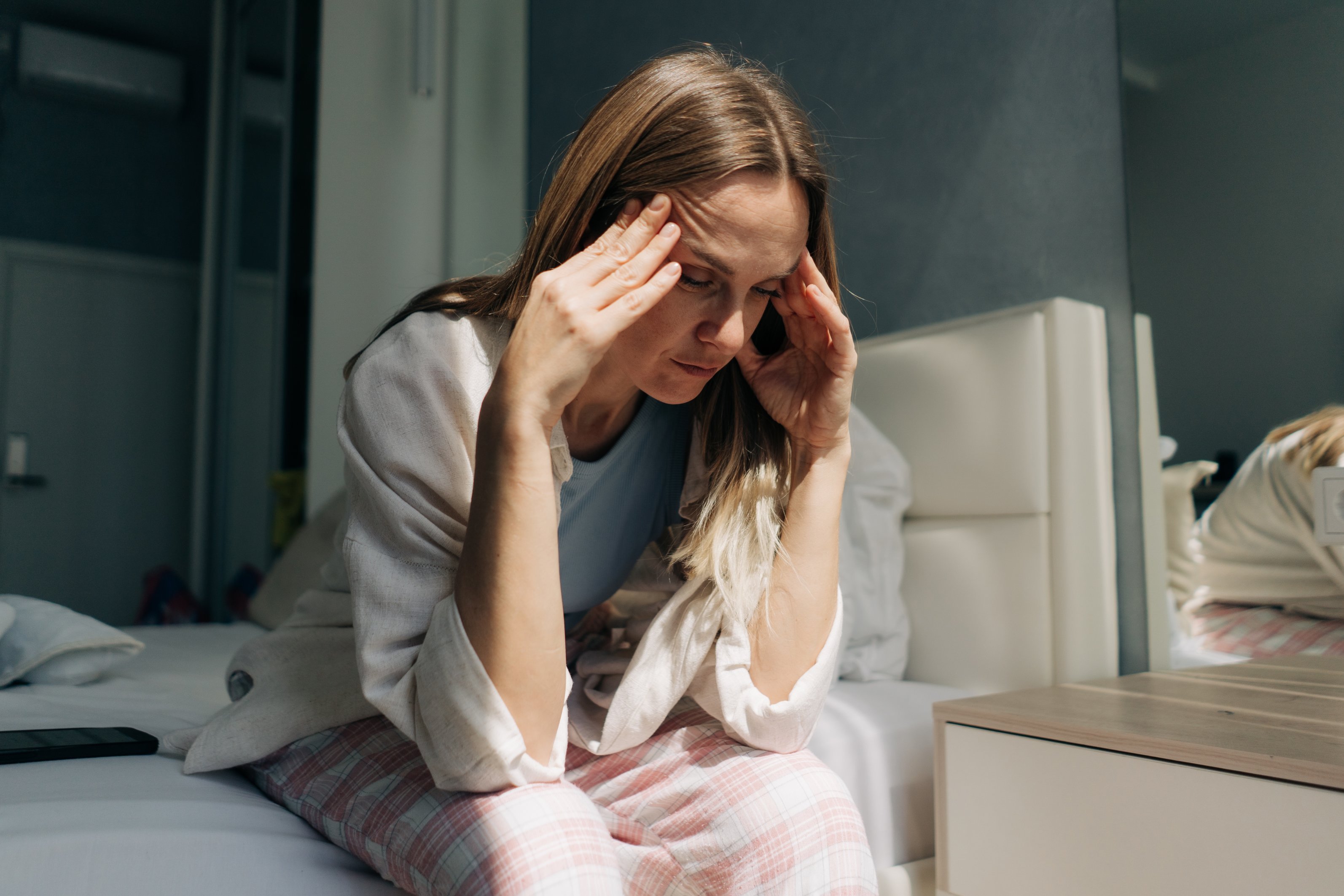
The menopause is a phase of hormonal change that is often accompanied by sleep problems, hot flushes, mood swings, joint pain, brain fog and weight gain, as well as other physical, psychological and cognitive changes. Which symptoms occur, and how much they affect everyday life and quality of life, varies from woman to woman.
In a nutshell
- Menopausal symptoms are varied: hot flushes and night sweats are just as common as sleep disturbances, exhaustion, joint pain, brain fog, weight gain or vaginal dryness.
- These symptoms can appear even before the menopause: the first signs often occur during perimenopause, although periods may still be regular.
- Sleep, mental health and physical wellbeing are closely linked: sleep problems, mood swings, irritability and difficulty concentrating can all exacerbate one another.
- The musculoskeletal and urogenital systems may also be affected: joint and muscle pain, pelvic floor problems, incontinence or recurrent bladder infections are possible accompanying symptoms.
- We can helpyou find relief through exercise and strength training, lifestyle changes and individually tailored hormonal or other medical treatments.
Menopause symptoms at a glance
The symptoms of the menopause are varied and often change over time: the most common complaints include sleep disturbances, mood swings, increased irritability, problems concentrating and ‘brain fog’, joint pain, weight gain, skin changes as well as vaginal dryness and changes to the menstrual cycle.
Pelvic floor problems, incontinence or a frequent urge to urinate may also gradually develop. As the process continues, the menstrual cycle often changes before the final period eventually occurs. Hot flushes and night sweats are also particularly typical of the menopause; for many people, these only become more pronounced as the process continues.
It’s a broad range of symptoms — yet their nature, intensity and frequency vary from person to person. They depend on each individual’s hormonal balance and the stage of the menopause they’re at.
The first symptoms can appear even while your menstrual cycle is still regular, which is why they're often not initially linked to hormonal changes.
We’ll show you in detail which symptoms may occur in different parts of the body and provide a simple self-assessment to help you determine whether your current symptoms could be linked to the menopause.
The main symptoms of the menopause, by area of the body
- Vasomotor symptoms: hot flushes, night sweats
- Sleep and energy: sleep disturbances, including difficulty falling asleep and staying asleep, tiredness, exhaustion
- Mental health and brain: mood swings, irritability and problems concentrating
- Musculoskeletal system: joint pain, muscle pain, bone loss (osteopenia and osteoporosis)
- Urogenital area: vaginal dryness, pelvic floor problems, incontinence and bladder problems
- Skin, hair and weight: dry skin, hair loss, weight gain and increased abdominal fat
- Other symptoms: loss of libido, breast tenderness, changes to the menstrual cycle (particularly irregular or prolonged cycles)
Self-assessment: do I have menopausal symptoms?
We’ve selected five questions for you that you can simply answer with ‘Yes’ or ‘No’:
- Has your sleep changed, for example due to difficulty falling asleep, frequent waking or night sweats?
- Have you noticed any other physical changes such as weight gain (particularly abdominal fat), joint pain, a deterioration in your skin or hair loss?
- Do you often feel exhausted or find it hard to concentrate?
- Do you feel more irritable, or do you notice more mood swings?
- Has your period changed noticeably in recent months — in other words, has the length, intensity or frequency of your monthly period changed?
If you’ve answered ‘yes’ to most of these questions, your symptoms may be a side effect of the menopause. This is an important indication and a starting point for understanding what your body is going through right now and how you can best support it.
Even if you’ve answered only a few questions with ‘yes’ – if just one symptom is affecting you to the extent that you feel significant limitations in your life and everyday life, seek medical advice.
Sleep disturbances and exhaustion during the menopause
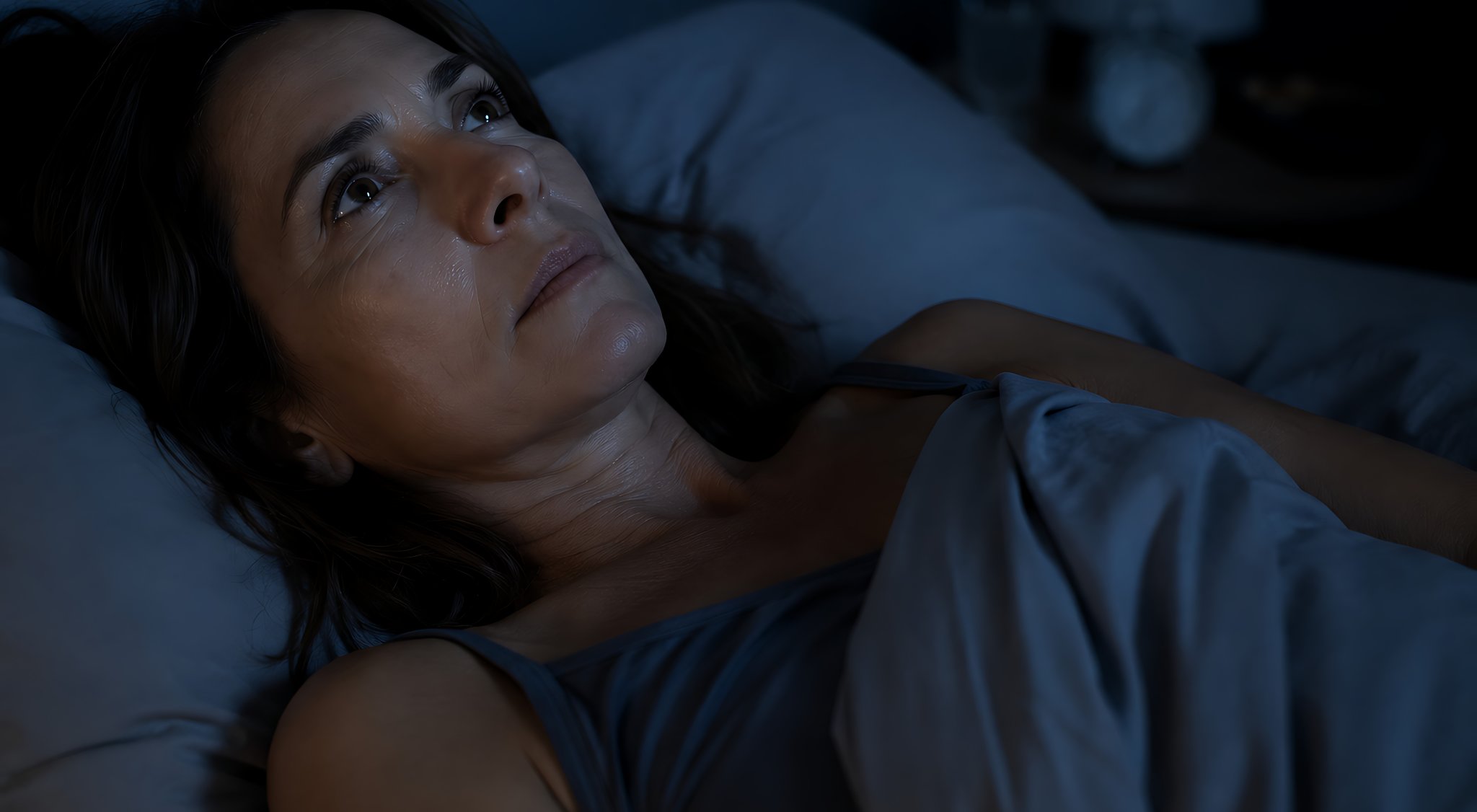
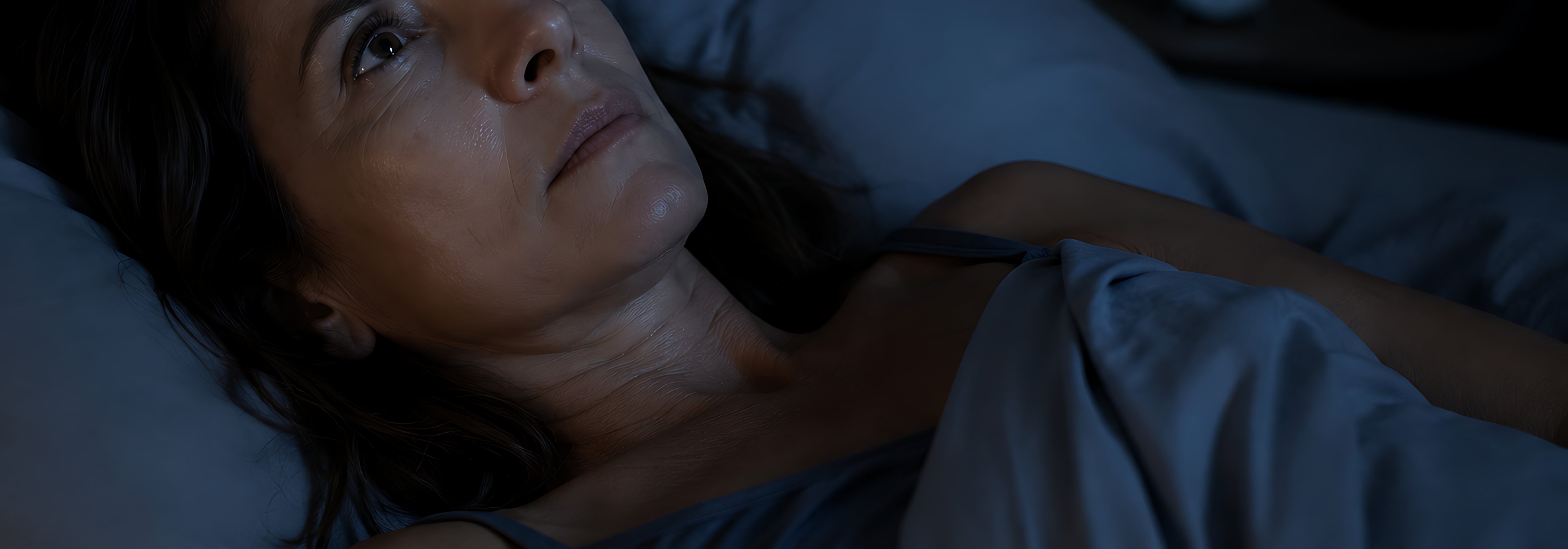
Sleep disturbances are among the most common complaints during the menopause. These mainly involve waking up during the night and a lack of feeling of recovery. This is closely linked to the night-time hot flushes and night sweats described above.
Changes in melatonin and stress levels can also contribute to sleep disturbances. Various ageing processes not only alter our melatonin secretion but can also lead to changes in cortisol levels.
Both can affect the quality of your sleep: altered regulation of melatonin and cortisol, as well as poorer blood sugar control, can contribute to frequent waking, less restful sleep and poorer sleep quality.
If you’d like to improve your sleep in a targeted way, our online prevention course ‘Sleep better – at every stage of life’ can help you better understand your sleeping habits and work towards restful sleep using specific strategies.

Sleep better — at every stage of life with our online prevention course. Up to 100% reimbursement.


Psychological and cognitive symptoms of the menopause
Fluctuating hormone levels during the menopause can affect your mood, mental performance and ability to cope with stress.
These hormonal changes affect various areas of the brain, including memory and emotional regulation.
You may notice mood swings, increased irritability, difficulty concentrating or depressive moods. These psychological symptoms can intensify when combined with physical symptoms such as sleep disturbances.
Mood swings
Here, too, hormonal changes play a key role — directly influencing the regulation of neurotransmitters such as serotonin, which is responsible, amongst other things, for mood, sleep and our emotional balance.
Particularly in the years leading up to the actual onset of the menopause (perimenopause), when fluctuations in oestrogen and progesterone are especially pronounced, you may react more sensitively to stress and, as a result, experience more pronounced emotional fluctuations.
Irritability
Much like with mood swings, you may often feel more irritable during the menopause. You may find yourself feeling that everything is quickly becoming too much, that little things throw you off balance or that you feel overwhelmed in situations that were previously easy to cope with. Hormonal changes, lack of sleep and changes in how you cope with stress can all contribute to you reacting more sensitively to stress.
Brain fog and concentration problems
Do you recognise that feeling when you walk into a room with a clear purpose and plan, only to suddenly forget completely what you set out to do? Or when you’re in a conversation and try to recall information or memories, but just can’t seem to manage it?
This sensation is known as ‘brain fog’ — it feels as though you’re having to fight your way through a thick fog in your head to access information. Due to a combination of the symptoms described above (lack of sleep, stress and increased irritability), these concentration problems can occur more easily and more frequently, affecting your cognitive performance.
Depressive moods
During the period around the menopause, many people feel less mentally resilient – persistent low mood, a lack of enthusiasm, loss of interest – all of this is part of the experience and can manifest as a general depressive mood.
If these moods persist or become overwhelming, seek medical advice.
Vasomotor symptoms: hot flushes and night sweats
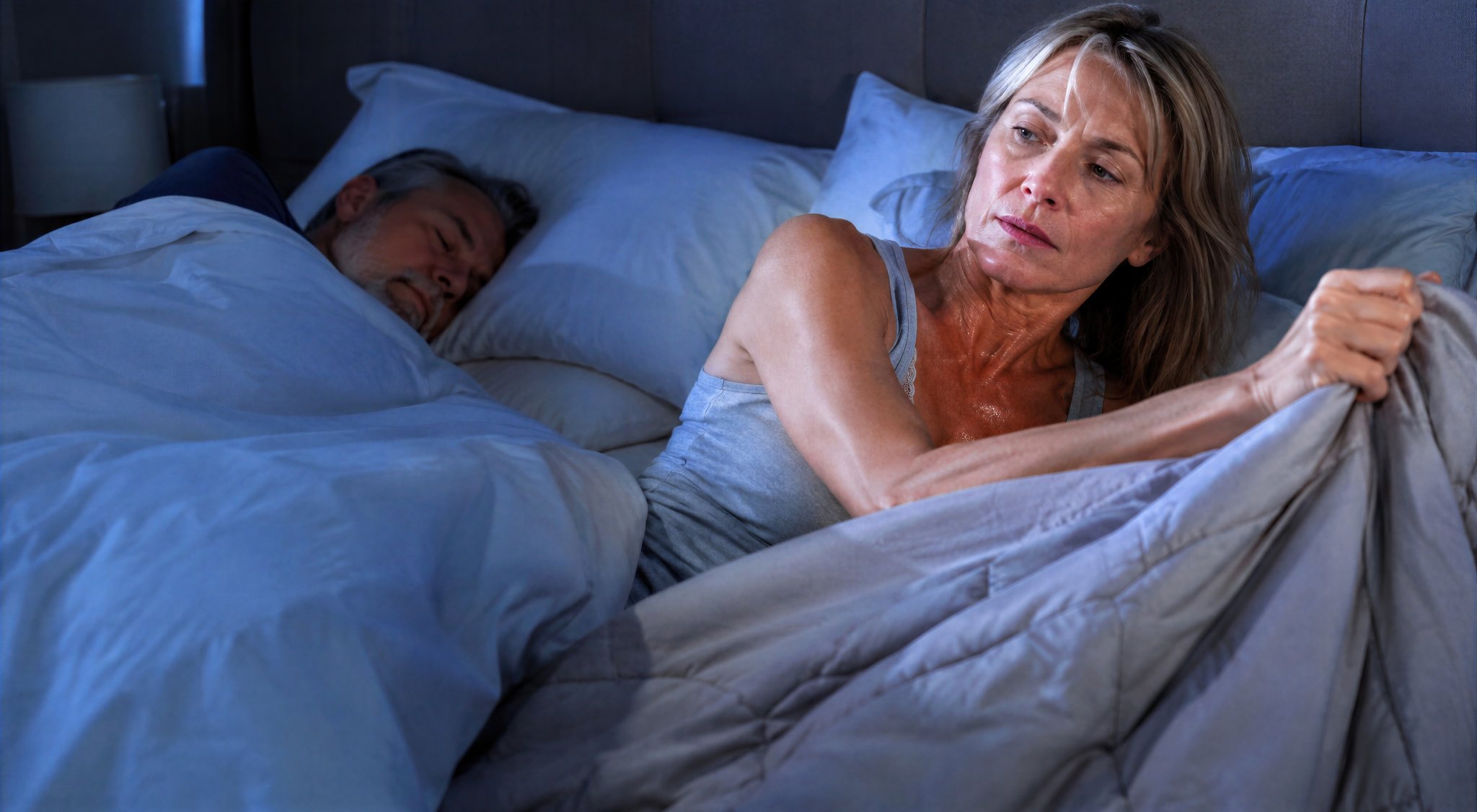
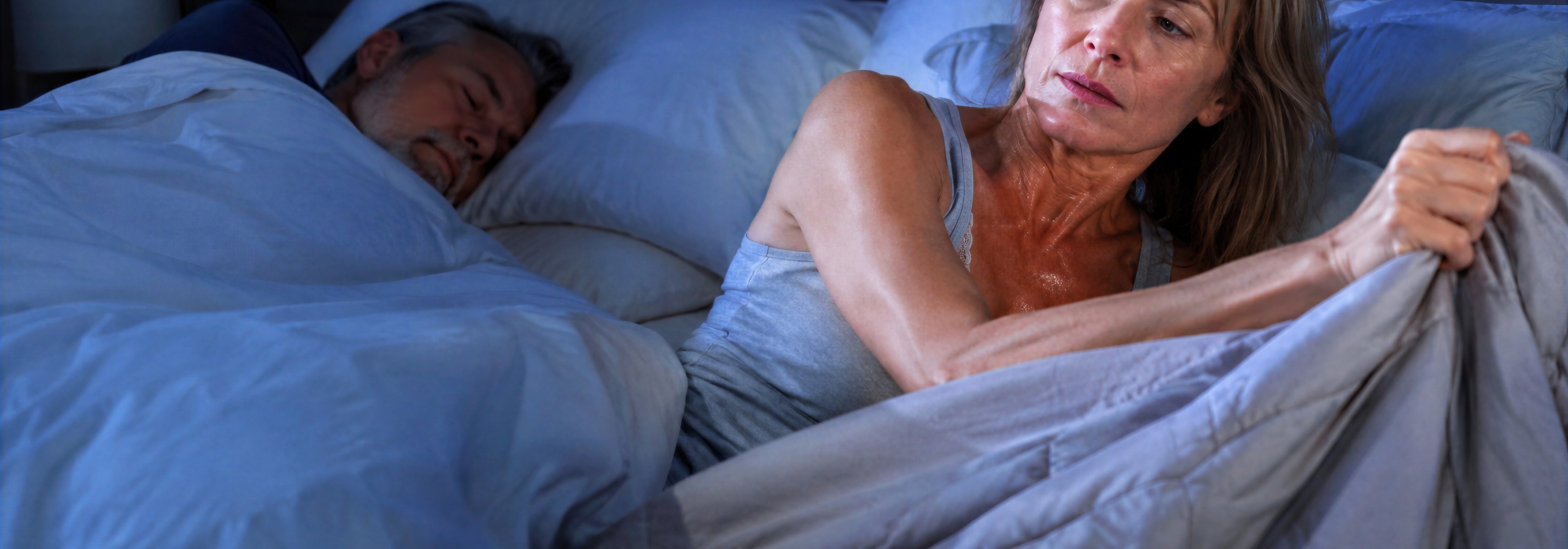
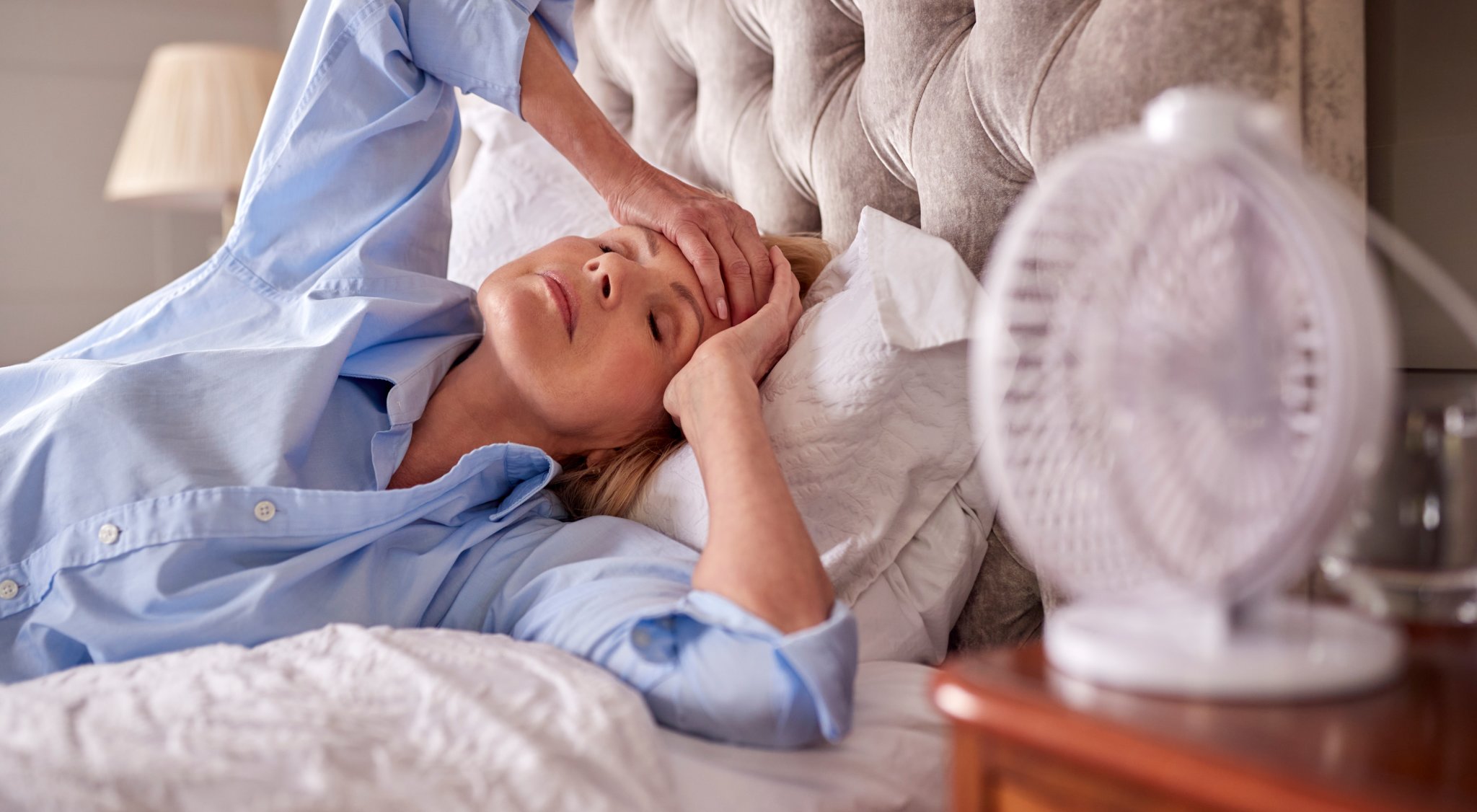
Vasomotor symptoms such as hot flushes and night sweats are among the key symptoms of the menopause. Between 50–82% of people experience one of these symptoms during the menopause; on average, they last for around 7.5 yr. That’s quite a long time — the cause appears to be falling or fluctuating oestrogen levels, which alter temperature regulation in the brain. The body then overreacts, meaning that even the slightest changes in temperature can trigger vasomotor symptoms.
Hot flushes during the menopause
Hot flushes, often referred to as ‘hot flashes’, can be caused by changes in temperature regulation in the brain. The hypothalamus, the body’s thermostat, controls body temperature. During the menopause, small fluctuations in core body temperature are often interpreted as overheating. The body reacts by releasing more heat: the blood vessels dilate (vasodilation) and sweat production is triggered. This can suddenly lead to an intense feeling of heat, accompanied by skin redness and increased sweating.
Night sweats during the menopause
During sleep your core body temperature drops as part of the natural sleep cycle, yet your thermoregulatory system can still overreact and trigger excessive cooling. If you wake up at night because your pyjamas and bed linen are soaked with sweat and you then feel cold, night sweats and an overactive cooling response are likely to blame.
There’s ongoing scientific debate as to whether the so-called ‘candy hormones’ – correctly known as KNDy neurons – are among the possible triggers. Strictly speaking, they’re not hormones, but nerve cells that contain the neurotransmitters kisspeptin, neurokinin B and dynorphin. KNDy neurons play an important role in both regulating the menstrual cycle and controlling body temperature. Normally, they’re inhibited by oestrogen. When oestrogen levels fall during the menopause, this inhibitory effect weakens: the KNDy neurons become more active and can make the brain’s temperature centre more sensitive.

Joint, muscle and bone pain during the menopause
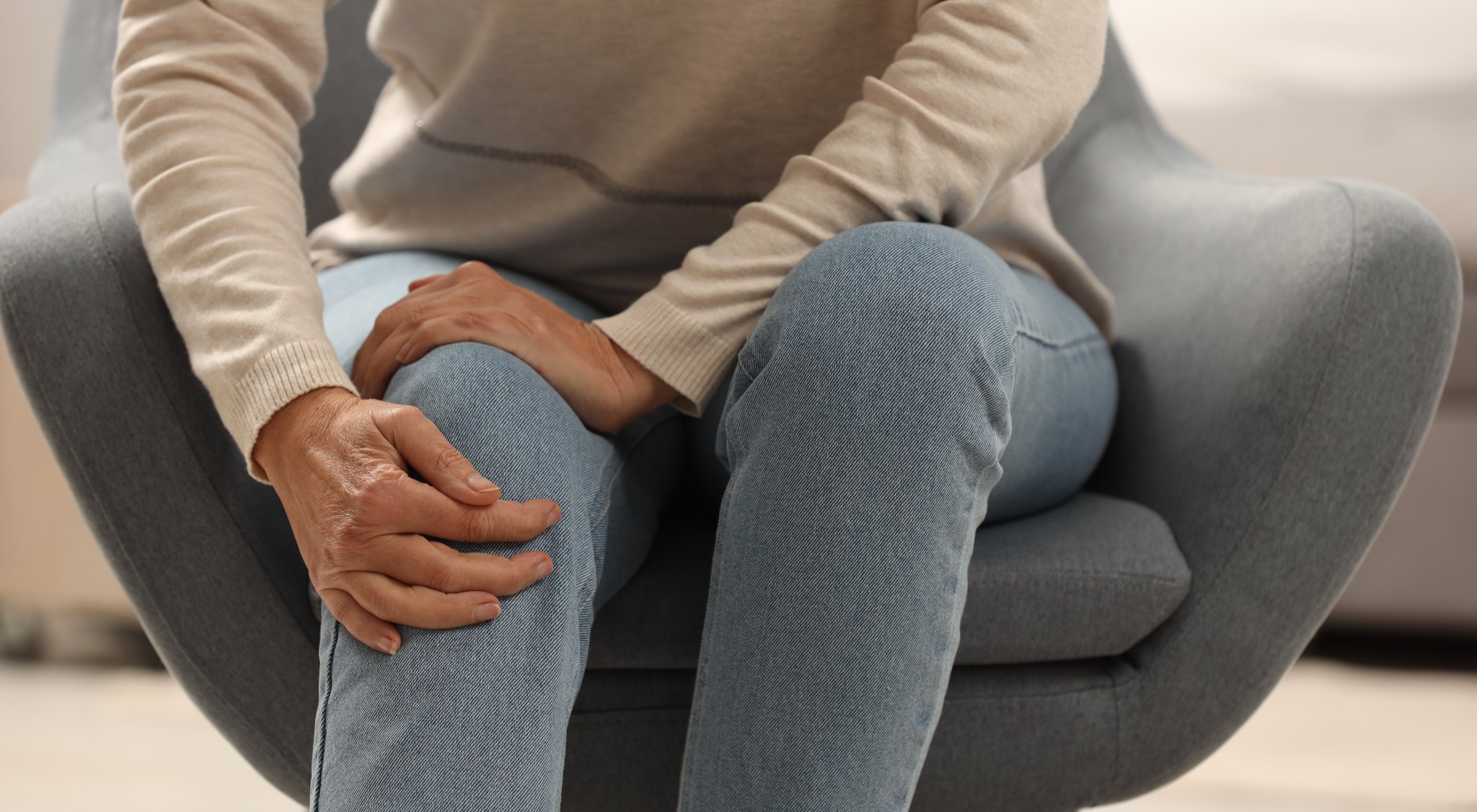
Joint pain during the menopause is often underestimated — precisely because the symptoms are non-specific and can vary from being quite severe to barely noticeable. Pain in the musculoskeletal system is often not initially associated with the peri-menopause or menopause. However, the so-called Musculoskeletal Syndrome of Menopause (MSM) causes such symptoms in up to two-thirds of women. Here, too, a combination of falling oestrogen levels, altered inflammatory processes, changes in connective tissue and the natural loss of muscle mass with age is responsible.
Joint pain during the menopause
Joint pain can manifest itself particularly as morning stiffness or a feeling of being ‘stiff as a board’. Typical symptoms include fluctuating discomfort, with the affected areas of the body often alternating: the knees, hips, shoulders, fingers and wrists are particularly frequently affected, although the symptoms often improve with movement. A key factor behind these symptoms is the decline in oestrogen levels, which normally supports joint metabolism, modulates inflammation and also plays an important role in pain processing. Distinguish joint pain during the menopause from other causes such as osteoarthritis, rheumatoid arthritis, inflammatory joint conditions or tendon and muscle problems, which can cause similar symptoms.
Pain throughout the body during the menopause
Diffuse discomfort affecting the entire musculoskeletal system can also occur during the menopause. This is due to a combination of various factors: hormonal changes affect joints, muscles, tendons and fascia. At the same time, muscle mass decreases gradually at first and then more rapidly with age, placing greater strain on the joints. Pain processing in the nervous system also changes, meaning that stimuli may be perceived more intensely. A fluctuating pattern is often characteristic: today it’s the shoulder that hurts, tomorrow the knee or the hip. Find out what you can do about it here (link to ‘Joint pain during the menopause: causes, prognosis and 15-minute Fascia Routine’).

Urogenital symptoms of the menopause
The hormonal changes during the menopause can manifest as urogenital menopausal syndrome. This term covers a range of symptoms affecting the vulva, vagina and lower urinary tract. Typical symptoms include vaginal dryness, itching or a burning sensation or a change in the elasticity of the vaginal tissue. This is caused by changes in oestrogen levels, which can affect the mucous membrane, blood circulation and the vaginal microbiome – and may also manifest as an increased incidence of bladder infections, incontinence or pelvic floor problems.
Vaginal dryness during the menopause
It's a common issue during the menopause and, unfortunately, it won't resolve on its own without treatment. We can help you manage these symptoms effectively with a special cream (vaginal estriol cream); start treatment as soon as possible. Seek medical advice at an early stage in all cases. Reduced blood flow and a thinner vaginal lining mean the vagina produces less moisture, so you may notice dryness, itching, irritation and pain during sex. Vaginal moisturising creams or lubricants can help; for more severe symptoms local oestrogen therapy is considered an effective treatment option.
Can the vagina become tighter during the menopause?
The myth that the vagina becomes tighter or even ‘closes up’ describes, to a much greater extent, a changed body image caused by various symptoms, rather than the vagina actually becoming tighter. However, due to a lack of oestrogen, tissue and mucous membranes can become drier, thinner and less elastic. These changes can make the vagina feel tighter, and inserting tampons or having sexual intercourse may be uncomfortable or painful. Experts refer to this as vaginal atrophy or the Genitourinary Syndrome of Menopause (GSM).
Incontinence and the pelvic floor
It’s not only the vagina that may feel structurally different; the pelvic floor and urinary tract are also often affected by falling oestrogen levels. As the tissue loses elasticity, the muscles often lose stability and the bladder receives less support. As a result, you may find that urine is involuntarily released when you cough, sneeze or exercise. Studies show that targeted pelvic floor exercises, especially when started early, can often significantly alleviate these symptoms.
Bladder infections and frequent urge to urinate
As oestrogen levels fall during the menopause, the natural microbiome of the vaginal flora also changes. Protective lactobacilli become less common whilst pathogenic bacteria can enter the urinary tract more easily. At the same time the mucous membranes of the vagina and urethra become thinner and lose some of their natural protective function. This can result in recurrent bladder infections, a frequent urge to urinate or a sudden, strong urge to urinate. These symptoms are also part of GSM and can often be alleviated through pelvic floor exercises, local oestrogen treatments or other individually tailored treatment measures.
Why does urine smell different during the menopause?
The smell of urine isn’t inherently different during the menopause — however, hormonal changes and the resulting increase in urinary tract infections can affect it. If your urine suddenly smells strong or unpleasant and is accompanied by a burning sensation or pain, see a doctor to rule out a bladder infection.
Skin, hair and weight changes during the menopause
Your skin may feel drier and more sensitive, your hair could become finer or fall out more easily and you might notice changes in weight or fat distribution. Simple steps such as adjusting your diet and staying active can help ease these symptoms.
Hair loss during the menopause
Hair loss is a typical symptom associated with the menopause. The main cause is hormonal changes: whilst oestrogen levels fall, testosterone levels remain relatively stable. As a result, androgens such as testosterone and its metabolite dihydrotestosterone (DHT) can have a stronger effect on the hair follicles. The hair’s growth phase is shortened; the hair becomes finer and thinner and more hair falls out. You may notice thinning hair, especially around the parting. We can help you manage this with evidence-based options such as minoxidil, hormone therapies or by addressing deficiencies in iron, vitamin D, zinc or vitamin B12.
Skin changes
Much like during puberty, the skin reacts particularly sensitively to hormonal changes during the menopause. As oestrogen levels fall, the production of collagen, elastin and hyaluronic acid decreases. The skin becomes drier, thinner and loses firmness and elasticity. The skin barrier also changes: its protective function and ability to heal wounds may diminish, meaning the skin is less able to retain moisture and reacts more sensitively to external factors.
Weight gain and abdominal fat
Unintended weight gain is common during the peri- and post-menopausal periods. In what’s known as the ‘hormone belly’ or ‘meno-belly’, fat accumulates increasingly in the abdominal area – particularly visceral fat, which surrounds the internal organs. This abdominal fat is associated with an increased risk of metabolic disorders, type 2 diabetes and cardiovascular diseases. In addition to falling oestrogen levels, age-related changes in metabolism, a decline in muscle mass and reduced physical activity also contribute to weight gain. A balanced diet combined with regular exercise — particularly strength training — can help to slow down weight gain and reduce waist circumference.
Other symptoms and related issues associated with the menopause
In addition to well-known symptoms such as hot flushes, sleep disturbances or weight gain, you may experience other changes. The hormonal shifts affect the uterus, breast tissue, mucous membranes and sexual function, so existing fibroids may change, breast tenderness may develop or sexual sensation and libido may fluctuate. Whether and to what extent these symptoms appear depends on lifestyle, stress levels and genetic factors.
Fibroids during the menopause
Uterine fibroids are benign muscle tumours of the uterus whose growth is influenced by hormones (oestrogen and progesterone). Many fibroids cause no symptoms and are often only discovered by chance. As hormone levels drop after the menopause, the fibroids shrink in many people and cause fewer problems. However, some people may continue to experience symptoms such as a feeling of pressure or fullness in the lower abdomen, an increased urge to urinate due to pressure on the bladder or abnormal bleeding. Brustspannen
Breast tenderness
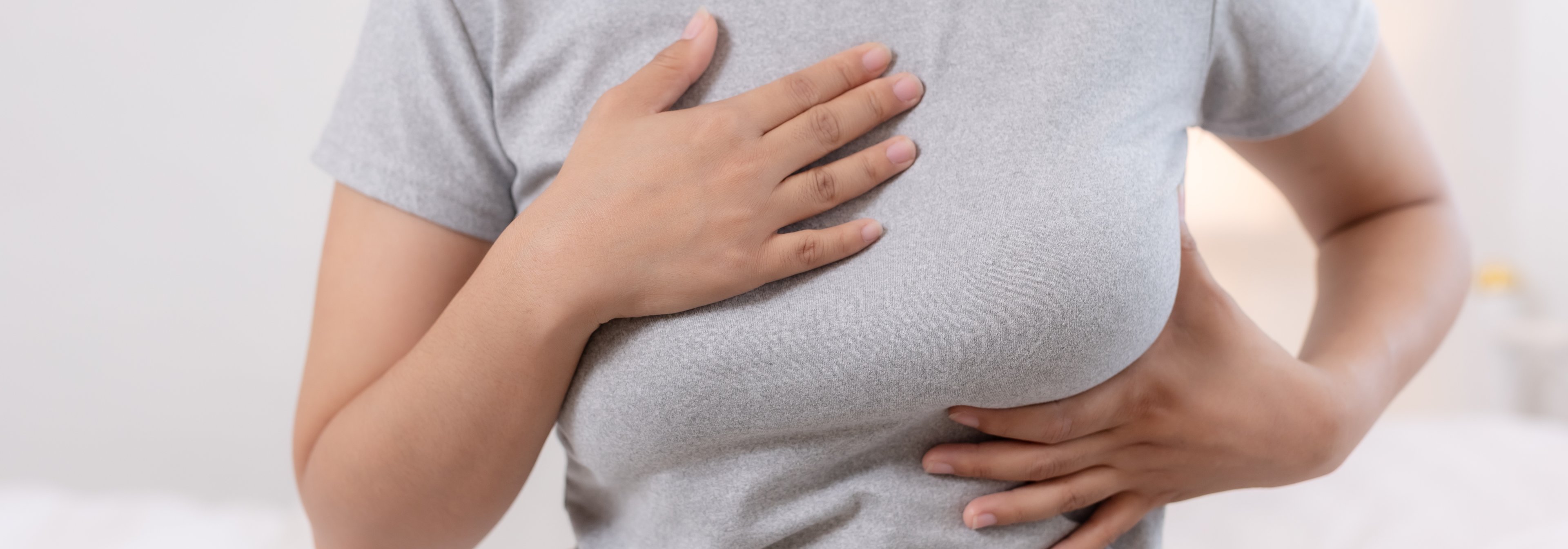
Fluctuating oestrogen and progesterone levels during perimenopause can temporarily increase sensitivity, swelling or a feeling of heaviness in the breasts. In addition, the composition of breast tissue changes with age: glandular tissue may be partially replaced by fatty tissue, which can alter the structure of the breast. After the menopause, when hormone levels stabilise, these symptoms tend to subside in many people. Well-fitting bras, heat or cold treatments and a balanced diet can help to alleviate the symptoms.
Changes in libido
Changes in desire are common during the menopause. Intercourse may become uncomfortable because of vaginal dryness, the risk of bladder infections rises and low mood can also affect intimacy. Hormonal shifts, physical symptoms and emotional factors all influence libido. Open communication with your partner, local oestrogen therapies, pelvic floor exercises, lubricants or personalised sex counselling can help.


When should menopausal symptoms be assessed by a doctor?
Whenever symptoms interfere with your everyday life or affect your quality of life, or if they appear suddenly, persist and are unusually severe, seek medical advice and a consultation. Even though many symptoms are a normal part of this stage of life, you don't have to suffer from them. Seek advice at an early stage to alleviate your symptoms in a targeted way. New or unusual bleeding, severe pain, urinary tract symptoms and persistent psychological distress or depressive moods should always be investigated by a doctor.


What helps with the symptoms of the menopause?
There are many ways to alleviate your symptoms – ranging from lifestyle changes and topical treatments to personalised hormone therapies. Regular exercise, targeted strength training, a balanced diet and a healthy lifestyle are particularly important. Herbal supplements are also frequently used to provide support, although the scientific evidence varies greatly depending on the active ingredient. We know the interplay between hormones, muscles, metabolism, diet and exercise is central, so we’ll work with you to find the approach that fits your symptoms and overall health.
Exercise
Regular exercise is one of the most effective ways to support you through the menopause. It can positively influence your physical and emotional health, particularly in cases of joint and muscle pain, changes in body image and weight gain. It can improve your mood, promote mobility, maintain muscle mass and reduce joint stiffness. Regular exercise ensures your joints are better nourished whilst helping your muscles and tendons retain their function and resilience. A combination of endurance training, strength training, mobilisation and targeted flexibility exercises works well.
Strength training
Strength training is highly effective for musculoskeletal complaints: well-trained muscles stabilise your joints, distribute the load more evenly, support bone health and improve body image. Studies show that regular strength training can bring about a sustainable reduction in symptoms and restricted movement — before, during and after the menopause. Complete two to three strength training sessions per week, targeting all the major muscle groups. Train at moderate to high intensity to sufficiently challenge the muscles.
Hormone replacement therapy (HRT)
Hormone replacement therapy (HRT) can be an effective and sensible treatment option for certain menopausal symptoms and is always used in consultation with a doctor. HRT replaces the body’s own hormones, which fluctuate significantly and decline during the menopause, and can alleviate typical symptoms such as hot flushes, night sweats and sleep disturbances in particular. Whether HRT is appropriate depends on your symptoms.
Herbal remedies
Home remedies and herbal medicines such as valerian, passion flower, lemon balm, St John’s wort, lavender, black cohosh, sage and hops are frequently used and may help relieve certain symptoms such as sleep disturbances, hot flushes, mood swings and sweating. For joint problems, for example, curcumin from turmeric or boswellia (frankincense) are being investigated for their potential anti-inflammatory properties. In general, though, the evidence varies: while some plant-based substances have been studied for specific symptoms, not all preparations have been tested robustly. Herbal remedies also need patience — depending on the preparation, any effect may appear only after prolonged, regular use.
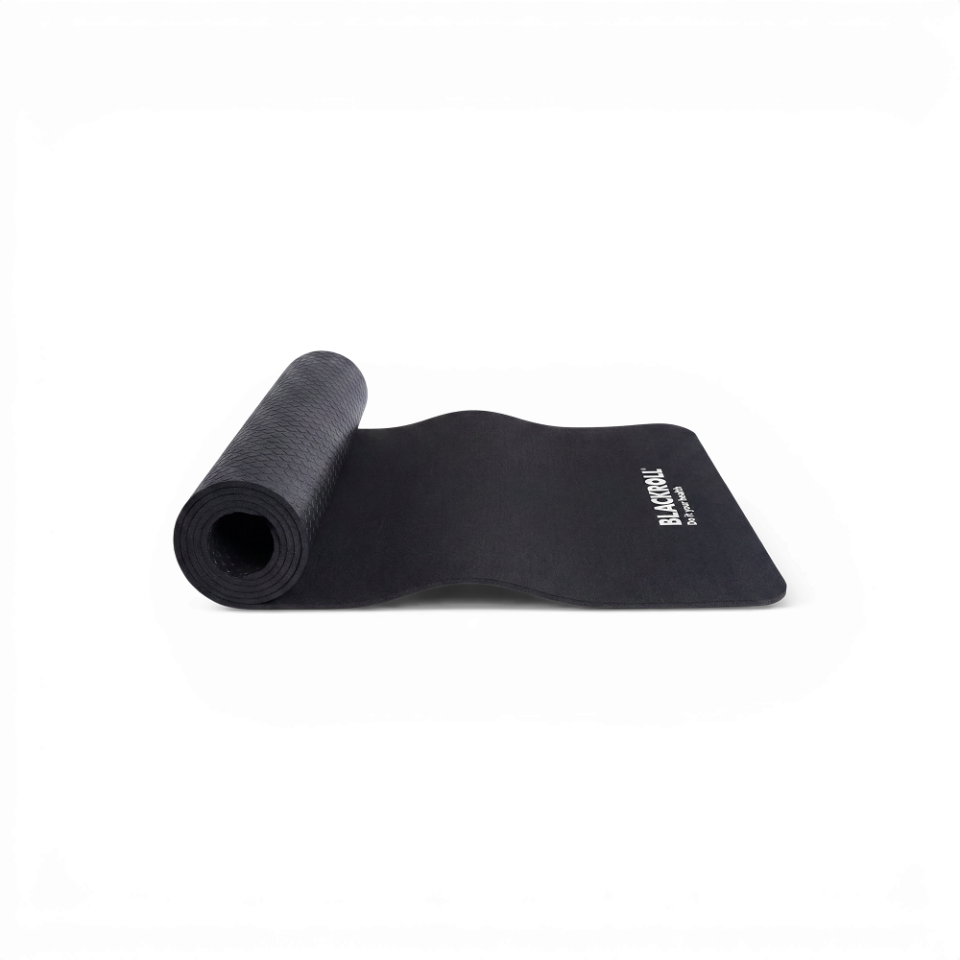
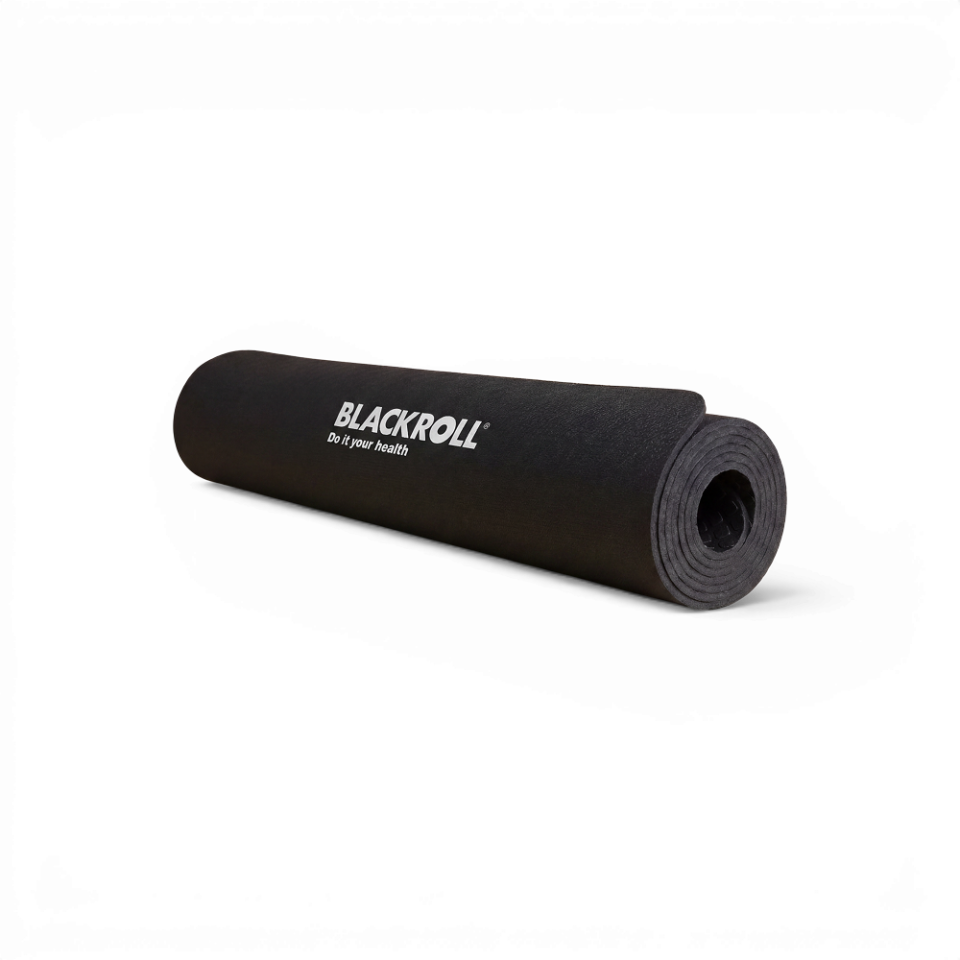
Mat
Available in multiple variants


Frequently asked questions about menopausal symptoms
Useful information
You may experience sleep disturbances, mood swings, weight gain, joint pain, skin changes, loss of libido and difficulty concentrating. As the menopause progresses, you'll often notice hot flushes and night sweats as well.
The duration varies from person to person. Some symptoms disappear after a few years whilst others may persist for longer.
Hormonal changes alter the brain’s temperature regulation, causing the body to react more quickly with a sensation of heat and sweating.
Exercise, a balanced diet, stress reduction and personalised treatments can help to alleviate symptoms.
Yes, hormonal changes can affect mood, stress management and sleep. However, persistent depressive moods should be investigated by a doctor.
See your doctor if your symptoms significantly disrupt your everyday life, cause a lasting reduction in your quality of life, are unusually severe or if you experience new bleeding after the menopause.
Sources
Christmas, M., Huguenin, A., & Iyer, S. (2024). Clinical Practice Guidelines for Managing Genitourinary Symptoms Associated With Menopause. Clinical Obstetrics and Gynecology, 67(1), 101–114.
Davis, S. R., Lambrinoudaki, I., Lumsden, M., Mishra, G. D., Pal, L., Rees, M., Santoro, N., & Simoncini, T. (2015). Menopause. Nature Reviews Disease Primers, 1, Article 15004. https://doi.org/10.1038/nrdp.2015.4
Allafi, A. H., Al-Johani, A. S., Babukur, R. M., et al. (2024). The link between menopause and urinary incontinence: A systematic review. Cureus, 16(10), e71260. https://doi.org/10.7759/cureus.71260
Hogervorst, E., Craig, J., & O’Donnell, E. (2022). Cognition and mental health in menopause: A review. Best Practice & Research Clinical Obstetrics & Gynaecology, 81, 69–84. https://doi.org/10.1016/j.bpobgyn.2021.10.009
Bodner-Adler, B., Alarab, M., Ruiz-Zapata, A. M., & Latthe, P. (2020). Effectiveness of hormones in postmenopausal pelvic floor dysfunction—International Urogynecological Association research and development—committee opinion. International Urogynecology Journal, 31(8), 1577–1582. https://doi.org/10.1007/s00192-019-04070-0
Kingsberg, S. A., Schulze-Rath, R., Mulligan, C., Moeller, C., Caetano, C., & Bitzer, J. (2023). Global view of vasomotor symptoms and sleep disturbance in menopause: A systematic review. Climacteric: The Journal of the International Menopause Society, 26(6), 537–549. https://doi.org/10.1080/13697137.2023.2256658
Ko, S.-H., & Kim, H.-S. (2020). Menopause-associated lipid metabolic disorders and foods beneficial for postmenopausal women. Nutrients, 12(1), 202. https://doi.org/10.3390/nu12010202
Lu, C. B., Liu, P. F., Zhou, Y. S., et al. (2020). Musculoskeletal pain during the menopausal transition: A systematic review and meta-analysis. Neural Plasticity. https://doi.org/10.1155/2020/8842110
Prague, J. K., Roberts, R. E., Comninos, A. N., Clarke, S., Jayasena, C. N., Nash, Z., Doyle, C., Papadopoulou, D. A., Bloom, S. R., Mohideen, P., Panay, N., Hunter, M. S., Veldhuis, J. D., Webber, L. C., Huson, L., & Dhillo, W. S. (2017). Neurokinin 3 receptor antagonism as a novel treatment for menopausal hot flushes: A phase 2, randomised, double-blind, placebo-controlled trial. The Lancet, 389(10081), 1809–1820. https://doi.org/10.1016/S0140-6736(17)30823-1
Williams, M., & Maki, P. M. (2025). A Review of Cognitive, Sleep, and Mood Changes in the Menopausal Transition: Beyond Vasomotor Symptoms. Obstetrics and Gynecology, 146(3), 350–359. https://doi.org/10.1097/AOG.0000000000005914
Wright, V. J., Schwartzman, J. D., Itinoche, R., & Wittstein, J. (2024). The musculoskeletal syndrome of menopause. Climacteric, 27(5), 466–472. https://doi.org/10.1080/13697137.2024.2380363