
Perimenopause: the underestimated early stage of the menopause

Perimenopause is the transitional phase lasting several years before the menopause, during which the ovaries produce oestrogen irregularly. It typically begins between the ages of 40 and 47 and lasts an average of 4 to 8 yr. People experience changes to their menstrual cycle, hot flushes, sleep disturbances and mood swings — often years before their final period (the menopause) occurs.
In brief
- It usually begins in a person’s 40s and can last for several years.
- Oestrogen and progesterone levels fluctuate increasingly and ovulation becomes more irregular.
- Common symptoms include sleep problems, hot flushes, mood swings, changes in the menstrual cycle and weight gain.
- Strength training, regular exercise, a protein-rich diet and managing sleep and stress are among the most important measures.
- If symptoms are more severe, medically supervised treatments such as hormone replacement therapy may be advisable.
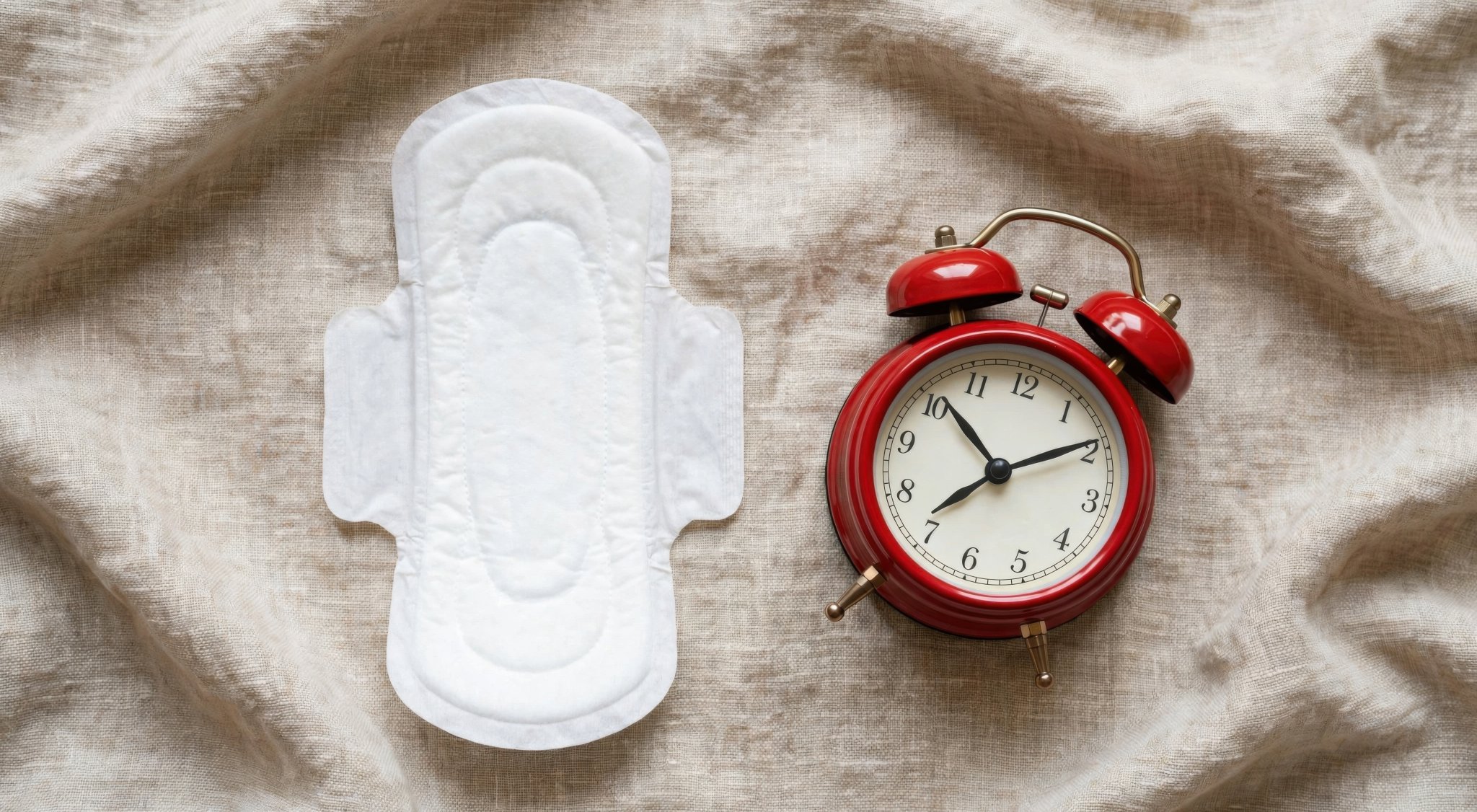
What is perimenopause? Definition and distinction
It's the hormonal transition surrounding your last period, typically starting several years before the menopause and sometimes lasting over a decade.
Many people notice hormonal changes years before their last period. Initially, these symptoms are often non-specific: hot flushes, exhaustion or the feeling of being ‘a stranger in one’s own body’.
These are caused by fluctuations in the levels of oestrogen and progesterone, which begin gradually and affect both the body and the mind.


Hormonal changes: a focus on oestrogen and progesterone
In our natural, regular cycle – before hormonal changes begin – one or more eggs mature in the follicles month after month. The process is predictable:
- During the first phase of the cycle, oestrogen levels rise
- After ovulation, progesterone production increases
- Both hormones prepare the body for a possible pregnancy.
These hormonal fluctuations can also affect performance, energy levels and recovery, which is why cycle-based training takes into account the different hormonal conditions of each phase of the cycle.
During perimenopause ovarian function gradually declines; fewer and fewer follicles containing fertile eggs mature and ovulation becomes less frequent. Progesterone levels often fall early on in perimenopause whilst oestrogen levels can fluctuate significantly before eventually declining permanently. As the hormonal changes progress, many cycles eventually become anovulatory — that is, they occur without ovulation at all.
The menstrual cycle can change progressively during perimenopause. During the early transitional phase, the cycle often remains regular for many people; however, as hormonal changes intensify, fluctuations become increasingly common as perimenopause progresses: bleeding may be heavier or lighter, shorter or longer, or may occasionally cease altogether.
Later transitional phase of perimenopause
In the later stages of perimenopause a marked oestrogen deficiency becomes apparent, which ovarian function can no longer fully compensate for. Symptoms become more pronounced and bone mineral loss also becomes measurable.
Oestrogen influences the nervous system, metabolism, temperature regulation, muscle and bone health as well as sleep and mood, whilst progesterone has a calming effect and supports stress regulation. Fluctuating hormone levels make the nervous system more sensitive, which affects sleep quality, energy levels, concentration and emotional resilience.
Periods without menstruation often lengthen to over 60 d in the later stages of the transition phase; FSH levels rise, progesterone levels fall and ovulation becomes less frequent – however, spontaneous ovulation and therefore theoretical fertility remain possible right up until the last menstrual period.
The duration and severity of symptoms depend on age, BMI, smoking and genetic predisposition.


Premenopause, perimenopause, menopause and postmenopause: the differences explained
Many terms relating to the menopause are often unfamiliar or confused. In fact, there are four hormonal phases: pre-menopause, perimenopause, menopause and post-menopause.
Perimenopause
Perimenopause refers to the hormonal transition phase leading up to the menopause. It can begin years before the last period and is characterised by increasing hormonal fluctuations.
You might notice sleep problems, mood swings, a changed perception of stress, exhaustion or the feeling that you're no longer quite yourself. These symptoms can appear even in early perimenopause while your menstrual cycle's still regular.
Menopause
It's the final spontaneous menstrual period, diagnosed retrospectively once no menstruation has occurred for 12 mos. On average, it occurs around the age of 50, though it may happen earlier or later for some individuals.
The production of oestrogen and progesterone is now permanently and significantly reduced and ovarian function has largely ceased.
Post-menopause
The phase following the last menstrual period. Hormone levels remain permanently low, which can lead to long-term changes in metabolism, bone health and muscle health. Bone density decreases as oestrogen levels fall and muscle mass may also be lost.
During this phase factors such as exercise, strength training, diet, sleep and stress management become crucial for your health and quality of life.


The eight most common symptoms of perimenopause
Particularly during perimenopause, discomforts and symptoms often increase significantly and may occur more frequently or with greater intensity. The hormonal changes affect many areas of the body – from changes to the menstrual cycle and sleep problems, through mood, energy levels and metabolism, to the skin and hair. It's also typical for the symptoms not to occur constantly, but rather to fluctuate greatly in intensity and severity throughout the course of perimenopause.
Changes to your period
Disruptions and changes to your natural cycle can occur during the menopause, but they don't have to appear at the start of the perimenopause. Your cycle may change, yet you may already be experiencing a wide range of other symptoms and be well into the perimenopause before your periods actually become irregular.
Although changes to your cycle can, in principle, occur at any stage of life – for example, due to stress or lack of sleep – for some people they may also be part of perimenopause. Typical signs in this case include:
- First missed period
- Fluctuations in cycle length (shorter or longer than usual)
- Changes in the heaviness of bleeding (heavier or lighter)
- Irregular ovulation or even anovulatory cycles
Sleep disturbances
Sleep disturbances become more common from your 40s onwards and often intensify during perimenopause. When combined with hot flushes, they can make it hard to stay asleep and leave you feeling restless.
During sleep, important regenerative and processing processes take place in the brain: synaptic connections are reorganised and neural networks are regulated. Without restful sleep, new information is processed and saved less effectively – the brain feels downright ‘foggy’. Alongside this ‘brain fog’, typical symptoms include concentration problems, inner restlessness and reduced resilience to stress the following day.
To help rebalance your hormonally and neurologically overloaded system, focus above all on improving your sleep quality and stabilising your energy and stress levels (see the chapter ‘Coping with perimenopause: the most important strategies for women’). If you want to work specifically on your sleep, our online prevention course ‘Sleep better – at every stage of life’ will guide you with practical strategies and exercises.
Hot flushes
Hot flushes are among the most common vasomotor symptoms of the menopause. They can occur as early as the perimenopause, but for many people their frequency and intensity only increase later on during the hormonal transition phase.
Factors such as smoking, high body weight, stress, anxiety or depressive moods can exacerbate the symptoms. For some people they're only temporary, while for others they can persist for many years.
Mood swings and low energy
During perimenopause emotional strain, increased irritability and mood swings can become more pronounced. As the hormonal changes progress some people also experience depressive moods, anxiety, low energy and tiredness. Those with chronically high stress levels, sleep problems or little social support are particularly affected.

Sleep better — at every stage of life — with our online prevention course. Up to 100% reimbursement.
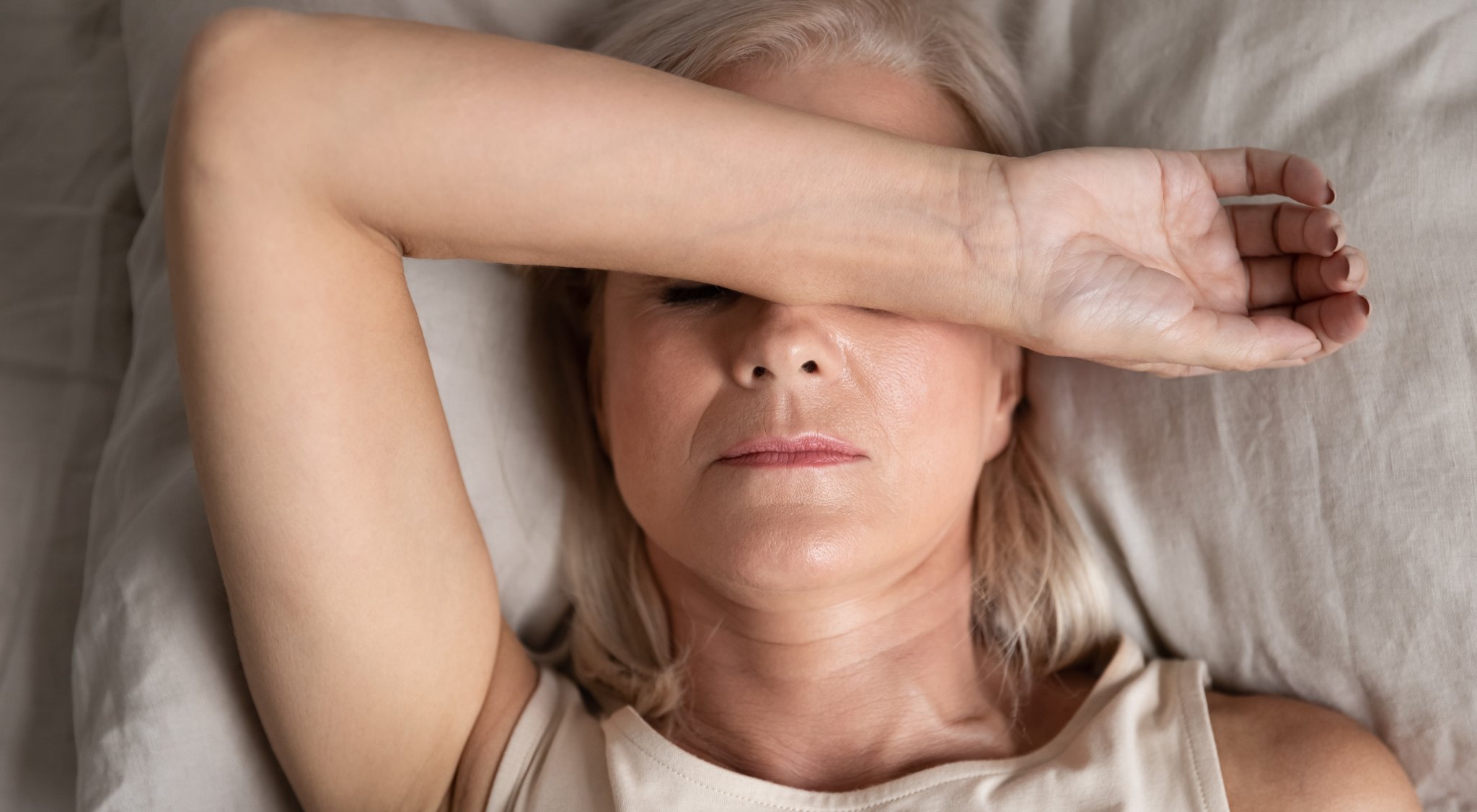

Perimenopause test: self-assessment and medical diagnosis
There's no definitive test for perimenopause, but you can recognise the first signs of hormonal change by spotting certain symptoms:
- Irregular periods and varying cycle lengths
- Heavier or lighter bleeding
- Sleep disturbances
- Hot flushes
- Mood swings
These symptoms don’t automatically indicate perimenopause. A medical assessment is necessary: hormones such as FSH, oestradiol and AMH (anti-Müllerian hormone, a marker of ovarian reserve) provide a more accurate picture.
The overall picture, comprising symptoms, menstrual cycle patterns and laboratory results, is always decisive.


Coping with perimenopause: practical strategies for you
Perimenopause is a phase characterised by symptoms that vary from person to person. Nevertheless, it needn’t be a phase to be ‘afraid’ of – with a few symptom-focused approaches, we can specifically improve quality of life and make the most of the period surrounding the menopause.
Focus on four key areas: exercise and strength training (including fascia training), diet, sleep and stress management and medication options.
Strength training for muscle and bone maintenance
Strength training is beneficial at every stage of life – but particularly during perimenopause and the years that follow, falling oestrogen levels lead to an accelerated loss of bone density and muscle mass.
Studies show that, due to falling oestrogen levels, people in this phase lose up to 10% of their bone mass whilst simultaneously experiencing a decline in strength and muscle mass. Perimenopause is therefore a critical window of opportunity to take preventive measures – and to counteract these structural losses through intensive strength training.
Current research indicates that progressive strength training is a highly effective non-pharmacological strategy for slowing muscle and bone loss during perimenopause. Follow these recommendations:
- 2–3 strength training sessions per week in the form of a full-body workout
- Leave at least 48 h for recovery between sessions.
- High mechanical loads of approximately 70–85% of maximum strength (a perceived exertion of around 7 or 8 on a scale of 1–10) are particularly effective.
Research shows that these intensities have a greater effect on muscle strength and bone structure than moderate training. Seek guidance from a qualified professional to learn correct technique and minimise the risk of injury.
Moderate strength training is also beneficial — particularly for beginners, older people or those returning after a break — so increase the workload gradually and train regularly, tailoring sessions to your needs.
Think long term: it takes the body around 6–12 months to show structural changes.
Exercise and fascia training
Regular physical activity is one of the most important non-pharmacological strategies for alleviating symptoms during the perimenopause. Both aerobic exercise (swimming, cycling, brisk walking) and strength training have positive effects.
Regular training (i.e. at least 3–4 sessions per week over a period of at least 3 months) can reduce symptoms such as sleep disturbances, low mood and fatigue. Various guidelines, such as those from the American College of Sports Medicine, recommend a combination of endurance and strength training, supplemented by mobility and balance exercises.
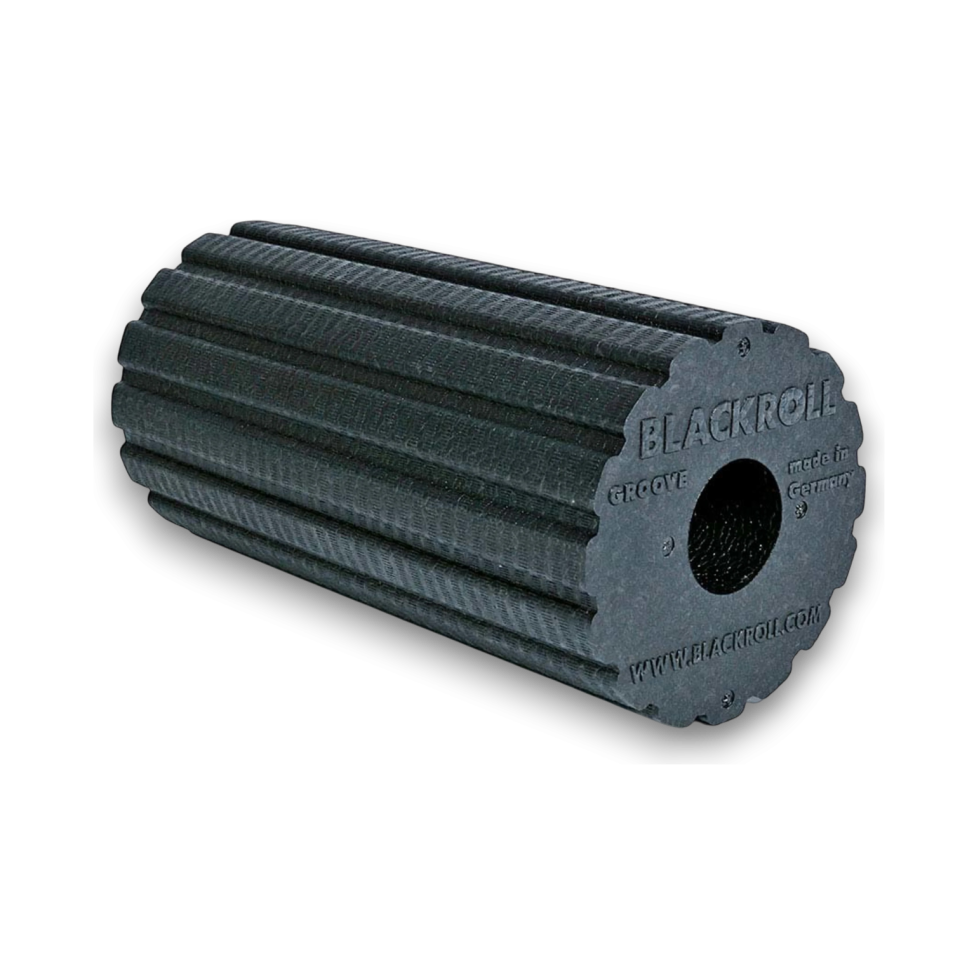
Include fascia and mobility work: myofascial techniques such as foam rolling, dynamic stretching and bouncing mobilisation exercises can improve mobility, reduce muscular stiffness and relieve pain. Compact tools such as the BLACKROLL Mini Ball and the BLACKROLL Standard Foam Roller are particularly helpful here. Use them to target muscular tension, improve mobility and support recovery.
During perimenopause, when joint and muscle discomfort becomes more common, this approach can complement your strength and endurance work.
Diet: Protein and an anti-inflammatory diet
A protein-rich, balanced diet plays a key role during the peri- and post-menopausal periods, as the age- and hormone-related loss of muscle mass (sarcopenia) can be accelerated. An adequate protein intake helps maintain muscle tissue, promotes recovery after exercise and counteracts the loss of strength in everyday life.
Spread your protein intake evenly throughout the day (e.g. 20–30 g of protein per meal). Aim to consume around 1.2 to 1.6 g of protein per kg of body weight per day, especially if you're physically active.
Focus on an anti-inflammatory diet: eat plenty of vegetables, fruit, whole grains, pulses, nuts and high-quality fats such as omega-3 fatty acids to help reduce systemic inflammation and ease symptoms like tiredness or metabolic changes.
Sleep and stress management
Sleep and effective stress management are important during the peri- and post-menopausal periods, as hormonal fluctuations can make you more sensitive. Increased stress levels — and chronic stress in particular — are very often accompanied by sleep problems, inner restlessness and low energy levels.
An important marker here is heart rate variability (HRV), which reflects the body’s ability to adapt to stress. Measures such as regular sleep patterns, exercise, breathing exercises or relaxation techniques can help to improve stress regulation and stabilise sleep quality.
Medication options: HRT and herbal remedies
According to studies, hormone replacement therapy (HRT) can be used effectively to treat typical symptoms such as hot flushes, sleep disturbances and menstrual problems. It primarily involves the use of oestrogens (as the main active ingredient) and — depending on the status of the uterus — additional progestogens or progesterone to stabilise hormone levels and protect the endometrium.
We'll tailor the dose to you, aiming to smooth out sharp hormonal fluctuations. You'll usually take it continuously and, if needed, we can combine it with contraception.
Alternative pharmacological options include antidepressants such as SSRIs (selective serotonin reuptake inhibitors), topical oestrogens, gabapentin or melatonin, which may help with hot flushes, low mood, vaginal dryness or sleep problems depending on your symptoms.






Frequently asked questions about perimenopause
Useful information
It’s the hormonal transition phase surrounding your last menstrual period. During this time, your ovarian hormones oestrogen and progesterone begin to fluctuate significantly, which can lead to various physical and psychological symptoms.
It typically begins in a person’s 40s, but it varies and can start earlier or later.
It can last a few years or more than a decade and usually unfolds gradually so you may only recognise it in hindsight.
Sleep disturbances, mood swings, irritability, hot flushes and changes to the skin, weight or menstrual cycle as well as changes in how you cope with stress can all be typical symptoms of perimenopause, among others.
There's no definitive test, but certain markers in your blood – oestrogen, progesterone, AMH and FSH – plus your symptoms and cycle changes can point in that direction.
Regular exercise, fascia training, strength training, good sleep, stress reduction and an anti-inflammatory diet can help you manage symptoms. After a personal medical assessment, hormone replacement therapy may also be beneficial.
Yes, regular strength and endurance training in particular (3–4 times a week) can significantly improve symptoms and help maintain muscle and bone mass, thereby enhancing quality of life in a sustainable manner.
Menopause is the clearly defined point in time of the last menstrual period (confirmed retrospectively after 12 months without bleeding). Perimenopause is the transitional phase before the last period, whilst postmenopause is described as the phase following the last menstrual period.
Sources
Duralde, E. R., Sobel, T. H., & Manson, J. E. (2023). Management of perimenopausal and menopausal symptoms. BMJ, 382, e072612. https://doi.org/10.1136/bmj-2022-072612
Garber, C. E., Blissmer, B., Deschenes, M. R., Franklin, B. A., LaMonte, M. J., Lee, I.-M., Nieman, D. C., & Swain, D. P. (2011). American College of Sports Medicine position stand. Quantity and quality of exercise for developing and maintaining cardiorespiratory, musculoskeletal, and neuromotor fitness in apparently healthy adults: Guidance for prescribing exercise. Medicine & Science in Sports & Exercise, 43(7), 1334–1359. https://doi.org/10.1249/MSS.0b013e318213fefb
Martyn-St James, M., & Carroll, S. (2006). High-intensity resistance training and postmenopausal bone loss: A meta-analysis. Osteoporosis International, 17(8), 1225–1240. https://doi.org/10.1007/s00198-006-0083-4
Ripa, P., Ornello, R., Degan, D., Tiseo, C., Stewart, J., Pistoia, F., Carolei, A., & Sacco, S. (2015). Migraine in menopausal women: A systematic review. International Journal of Women’s Health, 7, 773–782. https://doi.org/10.2147/IJWH.S70073
Santoro, N. (2016). Perimenopause: From research to practice. Journal of Women’s Health, 25(4), 332–339. https://doi.org/10.1089/jwh.2015.5556
Santoro, N., Roeca, C., Peters, B. A., & Neal-Perry, G. (2021). The menopause transition: Signs, symptoms, and management options. The Journal of Clinical Endocrinology & Metabolism, 106(1), 1–15. https://doi.org/10.1210/clinem/dgaa764
Somerville, B. W. (1972). The role of estradiol withdrawal in the etiology of menstrual migraine. Neurology, 22(4), 355–365. https://doi.org/10.1212/WNL.22.4.355