Sport and alcohol — how beer, wine and the like affect your performance and recovery

Alcohol can impair sporting performance and recovery by affecting, amongst other things, fluid balance, sleep and muscle growth. After consumption, coordination, reaction times and resilience may be impaired, which also increases the injury risk. Alcohol-free periods around training sessions and competitions provide the body with better conditions for recovery and performance.
In a nutshell
- Alcohol can slow down recovery: even moderate quantities can inhibit protein synthesis and disrupt muscle repair after training.
- Don’t train with a hangover: drinking alcohol the night before significantly reduces your performance the next day. During a hangover, stick to active recovery and light training sessions.
- ‘Post-sport beer’ isn’t helpful: alcoholic beer after training increases fluid loss due to its diuretic effect, rather than helping with rehydration.
- Increased injury risk: alcohol impairs coordination, balance and body awareness — you can easily overestimate your abilities and take unnecessary risks.
- Timing is crucial: avoid alcohol for at least 24 h before important competitions and stay sober for the first eight hours after training to ensure optimal recovery.
How alcohol affects your body
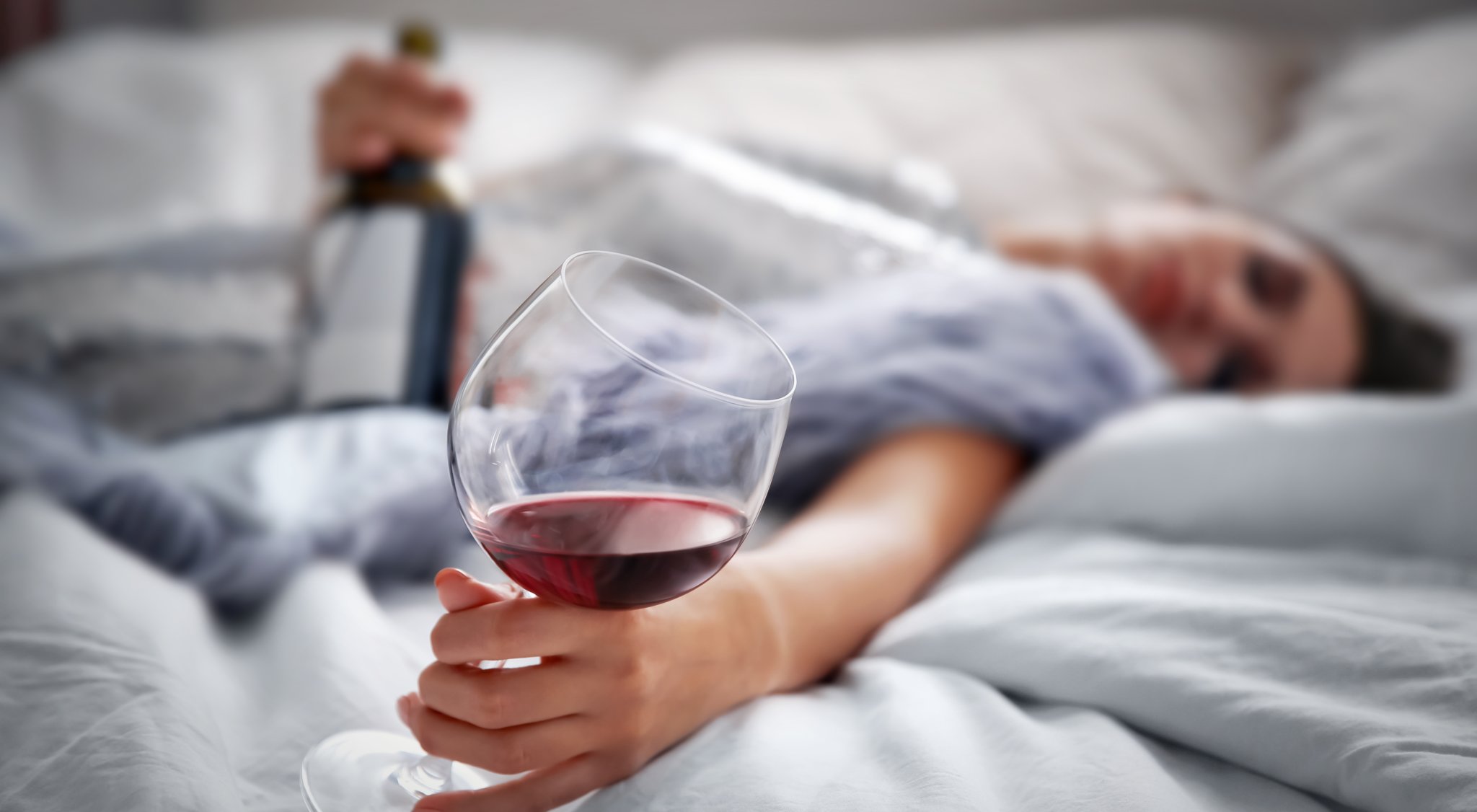
Alcohol slows your reaction times, impairs coordination, affects the central nervous system and alters communication between brain and muscles. Beer, spirits and wine also have a diuretic effect that disrupts cellular water balance and can lead to dehydration.
As soon as you have a drink, your liver springs into action. It breaks down the alcohol you put into your body, using a great deal of energy in the process. This keeps your body very busy and leaves it with less capacity for other tasks – such as supplying energy to your muscles.
It makes a big difference whether you only drink occasionally or regularly consume alcohol. If you drink only rarely, your body can usually recover well. With regular consumption, the negative effects add up: your liver is under constant strain and your sporting progress suffers as a result. Even small amounts of alcohol can reduce your endurance, strength and coordination (Vella and Cameron-Smith, 2010).


Is it wise to exercise after drinking the night before?
If you went out last night, don’t push too hard today — or, better still, rest.
Studies have shown that drinking alcohol the night before significantly reduces your performance the following morning, particularly during high-intensity workouts (Shaw et al., 2021).
If you’ve put your body under strain by drinking large quantities of alcohol, a period of recovery is probably a better idea than a full workout. This gives your body time to break down the alcohol and recover. The rule of thumb for alcohol breakdown is around 0.1 to 0.15 ‰ per hour. A standard drink (500 ml beer / 200 ml prosecco) therefore takes about two hours to be broken down. If you’ve had four beers, allow a whole night.
Even once the alcohol’s been broken down, the after-effects remain: dehydration, electrolyte imbalance, elevated inflammation markers and poor sleep. Doing a ‘hangover training’ session in this state can be counterproductive. Your cardiovascular system is already under strain and your performance is significantly reduced.
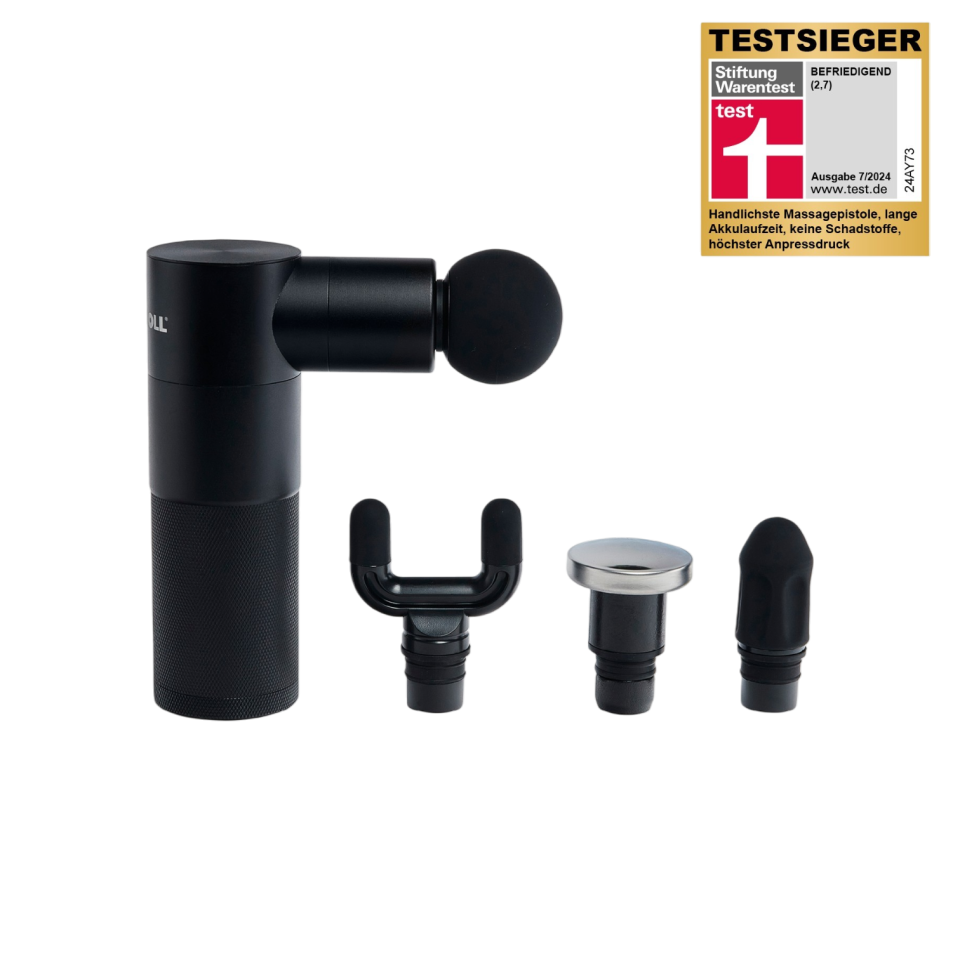
Manage recovery actively when your body allows it: get enough sleep, stay hydrated, try massages or heat treatments and consider walks or light sessions.
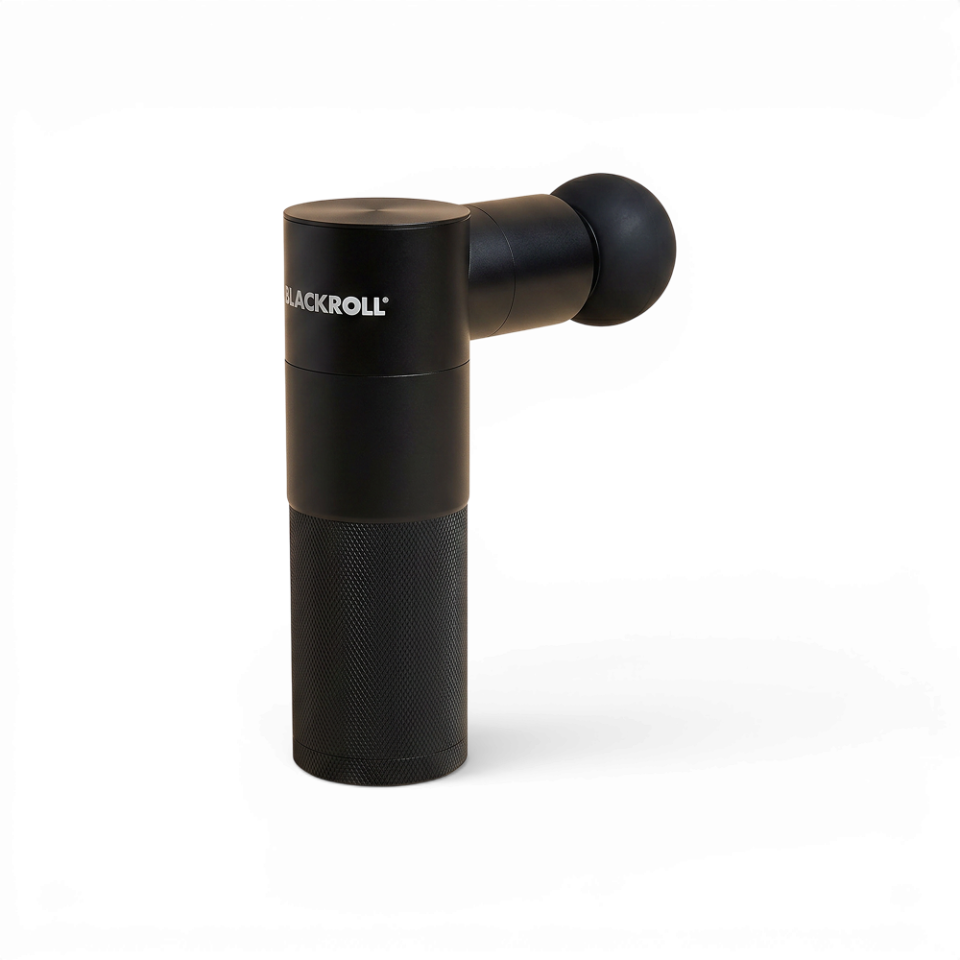
Targeted muscle relaxation with the Fascia Gun
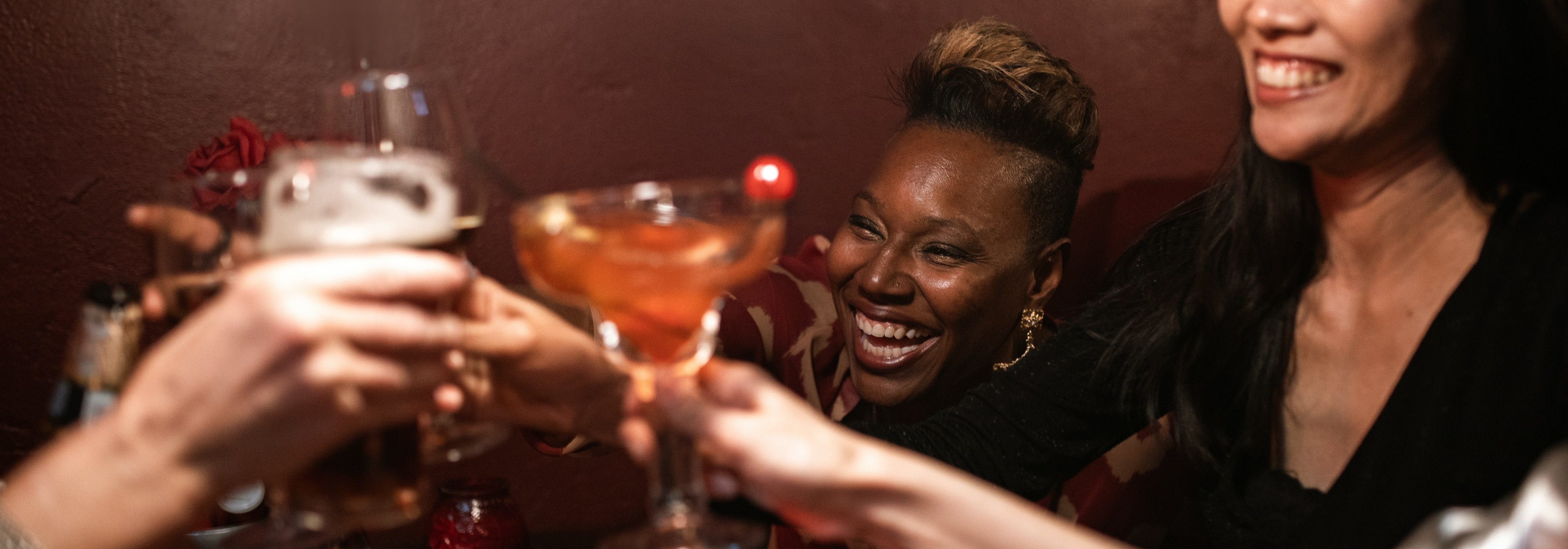
Sport and alcohol on the same day – the ‘post-workout beer’ myth
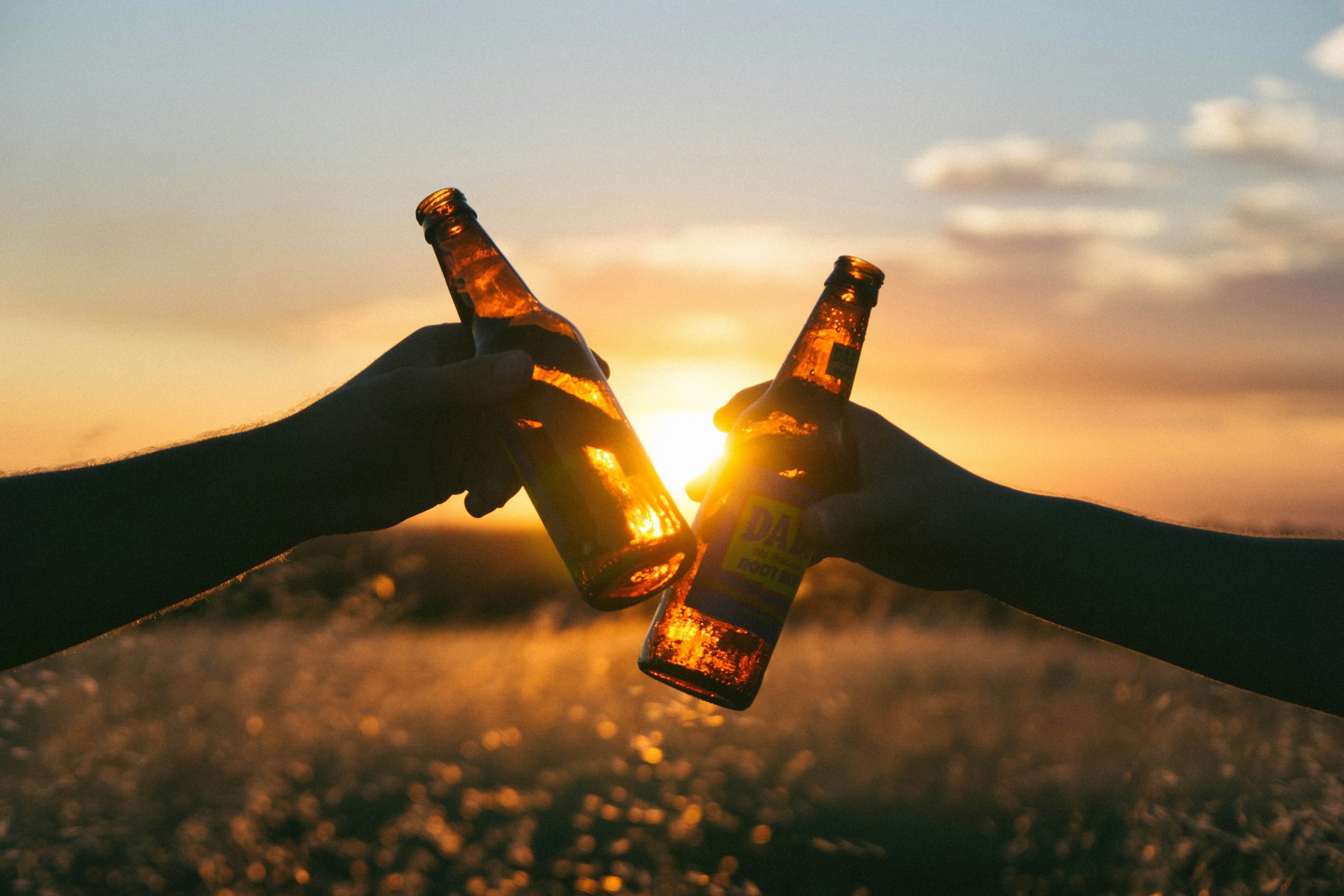
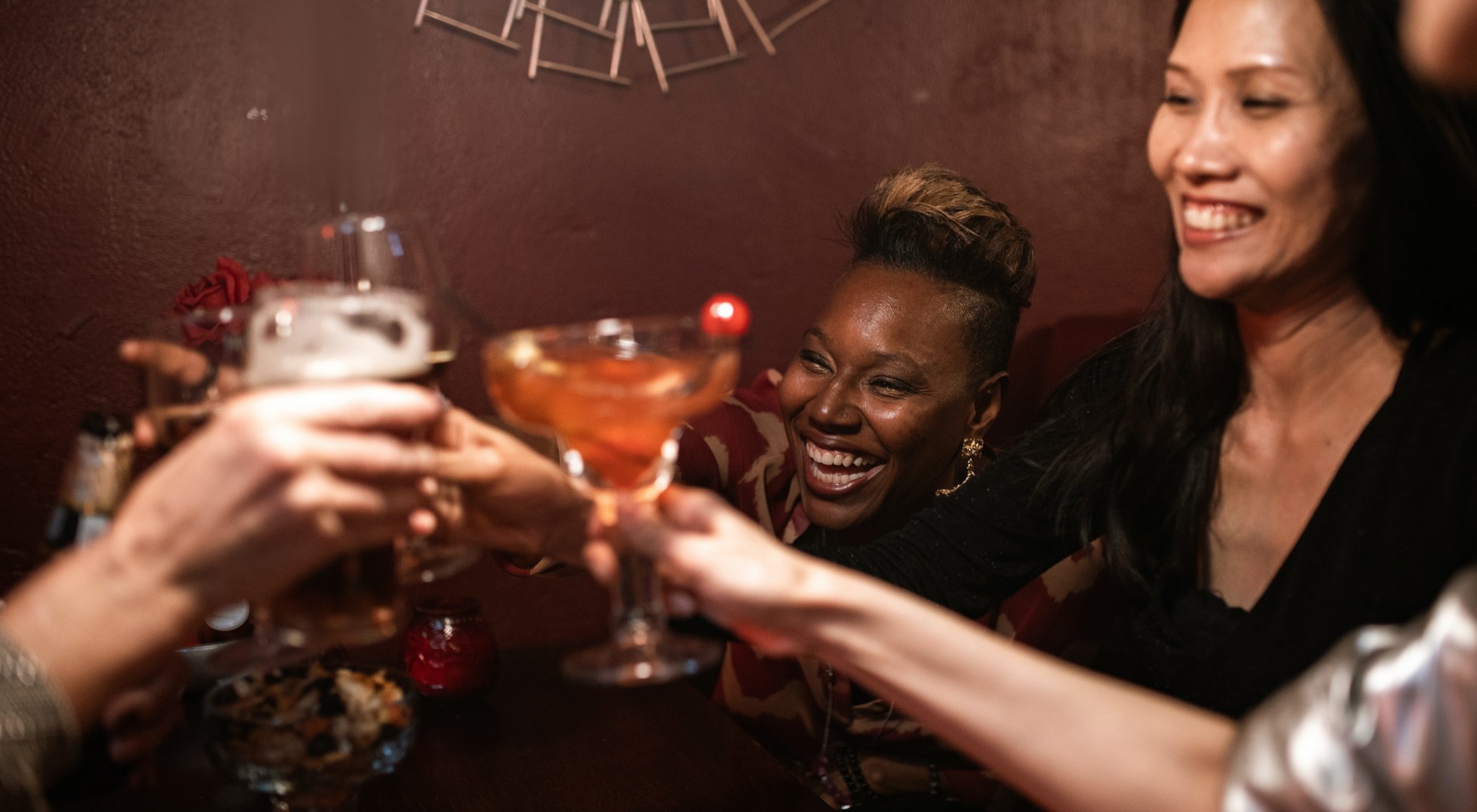
Whether you’re meeting friends for a workout or finishing a team session, a post-exercise beer may feel like the natural way to wind down — yet, from a sports science perspective, it does little to aid rehydration.
After exercise your body needs fluids, electrolytes and nutrients, yet alcohol doesn’t supply any of these in a meaningful way. In fact its diuretic effect worsens fluid loss through sweating and causes you to lose even more sodium, potassium and magnesium.
A Dutch study in 2016 found that beer with 5% alcohol performed no better than low-alcohol or non-alcoholic alternatives at restoring fluid balance after endurance training (Wijnen et al., 2016).
Beer does contain some minerals and carbohydrates — and a small beer generally does no major harm — but there are certainly no positive aspects to be found in alcoholic refreshments.
The first few hours after exercise are crucial for recovery, so if you drink alcohol during this window you’ll slow those processes. Water and sports drinks are better choices at this time.
Exercising and drinking alcohol on the same day isn’t a good idea, as alcoholic drinks bring your body practically nothing but disadvantages. If you still don’t want to give them up, make sure you only drink small quantities.


Alcohol hinders recovery and muscle growth
If you train regularly, you’ll know that actual muscle growth happens during recovery from strength training, and alcohol disrupts that process. Alcohol inhibits protein synthesis, which is responsible for healthy muscle function. A study investigating the effects of alcohol consumption on strength training found that even moderate quantities are enough to reduce muscle performance after a workout by up to 40% (Barnes et al., 2010).
Alcohol also disrupts quality of your sleep. It suppresses REM sleep phases and shortens deep sleep phases, during which your body releases growth hormones. The result: you might spend eight hours in bed, but your body only recovers half as effectively – which affects your muscle growth.
In addition, alcohol has a dehydrating effect, which helps to slow down the healing of micro-injuries in the muscles. So the thirst you feel the morning after is also felt by your muscles, tendons and ligaments.
Risks: heart, liver and risk of injury
As well as reduced performance, combining sport and alcohol carries several risks.
Heart health
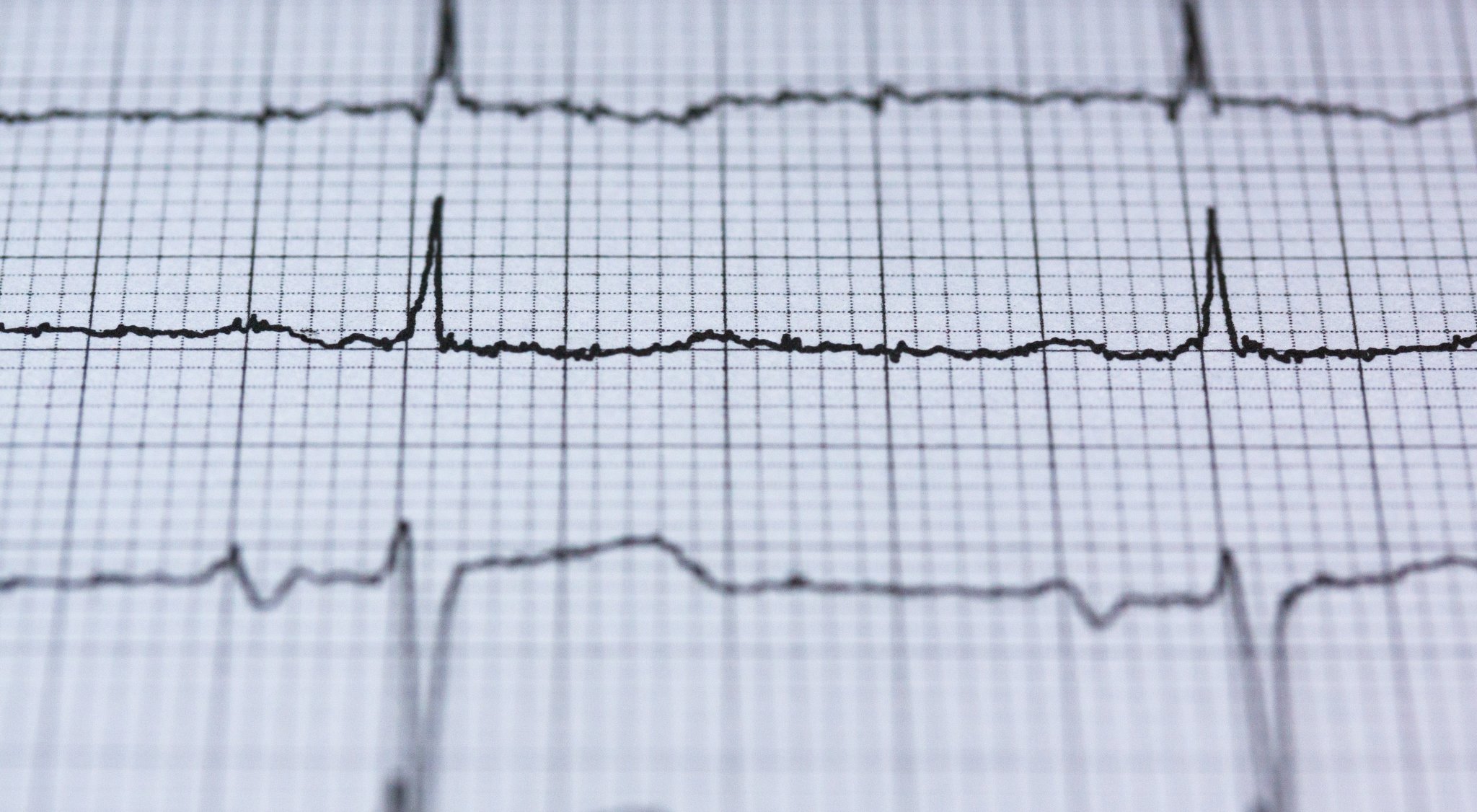
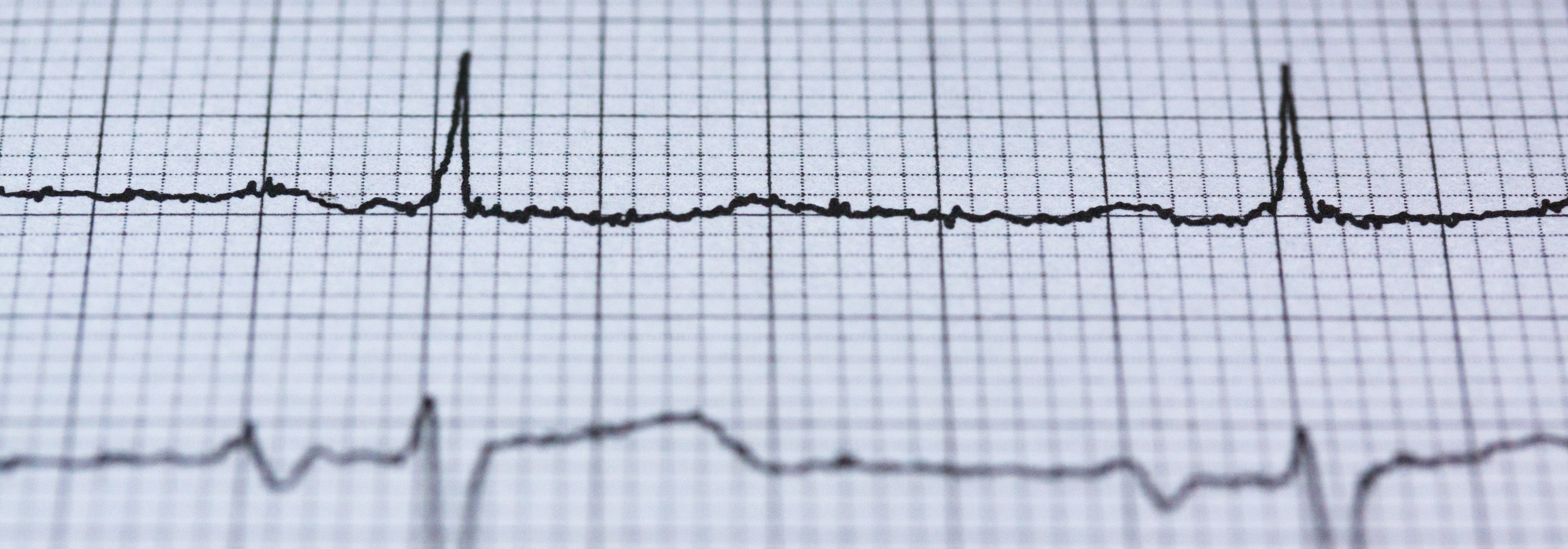
Alcohol raises your resting heart rate and blood pressure so if you exercise with alcohol in your system your heart has to work harder and you face a higher risk of cardiac arrhythmia (Piano, 2017).
Liver
Exercise alone already places a heavy strain on your liver. Adding alcohol to the mix creates a double burden. Chronic alcohol consumption combined with intensive training leads to elevated liver enzyme levels. This can result in conditions such as fatty liver and cirrhosis.

Injury risk
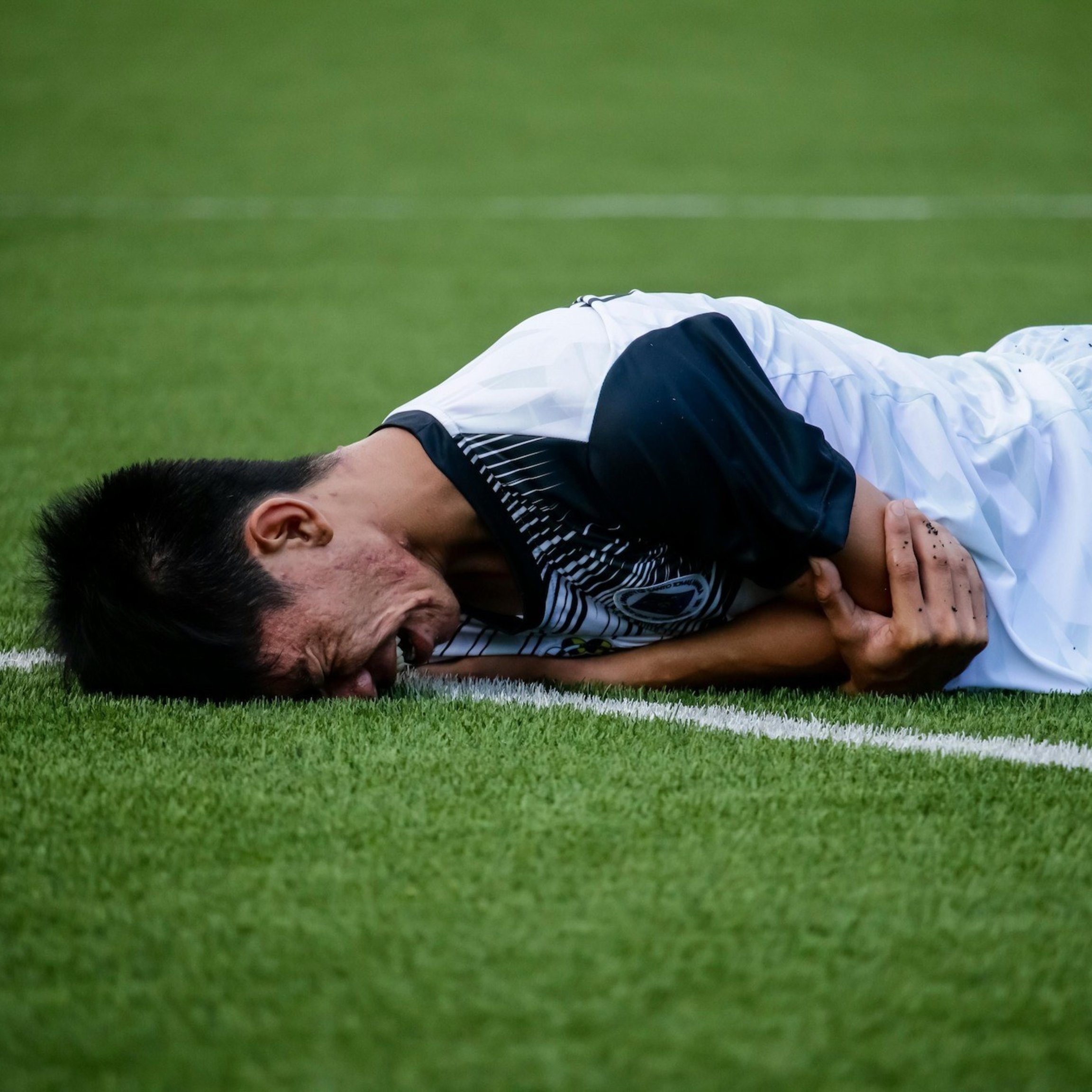
Having alcohol in your blood significantly increases your injury risk. Alcohol impairs your coordination, balance and reaction times. It also alters your self-perception so you’re more likely to overestimate your abilities and take risks you’d avoid if you were sober. Statistics show that athletes who drink a lot of alcohol are more likely to suffer sports-related accidents (O’Brien and Lyons, 2000).
Tips for a healthy approach to health
To minimise the risks and loss of performance associated with drinking alcohol before or after exercise, follow these tips.
- Discovernon-alcoholic alternatives: choose water, sparkling water or sports drinks immediately before or after your training. The lower the alcohol content, the fewer the adverse health effects. There's also an increasing number of non-alcoholic alternatives for long drinks and cocktails. Non-alcoholic beer, for example, can replenish electrolytes and carbohydrates after training without any negative effects.
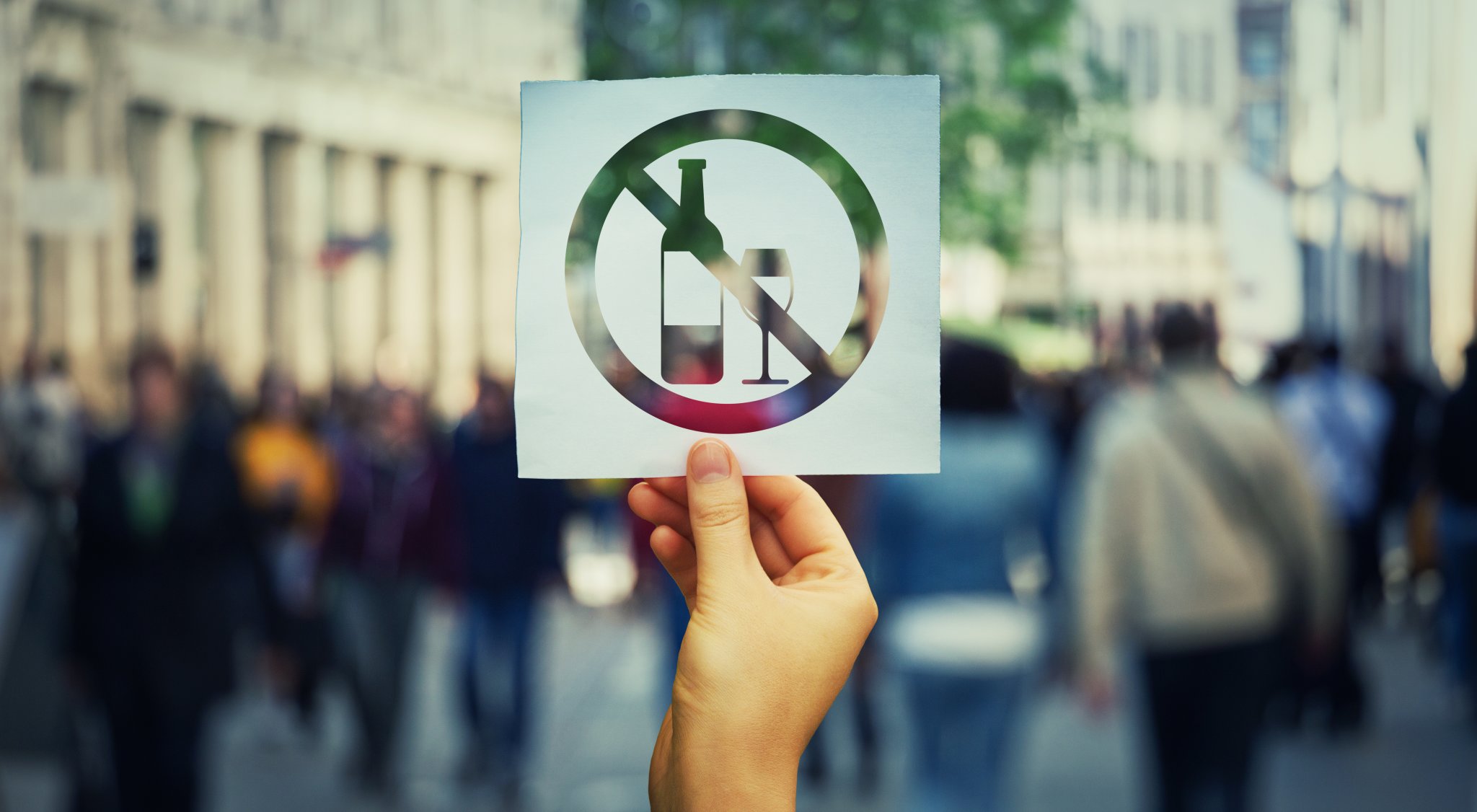
- Take a break: avoid alcohol for at least 24 h before important competitions or intense training sessions, and stay sober for the first 8 h after training.
- Prioritise hydration: If you don’t want to give up alcohol, drink water regularly between alcoholic drinks. This ensures you stay hydrated and minimises the negative effects on your training.
- Enjoyin moderation: The WHO recommends a maximum of one standard drink per day for adults (World Health Organisation, 2024). As an athlete, you might want to be even more cautious.
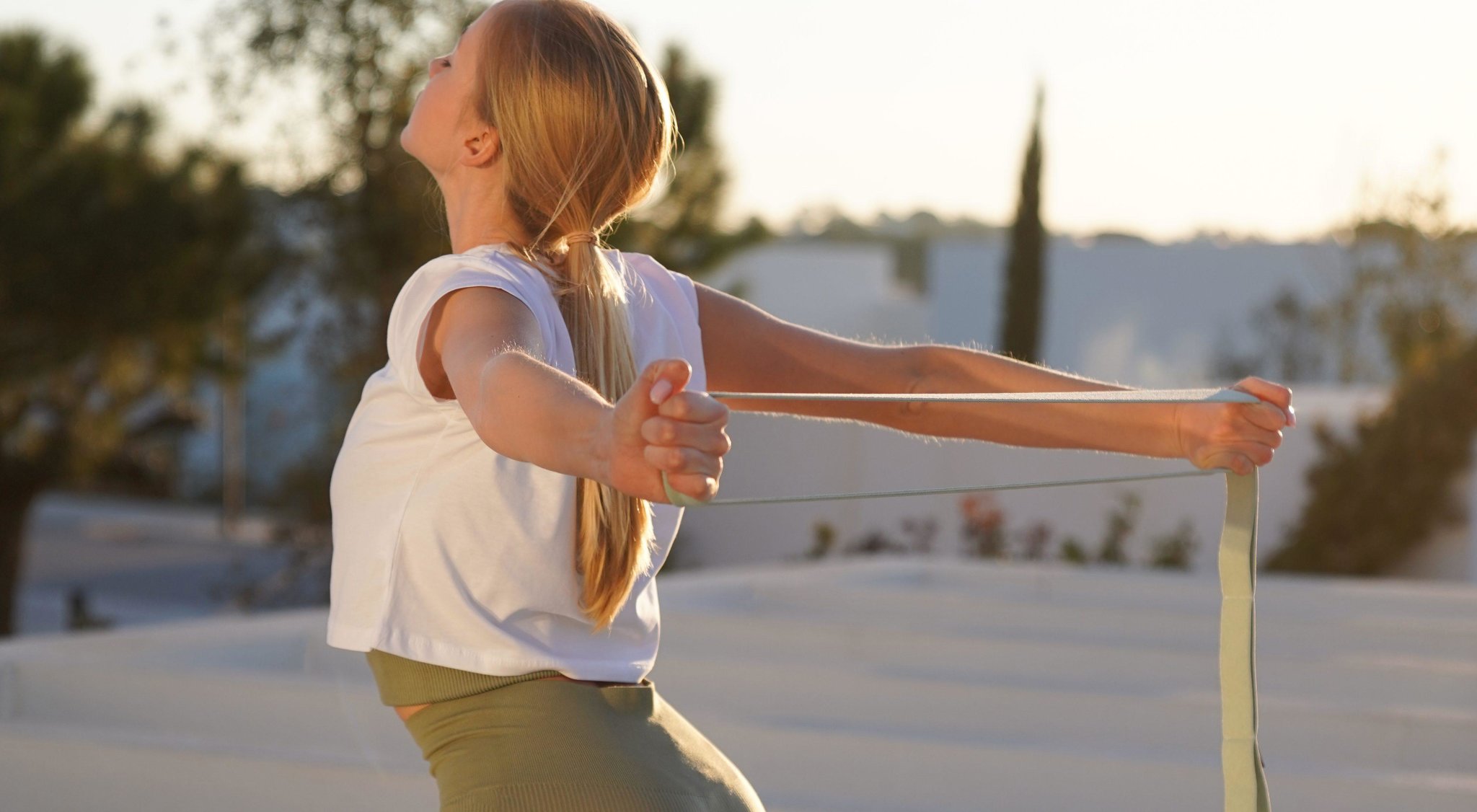
- Allowtime forrecovery: after a weekend out clubbing, give yourself enough time to recover. This can include massages, light fascia training and walks.

Conclusion: Sport and alcohol aren’t a good combination
While alcoholic drinks can lift the mood in social settings, have a short-term invigorating effect and taste refreshing, from a sports science perspective they have no positive effects whatsoever and practically only negative ones. Alcohol before, after or during training reduces your performance, hinders your recovery, slows down your progress and increases the risk of illness and accidents.
If wine, beer or spritzers in moderation are part of an enjoyable life for you, that’s perfectly fine – but you should be aware of the effects that regular drinking has on your body and know your limits.
Allow sufficient time between intense training sessions and nights out drinking so you recover properly and maintain your own balance between enjoyment and health.
FAQ: Sport and alcohol
FAQ: Sport and alcohol
It significantly impedes recovery during the first eight hours after training, which affects performance improvement.
Because of your higher metabolic rate and improved blood flow, alcohol is absorbed more quickly and, as your body's already under strain from training, it can further dehydrate you and stress your liver and circulatory system.
No, even at 0.3‰, coordination, balance and reaction time are significantly impaired, which massively increases the injury risk and makes technical training practically pointless.
Alcohol in the body blocks key mechanisms for muscle growth and can reduce protein synthesis – working out whilst under the influence of alcohol diminishes the benefits of training.
No, the negative effects of alcohol outweigh any benefits even in moderate quantities. Isotonic drinks — including non-alcoholic beer — rehydrate you more effectively.
Wait until the alcohol has been completely metabolised (rule of thumb: 0.1–0.15 ‰ per hour); if you’ve had larger quantities, take 24–48 h off, especially before intense sessions.
Occasional, moderate consumption (1–2 glasses a week) usually has no measurable negative effects. However, timing is crucial – avoid alcohol immediately before and after training.
More interesting items










Sources
Vella, L., and Cameron-Smith, D. (2010). Alcohol, athletic performance and recovery. Nutrients, 2(8), 781–789. https://doi.org/10.3390/nu2080781
Shaw, A., Chae, S., Levitt, D., Nicholson, J., Vingren, J. and Hill, D. (2021). Effect of previous-day alcohol ingestion on muscle function and performance of severe-intensity exercise. International Journal of Sports Physiology and Performance, 17(1), 44–49. https://doi.org/10.1123/ijspp.2020-0790
Wijnen, A., Steennis, J., Catoire, M., Wardenaar, F. and Mensink, M. (2016). Post-exercise rehydration: effect of consumption of beer with varying alcohol content on fluid balance after mild dehydration. Frontiers in Nutrition, 3. https://doi.org/10.3389/fnut.2016.00045
Barnes, M., Mündel, T. and Stannard, S. (2010). Acute alcohol consumption exacerbates the decline in muscle performance following strenuous eccentric exercise. Journal of Science and Medicine in Sport, 13(1), 189–193. https://doi.org/10.1016/j.jsams.2008.12.627
Piano, M. R. (2017). Alcohol’s effects on the cardiovascular system. Alcohol Research: Current Reviews, 38(2), 219–241. https://www.ncbi.nlm.nih.gov/pmc/articles/PMC5513687/
O’Brien, C. P., and Lyons, F. (2000). Alcohol and the athlete. Sports Medicine, 29(5), 295–300. https://doi.org/10.2165/00007256-200029050-00001
World Health Organisation. (2024). Global status report on alcohol and health 2024. Geneva: World Health Organisation. https://www.who.int/publications/i/item/9789240096745