
The humming hack: how humming can maximise your oxygen intake

The Humming Hack is a simple breathing technique: you breathe in through your nose and breathe out again with your mouth closed while humming. The vibrations may lengthen the exhalation and increase the release of nasal nitric oxide. This can make your breathing feel calmer and freer. Short sessions can be incorporated into everyday life, used after training or practised in the evening.
Key points at a glance
- Breathe in through your nose then exhale while humming with your mouth closed; the gentle vibration lengthens exhalation and can make your breathing feel more even.
- Humming can significantly increase the release of nasal nitric oxide, which helps to regulate the airways and blood vessels.
- The technique can feel relaxing, support nasal breathing and help your breath feel freer and calmer.
- It isn't a miracle cure and won't automatically increase oxygen uptake or athletic performance, but short sessions of a few minutes or 10 to 20 calm breaths have proven effective.
A quick tip to try straight away
Breathe in calmly through your nose.
As you breathe out , make a soft ‘Mmmmmm’ sound with your mouth closed .
Keep the sound gentle enough to feel a slight vibration around your nose, lips or face.
Often just five to ten breaths are enough to notice that your breathing becomes calmer and more even.


What is the Humming Hack?
It’s a simple breathing technique: breathe in through your nose and out through your mouth whilst humming. ‘Humming’ here simply means humming as you breathe out.
The steady‘Mmmmmm’ creates a subtle vibration in your throat, face and around your nose.
Instead of feeling rushed or shallow, your breathing becomes more even and the exhalation lengthens almost of its own accord, so you'll likely feel calmer, freer and less strained while still breathing entirely through your nose. The nose filters, warms and moistens the air, and the humming makes the process feel more controlled and efficient without forcing more air into the body.
The difference isn't spectacular but it's clearly noticeable: your breathing feels more organised, calmer and freer.


Three reasons to use the Humming Hack
In everyday life, after exercise or during stressful periods, the technique offers a straightforward way to move your body from tension to a calmer, more restorative state.
Improve recovery and heart rate variability (HRV)
The vibration in the larynx area may stimulate the vagus nerve, activating the parasympathetic nervous system and helping your body reach a state of calm and recovery more quickly. At the same time, conscious, prolonged exhalation can positively influence heart rate variability — your body’s ability to respond flexibly to stress and recovery.

Clear airways and support for the sinuses
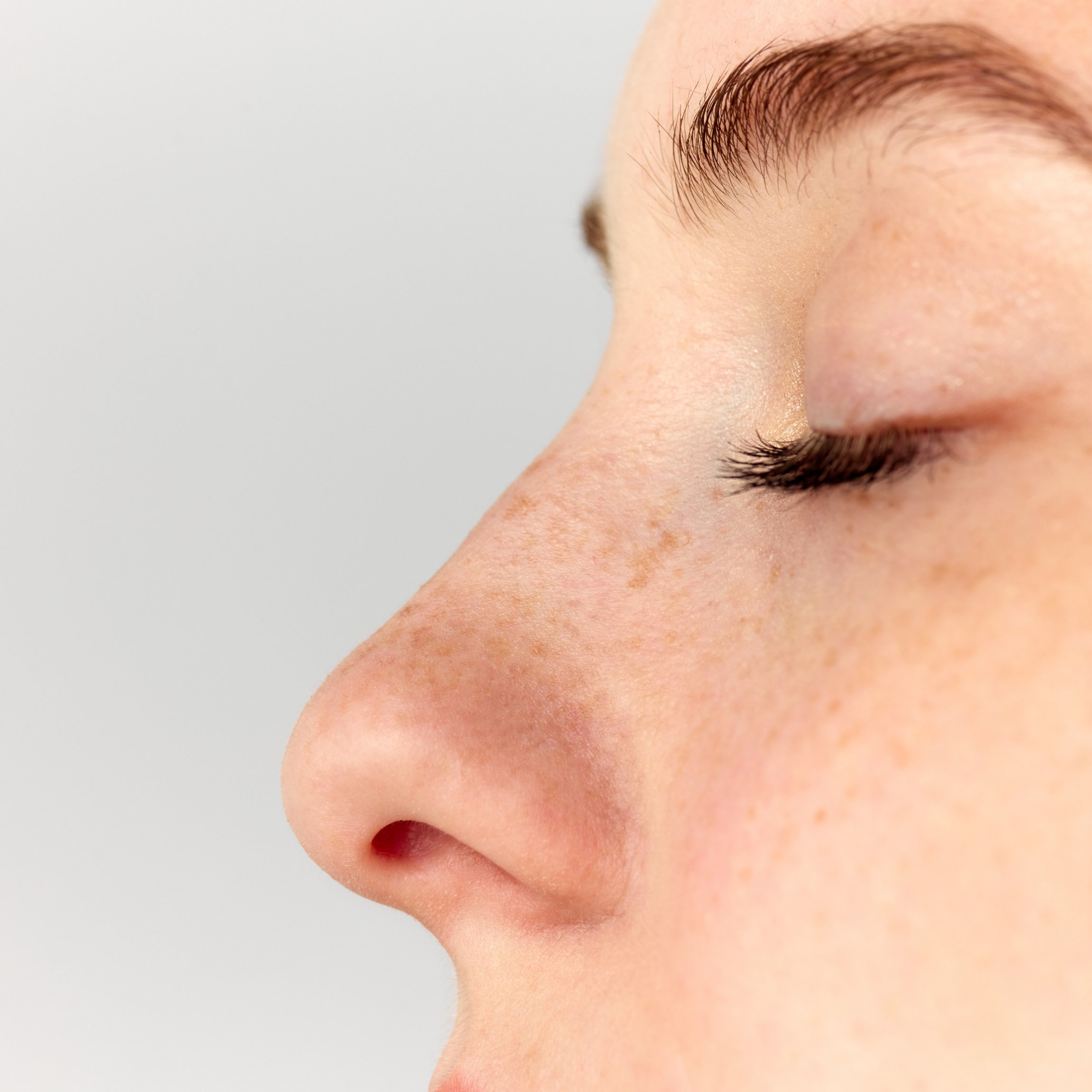
Humming can help ease nasal breathing and improve sinus ventilation. When your nose is blocked, you'll often find humming immediately pleasant and liberating.
So this tip can’t only make you feel as though you’re breathing more freely, but also help to relieve pressure in the nose and sinuses and prevent discomfort.
Better performance through improved breathing efficiency
Through controlled humming you train your CO₂ tolerance and promote calmer, more efficient breathing, so your body learns to use oxygen more economically even during recovery phases rather than resorting to shallow or laboured breathing. This can improve your recovery whilst simultaneously laying a strong foundation for greater performance.



Deep dive: the science behind it
It’s no coincidence that the benefits of deep breathing often feel so immediate. There are processes at work in the background that have less to do with ‘taking in more air’ than with how your body influences breathing, airflow and oxygen utilisation.
The key player is nitric oxide (NO).
A key factor is a substance produced by your body itself: nitric oxide (NO). NO is a gaseous signalling molecule — in other words, a substance that controls certain processes in the body. This is relevant to breathing because NO is involved in processes within the airways and lungs that influence air distribution, blood circulation and the sensation of breathing. (Lundberg and Weitzberg, 1999)
Studies show that humming significantly increases the outflow of nasal NO – ‘nasal’ means that this refers to NO from the area of the nose and sinuses – and this is one reason why, when you hum, breathing often quickly feels freer, calmer and more organised.
The 15-fold effect
When you hum, subtle vibrations in your nose, throat and sinuses alter local air exchange, so more NO enters the exhaled air than during normal breathing.
A well-known study by Weitzberg and Lundberg (2002) showed an approximately 15-fold increase in the outflow of nasal nitric oxide. This is precisely what makes the Humming Hack physiologically interesting: the exercise is simple and its effect can be easily measured.
Nitric oxide: what it does in respiration
It acts at several sites that are important for respiration and is involved in the regulation of blood vessels. This process, called vasodilation, means that the blood vessels widen. In the lungs this can help to direct blood flow to well-ventilated areas. (Lundberg and Weitzberg, 1999) Put simply: oxygen and blood come together more effectively where gas exchange is to take place.
NO also plays a role in the natural protective and regulatory processes of the airways. It’s involved in processes that support the self-cleansing of the airways and contribute to the local defence against germs. However, it’s not a treatment in itself; it can, however, gently support the airways.
Bohr effect
When it comes to oxygen transport, it’s also worth taking a closer look. The Bohr effect is often mentioned in this context. This refers to the fact that, under certain conditions, oxygen is released more easily from haemoglobin into the tissue. The Humming Hack doesn’t directly trigger this effect, but through calmer breathing, better respiratory coordination and more favourable conditions, it can indirectly help ensure that oxygen reaches where it’s needed.
This doesn't mean humming suddenly maximises your oxygen uptake; instead it helps you use the oxygen you already take in more efficiently.


Not more air, but better conditions
The key point is that breathing techniques don't automatically bring more oxygen into your body; instead they help create conditions under which breathing feels calmer and more efficient.
Many people therefore don’t notice ‘more air’, but something else:
- your exhalation becomes longer
- breathing feels more even
- your nose and face feel clearer
- internal pressure eases
The effect's often subtle yet immediately noticeable.
Humming doesn’tdirectly raise your VO2max or instantly boost endurance, yet many people notice that their breathing feels calmer, freer and better coordinated afterwards (Wagner, 2023).


Step by step: How to perform the Humming Hack correctly
Sit up straight
- Sit or stand in a relaxed position. Keep your shoulders relaxed, your jaw loose and don’t hunch your chest. This creates the best conditions for your diaphragm to work freely and your breath to flow unhindered.
Breathe in deeply through your nose
- Breathe in slowly and under control through your nose. Direct the breath into your abdomen rather than breathing shallowly into your chest. A deep nasal inhalation helps you calm down and prepares you for the next exhalation.
Exhale whilst humming
- Keep your mouth closed and breathe out slowly whilst producing a steady, pleasant ‘Mmmmmm’. Keep the sound calm and constant. Don’t strain – hum in a relaxed manner. The more even the exhalation, the more pleasant and effective the exercise will be.
Be mindful of the vibration
- While humming, feel the vibration in your throat, face and around your nose and sinuses; it helps you connect your breathing and body awareness more deeply.
Duration
Aim for 2–5 min or around 10–20 calm breathing cycles; even a few minutes can calm your breathing and create a relaxing effect.
Tip for the application
Use it in the morning after getting up, as a short break during the day, after training or in the evening to wind down.


Success and self-assessment
If you practise the Humming Hack regularly, you’ll often soon find yourself wondering how you can actually tell whether it’s doing you any good. This is exactly where a simple self-assessment comes in handy.
It’s no substitute for a medical assessment, but it can give you a realistic indication of how your breathing, your physical sensations and your subjective stress levels are changing.
Don’t expect a spectacular immediate effect; instead, notice small recurring changes.
Self-check 1
Before you start conscious breathing, ask yourself three quick questions:
- How many breaths are you taking per minute right now?
- How calm or stressed do you feel on a scale of 1 to 10?
- How clear does my nose feel right now, also on a scale of 1 to 10?
It's precisely these kinds of observations that are often more meaningful in everyday life than trying to prove every effect objectively straight away.

Self-check 2
Start by checking your breathing rate: count your breaths for 30 or 60 s while at rest, then repeat immediately after the exercise. If your breathing feels calmer and slower after humming, it's likely that your body has shifted into a more relaxed state.

Self-check 3
Another simple check is how the air feels as it passes through your nose. Pay close attention to how freely your nasal breathing feels before and after humming. Can you breathe in more easily through your nose? Does the flow of air feel more even or more comfortable? Many people notice the effect particularly quickly here.

Bonus self-check
Optionally, monitor your resting heart rate. If you use a watch, a ring or another tracker or monitoring device, check whether your heart rate changes slightly after the exercise. Again, it’s not proof of any specific effect, but it can indicate how your body’s responding to the breathing exercise.

Please note: sleep, stress, diet, physical exertion, mood or the onset of a cold can significantly influence how you feel before and after the exercise. Therefore, individual observations should never be over-interpreted. What matters more is whether a consistent pattern emerges over several applications.
Safety box: pause the exercise if you feel unwell.
Even a gentle breathing technique needs clear limits.
Breathe only as deeply as feels comfortable and don't force it. Dizziness can signal that you're breathing too quickly or too intensely.
Go
If it feels calm and comfortable during the exercise, breathe relaxed through your nose and keep exhaling with a soft sound.
Stop
Stop the exercise immediately if you feel dizzy, light-headed or experience chest tightness, pain, severe shortness of breath, nausea or an unpleasant feeling of pressure. These warning signs are also recognised as clear signals to stop in clinical breathing and rehabilitation contexts.
Seek medical advice
If you suffer from recurrent or unexplained breathlessness, are prone to severe dizziness or have relevant heart, lung or circulatory conditions. This also applies in cases of persistent or worsening shortness of breath as well as significant pain or pressure in the face, swelling around the eyes, fever, severe headache, visual disturbances or persistent symptoms affecting the nose and sinuses.
When is the best time to hum?
It fits easily into everyday life, before or after training and in the evening when you want to wind down. Because the exercise is simple, gentle and requires no equipment, you can incorporate it into moments when you need to regain a sense of calm, structure and freer breathing.
Before training
Before a workout it can help you become more mindful of your nasal breathing and start your session with a calmer breathing pattern. The main benefit here lies in the preparation and the sensation of your breath rather than an immediate boost in performance.
After training
After your session, hum to calm your breath and ease the transition into recovery; it’s a straightforward way to switch out of ‘activation mode’ after intense exercise.
At the end of the day
Let a soft ‘Mmmmmm’ on the out-breath steady your breathing and guide you into a calmer evening. Before sleep, use the exercise to release tension and settle your mind.
Your foundation for relaxation
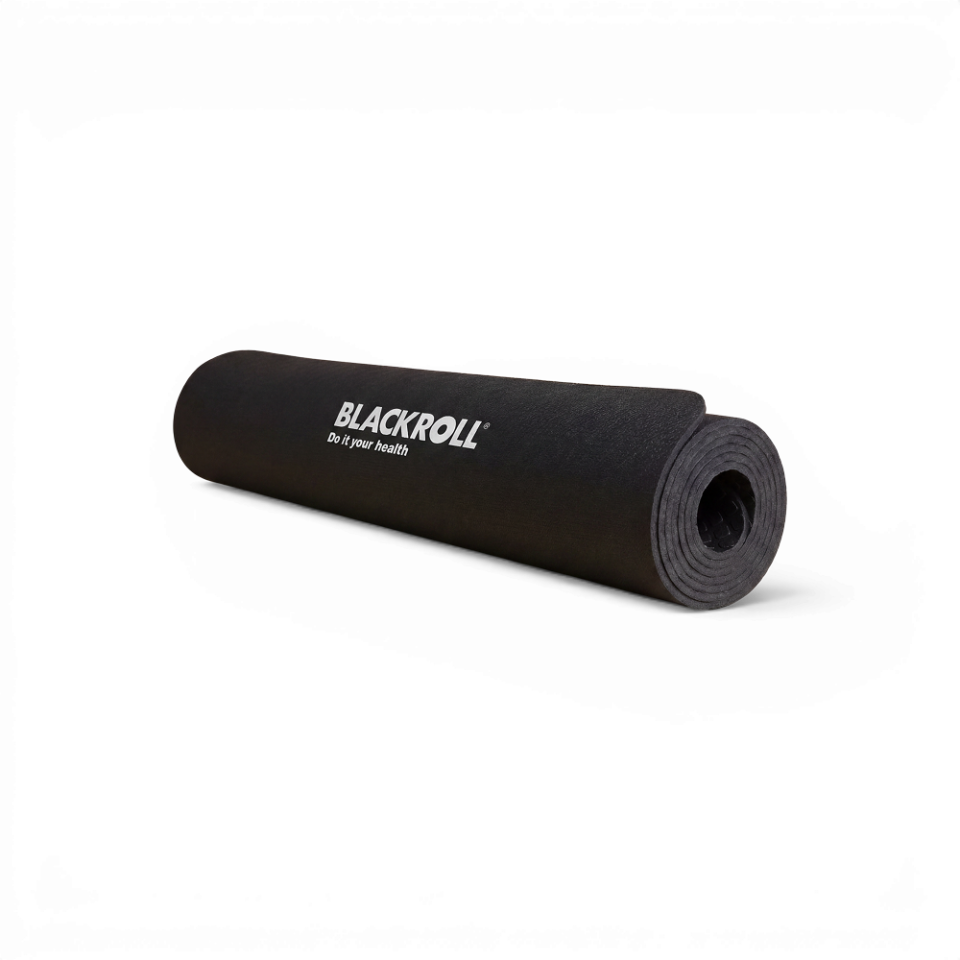
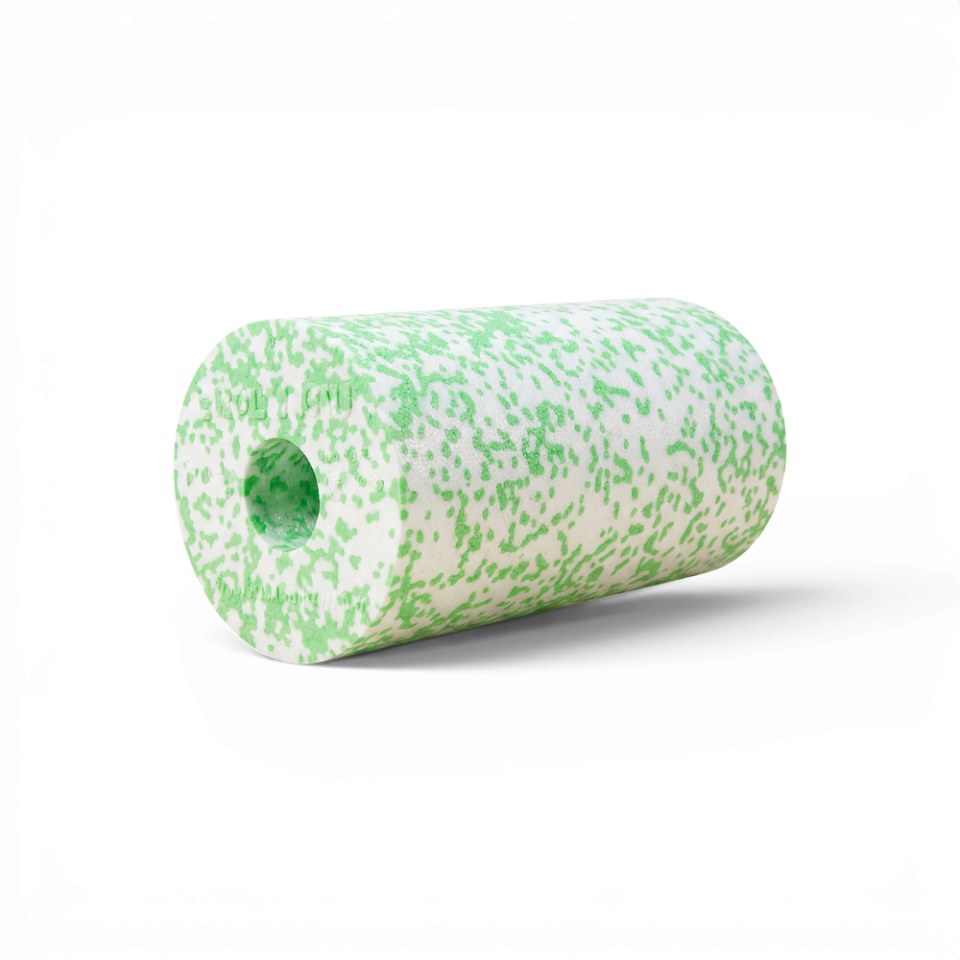
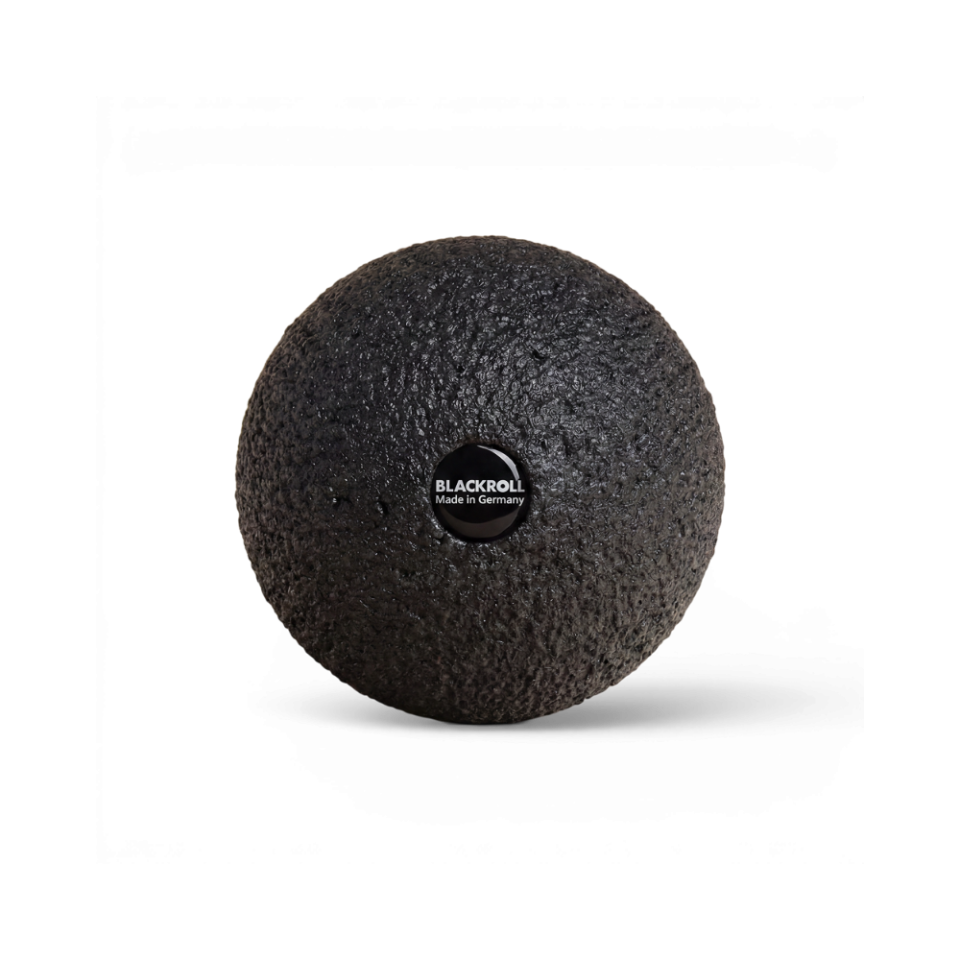
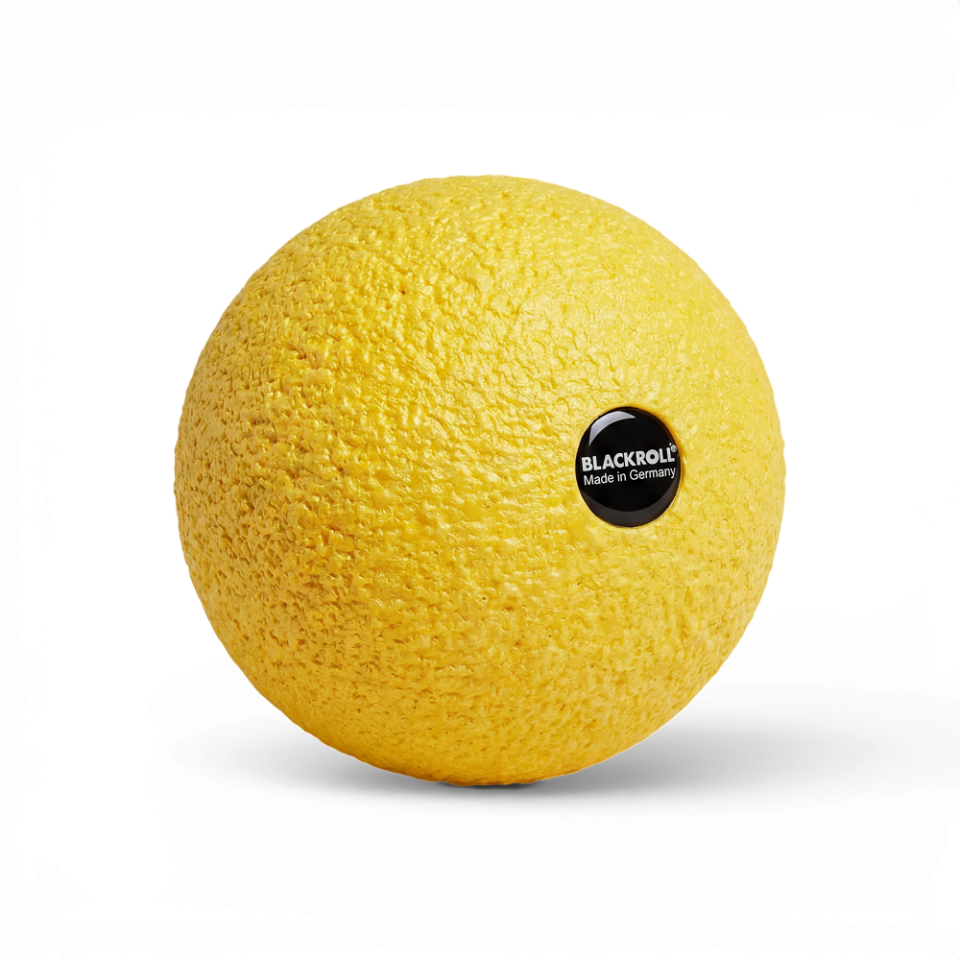
07 Expert tip: Loosen your diaphragm first, then hum
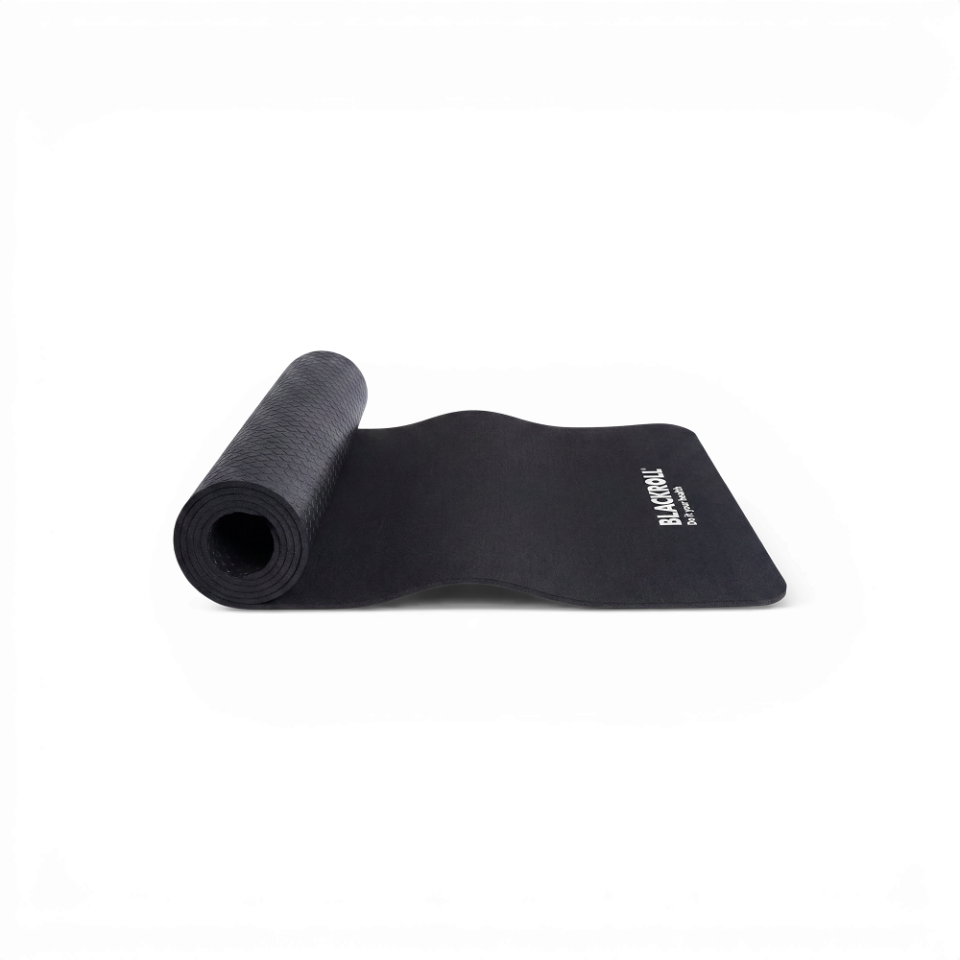
The diaphragm is a large sheet of muscle located beneath the lungs. It separates the chest cavity from the abdominal cavity and is the most important muscle for your breathing. If the area around the diaphragm, rib cage or chest is tense, your breathing may also feel more laboured or shallow. A gentle release before you start humming can therefore help you approach the exercise in a more relaxed and free manner (Marizeiro et al., 2018).



Conclusion
Sometimes it’s the unassuming things that make the biggest difference. The ‘Humming’ breathing technique falls squarely into this category: simple, calm and easy to put into practice straight away. It can help you move from shallow or hurried breathing back to a calmer rhythm and noticeably improve how you feel when breathing.
It's not a miracle cure but a straightforward technique with practical benefits for everyday life.
Breathe in slowly through your nose. Keep your mouth closed and breathe out through your nose as well, whilst humming a gentle ‘Mmmmmm’. The sound should be pleasant and vibrate slightly around your nose, lips or face. A common mistake is to press too hard or to deliberately breathe particularly deeply.
After just five to ten breaths, you’ll probably feel your breathing become calmer and more even. You may notice your exhalation lengthening, your nose feeling clearer or internal tension easing. How quickly you spot a difference also depends on how you’re feeling that day, your stress levels, sleep and physical exertion.
No, the Humming Hack doesn’t automatically increase oxygen uptake or immediately boost VO2max. Humming can significantly increase the outflow of nasal nitric oxide, and the technique may therefore promote calmer, better-coordinated breathing. The potential benefits lie primarily in how you feel while breathing and in breathing efficiency, not in an immediate training effect.
If the exercise feels calm and comfortable, you can usually perform it. Breathe only as deeply as feels comfortable and avoid any strain. Stop immediately if you feel dizzy, light-headed, tightness or pain in your chest, severe shortness of breath, nausea or any unpleasant pressure. If you have recurrent or unexplained shortness of breath, or heart, lung or circulatory conditions, consult a doctor before you practise this method.
Start with five to ten calm breaths and, if you feel comfortable, gradually increase to two to five min or ten to 20 breathing cycles. You can do the Humming Hack in the morning, during a break in your day, after training or in the evening. Don’t force the exercise or overdo it.




Sources
Weitzberg, E., & Lundberg, J. O. N. (2002). Humming greatly increases nasal nitric oxide. American Journal of Respiratory and Critical Care Medicine, 166(2), 144–145. https://doi.org/10.1164/rccm.200202-138BC
Lundberg, J. O. N., & Weitzberg, E. (1999). Nasal nitric oxide in man. Thorax, 54(10), 947–952.
Wagner, P. D. (2023). Determinants of maximal oxygen consumption. Journal of Muscle Research and Cell Motility, 44(2), 73–88. https://doi.org/10.1007/s10974-022-09636-y
NHS. Breathing exercises for stress.
Mayo Clinic. Acute sinusitis – Symptoms and causes.
Marizeiro, D. F.; Florêncio, A. C. L.; Nunes, A. C. L.; Campos, N. G. & Lima, P. O. de P. (2018). Immediate effects of diaphragmatic myofascial release on the physical and functional outcomes in sedentary women: A randomized placebo-controlled trial. Journal of Bodywork and Movement Therapies, 22(4), 924–929.