

SleepSleep environment8 min read
We'll explain which mattress can help with back pain.

Stefan SchneiderBLACKROLL® Education Manager
In this article
Back pain is very common: more than 80% of people in Germany experience it at least once in their lives. An unsuitable mattress can contribute not only to back pain but also to shoulder, neck and joint problems, as well as tension in the muscles. The right mattress depends primarily on body weight, height, sleep position, individual symptoms and personal preferences.
Which mattress is best for back pain?
- Choosing the right mattress plays a key role in maintaining a healthy back and ensuring restful sleep.
- A mattress that's too soft or sagging can encourage poor posture and make back pain worse.
- The ideal mattress supports the natural curvature of your spine and relieves pressure points.
- Body weight, sleep position and individual symptoms are key factors – there’s no ‘one-size-fits-all’ solution.
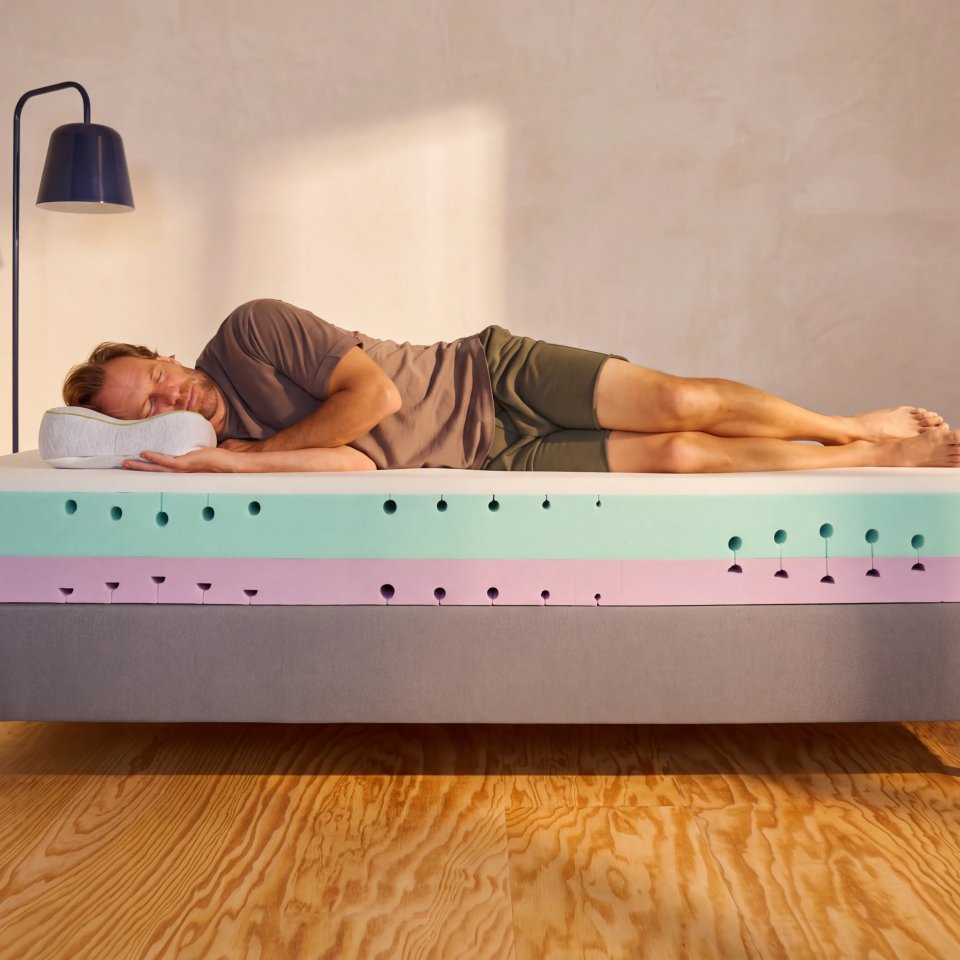
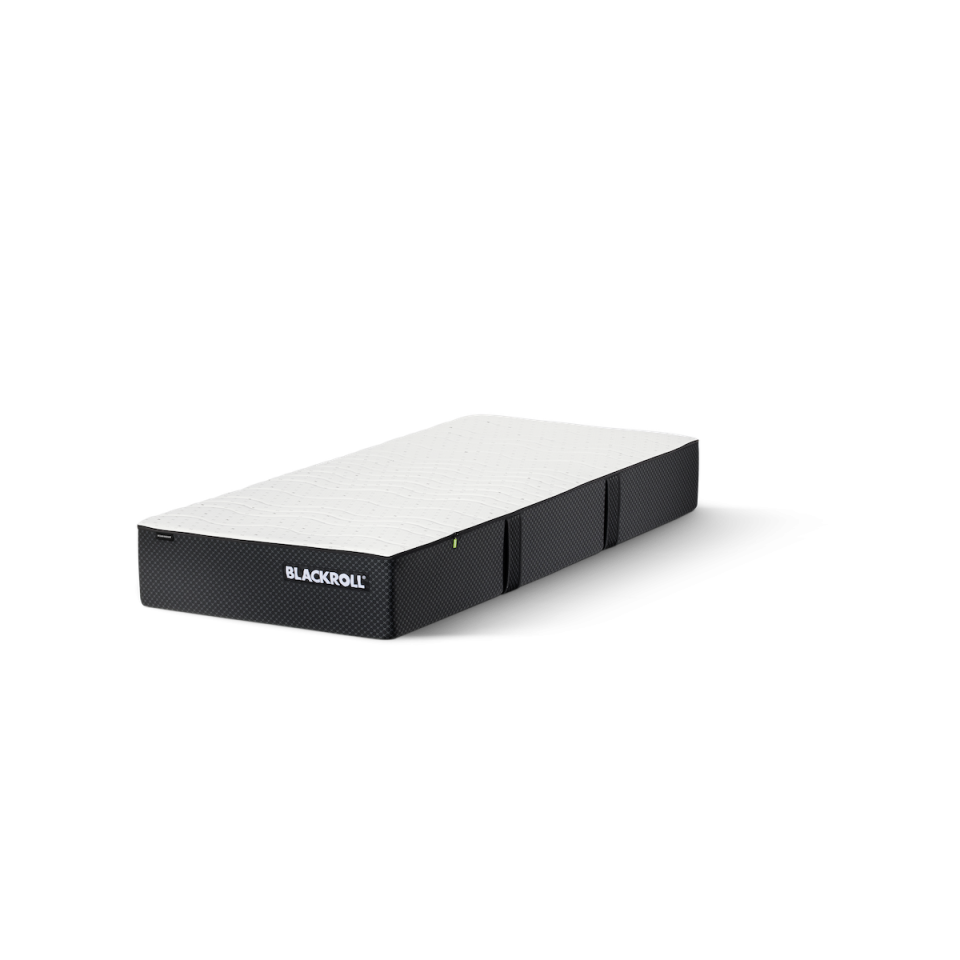
We recommend the BLACKROLL® RECOVERY BASE — an ergonomic mattress with four integrated firmness levels and eight possible configurations that you can adjust at any time. This makes it easy to find the right sleeping experience — for optimal support of your spine.
Black Week
Matratze
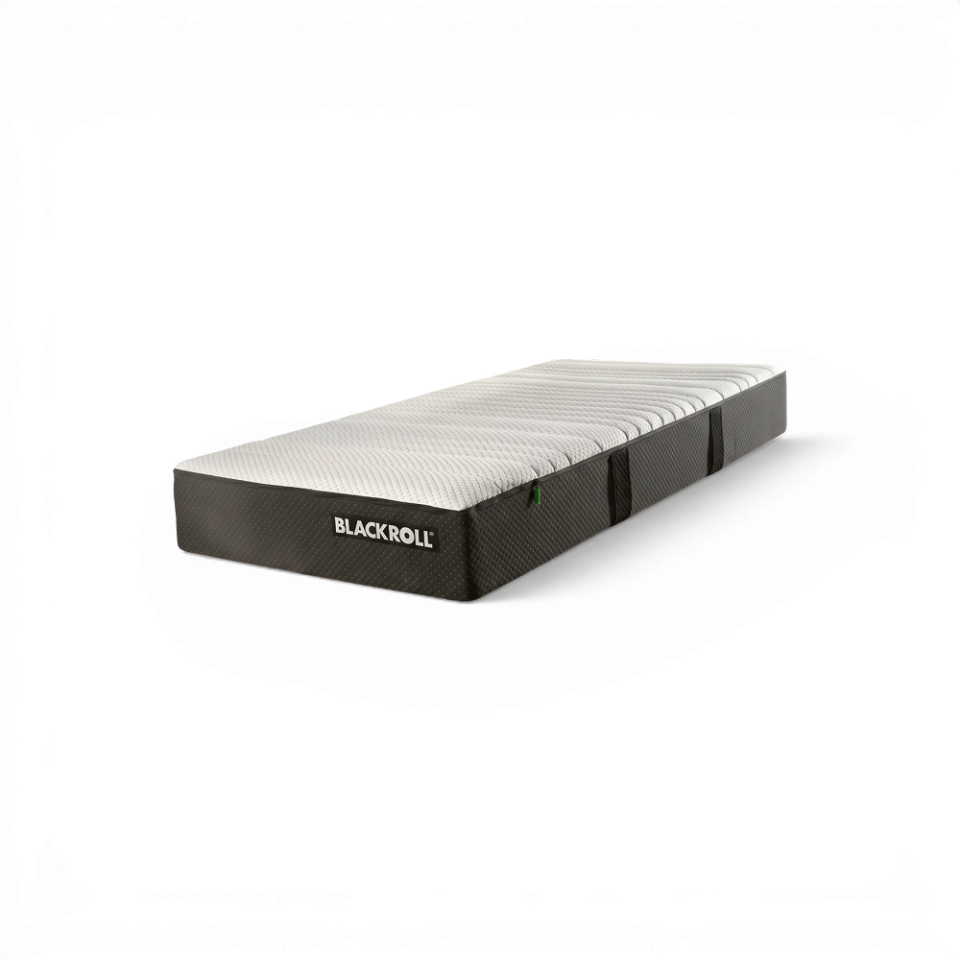
Recovery Base 2.0
Available in multiple variants
CHF 749.90CHF 559.90
-25%

01
We've designed it to support your back.
The right mattress can improve your sleep quality and reduce the risk of back pain (Caggiari et al., 2021).
You spend roughly a third of your life in bed, so the wrong mattress can easily lead to discomfort. To help your back recover from daily stresses, the muscles around your spine need to relax overnight. The spine can only be relieved of pressure if it’s properly aligned. To maintain the spine’s natural alignment, consider a few factors when selecting a mattress.
There’s no one-size-fits-all answer to the question, ‘Which mattress is good for your back?’. It depends on factors such as body weight, size, your usual sleep position and personal preferences. However, there are a few things you should look out for when buying a mattress if you suffer from back pain.
02
What makes a back-friendly mattress?
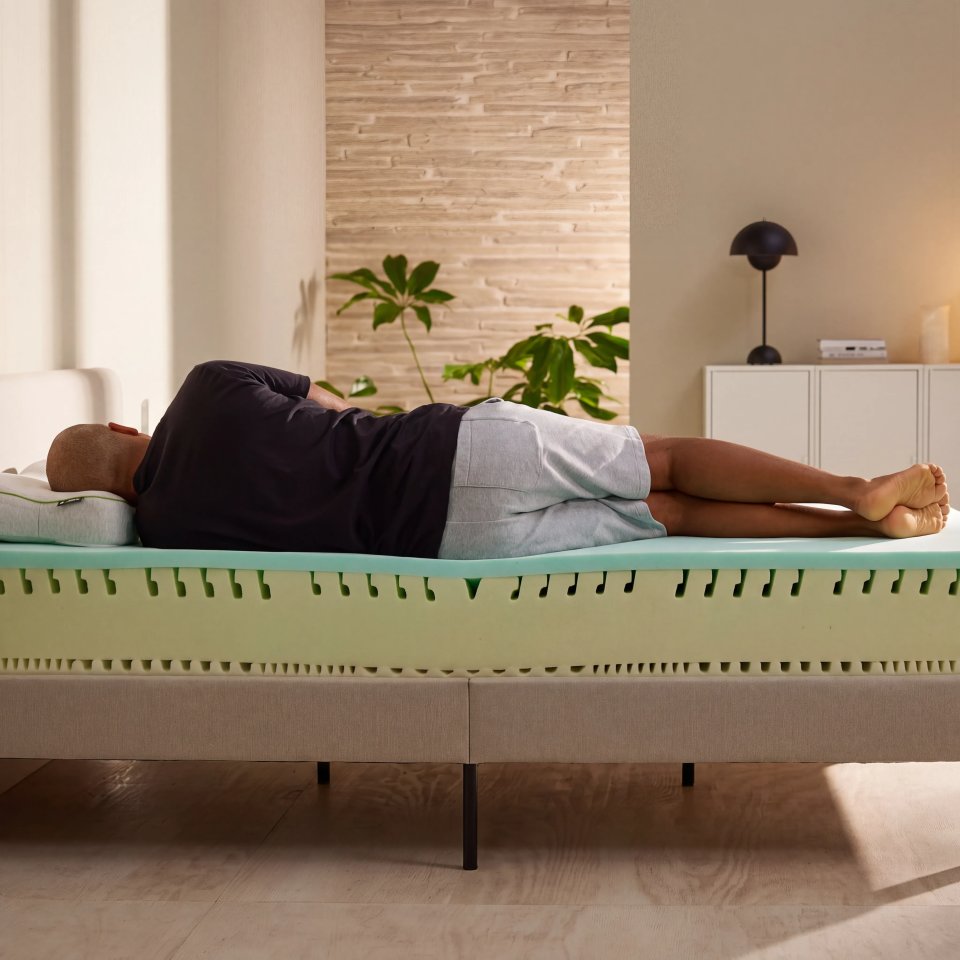
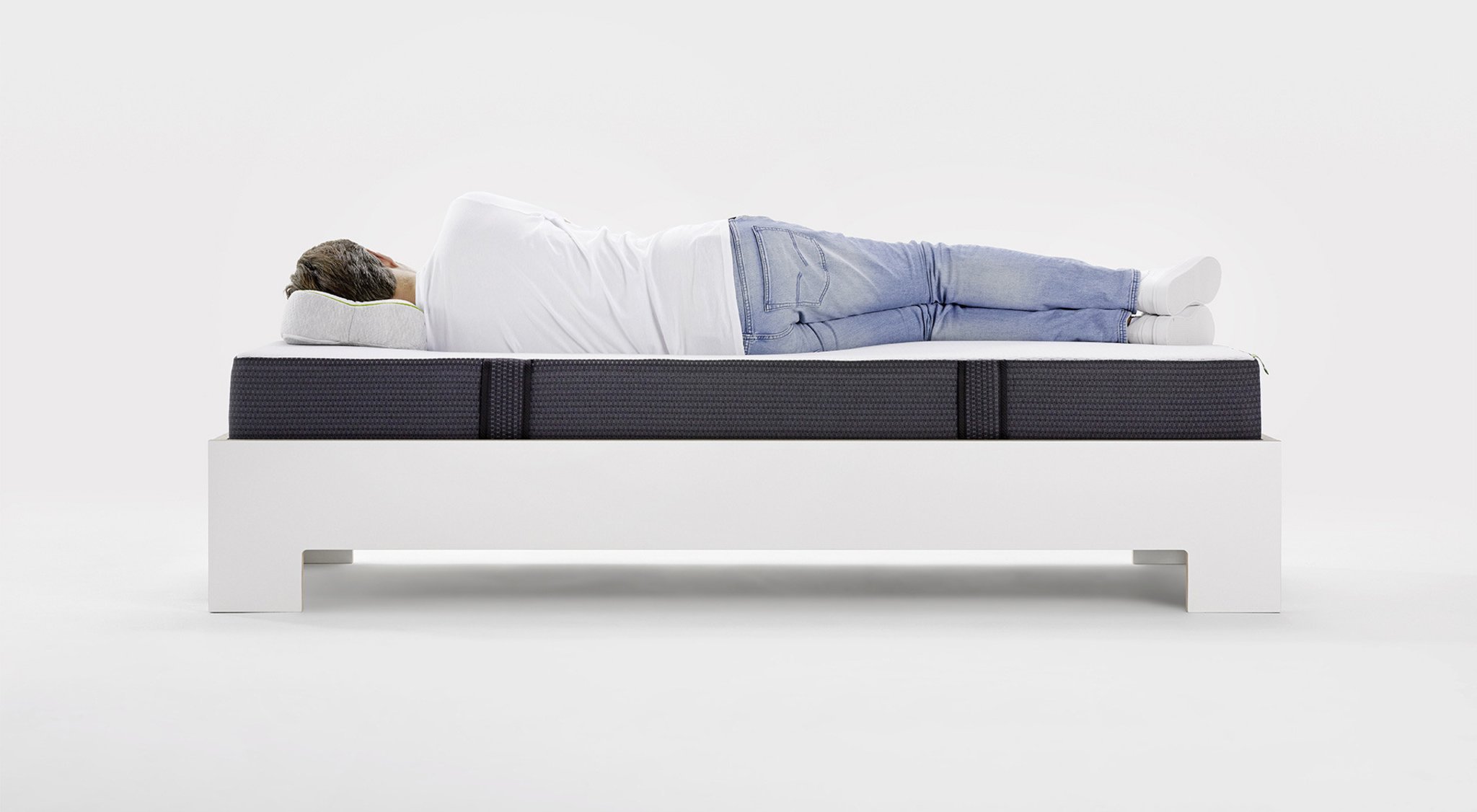
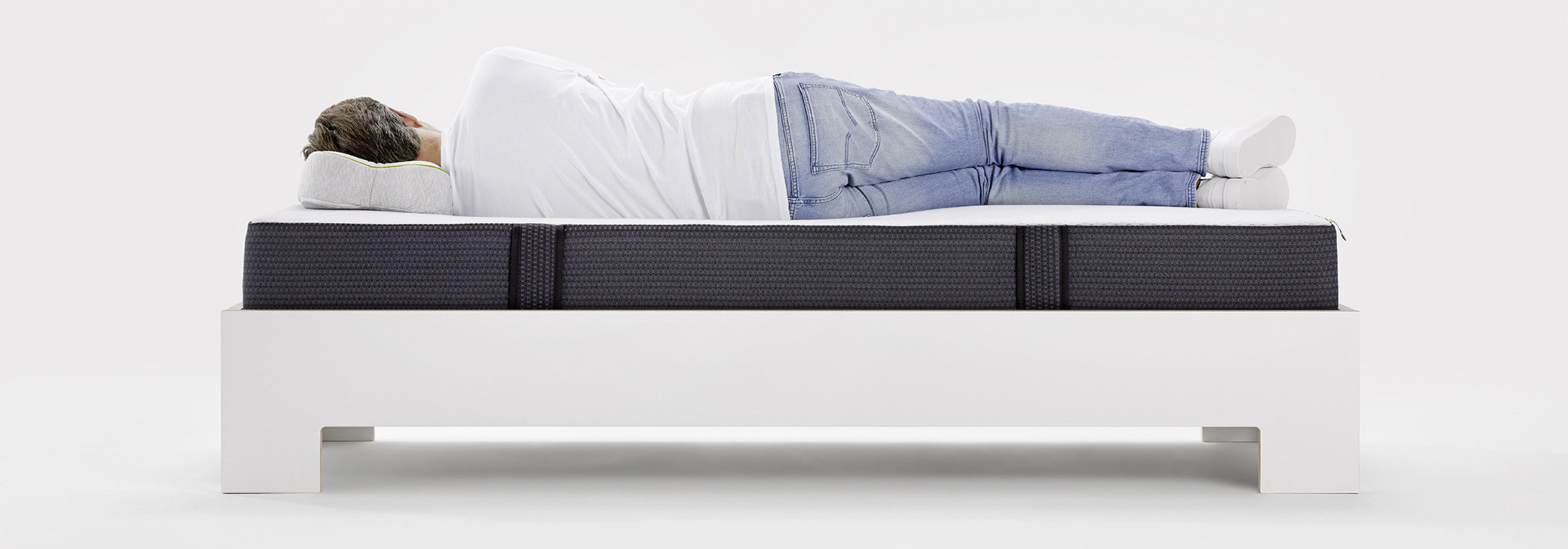
A back-friendly mattress, such as our Recovery Base 2.0, helps your spine maintain neutral alignment. We call this neutral alignment when the spine assumes its natural double-S shape.
To achieve this, your pelvis and shoulders should sink in far enough while the lumbar and cervical spine receive firm support.
Regardless of your preferred sleep position, this setup lets the muscles around your spine relax.

If the mattress is too soft, your body will sag.

If it's too hard, you won't sink in enough, and your spine won't stay neutral.
To achieve this alignment, consider factors such as firmnesswhen choosing your mattress.

Expert knowledge for at home – 21-day online sleep course

03
Should you choose a firm or soft mattress for back pain?
We often hear that a firm mattress is best for your back, yet the truth is more nuanced. A mattress that supports you well does one thing above all else: it distributes your body weight evenly, ensuring your spine stays correctly aligned. At the same time, it relieves pressure on sensitive pressure points.
Upper and middle back pain can arise when the mattress is too soft, allowing the spine to sag, and the same issue appears as the mattress wears over time. Check your mattress regularly for indentations. As a general guide, replace your mattress every 7–10 yr.
- A mattress that’s too hard can create uncomfortable pressure points. The ideal mattress for back pain therefore strikes the ‘sweet spot’ between hard and soft. The ideal firmness is individual and depends primarily on body weight, size and sleep position.
- Heavier people usually prefer firmer mattresses because their weight is better supported and distributed, while lighter people may find firm mattresses too hard and instead sink into a softer surface.
- For taller people, their weight is distributed more evenly across their entire body length, so they can generally opt for a softer mattress. However, this only applies if their weight is in a healthy proportion to their height. A person who is 2 m tall and weighs 100 kg may, under certain circumstances, choose a softer mattress than a person who is 1.80 m tall and weighs 100 kg.
- Side sleepers usually prefer softer mattresses as their shoulders and pelvis sink in more easily, bringing the spine into a neutral position, while back and stomach sleepers benefit from the stability provided by a firmer mattress.
When buying a mattress, take all these factors into account.
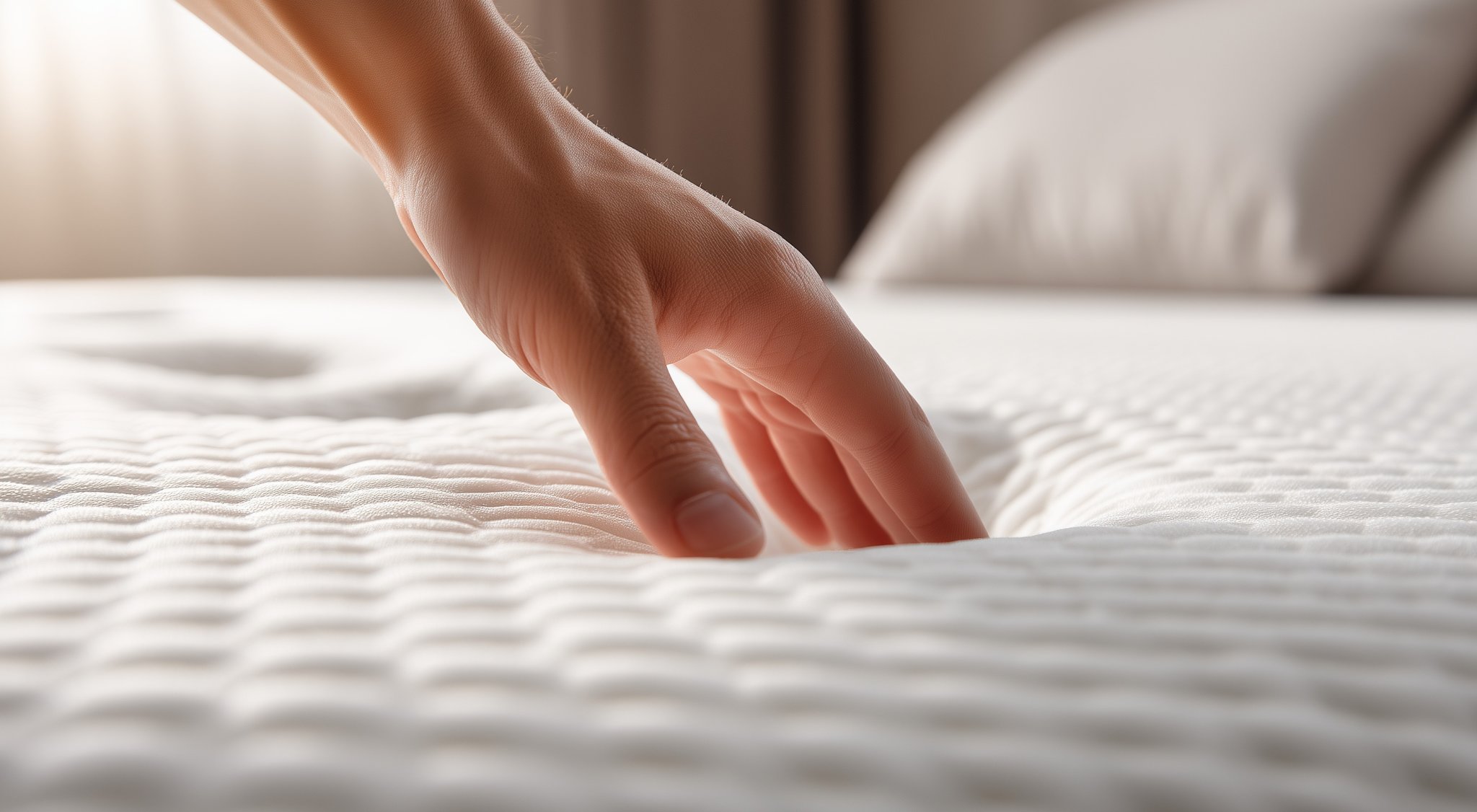
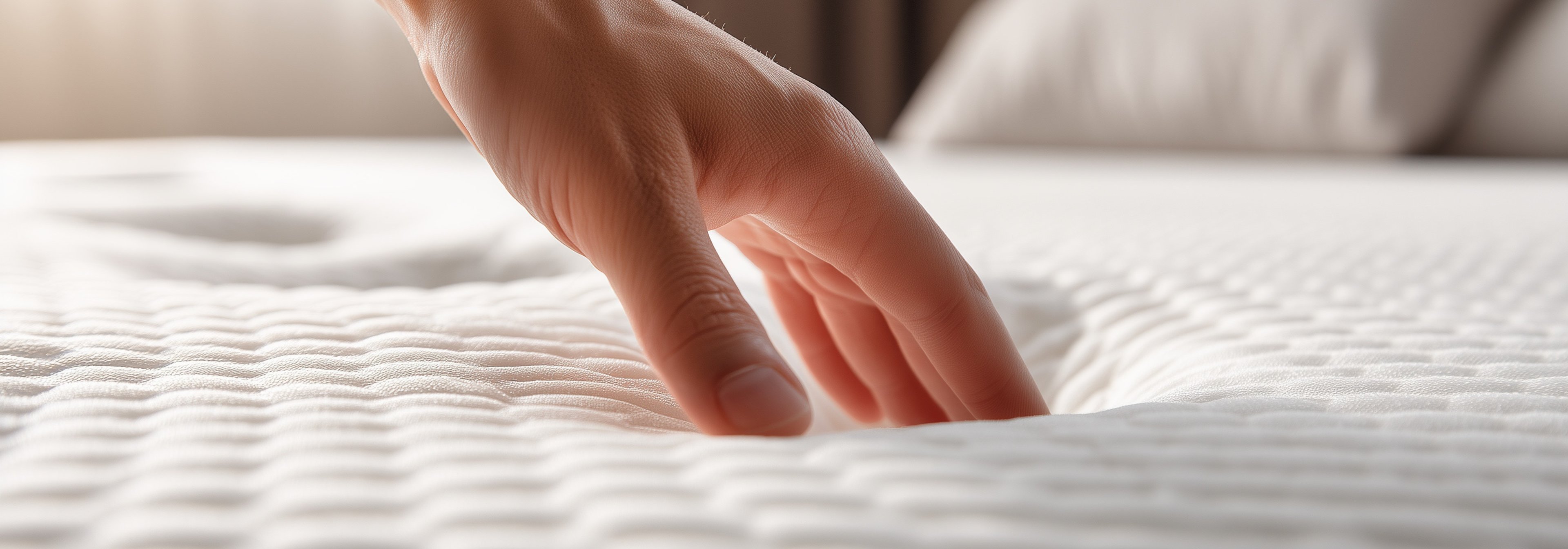
With the BLACKROLL® RECOVERY BASE you no longer need to worry about firmness levels because it offers all four in a single mattress. This means you can easily switch between eight different configurations if you find the mattress is too firm or too soft.
04
What firmness level is best for back pain?
There’s no one-size-fits-all answer to which firmness level is best for back pain, so match the setting to your weight and preferred sleep position.
Most suppliers provide firmness-level recommendation tables to guide you.
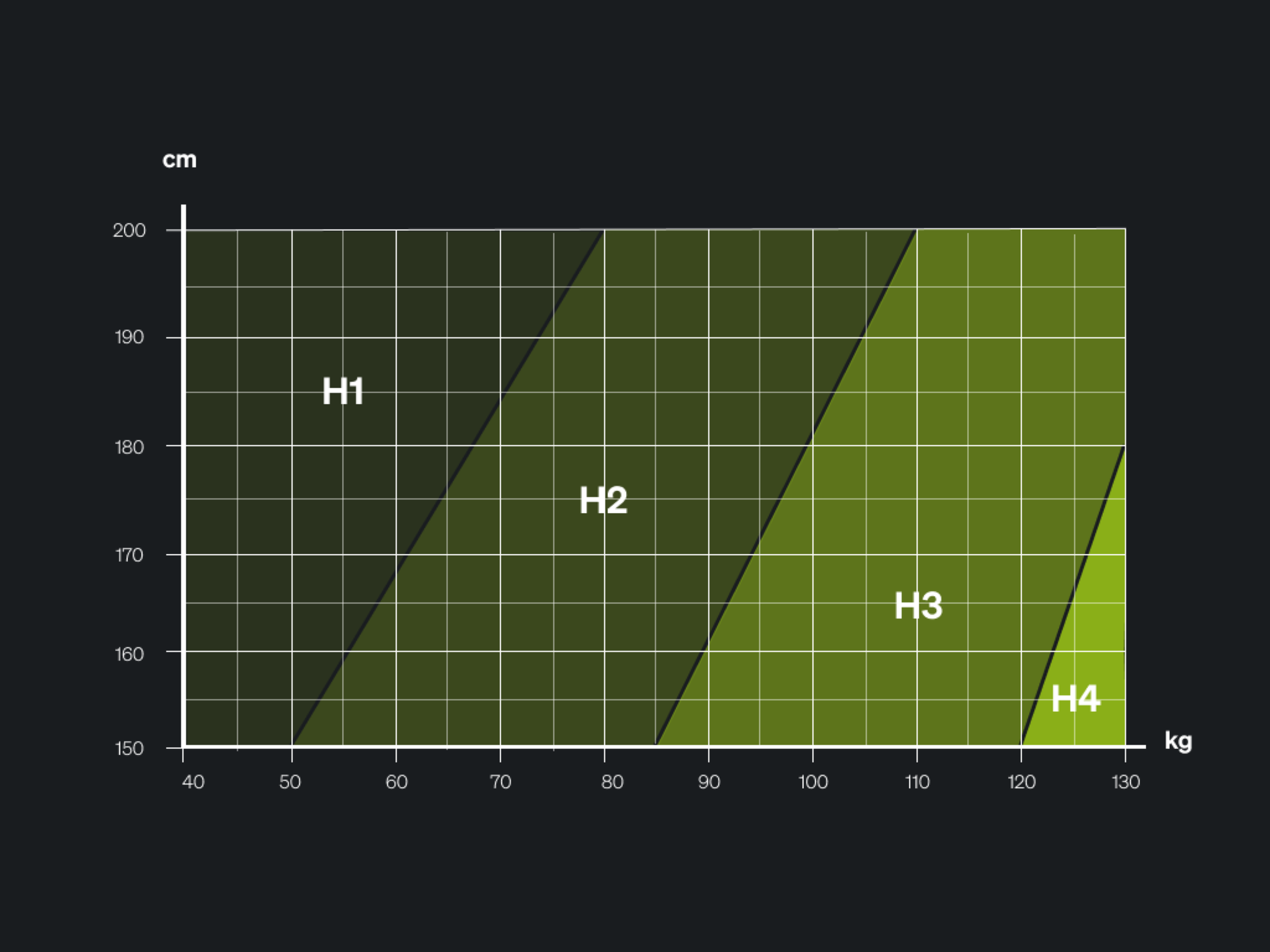
The firmness level is usually indicated by the letter H – the higher the number after H, the firmer the mattress.

It’s worth noting that firmness levels aren’t standardised. Some manufacturers distinguish between only two levels, while others offer as many as five. Such tables therefore serve as a guide at best.
The firmness level a mattress should have for back pain depends not only on weight and size but also on factors such as sleep position and personal preferences.
- Mattresses with a medium firmness level offer the most benefits for people with non-specific back pain (Caggiari et al., 2021).
This is also supported by a randomised, double-blind study by Kovacs et al. (2003), which was carried out with 313 people suffering from back pain. After 90 days, those who had slept on a medium-firm mattress experienced pain less frequently than those who had spent the night on a firm mattress. Participants in the medium-firm group also reported less pain during the day.
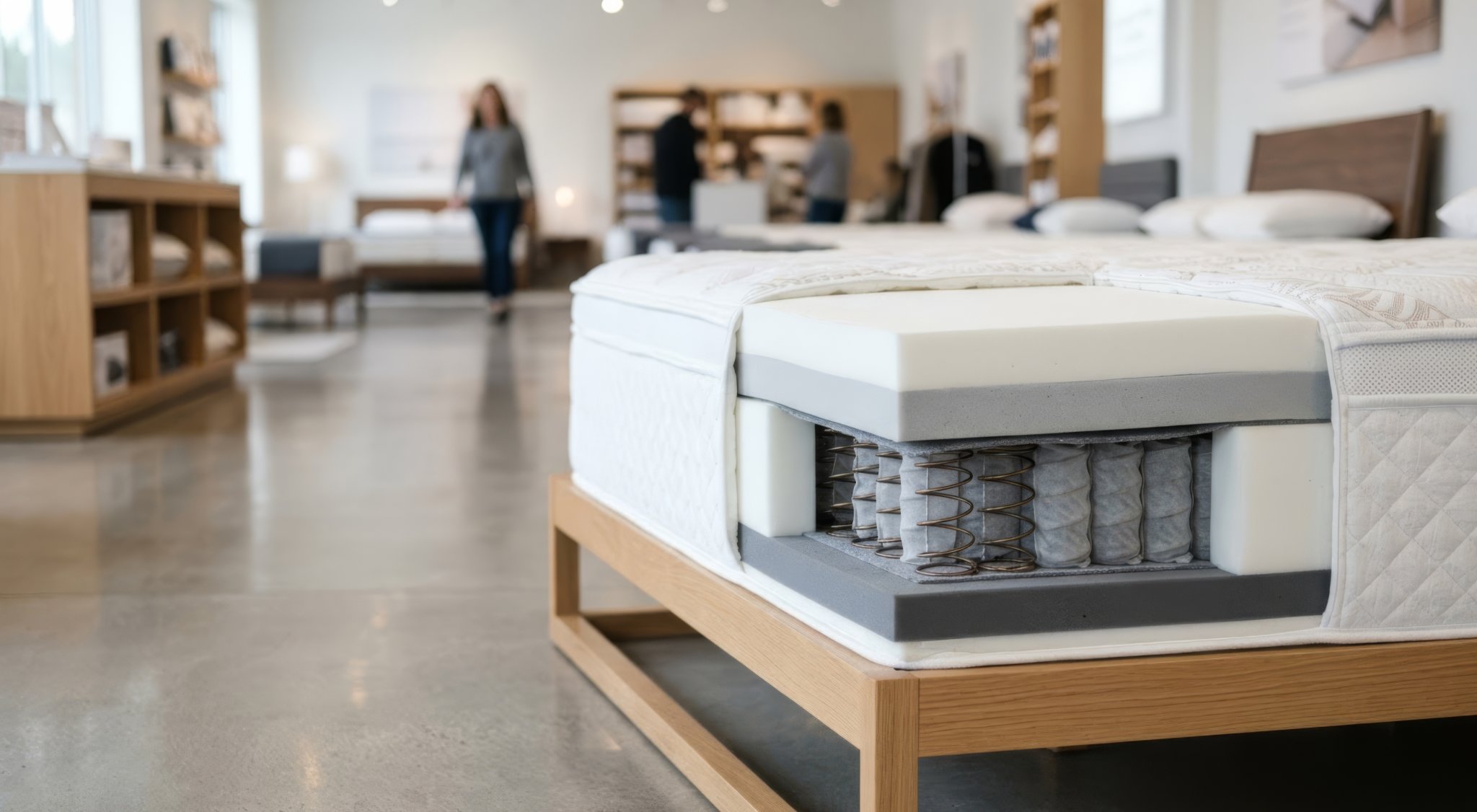
Nevertheless, it’s not uncommon for a particular firmness level to feel ideal when you’re buying a mattress, only for you to realise at home that it’s the wrong firmness level. That’s why our mattress incorporates all four firmness levels in a single mattress.
05
Which mattress is best for back pain?
Mattresses can be made from a wide variety of materials. As you can imagine, the material has a major influence on a mattress’s properties. Latex, memory foam, cold foam or pocket spring core for back pain? Whichever material you choose, quality is what matters most when buying a mattress. Below, we’ll show you how the most popular mattress materials differ.
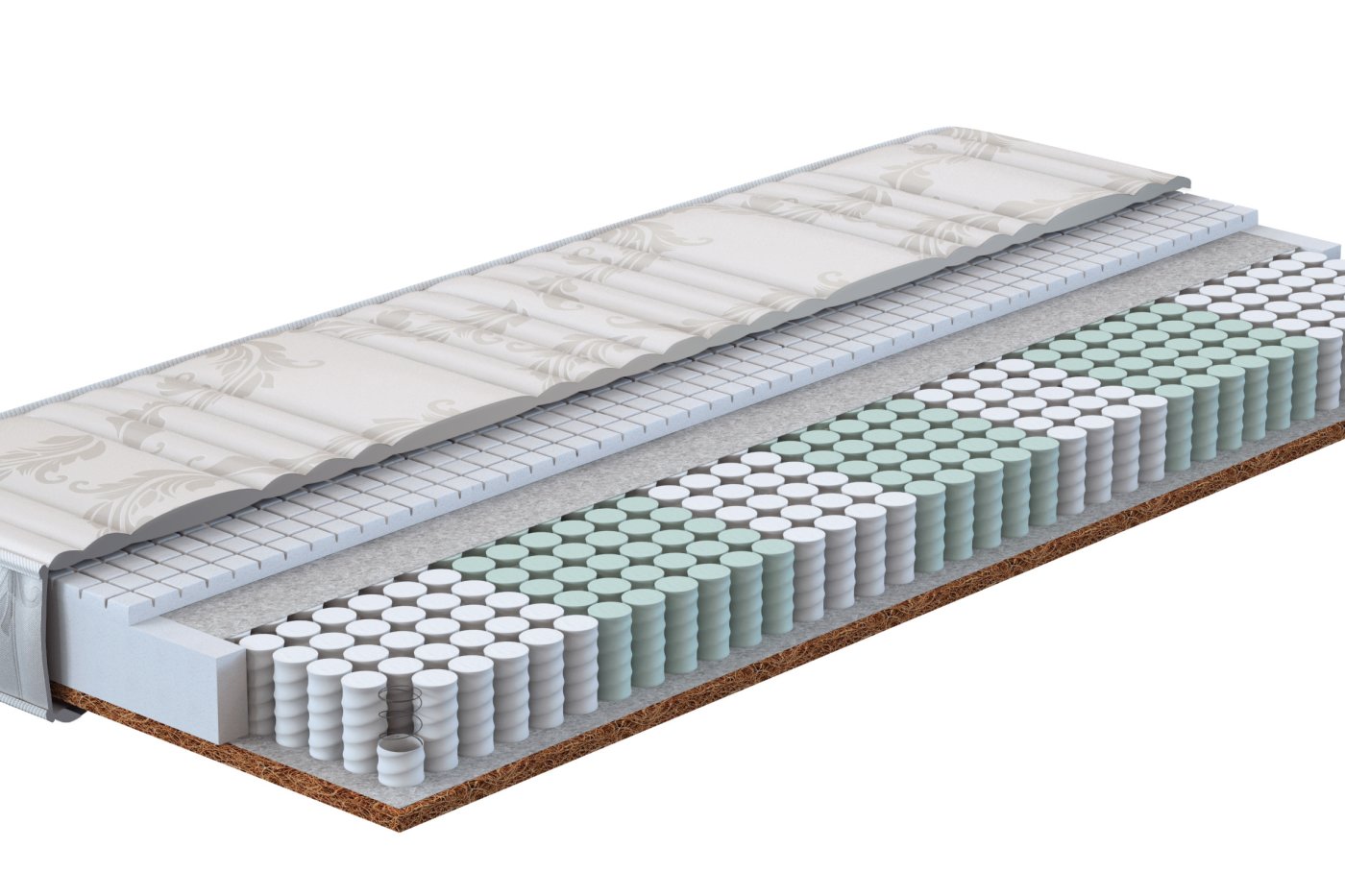
Spring mattress
They consist of a core made up of many metal springs. We distinguish between Bonell and pocket spring models. In the latter, each spring sits in its own pocket, delivering targeted support where you need it.
Bonell spring mattresses tend to provide more even support across the surface and are therefore only suitable to a limited extent for people with back pain. A general advantage of spring cores is that they wick away moisture effectively. If you sweat a lot at night, consider a spring mattress.
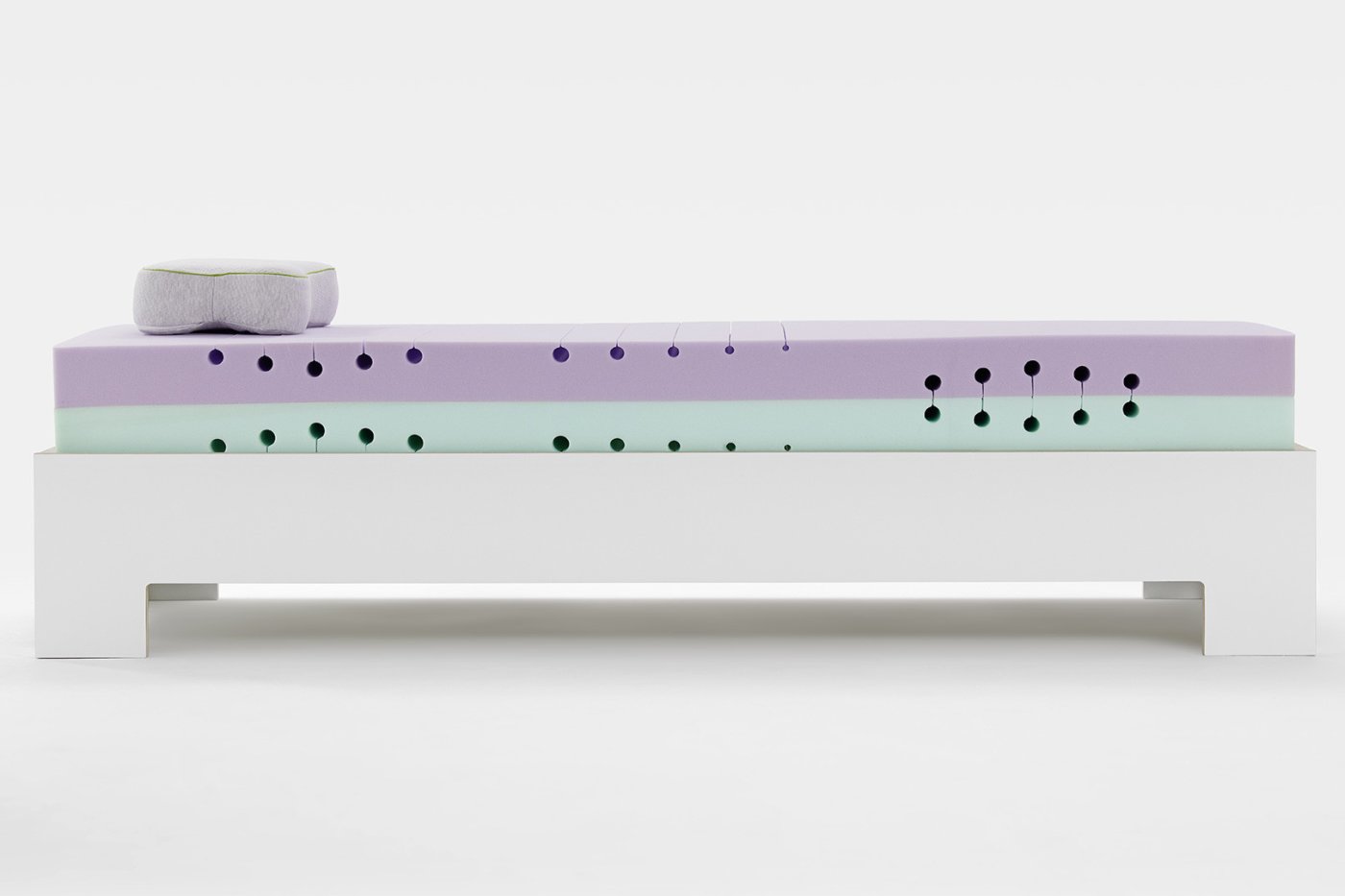
Cold foam mattress
Cold foam mattresses also offer good point elasticity. A cold foam mattress is particularly ergonomic when it is divided into several support zones. This zoning allows the mattress to mould to the body. Cold foam mattresses are also quite breathable and help regulate temperature. With a cold foam mattress such as our Recovery Base 2.0, which is tailored to your needs, you won’t go far wrong if you suffer from back pain.
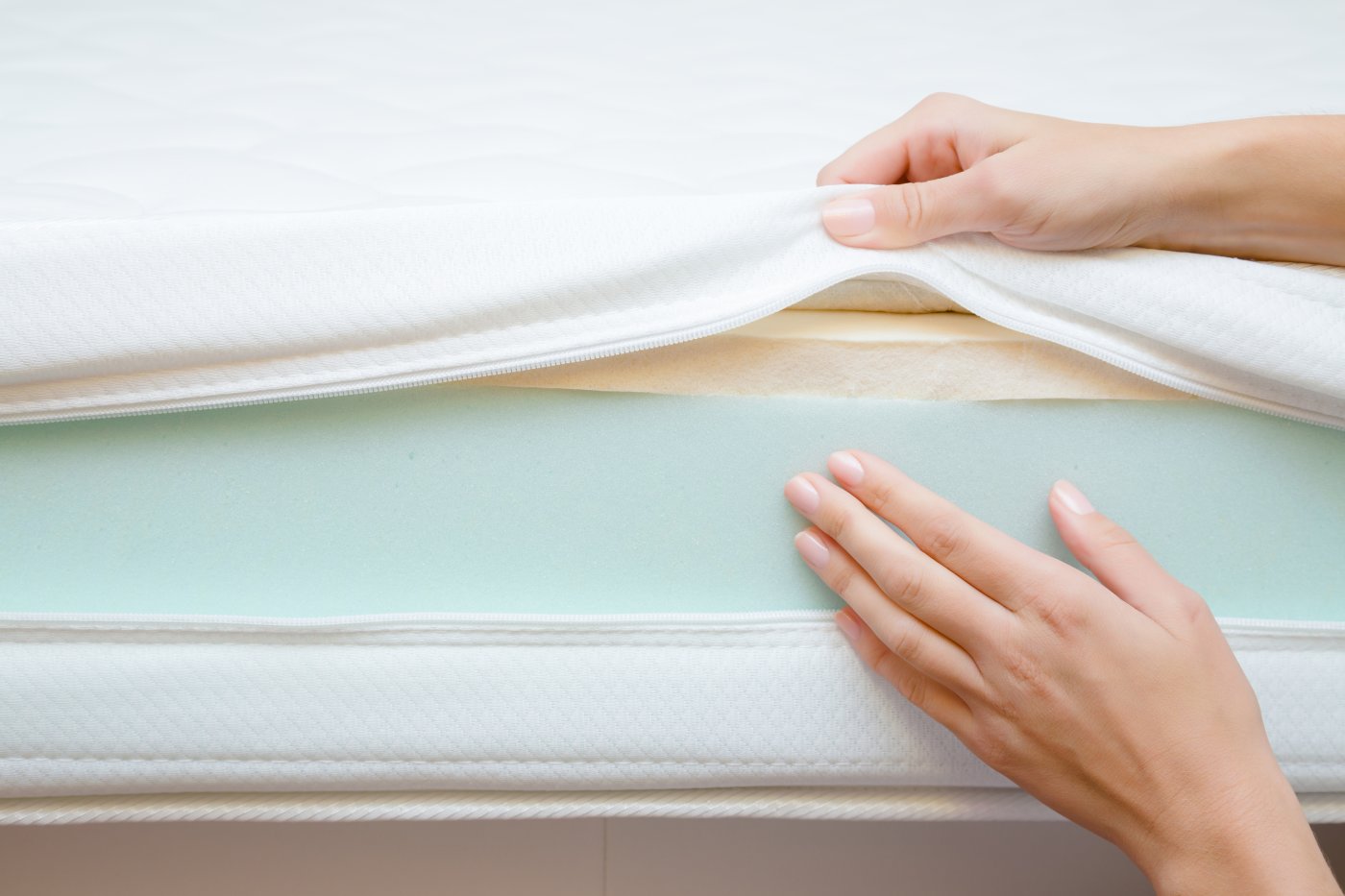
Visco-elastic mattress
It pairs a cold foam core with a layer of visco foam that moulds to your shape in response to body heat, so you won't need separate support zones. It's also suitable for people with back pain, though those who overheat may prefer a cooler option.
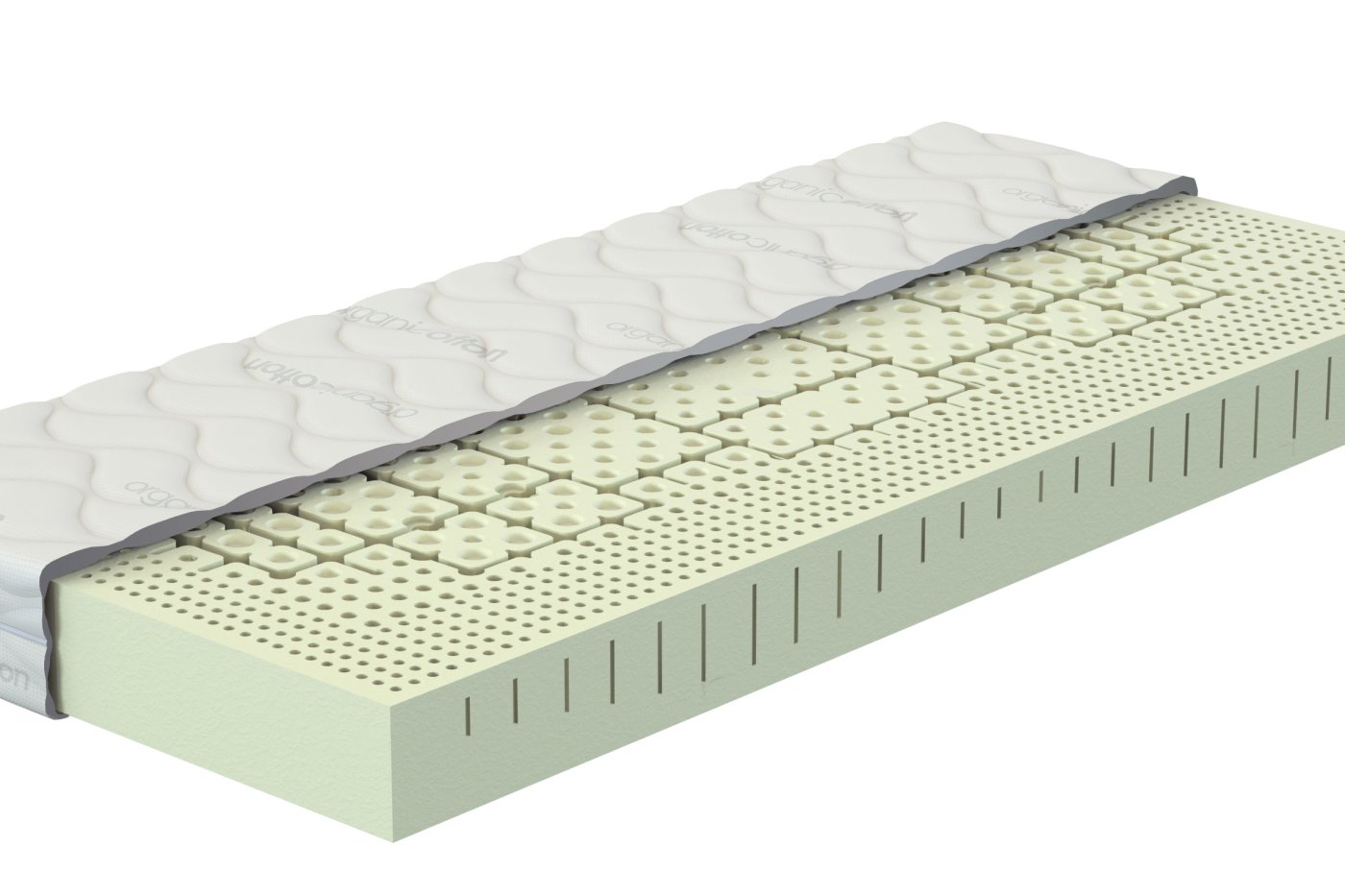
Latex mattress
Latex mattresses are made from either natural (natural rubber) or synthetic latex. Mattresses made from natural latex generally offer better point elasticity. In general, latex mattresses are also recommended for back pain. One disadvantage of latex mattresses is their high price.
Whichever type you choose, ensure the manufacturer offers a trial period of at least 30 d — preferably 90 d. Research shows it can take up to four weeks for your body to adjust to a new mattress.
Which mattress is best for back pain in the lumbar region / lower back?
Whether you feel pain in your upper or lower back, the key factor when choosing a mattress is maintaining a neutral spine. Select a mattress tailored to your needs to help reduce lumbar discomfort.
If you suffer from lower back pain, avoid sleeping curled up in a foetal position as this increases hip flexion. If you already spend a lot of time sitting at work there's a risk that your hip flexors will be under too much strain. Tense hip flexors can lead to back pain because they upset the natural balance of tension in the body and they also inhibit the activity of the gluteal muscles. The result is lower back pain.
If you sleep on your side, stretch your legs out as much as possible so your hips stay neutral and place a pillow between your knees to reduce hip flexion.

Which mattresses are best for a herniated disc?
The human spine contains 23 intervertebral discs that act as shock absorbers between the individual vertebrae. Each disc contains a gel-like nucleus surrounded by a ring of fibrous cartilage. As we age or due to lifestyle, tears can develop in this ring. If the nucleus breaks through, a herniated disc (prolapse) occurs. Symptoms appear when the protrusion presses on nerve tissue.
- The problems manifest as pain, numbness and symptoms of paralysis.
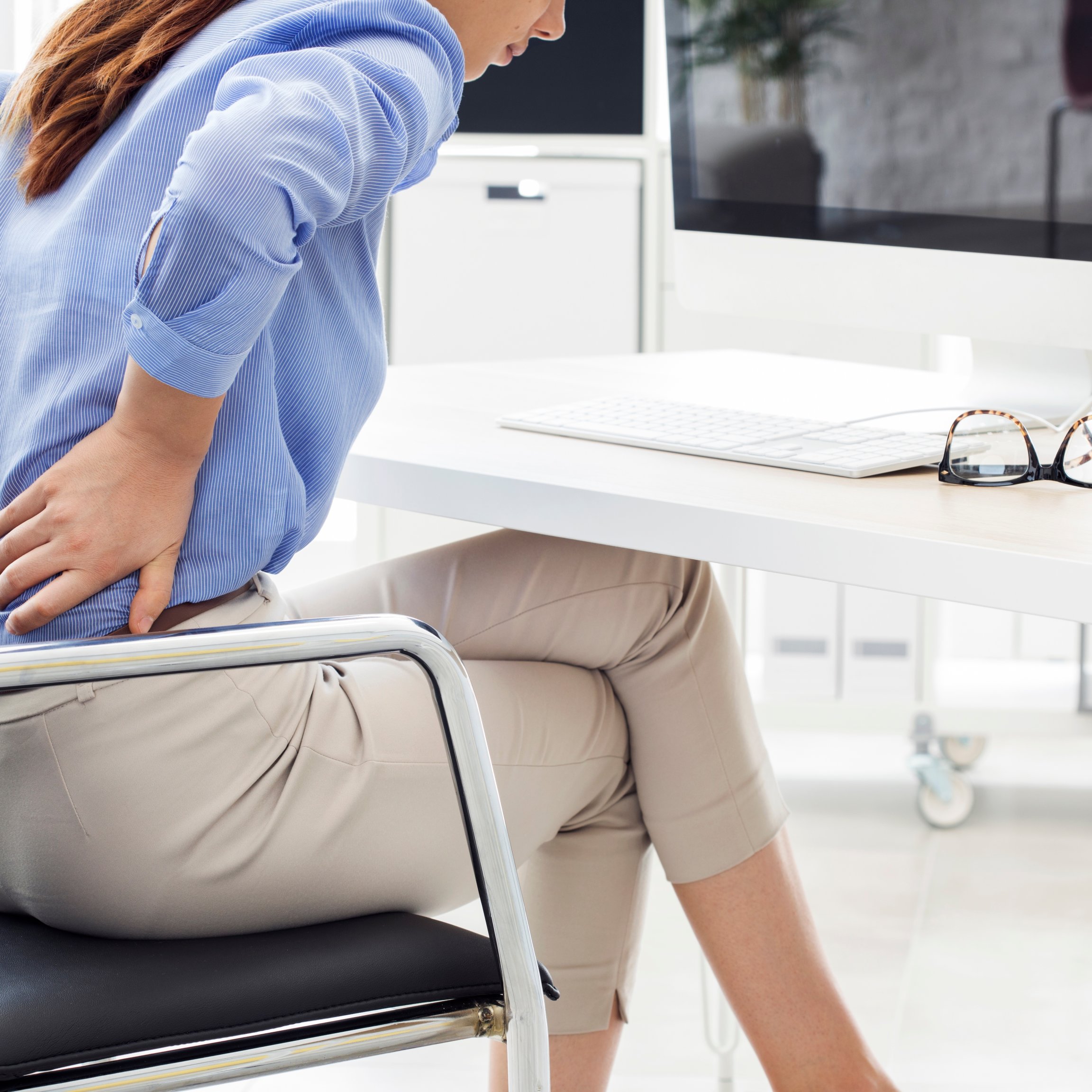


In around 90% of cases, a herniated disc occurs in the lumbar spine, and it's less common in the cervical spine.
At night the intervertebral disc reabsorbs fluid and nutrients much like a sponge, which is why you're up to 3 cm taller in the morning than in the evening.
To support this process, keep your spine well aligned at night. Choose a mattress that isn't too soft or too hard, as either extreme can encourage an unnatural curve. We've already covered what good spinal alignment looks like.
Orthopaedic mattresses are particularly suitable for people with a herniated disc. A mattress is considered orthopaedic if it moulds to the contours of the body. In the mattress industry, this is referred to as ‘point elasticity’. A point-elastic mattress only yields where pressure is applied. When you lie on your side, your shoulder and pelvis sink in while the mattress moulds to your lumbar spine. This point elasticity promotes neutral spine alignment.
Orthopaedic mattresses for back pain
The term ‘orthopaedic mattress’ can be misleading because it isn’t protected, so any manufacturer can label their product as such even if it lacks genuine orthopaedic properties.
A mattress is genuinely orthopaedic if it supports the entire musculoskeletal system, helping to prevent pain. High-quality orthopaedic mattresses are designed for specific groups of people – for example, models for back pain support the spine.
A high-quality orthopaedic mattress helps prevent and relieve:
- Back pain
- Chronic pain
- scoliosis
- Herniated discs
- other muscle pain

Which mattress is best for back pain in the morning?
Mild back pain in the morning is often caused by lying in the same sleep position for a long time whilst sleeping and usually disappears once you get up and move around. If the pain persists, factors such as an unsuitable mattress or sleep position may be to blame.
If your mattress is more than seven years old or no longer provides adequate support, replace it. One study found that new bedding systems improved sleep quality and alleviated back pain; the participants’ old mattresses were, on average, 9.5 yr old (Jacobson et al., 2009).
Your sleep position also affects spinal alignment. If you sleep on your front, place a pillow under your lower abdomen and bend one leg. Back or side sleepers should use a flat pillow under the knees or a small pillow between the knees.
The right mattress for you depends on your individual needs.

Black Week
Matratze
Recovery Base 2.0
Available in multiple variants
CHF 749.90CHF 559.90
-25%
Matratze
Recovery Base Elite
Available in multiple variants
fromCHF 1,399.90
Black Week
Bettdecke

Recovery Blanket All Year
Available in multiple variants
CHF 199.90CHF 149.90
-25%
Schlafmaske
CHF 49.90


06
What are health mattresses?
As the term suggests, a health mattress is designed to support your body and promote restful sleep. When you wake up feeling refreshed, your overall health is likely to benefit.
They’re characterised by their orthopaedic properties and form part of a complete sleep system that includes a slatted base and the mattress itself. A health mattress tailored to your needs can help prevent a range of ailments:
- Back pain
- Joint pain
- Tension in the body
- Lumbago
- Neck tension
- Headache
We've designed our health mattress to relieve pressure, support your spine and help you sleep soundly. It achieves this through a combination of firmness, quality materials and ergonomic engineering. For side sleepers in particular it allows the shoulders and glutes to sink in at specific points so that the spine stays straight. It offers both support and pressure relief.
We often tailor health mattresses to specific needs or medical conditions.
Mattresses for rheumatic conditions
Rheumatism is the umbrella term for more than 100 diseases affecting the human musculoskeletal system. Diseases of the joints, bones, tendons, muscles and connective tissue, as well as vascular inflammation, fall within the rheumatic spectrum. Rheumatism mattresses are often made from viscoelastic or gel foam to relieve pressure at tender points and protect affected joints.
Pressure-ulcer mattress
Pressure ulcer mattresses are designed to help prevent pressure sores in bedridden patients. Viscoelastic materials are often used for this purpose. Pressure ulcer mattresses are used, for example, during surgery, in everyday life in clinical practice, in care homes or for home care. Despite the use of this specialised medical mattress, regular repositioning is still necessary to prevent pressure sores.
Alternating pressure mattress
We'll explain how alternating pressure mattresses work and when they're suitable. An alternating pressure mattress is a specialised pressure ulcer mattress fitted with an air chamber system. Through a pre-set programme, air's pumped into and released from the chambers. As the surface becomes firmer or softer, your lying position changes. Although this isn't a complete repositioning, your body's gently repositioned.


07
Sleeping on the floor — does it help with back pain?
In many Asian countries, sleeping on the floor is nothing out of the ordinary and even in Western societies there are an increasing number of advocates who swear by it. But does sleeping on the floor actually help with back pain?
Proponents claim it eases back pain, improves posture and enhances sleep quality.
In practice, there's insufficient scientific evidence to suggest that sleeping on the floor helps to relieve back pain. Numerous research findings indicate that a medium-firm mattress improves spine alignment and helps to reduce back pain.
Sleeping on the floor hasn't been studied to the same extent, but the firm support may help some people.
However, the lack of cushioning at pressure points may increase discomfort and impair sleep quality, while being closer to the floor exposes you to more dust and dirt.
This increases the risk of an allergic reaction, so we don’t recommend it for people with allergies. Keep the floor clean if you do choose this approach.
08
Conclusion: Which mattress is best for back pain?
The mattress you lie on in the evening can either worsen or alleviate back pain. The right mattress supports your spine and ensures comfort whilst you sleep. It’s tailored to your height, weight and preferred sleep position.
When buying a mattress, make sure you can try it out for long enough. If you wake up in the morning feeling well-rested, refreshed and free from pain, you’ll know you’re on the right mattress. You can find more tips on improving your sleeping environment and sleep quality in our article ‘How to set up your bedroom properly’.
You might also be interested in




Sources
Caggiari, G., Talesa, G. R., Toro, G., Jannelli, E., Monteleone, G., & Puddu, L. (2021). What type of mattress should be chosen to avoid back pain and improve sleep quality? Review of the literature. Journal of Orthopaedic Traumatology, 22(1), Article 51. https://doi.org/10.1186/s10195-021-00616-5
Kovacs, F. M., Abraira, V., Peña, A., Martín-Rodríguez, J. G., Sánchez-Vera, M., Ferrer, E., Ruano, D., Guillén, P., Gestoso, M., Muriel, A., Zamora, J., Gil del Real, M. T., & Mufraggi, N. (2003). Effect of firmness of mattress on chronic non-specific low-back pain: Randomised, double-blind, controlled, multicentre trial. The Lancet, 362(9396), 1599–1604. https://doi.org/10.1016/S0140-6736(03)14792-7
Jacobson, B. H., Boolani, A., & Smith, D. B. (2009). Changes in back pain, sleep quality, and perceived stress after introduction of new bedding systems. Journal of Chiropractic Medicine, 8(1), 1–8. https://doi.org/10.1016/j.jcm.2008.09.002