
Pocket spring mattress: is it right for you – and which configuration is best?

A pocket spring mattress contains steel springs individually sewn into fabric pockets. This construction lets each zone respond independently — the mattress offers precise point elasticity, supports your spine and helps wick away moisture. Barrel-shaped pocket springs (bulging springs) enhance adaptability and form the basis of modern 7-zone mattresses.
In brief
- Research suggests that a medium-firm feel is more likely to suit you than an extra-firm option (Caggiari et al., 2021; Kovacs et al., 2003).
- Whether a pocket spring mattress suits you depends on your weight, sleep position, sleep climate and bed base – not the design alone.
- Pocket spring mattresses offer no proven advantage over cold foam in terms of back health or sleep quality. More important factors are firmness, pressure distribution and a neutral spinal alignment (Wong et al., 2019).
- Make the most of the trial period: it lets you rectify a poor purchase without risk.
A pocket-spring mattress isn’t automatically suitable for everyone: whether it’s the right choice depends on your body weight, your sleep position, your sensitivity to heat and your bed base. This article guides you through a suitability check in just a few minutes, explains the key criteria in everyday language and shows you which configuration might suit you — honestly and without making exaggerated claims.


Is a pocket spring mattress right for you? The suitability check
Before you decide, consider six personal factors — they’ll influence your sleep more than any advertising claim. Answer the questions honestly. By the end, you’ll know whether a pocket spring mattress suits you and which configuration to choose.
1. How do you usually sleep?
a. On your side or on your back > this is a good sign. The pocket spring core allows your shoulders and hips to sink in and support your back.
b. On your stomach – it depends. You’ll need a firmer variant to prevent your pelvis from sagging.
2. What sort of sleeping feel do you prefer?
a. Supportive, more ‘on top of the mattress’ — suggests it’s a good fit.
b. Deeply enveloping, more ‘inside the mattress’ > argues against it. Cold foam or memory foam provide this feel better.
3. Do you feel cold or do you sweat at night?
a. You tend to sweat — this is a plus. The open spring core allows air to circulate.
b. You tend to feel cold – it depends. In this case, the cover and padding are the decisive factors, not the core alone.
4. What's the mattress resting on?
a. A sturdy slatted base with narrow slat spacing or a box spring base > suggests it’s a good fit.
b. Very wide slat spacing or a sagging base — not recommended, unless you replace the base.
5. Do you sleep with a partner?
a. Yes – this is a positive factor. Because each spring works independently, a pocket spring core transmits very little movement, so you’ll hardly be disturbed by the other person turning over.
b. Alone > neutral; this point doesn’t apply to you.
6. How much do you weigh?
This isn’t a deal-breaker. Pocket spring mattresses are available for both lighter and heavier people. Your weight doesn’t determine whether a mattress is suitable, but rather its firmness level – find out more below (Wong et al., 2019).
Your result
Mostly ‘in favour’: a pocket spring mattress suits you. Continue to the configuration and choose the firmness level based on your weight and sleep position.
Mixed results: it depends. In most cases, question two will tip the balance – the desired sleeping comfort is more important than any technical feature.
If you’ve answered ‘against’ twice or more, a pocket spring mattress is probably not the right choice for you. Good alternatives are cold foam (more adaptable, lighter) or memory foam (provides significant pressure relief). If the only issue is with question four, check the bed base first – then a pocket spring mattress might be suitable after all.
In a nutshell: what is a pocket spring mattress?
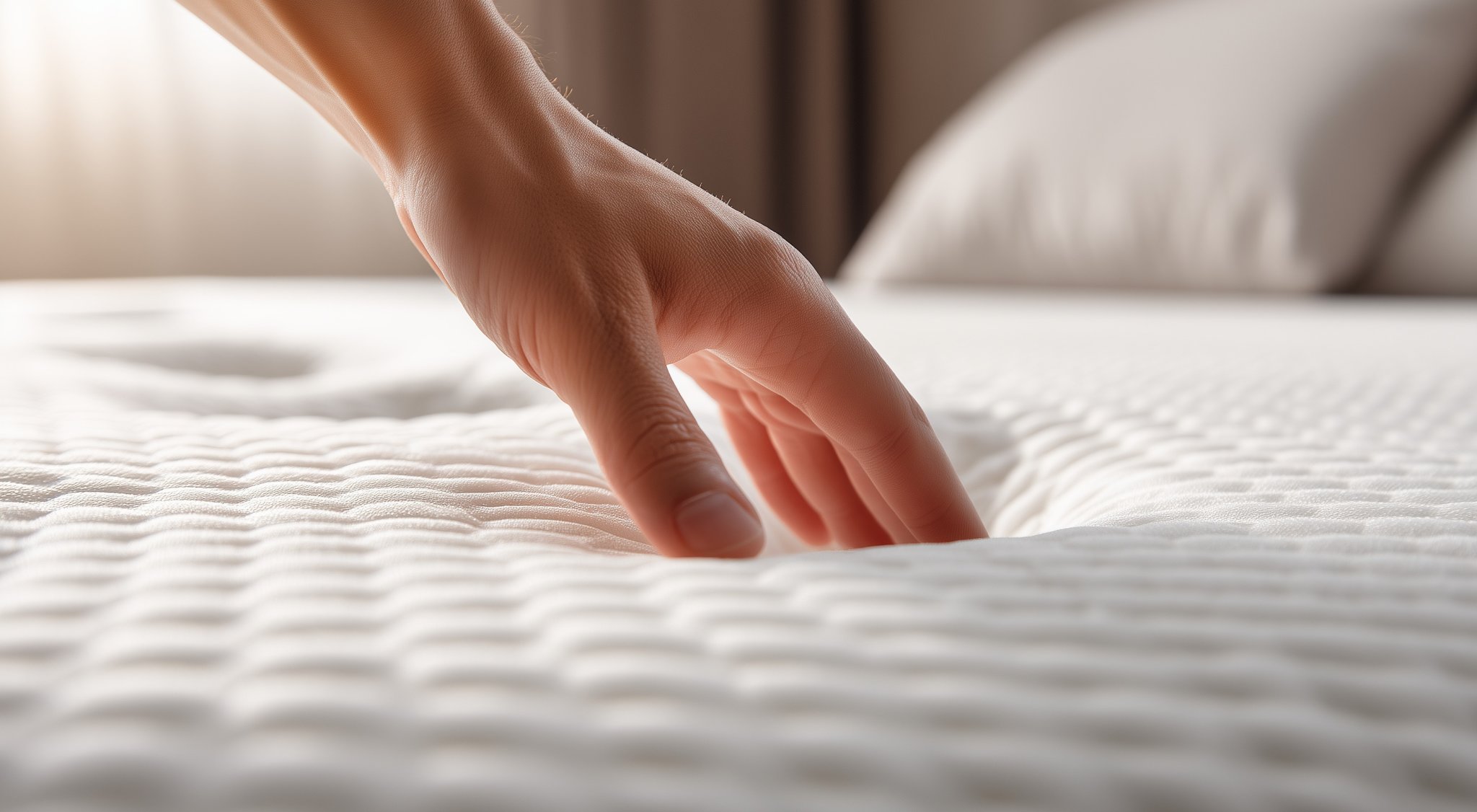
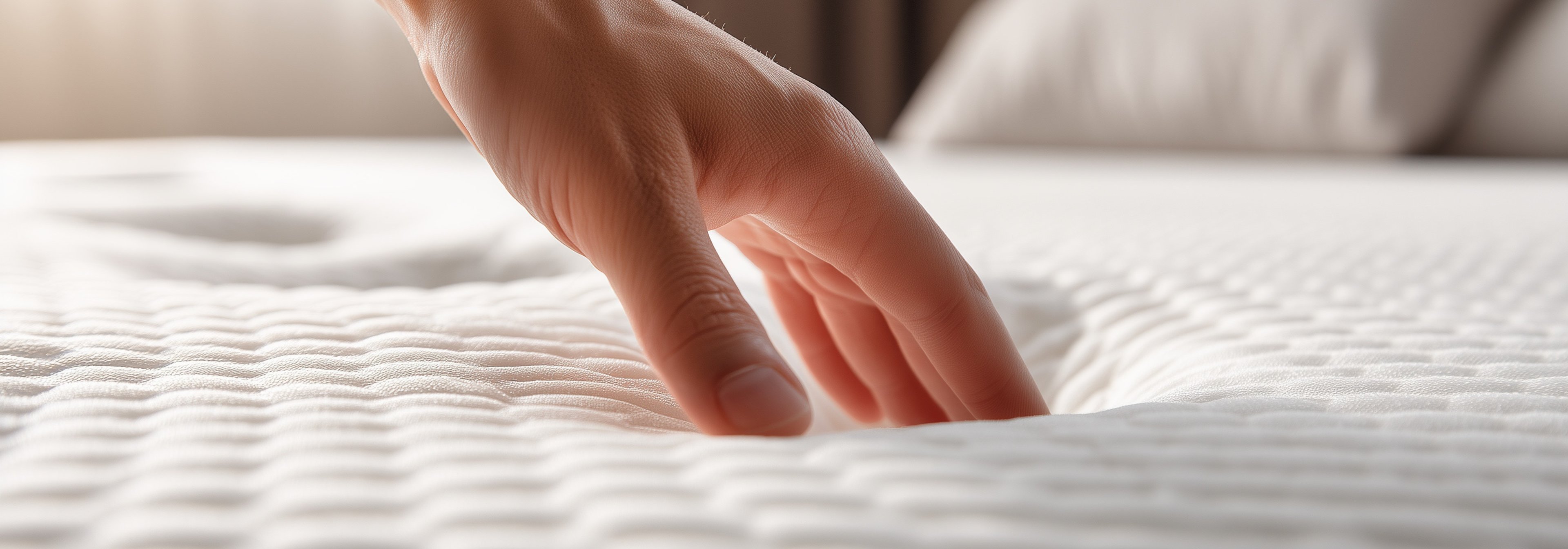
A pocket spring mattress is a spring mattress in which the steel springs are individually sewn into fabric pockets. This allows neighbouring areas to spring independently of one another and air to circulate through the core. Experts refer to this precise give as ‘point elasticity’ – the mattress yields where pressure is applied rather than sagging over a large area.
In practice, this means your shoulders and hips can sink in while your back stays supported. However, how well this works depends on the quality of the springs, the comfort layers and the firmness level – not on the construction itself.
Point elasticity
Point elasticity means that only the area under load gives way, not the entire surface. This can help to distribute pressure across the shoulders and hips and bring the spine closer to a neutral posture — particularly when sleeping on one’s side (Bolton et al., 2022).
Pocket spring core vs barrel-shaped pocket spring core
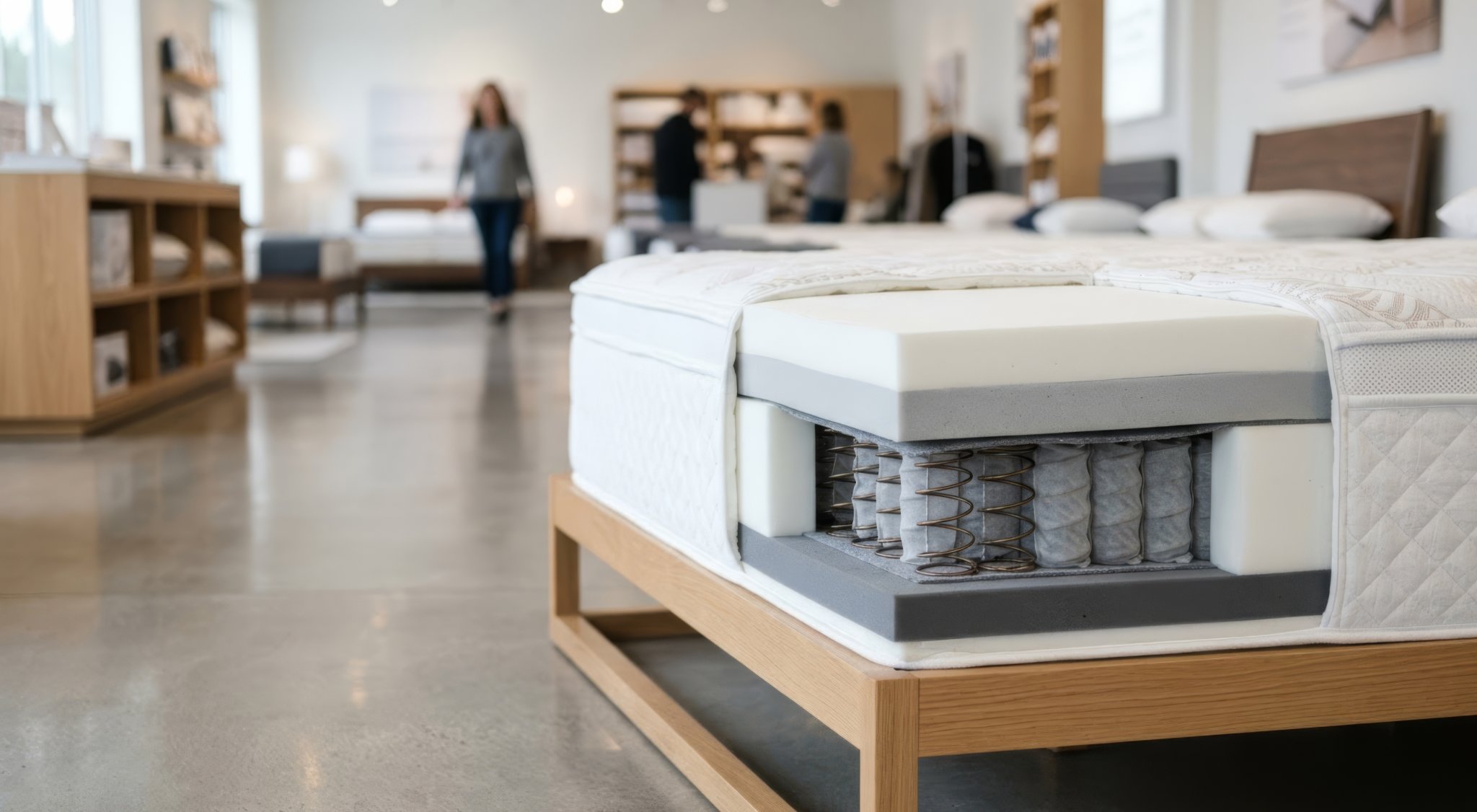
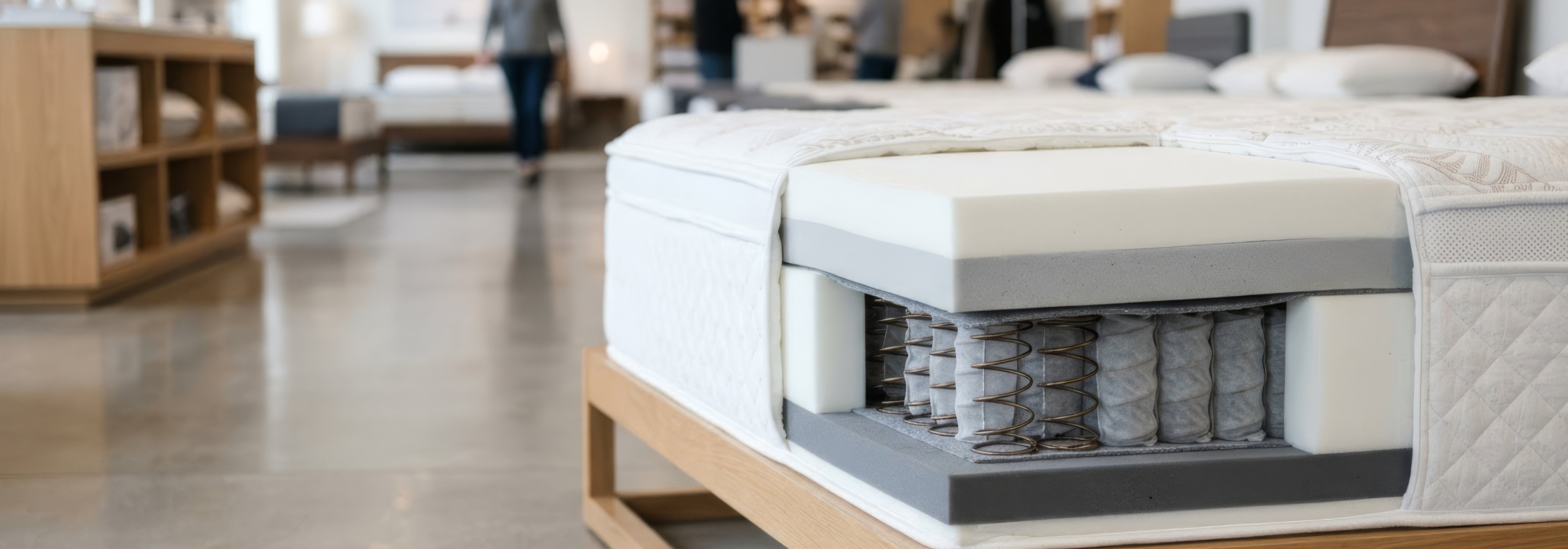
The barrel-shaped pocket spring core isn’t an alternative to the pocket spring core but rather one of its variants. In both, each spring is individually encased in a fabric pocket — the difference lies solely in the shape of the springs.
The classic pocket spring core uses cylindrical springs that offer even support and respond directly.
Barrel-shaped pocket spring core: springs that are bulged in the middle. They yield more softly under light pressure and provide increasing support under heavier pressure, which can improve the fit around your shoulders and hips and forms the basis of most 7-zone mattresses.
Today, when retailers talk about ‘pocket spring cores’, they often mean the barrel-shaped variant. Incidentally, ‘more springs’ doesn’t automatically mean better comfort in either design.


Advantages and honest disadvantages
Pocket spring mattresses have real strengths — but also clear limitations that you should be aware of.
Possible advantages
- It can distribute pressure precisely and support your spine when you lie on your side (Bolton et al., 2022).
- Good air circulation thanks to the open spring core.
- It also offers stable support, even for people with higher body weight.
- Less motion transfer than a Bonell spring core, as each spring works independently – an advantage for couples.
Honest disadvantages
- It's heavier and less enveloping than foam mattresses.
- Quality can vary depending on workmanship and the comfort layer.
- Use a suitable bed base to realise its full potential.
- A high price or a high spring count isn't a guarantee of better sleep.
When a pocket spring mattress is suitable — and when it isn’t
It’s a good fit if you sleep on your side or back, prefer a firmer feel, tend to get a bit sweaty at night or share a bed. It’s less suitable if you prefer a soft, enveloping feel or are looking for a very flexible, lightweight option — in which case cold foam might be the better choice.

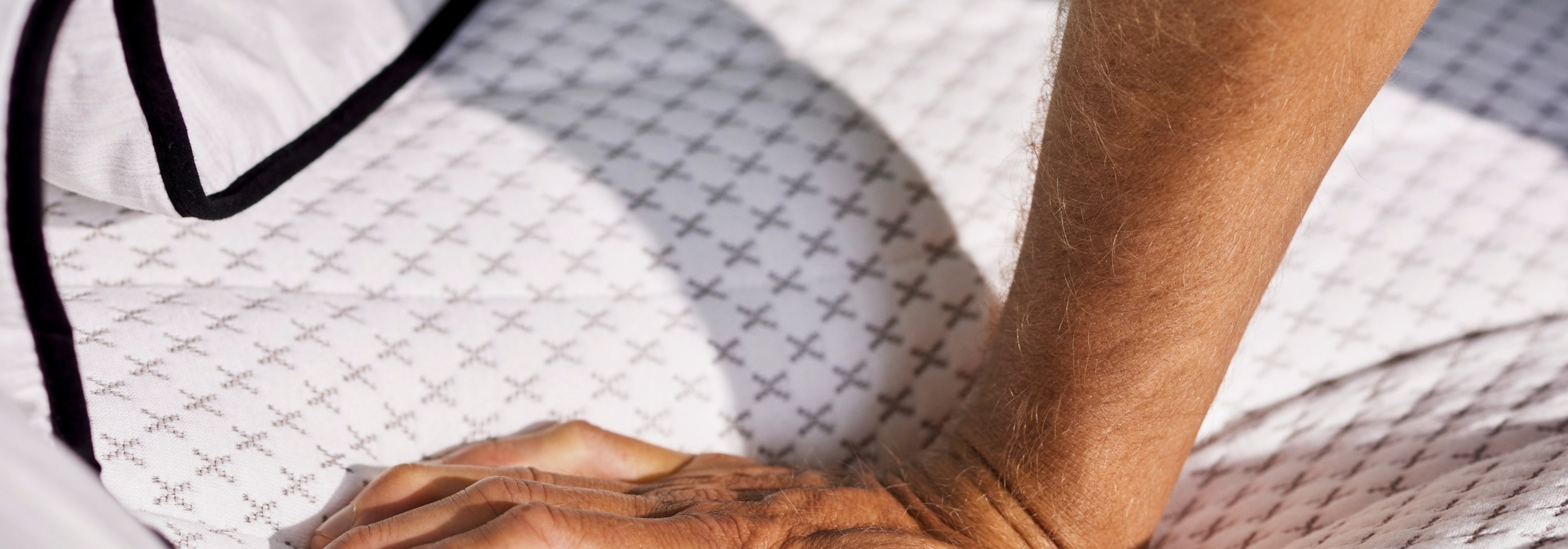
Pocket spring or cold foam? A guide to help you decide
It’s not the construction type that determines a good night’s sleep, but firmness, pressure distribution and neutral spinal alignment — pocket spring mattresses have no proven advantage over cold foam when it comes to back pain (Wong et al., 2019). The following overview will help you categorise the different types based on how they feel when you lie on them, rather than on marketing claims.
Feature | Pocket spring | Cold foam | Bonell spring core | Viscoelastic foam |
|---|---|---|---|---|
Liegegefühl | Supportive and point-elastic | Adaptive and rather soft | Even, not very precise | highly enveloping |
Sleep climate | It ventilates well | It tends to feel warmer. | It provides good ventilation | it tends to retain heat |
Motion transfer | low | low | higher | very low |
Suitable for | side/back sleepers, people who sweat, couples | People looking for a customised fit | Budget-conscious | People who are sensitive to pressure |
Limitations | Heavier, depending on the base | You may feel warmer | Less point support | It'll feel warmer and react more sluggishly. |
Configuration: Which firmness level and type suit you?
Translate technical terms into a tangible sleeping experience — otherwise spring count, zones and height are just empty promises. Use the table below.
Term | What this means for you | When it matters | Common pitfalls |
|---|---|---|---|
Firmness level H2/H3 | softer or firmer support | Weight and sleep position | Not standardised – varies by brand |
7-zone | Shoulders sink in while the lower back is supported. | Side sleepers, average size | it’s of little use if the dimensions and slatted base don’t fit |
Barrel-shaped pocket spring core | The tonne-shaped pocket spring core uses rounded springs to improve contouring. | it responds to pressure on your shoulders and hips. | it’s not a distinct mattress type – ‘more springs’ isn’t a guarantee of quality here either |
Comfort layers/height | Sink-in, pressure relief and durability | It's well suited to side sleeping and heavier weights. | Height doesn't equate to quality |
Cover/padding | Sleep climate when you're sweating or feeling cold | Perception of warmth and indoor climate | The climate isn’t just down to the core |
When it comes to firmness levels, it pays to be honest: studies show that a medium-firm mattress performs best and is more likely to provide support for back pain than a very firm mattress (Caggiari et al., 2021; Kovacs et al., 2003). However, a recent study found that orthopaedic mattresses improved pain and sleep across all firmness levels – with no clear winner between firm, medium and soft (Menzulin et al., 2024). The right level therefore remains an individual matter.
Firmness level according to body weight (guideline, not standardised)
- up to approx. 60 kg: generally H2 (medium)
- approx. 60 to 90 kg: H2 or H3, depending on sleep position and preference
- from approx. 90 kg: generally H3 (firm)
Remember, firmness levels aren't standardised and vary between manufacturers, so treat this guide as a starting point, not a warranty.
7-zone: when it makes a noticeable difference – and when it’s just marketing
A zoned design can help side sleepers, but its effect is less well documented than marketing suggests. Zoned, point-elastic surfaces can bring the spine closer to a neutral posture (Bolton et al., 2022; Wong et al., 2019). However, there’s no clear evidence that a 7-zone design, of all things, is superior to other zone configurations (Wong et al., 2019). The effect is particularly noticeable when a person’s height, weight and slatted base match the zone configuration – otherwise, the zones are literally in the wrong place.

For two people: motion transfer and different firmness levels
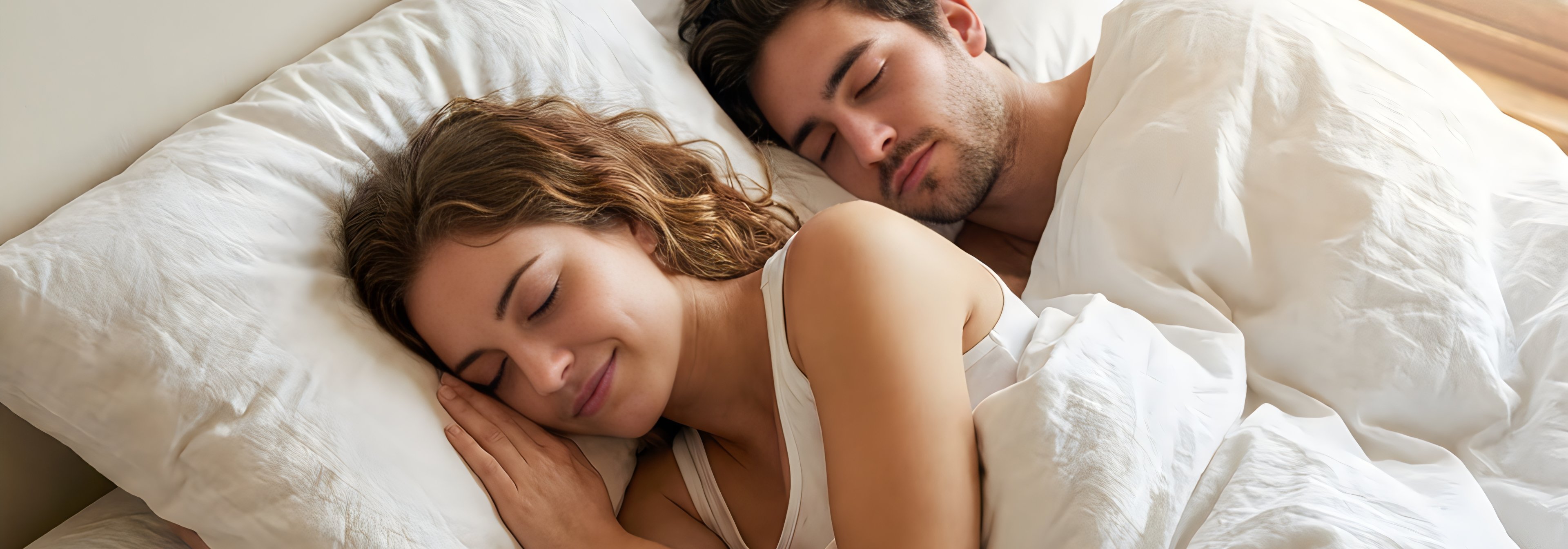
For couples, consider two points: how much you can feel each other’s movements and whether you both need the same firmness level. Because each spring in a pocket spring core operates independently, it transmits very little movement. So if one of you turns over, the other won't feel it. If you have different weights or sleeping styles, a single mattress with two cores of varying firmness can be a better choice than a compromise setting for both of you.
Our recommendation: the Recovery Base Balance.
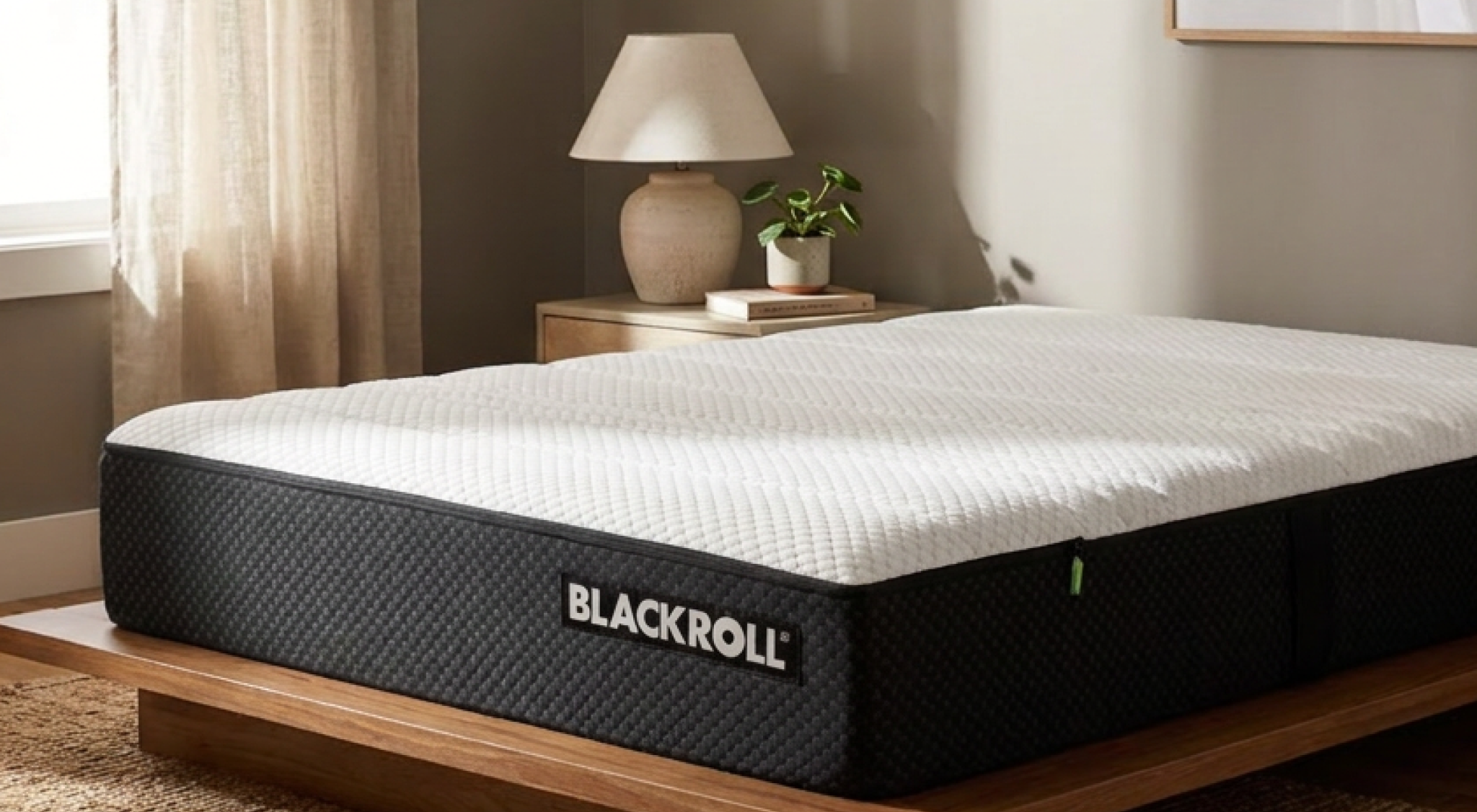
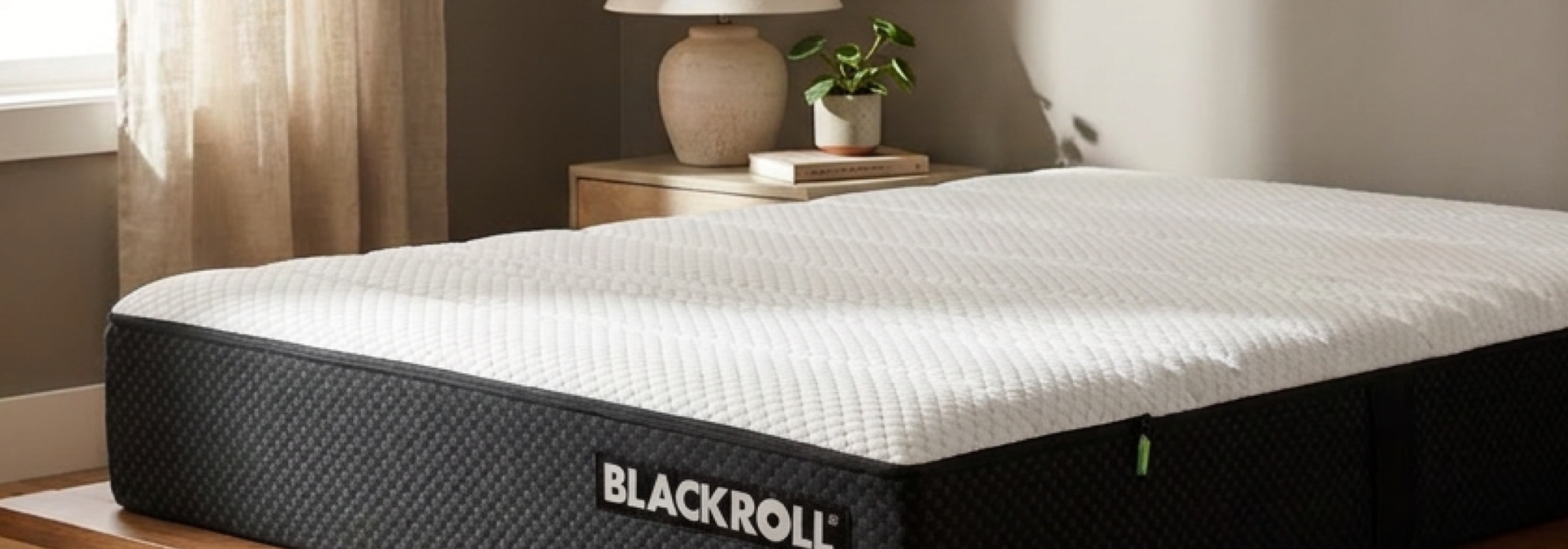
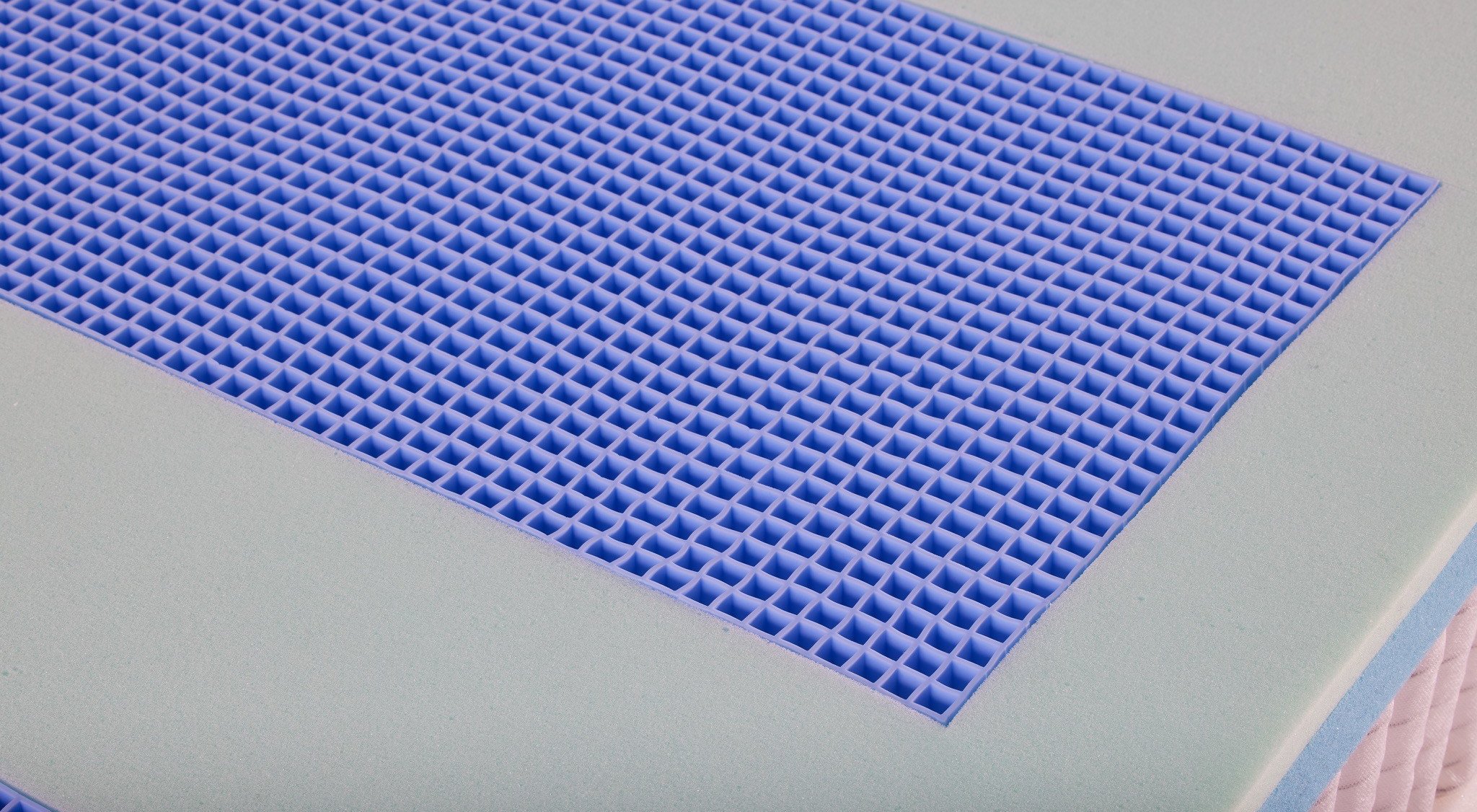
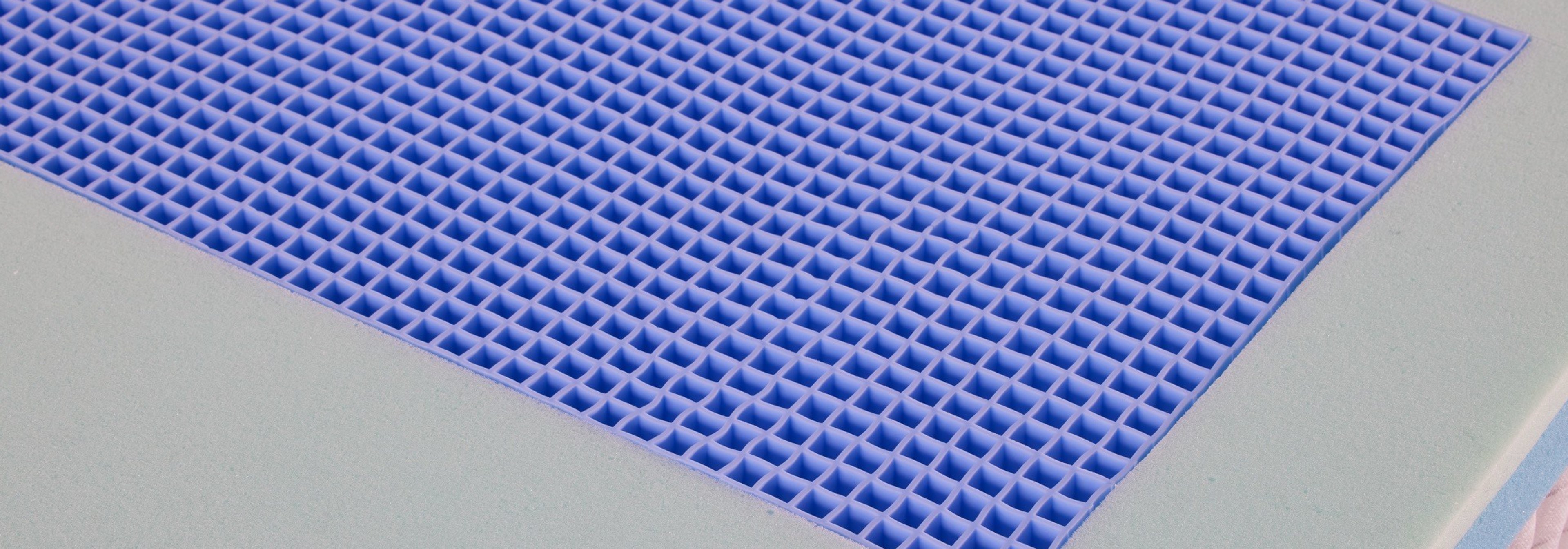
Once suitability and configuration are established, we believe the RECOVERY BASE BALANCE is the ideal choice for anyone seeking a sleeping experience that is both supportive and provides pressure relief. It combines a 7-zone barrel-shaped pocket spring core — that is, the bulbous variant of the pocket spring core — with foam elements: the spring core distributes pressure with pinpoint accuracy and provides ventilation, whilst the foam layers complement the pressure relief.
Specifically, the BALANCE measures 24 cm in height and features a 15 cm-thick 7-zone barrel-shaped pocket spring core with targeted comfort elements in the shoulders, hips and feet. A reinforced edge zone keeps the sleeping surface stable right up to the edge. It's available in H2 (medium) and H3 (firm) – to suit different body weights and preferences. If you sleep on your side and feel pressure on your shoulders or hips, H2 is often the better starting point, while heavier people usually choose H3.
Let’s be honest: even the best mattress is a tool, not a cure. Ultimately, it’s your personal fit that determines which design is ‘better’ – and the surest way to check that is in your own bed.

Recovery Base Balance
test now

Try it risk-free: trial period, firmness adjustment and return
Because it’s almost impossible to ‘prove’ in advance that a mattress feels right, a trial period is the best safeguard against making a bad purchase. Make the most of it: give your body a few weeks to adjust, watch out for any pain whilst lying down or getting up and check whether a change in firmness is needed. This way, an expensive decision becomes one that you can easily rectify.
Lifespan, care and testing
- Make the most of the trial period and evaluate it honestly rather than jumping to conclusions
- Clarify any changes to firmness level and returns in advance.
- The cover is removable and washable at 60°C — this can also help reduce dust mites
- Replace a worn-out mattress in good time. Studies don’t suggest a fixed timeframe; as a rule of thumb, 7 to 10 years is recommended, but the condition of the mattress is the decisive factor


The right mattress is a question of fit, not design.
A pocket spring mattress can be an excellent choice – particularly for side sleepers, people who sweat at night and couples. However, what matters is not the ‘pocket spring’ label, but whether the firmness level, zoned support and bed base suit you and keep your spine in a neutral posture (Bolton et al., 2022; Kovacs et al., 2003). Go through the fit check honestly, choose the firmness level based on your weight and sleep position and make the most of the trial period. That way, you’ll make a decision that will keep you comfortable in the long term.


FAQ: The most important questions about pocket spring mattresses
Useful information
As a general guide: lighter people tend to prefer H2 whilst heavier people tend to prefer H3. A medium-firm firmness level can provide support for back pain (Kovacs et al., 2003). It's important to note that firmness levels aren't standardised and vary from manufacturer to manufacturer – treat this information as a starting point.
A pocket spring mattress can suit side sleepers because the shoulders and hips sink in where needed while the back stays supported. A surface with point elasticity and zoned support can help bring the spine closer to a neutral posture (Bolton et al., 2022). The firmness level and suitable comfort layers remain crucial.
Neither type is inherently superior. For your back and sleep quality, firmness, pressure distribution and a neutral spinal alignment are more important than the category of mattress (Wong et al., 2019). Pocket spring mattresses often feel airier and more supportive, whilst cold foam tends to be more conforming and enveloping. Choose based on how it feels when you lie on it, not on the label.
In a standard Bonell spring core, the springs are interconnected and provide support over a wide area. In a pocket spring core, each spring is individually encased in a fabric pocket and operates independently. This allows for more precise pressure distribution and reduces motion transfer — a particular advantage for couples.
They’re heavier than foam mattresses and need a suitable bed base. Quality varies: a high spring count or greater thickness isn’t a guarantee of better sleep. If you prefer a deep-sinking feel, cold foam is often a better choice.
The type of mattress isn’t the decisive factor here. Mattress covers and regular washing at 60°C can reduce dust mite levels, but as a standalone measure they don’t usually provide reliable relief from symptoms (Gøtzsche and Johansen, 2008). In cases of atopic dermatitis mattress covers also reduced mite levels but without any clear clinical benefit (Oosting et al., 2002). Indoor climate, ventilation and mattress cover care are more important.
References
Bolton, R., Hulshof, H., Daanen, H. A. M., & van Dieën, J. H. (2022). Effects of mattress support on sleeping position and low-back pain. Sleep Science and Practice, 6, Article 3. https://doi.org/10.1186/s41606-022-00073-x
Caggiari, G., Talesa, G. R., Toro, G., Jannelli, E., Monteleone, G., & Puddu, L. (2021). What type of mattress should be chosen to avoid back pain and improve sleep quality? Review of the literature. Journal of Orthopaedics and Traumatology, 22(1), Article 51. https://doi.org/10.1186/s10195-021-00616-5
Gøtzsche, P. C., & Johansen, H. K. (2008). House dust mite control measures for asthma: Systematic review. Allergy, 63(6), 646–659. https://doi.org/10.1111/j.1398-9995.2008.01690.x
Hong, T. T.-H., Wang, Y., Wong, D. W.-C., Zhang, G., Tan, Q., Chen, T. L.-W., & Zhang, M. (2022). The influence of mattress stiffness on spinal curvature and intervertebral disc stress – An experimental and computational study. Biology, 11(7), Article 1030. https://doi.org/10.3390/biology11071030
Kovacs, F. M., Abraira, V., Peña, A., Martín-Rodríguez, J. G., Sánchez-Vera, M., Ferrer, E., Ruano, D., Guillén, P., Gestoso, M., Muriel, A., Zamora, J., Gil del Real, M. T., & Mufraggi, N. (2003). Effect of firmness of mattress on chronic non-specific low-back pain: Randomised, double-blind, controlled, multicentre trial. The Lancet, 362(9396), 1599–1604. https://doi.org/10.1016/S0140-6736(03)14792-7
Menzulin, R. S., Ivanov, A. D., & Kuznetsov, D. V. (2024). The impact of orthopedic mattresses on the severity of pain and sleep quality in patients with chronic nonspecific low back pain: A randomized controlled trial. Clinical Medicine (Russian Journal), 102(8), 634–640. https://doi.org/10.30629/0023-2149-2024-102-8-634-640
Oosting, A. J., de Bruin-Weller, M. S., Terreehorst, I., Tempels-Pavlica, Ž., Aalberse, R. C., de Monchy, J. G. R., van Wijk, R. G., & Bruijnzeel-Koomen, C. A. F. M. (2002). Effect of mattress encasings on atopic dermatitis outcome measures in a double-blind, placebo-controlled study: The Dutch mite avoidance study. Journal of Allergy and Clinical Immunology, 110(3), 500–506. https://doi.org/10.1067/mai.2002.126791
Wong, D. W.-C., Wang, Y., Lin, J., Tan, Q., Chen, T. L.-W., & Zhang, M. (2019). Sleeping mattress determinants and evaluation: A biomechanical review and critique. PeerJ, 7, e6364. https://doi.org/10.7717/peerj.6364