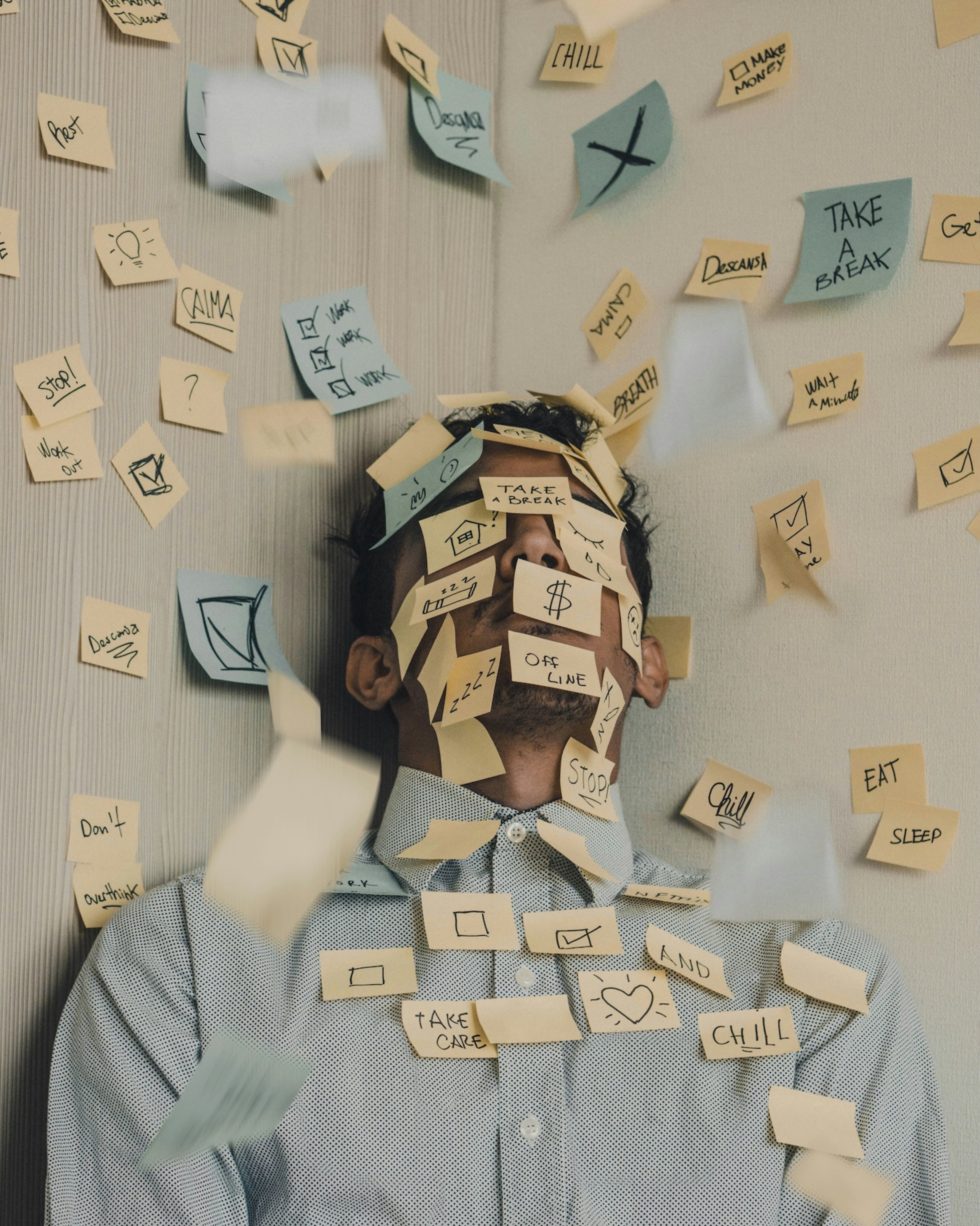
Chronic stress: causes, symptoms and effective coping strategies

Chronic stress affects millions of people today – often unnoticed, but with far-reaching consequences for body and mind. When stress becomes a constant burden, our whole system is thrown out of balance. Tiredness, sleep problems, tension or difficulty concentrating are often the first warning signs. But in our article, we explain the ways you can bring your body back into balance – through exercise, conscious relaxation and a healthy lifestyle.
What is chronic stress?
Stress is first and foremost a natural reaction of our body: in challenging situations, the adrenal glands release stress hormones such as adrenaline and cortisol. These provide energy, focus and readiness to perform for a short time. However, when this state becomes the norm – for example through constant pressure at work, family conflicts or being permanently reachable – it is known as chronic stress.
In contrast to short-term, acute stress, the body’s state of alert remains in place with chronic stress. This means that pulse and blood pressure stay raised, muscles are tense, digestion is inhibited – and the immune system is weakened. People may, for example, become more susceptible to colds. Studies such as the TK stress study 2021 show that around 64% of adults in Germany are sometimes or often stressed.
Chronic stress usually arises from a combination of external and internal factors.
Common stressors include:
- Pressure at work (to perform): heavy workload, time pressure, being permanently reachable
- Personal conflicts: relationships, family or financial worries
- Perfectionism and self-imposed expectations: inner drivers that barely allow any rest
- Sensory overload: constant media consumption, noise or information overload
Our modern lifestyle intensifies these stressors even further. Without conscious periods of rest, the body remains in a constant state of alert – over time, this can even lead to anxiety disorders or burnout.

Live more calmly.


Chronischer Stress – was tun?
If you are under constant stress, there are things you can actively do to bring body and mind back into balance. It is important to counteract it early – not only once exhaustion takes over.
Identify sources of stress:
It is often not only external pressures but also our own expectations that increase stress. An honest look at your daily life helps you recognise typical triggers: too much work, a lack of breaks, being permanently reachable or perfectionism.Exercise and relaxation:
Regular exercise – whether walking, yoga, swimming or cycling – lowers cortisol levels and improves your mood. Relaxation techniques such as breathing exercises, meditation or progressive muscle relaxation help to calm the nervous system. At BLACKROLL, you will find plenty of relaxation techniques to reduce stress, guidance on autogenic training or on conscious breathing.Sleep and recovery:
Getting enough sleep is key to managing stress. Fixed bedtimes, digital breaks in the evening and a quiet environment support recovery. On our site, you can find out how you can improve your sleep quality.Nutrition:
A balanced diet with plenty of vegetables, wholegrain products, healthy fats and enough fluids supports the immune system and helps keep your energy levels stable.Social relationships:
Talking with family, friends or colleagues can act as a buffer against stress. Professional help – for example from psychotherapists or stress coaches – can also be useful for developing healthy coping strategies.Consciously slow down:
Small breaks in your day, digital pauses or simply taking a deep breath – this can help you find your centre again.
Chronic stress is not inevitable. If you take it seriously and work on your habits step by step, you can noticeably improve your wellbeing – and protect your health in the long term.


Recognising the symptoms of chronic stress
Chronic stress develops gradually – and often goes unnoticed for a long time. While short-term stress spurs the body on to peak performance, constant pressure means the body can hardly switch off any more. Early warning signs are often overlooked or dismissed as ‘normal everyday stress’.
Psychological and emotional symptoms:
- Irritability and inner restlessness: Even small things trigger anger or nervousness.
- Difficulty concentrating: Trouble focusing or remembering things.
- Lack of drive and mood swings: From feeling overwhelmed to low mood or anxiety.
- Feeling of losing control: The feeling of no longer coping with daily life or of being ‘remote-controlled’.
These symptoms are warning signals from the body that should be taken seriously. If you recognise them early, you can counteract them in a targeted way – for example through relief, targeted relaxation or professional support. Chronic stress can be managed – but it requires attention and self-care.


Chronic stress: physical symptoms
Chronic stress often goes unnoticed – until the body sounds the alarm. Tiredness, tension, sleep problems or stomach and bowel complaints can be early warning signs of a stress reaction in the body.
Typical physical signs:
- Sleep problems and exhaustion: Difficulty falling or staying asleep, constant tiredness despite getting enough sleep.
- Tension and pain: Frequent headaches, neck pain or back pain caused by constant tension.
- Stomach and bowel complaints: Nausea, loss of appetite, diarrhoea or constipation with no obvious cause.
- Cardiovascular reactions: Racing heart, high blood pressure or a feeling of pressure in the chest.
Weakened immune system: Frequent infections, slower wound healing or skin problems.


How chronic stress affects the body
Chronic stress sets off a whole cascade of physical reactions. The stress hormone cortisol stays permanently raised – it is actually meant to provide energy for a short time, but under constant strain it throws the entire metabolism out of balance.
A large study using data from 21 countries found that people who are under constant psychological strain (for example through stress at work, in the family or because of social circumstances) have a measurably higher risk of heart attack or other vascular disease (22%) and stroke (30%).
High blood pressure, diabetes and depression also occur more frequently. In addition, the permanently raised stress hormones weaken the immune system, which can promote infections, inflammation and skin conditions such as atopic dermatitis.
Recovery also suffers: muscles, organs and cells find it harder to recover. At the same time, the brain reacts sensitively to ongoing stress. Concentration and memory decline, while nervousness, irritability and anxiety increase.
These processes clearly show that stress is not purely a psychological problem but affects body, mind and emotions alike. If you learn to notice stress early and actively counteract it, you protect your health in the long term.


Treatment for chronic stress
The good news: chronic stress is reversible. The key is to break the cycles of strain and tension. These strategies can help:
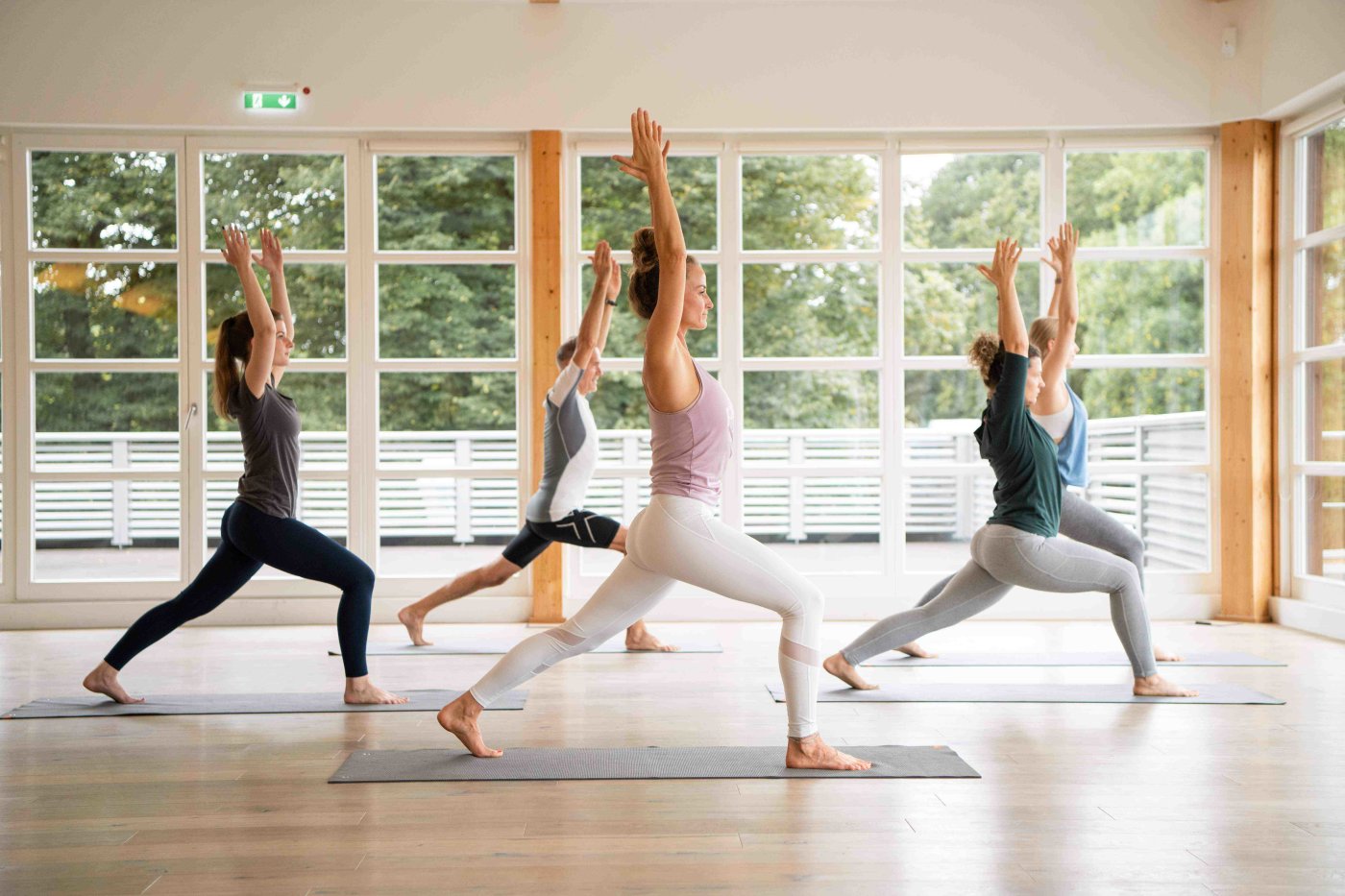
Exercise and physical activity
Regular exercise – whether yoga, running or fascia training with BLACKROLL® tools – can reduce stress hormones, release muscle tension and promote circulation. Even 20 minutes of moderate exercise a day has been shown to have a relaxing effect on the nervous system.
Relaxation techniques
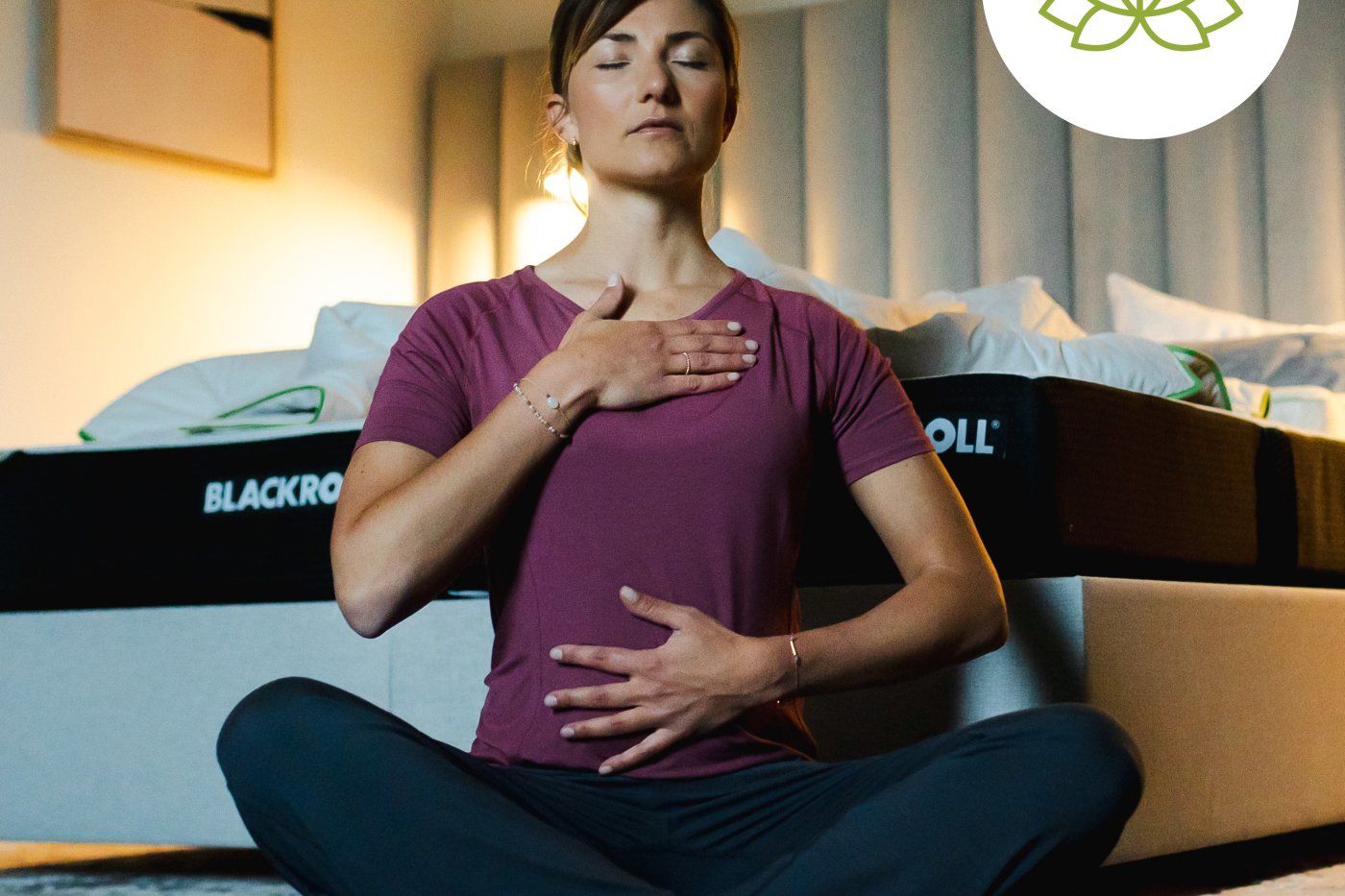
Breathing exercises, meditation or progressive muscle relaxation activate the parasympathetic nervous system – the body’s ‘rest nerve’. Conscious breaks help you step out of a state of constant tension. BLACKROLL® offers methods for conscious breathing. Short, guided breathing exercises (e.g. 4-7-8 breathing) or special programmes (such as with the BLACKROLL® APP) can help you reduce stress in the moment and calm the nervous system.
Quick guide to 4-7-8 breathing:
1. Breathe in: slowly breathe in through your nose for 4 seconds.
2. Hold: hold your breath for 7 seconds.
3. Breathe out: slowly breathe out through your mouth for 8 seconds.
This rhythm calms the nervous system, reduces stress, promotes relaxation and can help you fall asleep.
Leona Rudolph, health psychologist and sleep health expert


BLACKROLL® Quick-Tipp
12-Minuten-Selbstmassage zum Stressabbau
Nutrition for more balance
A balanced diet with plenty of vegetables, omega-3 fatty acids and enough water helps stabilise blood sugar levels and supports stress regulation. You should, on the other hand, cut down on sugar and caffeine.
The following foods can help stabilise blood sugar, supply the body with nutrients for nerves and brain, and so support stress regulation:
- Vegetables: broccoli, spinach, peppers, carrots
- Fruit: berries, apples, oranges
- Omega-3 fatty acids: salmon, mackerel, chia seeds, walnuts
- Wholegrain products: oats, wholemeal bread, quinoa
- Pulses: lentils, chickpeas, beans
- Fluids: water, unsweetened herbal or fruit tea
Sleep hygiene and recovery
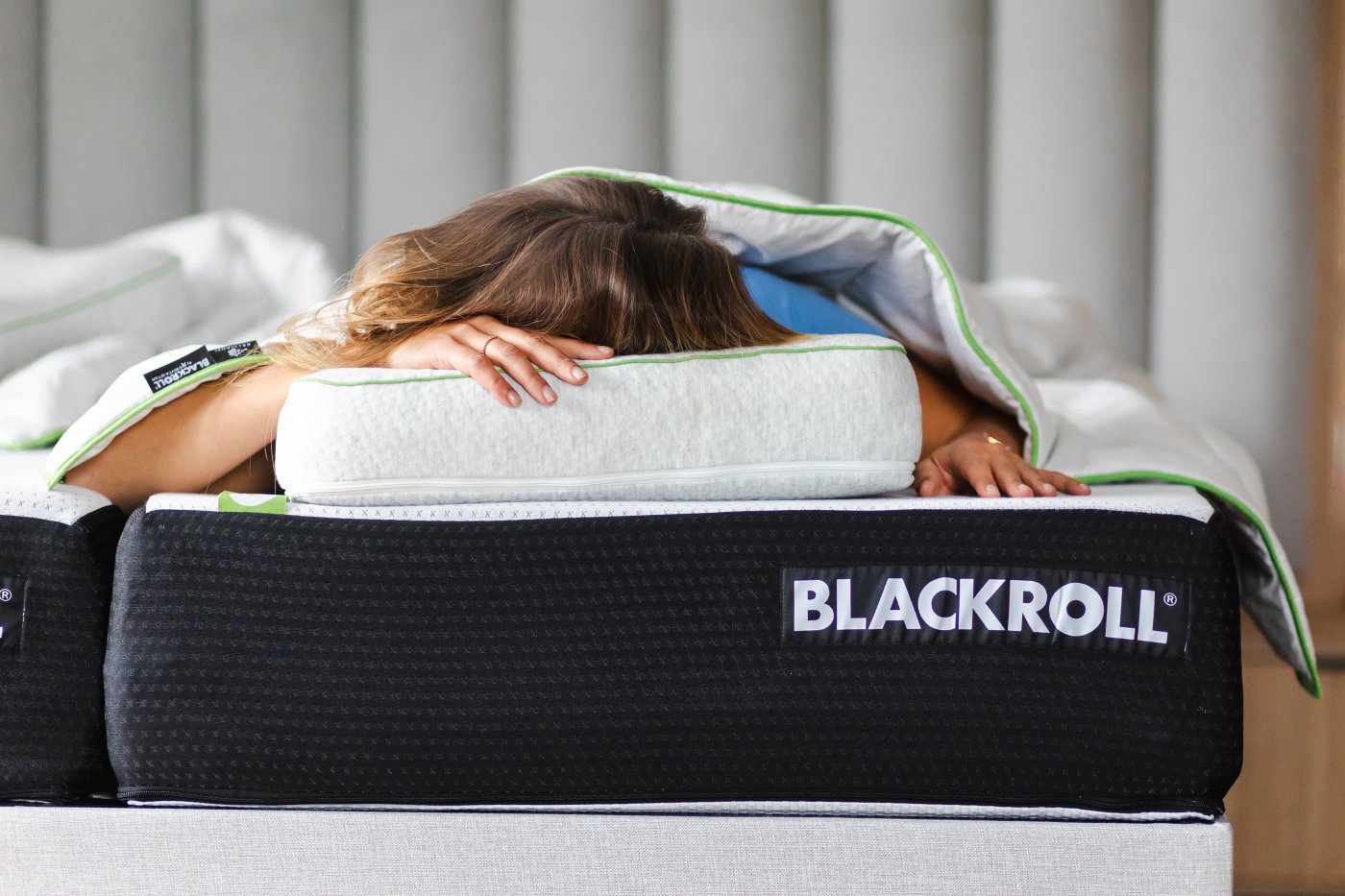
Over 60% of people with chronic stress suffer from sleep problems. Fixed sleep times, digital breaks and evening routines support recovery.
You can also get support from our RECOVERY PILLOW and the RECOVERY BLANKET.
The BLACKROLL® RECOVERY PILLOW is an ergonomic neck support pillow designed to promote relaxed recovery during sleep. The pillow has a special cut-out that supports the neck in different sleeping positions – whether on your back, side or front. The elastic, breathable memory foam adapts to your natural sleeping position and helps to avoid tension in the shoulder and neck area.
The special CELLIANT® fibres in the BLACKROLL® RECOVERY BLANKET support restful sleep and faster recovery. The CELLIANT® fibre absorbs the body heat you give off, converts it into infrared energy and reflects it back to the body. By absorbing the infrared energy, local circulation is temporarily promoted and the oxygen supply to the body’s tissue cells is temporarily increased. The increased circulation supports the body’s thermoregulation, so that your body can adjust its temperature more effectively on its own.
Recovery
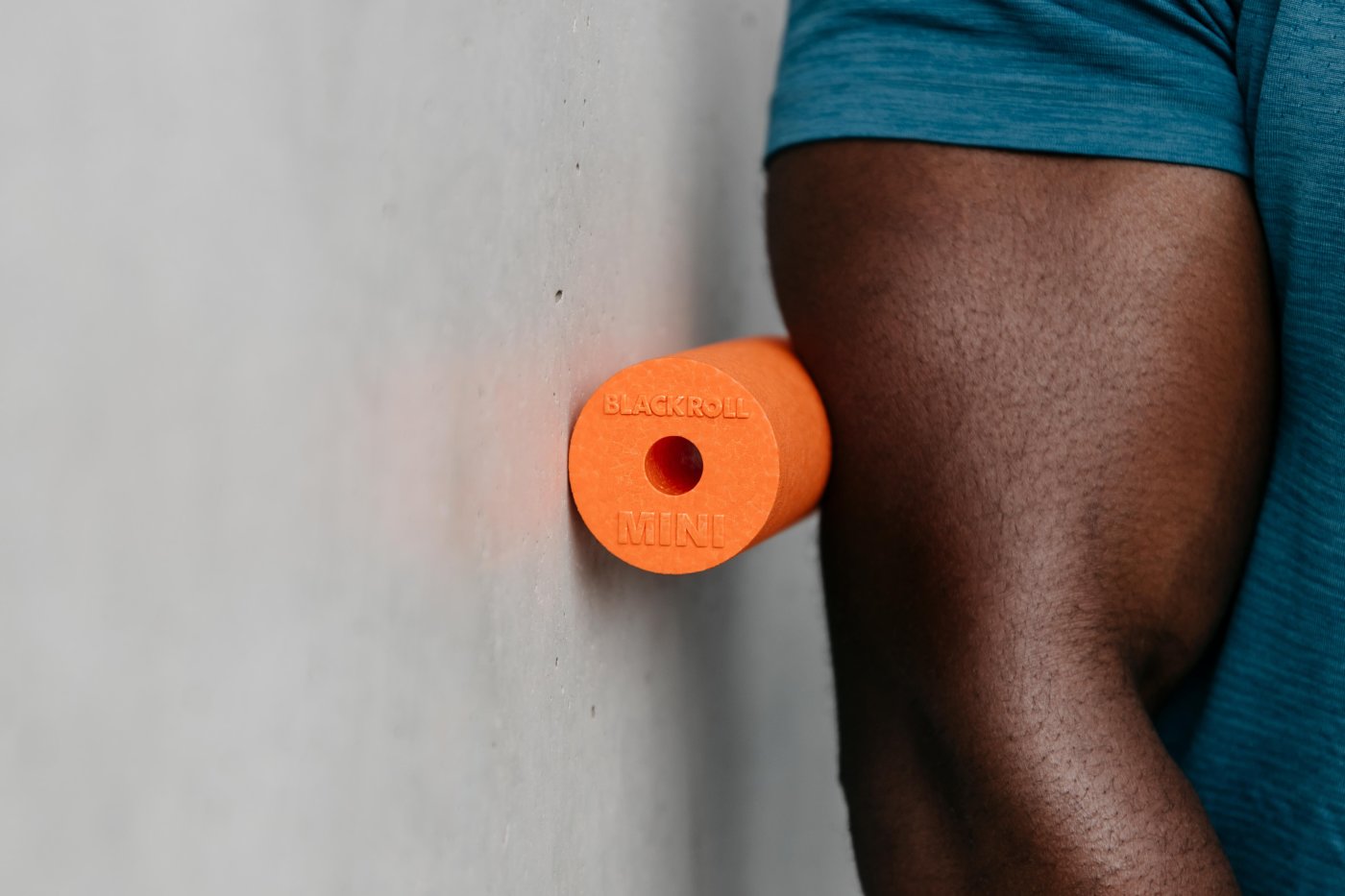
Regular fascia training can help to release tension, promotes muscle relaxation and may help to reduce stress levels. BLACKROLL® offers foam rollers, balls and many other tools for active recovery.

Psychological support
If exhaustion, lack of drive or anxiety increase, psychotherapeutic support can help you understand stress patterns and change them in the long term.


Chronic stress: effects on body and mind
Chronic stress is more than just a feeling of tension – it affects your whole body. Frequent irritability, sleep problems, persistent exhaustion, inner restlessness or difficulty concentrating can be early signs that your system is overloaded.
If left unnoticed for a long time, constant stress can lead to serious health problems: cardiovascular disease, high blood pressure, a weakened immune system or digestive problems are just some of the possible consequences. The mind suffers too: anxiety, low mood and reduced mental performance can result.
It is important to notice your body’s signals early and take them seriously. Short breaks in your day, conscious movement, enough sleep and regular periods of rest help to reduce stress and prevent it in the long term. Even small changes, such as conscious breathing, a short walk or a brief mindfulness exercise, can make a big difference.
In this way, you support not only your body but also your mind, and stay energised and balanced.

Conclusion: back in balance
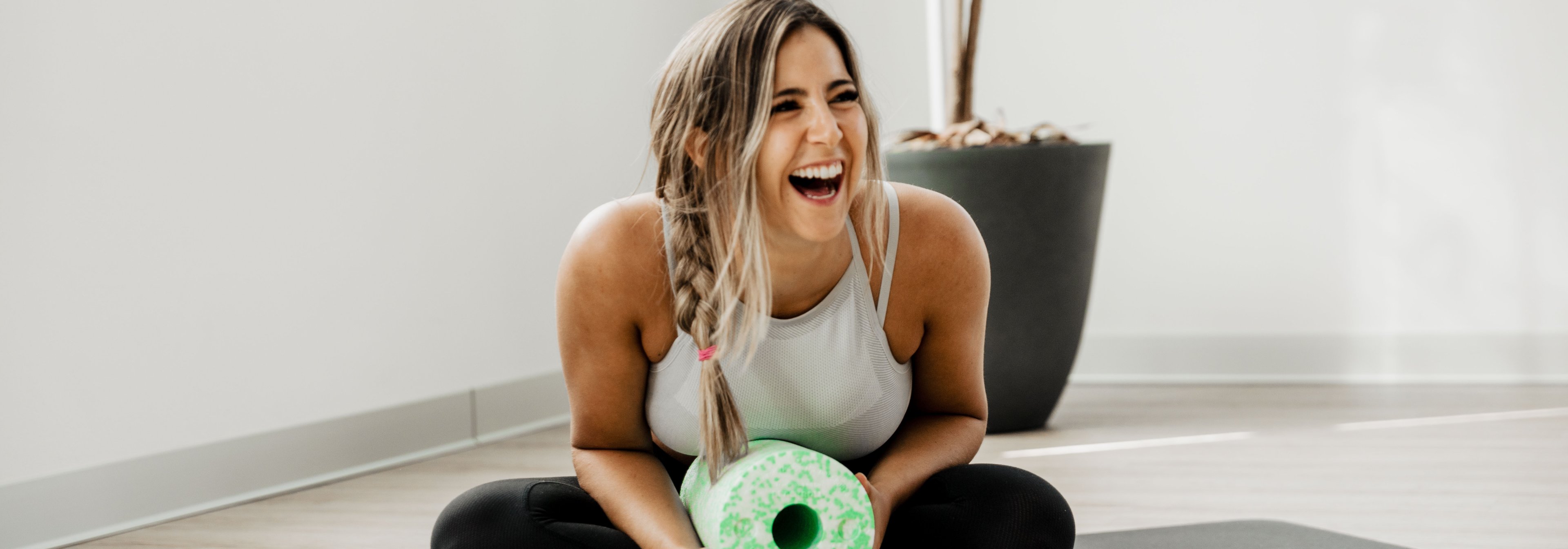
Chronic stress is not inevitable – it is a signal. The body is showing that it needs relief. With exercise, conscious breathing and a healthy balance of activity and rest, balance can be restored.
We support you along the way: you can find more tips on recovery, sleep and mental health at BLACKROLL®.
More interesting articles






Quellen & Studien
- Techniker Krankenkasse. (2021). TK-Stressstudie 2021: „Entspann dich, Deutschland!“ Kernaussagen [PDF]. Hamburg: Techniker Krankenkasse. https://www.tk.de/resource/blob/2116614/f99574fe38533c89a587f01289e9027b/2021-kernaussagenstressstudie-data.pdf
- Richardson, S., Shaffer, J. A., Falzon, L., Krupka, D., Davidson, K. W., & Edmondson, D. (2012). Meta-analysis of perceived stress and its association with incident coronary heart disease. The American Journal of Cardiology, 110(12), 1711–1716. https://doi.org/10.1016/j.amjcard.2012.08.004