
A healthy lymphatic system: tips and exercises

The lymphatic system removes excess tissue fluid and metabolic waste products and plays a role in the immune system. Because it has no central pump, lymph flow depends on movement and muscle activity. Regular exercise, along with lymphatic drainage or compressionwhen appropriate , can support the natural transport of fluid.
Key points at a glance
- It removes fluid from the tissues and supports fluid balance and the immune system.
- Exercise, muscle activity and conscious breathing can support lymph flow in everyday life.
- If swelling does occur, we recommendlymphatic drainage, compression therapy or compression boots.


Introduction to the lymphatic system
What is the lymphatic system?
The lymphatic system works closely with your immune and circulatory systems and plays a central role at the cellular level.
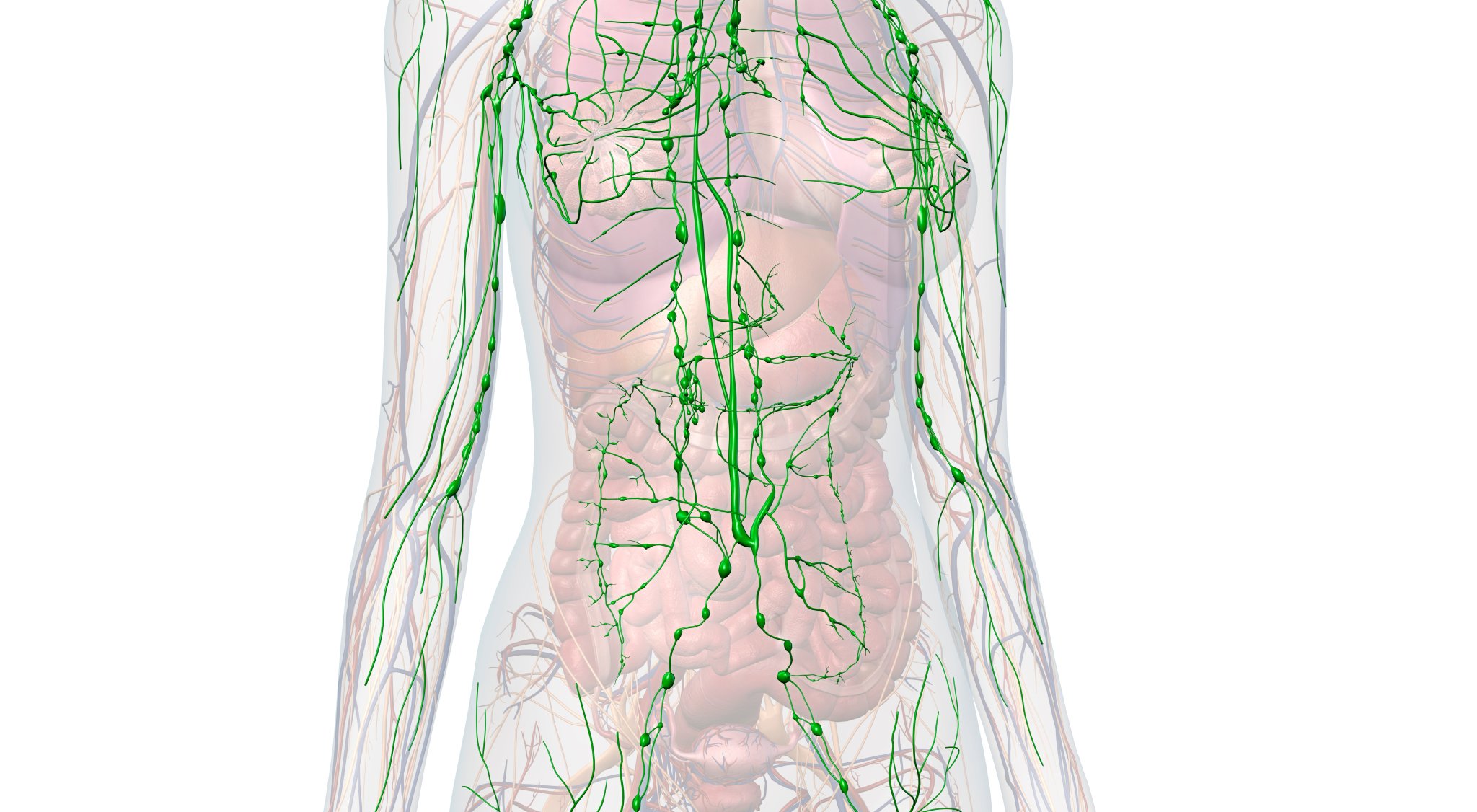
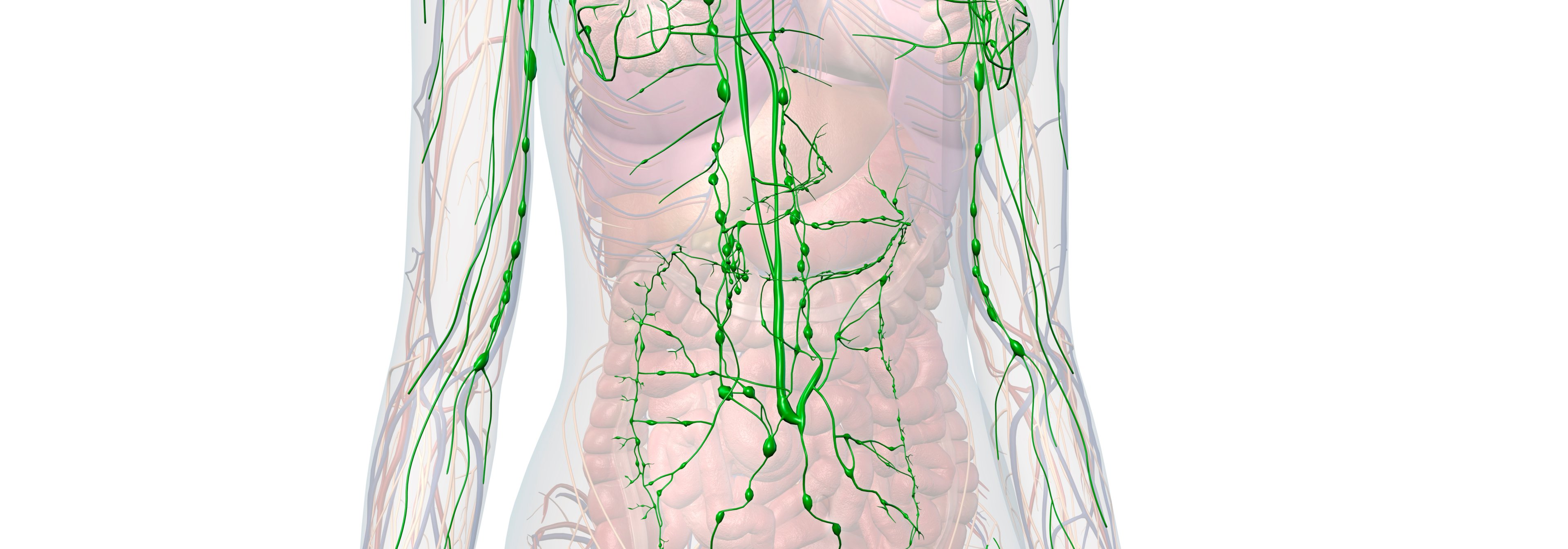
It consists of lymphatic capillaries, lymphatic vessels, lymphatic channels, lymph nodes and lymphatic organs.
Whilst the blood vessel system transports blood throughout the body, the lymphatic system carries lymph — a clear fluid containing waste products, pathogens and immune cells — which is distributed throughout the body via the lymphatic vessel system.
The path of lymph through your body:
- Lymphatic capillaries are located directly within the tissue and absorb fluid, waste products and immune cells from the cells.
- Lymphatic channels then connect the lymphatic capillaries to larger lymphatic vessels and transport the lymph to the lymph nodes.
- The lymphatic system comprises all the vessels – that is, the lymphatic capillaries, lymphatic channels and larger lymphatic vessels – which carry the lymph.
- The lymphatic system itself is more comprehensive: it comprises the vessels, the lymph nodes, the lymphatic organs and the lymph, and thus not only ensures transport but also supports immune defence and detoxification.
- When it's working well, you'll feel balanced and resilient; if flow becomes blocked, however, lymphatic congestion can arise — a recognised medical condition that shows up as swelling, tightness or restricted movement.
Importance for health
It acts as an internal cleansing system.
It:
- removes excess fluid from the tissues,
- transports fats from food and
- protects you against infections.
When flow's disrupted you may notice swelling, a weakened immune system or a general feeling of heaviness that can make everyday life tricky.
That's why we recommend you stimulate your lymphatic system — whether through exercise, targeted exercises or a lymph-friendly diet.
Structure of the lymphatic system
Lymphatic vessels and lymph nodes
Lymphatic vessels resemble blood vessels but they're more finely branched and extend throughout the body. They transport lymph, which contains waste products, bacteria, viruses and immune cells.
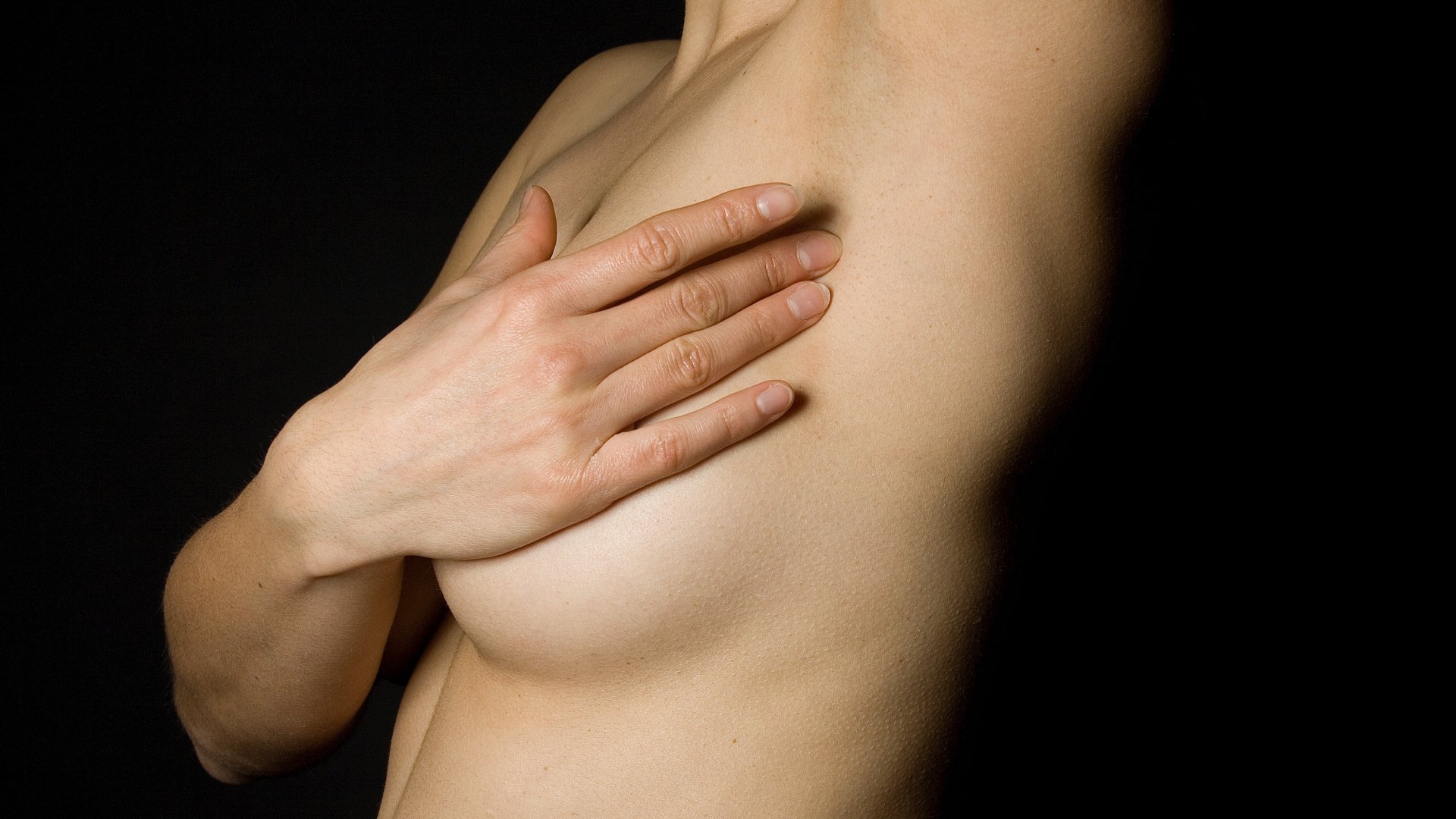
Lymph nodes, small bean-shaped filtering stations, sit along these vessels, recognise foreign substances and activate lymphocytes – specialised cells of the immune system.
They react strongly to infections, and swollen nodes show that your immune system's fighting illness.
When the network functions smoothly, lymph flows continuously, helping to clear waste products efficiently.
Lymphatic organs: the spleen and thymus
The spleen is a key organ of the lymphatic system. It filters the blood, breaks down old or damaged blood cells and stores immune cells that can be activated in the event of infection.
The thymus, on the other hand, plays a particularly important role during childhood and adolescence: it is in the thymus that T-lymphocytes mature, which are responsible for the targeted defence against pathogens.
Other lymphatic organs include the tonsils and bone marrow.



Functions and roles of the lymphatic system
Immune defence
Lymph nodes recognise foreign substances and activate immune cells that fight viruses, bacteria and other pathogens.
When everything runs smoothly, infections are detected and eliminated before they can cause serious harm or trigger disease.
Fluid regulation
It absorbs excess fluid from the tissues and returns it to the bloodstream, preventing swelling, oedema and tissue damage.
Transport of fats
Lymphatic vessels in the gut absorb dietary fats and pass them into the bloodstream, so you can use them for energy.


Diseases of the lymphatic system
Causes of (chronic) disorders
Disorders of the lymphatic system can have various causes and may develop into a chronic condition if left untreated.
Risk factors that affect the lymphatic system include a lack of movement, an unhealthy diet or being overweight. In many cases, chronic stress can also have a negative impact on the function of the lymphatic system as it weakens the immune system.
Primary and secondary lymphatic disorders
Lymphatic disorders can generally be divided into primary and secondary forms.
- Primary lymphatic disorders are congenital, meaning the lymphatic system isn't fully or properly developed from birth. Some people notice the symptoms of the primary form as early as childhood or adolescence, while others only become aware of them much later in life.
- Secondary lymphatic disorders develop over the course of a person’s life, for example as a result of surgery, injuries, inflammation, cancer or radiotherapy, which damage the lymphatic vessels or lymph nodes. Advancing age, strenuous physical exertion or prolonged sitting can also further impede lymph flow and trigger symptoms.
Particularly after surgery or in cases of cancer, you may experience lymphatic congestion known as lymphoedema. Lymphoedema (or multiple instances of lymphoedema) can result from the cancer itself or as a consequence of surgery or radiotherapy and can restrict you in your everyday life.
It typically shows up as persistent swelling in the arms or legs and can cause tightness, restricted mobility or skin changes.
In such cases targeted lymphatic drainage can help you improve lymph flow. Lymphatic drainage is a proven treatment for lymphatic disorders. You can find more information in our article on lymphatic drainage.
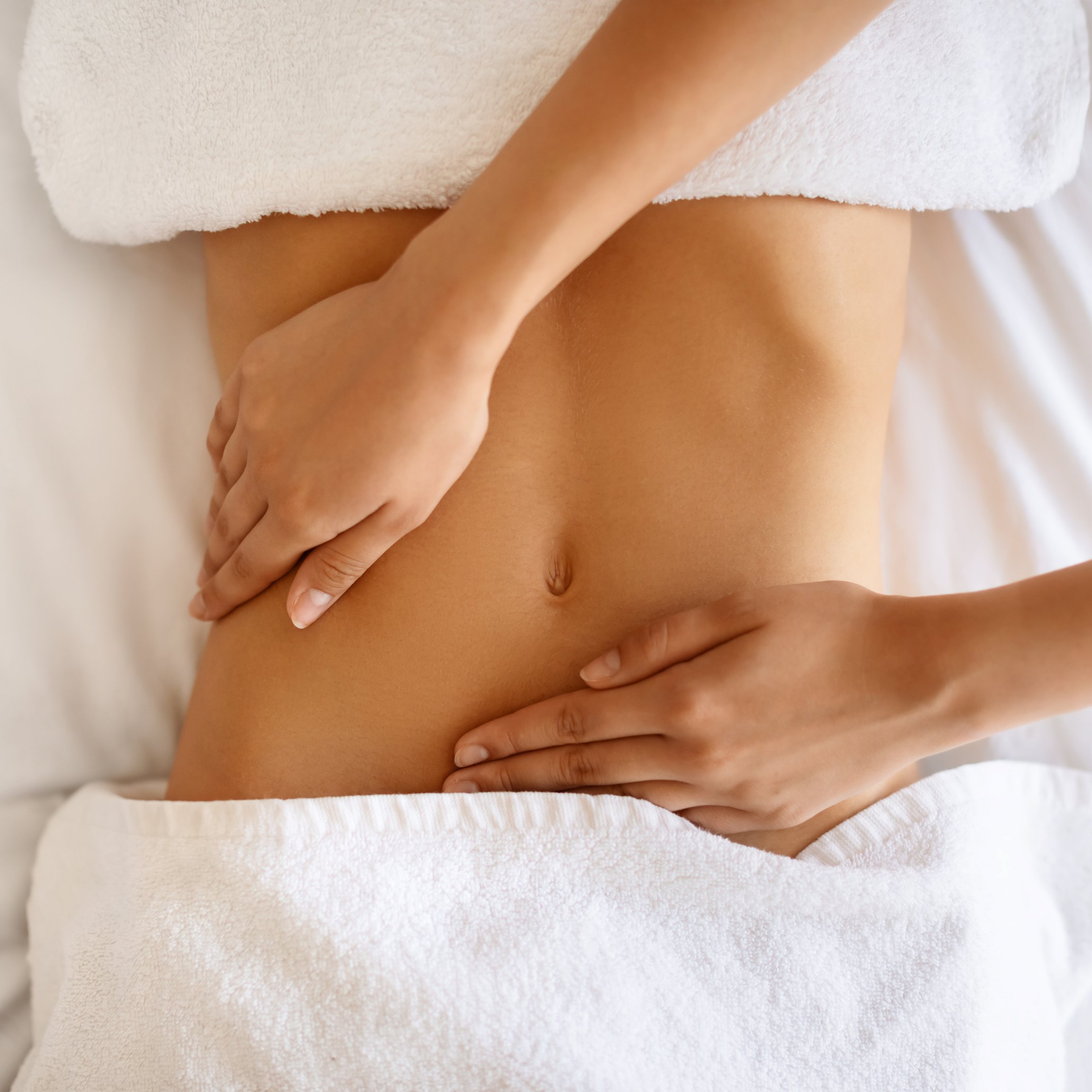
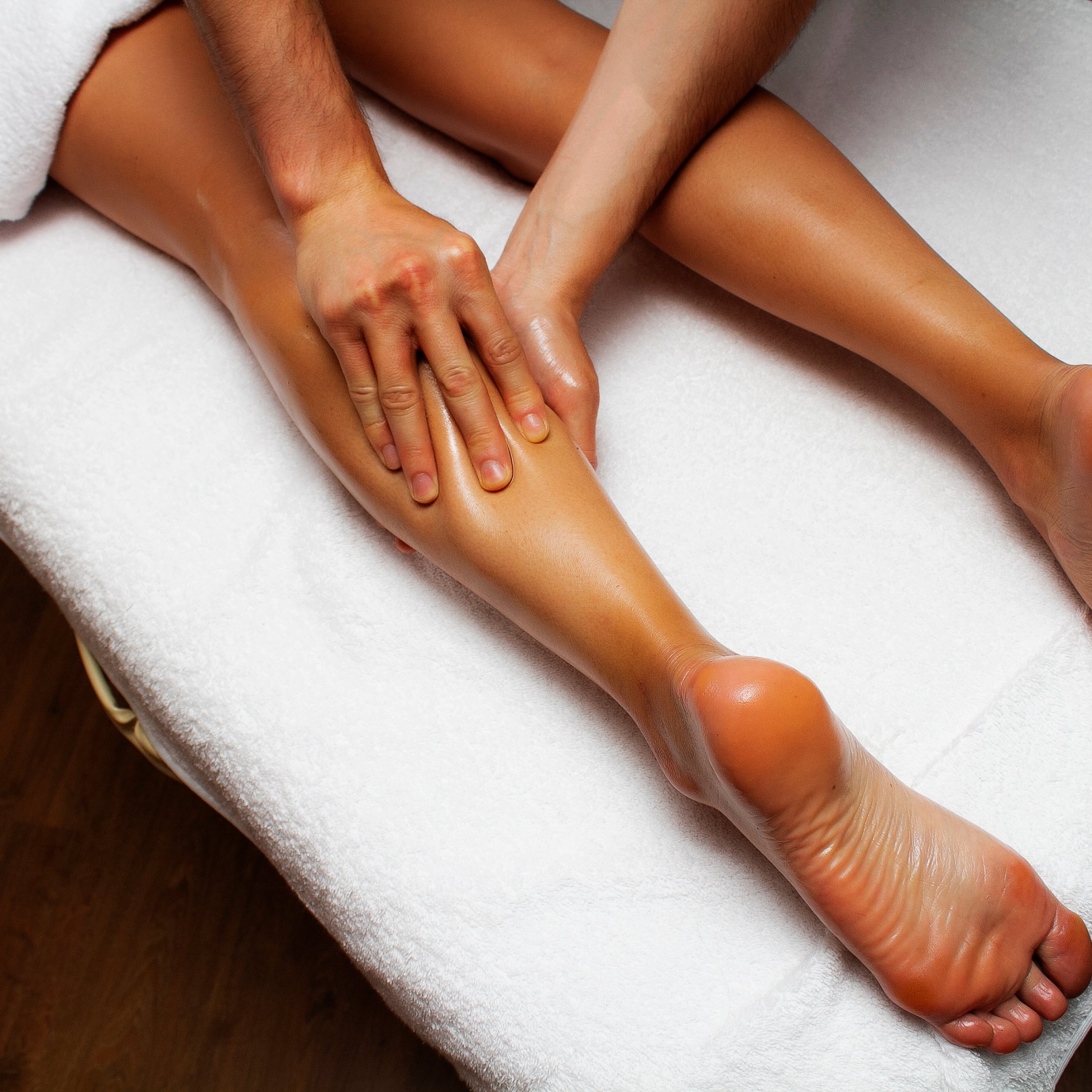
Manual lymphatic drainage is a specialised massage technique in which gentle, controlled pressure is applied to specifically stimulate the drainage of lymph within the body. Unlike a conventional massage, which targets the muscles, therapists using this therapy work gently on the skin’s surface and along the lymphatic vessels.
The aim is to use gentle pressure to guide lymph towards the nodes, where it's filtered and moved on.
Continue with further therapies to support the lymphatic system
In addition to manual lymphatic drainage, there are other proven treatment options to improve lymph flow and relieve symptoms.
- These include compression therapy, in which special compression stockings, cuffs or the Compression Boots 2.0 can support the return flow of lymph fluid and reduce swelling through targeted pressure.
- Physiotherapy can also help to strengthen your muscles, activate your lymphatic vessels and improve mobility.
- Exercise therapy – such as targeted walking, cycling or light strength training – can also stimulate the lymphatic system and support the body’s natural detoxification processes.

Soothing recovery at the touch of a button.
Find out more about the Compression Boots 2.0Symptoms and diagnosis
The symptoms of a lymphatic disorder vary but typically include:
- swelling in the arms or legs
- a general feeling of heaviness
- recurrent infections or
- impaired skin healing.
If you suspect a disorder, we'll use ultrasound, lymphatic scans or blood tests to detect changes in your lymphatic system and blood circulation. Early diagnosis helps us start appropriate treatment in good time and reduce the risk of long-term damage.


Stimulating the lymphatic system: exercises and diet
Exercises to stimulate the lymphatic system and promote lymph flow
Exercise is key to stimulating the lymphatic system because, unlike blood, lymph isn't actively pumped by the heart and instead flows solely through muscle movement.
Six ways to improve lymph flow:
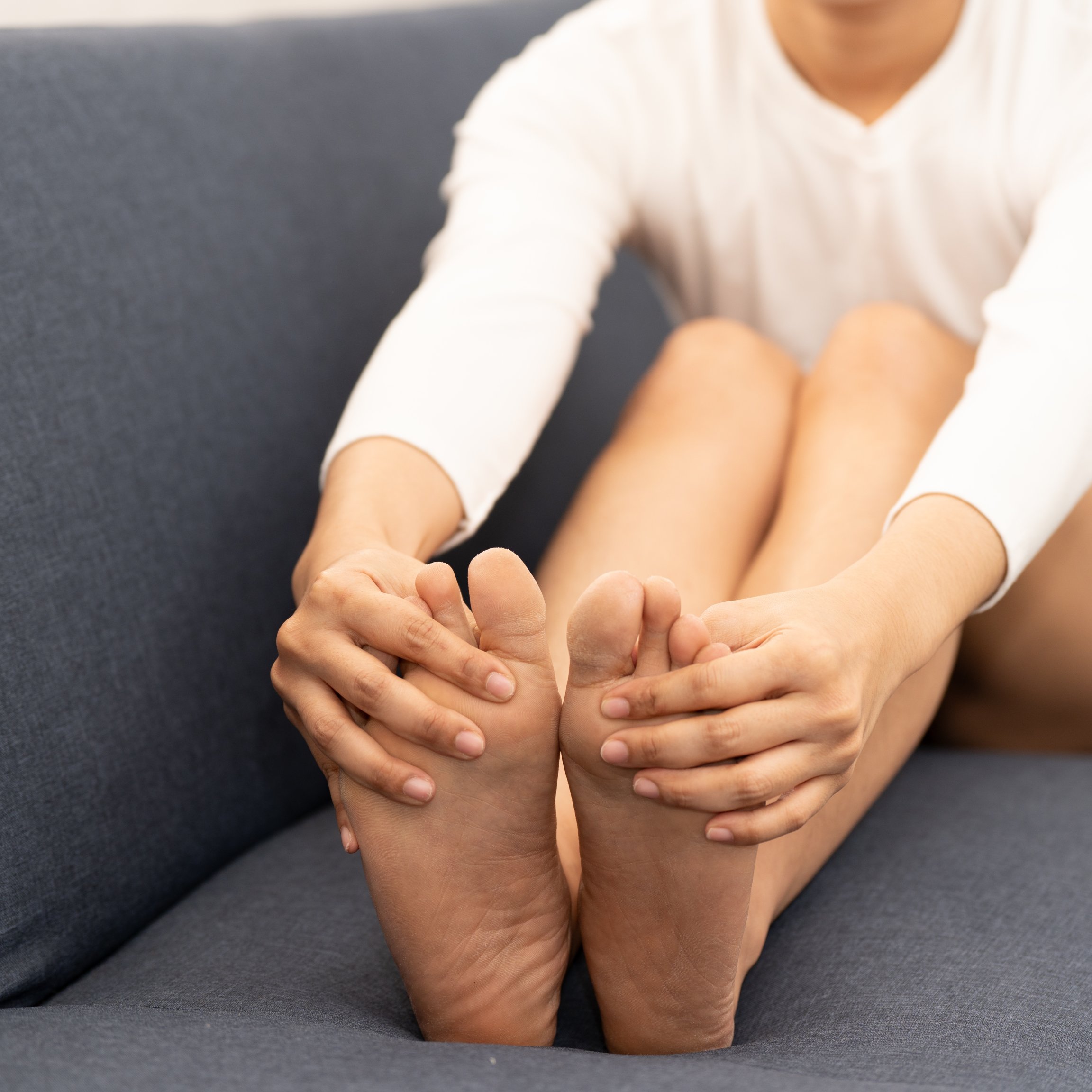
Lie on your back and perform leg lifts
Aim: to stimulatelymph flow in the legs
- Lie on your back.
- Alternately lift your legs slightly then straighten them out again.
- Move your feet alternately upwards (toes towards your head) and downwards (toes away from your body).
- Repeat 20–30 times per leg.
For an extra boost, rest your legs against a wall.
Gentle arm circles
Aim: To stimulatelymph flow in the arms and armpits
- Stand upright with your arms hanging loosely at your sides.
- Make small circles with your arms, moving them forwards then backwards.
- Depending on your fitness level, complete 30–50 repetitions in each direction.
You can also perform it while sitting.
Breathe in and out deeply to support lymphatic drainage.

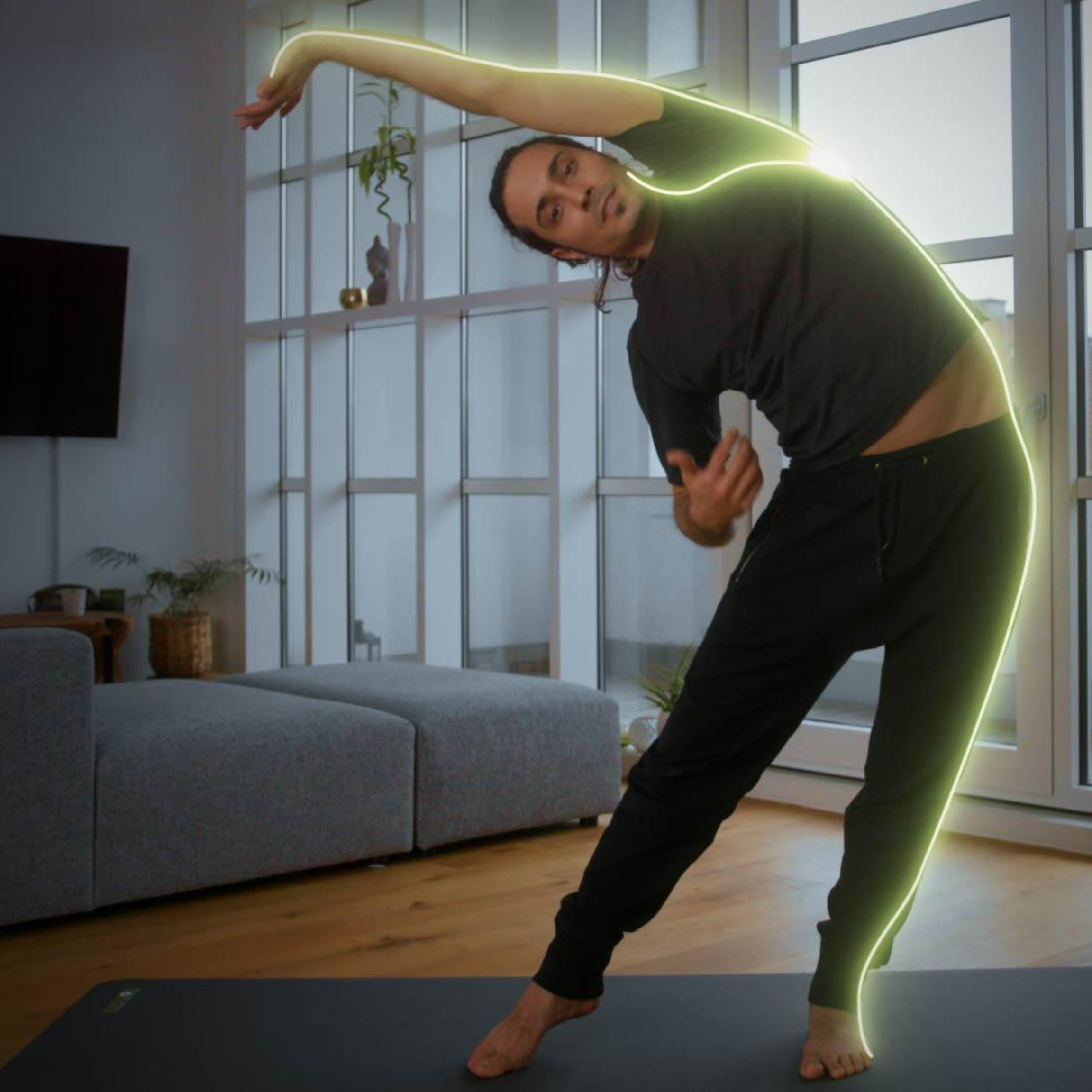
Swinging torso movements
Aim: to stimulate lymph flow in the upper body
- Stand with your feet hip-width apart, knees slightly bent.
- Gently swing your upper body from left to right, letting your arms move loosely with the movement.
- Breathe deeply in and out as you do so.
Duration: 1–2 min; increase gradually.
Fascia training for the legs and back
Aim: lymphatic flow and tissue drainage
- Gently roll the STANDARD foam roller over your thighs, calves and back.
- Work slowly, applying light pressure, for approx. 1–2 min per area.
Avoid pain — it should feel like gentle stretching and massage.
Use the roller particularly after sport or before bed to support lymphatic flow.

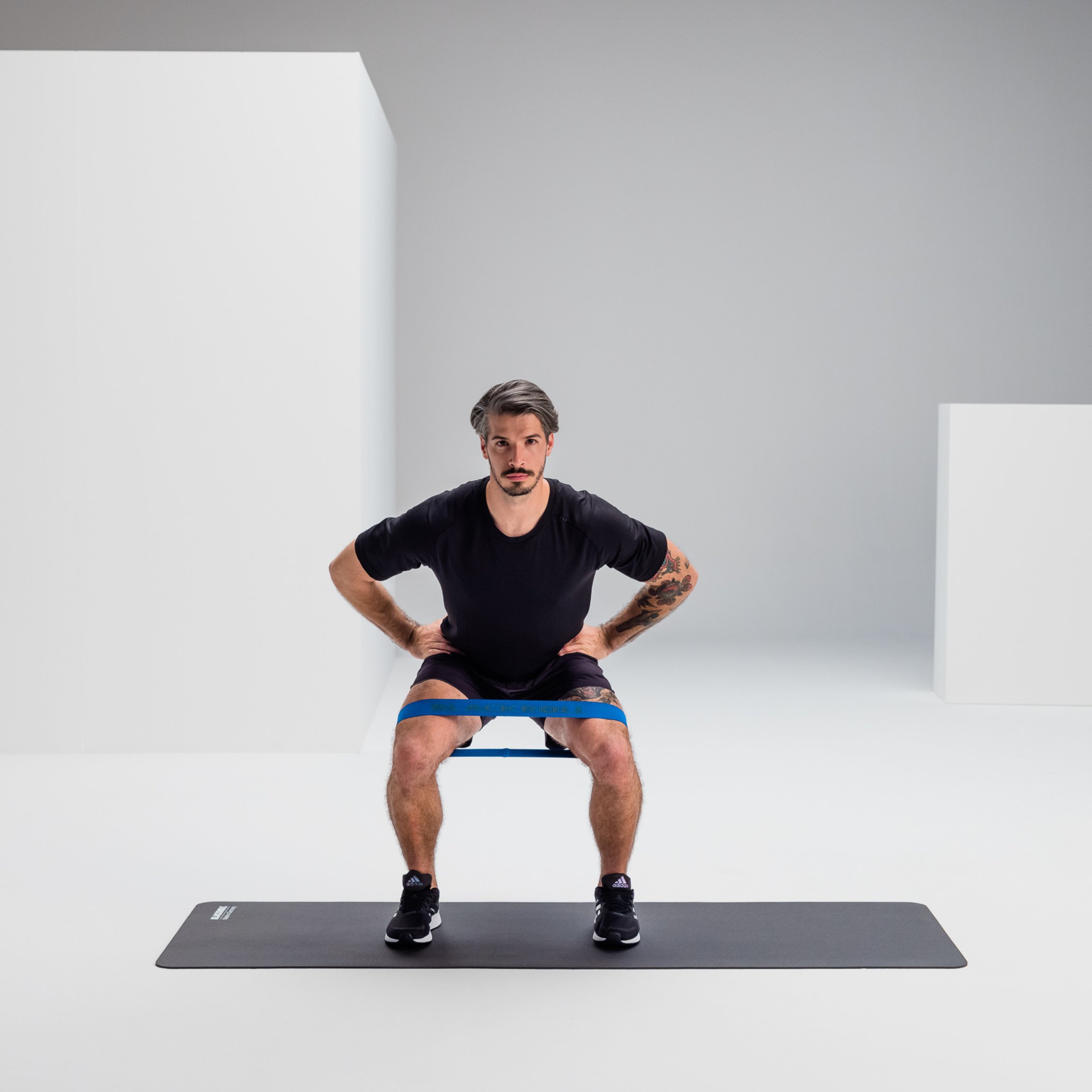
Squats with gentle activation
Aim: to stimulate lymph flow in the legs and pelvic area
- Stand with your feet hip-width apart.
- Bend your knees slightly as if you're sitting down without letting your knees extend beyond your toes (use the LOOP BAND to increase the intensity).
- Hold briefly then stand back up.
- Repeat 10–15 times for 2–3 sets.
For extra engagement, add arm circles to mobilise your upper body too.
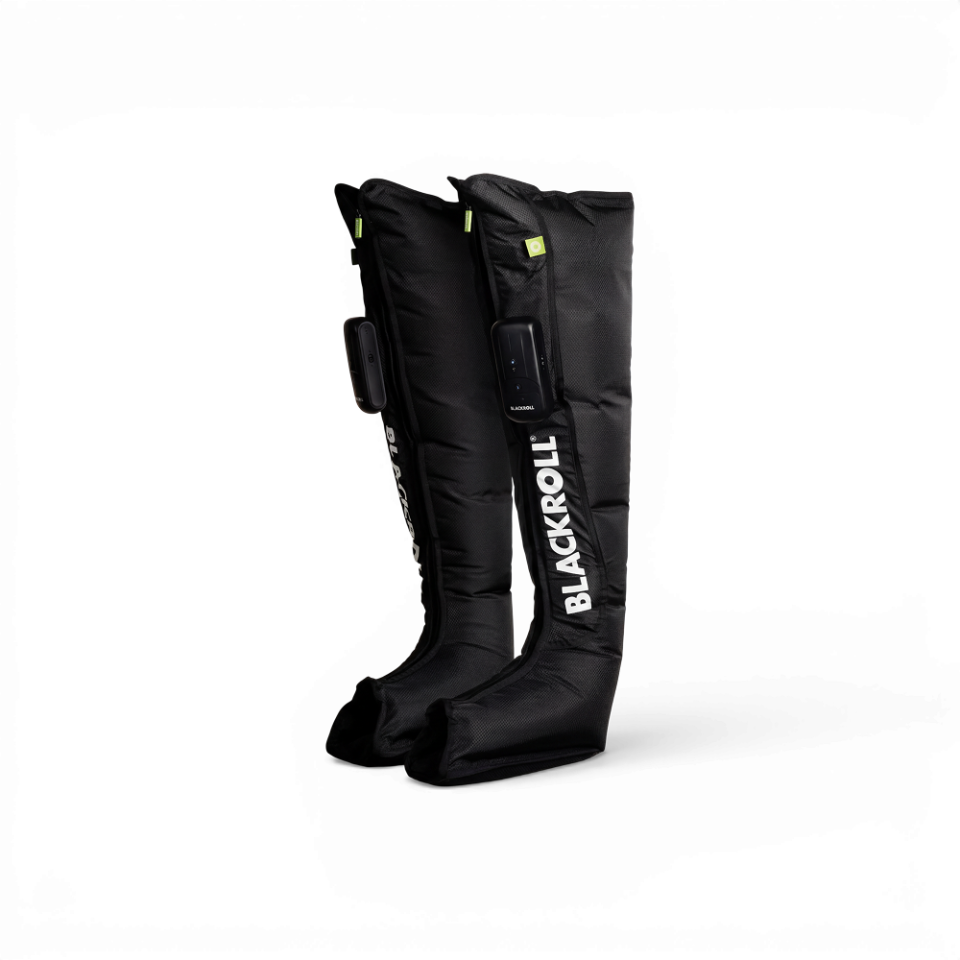

Compression Boots 2.0
Available in multiple variants


Loop Band
Available in multiple variants
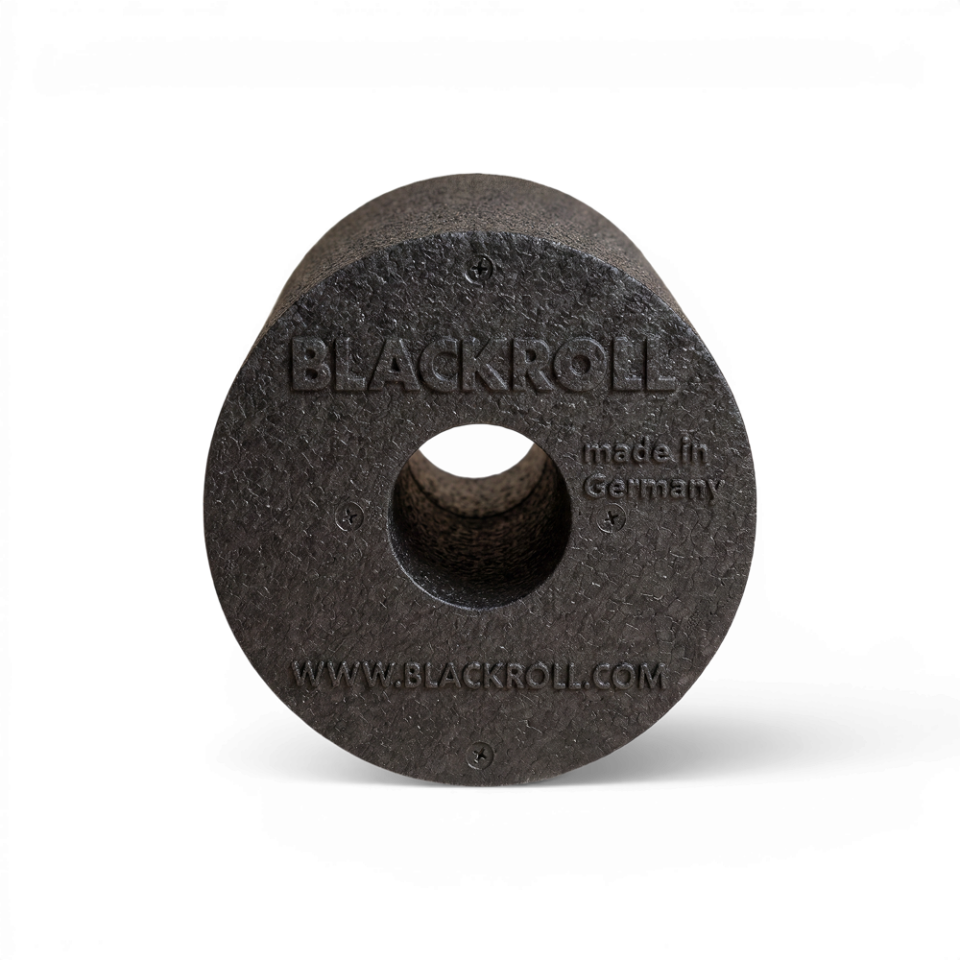
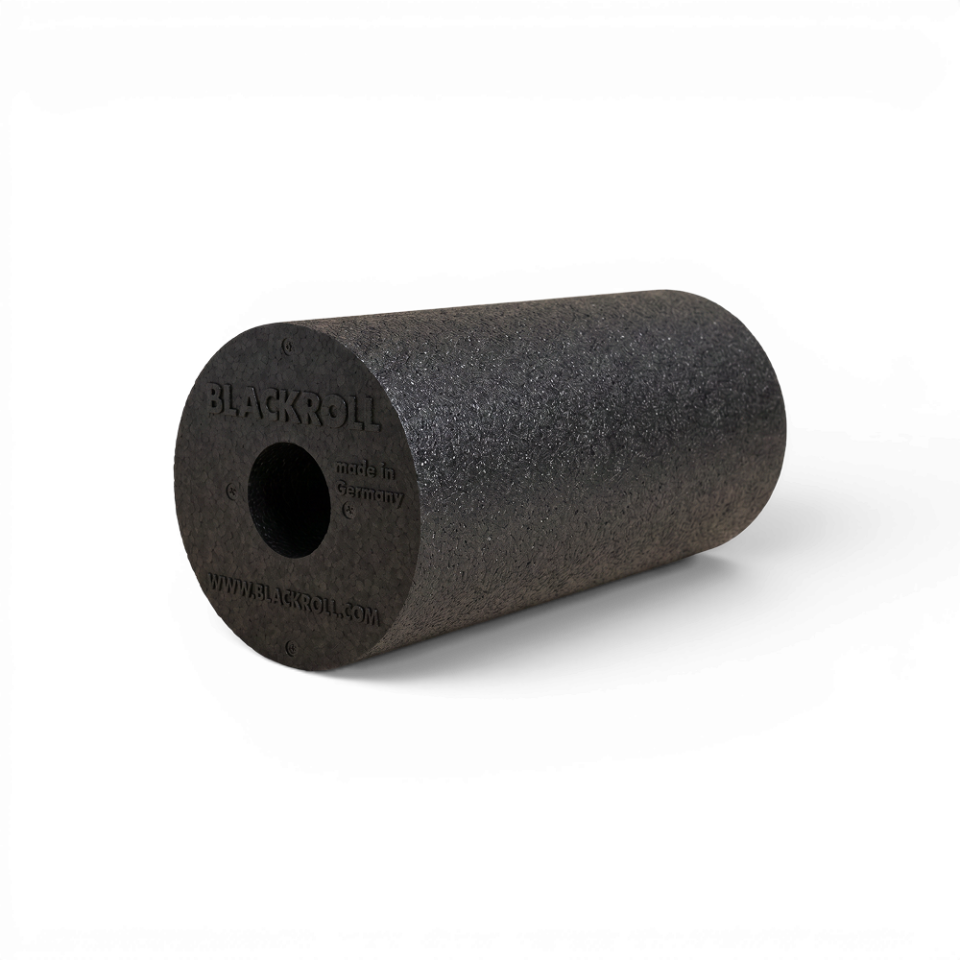
Standard
Available in multiple variants
Deep breathing exercises
Aim: to promote lymph flow throughout the body.
- Sit or lie down comfortably.
- Breathe deeply into your abdomen until your abdominal wall rises.
- Breathe out slowly, pulling your navel slightly inwards as you do so.
- Repeat 10–15 times.
Deep abdominal breathing helps move lymph through the veins and lymphatic vessels.



Diet to support the lymphatic system
We know diet directly affects lymphatic health, so follow these straightforward points:
- Drink plenty of water to support lymph flow and aid detoxification.
Eat plenty of fresh fruit and vegetables to gain antioxidants that help reduce inflammation and support cell and lymphocyte function. - High-quality fats: omega-3 fatty acids from fish, nuts or linseed oil support the function of the lymphatic vessels.
- Ginger, citrus fruits and green leafy vegetables also support detoxification and immune function.
- Avoid sugar and highly processed foods as they can promote inflammation and inhibit lymph flow.
Particularly recommended are:
- Fresh, water-rich foods such as cucumbers or celery help flush excess fluid from the tissues.
- Berries and green tea supply antioxidants that support immune cells in the lymphatic system and help reduce inflammation.
- Fibre-rich foods promote the health of the lymph nodes whilst high-quality fats, such as those found in fish, nuts or linseed oil, support the function of the lymphatic vessels.
Conversely , salt, alcohol and heavily sweetened products can inhibit lymph flow and promote inflammation. By paying particular attention to these foods and cutting down on them, you’ll make the lymphatic system’s job easier and support the body’s natural detoxification process.


Keep your lymphatic system healthy and supported
The lymphatic system performs important functions:
- it protects your body against pathogens,
- regulates fluid levels in the tissues and
- continues to transport nutrients
Regular exercise, targeted movements, self-massage and a balanced diet can all support its function.
If you notice persistent swelling, frequent infections or a general feeling of heaviness, do seek medical advice. We’ve based these steps on the system’s key functions: defending the body against pathogens, balancing tissue fluids and transporting nutrients.


Conclusion
The lymphatic system is often underestimated yet plays a vital role in your body. By understanding its functions and recognising early symptoms, you can support it through exercise, diet and targeted treatment, thereby strengthening your natural defences, aiding detoxification and promoting general wellbeing. If symptoms persist, seek medical advice, but you can still make a meaningful difference on your own.
Frequently asked questions about the lymphatic system
It supports your immune system, regulates fluid balance in your tissues and transports fats from food. At the same time, it helps remove waste products and pathogens from your body.
Typical symptoms of a dysfunctional lymphatic system include swelling (lymphœdema), a feeling of tightness, heavy legs or arms, frequent infections and delayed wound healing.
When lymph flow is impaired, fluid and waste products aren't removed from the tissues as efficiently, leading to swelling (lymphœdema), a general feeling of heaviness, tightness in the arms or legs and a higher risk of infection. Over time, chronic impairment can weaken the immune system and slow wound healing.
Regular exercise such as walking, cycling or light strength training actively stimulates the lymphatic system. Deep abdominal breathing, gentle self-massage and fascia training further promote lymph flow. A lymph-friendly diet — plenty of water, fresh fruit and vegetables and high-quality fats — also supports the system. Elevate your legs after sitting for long periods to prevent congestion.
Read more






All exercises in our App
Download our free app to find more than 500 exercises and configure your own workouts, track your trainings and progress. Save your favorite routines and exercises and learn how to recover, train your flexibility and strength as well as your athletic capabilities.