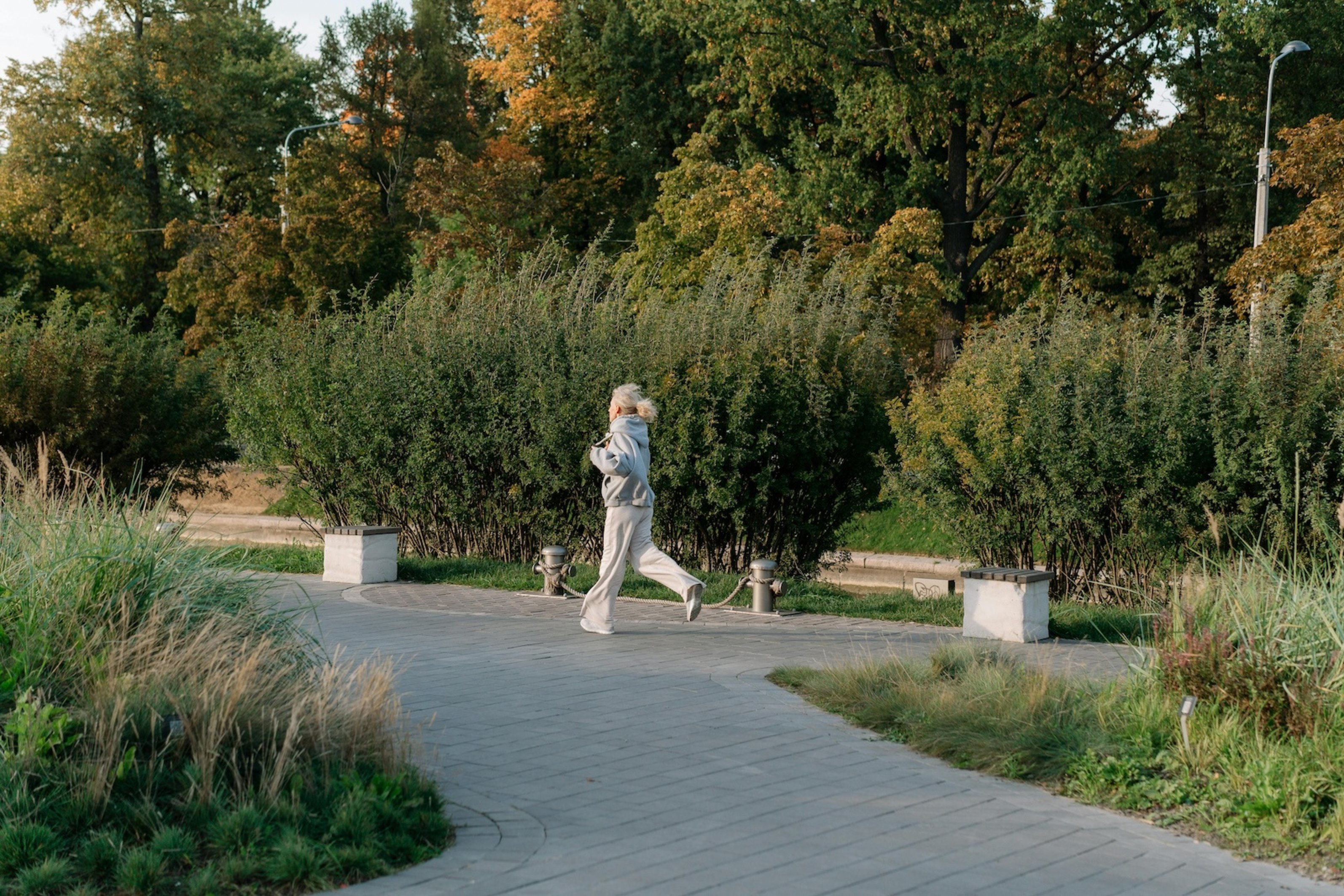
Six longevity biomarkers you need to know about

These measurable physical indicators revealyour physical fitness, state of health and biological age. They include HRV, VO₂max, grip strength, single-leg stance, resting heart rate and mobility. Simple self-tests and wearables let you track many of these metrics in everyday life so you can see where to focus to support your longevity.
Key points at a glance
- Longevity biomarkers are measurable physical indicators that can provide insights into your physical fitness and biological age.
- The key markers include HRV, VO₂max, grip strength, one-leg stand duration, resting heart rate and mobility.
- Many of these metrics can be measured using simple self-tests such as the Cooper test, the dead hang or the single-leg stand.
- Wearables can show trends in HRV, VO₂max and resting heart rate but they’re no substitute for medical diagnosis.
- Regular strength and endurance training, sufficient sleep, stress management and mobilisation can have a positive impact on several biomarkers.
What are biomarkers?
Biomarkers are measurable biological parameters that provide you with objective information about the state of your body. Unlike subjective symptoms such as ‘I feel tired’ or ‘My back hurts’, biomarkers are concrete measurements. These include specific blood values or epigenetic markers, as well as values that you can easily measure at home, such as grip strength or body balance.
They’re particularly useful for longevity because they reflect your current health and indicate your long-term physical performance. A 50-year-old with optimal biomarker values may be biologically younger than a 40-year-old with poor values.
The six key longevity biomarkers you should be aware of are:
- Heart rate variability (HRV)
- VO₂max
- Grip strength
- Single-leg stance time
- Resting heart rate
- Mobility
These markers give you a comprehensive picture of your cardiovascular fitness, strength, balance and neurological health – all of which are crucial for a long, independent life.

Longevity in everyday life
Extend your healthspan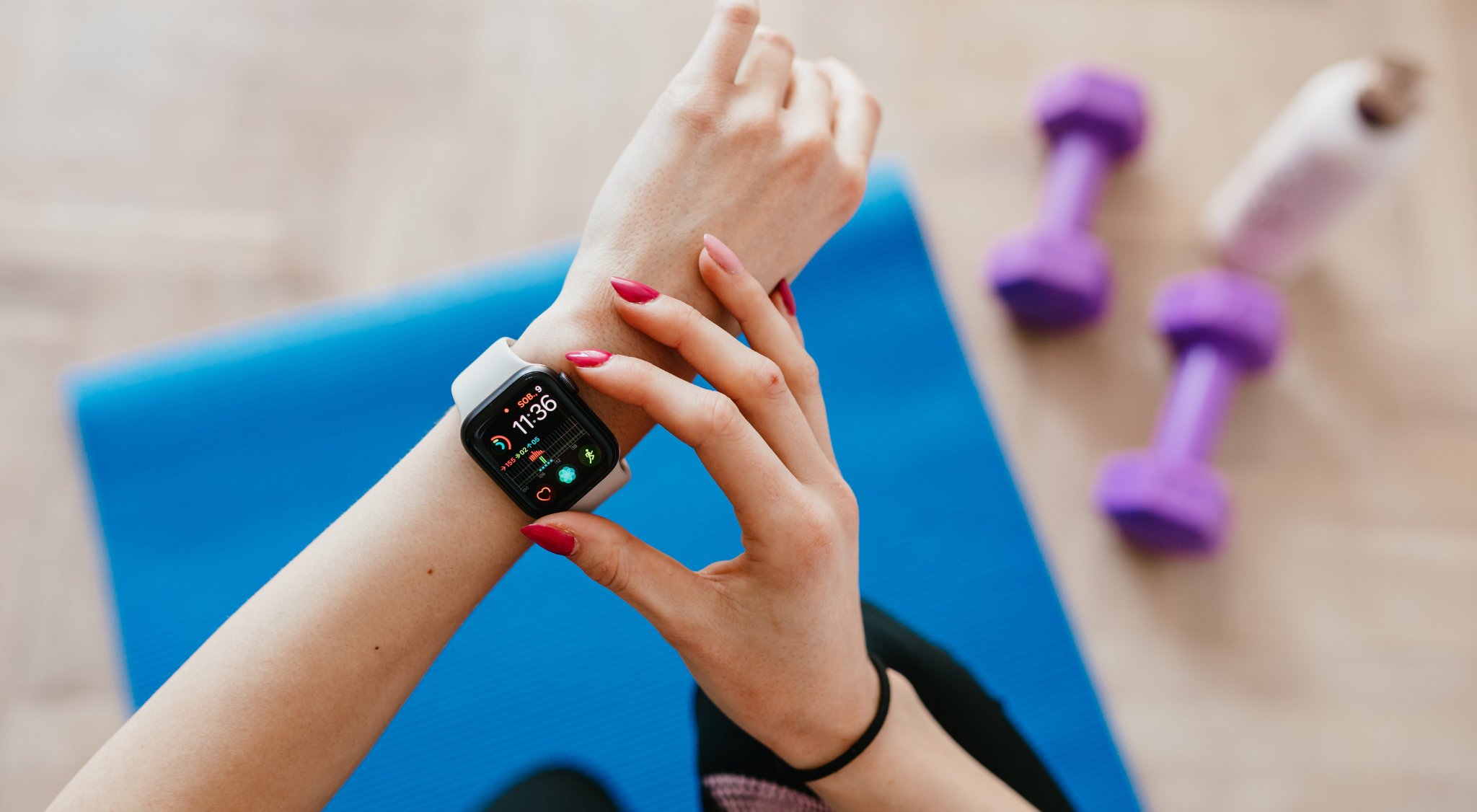
The six key longevity biomarkers: with a test and tips
1. Heart rate variability (HRV)
A healthy heart doesn’t beat like clockwork; it constantly adapts to your body’s needs. These tiny irregularities in your heartbeat can be measured and are referred to as heart rate variability (HRV).
It reflects how well your autonomic nervous system is functioning and how resilient you are to stress. Studies have shown that good HRV values play an important role in longevity (Hernández-Vicente et al., 2020).
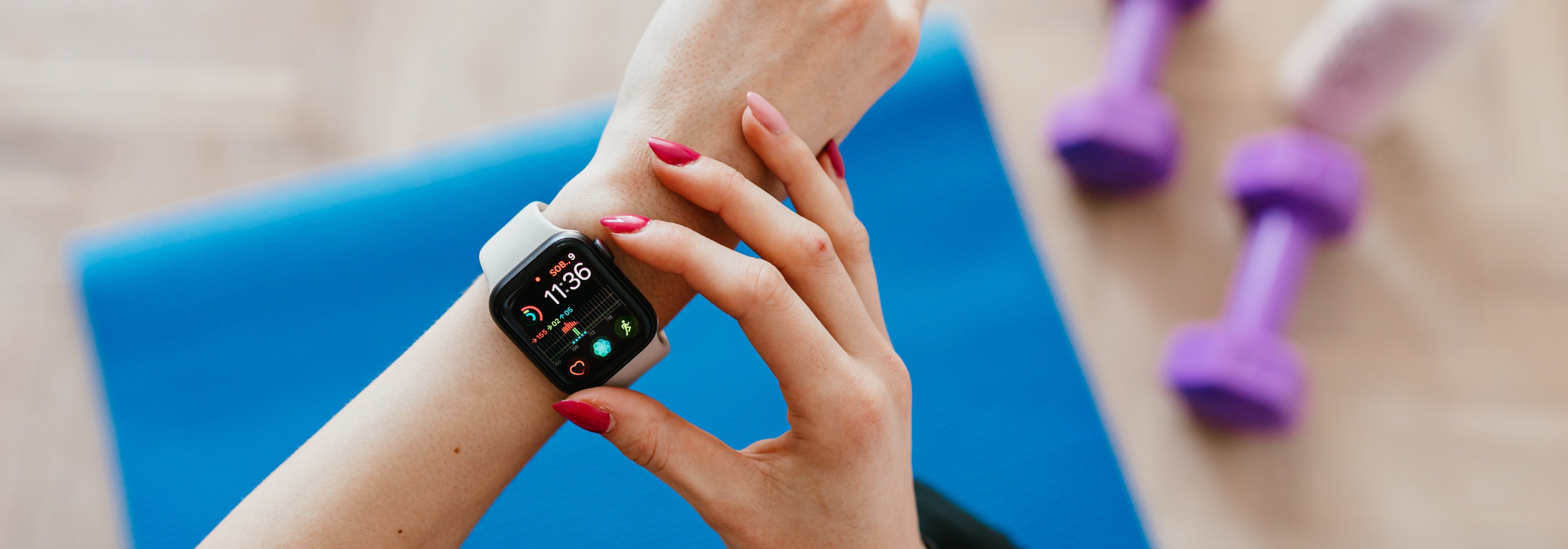
High values suggest a well-rested nervous system, while lower values may signal overload, poor sleep or chronic stress. Modern wearables can track your HRV continuously and show you how your lifestyle affects recovery.
How to optimise your HRV:
- Regular breathing exercises (4-7-8 technique or box breathing)
- Adequate sleep (7 to 9 h per night)
- Stress management through meditation or relaxation techniques
- Exercise moderately without overtraining.
- Take cold showers or ice baths to build stress resilience.

2. VO₂max
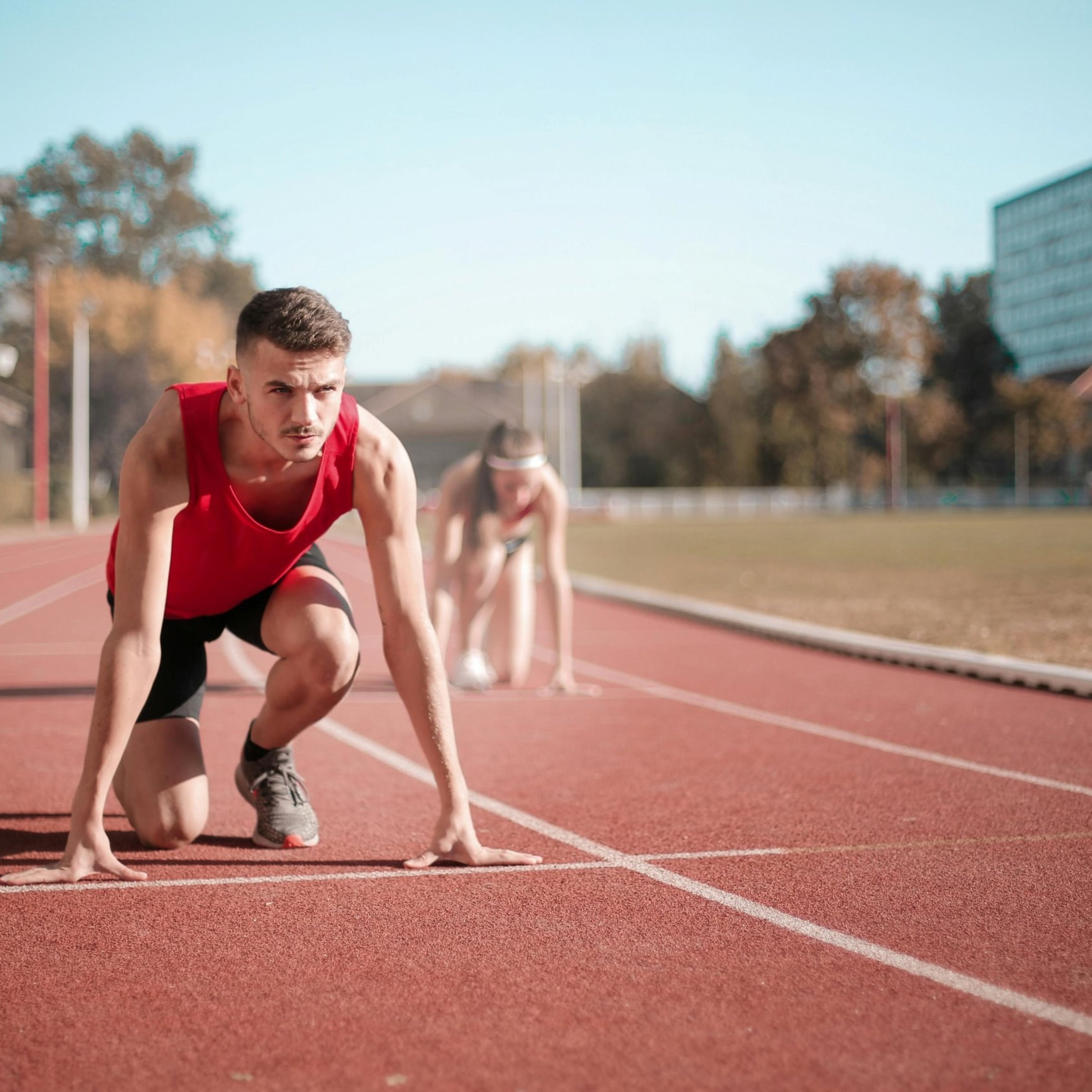
VO2 max reflects how efficiently your cardiovascular system works and how much oxygen your muscles can use during maximum exertion. People with higher VO2max values tend to live longer and have a lower risk of cardiovascular disease (Strasser and Burtscher, 2018).
Test: Cooper test (12-minute run) Run as far as possible for 12 min and measure the distance covered. Use the formula: VO2max = (distance in metres – 504.9) ÷ 44.73. A 40-year-old individual should aim to cover at least 2,500 m; you can use various online calculators to analyse the results. Although this test isn’t as accurate as one carried out under laboratory conditions, it can provide useful indicative values.
How to optimise your VO2max:
- HIIT: High-Intensity Interval Training 1–2 times a week
- Include longer endurance sessions at moderate intensity.
- Include strength training to maintain muscle mass.
- Mix endurance disciplines.
- Consistency is more important than perfection – regular training is more beneficial than sporadic peak performances.
- Take a rest day after each interval session — you’ll improve during the break.
3. Grip strength
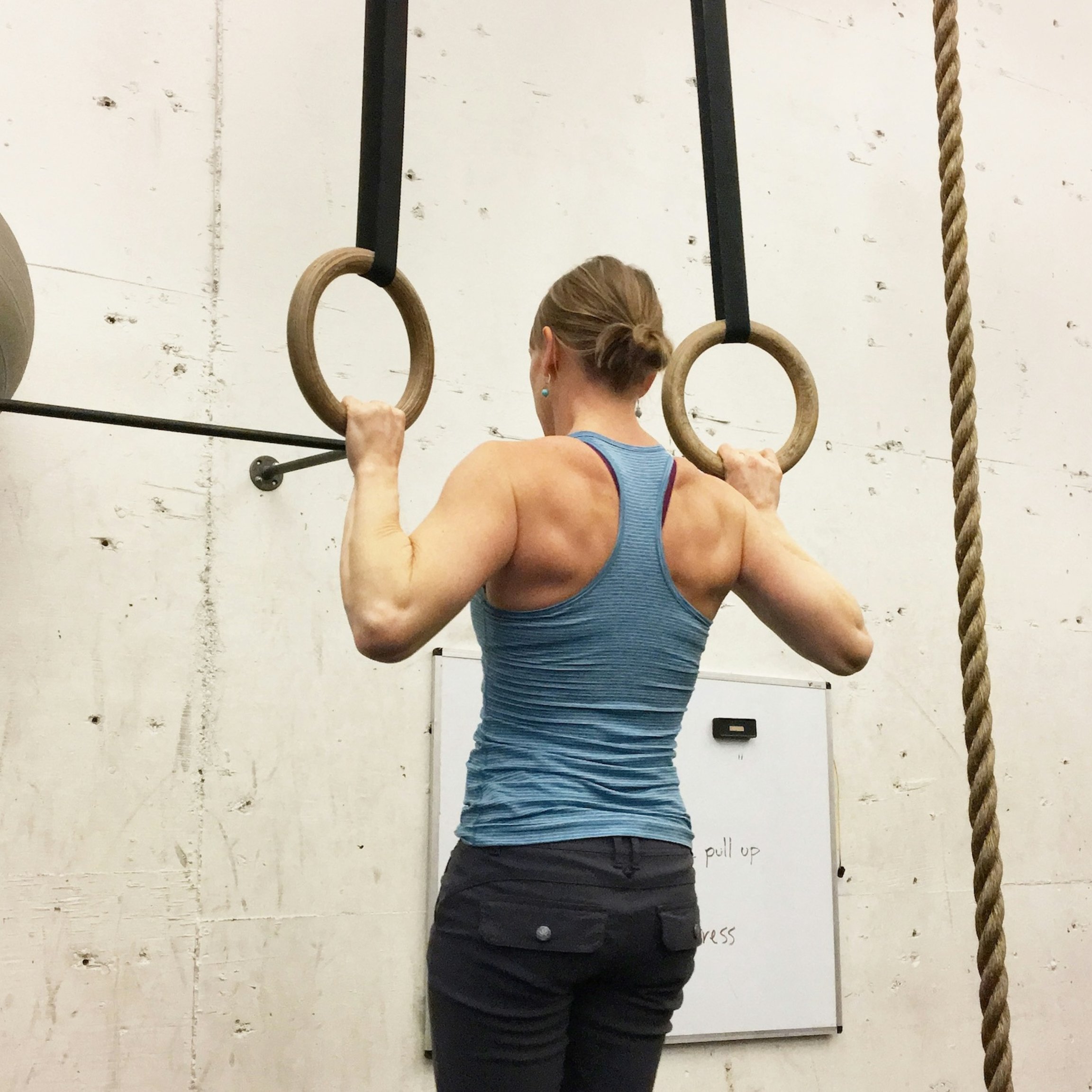
Grip strength correlates with frailty, the risk of falls and independence in old age. It’s a reliable indicator of your overall muscle strength and physical reserves. Studies show that people with weak grip strength have a higher risk of cardiovascular disease and a lower life expectancy (Wu et al., 2017).
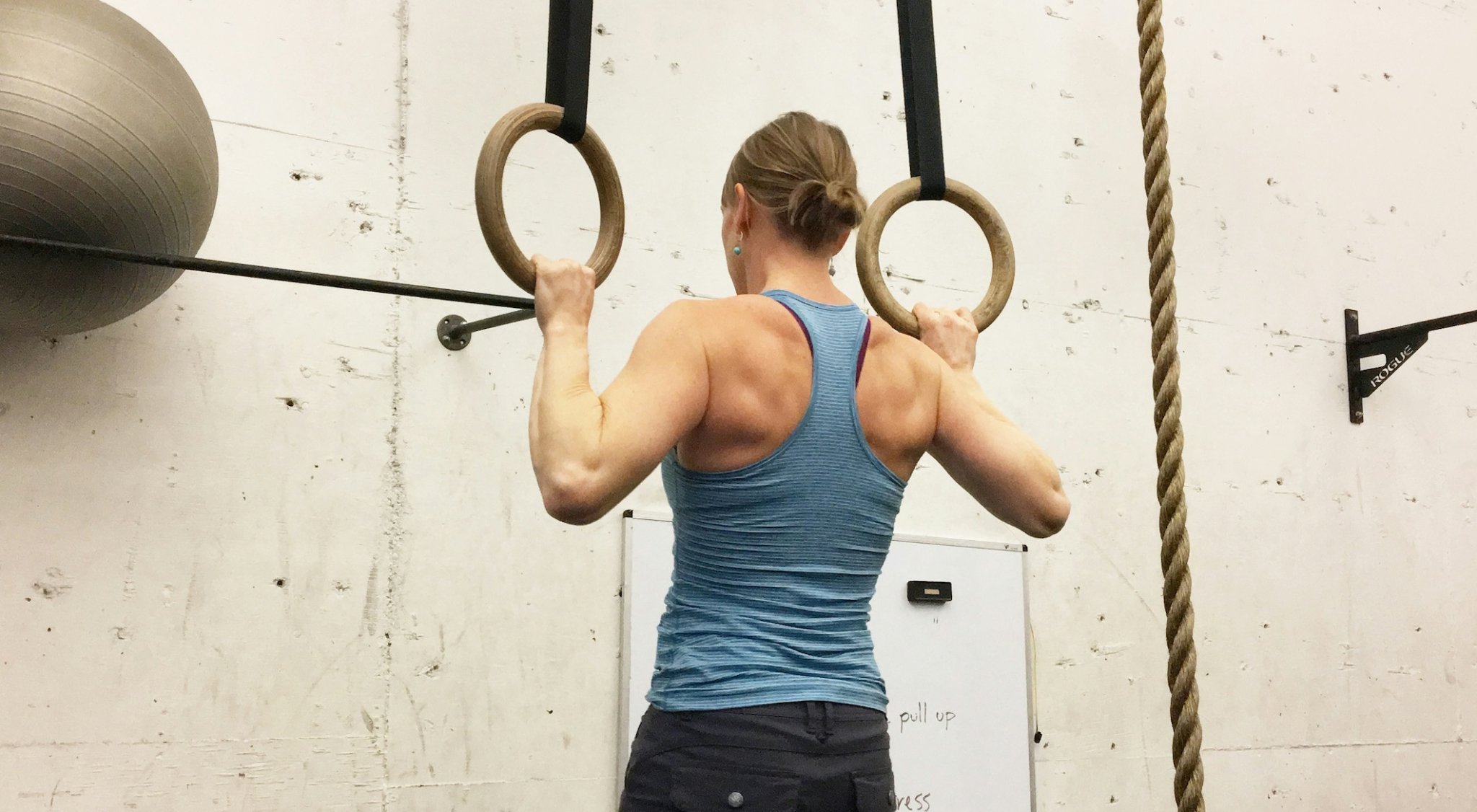
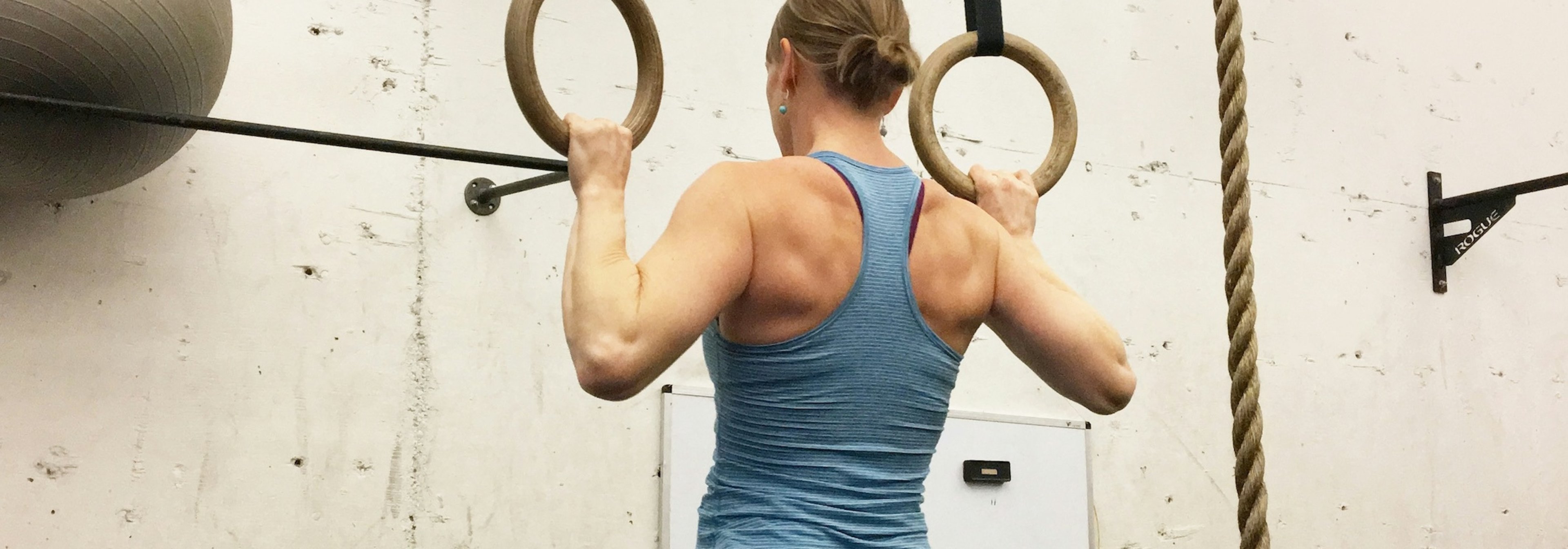
Test: Dead hang (hanging from the bar) Hang from a pull-up bar and time how long you can hold it. Target times: Aim for at least 30–60 s if you're over 30; under 30, hold for 60+ s to indicate good strength.
How to optimise your grip strength:
- Include regular dead hangs in your training.
- Pull-ups and rowing exercises
- Farmers’ walks with heavy weights
- Perform grip-strength-specific exercises with a gripper or stress balls
- Climbing or bouldering as functional training
4. One-leg stand
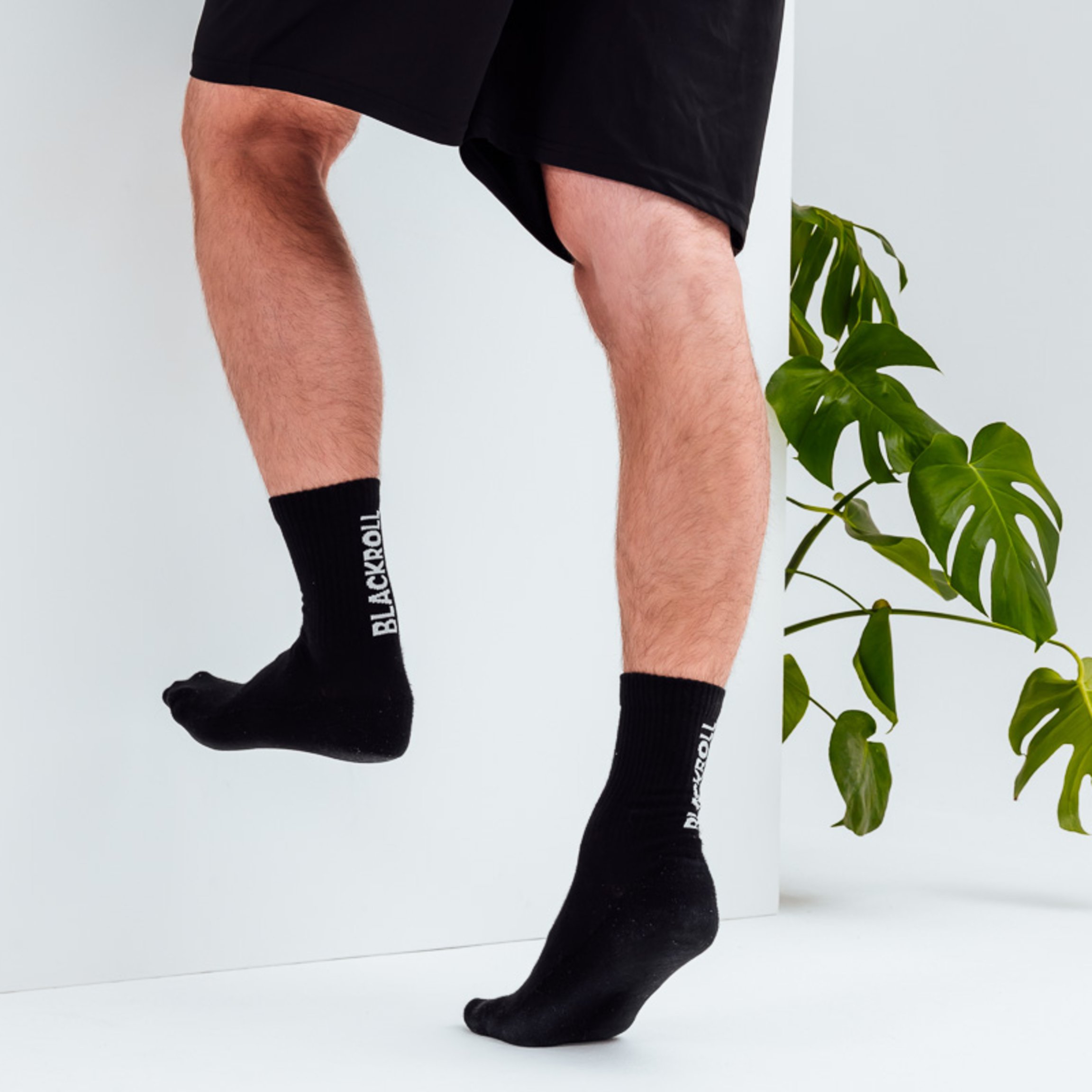
Your balance and neurological fitness are crucial for your independence in old age. The one-legged stand tests your proprioceptive system — in other words, your body’s ability to perceive its position in space and react accordingly. Poor balance drastically increases the risk of falls (Araújo et al., 2022).
Test: One-legged stand with eyes closed Stand on one leg, close your eyes and time how long it takes before you lose your balance or put your other foot down. Target times: 15+ s. If the time is < 11 s, the risk of injuries and mortality increases, and if it is less than 6 s, the risk of falling increases by 400%.
How to improve your balance:
- Practise daily balance exercises on one leg (for example brushing your teeth on one leg)
- Train on unstable surfaces such as a wobble cushion or balance board.
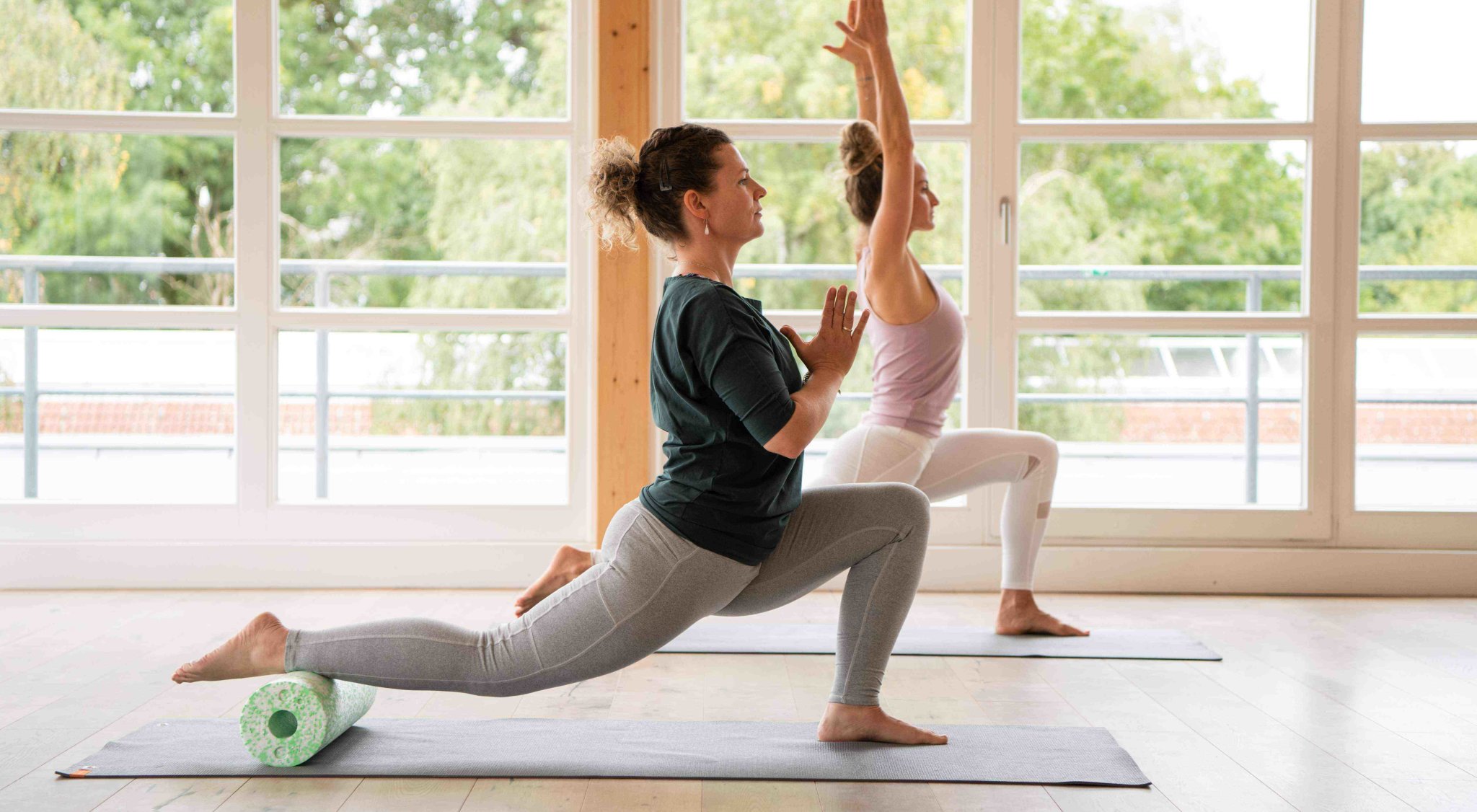
- Practise yoga or Pilates to refine body awareness
- One-legged variants of familiar exercises (one-legged squats)
- Proprioceptive training following injuries

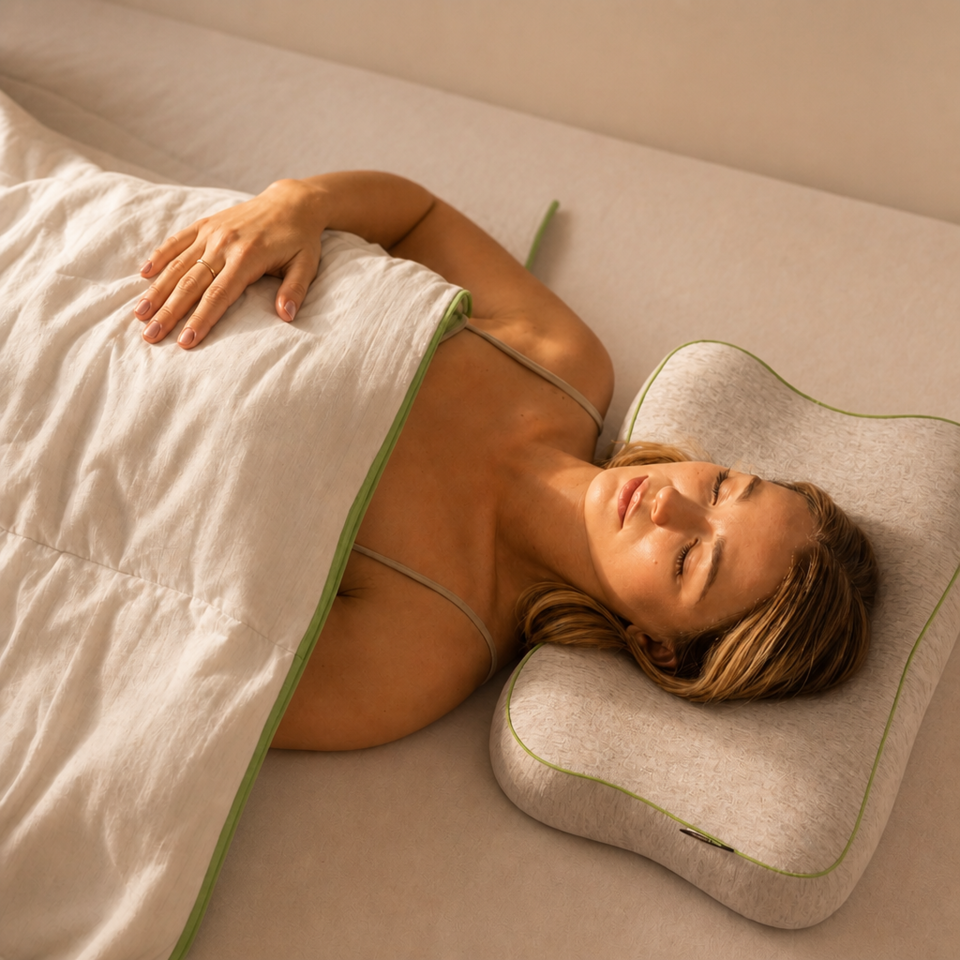
5. Resting heart rate
The resting heart rate is a straightforward measure of cardiovascular fitness. A lower reading indicates that your heart works efficiently, pumping more blood with fewer beats. Endurance athletes often record values of 40–50 bpm (Gonzales et al., 2023).
Guideline values for resting heart rate:
- Excellent: under 60 bpm
- Good: 60–70 bpm
- Average: 70–80 bpm
- Room for improvement: over 80 bpm
Measure your heart rate in the morning, straight after waking up and before getting out of bed.
How to optimise your resting heart rate:
- Regular endurance training (at least 150 min per week)
- Stress reduction and sufficient sleep
- Avoid nicotine and cut back on alcohol.
- Maintain a healthy weight if you're carrying excess pounds.
- Consistent training is more important than occasional peak performances.
6. Mobility tests
Sit-to-stand and balance tests predict falls and reveal much about independence and life satisfaction (Pozaic et al., 2016). Your mobility and the ability to stand up unaided are fundamental indicators of your functional fitness. These tests show how well your fascia, joints and neuromuscular coordination are functioning.
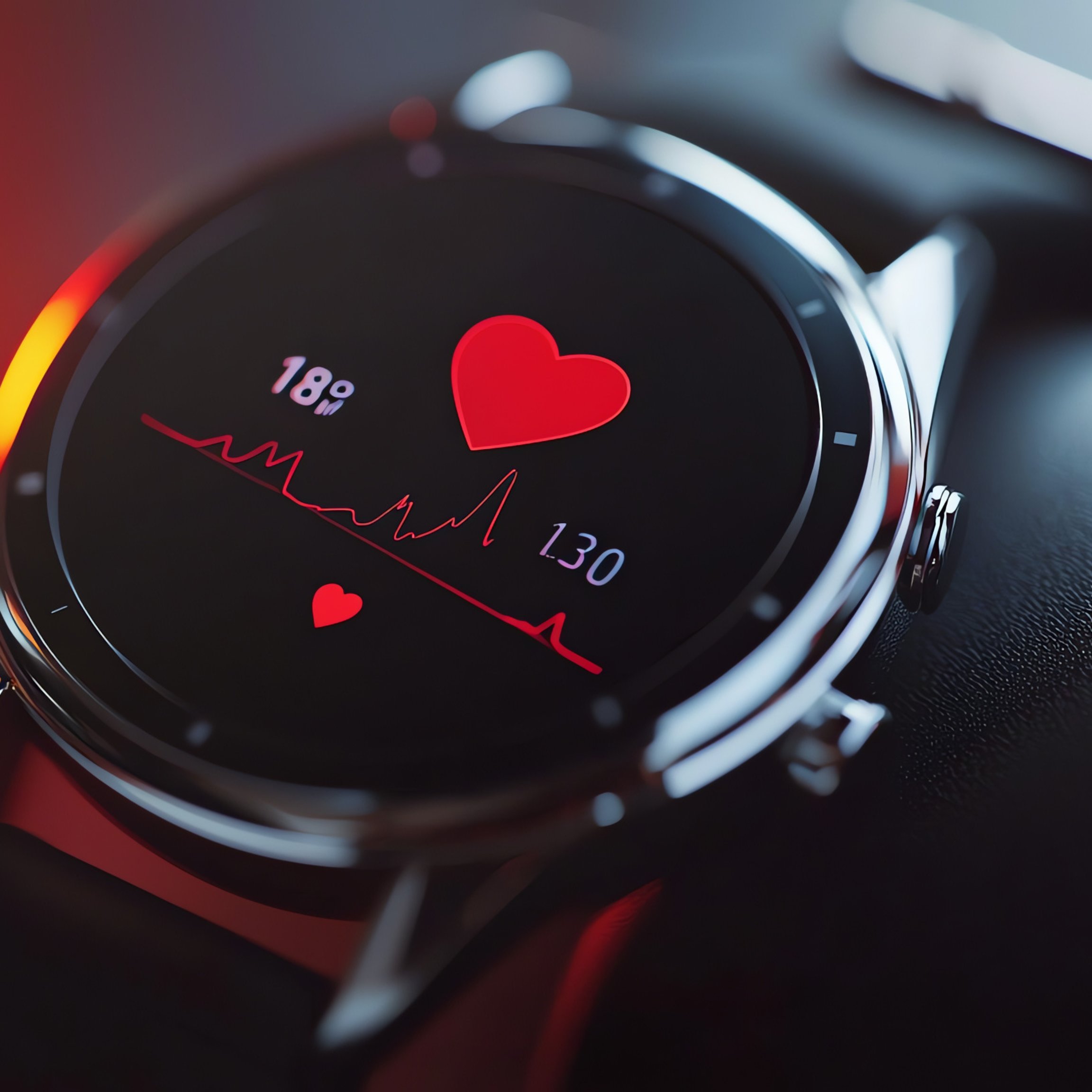
Test: Sit-to-stand test (standing up from the floor) Sit cross-legged on the floor and try to stand up without using your hands. Each time you touch the floor with your hand, knee or the side of your leg, one point is deducted from the maximum score of 10. People over 50 with a score of less than 8 have a 2 to 5 times higher risk of death.
How to optimise your mobility:
- Perform daily mobilisation exercises for all major joints
- Fascia training to improve tissue quality
- Yoga or dynamic stretching
- Functional movement patterns in training (squats, lunges)
- Take regular movement breaks during the working day.
Biomarker analysis: how effective are wearables for continuous monitoring?
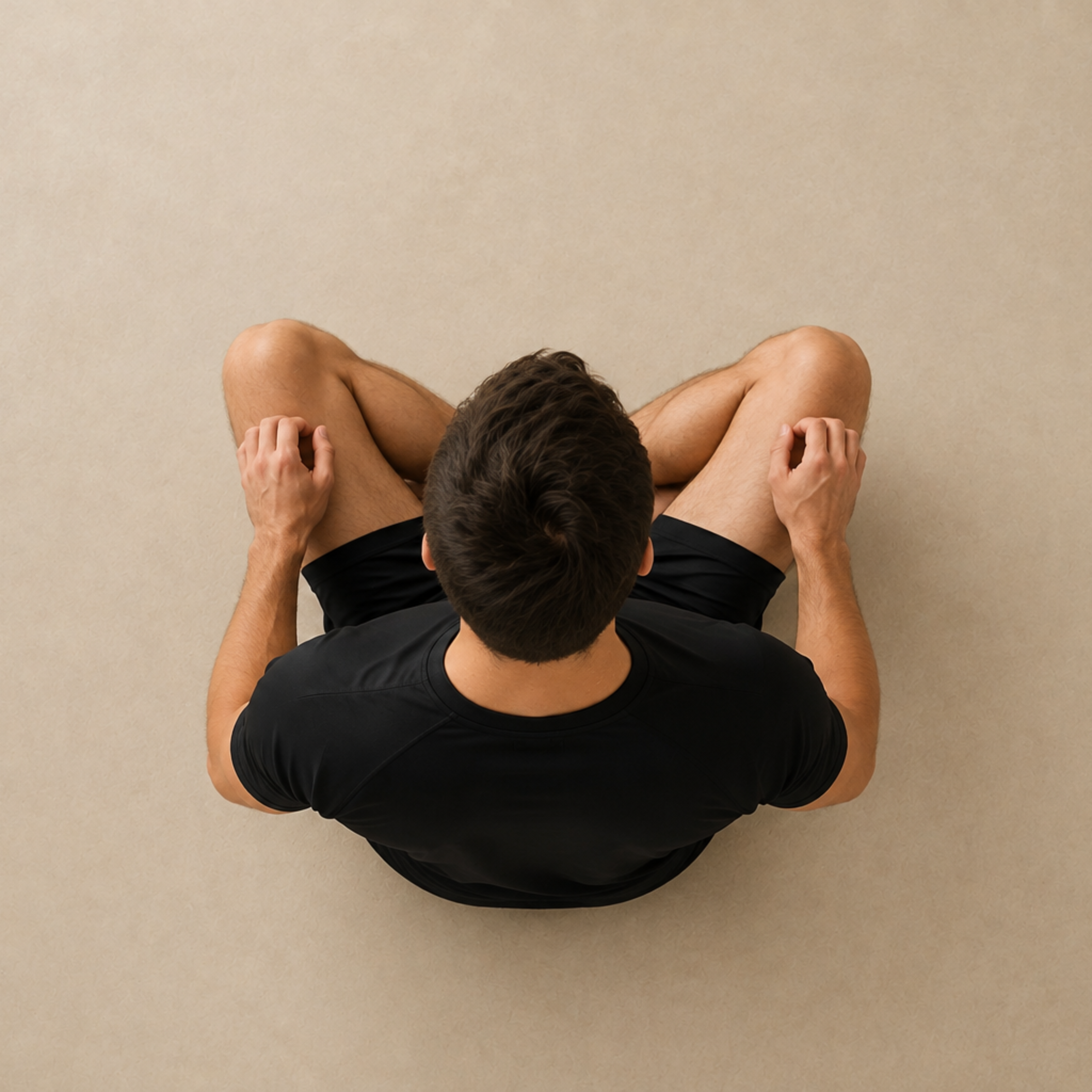
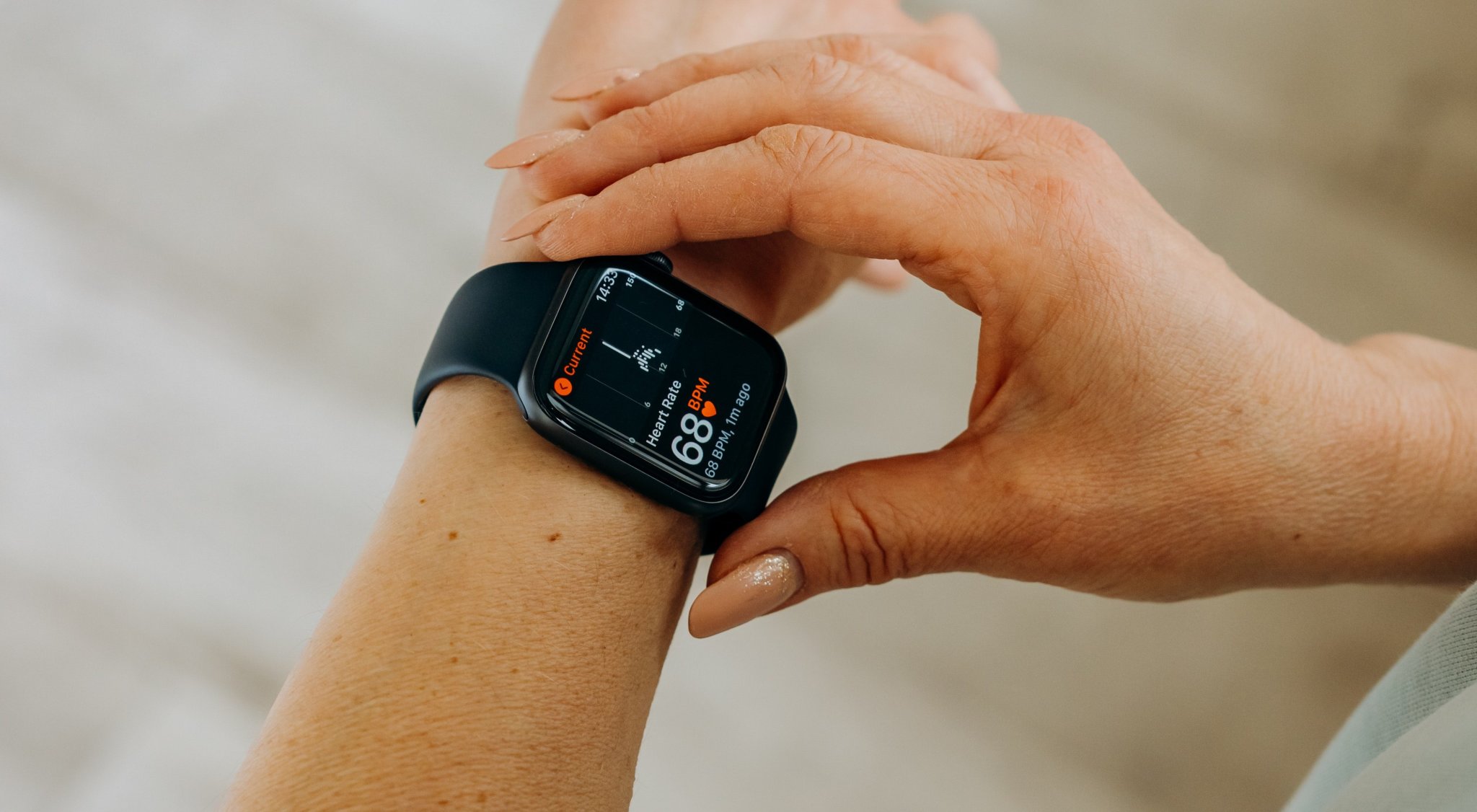
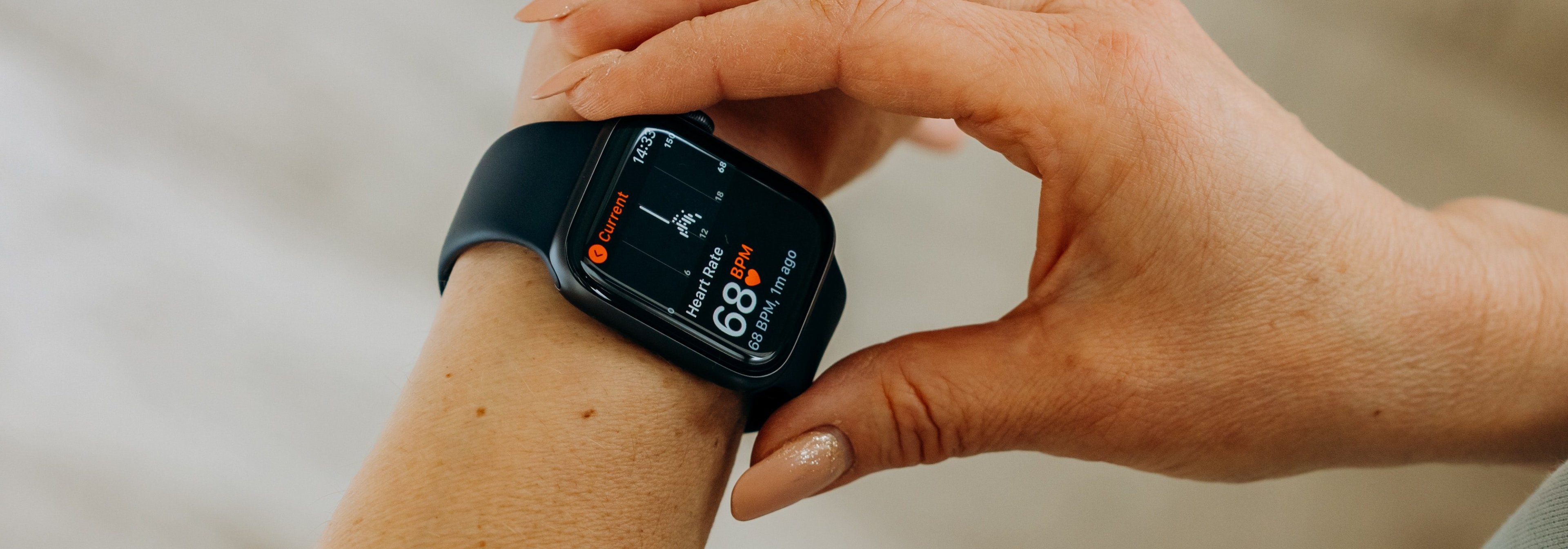
Modern wearables let you measure several key longevity biomarkers on your own. Markers such as HRV, VO2max and resting heart rate can be tracked continuously with little effort. While these devices aren’t a substitute for medical diagnostics and aren’t as accurate as laboratory results or tests supervised by specialists, they do give you useful trends and insights into your health status.
Devices such as those from Apple, Garmin, Whoop or Oura Ring measure heart rate and activity, estimate your VO2max and offer insights into your recovery.
Remember, these devices are indicators and motivational tools, not medical instruments. Use them to identify trends and adjust your behaviour, but always consult a doctor for a final review if you have any health concerns.
Biomarkers: the best indicators for your longevity
Your biomarkers are useful indicators of a long, healthy life. With the six markers presented here, you have specific, science-based, measurable parameters that you can influence yourself.
You don’t need expensive laboratory tests or complicated equipment. For tests such as VO₂max, balance or grip strength, all you need is a stopwatch and a pull-up bar. Fitness wearables and smartwatches are useful tools for regular monitoring and an extra boost of motivation.
FAQ – Longevity biomarkers
They’re objective, measurable parameters that accurately reflect your state of health — in contrast to subjective sensations such as tiredness or pain. They range from simple fitness tests to laboratory results or digital vital signs. They’re particularly valuable for longevity because they not only reflect your current state of health but also allow conclusions to be drawn about your long-term physical performance.
We measure them through laboratory blood tests for cholesterol or inflammation levels, fitness tests such as the Cooper test for VO₂max, simple self-tests — such as standing on one leg — to assess balance and modern wearables for HRV and resting heart rate. You can easily measure many important longevity markers yourself without relying on expensive laboratory analyses.
The key longevity biomarkers include VO₂max as a strong predictor of all-cause mortality; HRV for stress resilience; grip strength as an indicator of muscle strength and frailty; single-leg stance time for neurological fitness; resting heart rate for cardiovascular efficiency and mobility tests for functional independence. Together they give you a comprehensive picture of your biological fitness and rate of ageing.
Test your resting heart rate first thing in the morning, your one-leg stand time with eyes closed, your mobility with the sit-to-stand test and your grip strength with a dead hang on a pull-up bar. The Cooper test estimates your VO₂max over a 12-min run. These tests need only a stopwatch and cost nothing yet provide clear data on your fitness.
Regular endurance and strength training improves VO2max, resting heart rate and grip strength. Balance exercises and proprioceptive training optimise the time spent standing on one leg. Adequate sleep, stress management and breathing exercises strengthen your HRV. Daily mobilisation and fascia training increase mobility. Remember — consistency beats intensity so regular moderate activity delivers the best long-term results for all your biomarkers and your longevity.
Further items



Sources and studies
Hernández-Vicente, A., Hernando, D., Santos-Lozano, A., Rodríguez-Romo, G., Vicente-Rodríguez, G., Pueyo, E., Bailón, R. and Garatachea, N. (2020). Heart rate variability and exceptional longevity. Frontiers in Physiology, 11, Article 566399. https://doi.org/10.3389/fphys.2020.566399
Strasser, B. and Burtscher, M. (2018). Survival of the fittest: VO₂max, a key predictor of longevity? Frontiers in Bioscience (Landmark Edition), 23(8), 1505–1516. https://doi.org/10.2741/4657
Wu, Y., Wang, W., Liu, T. and Zhang, D. (2017). Association of grip strength with risk of all-cause mortality, cardiovascular diseases and cancer in community-dwelling populations: A meta-analysis of prospective cohort studies. Journal of the American Medical Directors Association, 18(6), 551.e17–551.e35. https://doi.org/10.1016/j.jamda.2017.03.011
Araújo, C. G. S., de Souza e Silva, C. G., Laukkanen, J. A., Fiatarone Singh, M. A., Kunutsor, S. K., Myers, J., Franca, J. F. and Castro, C. L. (2022). Successful 10 s one-legged stance performance predicts survival in middle-aged and older individuals. British Journal of Sports Medicine, 56(17), 975–980. https://doi.org/10.1136/bjsports-2021-105360
Gonzales, T. I., Jeon, J. Y., Lindsay, T., Westgate, K., Perez-Pozuelo, I., Hollidge, S., Wijndaele, K., Rennie, K., Forouhi, N., Griffin, S., Wareham, N. and Brage, S. (2023). Resting heart rate is a population-level biomarker of cardiorespiratory fitness: The Fenland Study. PLOS ONE, 18(5), Article e0285272. https://doi.org/10.1371/journal.pone.0285272
Pozaic, T., Lindemann, U., Grebe, A.-K. and Stork, W. (2016). Sit-to-stand transition reveals acute fall risk in activities of daily living. IEEE Journal of Translational Engineering in Health and Medicine, 4, Article 2700211. https://doi.org/10.1109/JTEHM.2016.2620177