Herniated disc: what’s happening in your back — and what will really help you now

Key facts at a glance
- A herniated disc (prolapse) occurs when the gel-like centre of a disc pushes through the surrounding fibrous ring and presses on nerves.
- Typical symptoms include back pain that radiates into the leg or arm as well as numbness and tingling.
- In around 90% of cases, a herniated disc heals without surgery – through movement, targeted exercises and physiotherapy.
- If you notice pain radiating to your bladder or bowel, or sudden paralysis, seek medical help at once.
- Targeted back exercises and strong core muscles are the most important form of both prevention and treatment.
Your back hurts, your leg feels tingly, every movement feels wrong – and then the term ‘herniated disc’ is mentioned. For many, this initially sounds like a worst-case scenario. A herniated disc is one of the most common causes of severe back pain in Germany. The good news is that you can actively do something about it.
Please note: medical note
This article is for general information purposes only and isn’t a substitute for a medical diagnosis or individual treatment. If you experience initial symptoms suggesting a herniated disc, your GP is the right first point of contact – they can investigate the cause and refer you to a specialist if necessary. If the pain persists or travels down your leg, consult an orthopaedic or neurological specialist.

You’ll build a stronger back, and your health insurance covers the cost.
What is a herniated disc — and what exactly happens?
01. What is a herniated disc?
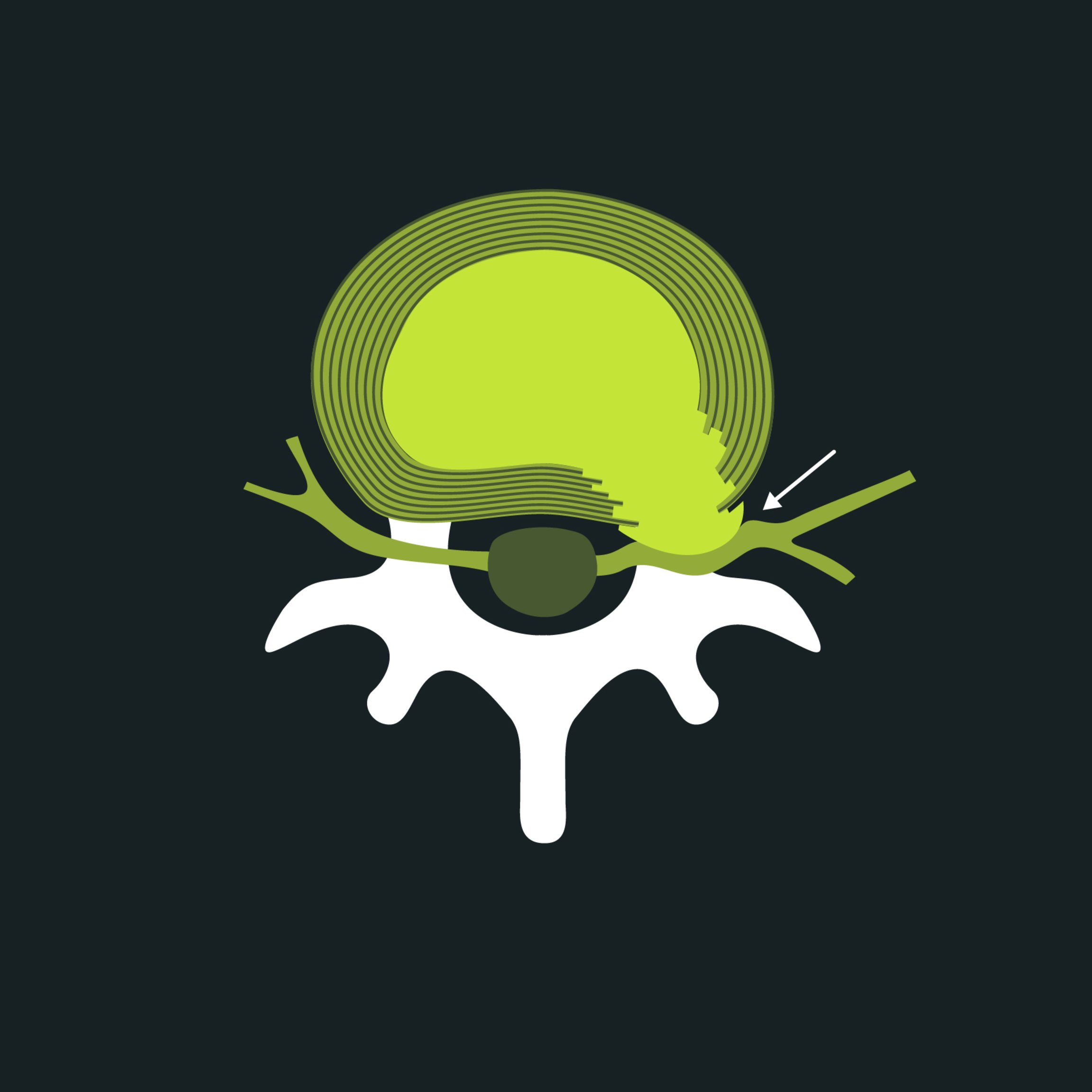
A herniated disc, medically known as a disc prolapse, occurs when the soft gel-like centre (nucleus pulposus) of an intervertebral disc protrudes through tears in its outer fibrous ring (annulus fibrosus). If the nucleus moves towards the spinal canal, it can press on neighbouring nerves or the spinal cord, causing the characteristic symptoms of a herniated disc.
The intervertebral discs sit between the individual vertebral bodies of the spine, where they act as elastic shock absorbers: they distribute compressive loads and allow mobility in all directions. With increasing age, however, their water content decreases, they lose elasticity and become more prone to tears.
A herniated disc differs from a disc protrusion: in the case of a protrusion, the nucleus only bulges outwards but doesn't break through the annulus fibrosus. In the case of a herniation (prolapse), it does break through. The distinction between the two forms isn't always clear-cut. Even with imaging diagnostics — particularly MRI (magnetic resonance imaging) — it isn't always possible to distinguish clearly between a protrusion and an actual prolapse. For example, a small prolapse or a mild herniated disc means that only a small amount of material has leaked out. Nevertheless, the symptoms can be significant, depending on which nerve is affected. If they don't cause pain, however, herniated discs may go undetected and usually heal on their own.
Where do herniated discs occur most frequently?
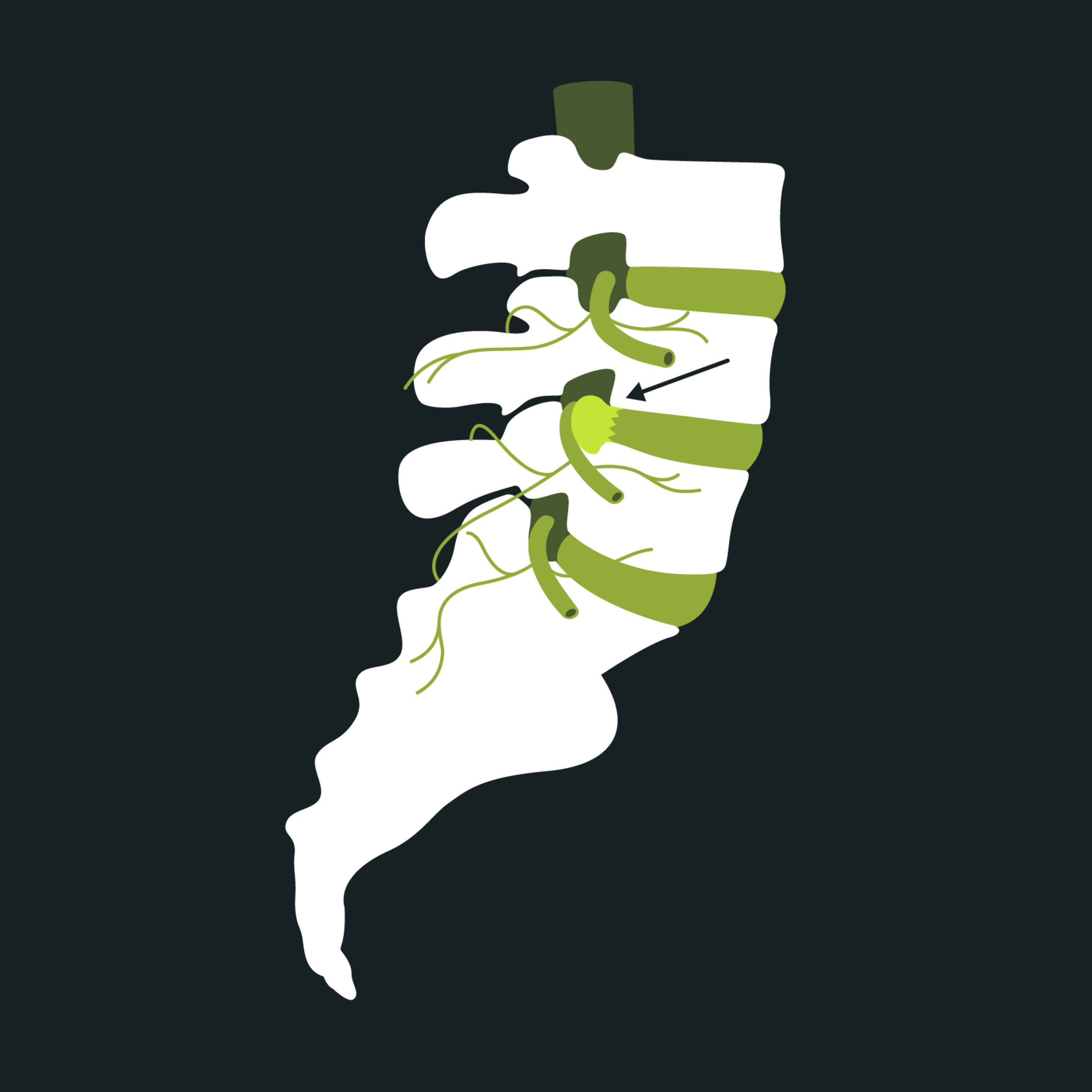
- Lumbar spine (LS): around 90% of all cases – this is where the pressure is greatest (particularly at the L4/L5 or L5/S1 vertebrae)
- Cervical spine (C-spine): around 8% – pain radiates into the arm and hand
- Thoracic spine (T-spine): very rare, less than 2%, but usually between the thoracic vertebrae T8 and L1
How can you recognise a herniated disc? The typical symptoms
The symptoms of a herniated disc depend on its location and which nerve it's irritating. The main symptom is radiating pain — that is, pain that doesn't remain confined to the back but extends into the leg, glutes or foot (in the lumbar spine) or the arm and hand (in the cervical spine).
Typical symptoms of a herniated disc in the lumbar spine:
- severe back pain that worsens with movement, coughing or sneezing
- Hardened muscles and/or restricted movement in the affected area of the spine
- Radiating pain in the glutes, thigh, lower leg or foot (often referred to as sciatic pain )
- tingling or numbness in the leg or foot
- Muscle weakness in the affected leg
- in rare cases: problems with urination or bowel movements
See a doctor straight away if you notice:
- Numbness or tingling in the genital area or on the inner thighs (known as ‘riding breeches syndrome’ or cauda equina syndrome, a medical emergency)
- Sudden paralysis in the leg or foot
- loss of bladder or bowel control
We'll explain how a herniated disc occurs and the causes and risk factors.
It typically develops over time as discs lose water and elasticity , and if unfavourable stresses then act on the spine, the fibrous ring around the nucleus can tear.
The most common causes and risk factors:
- prolonged sitting with poor body posture (particularly during a typical day at the office or whilst driving)
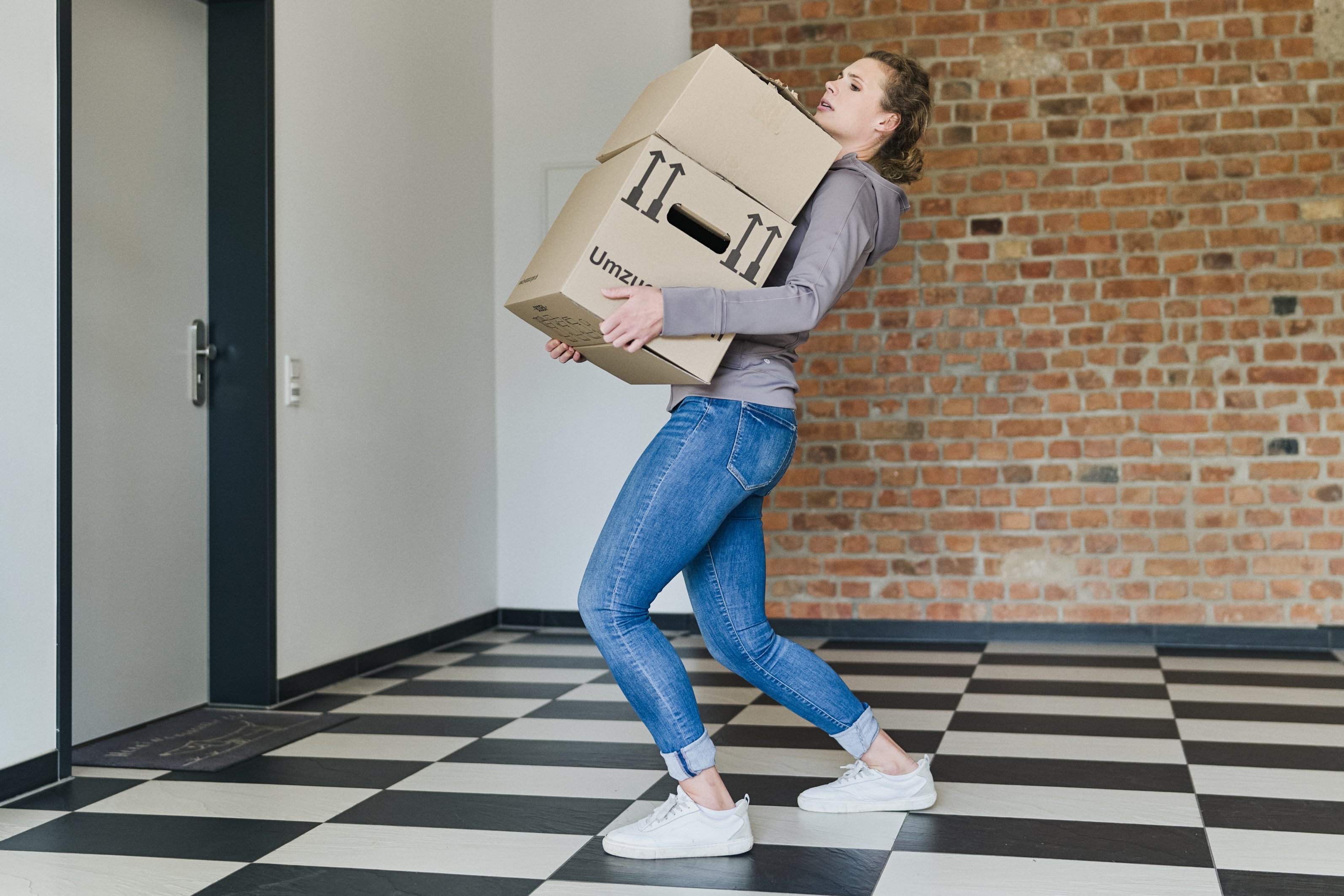
- heavy lifting with a rounded back – the classic trigger
- Lack of movement and weak core muscles
- being overweight, which exerts constant pressure on the intervertebral discs
- above-average height
- High-performance sport
- Genetic predisposition — some people naturally have intervertebral discs that are less resilient
- Postural abnormalities and spinal misalignments, such as Scheuermann’s disease or scoliosis
- Injuries or overuse of the discs
- Smoking – reduces the supply of nutrients to the intervertebral discs
Tip: fascia and herniated disc
Fascia — the network of connective tissue surrounding the muscles and spine — plays an often underestimated role. Stuck or tense fascia can increase the strain on the intervertebral discs and slow down recovery. Regular fascia training using a foam roller can loosen the surrounding muscles and thus relieve pressure on the intervertebral discs.
How is a herniated disc diagnosed?
If you visit your doctor with typical symptoms and disc pain, the diagnosis begins with a thorough medical history (interview) and a physical examination. During this, reflexes, strength and sensation are assessed. An MRI scan is the gold standard for an accurate diagnosis — it provides a detailed image of the intervertebral discs and affected nerves without exposing you to radiation.
It’s important to know that not every finding on an MRI automatically means symptoms are present; studies show many people have herniated discs without realising it. The key factor is whether any nerves are irritated and, if so, which ones.
Treating a herniated disc: what really helps?
First, the good news: 80–90% of all herniated discs heal without surgery. Pain is often caused by irritation of surrounding nerve structures or by muscular imbalances. Targeted treatment of the affected muscles and fascia can therefore often contribute to pain relief. Treatment depends on the severity of the symptoms and the extent of the herniated disc.
Measure | Effect |
Targeted exercise and physiotherapy | strengthens your core muscles and relieves pressure on the disc |
Painkillers (short-term) | enable movement despite pain, to support conservative treatment |
Heat or cold | relaxes muscles and alleviates inflammation |
Manual therapy / osteopathy | improves mobility and relieves muscle tension |
Try fascia training to ease surrounding muscles and boost circulation. | relaxes the surrounding muscles and improves blood flow. |
According to the current guidelines of the German Society for Orthopaedics and Trauma Surgery (DGOU), targeted exercise therapy is a key component in the treatment of a herniated disc. However, it should be correctly tailored and adapted to the patient’s symptoms. Resting for too long often worsens the prognosis. This is also confirmed in this study from 2025.
‘In most cases, it’s not the intervertebral discs that are the root cause of a herniated disc, but muscle-fascia stiffness.’
Dr Torsten Pfitzer, holistic pain therapist and health coach

‘Contrary to the unfortunately widespread belief, in the vast majority of cases it’s not the intervertebral discs that are the root of the problem, but painful muscle-fascia stiffness. In these cases, very good results can be achieved with the right therapeutic support and specific exercises at home. This should be preferred over intervertebral disc surgery, the effectiveness of which is often questionable.’ Dr Torsten Pfitzer, holistic pain therapist and health coach

View exercises for a herniated disc
Herniated disc: gentle exercises to relieve painWhen is surgery necessary for a herniated disc?
Surgery's necessary for only a small proportion of those affected — namely when conservative treatments haven't helped after 6–12 wk or when neurological deficits (paralysis, bladder or bowel problems) occur.
The most common procedures include:
- Microdiscectomy: removal of the herniated portion of the disc
- Endoscopic procedures are minimally invasive and usually allow a quicker recovery.
- Laminectomy or foraminotomy: widening of the spinal canal in cases of additional narrowing
- Spinal fusion: stabilisation in cases of instability
Surgery relieves mechanical pressure — but it’s no substitute for subsequent training and active stabilisation.
Our online back-strengthening course now includes a free resistance band and posture trainer.
The correct sleep position for a herniated disc
Many people with a herniated disc find it difficult to sleep, and sleeping in the wrong position can make the pain worse. The following positions have proven effective:
- Lie on your back with a pillow under your knees to support the lumbar spine.
- Lie on your side with a pillow between your knees to stop your pelvis tilting and reduce pressure on the discs.
Avoid sleeping on your stomach — it increases the hollow in your lower back and raises pressure on the lumbar spine.
Preventing a herniated disc: what you can do in the long term
Build strong core muscles to stabilise the spine and distribute load evenly, protecting the discs.
Everyday tips:
- Lift correctly: always lift from the knees, keep your back straight and hold the load close to your body
- Take breaks from sitting: stand up every 30–45 min and move around briefly
- Set up an ergonomic workspace: screen at eye level, chair with lumbar support
- Do regular back exercises: combine strengthening and mobilisation exercises
- Keep your weight within a healthy range to reduce pressure on your spinal discs.
- Incorporate fascia training into your everyday life to release adhesions and loosen your muscles.
Your tools for preventing herniated discs
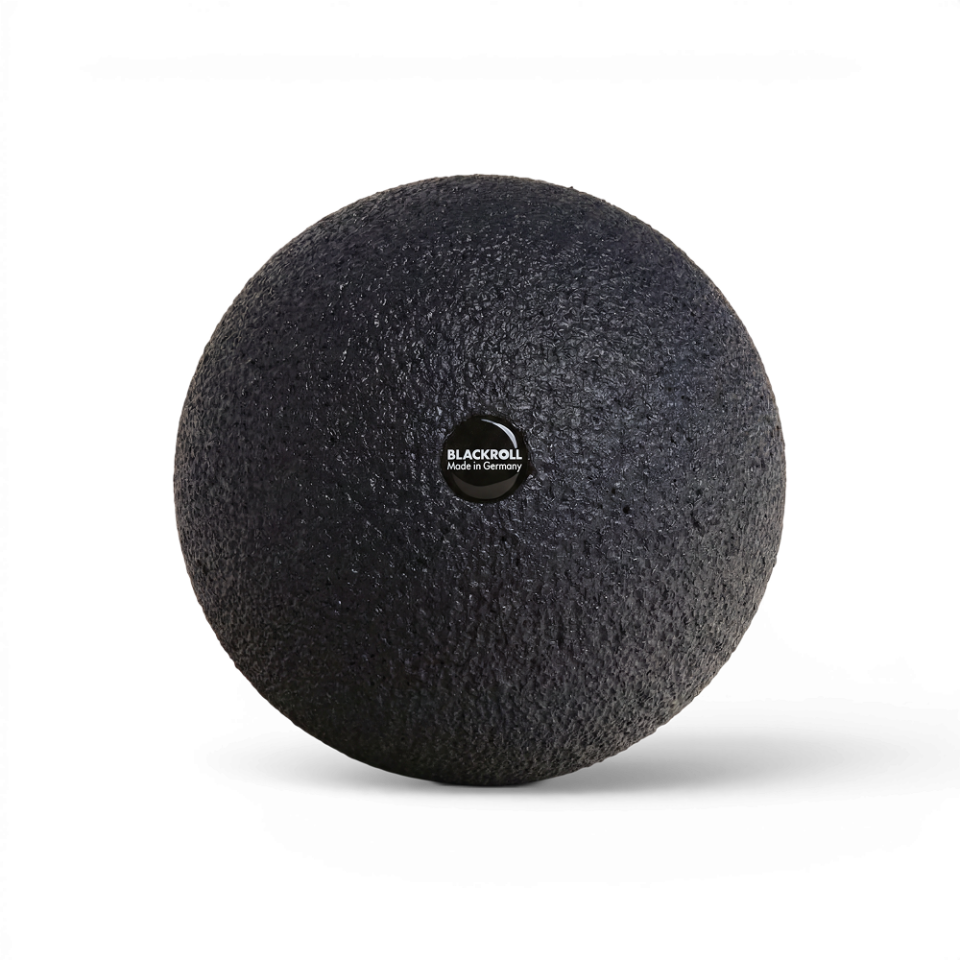

Ball 12
Available in multiple variants
Super Band
Available in multiple variants
FAQ — Frequently asked questions about herniated discs
You’ll usually realise you may have a herniated disc if you experience severe back pain that radiates down into your leg or arm. This is often accompanied by tingling, numbness or muscle weakness in the affected area. A definitive diagnosis is made via an MRI scan.
In 80–90% of cases, a herniated disc heals without surgery. This also includes an unknown number of asymptomatic and undiagnosed herniated discs. The protruding gel-like nucleus is broken down by the body over time. Targeted exercise, physiotherapy and patience are the key factors in this process. Surgery is usually only necessary in cases of severe neurological deficits or persistent pain that doesn't respond to treatment.
In most cases, symptoms improve significantly within 6–12 wk. This requires consistent conservative treatment involving exercise, physiotherapy and pain management. Full recovery may take longer in some individuals.
Yes. Appropriate exercise is strongly recommended. Resting for too long can actually make the symptoms of disc problems worse. Light everyday activities and targeted exercises boost circulation and aid recovery.
Complete bed rest is counterproductive if you have a herniated disc — it delays healing. Avoid heavy lifting with a rounded back, sitting for long periods without breaks and movements that significantly increase the pain. Listen to your body and increase the level of exertion gradually.
In a mild (small) herniated disc, only a small amount of the disc’s nucleus has protruded. The symptoms can still be severe, however. A major herniated disc involves more protruded material and a higher risk of neurological symptoms. Treatment is always based on the specific symptoms, not solely on the size.
Yes. Once the acute phase is over, targeted training is crucial to prevent relapses. Sports that are gentle on the back, such as swimming, walking, yoga or moderate strength training focusing on the core muscles, are particularly suitable.
Our online course — Back strengthening — is certified under Section 20 of the German Social Code, Book V (SGB V) — so you can claim up to 100% reimbursement from your health insurance provider.
You might also be interested in


Sources and studies
German Society for Orthopaedics and Trauma Surgery (DGOU): Guideline on herniated discs. AWMF Register No. 033-048. www.awmf.org
Koes BW, van Tulder MW, Peul WC (2007): Diagnosis and treatment of sciatica. BMJ. 334(7607):1313–1317. DOI: 10.1136/bmj.39223.428495.BE
Deyo RA, Mirza SK (2016): Herniated lumbar intervertebral disc. New England Journal of Medicine. 374:1763–1772. DOI: 10.1056/NEJMcp1512658
Brinjikji W et al. (2015): Systematic literature review of imaging features of spinal degeneration in asymptomatic populations. AJNR. 36(4):811–816. DOI: 10.3174/ajnr.A4173
Lumbar disc herniation: the significance of symptom duration for the indication for surgery – PMC
Spinal decompression can be effective, with reported success rates of up to 89%.
Herniated discs are genetically determined • LabNews