What are medical devices?
Imagine you wake up in the morning feeling stiff and tense. The thought of a long day ahead makes you look for a solution—something that not only provides short-term relief, like painkillers, but also improves your quality of life. This is exactly where a medical device comes in. But a medical device? That sounds so clinical—only for sick people, right?
A medical device is much more than that. It’s a companion that helps you make your everyday life easier, healthier, and even pain-free. There are also products that promote blood circulation and improve your recovery process—and they’re approved as medical devices. Take, for example, the CELLLIANT® fiber, which we at BLACKROLL® incorporate into some of our sleep products.
A medical device is for everyone—whether you’re in top shape or simply want to take better care of your body. You don’t need a prescription from a doctor. You don’t have to deal with forms or your health insurance provider. It’s a decision you make for yourself—completely independently.
What is a medical device?
Medical devices are used for medical purposes such as the diagnosis, treatment, or monitoring of diseases. They are crucial to healthcare and encompass a wide range of products.
Therefore, they must meet the strictest legal requirements. In the EU, they are regulated by the Medical Device Regulation.
In this article, we highlight the characteristics, examples, and regulatory requirements of Class 1 medical devices.
Class 1 Medical Devices Thanks to CELLIANT®
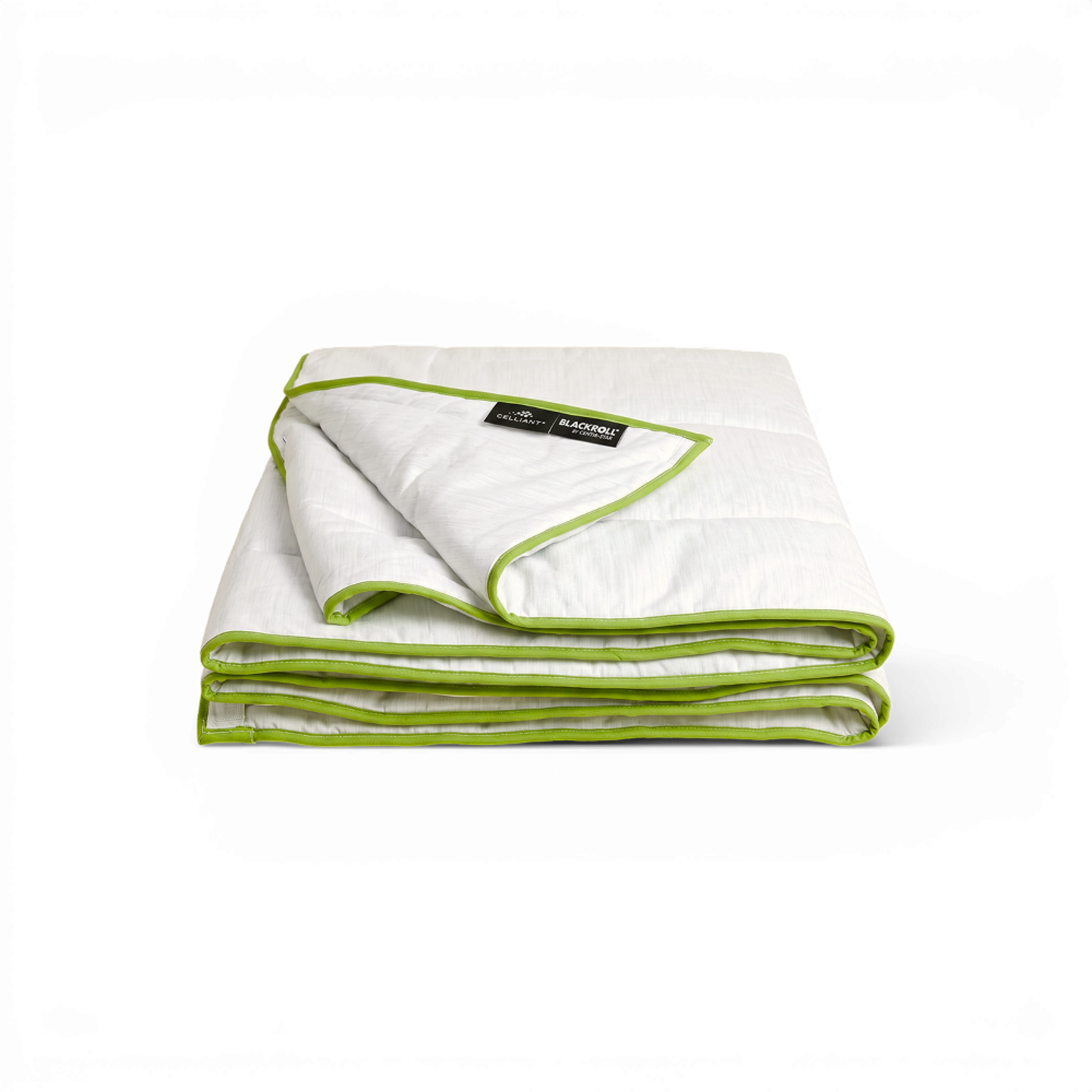
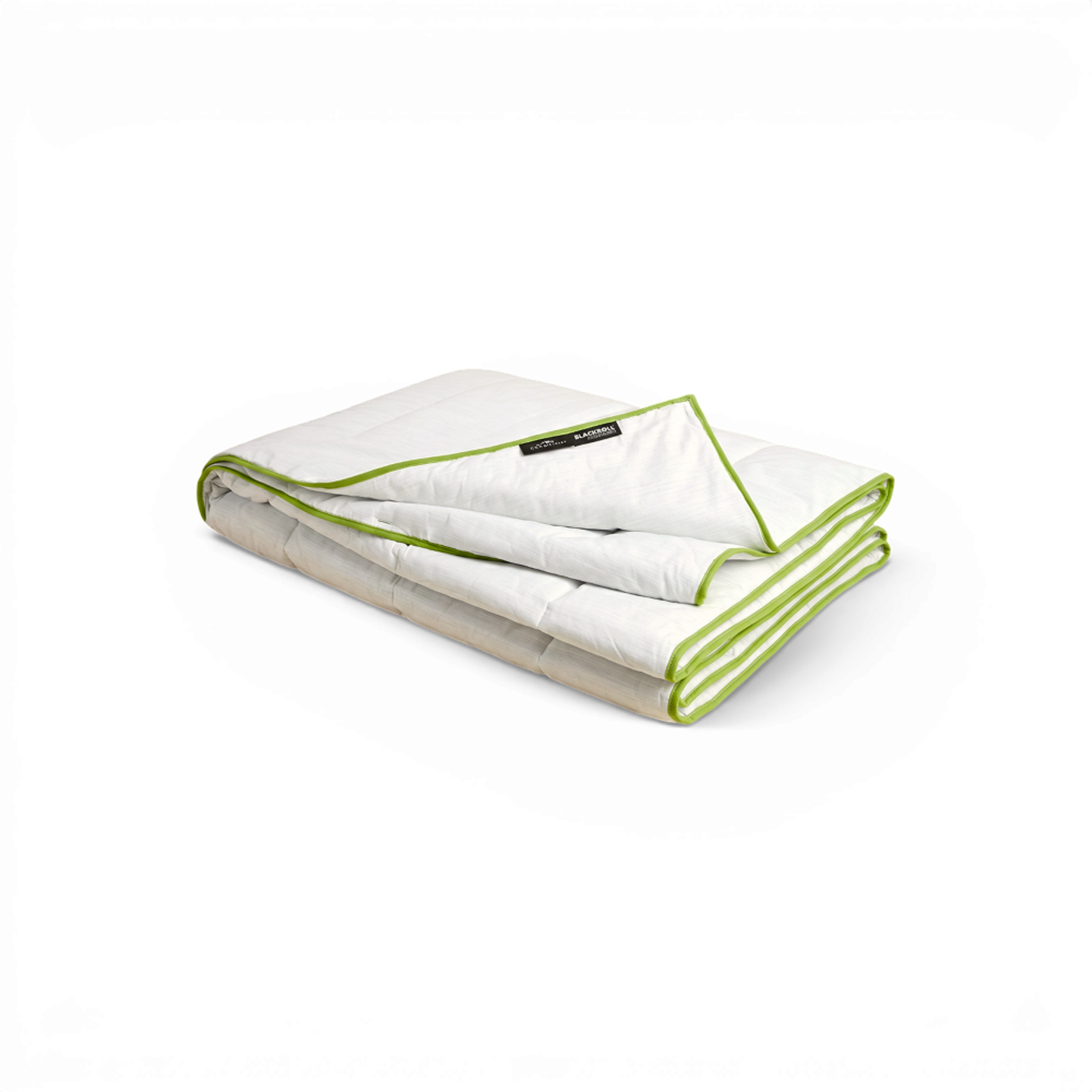
Recovery Blanket All Year
Available in multiple variants
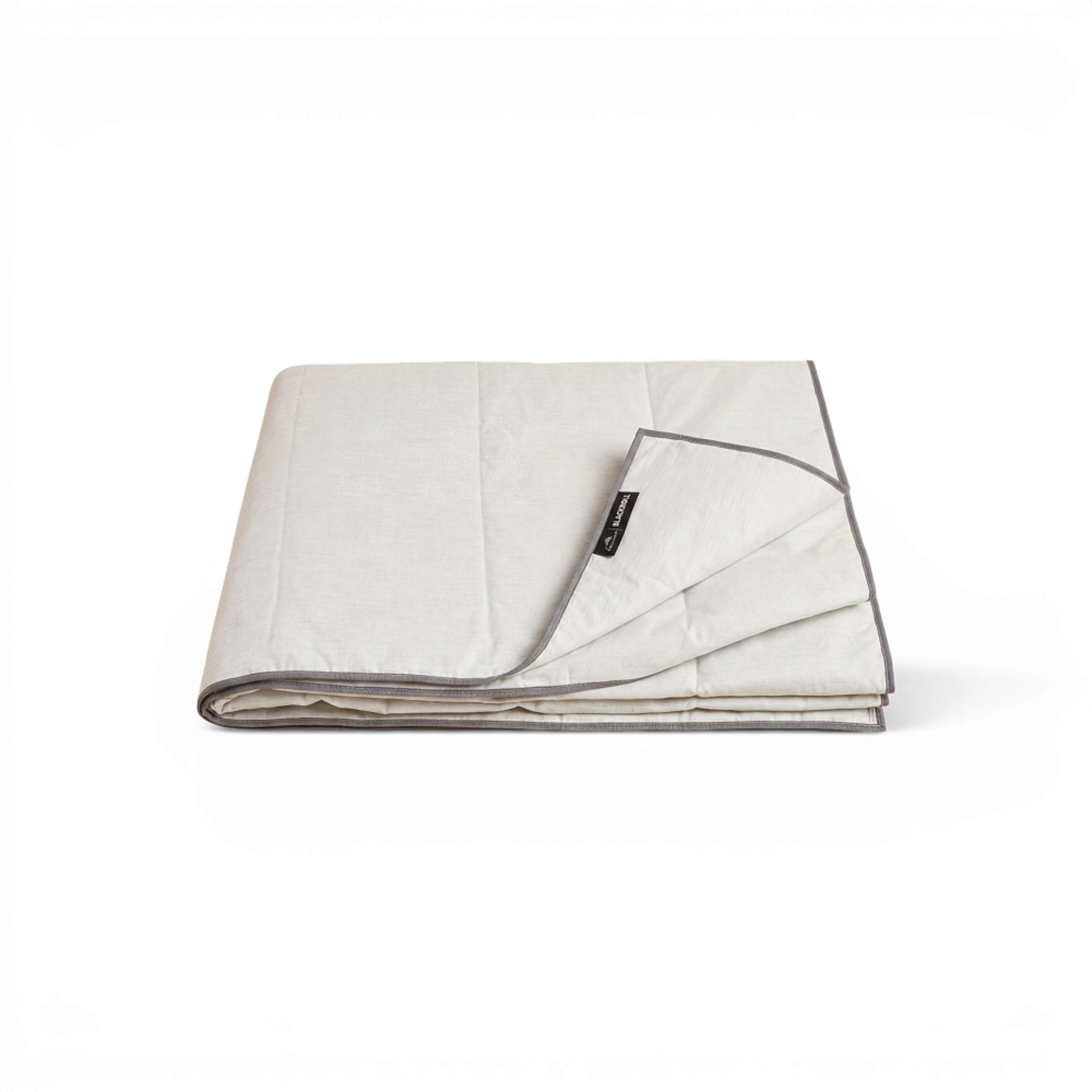
Recovery Blanket Summer
Available in multiple variants
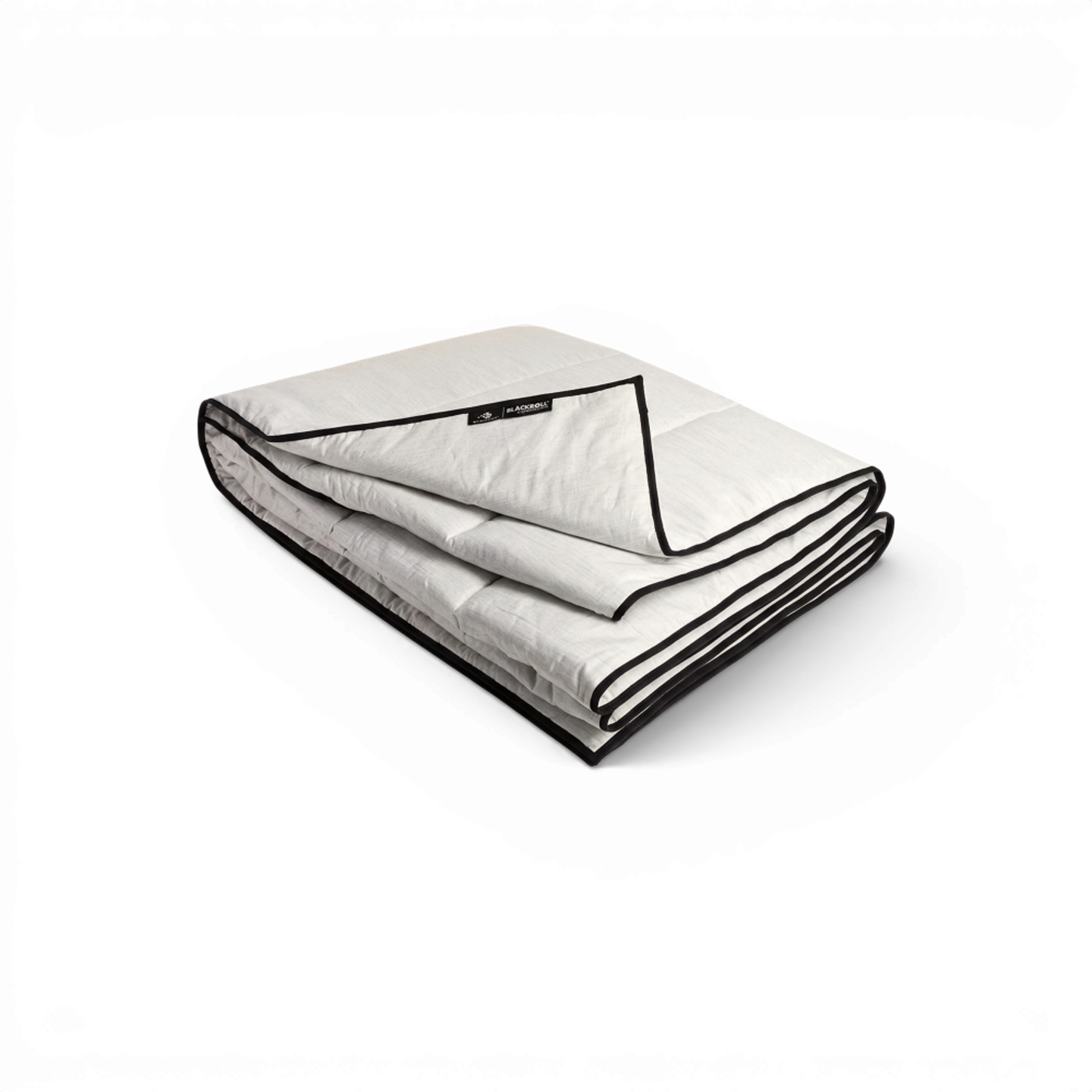
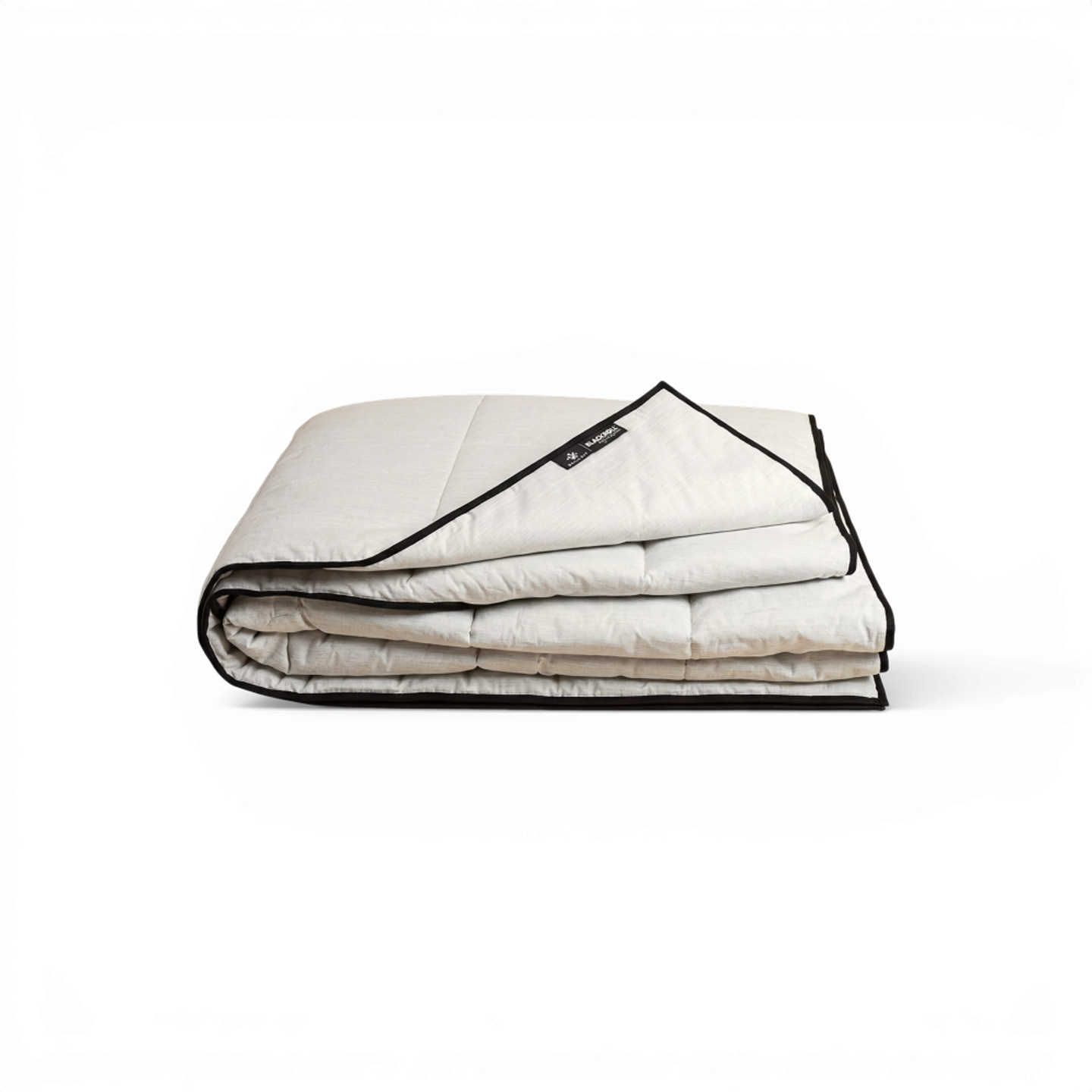
Recovery Blanket Winter
Available in multiple variants
Classification of Medical Devices
The classification of medical devices is an essential component of regulatory requirements. It determines the safety and performance requirements that apply to a product and is based on the risk posed by the use of that product to patients and users. In the EU, this classification is carried out in accordance with the MDR and encompasses four main classes: I, IIa, IIb, and III.
Class I includes low-risk products, while Class III includes products that pose the highest risk. The classification is based on various factors, including intended use, duration of use, and the degree of invasiveness. Technical complexity, including software components, is also taken into account.
Manufacturers must determine the appropriate class for their products to ensure compliant market entry. This classification influences the scope of the required clinical evaluations and tests. Compliance with these classification requirements is crucial to ensuring safety and meeting the requirements of the MDR and applicable national law.
Distinction Between Medical Devices and Medicines
An important aspect in distinguishing between the terms “medical device” and “drug” lies in their different modes of action and intended uses. While a medical device is an instrument or product used for medical purposes and primarily acts through physical or mechanical means, the term “drug” specifically refers to pharmaceutical products that contain substances with medicinal effects and often act on the body to treat, cure, or prevent diseases. This distinction is particularly relevant in Europe, as the regulation and approval of medical devices is governed by the Medical Device Regulation (MDR), while that of drugs is governed by other legislation. While the primary focus for medical devices is on the safety and performance of the device itself, the focus for drugs is on the risk-benefit ratio of their pharmacological effects. Thus, a medical device serves as a tool in medical practice, whereas a drug specifically delivers active ingredients for the pharmacological treatment of diseases.
Regulatory Requirements
The regulatory requirements for Class 1 medical devices vary by country and region. In the European Union, the provisions of the MDR (Medical Device Regulation) apply, while in the United States, the FDA (Food and Drug Administration) is responsible.
In the EU, manufacturers of Class 1 products must comply with the essential requirements of the MDR, which include, among other things:
- Technical documentation: Comprehensive documentation demonstrating the product’s safety and performance.
- CE marking: Many Class 1 products require a CE marking, which confirms that the product complies with European requirements.
- Quality management system: While not all Class 1 products require a full-fledged quality management system, basic monitoring and documentation are necessary.
Class 1 Medical Devices
Class 1 medical devices are those that pose a low risk to the user. They are subject to the essential safety and performance requirements set forth in the relevant regulations. The main characteristics of Class 1 devices include:
- Low risk: These products do not normally pose an immediate health hazard.
- Simple technology: They are often based on standard technologies and generally do not require complex or invasive procedures.
- Self-regulation: Many Class 1 products do not require comprehensive approval but can be placed on the market under the manufacturer’s own responsibility.
Examples of Class 1 Medical Devices
Common examples of Class 1 medical devices include:
- Bandages and dressings: These products are used to provide support and wound care on the body.
- Thermometers: Devices for measuring body temperature that are frequently used in the home.
- Disposable items: These include products such as gloves and syringes, which are used to prevent cross-contamination.
- Rollators and walking aids: Devices that aid patients’ mobility and stability.
CELLIANT® as a Class 1 medical device
CELLIANT® is approved as a Class 1 medical device in the European Union because it serves as an adjunct to promote blood circulation and oxygen supply to tissues. The effect of CELLIANT® is temporary and not long-term. The CELLIANT® fiber is incorporated into the fabric of various BLACKROLL® products to promote restful sleep and faster recovery.
CELLIANT® is a patented, thermoreactive material that is incorporated into textile fibers, such as in the cover of the RECOVERY BASE or in the RECOVERY BLANKET. CELLIANT® absorbs the body’s naturally emitted heat and converts it into full-spectrum infrared energy, which is then reflected back to the body. This infrared energy temporarily promotes local blood circulation and increases cellular oxygen supply as well as oxygen levels in the tissue, helping you achieve more restful sleep and faster recovery.
Learn more about CELLIANT®
Learn more about how CELLIANT® works and helps you recover faster and get restful sleep.