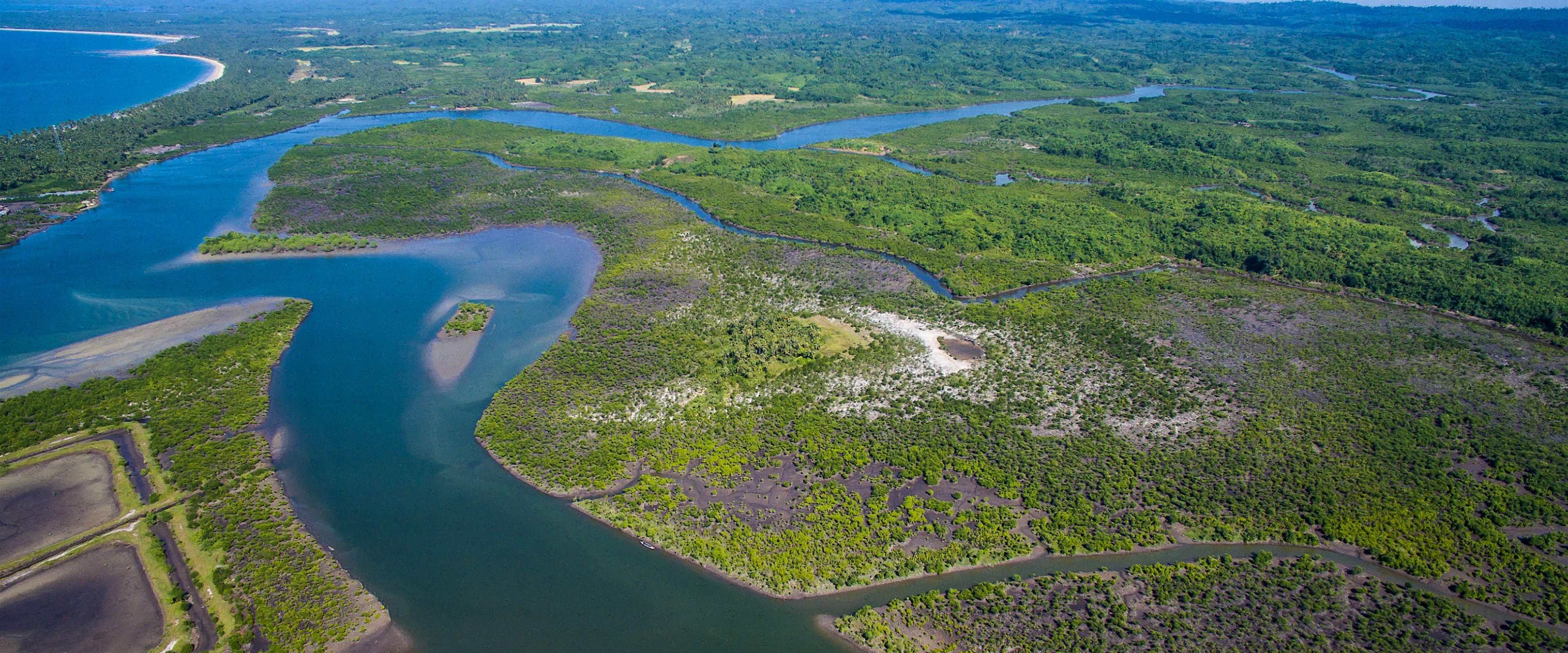
Thinking Bigger About Regeneration. The BLACKROLL® Mangrove Project.
As a company, we want to fulfill our responsibility for climate protection and be pioneers by driving genuine climate regeneration.
How do we do that? Well, by not only avoidingCO2 but also sequesteringit and storing it long-term.
To achieve a positive carbon footprint and reduce CO2 emissions, we at BLACKROLL® have so far invested in holistic carbon avoidance projects. And that’s good. However, as our next step, it’s also important to us to invest in carbon removal projects that actually sequester CO2. After all, true climate regeneration can only be achieved by removing excess CO2 from the atmosphere.
How do you sequesterCO2 from the atmosphere?
Carbon farming is the game-changer. It focuses on methods for storing atmospheric carbon back into the soil over the long term through sustainable agriculture.
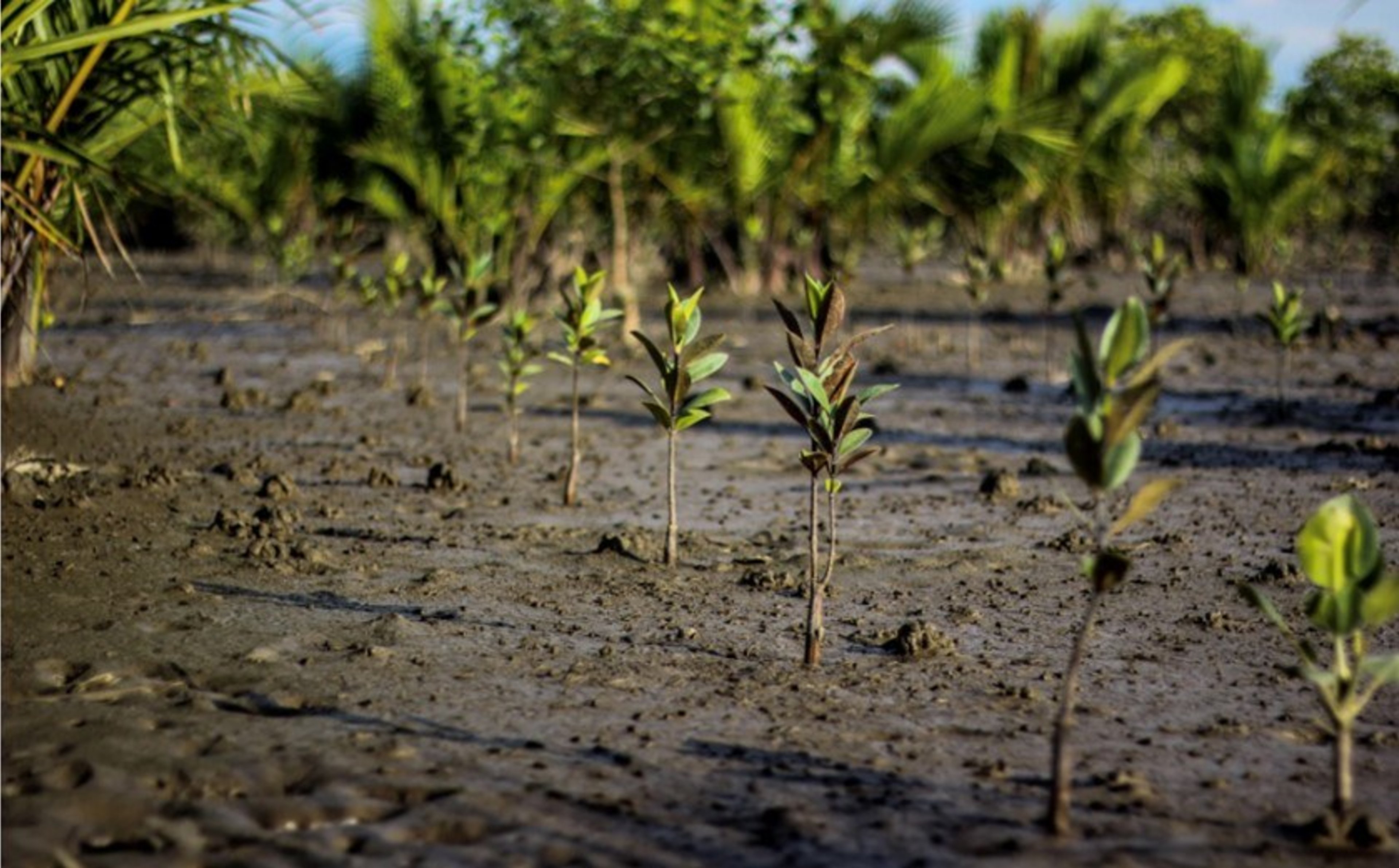
Plants consist largely of carbon, which enters the plant naturally through photosynthesis. In this way, the world’s total terrestrial biomass removes approximately 450 gigatons of CO2 emissions from the atmosphere each year. If this biomass were to decompose or be burned, CO2 would be released back into the atmosphere. Therefore, carbon farming aims to return a portion of these 450 gigatons to the soil, thereby removing it from the atmosphere.
In fact, mangroves are the absolute superstars in this regard. Along with seagrass beds and kelp forests, mangrove forests are among the blue carbon ecosystems that are extremely efficient at storing carbon in their biomass, soil, and sediments. And they are also highly biodiverse. This means that the landscape they create is rich in biological diversity and provides vital habitat for many marine and terrestrial species. The structural characteristics of mangrove forests help protect coastlines from erosion, storms, and the effects of rising sea levels.
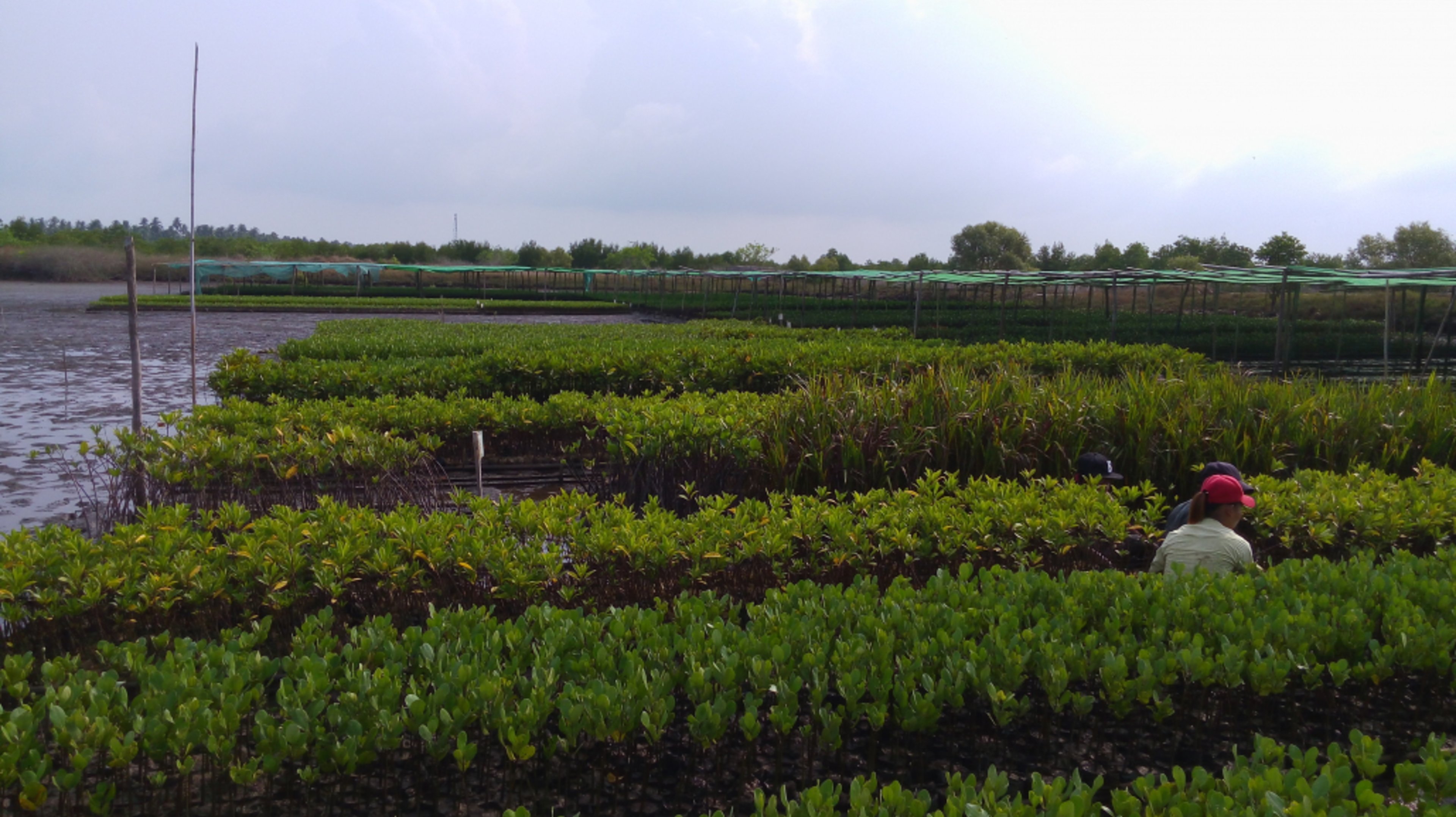
The Blue Carbon Project 3818
Through the nonprofit organization blue life, dedicated to climate and environmental protection, we have funded mangrove reforestation in Myanmar. In other words, we have created our own carbon removal project. The name “Blue Carbon” comes from the fact that carbon sequestration via mangroves is part of the ocean’s carbon storage system.
The Worldview International Foundation planted mangroves for us in Southeast Asia because, under local conditions, they sequester CO2 significantly more effectively than, for example, our native deciduous trees.
The main goal of this project is to restore and protect a total of 3,700 hectares of mangrove forest. The long-term sustainability of carbon sequestration depends on the continued existence of this entire ecosystem. During the 25-year crediting period through May 2046, the 20 hectares of mangrove forest planted on our behalf as part of the project will contribute to the reduction and removal of greenhouse gas emissions estimated at 16,400 metric tons of CO2.
Project 3818 also contributes to poverty alleviation and the improvement of the local community’s livelihoods. It enables income generation through paid work, training, educational materials, and supportive knowledge transfer.
"Making peace with nature is the defining task of the 21st century. It must be the top, top priority for everyone, everywhere."
António Guterres, UN Secretary-General
Standards are a key component of international climate protection projects. Together with our licensing partners blue life and the World International Foundation, we are committed to the 2030 Agenda and the UN Sustainable Development Goals. Our recognized projects are certified under leading standards, such as the “Gold Standard” and the “Verified Carbon Standard,” thereby guaranteeing the highest level of quality and reliability in climate protection.
Dr. Arne Fjørtof has been a pioneer in climate protection since the 1970s and is the founder of the WIF. His personal mission to plant mangrove trees to combat the climate crisis in developing countries has led to the planting of more than 81 million mangrove trees to date, removing approximately 50 million metric tons of CO2 from the atmosphere.
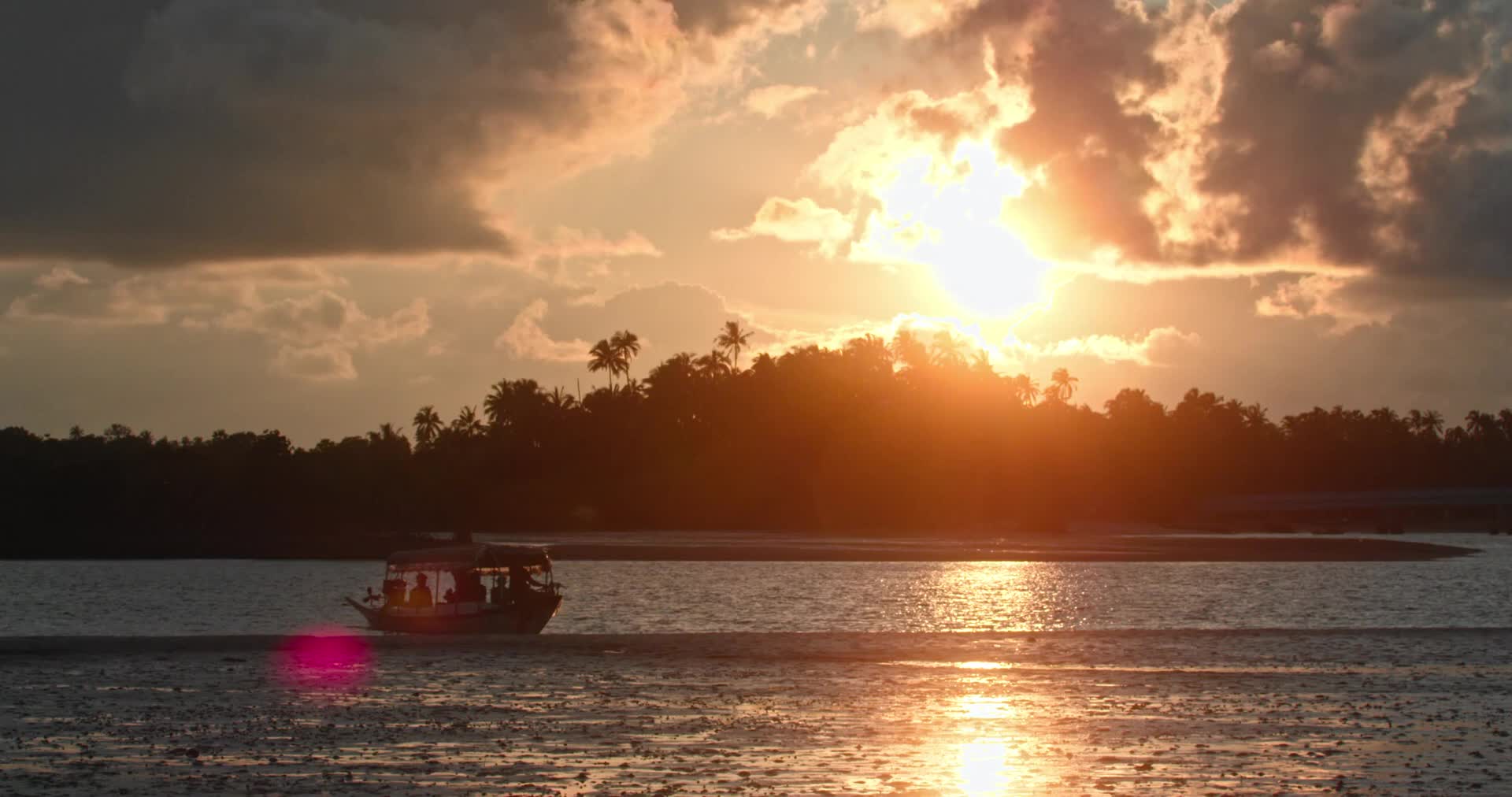
© Worldview International Foundation
Everything is interconnected.
Because climate protection knows no borders, we take action where our efforts are most effective. In accordance with the BLACKROLL “Common Good” Action Plan
for healthy, fair, and sustainable business practices, we are offsetting the emissions generated at our company locations through the mangrove project in Myanmar.
Because if we truly want to achieve our climate goals by 2050, we as a company must fulfill our responsibility and actively contribute to global CO2 reduction through projects such as the restoration of mangrove ecosystems.
Only in this way will we become part of the most important regeneration of all—that of the global climate.