The Best Cities for Runners in Germany
Running is good for your body: it boosts your cardiovascular system, revs up your metabolism, and keeps both your brain and muscles in shape. And all you need is the right clothing, the right shoes, and a good running route.
Fortunately, Germany is full of cities that not only offer breathtaking scenery but also foster a running culture that’s second to none. From picturesque trails along historic landmarks to sprawling parks where you can test your limits—BLACKROLL® analyzes Germany’s 50 largest cities and highlights the urban paradises for runners. Get ready to lace up your running shoes and explore new paths!
To compile this ranking, we examined where the most running events, parks, and green spaces are located, as well as where the air quality is best and there are the fewest rainy days. We also looked at which cities have the most active running communities by comparing where running routes are most popular and receive the highest ratings. A detailed explanation of how the data was collected can be found at the end of this article.
The Cities with the Most Green Spaces
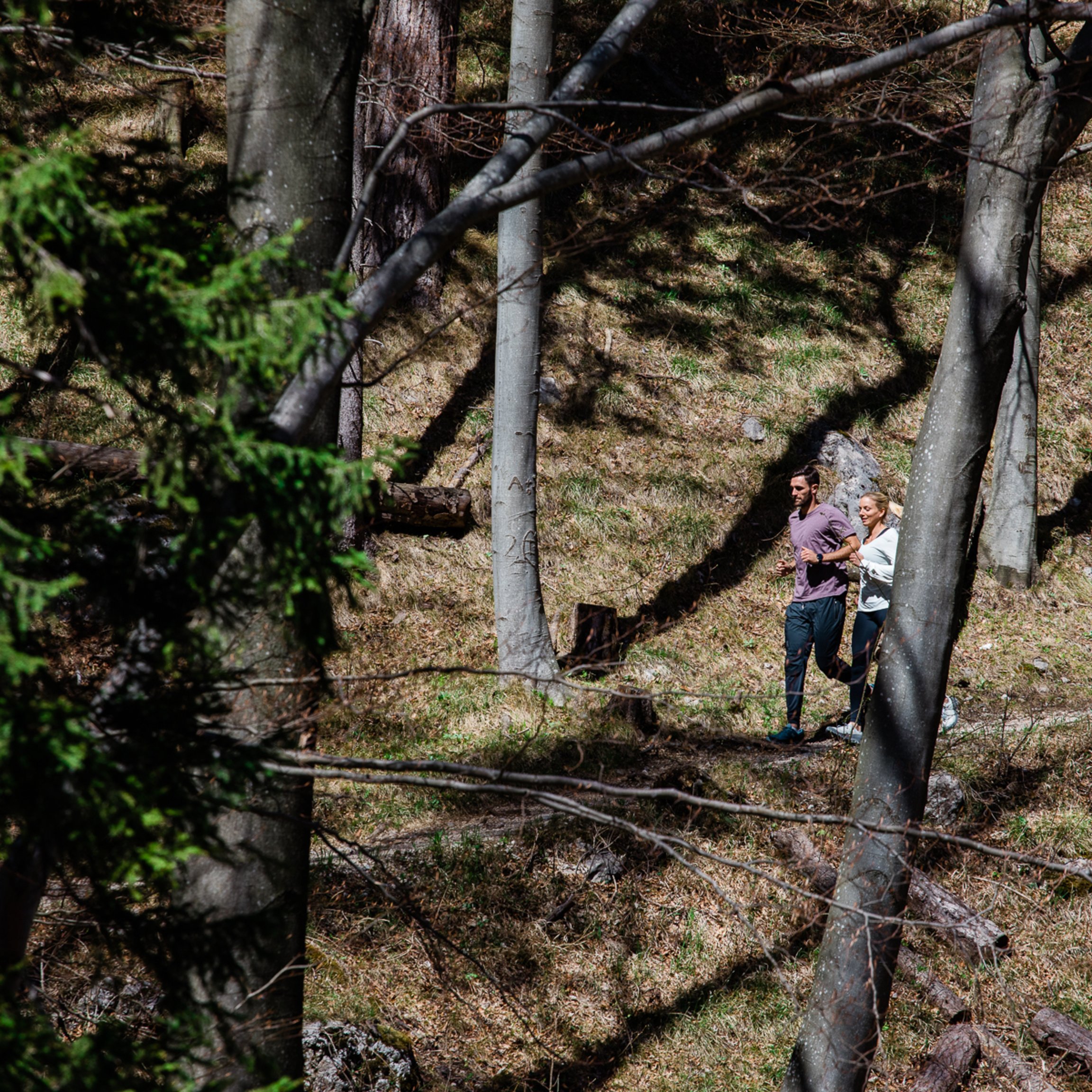
You’ll find the highest proportion of green spaces in Freiburg im Breisgau in Baden-Württemberg and Aachen in North Rhine-Westphalia: Green spaces make up a full 82% of each city’s total area. Anyone who’s ever been to Freiburg knows just how much green space the city on the Dreisam has to offer. Sixty percent of the city’s forest here is part of the picturesque Black Forest, which invites you to explore its many running trails. This turns running into a blend of fitness and forest bathing, stimulating your senses and allowing you to recharge your batteries.
The Aachen Forest offers over 100 km of designated running trails, so you certainly won’t get bored on these routes anytime soon.
For those who prefer truly urban routes, Ludwigshafen am Rhein and Leipzig are ideal. These cities have the lowest proportion of green spaces.
The Cities with the Cleanest Air
Breathing while running is essential. Your lungs will especially appreciate being supplied with fresh air while jogging, ensuring your body gets an optimal supply of oxygen. It’s no coincidence that proper breathing has a decisive impact on your running performance. That’s why air quality plays a crucial role in our ranking. Bochum stands out with the lowest levels of particulate matter of all the cities surveyed. Air pollution from particulate matter poses only a minor risk to your health here.
But the other cities can breathe a sigh of relief as well: All cities in our ranking fall below the European target values for particulate matter pollution
The Cities with the Fewest Rainy Days
With the right clothing, rainy weather shouldn’t stop you from running—though dry weather is certainly more pleasant for running. You’ll find the fewest rainy days in Halle an der Saale in Saxony-Anhalt. With an average of just 95 rainy days, you have the best chance here of getting home with dry feet. These cities are followed by Potsdam and Berlin, with 96 and 97 rainy days, respectively. Hagen ranks last in terms of rainy days, with an average of 132 rainy days per year.
The Best German City for Running: Berlin
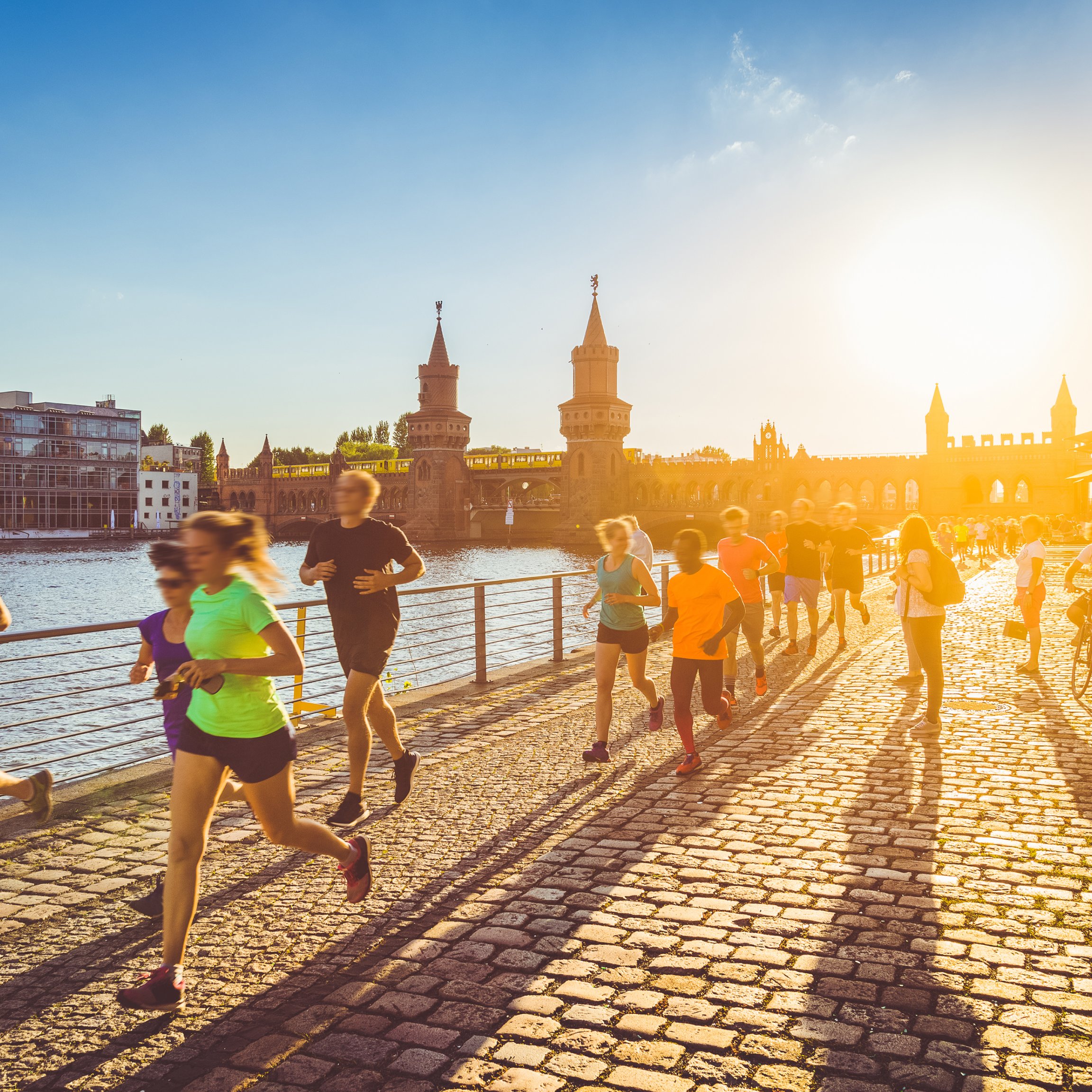
As the capital, Berlin offers plenty of space for running thanks to its size, but that’s by no means the only reason why the metropolis landed in first place. Among other things , the city on the Spree has the most parks: a total of 82 parks are waiting for you to run through them. But Berlin impresses not only with quantity but also with quality. Berliners love running, and in no other city will you find such a lively online discussion about the best running routes. Plus, no fewer than 26 major running events each year invite you to put your endurance to the test. These include three marathons, led by the Berlin Marathon, which ranks among the world’s most prestigious running events alongside the London and New York Marathons.
The only city with more running events than Berlin is Hamburg, where a total of 31 events per year are waitingfor you to participate. And among them are 21 events featuring 5-kilometer courses, which are particularly well-suited for you if you haven’t gained much experience yet.
Surprisingly far ahead
It may not come as a surprise that major cities like Berlin or Hamburg are way out in front. But cities like Saarbrücken, Chemnitz, Wiesbaden, and Potsdam have also made it into the top 10. Here you’ll find a good balance across all categories, so while they may not score the highest in terms of the most running events or the fewest rainy days, they’re highly recommended for runners overall.
In our table, you’ll find an overview of the rankings and inspiration on which cities near you are particularly well-suited for running.
Exercises for Runners


Study Shows: How to Prevent Runner's Aches and Pains
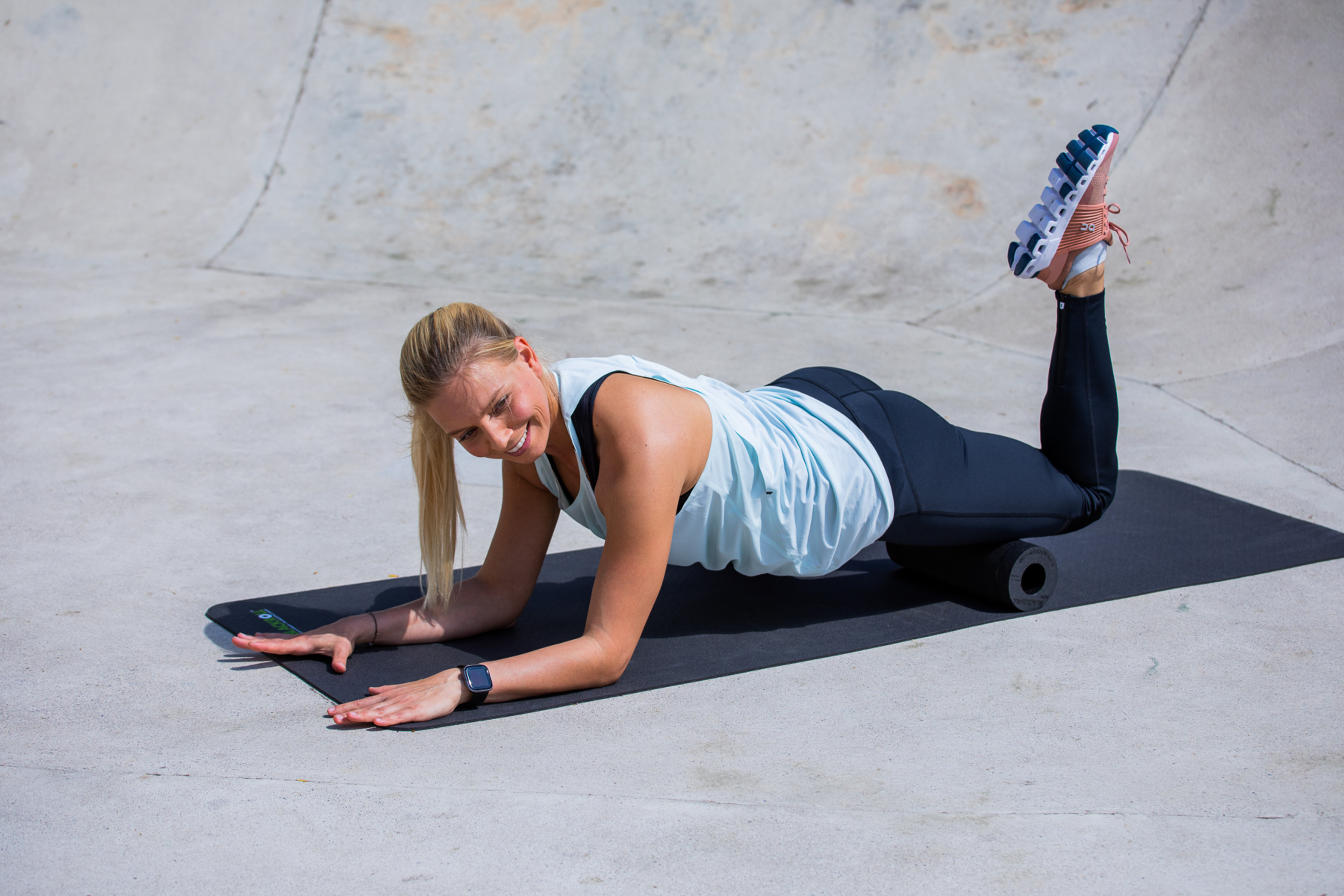
With regular fascia training, you can significantly reduce your risk of injury.