
Abdominal breathing: how to breathe more mindfully to reduce stress

Abdominal breathing, also known as diaphragmatic breathing, is a deep and calm way of breathing in which the abdominal wall rises as you inhale; it can help to reduce stress, calm the nervous system and promote relaxation and recovery.
Key points at a glance
- With abdominal breathing, also known as diaphragmatic breathing, your abdominal wall rises as you breathe in and falls again as you breathe out.
- It's often linked to calm and relaxation, though chest breathing isn't wrong and is natural during exercise.
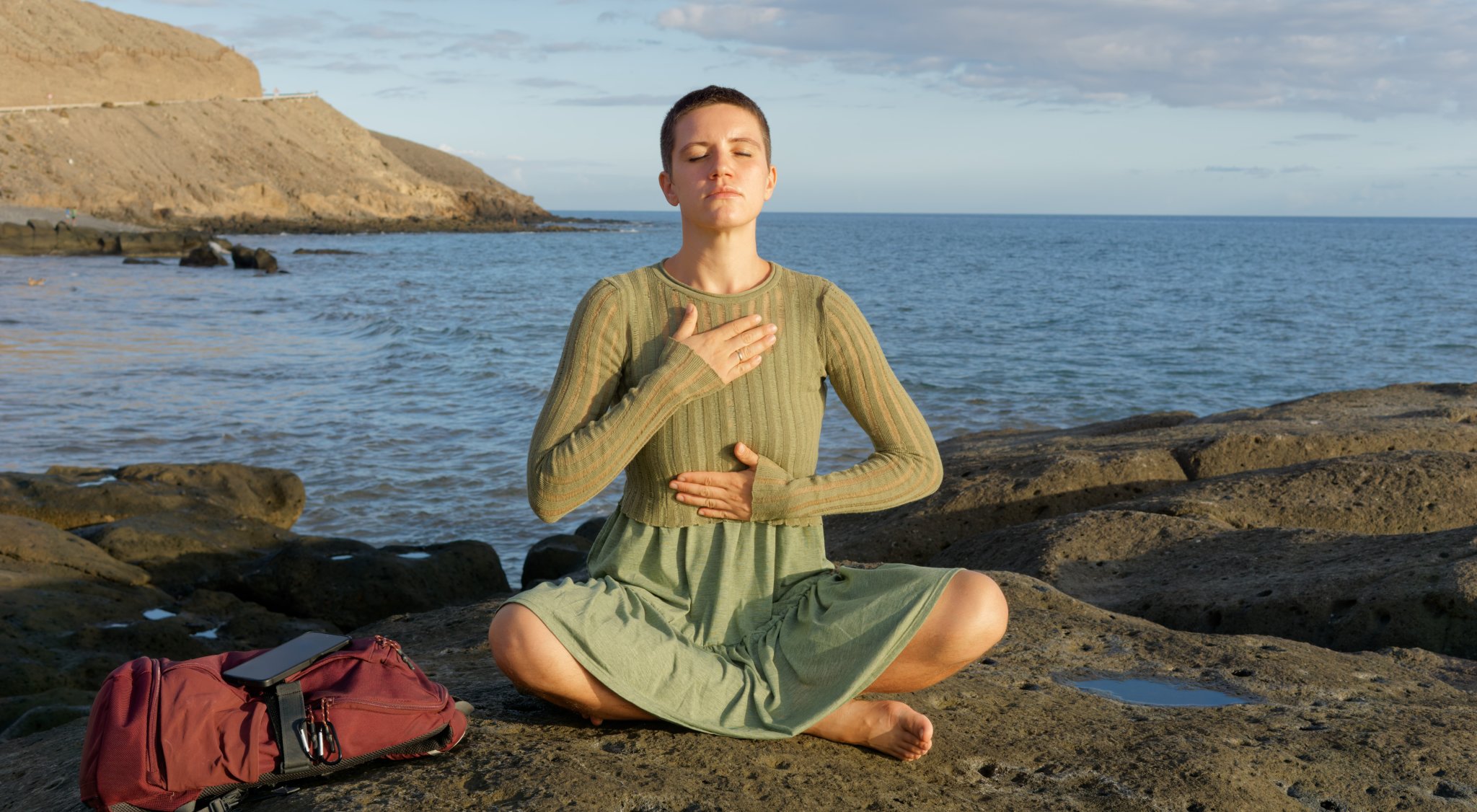
- To practise, place one hand on your chest and one on your abdomen, breathe in slowly through your nose and breathe out calmly through slightly parted lips.
- If you have a chronic respiratory condition or recurrent shortness of breath, consult your doctor before practising breathing exercises.

What is abdominal breathing?
When you breathe in, it's not just your chest that rises; your abdominal wall moves outwards too, drawing air deep into the lungs right down to the alveoli where vital oxygen is absorbed.
The diaphragm — the most important respiratory muscle — descends as you breathe in, creating a slight negative pressure in the chest cavity which draws air into the lungs. As you breathe out, the diaphragm relaxes, moves upwards and helps ensure a complete exhalation. This natural movement supports a steady flow of breath and can foster a sense of calm.
Three breathing patterns, three effects. Here's a brief overview:
Your breathing can take place in different ways, depending on the degree to which individual breathing spaces and muscles are involved.
Clavicular breathing
With this type of breathing, the breath's centred quite high up in the shoulder and collarbone area. It's shallow and often occurs during times of stress, tension or inner restlessness. If it becomes a habit, it can keep the body in a constant state of tension.
Costal breathing
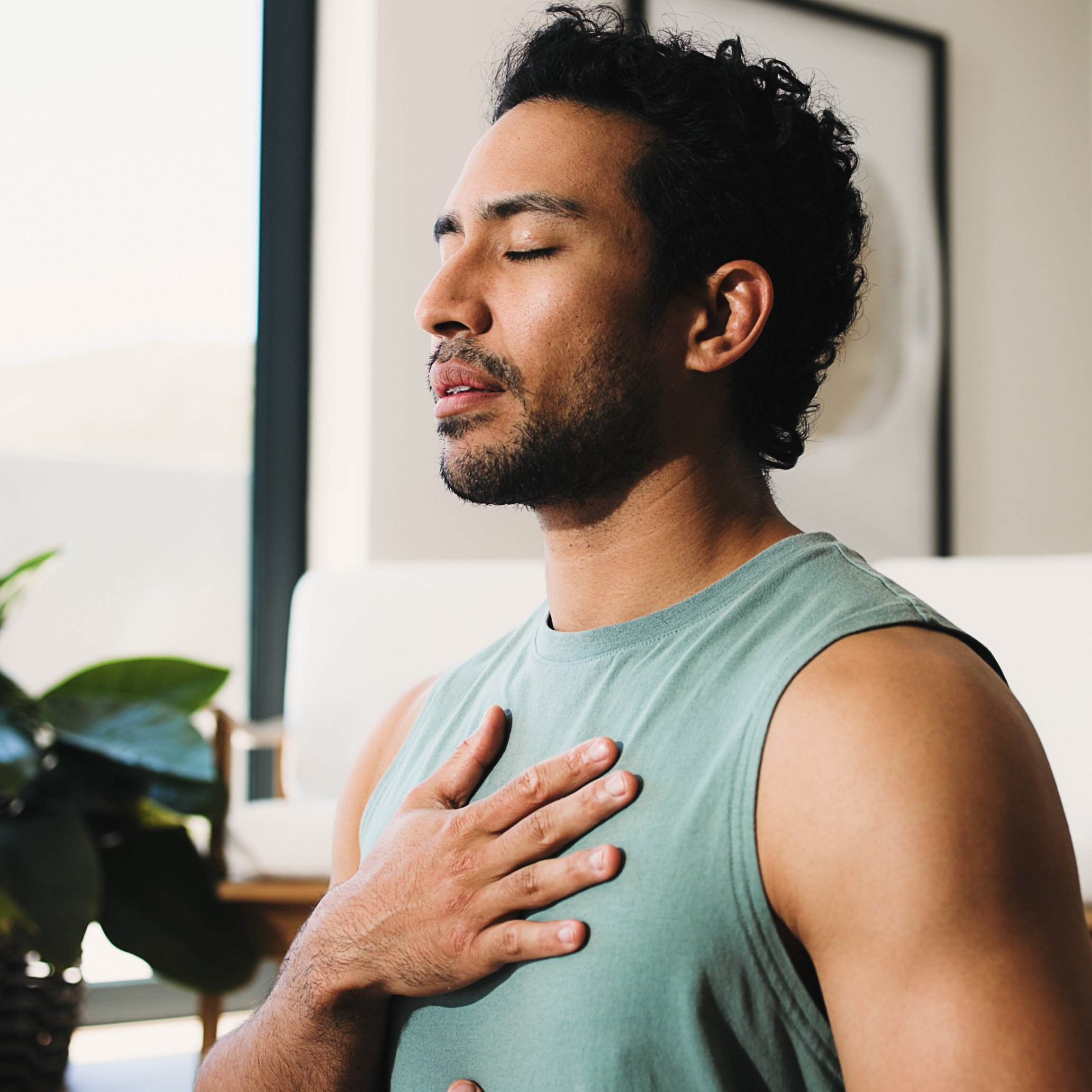
Here it’s primarily the chest that expands. This way of breathing is completely normal and is beneficial, for example, during exercise or physical exertion. It helps the body adapt more quickly to an increased need for oxygen.
Diaphragmatic breathing
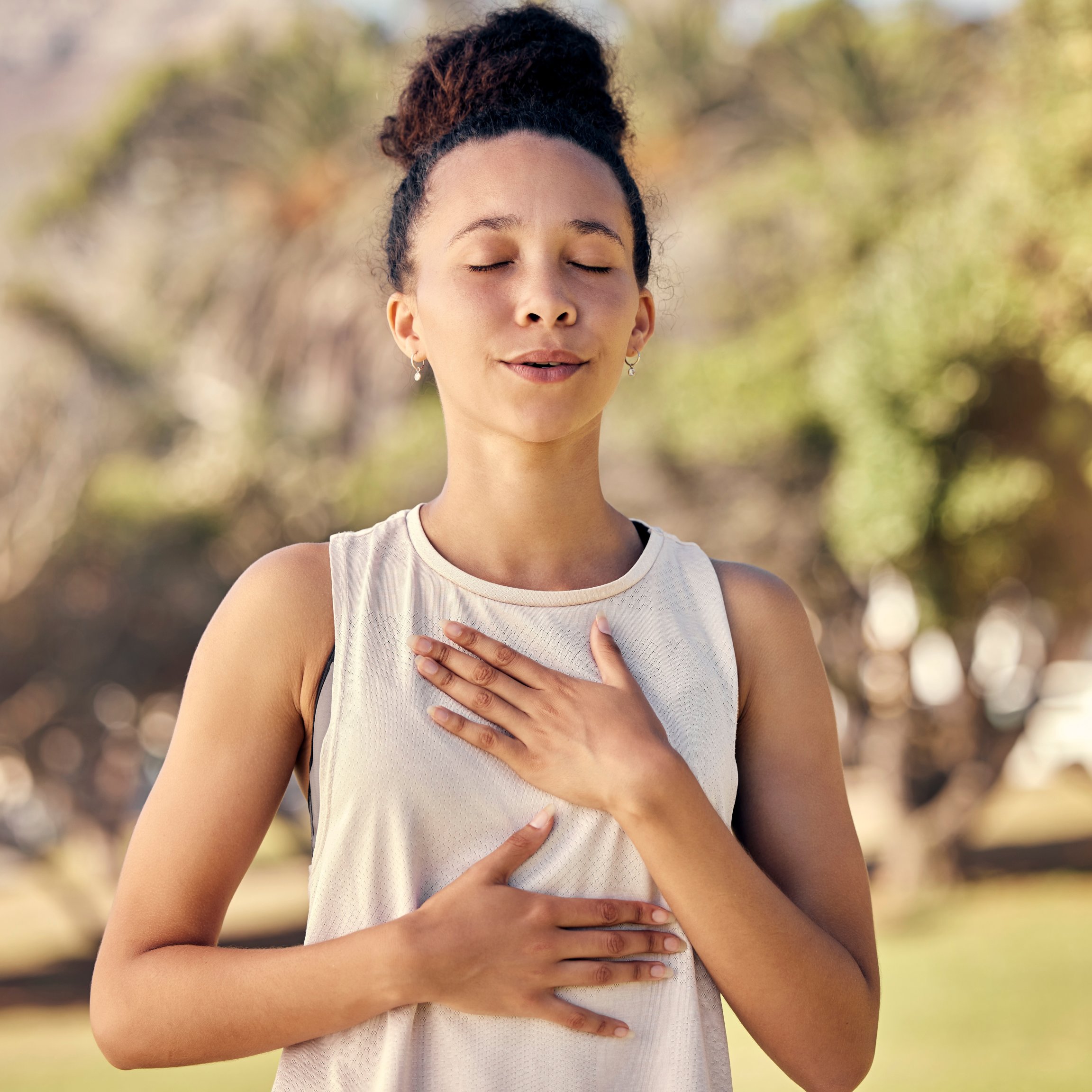
With diaphragmatic breathing it's mainly the abdomen that rises and falls whilst the diaphragm works actively. This makes breathing deeper and calmer and allows better use of the lower parts of the lungs. It promotes relaxation and can help to put the body into a state of calm and recovery.



A comparison of chest and abdominal breathing
Both types of breathing fulfil different functions and have different effects on the body. Whilst chest breathing primarily supports the body during periods of activity or physical exertion, abdominal breathing — or diaphragmatic breathing — is more closely associated with calm, relaxation and recovery. Practise deep, calm abdominal breathing from time to time in everyday life.
However, it's important to note that chest breathing isn't inherently bad; it's natural during physical activity. What's crucial is that abdominal breathing also receives sufficient attention in everyday life to help you feel calmer and support your wellbeing.


How does diaphragmatic breathing work?
The diaphragm separates the chest cavity from the abdominal cavity. When you breathe in, it contracts, flattens and creates more space for the expanding lungs. Through this process, the abdominal muscles, the back and the respiratory muscles work together harmoniously. When you breathe out, the diaphragm gently pushes the air out of the lungs again — supported by the muscles in the abdominal and chest areas.
This movement stimulates the vagus nerve and calms the autonomic nervous system. Whilst the parasympathetic nervous system promotes recovery and rest, the sympathetic nervous system — the part of the nervous system activated during stress — is downregulated. As a result, your heart rate and blood pressure drop, digestion improves and your body enters a state of deep relaxation.
How abdominal breathing regenerates body and mind
The effects of abdominal breathing are holistic: it provides the body with an optimal supply of oxygen, strengthens lung function and supports the respiratory tract. At the same time, it helps to reduce stress and stabilise energy levels.
Studies show that controlled breathing techniques improve heart rate variability (HRV) and promote emotional balance (Zaccaro et al., 2018; Russo et al., 2017). People who practise conscious breathing regularly report less inner restlessness, better concentration and more energy.
For people with shortness of breath or respiratory conditions such as COPD, conscious diaphragmatic breathing can help to relax the respiratory muscles and make breathing easier.
The combination of abdominal breathing and the so-called ‘lip brake’ is particularly effective: this involves exhaling slowly through slightly parted lips, which keeps the airways open for longer and makes breathing calmer.
If you have any existing medical conditions, consult a therapist before you begin.


Benefits of abdominal breathing in everyday life
Stress relief:
It activates the parasympathetic nervous system, lowers cortisol levels and supports natural stress relief. When combined with yoga, meditation or other breathing techniques, abdominal breathing reinforces stress relief and enhances body awareness.
Better sleep quality:
Breathing in and out slowly calms the heartbeat and the mind — ideal before falling asleep or after a tiring day.
Performance improvement in sport:
Improved oxygen uptake increases stamina and supports recovery after exercise while relieving tension in the diaphragm.
Aids digestion:
The rhythmic movement of the diaphragm massages the internal organs and aids digestion.
Concentration and focus:
Deep breathing steadies your focus, boosts mental energy and helps you stay present when you tackle demanding tasks.
Health and balance:
Abdominal breathing strengthens the heart, lungs and mind — a natural aid to recovery and to improving general wellbeing.
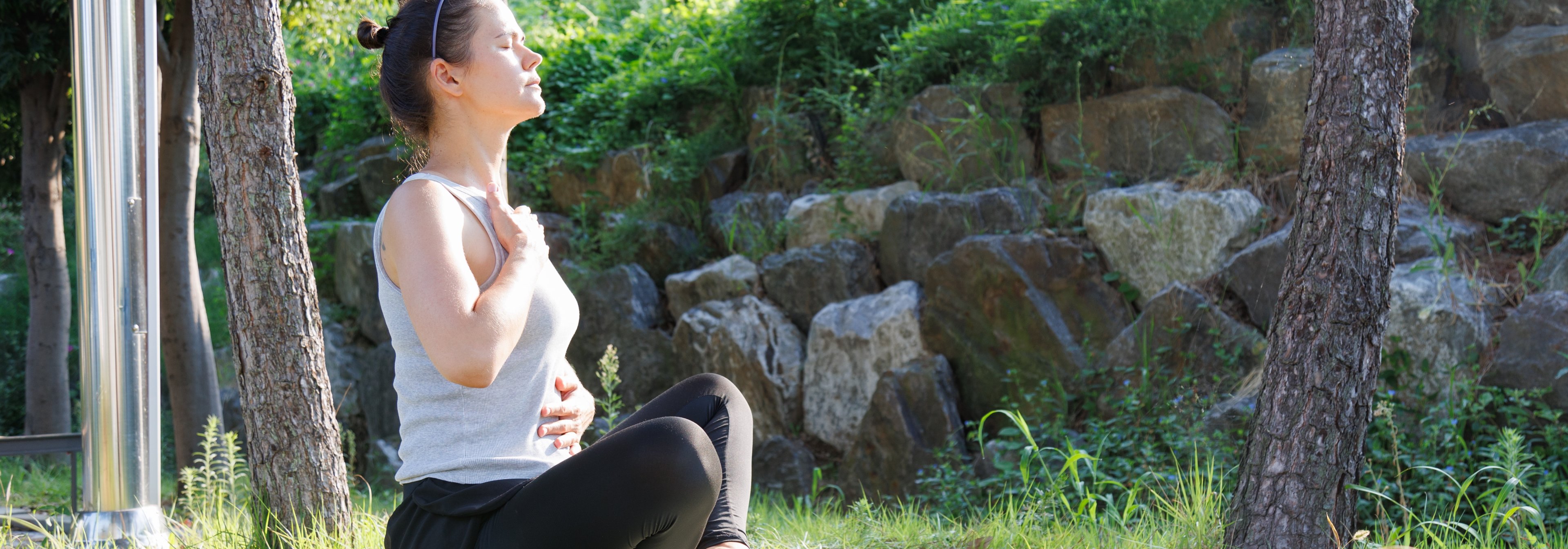
Step-by-step guide: How to practise abdominal breathing
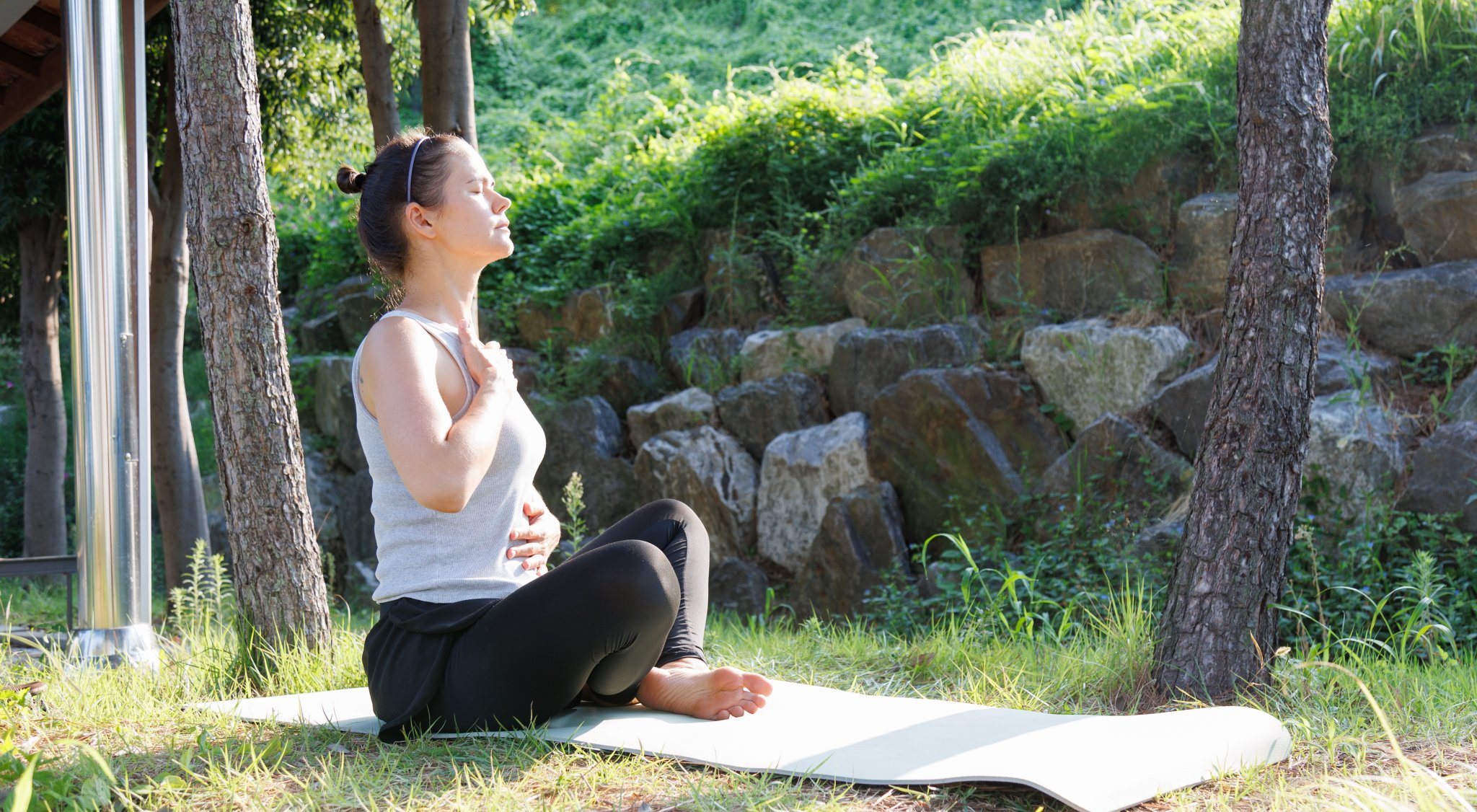
- Sit comfortably with your back straight or lie on your back. Ensure your back stays straight and your diaphragm has room to move.
- Place one hand on your chest and the other on your stomach so you can feel your abdomen rise as you breathe in.
- Breathe inslowly through your nose until your stomach bulges outwards.
- Hold briefly (1–2 s) without tensing.
- Breathe out calmly and evenly through slightly pursed lips — this is the ‘lip brake’.
- Repeat the exercise two to three times a day for one to five min each time.
You can slot this straightforward exercise into everyday life anywhere – whilst sitting, going for a walk or during a short break. When combined with Yoga or meditation, it also promotes mindful breathing and enhances body awareness.
Please note: If you have a chronic respiratory condition or recurrent shortness of breath, consult a doctor before trying new breathing exercises. Controlled breathing can be beneficial, but it isn't a substitute for medical treatment.
Andrea Günther



Common mistakes in diaphragmatic breathing
Shallow chest breathing:
Usually only the upper chest moves (clavicular breathing), which reduces oxygen supply and increases stress. Persistent shallow chest breathing can lead to consequences such as exhaustion, tension or a persistently elevated stress level.

Tense abdomen or hollow back:
Tension in the abdomen or a hollow back blocks natural breathing and creates tension.

Avoid breathing too quickly or irregularly.
Calm, steady breathing is important; otherwise inner restlessness intensifies.


Frequently asked questions and myths about ‘abdominal breathing’
Useful information
Natural, calm abdominal breathing is completely safe and has no negative effects. On the contrary, it’s calming and relaxing and supports healthy breathing, particularly during rest, yoga or meditation.
Only with certain breathing techniques, such as:
- very long pauses between breaths (breath holding/retention),
- excessive forced deep abdominal breathing over a prolonged period
- or extremely slowed breathing,
may lead to short-term dizziness, discomfort or mild hyperventilation. However, it's rare, easily managed and usually harmless. Listen to your body.
At rest and in everyday life it tends to be calmer and more efficient, but during physical exertion or intense activity chest breathing naturally plays a greater role to meet the increased demand for oxygen.
Quite the opposite: with abdominal breathing the breath is primarily controlled by the diaphragm, promoting deeper, calmer and more natural breathing.
Babies breathe deeply and calmly quite naturally, yet many adults lose this pattern as they grow older. Abdominal breathing doesn’t just help you relax. It can also make your breathing calmer and more efficient, helping you to stay focused and clear-headed even in challenging situations.
Generally speaking, no. It’s actually quite the opposite: a natural and relaxing way of breathing. At first, it may feel unusual to be more aware of your breath and to guide it. With a bit of practice, however, it becomes easier and feels more and more natural.


Exercises and integration into everyday life
Practise mindful breathing regularly and notice how it can make your everyday life calmer and more pleasant.
Start the day with 3 min of calm, mindful breathing
Use short breaks during the day to pause and focus particularly on a long, relaxed exhale.
When stress rises, remind yourself to let your breath flow mindfully again and avoid shallow or hurried breathing.
Incorporate this form of breathing into everyday situations, for example whilst brushing your teeth, going for a walk, driving or during short breaks between appointments.
Set a timer or use an app to prompt short breathing breaks, for example every 1–2 h.
Combine it with other techniques: conscious breathing can also be easily integrated into your everyday life when practised alongside meditation, yoga or progressive muscle relaxation.
Vary your technique: try the ‘4-7-8’ method (breathe in for 4 s, hold for 7 s, breathe out for 8 s) for extra calm.
Be patient with yourself; at first it may feel strange to focus on your breath, but with a bit of practice it'll become easier and more natural.
Pay attention to your posture: sit upright with your shoulders relaxed to support your breathing as effectively as possible.


Conclusion
By focusing on the diaphragm, you encourage full lung expansion, which in turn supports efficient oxygen exchange. We’ve designed our abdominal breathing practice to be simple and accessible. You’ll learn to inhale slowly, allowing your abdomen to rise, and then exhale with control. This deliberate rhythm helps reduce shallow chest breathing and promotes a balanced pattern that supports everyday wellness.
Whether you're promoting health, managing stress, recovering after exercise or simply meditating, conscious abdominal breathing supports the natural function of the lungs and strengthens the connection between breath, movement and consciousness.
Frequently asked questions about abdominal breathing
Simply expand your abdomen as you inhale deeply, then gently draw it in as you exhale.
It encourages deep relaxation, can relieve stress and supports oxygen supply.
Try this simple exercise: sit comfortably and place one hand on your stomach. Breathe in slowly through your nose and feel your stomach rise. As you breathe out, your stomach gently falls back down. Stay fully focused on your breathing — calm, deep and steady. Feel the flow of your breath and the movement of your stomach.
As you breathe in, the diaphragm moves downwards and your abdomen visibly bulges forwards, filling your lungs deeply with air. As you breathe out, the diaphragm relaxes and your abdomen draws in again.
Yes, abdominal breathing is healthy. It improves oxygen supply, promotes relaxation and can reduce stress.
If you only breathe shallowly into your chest, you supply your body with oxygen less effectively, which can lead to tension, stress and quicker exhaustion.
Stress, poor posture, a lack of awareness of your breathing and habits that prevent the diaphragm from working properly.
Yes, abdominal breathing is considered the natural and healthier breathing technique.
Practise several times a day for a few minutes — for example, in the morning after waking up, during everyday life or in the evening before going to bed. The more regularly you practise, the easier it'll be for your body to switch automatically to calming abdominal breathing during stressful moments. Even just a few conscious breaths can make a real difference.
It’s suitable for everyone. It’s particularly helpful when you’re stressed, when your mind is racing and your thoughts are running wild. Diaphragmatic breathing can also help you wind down if you’re having trouble sleeping. And when exercising, it supports you by providing more oxygen and improving your stamina.
We often breathe too shallowly — just into the chest — instead of deeply into the abdomen. An arched lower back while practising or a tense abdomen can also make abdominal breathing more difficult. Sit or lie as relaxed as possible, keep your abdomen loose and breathe deeply and consciously.
Read more






Studies and sources
Zaccaro, A., Piarulli, A., Laurino, M., Garbella, E., Menicucci, D., Neri, B. and Gemignani, A. (2018). How breath control can change your life: A systematic review on psychophysiological correlates of slow breathing. Frontiers in Human Neuroscience, 12, Article 353. https://doi.org/10.3389/fnhum.2018.00353
Russo, M. A., Santarelli, D. M. and O’Rourke, D. (2017). The physiological effects of slow breathing in healthy humans. Breathe, 13(4), 298–309. https://doi.org/10.1183/20734735.009817
Ma, X., Yue, Z.-Q., Gong, Z.-Q., Zhang, H., Duan, N.-Y., Shi, Y.-T., Wei, G.-X. and Li, Y.-F. (2017). The effect of diaphragmatic breathing on attention, negative affect and stress in healthy adults. Frontiers in Psychology, 8, Article 874. https://doi.org/10.3389/fpsyg.2017.00874
Jerath, R., Edry, J. W., Barnes, V. A. and Jerath, V. (2006). Physiology of long pranayamic breathing: Neural respiratory elements may provide a mechanism that explains how slow deep breathing shifts the autonomic nervous system. Medical Hypotheses, 67(3), 566–571. https://doi.org/10.1016/j.mehy.2006.02.042
Brown, R. P. and Gerbarg, P. L. (2005). Sudarshan Kriya yogic breathing in the treatment of stress, anxiety and depression: Part II — Clinical applications and guidelines. The Journal of Alternative and Complementary Medicine, 11(4), 711–717. https://doi.org/10.1089/acm.2005.11.711