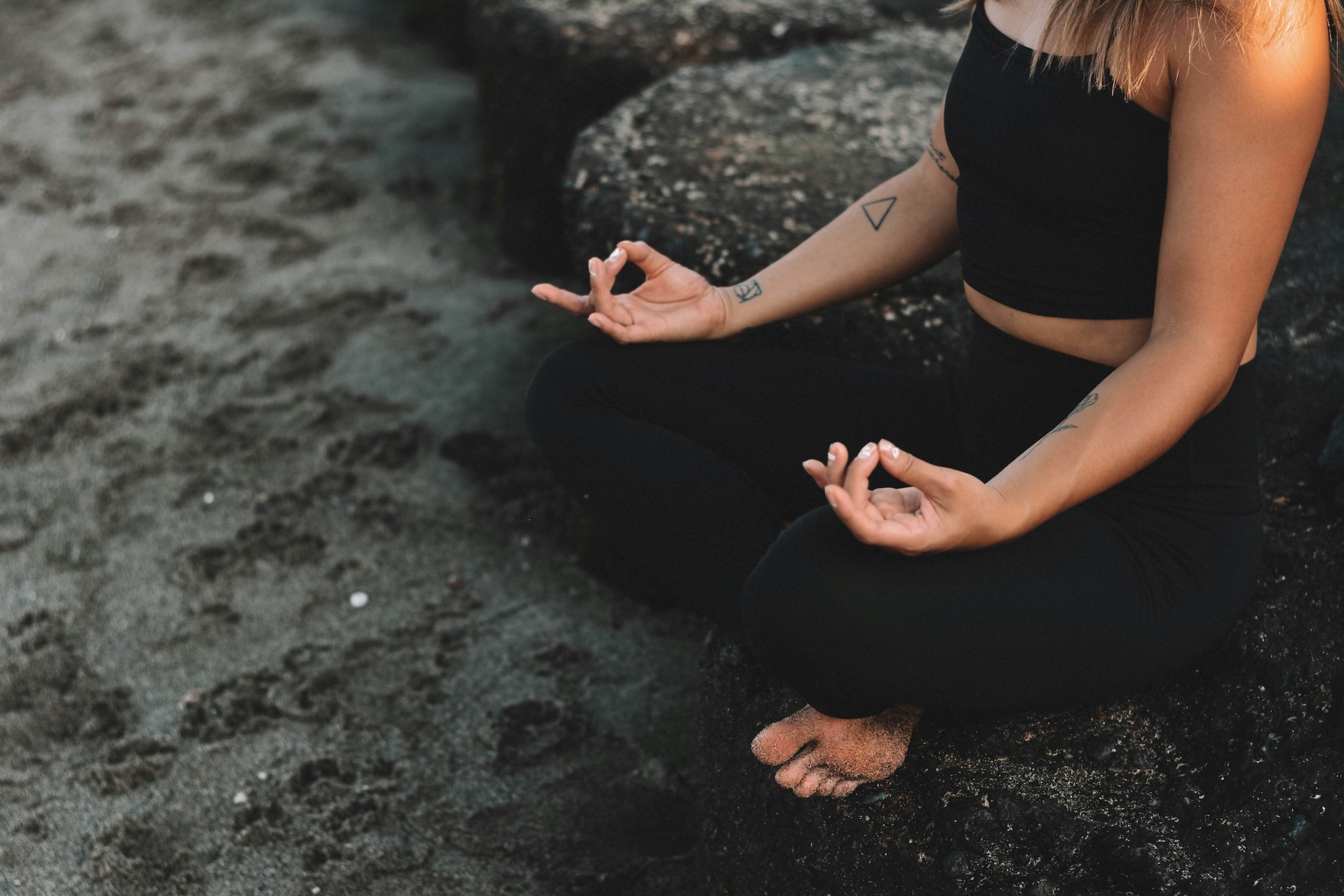
What is Yin Yoga? The gentle yoga technique for relaxation and recovery

Yin yoga is a passive and gentle form of yoga in which the postures are held for several minutes without actively engaging the muscles. The practice focuses on the fascia, joints, mobility and mindful body awareness, and can help to reduce stress and support recovery. Yin yoga is also suitable for beginners and can be individually adapted with the help of props.
Key points at a glance
- You'll hold each pose for several minutes without active muscle tension, targeting fascia, ligaments and joints.
- The poses target fascia, ligaments and joints, helping you improvemobility and flexibility.
- Gentle movement, conscious breathing and mindfulness help you reduce stress and calm the nervous system.
- Suitable for everyone frombeginners to experienced movers, the poses can be adapted to your current range of motion.
- Begin with two to three sessions a week, each lasting around 20 min, and perform the exercises gently, using suitable props.
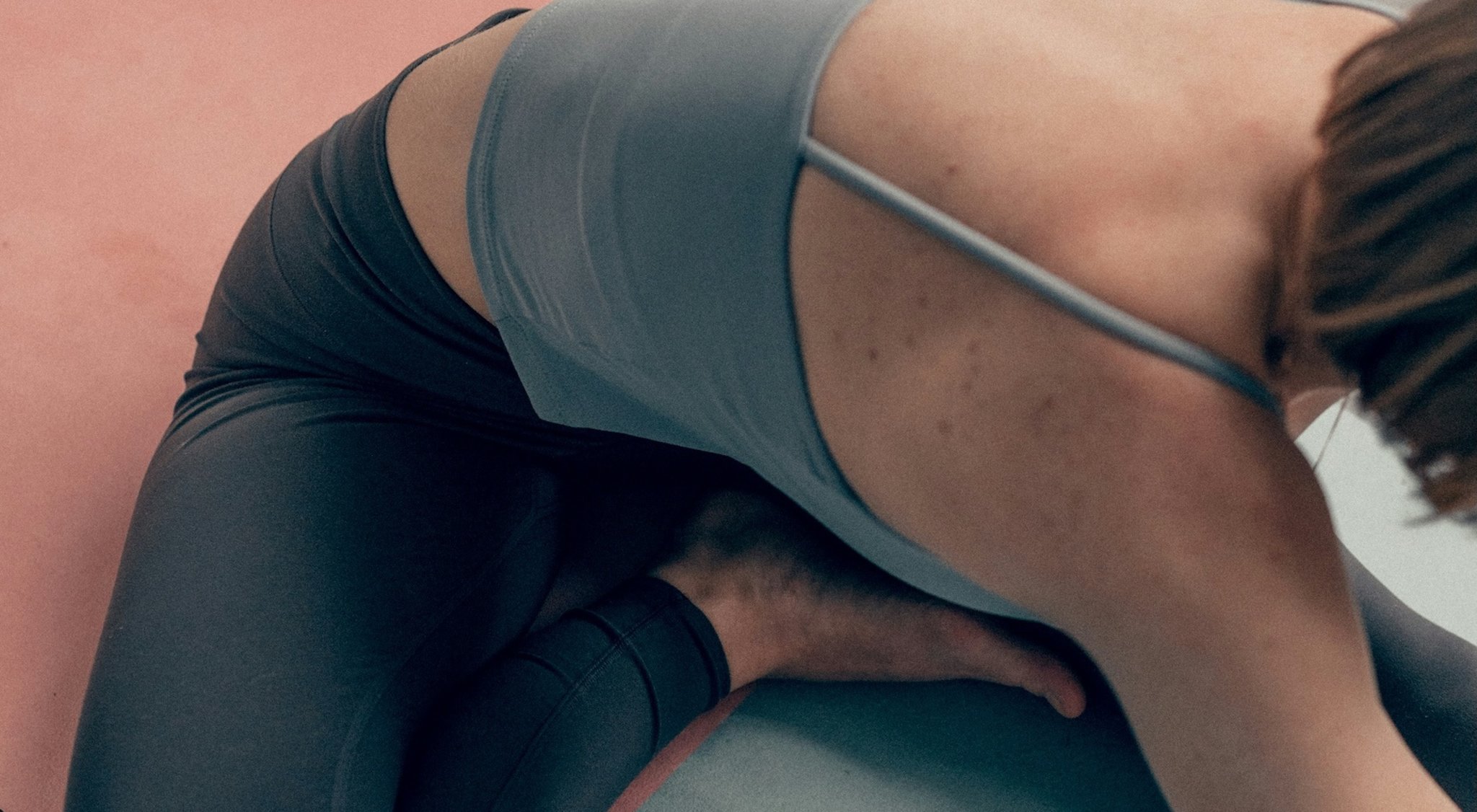
What is Yin Yoga? — Definition, origins and philosophy
It's a form of yoga inspired by Daoist teachings that offers a calm counterpoint to everyday hustle and bustle. The poses are held in a state of relaxation for at least three to five min. This technique is closely related to Hatha yoga and differs from the faster, flowing Vinyasa yoga.
The name derives from the Yin-Yang philosophy:
Yang represents movement, warmth and activity.
Yin represents stillness, coolness and stability.
Yin Yoga therefore creates a calming balance in an active, fast-paced life.
Although yoga originated in India, Yin Yoga combines classical yoga philosophy with Far Eastern elements from Daoism and Traditional Chinese Medicine (TCM). The underlying principle is that health and vitality are closely linked to the life energy known as Chi (Qi). According to TCM, Chi flows through the body along specific pathways known as meridians, which are also symbolised by natural elements such as water, wood and fire.
You don't need to believe in Daoism or TCM to practise Yin Yoga successfully; simply perform the exercises mindfully and conscientiously, following the instructions.
What are the effects of Yin Yoga on the mind and body?
The physical and mental benefits of various forms of yoga are well documented by scientific studies.
Physical effect
Proponents of Yin Yoga emphasise the benefits for fascia, ligaments and joints (Yin Yoga Therapy Training, n.d.). These connective tissues are less elastic than muscles and require sustained, gentle tension to undergo structural changes. Holding the poses for long periods can improve mobility.
Furthermore, numerous physical benefits of a regular yoga practice have been scientifically proven:
- Improved flexibility, balance and strength
- relief from chronic back pain
- Positive effects on cardiovascular health
- Reduce inflammatory markers
Recovery after intense training
(Shin, 2021; Zhu et al., 2020; Chu et al., 2016)
Effect on mental well-being
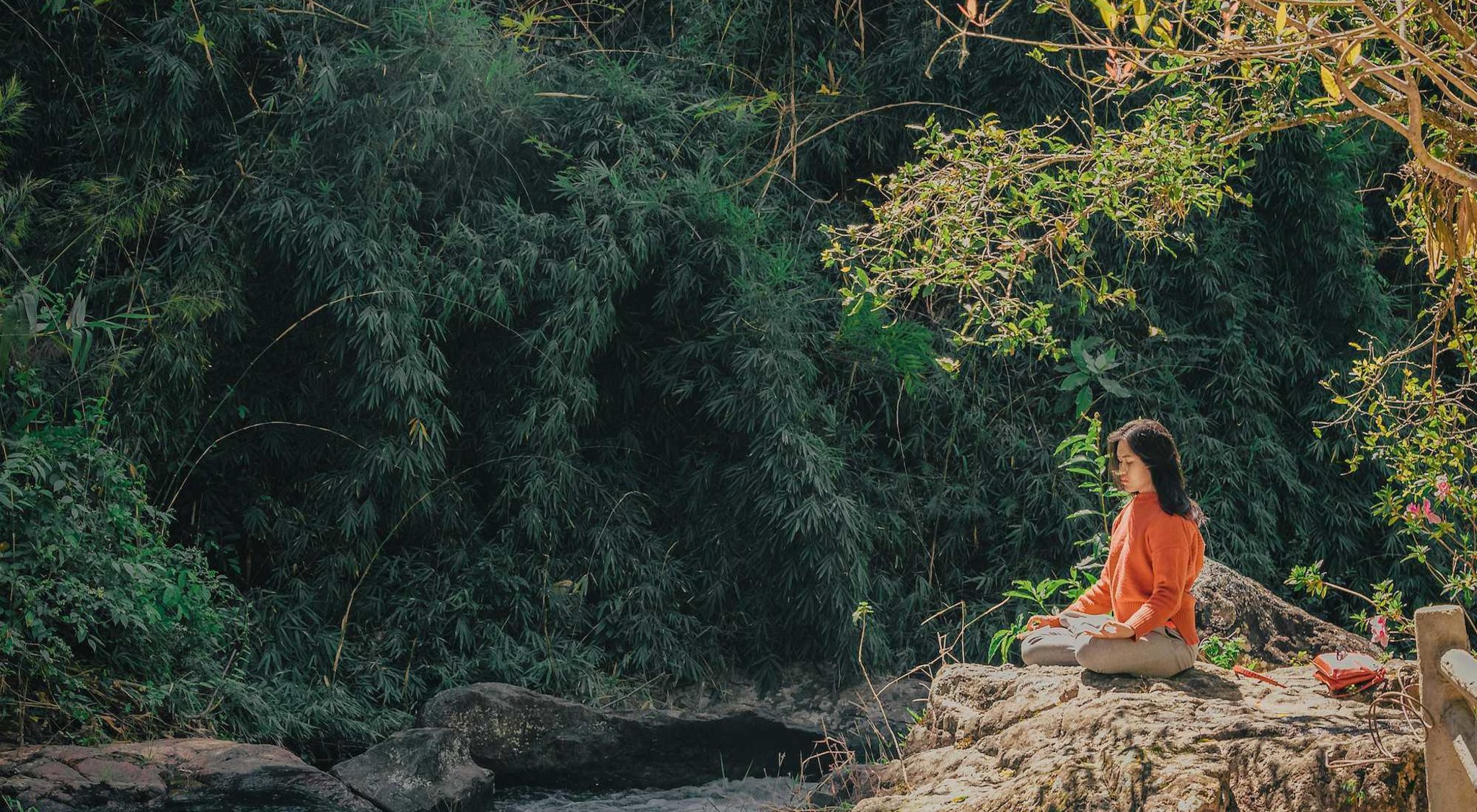
Through its focus on slow movements and mindfulness, Yin Yoga has a calming, stress-relieving effect and activatesthe parasympathetic nervous system, which supports recovery and rest.
Like all forms of yoga, Yin Yoga not only involves physical postures — the asanas — but also cultivates a meditative mindset. This is achieved through breathing exercises (pranayama), structured sequences of exercises, extended periods of relaxation and mindfulness.
Scientific studies suggest that regular practice can support mental well-being.
- Stress reduction
- Alleviation of anxiety and depression
- Improved emotional balance
- Increased mindfulness and body awareness
- Lower cortisol levels
- Increased resilience to stress
Improved quality of life
(Ramachanthiran and Selvalakshmi, 2025; Chauhan et al., 2025)

Who is Yin Yoga suitable for?
You don’t need previous experience, a basic level of fitness or any particular body awareness.
- Beginners needn’t feel daunted: there’s no pressure to perform and no competition. The intensity and duration of the poses can be adapted to suit your needs.
- For runners and strength trainers it can aid recovery and improve flexibility after intense sessions.
- Research suggests that some individuals may have less flexibility than others due to hormonal differences in connective tissue — which means they can often benefit particularly from targeted fascia work, such as that promoted in Yin Yoga.
Typical Yin Yoga exercises and poses
In a Yin pose you’re not actively doing anything — you simply let go, relax your muscles and allow gravity to do its work. Exercises from our Fascia Yoga programme also help improve flexibility and can relieve tension.
Follow these steps during your Yin Yoga session:
- Move mindfully into the pose — to about 70% of your maximum stretch.
- Hold the position without moving.
- Remain relaxed in the pose for at least 3–5 min.
- Come out of the pose as slowly as possible with conscious support.
- Remain briefly in a neutral position and reflect on what the pose has triggered — physically and mentally.
The most important Yin Yoga exercises for beginners
Sphinx – lower back and lumbar region
Lie on your stomach, place your forearms on the floor and lift your upper body slightly. Keep your hips on the floor and let your shoulders relax downwards. The Sphinx gently stretches the lumbar spine — ideal if you spend a lot of time sitting or feel tension in your lower back.
Butterfly – hips and inner thighs
Sit upright, bring the soles of your feet together and let your upper body fall forwards. Don't put any pressure on your knees and don't correct your position — let your back round naturally. Depending on your mobility, place a block under your hands to prevent the pose from becoming too deep.
Banana – lateral body fascia
Lie on your back and push your legs and upper body to one side together so your body forms a banana shape; keep both shoulder blades on the floor. The Banana stretches the lateral fascia and the area along the IT band — an often-neglected region.
Shoelace – hip external rotators and glutes
Sit with one knee stacked on top of the other and let your upper body sink forwards. If you feel discomfort in your knees, place a block under your glutes or perform the pose lying down.

Fascia yoga — for greater flexibility and less tension
Get started now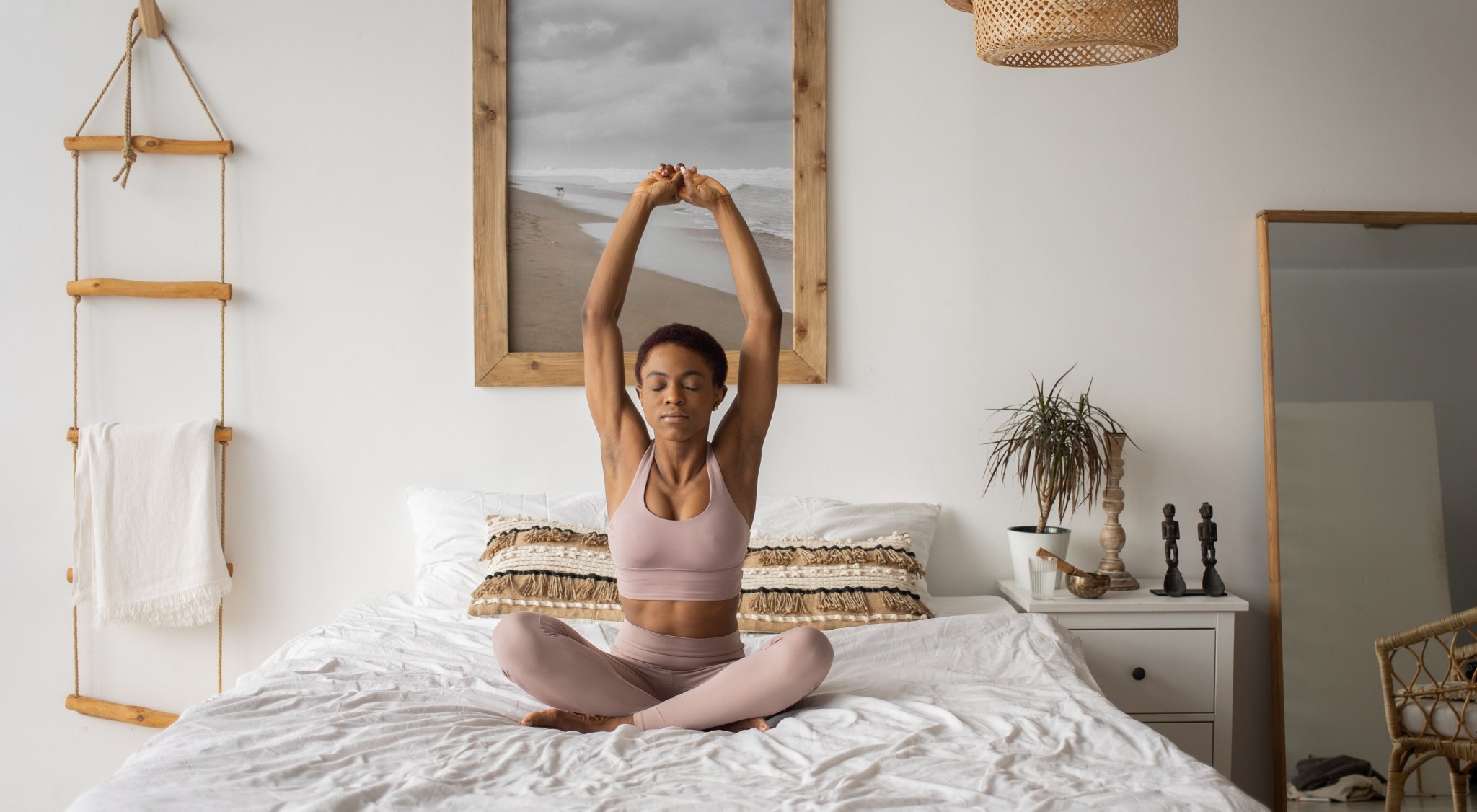
How to create your own Yin Yoga routine
If you’d like to practise Yin Yoga regularly, link your routine to an existing habit – such as before dinner.
PractisingYin Yoga in the evening helps you wind down after a busy day as your body temperature drops, your connective tissue softens and your mind slows. If you've been sitting for long periods, the poses can also ease back tension.
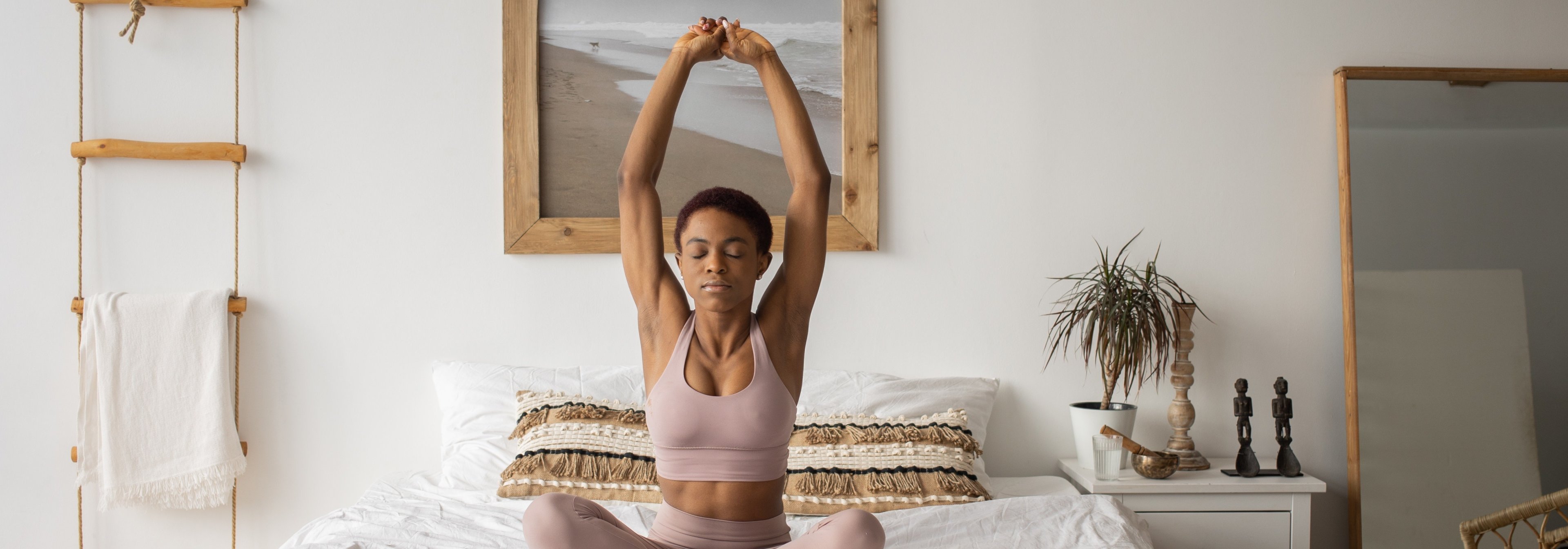
Build frequency over duration; five poses held for 3 min each create a complete session. If you're new to the practice, try a few poses in bed before or after getting up.
Yin yoga routines for the evening, the back and stress relief
Hold each pose for 3 min. Between poses, allow 30–60 s of relaxation to feel the effects.
Stress relief: Butterfly → Reclining Twist (both sides) → Savasana
Sleep: Sphinx → Butterfly → Reclining Twist
Back: Sphinx → Sleeping Swan (both sides) → Butterfly
Practise these routines regularly and you’ll soon notice the difference.
You’ll need these tools for Yin Yoga
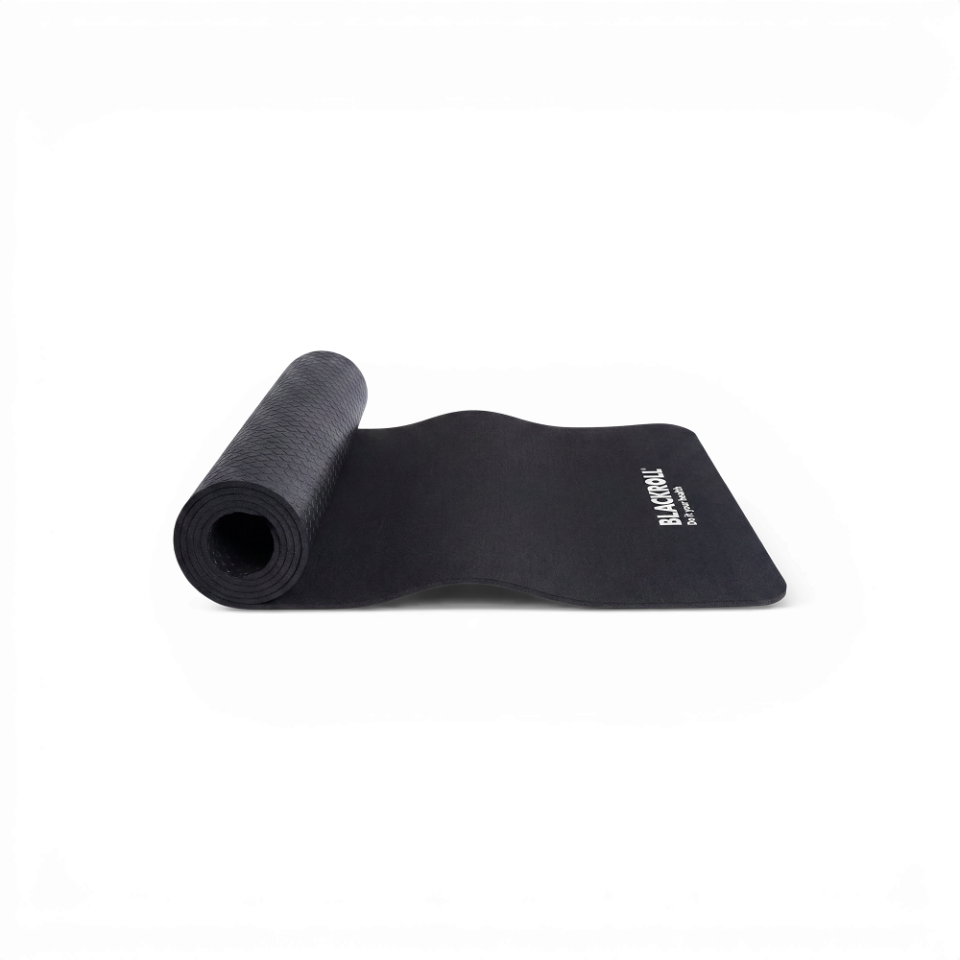
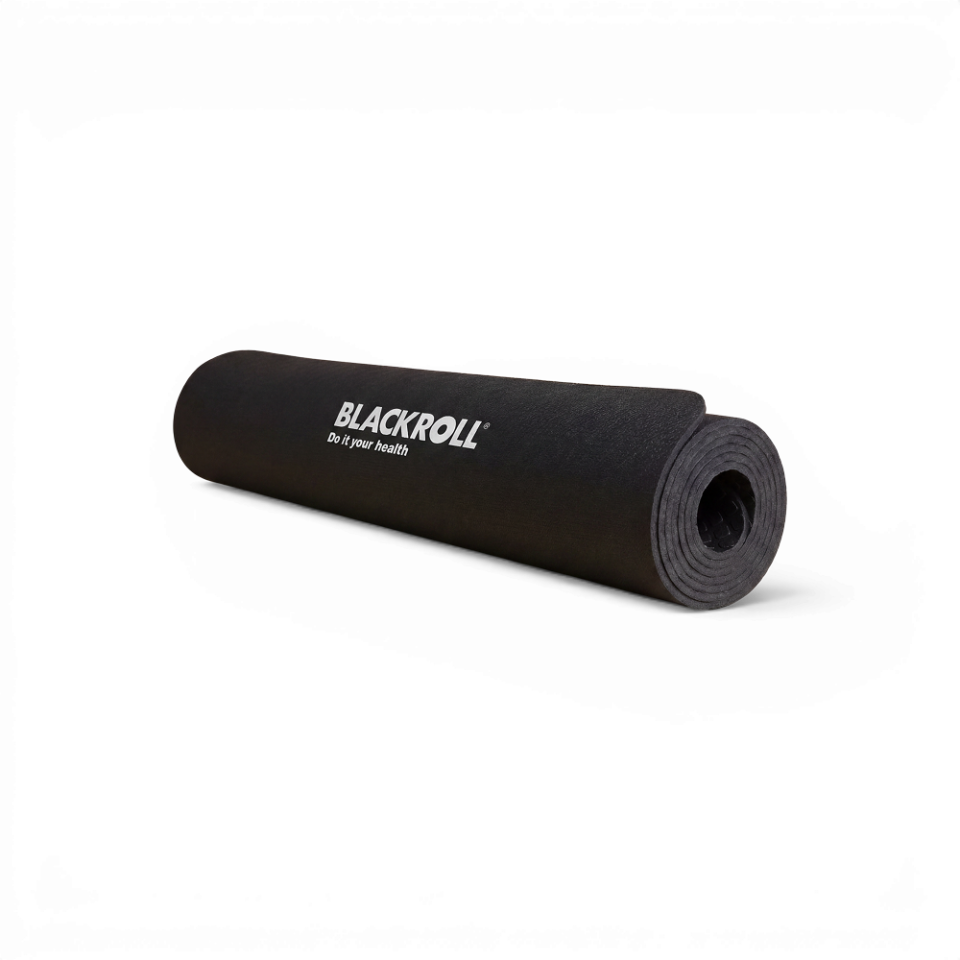
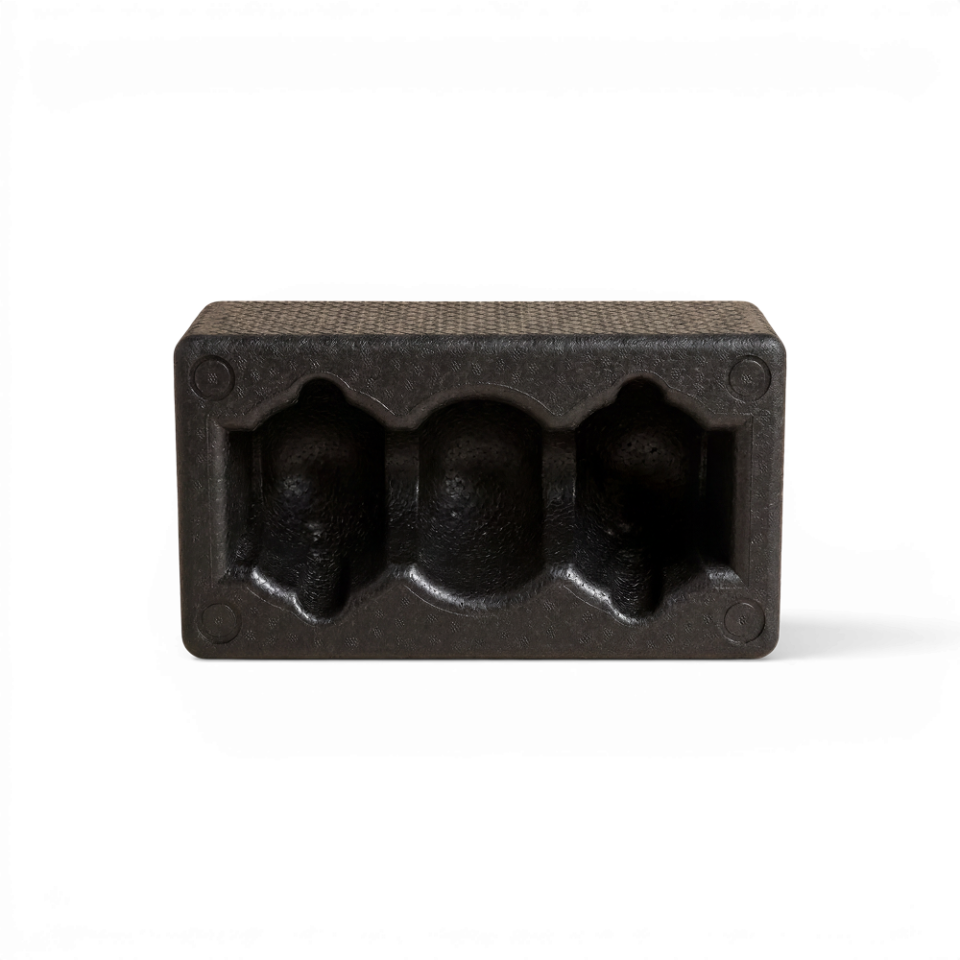
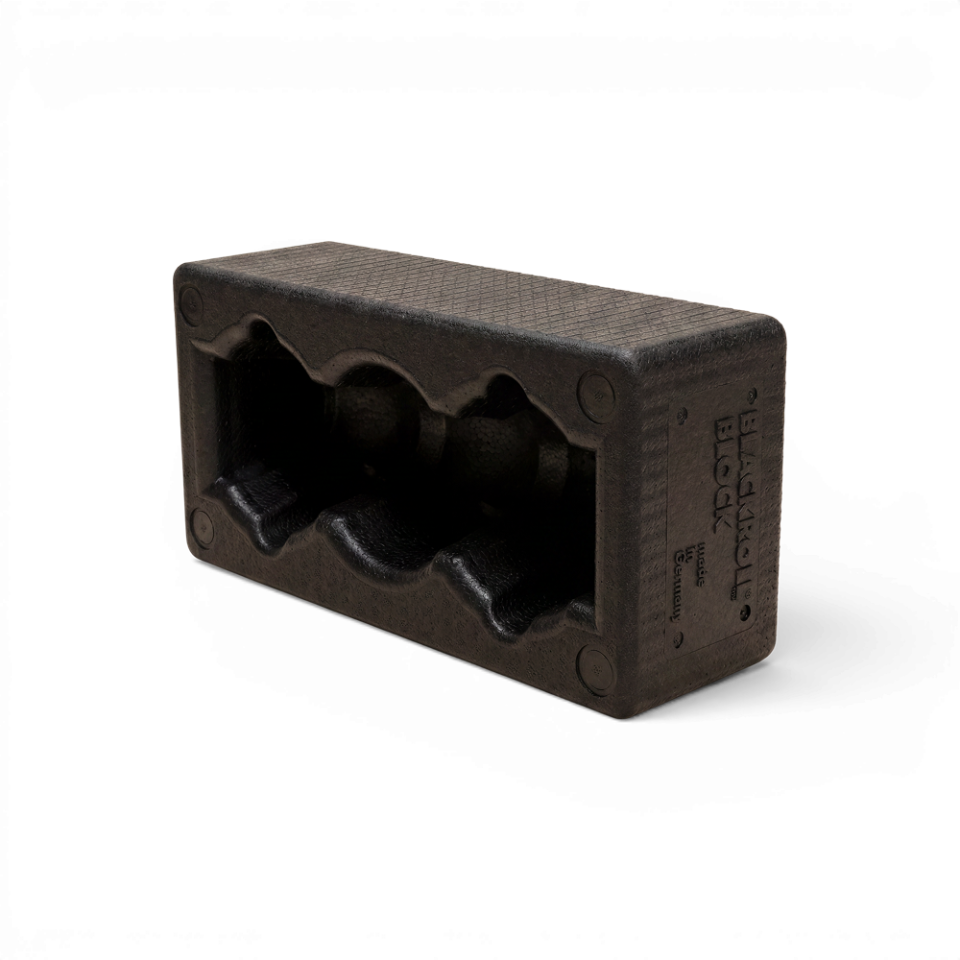
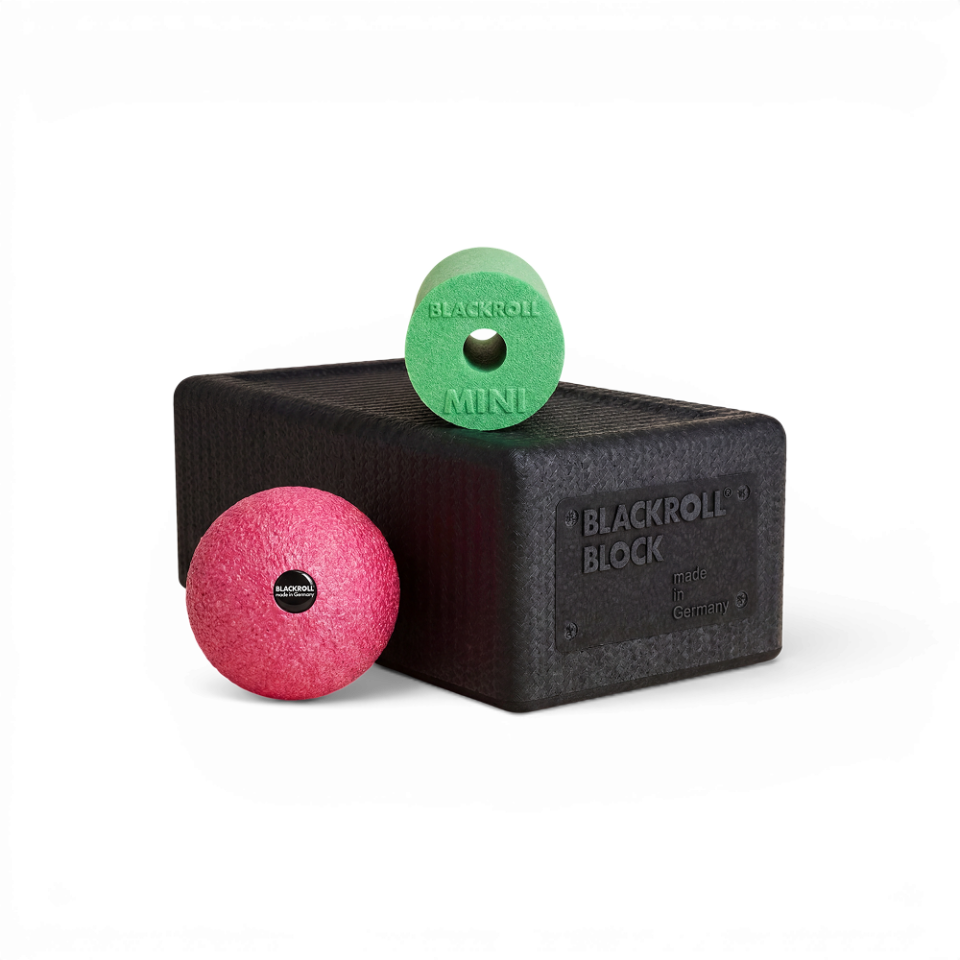
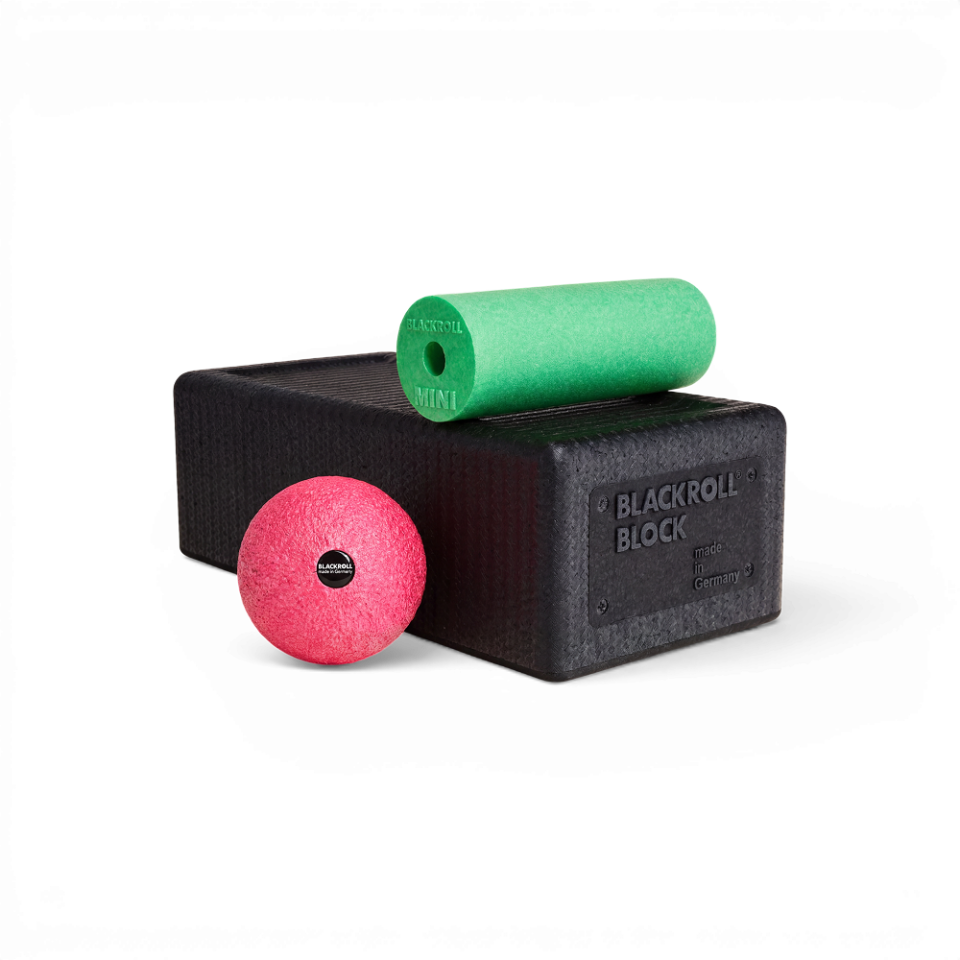
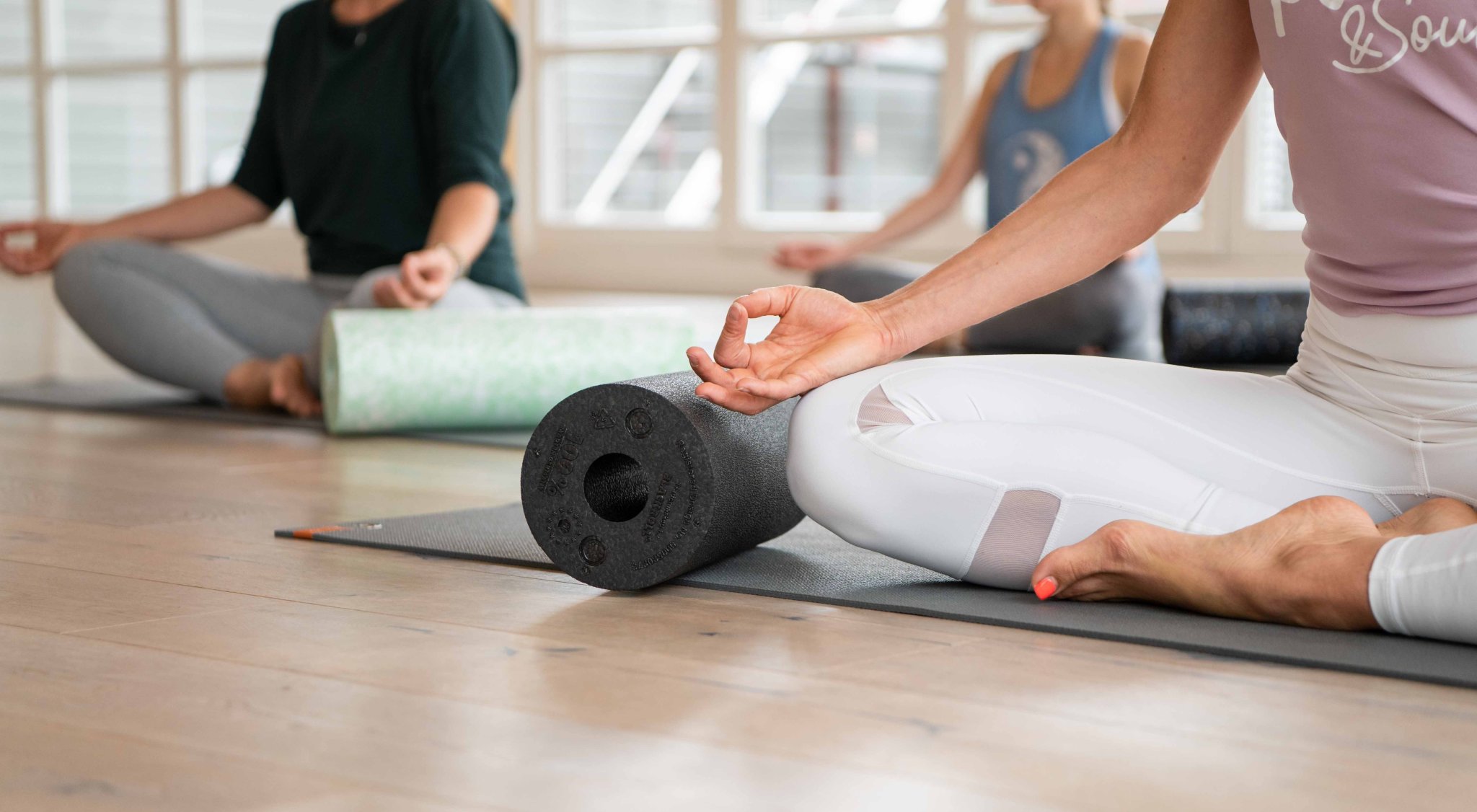
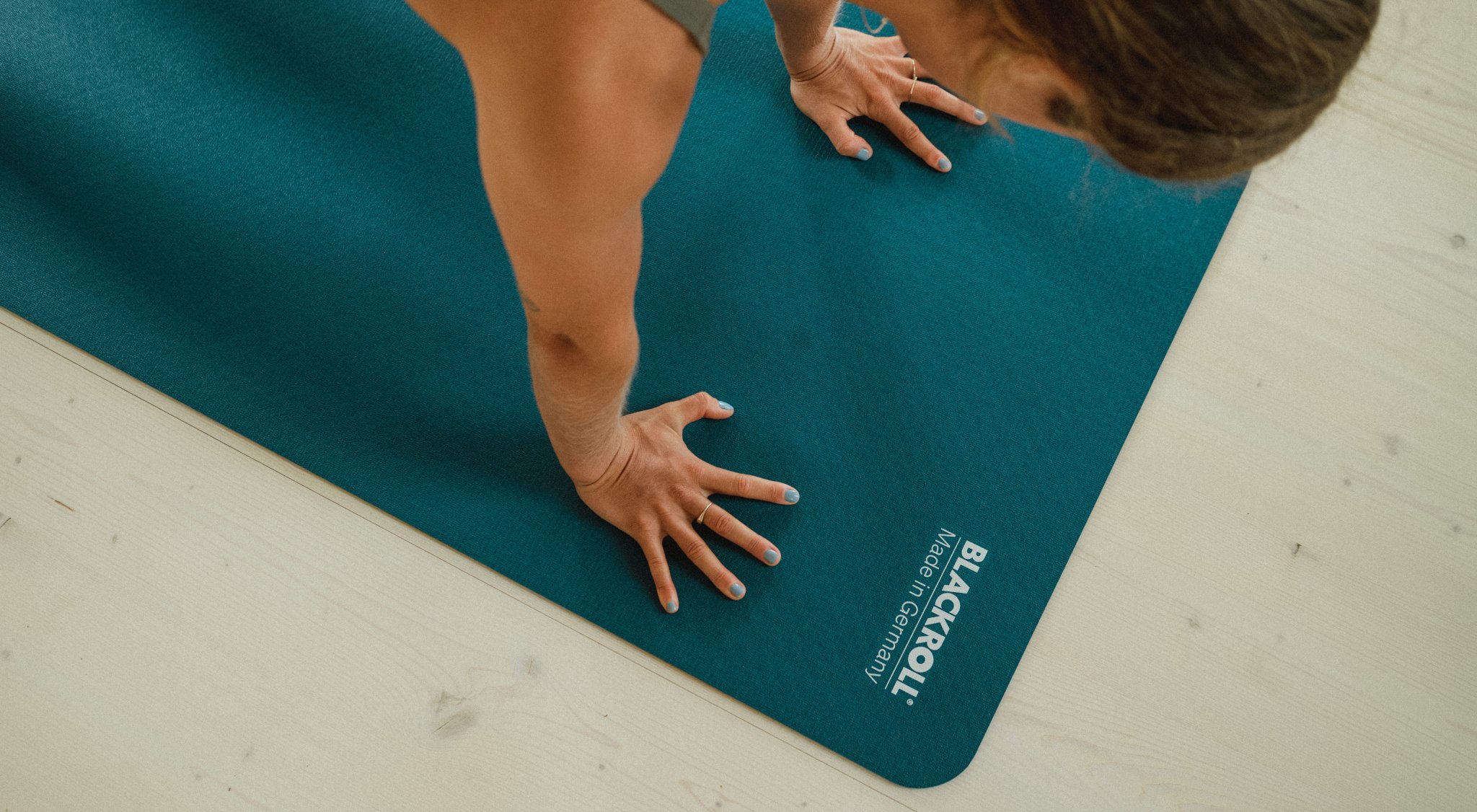
For a session, you’ll need plenty of space, a yoga mat and, ideally, a yoga block. A bolster and a blanket can also be helpful.
- Find a quiet space, roll out your mat and you’re ready to begin.
We suggest a yoga mat to cushion your joints, a block for support and a strap to deepen your stretches. A bolster and a blanket can also enhance your practice.
You’ll need enough floor space to stretch comfortably in all directions.
- Some Yin Yoga poses require a yoga block for support. As a beginner it offers extra stability and as you progress you can use it to adapt and vary your asanas.
- Create a calm atmosphere with an aroma diffuser, incense sticks and gentle music; combine Yin Yoga with singing bowls for a deeply immersive practice.
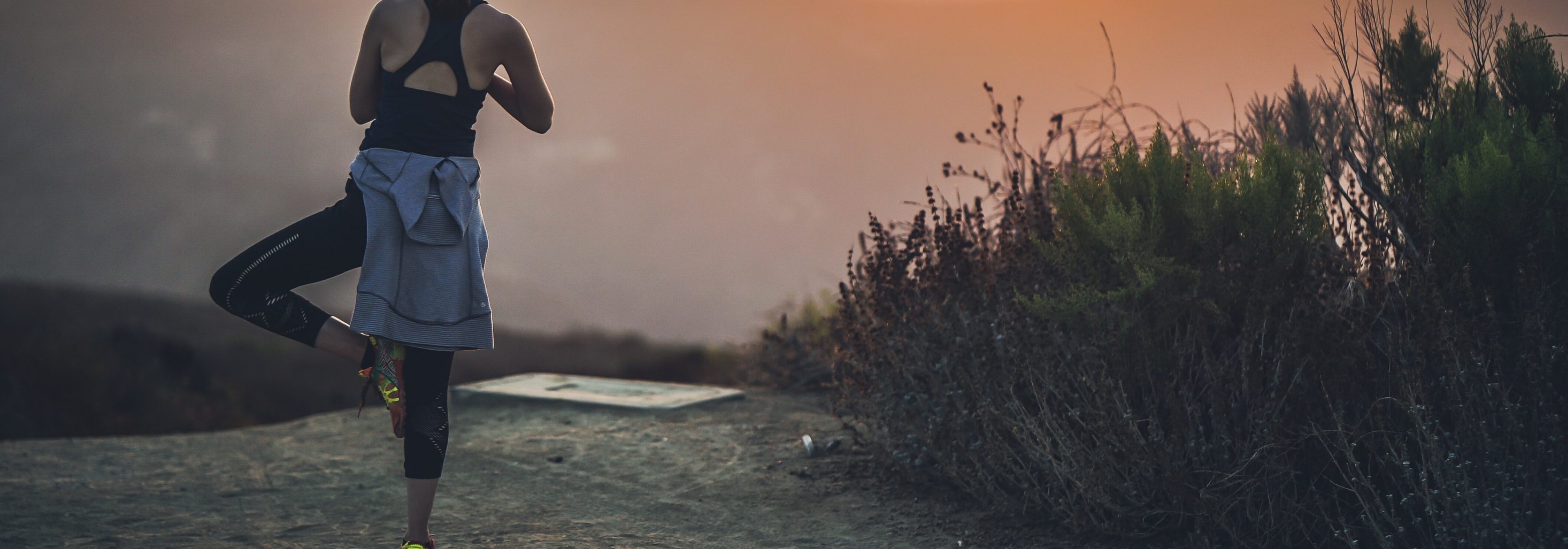
Conclusion: Do less — feel more
Yin Yoga isn’t a workout, it’s a deep reset. It’s one of the few practices that doesn’t demand peak performance yet still has a measurable effect on your fascia, your joints, your nervous system and your mind.
If you’re struggling with chronic back problems, find it hard to switch off in the evening or simply want greater mobility, Yin Yoga can be a valuable part of your recovery. Three poses, 15 min, a mat — that’s all you need to get started.
Give your body and mind a break — with Yin Yoga, mindful breathing and targeted fascia work.


FAQ: Yin Yoga – Frequently asked questions
It's a passive style in which poses are held for three to five min without tensing the muscles – unlike dynamic practices such as Vinyasa or Ashtanga. The focus is on the fascia, ligaments and joint capsules rather than the muscles, and holding the poses for longer can encourage changes in the deep connective tissue.
It’s suitable for everyone — beginners, athletes and people with limited mobility. You don’t need any prior experience, a basic level of fitness or a particular body awareness. Use blocks and a mat to adapt each pose to your needs.
Typical poses include the Sphinx (lower back), Butterfly (hips), Banana (lateral fascia) and Shoelace (glutes) — all held passively for three to five min. Use a yoga block to adjust the intensity to suit your body. Between poses, remain in a neutral position for 30–60 s and check in with your body.
It activates the parasympathetic nervous system, helps lower cortisol levels and supports emotional regulation. Studies show a significant reduction in stress, anxiety and depressive symptoms after eight to twelve weeks of regular practice. Even a single session boosts positive emotions and mindfulness while the stillness in the poses promotes body awareness and inner calm.
Practise two to three times a week for 20 min each to begin. After a few weeks you’ll likely notice better mobility, sleep and stress management. Consistency matters more than duration — five poses held for three min each complete a session. Link Yin Yoga to an existing routine.
More interesting items


Sources and studies
Yin Yoga Therapy Training. (n.d.). Yin Yoga teacher training || Certification programmes. Retrieved 23/11/2026, from https://yinyogatherapytraining.com/
Shin, S. (2021). Meta-analysis of the effect of Yoga practice on physical fitness in the elderly. International Journal of Environmental Research and Public Health, 18(21), Article 11663. https://doi.org/10.3390/ijerph182111663
Zhu, F., Zhang, M., Wang, D., Hong, Q., Zeng, C. and Chen, W. (2020). Yoga compared to non-exercise or physical therapy exercise on pain, disability and quality of life for patients with chronic low back pain: A systematic review and meta-analysis of randomised controlled trials. PLOS ONE, 15(9), e0238544. https://doi.org/10.1371/journal.pone.0238544
Chu, P., Gotink, R. A., Yeh, G. Y., Goldie, S. J. and Hunink, M. G. M. (2016). The effectiveness of Yoga in modifying risk factors for cardiovascular disease and metabolic syndrome: A systematic review and meta-analysis of randomised controlled trials. European Journal of Preventive Cardiology, 23(3), 291–307. https://doi.org/10.1177/2047487314562741
Ramachanthiran, K. and Selvalakshmi, S. (2025). Effect of yoga on mental health: A systematic review. International Journal for Multidisciplinary Research, 7(4). https://doi.org/10.36948/ijfmr.2025.v07i04.53684
Chauhan, S., Najaf, S. S., Lukács, G., Király, A. K., Karsai, I. and Prémusz, V. (2025). Impact of a 10-wk yoga intervention on mental health and overall well-being among medical students: the GSY study. Sport, 13(4), Article 114. https://doi.org/10.3390/sport13040114