
Blue Zones: diet, lifestyle and life expectancy

There are places in the world where people live to an above-average age — and remain healthy for an above-average length of time. It’s striking that, despite vast geographical distances, there are many similarities across these so-called Blue Zones. The good news is that you don’t have to live in one of these zones to age healthily. Learn from them and turn your own everyday life into a Blue Zone.
The quest for a long and healthy life is at the heart of longevity research. The aim isn't merely to extend life as such, but above all to extend healthy life, during which we can pursue our favourite activities free from illness. The Blue Zones provide longevity research with valuable insights, which we'll explore in detail here.


What are Blue Zones?
They're regions where people tend to reach a particularly advanced age and enjoy better overall health. Residents share the same physical environment and lifestyle and are less likely to suffer from diseases such as cardiovascular disease or dementia, which are widespread elsewhere.
However, the term ‘Blue Zones’ doesn’t originate from science, but from a journalistic investigation: the author Dan Buettner coined it as part of a National Geographic expedition to conduct a search for hotspots of longevity around the world. Although many of the lifestyle habits observed appear to promote good health, the concept isn’t scientifically standardised.








Criticism of the Blue Zones: scientific assessment
- We're increasingly told that the Blue Zones are a popular-science construct not based on uniformly validated data. While many recommendations from these regions seem plausible and are consistent with known health factors, the underlying data is in some cases unclear or insufficiently substantiated.
- Buettner himself admitted, for instance, that Loma Linda isn’t actually a classic Blue Zone. In Okinawa, too, average life expectancy is falling – a trend attributed to the growing influence of Western lifestyles.
- Furthermore, the commercialisation of the concept has attracted criticism: the term ‘Blue Zones’ is a trademark protected, and Buettner regularly publishes new books on the subject – despite the limited scientific basis.
- Nevertheless, the Blue Zones provide valuable ideas for a healthy lifestyle – provided they're seen as inspiration rather than scientific dogma.

Greater balance through sport
BLACKROLL® exercises for running

Where are the six Blue Zones in the world?
During the expedition, Dan Buettner’s research team identified five regions that are still known today as the Blue Zones: Sardinia in Italy, Ikaria in Greece, the Okinawa Islands in Japan, the Nicoya Peninsula in Costa Rica and Loma Linda in California, USA.
Singapore has recently been added as the sixth New Blue Zone – the first new one in decades – and another potential Blue Zone, Ostrobothnia in Finland, is currently being investigated in more detail.
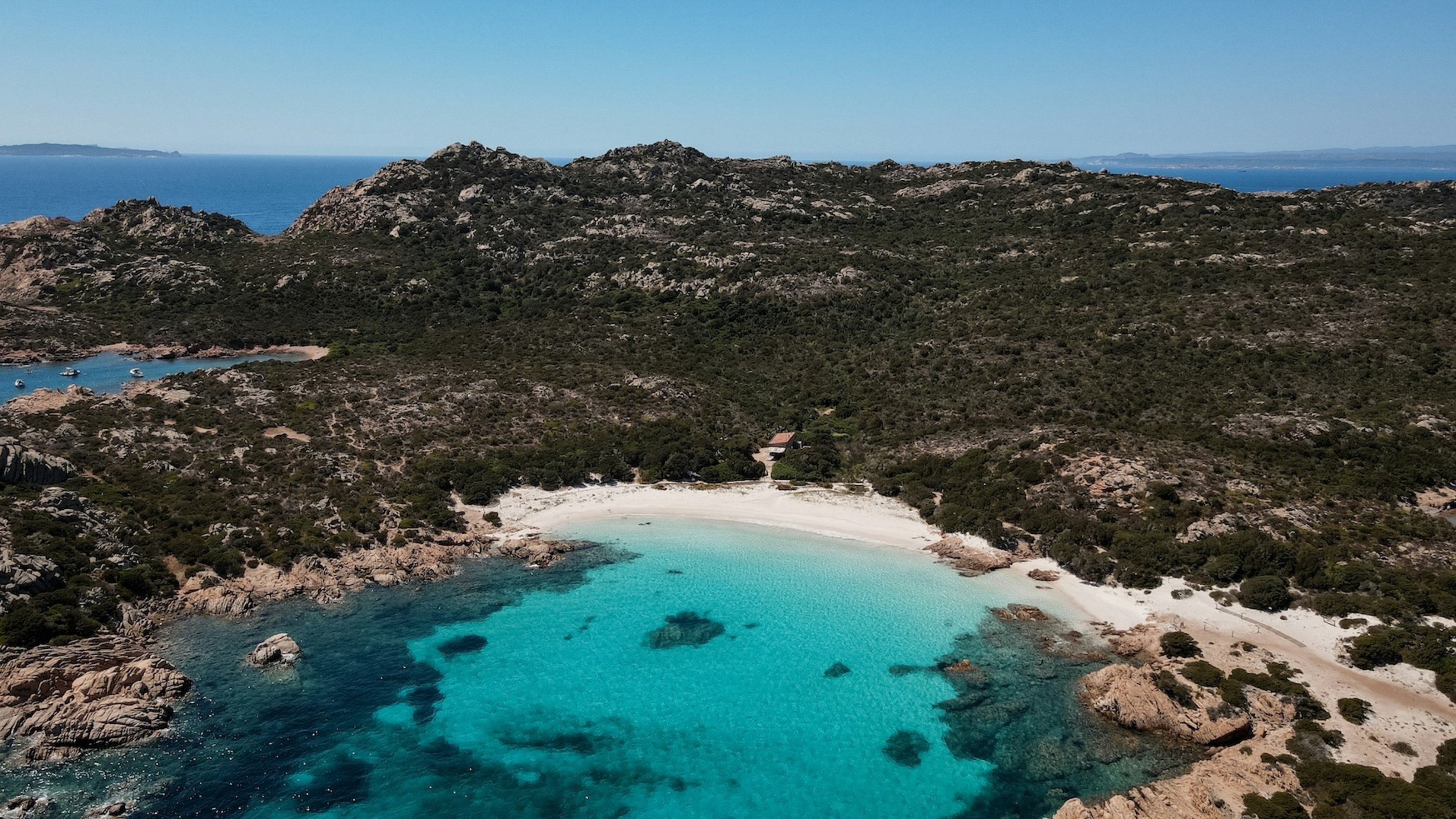
Sardinia, Italy
In southern Europe, on the island of Sicily, the mountain villages are home to an above-average number of people who've reached the age of 100. The village of Seulo held a special record from 1996 to 2016: 20 of its 900 inhabitants were over 100 years old.
Ikaria, Greece
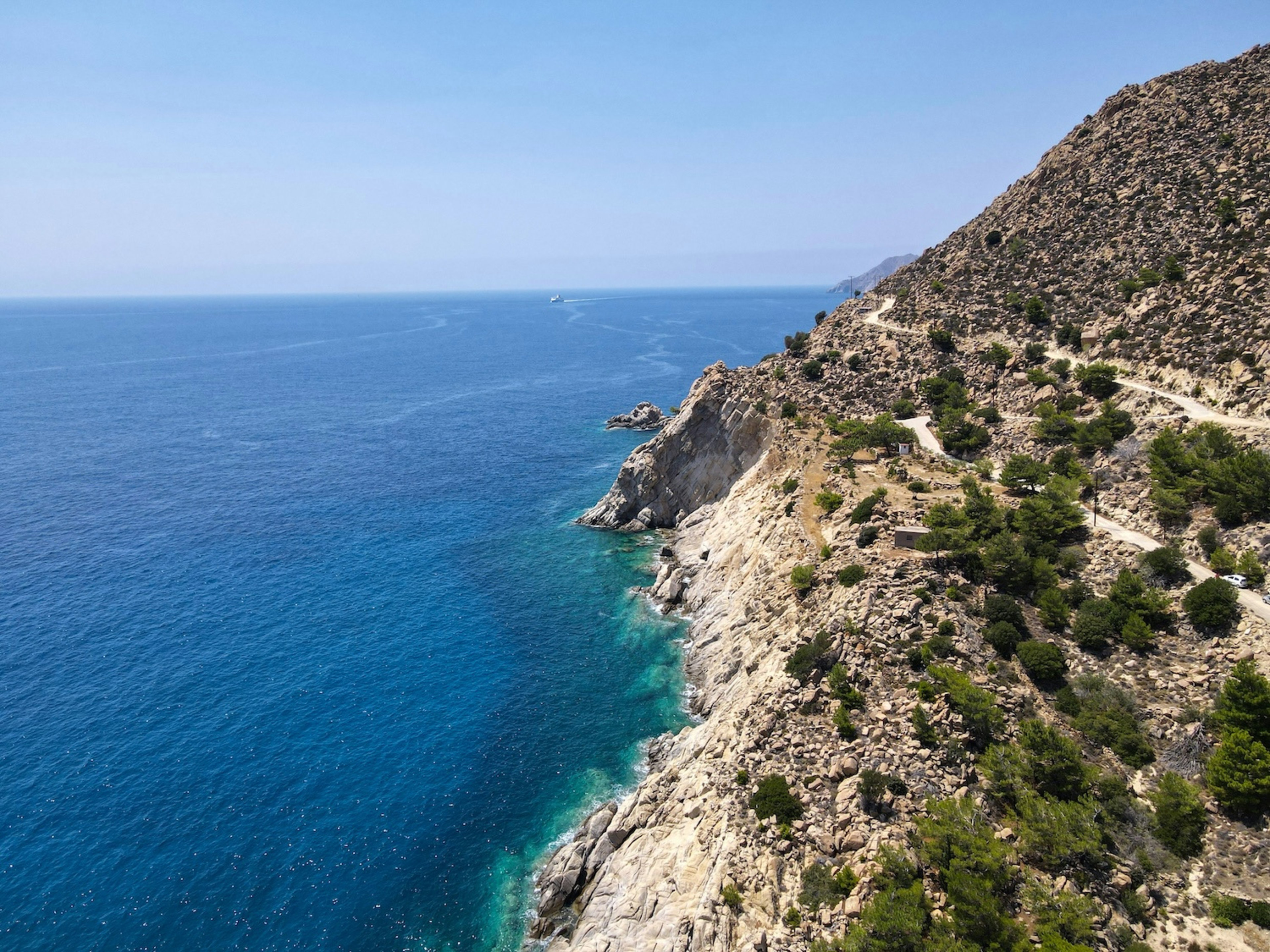
The next island, again in southern Europe: on Ikaria , around one in three people reach the age of 90. According to Buettner’s observational data, the likelihood of developing cancer is 20% lower here, whilst for heart disease it could be as much as 50% lower. According to Buettner, dementia is almost non-existent.
Okinawa Islands, Japan
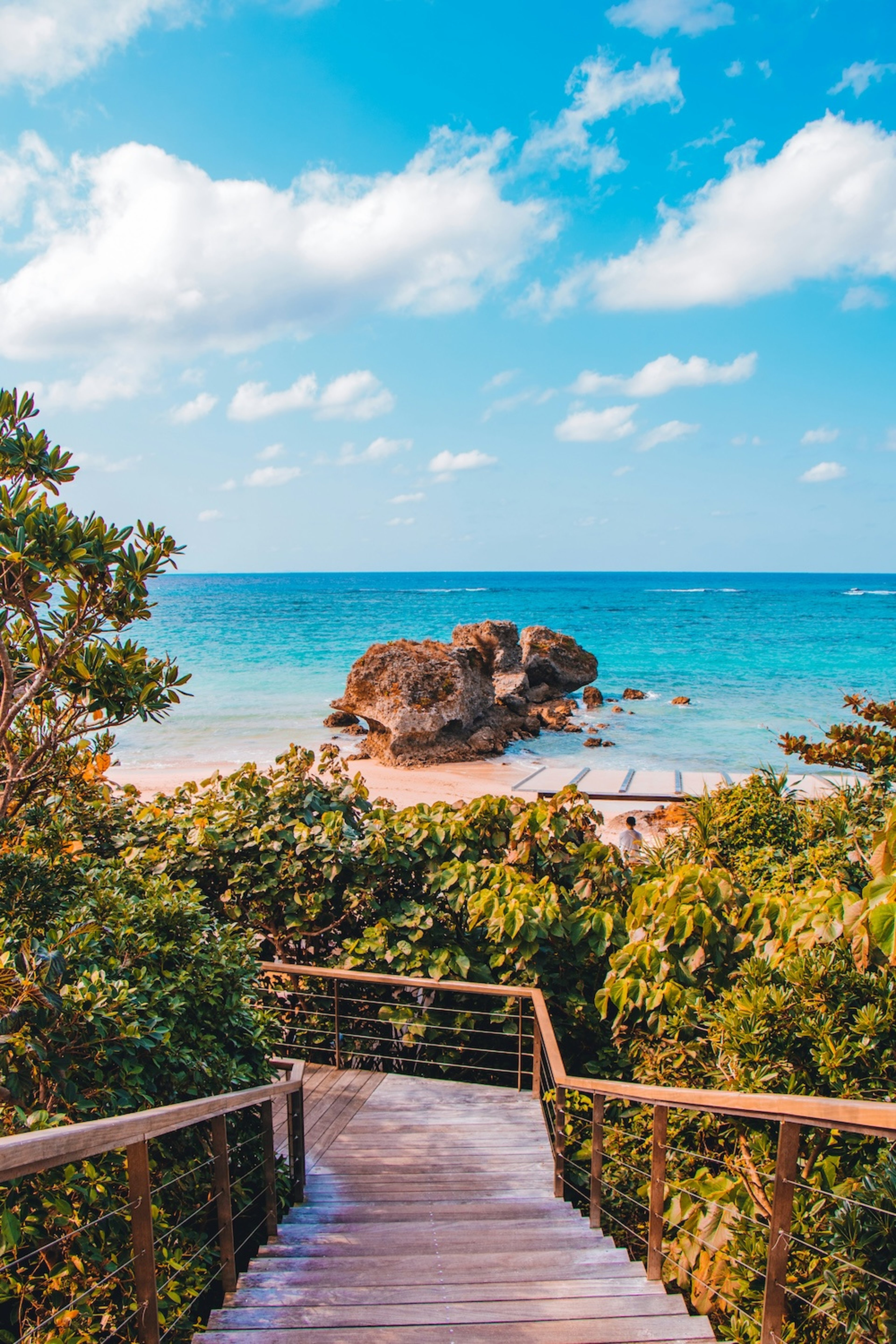
Okinawa was long regarded as a model region for longevity, with low rates of dementia and heart disease. Today, this is only still the case amongst the older generation. Younger people are increasingly adopting a Western lifestyle characterised by fast food and less physical activity — and are consequently losing many of the original health benefits.
Nicoya, Costa Rica
The fourth Blue Zone is the Nicoya Peninsula in Costa Rica. A 60-year-old person here has a 4.8% chance of reaching the age of 100. According to the BBC, the probability of reaching the age of 100 in Nicoya is three and a half times higher than the global average.

Loma Linda, California, USA
Loma Linda in California, USA, is home to one of the largest Seventh-day Adventist congregations in the world, with around 9,000 members. However, the town’s Blue Zone status was largely granted because Dan Buettner’s American publisher had omitted an American city from the original list, as the author himself has admitted. Loma Linda is also the only Blue Zone that isn’t an island or a peninsula.

Singapore, city-state
The city-state of Singapore has been the sixth officially recognised Blue Zone since 2023 – and the first major city on the list. Singapore combines excellent healthcare with consistent prevention: smoking bans, high sugar taxes, plenty of green spaces, good air quality and a strong sense of community all contribute to high life expectancy. Despite the urban environment, many residents live to a remarkably advanced age.



A lifestyle for a long life in the Blue Zones
However, it’s no coincidence that these regions are counted among the Blue Zones. The people who live there share a certain lifestyle that appears to contribute to high life expectancy and good health. Dan Buettner’s team identified five key commonalities in particular – and you can incorporate them all into your own life:
- low tobacco and alcohol consumption: Residents of the Blue Zones smoke and drink significantly less than the global average – or abstain entirely.
- Plant-based diet: the diet in the Blue Zones is primarily plant-based, with a particular emphasis on pulses.
- Regular exercise: People in the Blue Zones get exercise naturally every day – for example, whilst walking, climbing hills to build stamina or gardening. The latter promotes strength, mobility and stability through frequently standing up from a squatting position.
- Social engagement: People of all ages are integrated into the community and support one another in everyday life.
- Family comes first: family and social ties in general play a particularly important role in the Blue Zones.


Diet in the Blue Zones: plants instead of meat
The topic of diet in the Blue Zones, in particular, has been well researched and reveals a number of commonalities that make a positive effect on longevity seem plausible – and in many respects it contrasts with our Western diet.
One striking finding is that residents of the Blue Zones follow a predominantly plant-based diet. On average, they eat just 250 g of meat – per month. In comparison, in 2024 people in Germany consumed an average of over 4 kg of meat per month – more than 16 times as much. High meat intake is associated with inflammation and chronic conditions, so residents rely on pulses and two to three fish meals a week for protein.
Another striking commonality is that most food is grown by residents themselves and eaten unprocessed, so their diet is varied and seasonal. What’s more, the work involved in preparing food provides natural exercise.
Favourite foods in the Blue Zones:
- primarily unprocessed foods
- few additives, sugar or trans fats
- primarily low-calorie foods
- wholemeal products
- pulses
- seasonal and fermented fruit and vegetables
- few dairy products, mostly cheese or quark
In most Blue Zones residents fast regularly and generally ensure they consume slightly fewer calories each day than they burn so they're constantly in a slight calorie deficit.


10 tips: bring the Blue Zones into your everyday life
You probably don’t live in one of the six Blue Zones, yet you can still draw on their habits. Use these ten tips to bring Blue Zone practices into your everyday life.
- Seek social contact: meet up with friends regularly, spend time with your family, visit your grandparents and be active in your community — for example, by cooking, playing games or exercising together. Regular interaction with people of all ages has been proven to promote health and longevity.
- Get regular exercise: You don’t have to become a marathon runner. Even small changes in your everyday life make a difference — get off the bus one stop earlier, deliberately park your car a little further away or arrange to go for a walk instead of meeting in a café. That way, you’ll naturally incorporate exercise into your day.
- Make the most of pulses: incorporate lentils, beans and chickpeas into your diet – ideally gradually and consistently. They’re rich in protein, fibre and vitamins, and make an excellent alternative to meat. Important: eating too much of them too quickly can cause bloating. So the rule here is: start with small portions.
- Cut down on meat: You can still eat meat — just choose high-quality, minimally processed options and limit it to about once a week. Vegan alternatives can be a good option — as long as they aren’t highly processed or full of additives. The more natural, the better.
- Rethink your habits: Many Western habits harm us — try giving up smoking (of any kind) and alcohol — or limit alcohol to a maximum of two glasses a week.
- Create new habits: Habits help you to do something good for your body and mind on a regular basis. Exercise, for example, can generate sustainable feelings of happiness and, in the long term, replace short-term ‘highs’ – such as those from a cigarette. Important: New habits take time to become established. Stay patient – it’s worth it.
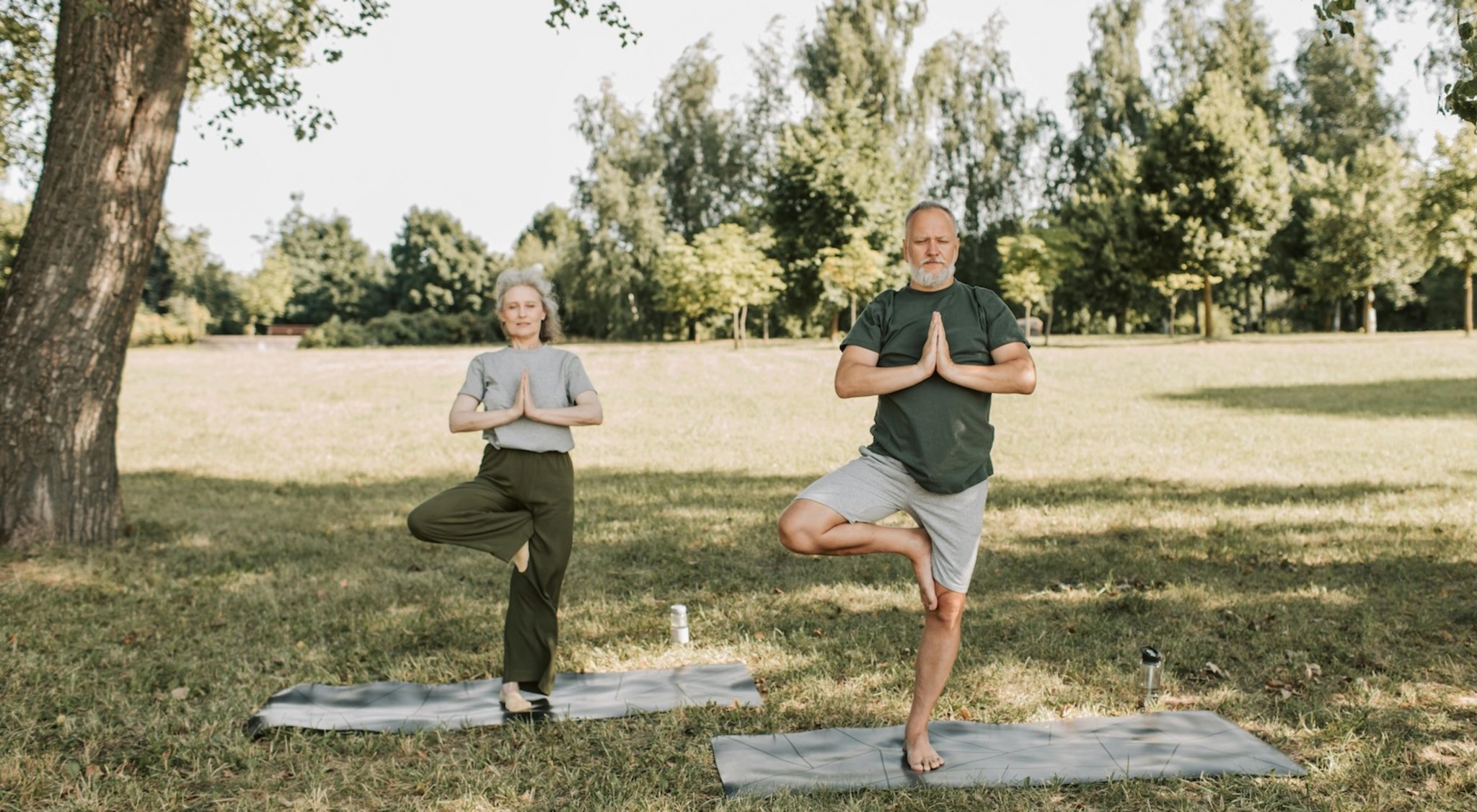
- Make exercise fun: Find a hobby you enjoy that also keeps you active — whether it’s gardening, yoga or hiking. Or fit a treadmill under your height-adjustable desk.
- Prioritise your sleep: Give your body a chance to recover and ensure you get regular sleep by always going to bed at roughly the same time — even at the weekend. At night, your body and mind prepare for the day ahead.
- Build in rest during the day: carve out short recovery breaks, read a book, sit on the sofa with your eyes closed or step outside to feel the sun.
- Live naturally: generally speaking, the closer you live to nature, the healthier you’ll be: eat mainly unprocessed foods, make sure your diet is varied and seasonal and get some exercise at regular intervals.
Bonus tip: give your life meaning. People in the Blue Zones show that having a purpose in life supports your health — whether it’s community involvement, tending a garden or something else. Regular reflection — for example, through journaling — can also help you gain clarity about your own values and goals and develop a deeper sense of purpose.
Life in the Blue Zones isn’t radically different – we’re already familiar with most of these healthy habits, but a particularly large number of them come together here.
You don’t need to adopt every habit at once – start with the ones that feel easiest and build gradually.

Learning from the Blue Zones
Although the Blue Zones concept has been criticised, longevity research supports its dietary and lifestyle findings, showing they can positively influence long-term health and life expectancy. The commercial interests behind Blue Zones are raising awareness of longevity and healthy living — which you can easily incorporate into your everyday life.
With a moderate calorie intake, a predominantly plant-based diet, regular exercise as part of your everyday life, strong social connections and a sense of purpose, you can simply do your body and mind a great deal of good — and promote your healthspan in a sustainable way.


FAQ – Frequently asked questions about the Blue Zones
The term ‘Blue Zones’ refers to the six regions of the world where people tend to enjoy better health and live longer. Thanks to many shared healthy lifestyle habits, they’re less likely to suffer from cardiovascular disease, cancer or dementia.
The six official Blue Zones are Sardinia in Italy, Ikaria in Greece, the Okinawa Islands in Japan, the Nicoya Peninsula in Costa Rica, Loma Linda in California, USA and, most recently, Singapore. With the exception of Loma Linda, all Blue Zones are islands or peninsulas and are located in (sub-)tropical and Mediterranean climate zones.
They follow a predominantly plant-based diet, relying on pulses and eating just 250 g of meat per month while enjoying fish two to three times a week. The food is largely unprocessed, locally grown and eaten in season.
They're active every day, nurture strong social ties, live with purpose and avoid tobacco while enjoying only small amounts of alcohol.
Eat a predominantly plant-based diet and include pulses in your meals. Consume slightly fewer calories than you burn. Meet up with friends regularly. Stay active in your everyday life: walk more often, take the stairs or engage in light physical activity.
The Blue Zones concept has been criticised for the sometimes unclear evidence base of the studies. The commercialisation of the term and the lifestyle it promotes is also viewed negatively. However, the individual findings and habits can be largely confirmed by longevity research – independently of the Blue Zones.
If you lead an active life with close social ties whilst following your personal sense of purpose, your chances of living a healthier and longer life increase. A diet close to nature, rich in plant-based and unprocessed foods, also benefits your long-term health.
Further items



Studies and sources
Nicoya: The Costa Rican peninsula where centenarians thrive
Do People in ´Blue Zones´Actually Live Longer?
The Island Where People Live Longer
Lessons From the Blue Zones: There is No Silver Bullet (or Magic Pill) for a Long, Healthy Life
A Look Into How the “Blue Zone” Lifestyle May Affect Patients’ Lives Before and After Hip Fracture: A Propensity-Matched Cohort Study
Diet and longevity in the Blue Zones: a set-and-forget issue?
Lessons Learned From Blue Zones, Lifestyle Medicine Pillars and Beyond: An Update on the Contributions of Behavior and Genetics to Wellbeing and Longevity
Am besten null Promille Alkoholkonsum pro Woche – Risiko für negative Gesundheitsfolgen