Longevity Starts in Everyday Life—Stay Healthy Longer with Simple Routines

Longevity combines two dimensions: lifespan—that is, the number of years—and healthspan, which is the period during which we feel physically and mentally capable. And this doesn’t require radical changes, but rather smart daily routines.
Whether it’s exercise, targeted muscle building, sleep, stress management, or nutrition —modern longevity research shows that real change happens when we can incorporate these practices into our daily lives. In this article, you’ll learn how to extend your healthspan step by step using simple methods.
You can find all the background information on the longevity hype in our overview article: Longevity: The Key to a Long and Healthy Life
Longevity Through Exercise
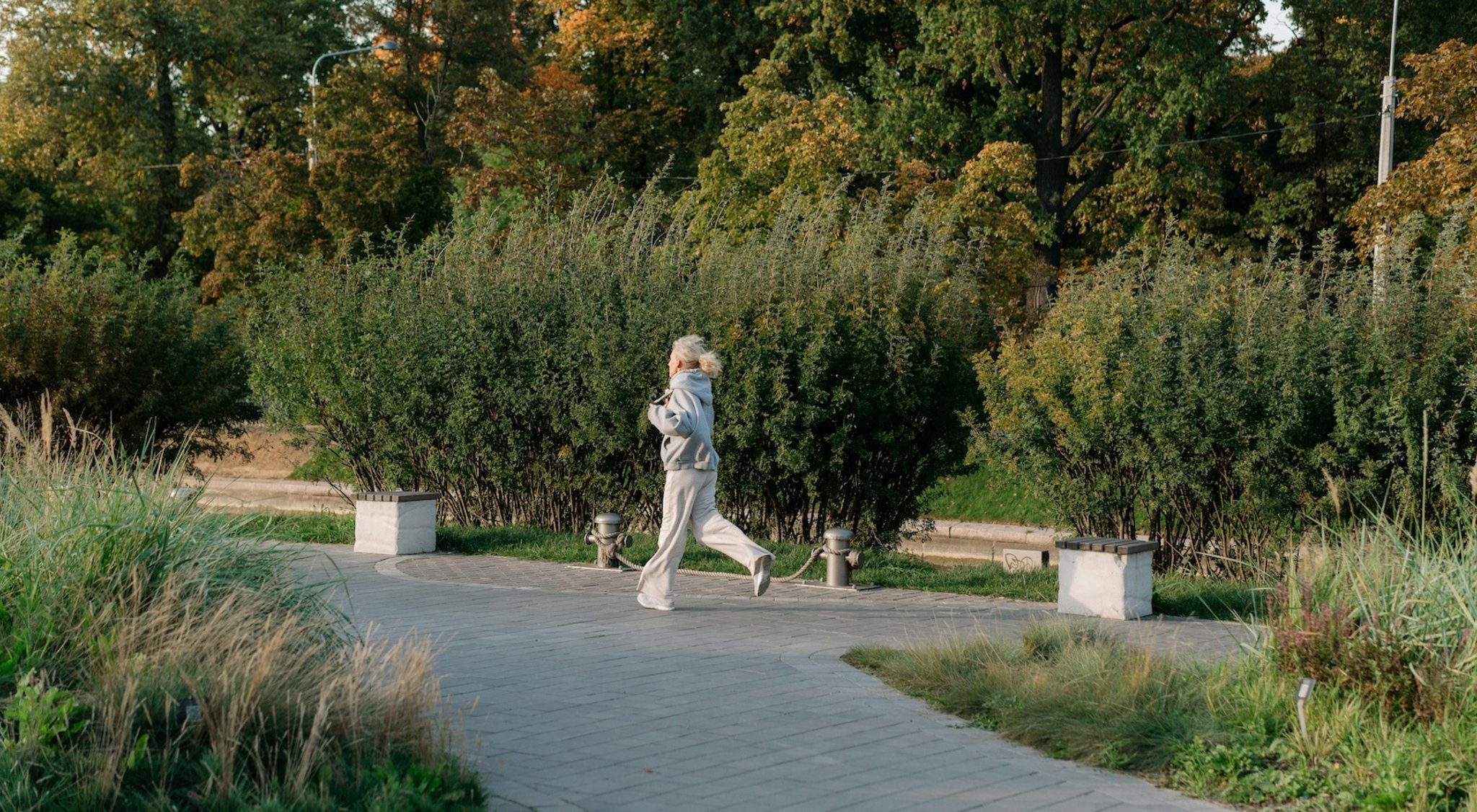
Regular exercise is one of the most effective ways to extend your healthspan—that is, the years during which we remain physically and mentally healthy. Physical activity supports key processes of cellular health, protects the mitochondria (the “powerhouses” of our cells), and regulates blood sugar, inflammation, and hormonal balance. Mental fitness also benefits. In short: Exercise affects nearly every aspect related to longevity and anti-aging.
Four Pillars of Exercise for Healthy Aging
An effective longevity strategy is based on four forms of exercise that target different systems in the body:
- Stability & Mobility: Posture work, fascia training, and joint mobility reduce the risk of injury and ensure smooth movements—an often-underestimated component of healthy aging.
- Strength Training: Targeted muscle building protects against muscle loss (sarcopenia), strengthens bones, supports the joints, and aids hormonal regulation—which is especially important as we age.
- Zone 2 Endurance Training: A form of moderate endurance exercise where you can still hold a conversation (approx. 60–70% of maximum heart rate). It promotes fat burning, improves insulin sensitivity, and strengthens the mitochondria, making energy production in the cells more efficient.
- VO₂max training: This refers to intense but brief exercises (e.g., sprints or HIIT) that increase maximum oxygen uptake —a strong indicator of cardiovascular fitness and a good predictor of longevity.
Exercise works at the cellular level—and starts in everyday life
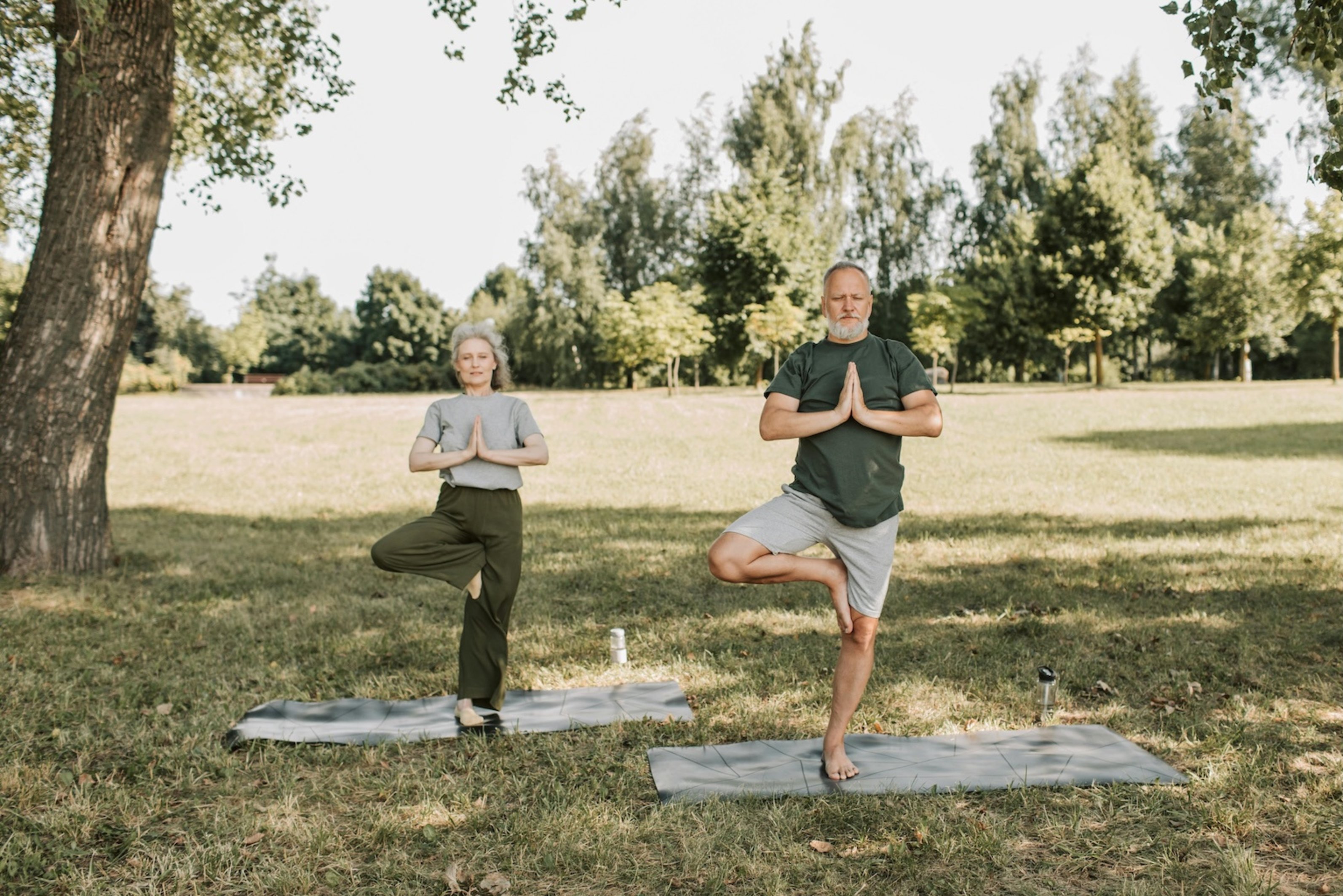
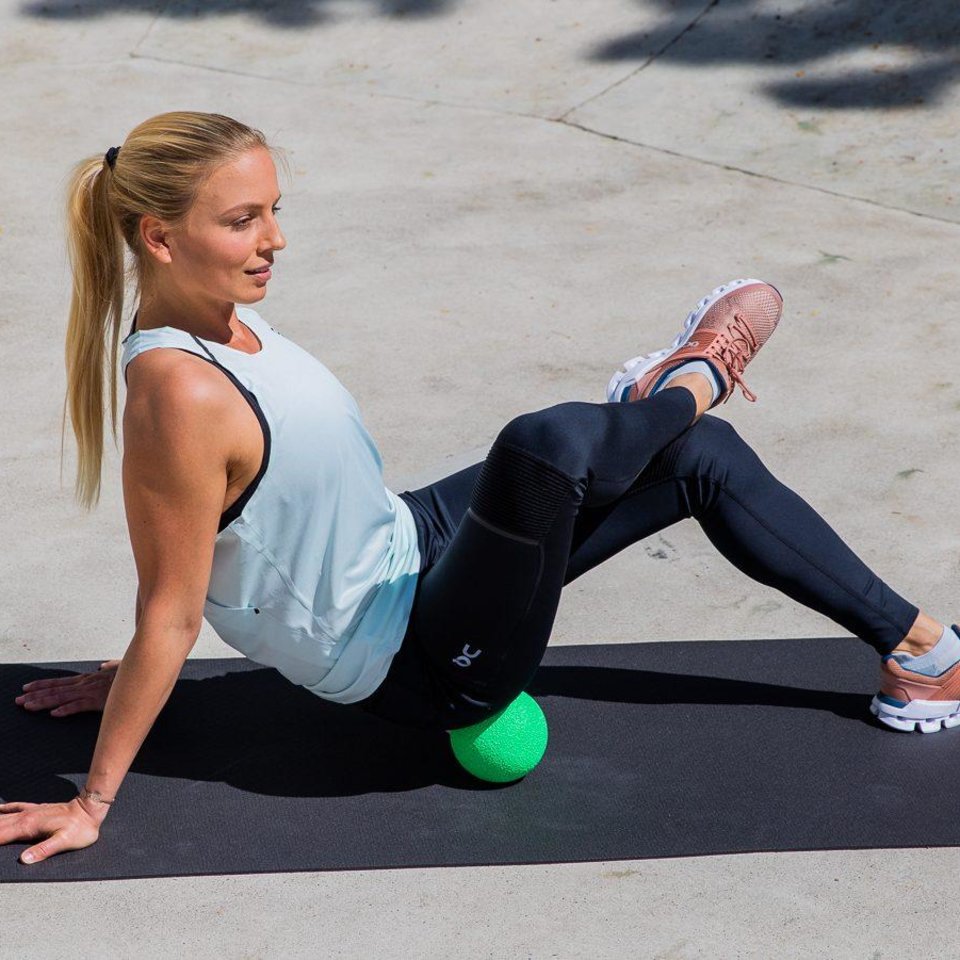
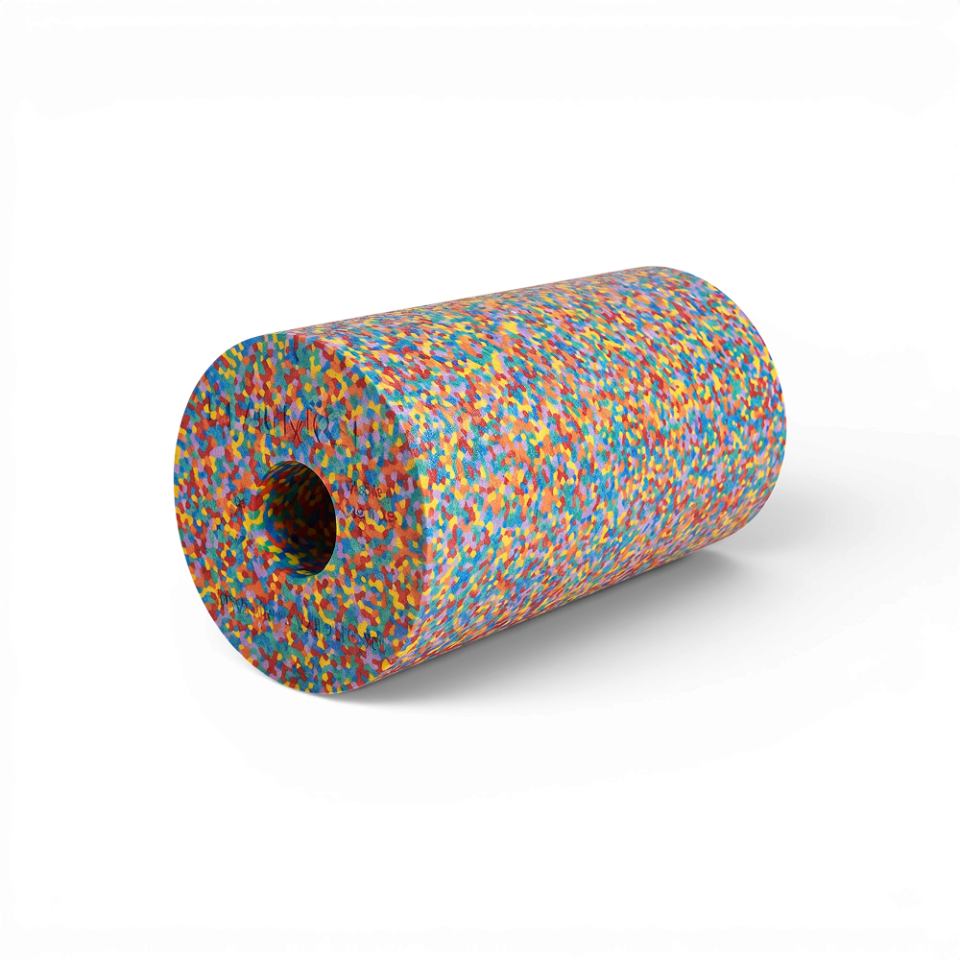
Even just 10 to 15 minutes of targeted exercise a day makes a difference—especially when it lays the foundation for further training. With simple methods like mobility exercises, light strength exercises, or short stretching routines, exercise can be integrated almost anywhere—in the morning on a mat, in the evening while rolling out, or actively incorporated into breaks. Tools like foam rollers and resistance bands can help with targeted mobility work or make it easier to adopt new movement habits—especially in cases of muscle tension or limited mobility.
Get started right now: HIIT Workout: 17-Minute Workout with the BLACKROLL®
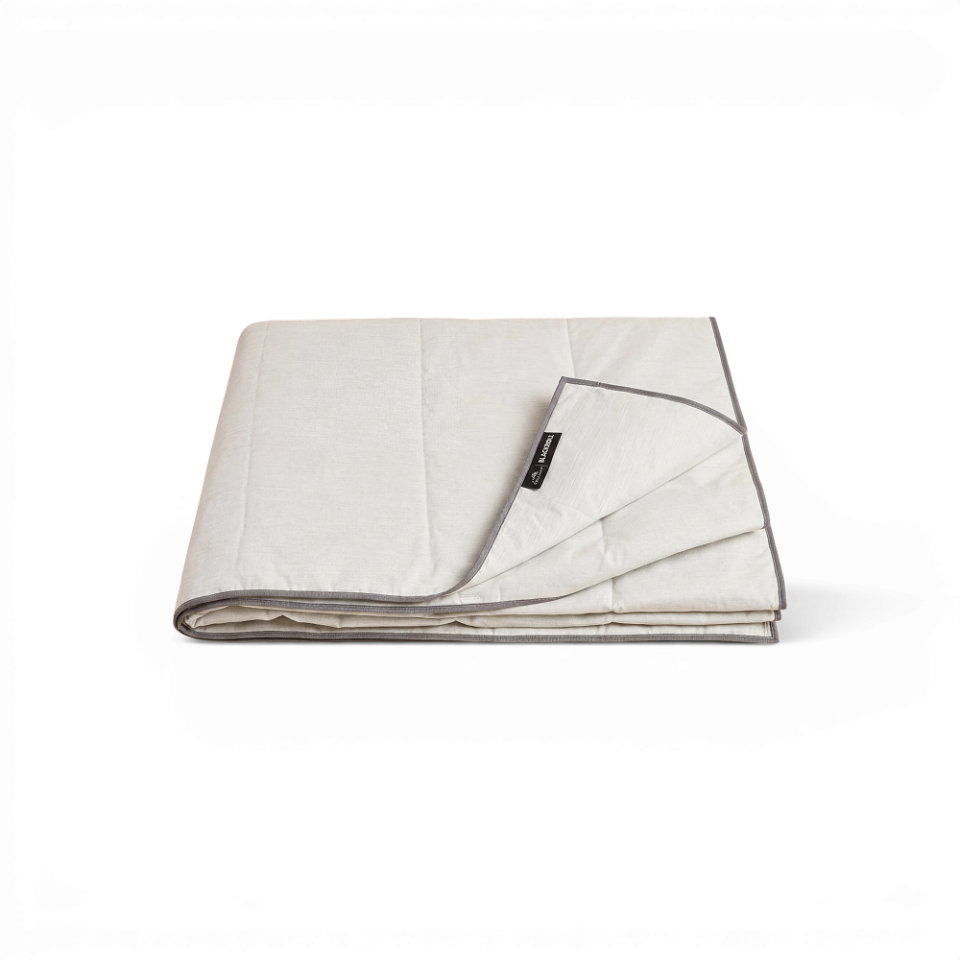
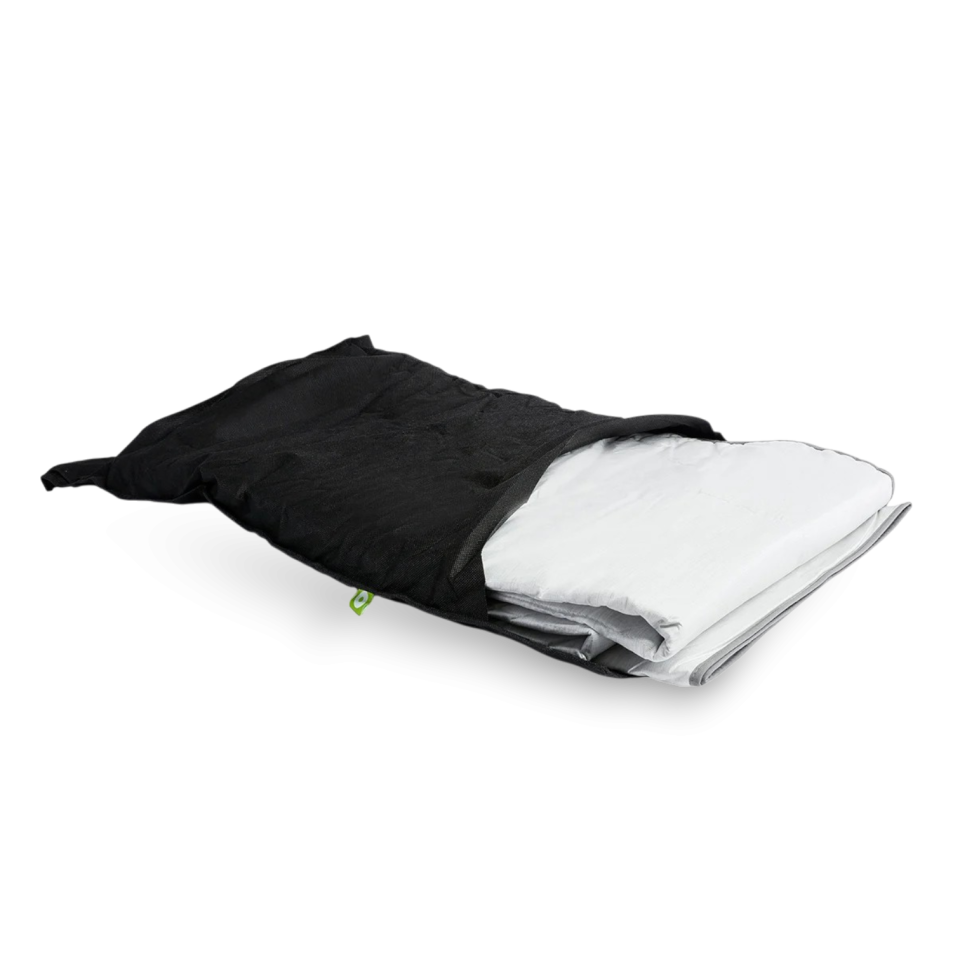
Recovery Blanket Summer
Available in multiple variants
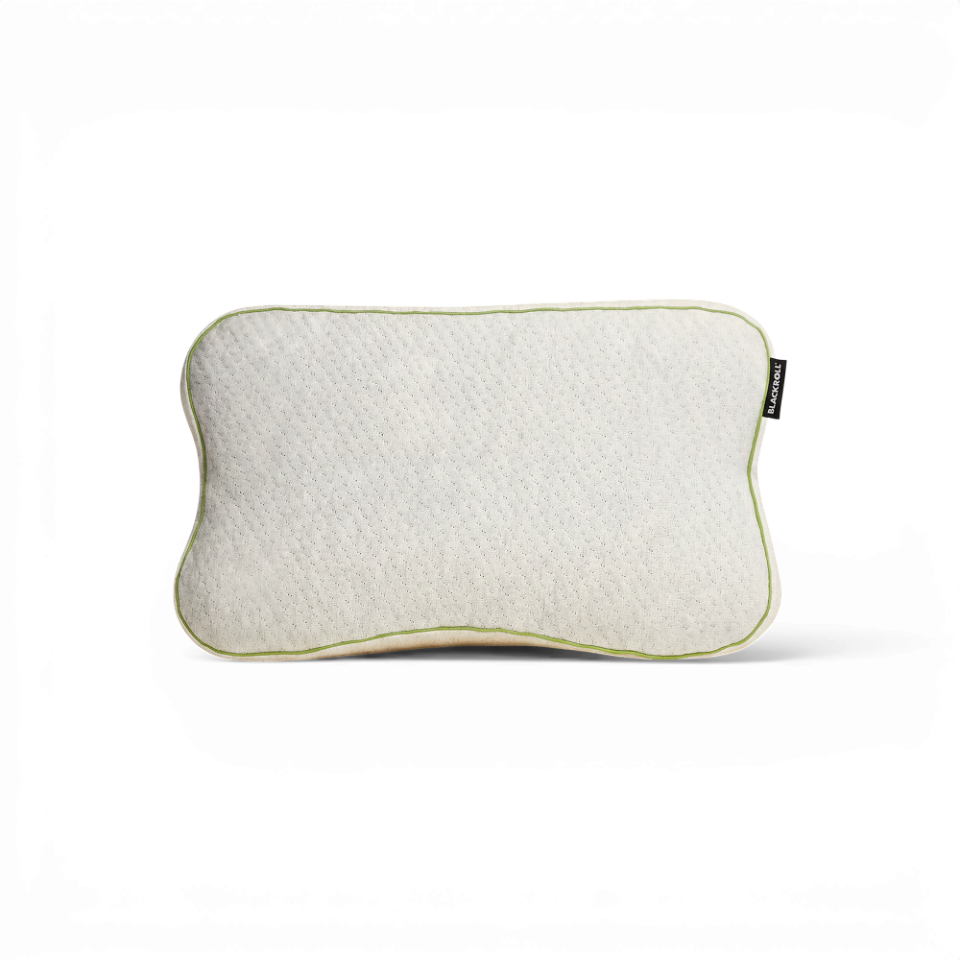

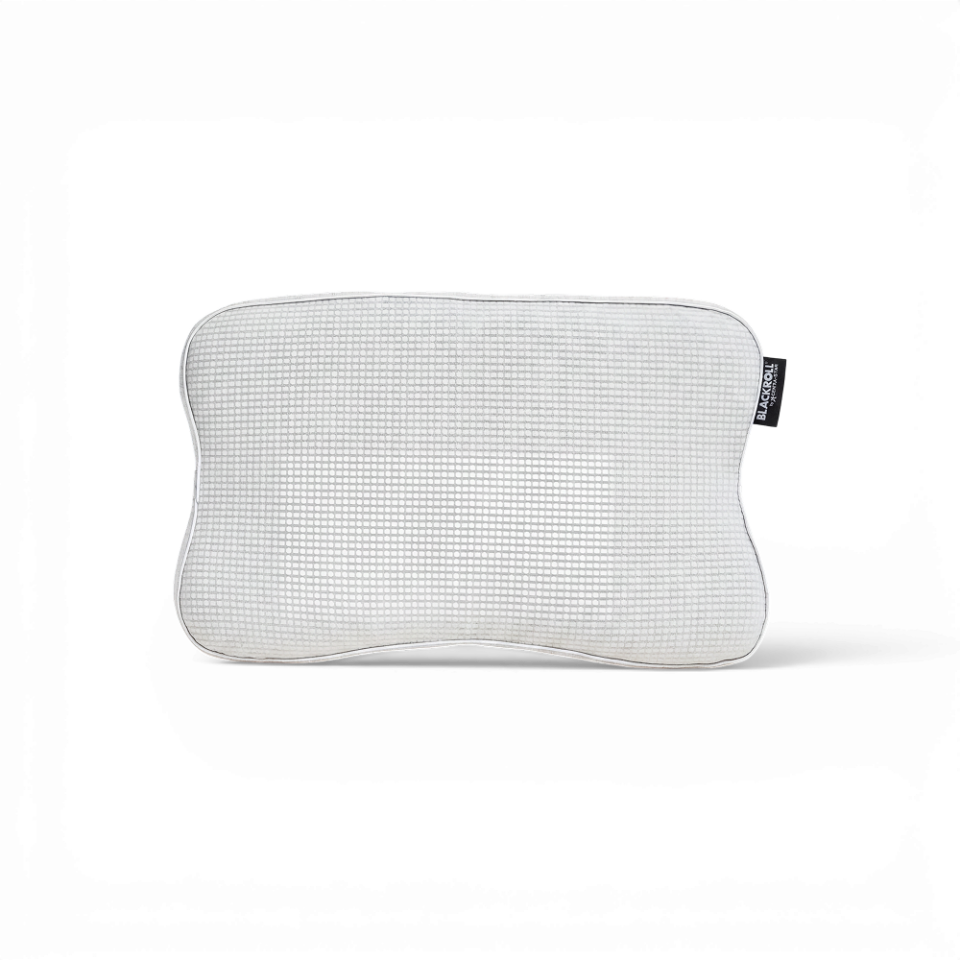


Muscle Building as an Anti-Aging Factor
When it comes to healthy aging, many people first think of endurance training—yet muscle strength is a key, often underestimated factor in longevity. Studies show that muscle mass and strength are closely linked to a lower risk of mortality, better cognitive function, and greater daily functional ability in old age.
Grip strength deserves special mention here: It is considered by researchers to be a reliable marker of overall muscle quality —and a strong predictor of longevity. Studies show that people with weaker hand strength have a higher risk of dying earlier. The link is particularly clear in the case of cardiovascular diseases.
Strength is functional resilience: It protects against falls, stabilizes joints, strengthens bones, and ensures independence well into old age—a true anti-aging factor with a measurable impact on quality of life.
Muscle Building as a Shield Against the Aging Process
With every decade of life, we lose muscle mass—unless we take action to prevent it. Starting at age 30, muscle mass decreases by an average of three to eight percent per decade, and afterage 60, this loss accelerates significantly. This process, known as sarcopenia, accelerates aging and increases the risk of frailty. Regular strength training specifically counteracts this loss and also provides a wide range of benefits:
- Improved insulin sensitivity: The body can process sugar more efficiently.
- Stronger bones: Resistance training strengthens the skeleton and prevents osteoporosis.
- Hormonal balance: Strength training stimulates the production of important metabolic and growth hormones.
- Mental health: Exercise lifts your mood and reduces stress.
Exercises for Daily Strength Training


Making Strength Training Suitable for Everyday Life
Functional muscle building doesn’t always have to involve training with heavy weights. Exercises using your own body weight or light resistance can also—when done correctly—lead to noticeable progress. Two to three sessions per week are often enough to build muscle, maintain strength, and improve physical performance over the long term. If you want to go further or build specific muscle groups, you can, of course, step up your training—including with weights or more intense exercises.
Getting started can be simple: squats, lunges, planks, or rowing movements with resistance bands can be done at home or on the go—without any fancy equipment. Combined with mindful mobility exercises and proper recovery, strength training becomes a routine you can incorporate into your daily life—one that not only strengthens your muscles but also keeps your body in balance.
Want todo strength training at home? Discover a selection of BLACKROLL® exercises here for longevity in everyday life.
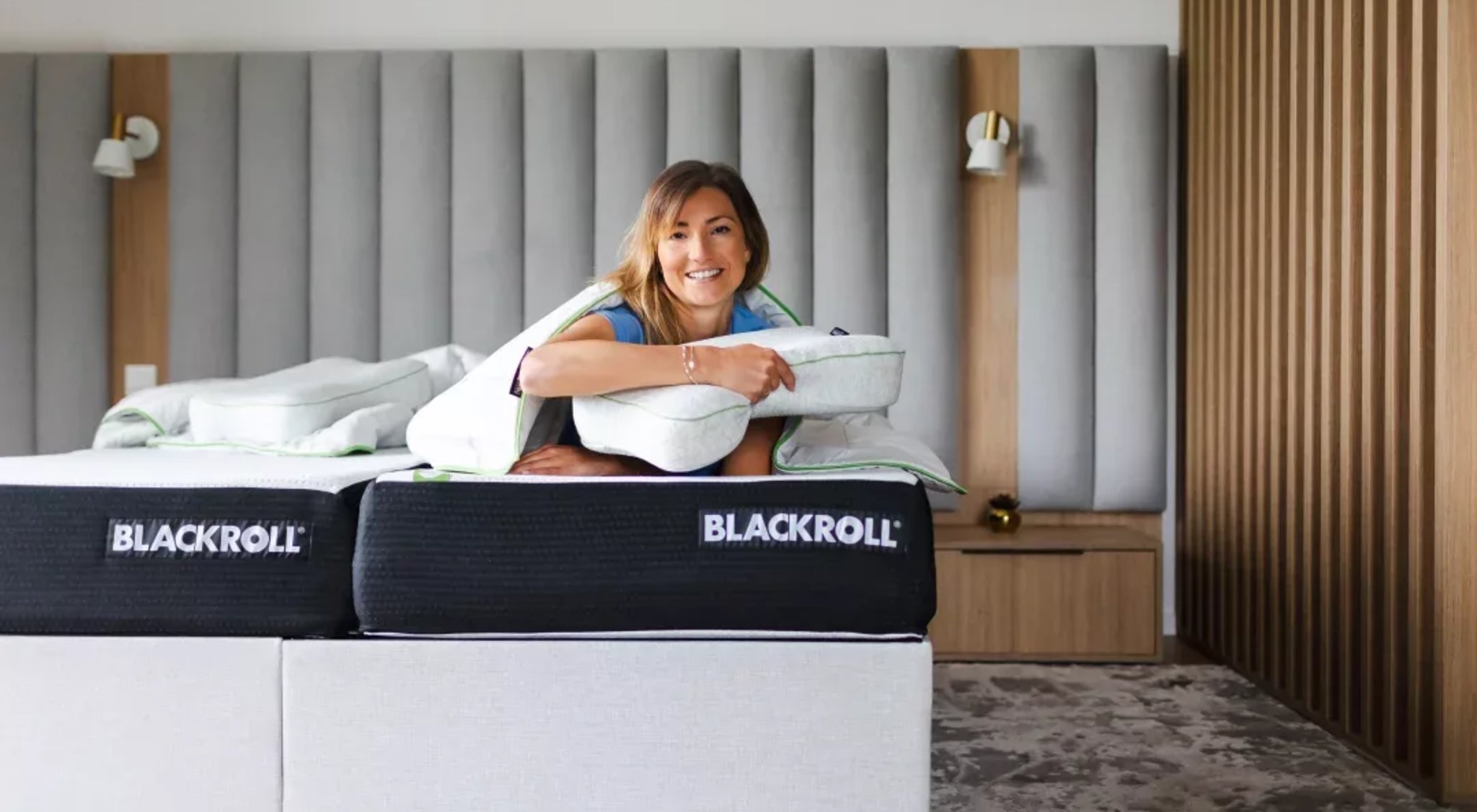

Sleep Better for Cell Health & Longevity
Good sleep is not a luxury, but a basic biological need—and a key factor in longevity. While we sleep, highly complex processes take place in the background that are crucial for regeneration, cell repair, and the stabilization of the immune system . Especially during deep sleep phases, the body shifts into recovery mode: damaged cells are eliminated (autophagy), the brain detoxifies itself, and important hormones are regulated.
Sleep deprivation accelerates aging—and shortens healthspan
People who consistently sleep poorly have been shown to have an increased risk of Alzheimer’s disease, cardiovascular disease, type 2 diabetes, and depressive symptoms. The link between sleep and cellular health has also been well researched: Chronic sleep deprivation promotes oxidative damage, fuels inflammatory processes, and weakens mitochondrial function—all factors that cause our biological clock to tick faster.
In addition, sleep influences our ability to cope with stress. Without sufficient rest, cortisol levels remain elevated—a condition that, over time, weakens the immune system and accelerates aging at the cellular level.
Sleeping Better in Everyday Life
Restful sleep doesn’t begin in bed, but hours beforehand: with targeted evening routines, mindful relaxation, and an environment that promotes rest. Even simple measures can improve sleep quality:
- Regular bedtimes and digital detox (e.g., no screen time for one hour before bedtime)
- Light exercise or breathing exercises in the evening to manage stress
- Mindful physical activities, such as fascia exercises or stretching, help the mind wind down
A mindful evening ritual signals to the body: Now you can let go. There is evidence that such routines not only make it easier to fall asleep but also extend the duration of deep sleep —which is crucial for autophagy, neurovascular recovery, and long-term cognitive vitality.
More tips: Sleep Better: Simple Strategies for Restful Nights
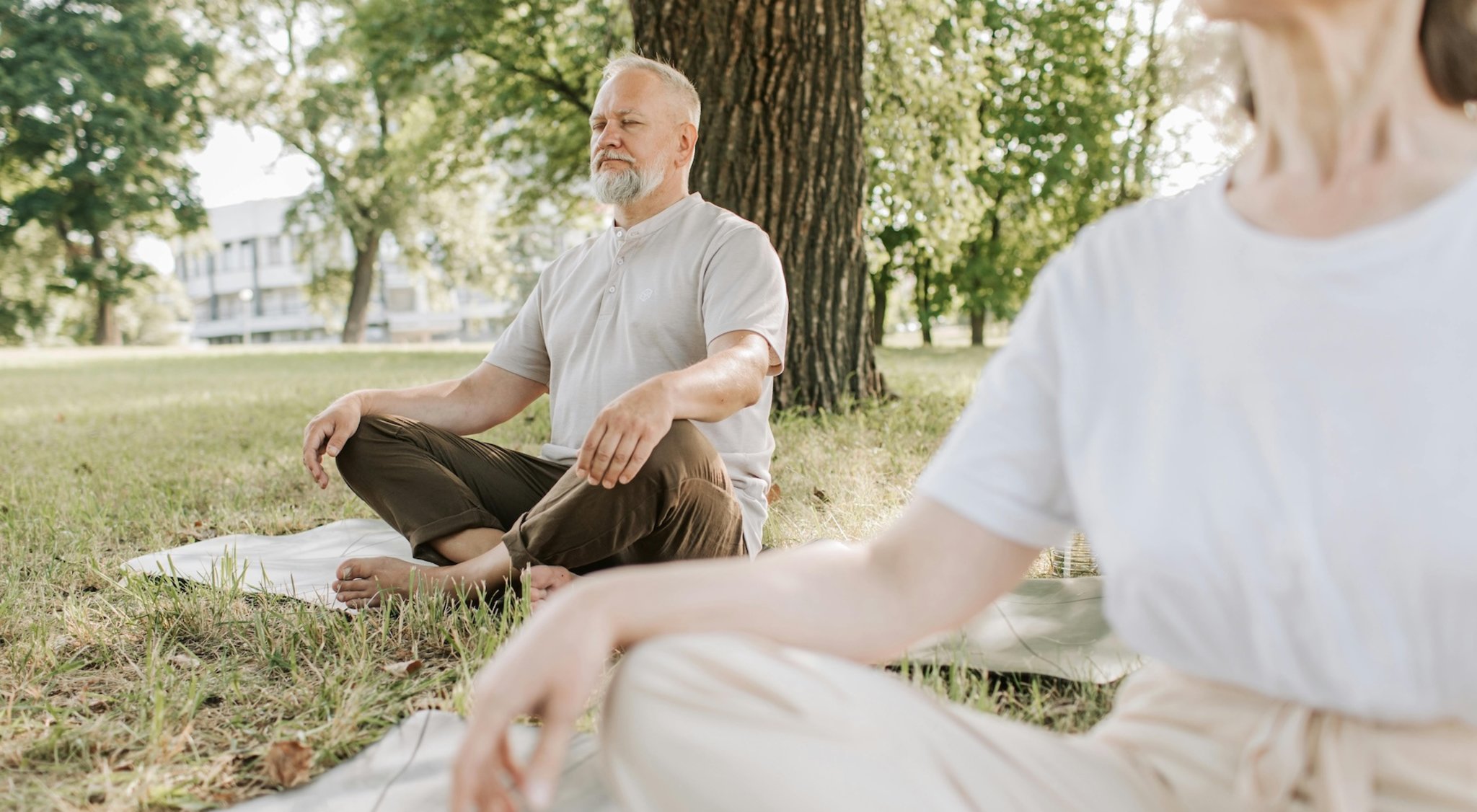

Mental Strength for Longevity in Everyday Life
Chronic stress is one of the invisible yet powerful factors that can accelerate the biological aging process. In stressful situations, the body initially releases increased levels of adrenaline and norepinephrine —these hormones put the body in a short-term “state of alert.” With prolonged stress, the stress hormone cortisol, in particular, remains persistently elevated.
Chronically elevated cortisol levels can impair sleep quality, weaken the immune system, and promote low-grade inflammatory processes in the body. In addition, chronic stress can increase the production of so-called reactive oxygen species (ROS)—aggressive molecules that attack cells and impair the function of the mitochondria, the “powerhouses” of our cells. Thus, prolonged stress can accelerate aging at the cellular level.
Stress Reduction as Biohacking for Cellular Health
It is well established scientifically that people with high stress resilience exhibit better heart rate variability (HRV), lower inflammation markers, and more stable cognitive performance —all factors closely linked to longevity. Mental fitness is therefore not just a “nice-to-have,” but a genuine strategy for extending healthspan.
Daily Routines to Combat Stress
These strategies have proven effective in strengthening the nervous system, promoting recovery, and supporting cellular health—without much effort:
- Mindful movement: e.g., fascia yoga, mobility routines, or targeted stretching for physical and mental relaxation
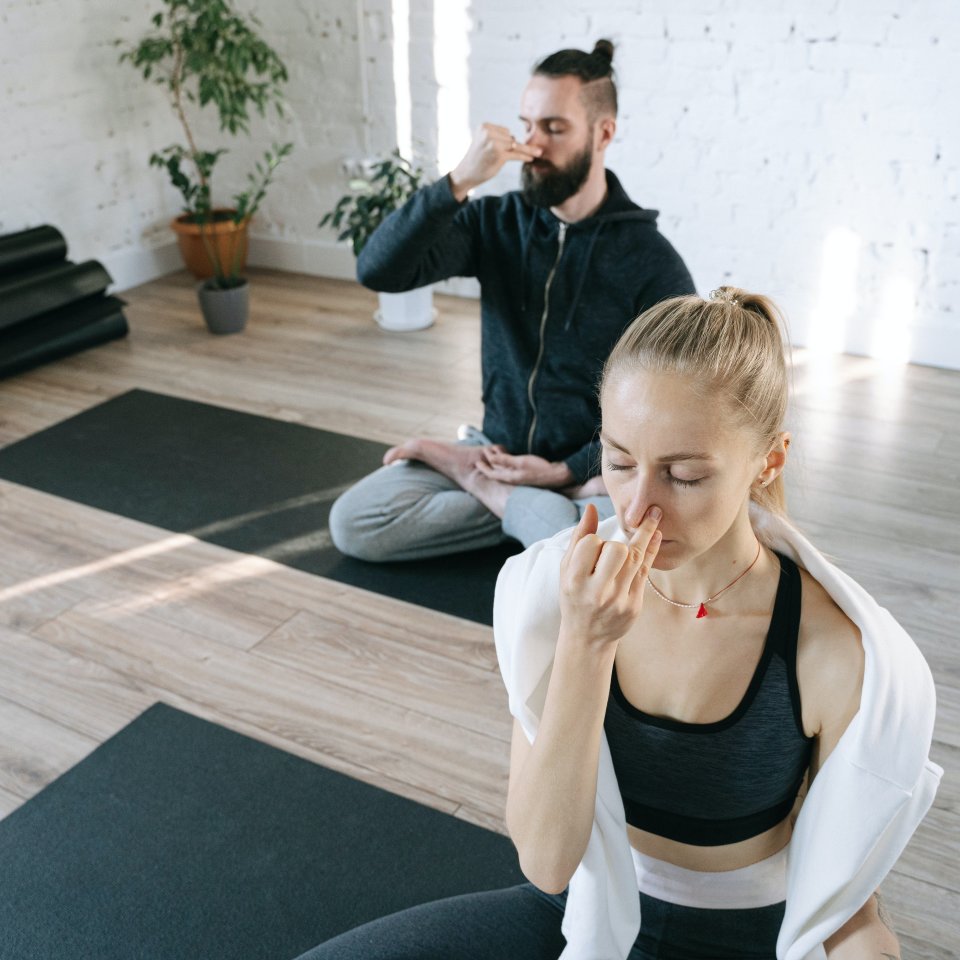
- Breathing: Breathing exercises such as the 4-7-8 breathing technique to activate the parasympathetic nervous system and lower cortisol levels
- Digital detox: Conscious offline time to combat sensory overload and chronic stress
- Promoting body awareness: e.g., through full-body fascia exercises —combining mindfulness with physical stimuli
- Cold therapy: brief cold stimuli such as cold showers or cold plunges to build mental resilience
More on the connection between cold and health: Cold therapy for recovery and health—what’s really behind it
More interesting articles




Anti-Aging Nutrition & Muscle Care
What we eat—and when—has a direct impact on our cellular health, metabolic balance, and the aging process. A nutrient-dense diet plays a key role in extending healthspan. Particularly important: stable blood sugar levels, good insulin sensitivity, and the maintenance of muscle mass, which protects us from frailty as we age.
Glucose Control: Fewer Fluctuations, More Energy
Significant blood sugar fluctuations can stress the mitochondria, promote inflammation, and accelerate cellular aging. The goal, therefore, is a diet that stabilizes glucose metabolism. The following are helpful:
- High-fiber meals (e.g., vegetables and legumes)
- High-quality fats (e.g., olive oil, avocado, nuts, seeds, fatty fish such as salmon or mackerel)
- Slow-digesting carbohydrates ( e.g., oatmeal, quinoa, whole-grain rice, legumes, sweet potatoes, and high-fiber vegetables such as broccoli or squash)
- Exercise after meals to prevent blood sugar spikes
Muscle Preservation & Protein Needs in Old Age
As we age, the body’s ability to metabolize protein efficiently declines—which means that if you want to age healthily, you need more protein, not less. The goal is to maintain muscle mass, as it protects against falls, stabilizes metabolism, and improves hormonal balance.
The concept “Overnourished & Undermuscled” sums it up: Many people consume too many calories but too little high-quality protein —and end up losing muscle mass. To counteract this:
- Aim for a daily protein intake of at least 1.2–1.6 g per kg of body weight
- Spread your protein intake evenly throughout the day
- Combine protein intake with targeted exercise and regular strength training


Conclusion: Longevity starts with your daily routine
First, the good news: Aging healthily isn’t some secret project reserved for biohackers or elite athletes. Longevity comes from habits, not perfection. If you exercise regularly, eat mindfully, sleep well, and actively manage stress, you’re laying the foundation for a long, vibrant life. Our article shows that prevention is possible without radical diets, high-tech gadgets, or the pressure to constantly optimize yourself.
The key isn’t to implement everything at once, but to integrate small routines into your daily life: 10 minutes of mobility exercises in the morning. Conscious exhalation after stressful appointments. A short strength training session using your own body weight. An evening ritual for better sleep. An ice bath to refresh your body and mind.
Simple tools —such as foam rollers or fascia balls, resistance bands, and a recovery pillow —can help you establish healthy rituals in your daily life. Because that’s exactly where longevity begins: not tomorrow or in ten years, but right now.
In our story “Longevity—Living Longer, But at What Cost? ”, we discuss the meaning, opportunities, and limitations of the longevity movement.
For Healthy Rituals
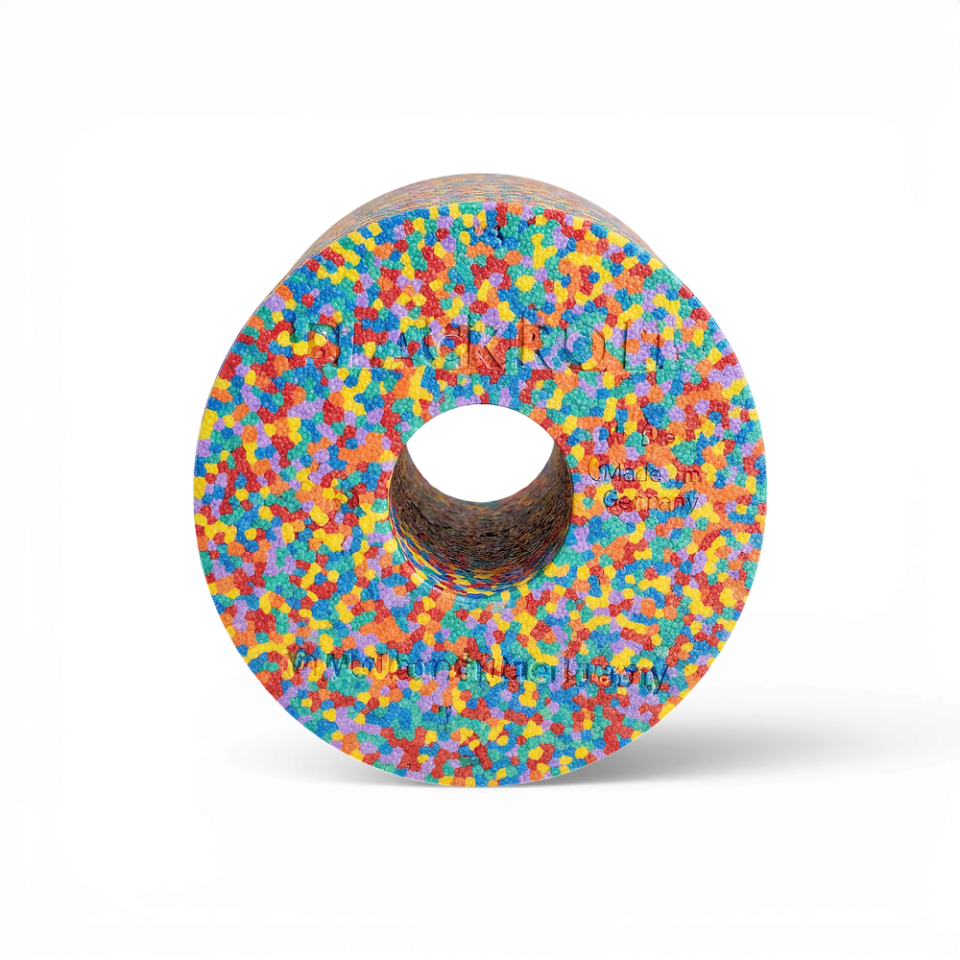



Resist Band
Available in multiple variants


FAQs
Useful information
Longevity describes the ability not only to live a long life, but also to gain as many healthy and active years as possible—in other words, to extend one’s healthspan. It’s about quality of life, not just lifespan.
Aging healthily means extending your healthspan—that is, staying vital, independent, and mentally sharp for as many years as possible. The key lies in simple but consistent daily habits: regular exercise (especially strength and endurance training), sufficient sleep, a balanced diet, stress reduction, and active recovery. Targeted treatments such as cold therapy can also help. What matters isn’t perfection, but consistency—small routines that have a long-term effect.
Through mindful daily routines: regular exercise (especially strength and endurance), good sleep, a balanced diet, stress management, and active recovery. Small, consistent steps are more effective than short-term, extreme measures.
Mitochondria are the cells’ energy suppliers. When they function well, metabolism, muscles, and the brain remain efficient. Exercise, sleep, and nutrition support their function and protect against premature aging.
That depends largely on your goal. For general health and functional mobility, 15–30 minutes a dayis often enough —for example, in the form of mobility exercises, light strength training, or Zone 2 endurance training. What matters most is not so much the duration as the regularity and variety of your exercise.
On the other hand, if you want to pursuespecific athletic goals well into old age —such as playing tennis, hiking, or cycling—you should structure your training in a more targeted and comprehensive way, focusing on endurance, strength, coordination, and resilience.
Exercise also plays a major role in mental health. In *The Joy of Movement*, psychologist Kelly McGonigal writes that taking fewer than 5,649 steps a day can be associated with increased anxiety, depression, and decreased life satisfaction. In other words, even moderate daily activity has been shown to boost emotional well-being.Discover exercises and workouts here that fit well into your daily routine.
More interesting articles


Useful information
Attia, P. (2023). Outlive: The Science and Art of Longevity. New York: Harmony Books.
Brown, R., & Green, L. (2022). The key role of mitochondria in aging and longevity. Aging Cell, 21(5), e13645.
Clark, H., & Johnson, M. (2023). Mitochondria: It’s All About Energy. *Nature Reviews Molecular Cell Biology*, 24(2), 95–107.
Krueger, S. (2024). Cardiorespiratory fitness and immune cell mitochondrial metabolism. Deutsche Zeitschrift für Sportmedizin, 75(1), 22–31.
Lee, S., & Wang, J. (2021). Mediterranean diet and mitochondrial function. Journal of Nutritional Biochemistry, 90, 108–119.
López-Bueno, R., et al. (2022). Thresholds of handgrip strength for all-cause, cancer, and cardiovascular mortality: A systematic review with dose-response meta-analysis. National Library of Medicine.
McGonigal, K. (2019). The Joy of Movement: How Exercise Helps Us Find Happiness, Hope, Connection, and Courage. New York: Avery.
Memme, J. M., et al. (2019). Exercise and mitochondrial health. The Journal of Physiology, 597(6), 1537–1552.
O’Reilly, M., et al. (2023). Exercise and mitochondrial remodeling. Frontiers in Neuroscience.
Volpi, E., Nazemi, R., & Fujita, S. (2010). Muscle tissue changes with aging. Current Opinion in Clinical Nutrition and Metabolic Care, 13(3), 271–276.
White, A., & Smith, T. (2023). Metabolic health and the impact of sleep. Stress, 26(1), 74–85.