
Want to get fitter, last longer, and do something good for your body? Then Zone 2 training is just right for you! In this zone, you train at a low intensity while your heart and muscles work together optimally. It’s the perfect foundation for improving your endurance, boosting fat metabolism, and making you more efficient in the long run—without overdoing it.
Zone 2 training isn’t just for beginners; it’s also an essential building block for experienced athletes looking to make sustainable progress.
Here, you’ll find out how Zone 2 training works and how you can use it effectively for yourself!


What is Zone 2 and why is it important?
Zone 2 refers to an intensity range in endurance training that effectively strengthens the cardiovascular system without overloading the body. This zone is part of the heart rate zones and typically ranges from 60–70% of maximum heart rate. At this intensity, fat metabolism increases while muscle glycogen stores are conserved, which is particularly beneficial during longer workouts or when trying to lose weight.
A wide variety of sports, such as running, cycling, or swimming, are well-suited for training in Zone 2. The training effect is reflected in improved aerobic capacity and a sustained increase in endurance efficiency. In addition, regular training in this zone supports recovery and reduces the risk of injury, as the body is not constantly pushed to its limits.
In practical terms, this means that relaxed yet continuous training at this intensity not only boosts performance but also improves overall well-being. Studies show that athletes who consistently train in Zone 2 achieve greater endurance and faster recovery . Therefore, it’s worth investing time in this zone regularly and making it a fixed part of your training plan.
Helpful Running Exercises




Benefits of Zone 2 Training
Zone 2 training is one of the most effective ways to improve your endurance over the long term while strengthening your body. Training in Zone 2 offers numerous benefits:
- Improved fat burning: Your body learns to use fat more efficiently as an energy source, which is particularly important for endurance performance and a better body composition.
- Strengthening of your cardiovascular system: Training in this zone improves oxygen delivery to your muscles and increases your heart’s capacity.
- Increased aerobic capacity: Your muscles become more efficient at using oxygen, which improves your overall performance.
- Less strain on the body: Compared to more intense forms of training, Zone 2 training is gentle on your joints and reduces the risk of overuse injuries.
- Long-term endurance development: Regular training in Zone 2 lays the foundation for a stable and high-performing baseline fitness level.
Zone 2 training is therefore not only ideal for improving your overall fitness but also an important building block for a sustainable training strategy. Whether you’re a runner, cyclist, or recreational athlete—this training will help you achieve your goals efficiently and healthily.
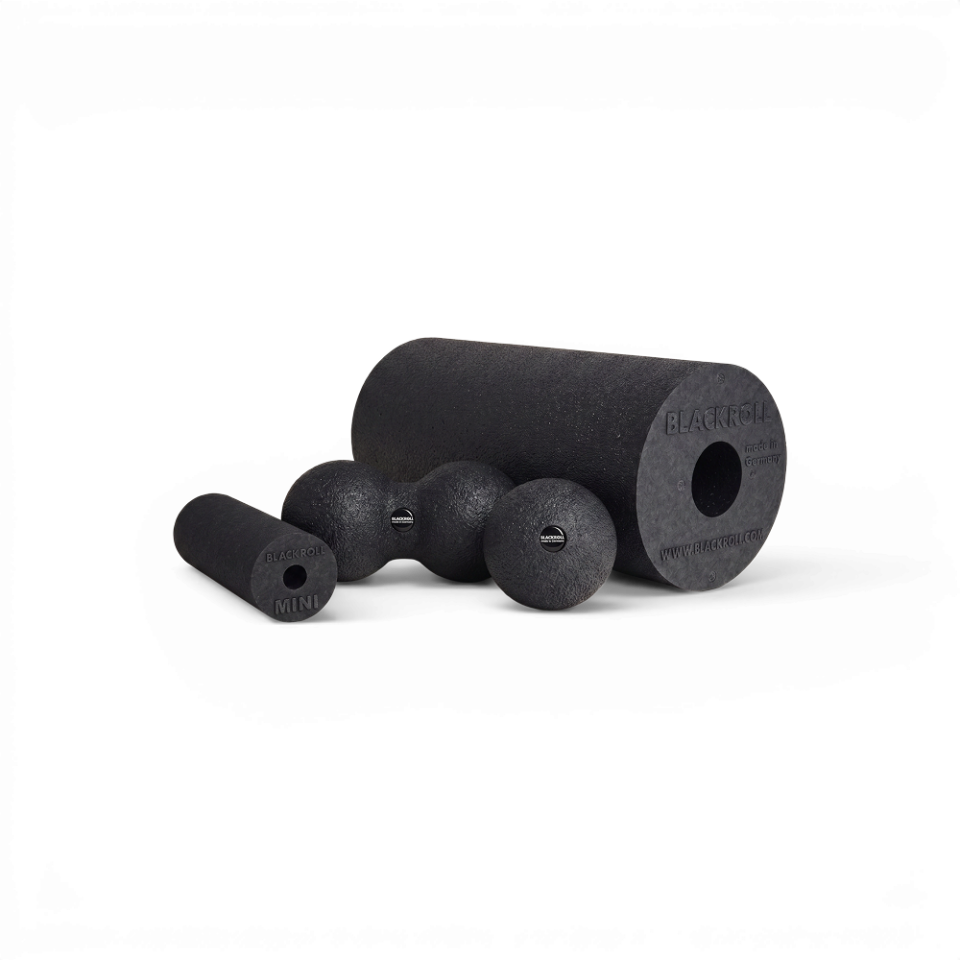
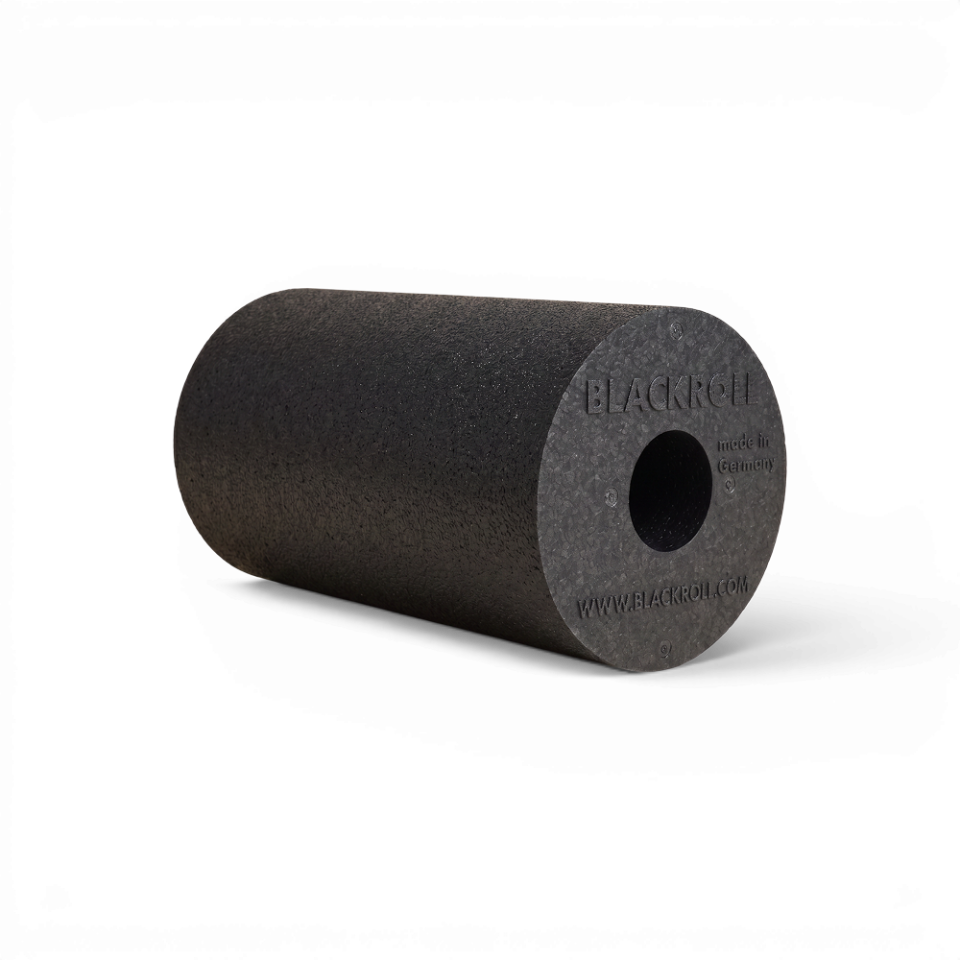
Recovery Tools for Your Running Training
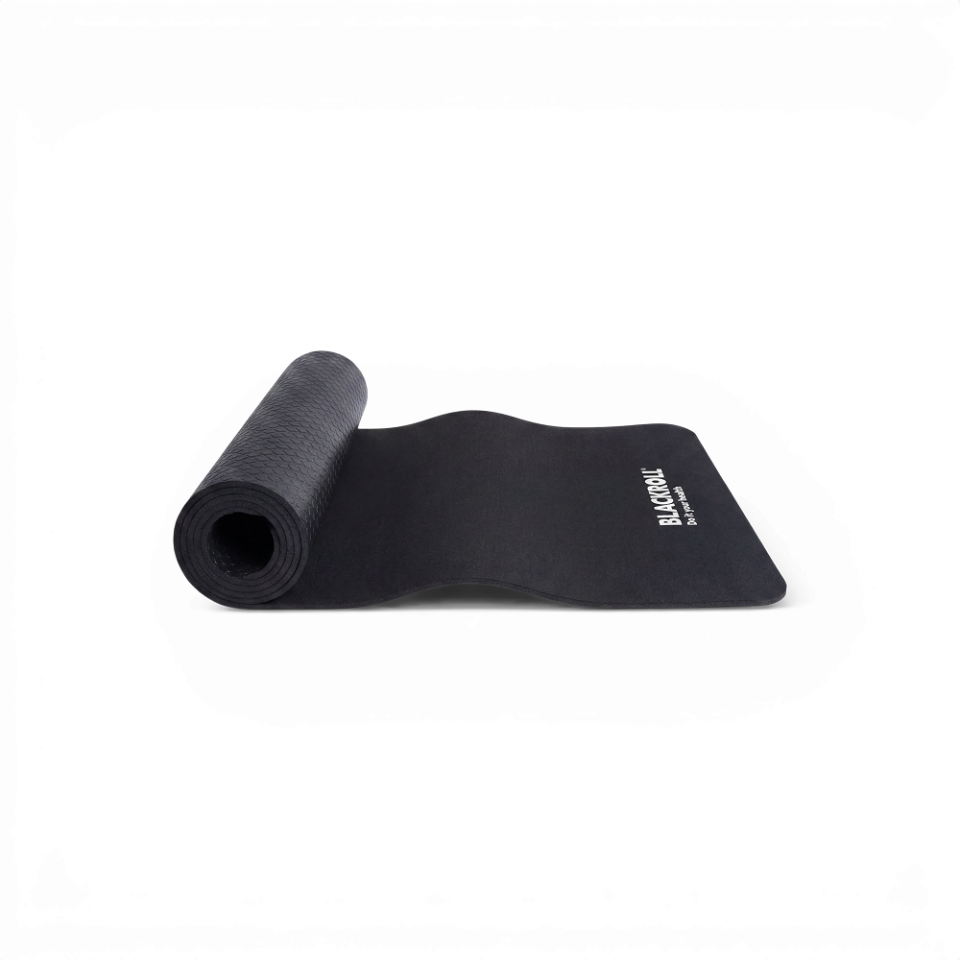
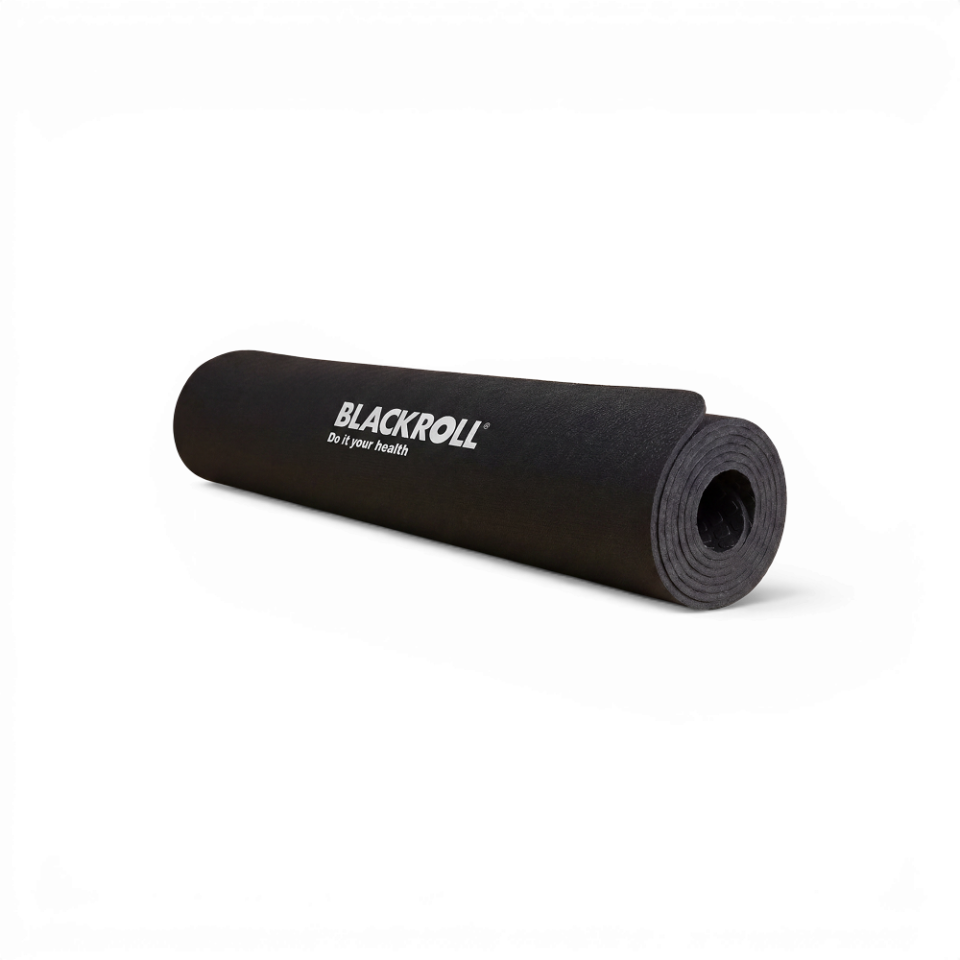
Mat
Available in multiple variants


Determining Your Zone 2 Heart Rate
To accurately determine your personal Zone 2 heart rate, it’s important to understand the basics of this aerobic training zone. Zone 2, often considered the foundation of aerobic fitness, supports cardiovascular efficiency and fat burning. Accurate calculations are crucial. It’s best to use a formula:
Zone 2 heart rate = 60–70% of maximum heart rate
A heart rate monitor is an excellent tool for staying in Zone 2 during your workout. Start with slow, long sessions in the lower heart rate range to experiment and get a feel for this training intensity. Make sure you’re as relaxed as possible and still able to hold a conversation—that’s a good rule of thumb for knowing you’re in Zone 2.
Check your heart rate regularly to make adjustments and monitor your progress. It’s a good idea to try different training methods, such as cycling or slow running, to experience different levels of exertion. Incorporating Zone 2 exercises into your routine will improve your overall endurance and well-being in the long run. Consciously staying in this zone will optimize your training over time.


Zone 2 - Aerobic Zone
Zone 2, also known as the aerobic zone, is at the heart of effective endurance training. Within this heart rate zone—usually around 60–70% of your maximum heart rate—you optimize fat burning and build a solid foundation for any type of athletic performance. The key benefit of this training method is that the body uses 80–90% fat as an energy source, which improves both endurance and recovery capacity .
An additional benefit of training in Zone 2 is the activation and strengthening of the mitochondria, which, as the “powerhouses” of the cells, play a central role in energy production. Through regular training in this zone, the cells work more efficiently and can extract more energy from fats, which increases performance in the long term.
Low and Slow Training
A classic approach to effectively utilizing Zone 2 is what’s known as “Low and Slow” training. In this method, you train for longer periods at a relatively low intensity, which allows you to complete longer training sessions overall without placing too much strain on your body. Additionally, this type of training significantly reduces the risk of injury. Both beginners and experienced athletes benefit equally, as it increases aerobic capacity while keeping stress hormone levels low.
When integrated into daily life, aerobic zone training can take the form of light jogging, cycling, or swimming. Sports watches or apps help monitor your heart rate and ensure that you stay in the optimal zone consistently. This routine not only trains your body to work more efficiently but also reduces stress, which promotes overall well-being in the long term.


Tips: Getting Started with Zone 2 Training
Zone 2 training may seem unfamiliar at first, as it deliberately takes place within a moderate intensity range. But it is precisely this controlled effort that is crucial for improving your endurance and health over the long term. Here are some detailed tips to help you get started
- Determine your Zone 2 range: To train effectively in Zone 2, you need to know your personal heart rate range. This is typically 60–70% of your maximum heart rate. You can calculate this range using the formula “220 minus your age” and applying the specified percentage range. However, this formula is very imprecise and is only intended as a rough estimate. You can also trust your body’s signals: In Zone 2, you should still be able to carry on a conversation without getting out of breath. The most accurate way to determine your maximum heart rate is through performance testing, such as spiroergometry.
- Invest in the right equipment: A sports watch or a chest strap with heart rate monitoring is helpful for ensuring that you stay within the correct zone. Many devices offer training guidance features that indicate whether you’re in Zone 2. This helps you avoid unintentionally training too intensely.
- Start slowly: If you’re new to Zone 2 training, begin with 20–30 minutes per session. Focus on keeping the effort level consistent. Over time, you can gradually increase the duration to up to 60 minutes or more without increasing the intensity. It can be challenging to keep the pace low, especially in the first few weeks—but stick with it, as this is the key to long-term progress.
- Choose suitable activities: Zone 2 training is versatile and can be integrated into many sports. Whether you’re running, cycling, swimming, or going for a brisk hike—the important thing is to maintain a steady effort. Choose an activity you enjoy to stay motivated and incorporate your training into your daily routine over the long term.
- Stay patient: Zone 2 training aims to develop your basic endurance, which requires time and consistency. Progress often becomes visible only after a few weeks—for example, through a lower heart rate at the same intensity or increased endurance. Don’t get discouraged if you don’t feel the results right away—it’s worth it!
- Combine Zone 2 with active recovery: Use Zone 2 training on days when you want to recover from more intense workouts. It promotes recovery while ensuring you stay active without overtaxing your body.
- Make training a regular part of your life: Plan your sessions so they fit into your daily routine. For example, you can do a Zone 2 session while taking a walk, commuting by bike, or going for a leisurely run in nature.
- Track your progress: Keep a training journal or use apps to log your sessions and track your progress. This helps you stay on top of things and see how your endurance and fitness are improving.
Zone 2 training is ideal for improving your fitness in a sustainable and gentle way. It may feel unusual at first to train at a lower intensity, but that’s exactly the key to long-term success. With the right tips and a little patience, you’ll quickly feel the benefits and enjoy improved endurance and overall fitness .
More Interesting Articles







Calculation Tools
Accurately calculating your Zone 2 heart rate is essential for making your endurance training efficient and targeted. Various tools can help you determine your individual heart rate zone and ensure that you stay within the correct intensity range:
Sports watches and fitness trackers: Modern sports watches, such as those from Garmin, Polar, or Fitbit, offer built-in heart rate monitoring and workout guidance features. These devices automatically calculate your heart rate zones based on your personal data (age, gender, weight, fitness level) and show you in real time whether you’re in Zone 2. Models with optical heart rate monitoring or chest straps are particularly useful, as they provide even more accurate measurements.
Heart rate monitors with chest straps: For the highest accuracy, a heart rate monitor with a chest strap is ideal, as it measures your heart rate directly from your chest and transmits the data to a compatible device. This method is particularly popular among endurance athletes because it is precise and reliable, even during intense workouts or in sweaty conditions.
Heart Rate Analysis Apps: There are numerous apps that can help you determine and monitor your Zone 2 heart rate. Popular options include:
- Strava: Ideal for runners and cyclists, it offers real-time data and detailed analyses.
- Polar Beat: Works perfectly with Polar products and provides detailed heart rate data.
- Garmin Connect: For users of Garmin devices, with comprehensive workout analytics.
- MyZone: A flexible app compatible with various chest straps.
Performance testing: A professional performance test at a gym or with a sports medicine specialist provides you with the most precise values. This not only measures your maximum heart rate but also determines your individual anaerobic threshold and aerobic zone. This data allows for an exact definition of your Zone 2.
RPE Scale (Rate of Perceived Exertion): For beginners or people without technical aids, the RPE scale is a good option. It measures yoursubjective exertion on a scale from 1 to 10. In Zone 2, you should be at an exertion level of about 3–4—slightly out of breath but still able to speak comfortably.
Online Calculators: Many websites and fitness portals offer free online calculators that let you quickly and easily determine your Zone 2 heart rate. Simply enter your age and other basic information to calculate your individual range.
Our tip for you: No matter which tool you choose, regularly reviewing your heart rate data and adjusting it based on your progress is key to training effectively in Zone 2 over the long term. Use the method you like best and incorporate it into your training to achieve your endurance goals!


Conclusion: Benefits of Zone 2 Training
Zone 2 training is a simple, effective, and low-impact method for improving your endurance, promoting fat burning, and strengthening your cardiovascular system over the long term. It provides the ideal foundation for sustained fitness and is suitable for beginners and experienced athletes alike. With the right approach, patience, and appropriate tools, you can reap the benefits over the long term. Give it a try and experience how this training not only boosts your athletic performance but also improves your overall well-being!