
To continuously improve as a runner, avoid injuries, and possibly prepare for your next marathon, a structured approach is essential. Periodization in running training offers exactly that: a systematic approach that divides training sessions into meaningful phases to specifically build performance, promote recovery, and work toward individual goals. In this article, you’ll learn why periodization is essential, what phases are involved, and how you can best integrate them into your running training.


Basic Principles of Periodization
The fundamental principles of effective periodization in running training are based on the structured alternation of training and recovery phases. This approach ensures that runners continuously improve, avoid injuries, and achieve their goals. Periodization encompasses various training cycles—macrocycles, mesocycles, and microcycles—each differing in duration and intensity.
Another important aspect is the principle of progression. To improve, the intensity, duration, or frequency of training must be increased gradually. However, care must be taken to ensure that this increase is managed sensibly to minimize the risk of injury.
A personalized approach is essential. Athletes have different starting points, which must be taken into account in the planning process. Flexibility remains key: the body does not always respond the same way to stress, and individual adjustments to the training plan are necessary.
Finally, monitoring training progress is of central importance. Training logs and feedback can be used to measure how the body reacts to training stimuli. The goal is to make adjustments in a timely manner to get the most out of the plan and achieve the set goals.


Training Phases in Running
Preparation Phase
At the heart of periodization in running training are various, coordinated training phases, each with clear goals. During the preparation phase , you specifically prepare your body for the upcoming physical demands. The focus is on building your basic endurance and strength. Runs at a moderate pace increase your aerobic capacity, while complementary exercises for flexibility and mobility help prevent injuries and actively support recovery.
Build-up Phase
This is followed by the build-up phase, during which your training intensifies. The goal here is to achieve specific objectives such as speed and pace. Interval training and tempo runs take center stage to push your anaerobic threshold and boost your performance. Variety in your training stimuli is crucial to ensure your body is continually challenged. At the same time, you should plan for sufficient recovery periods to prevent overexertion.
Competition Phase
The preparation phase leading up to the competition brings your goal within reach. Here, intensity is maintained while training volume is reduced—an approach known as “tapering.” The goal is to enable your body to perform at its peak without becoming fatigued. In addition, your nutrition strategy and targeted recovery measures play a central role in ensuring you’re optimally prepared.
Recovery Phase
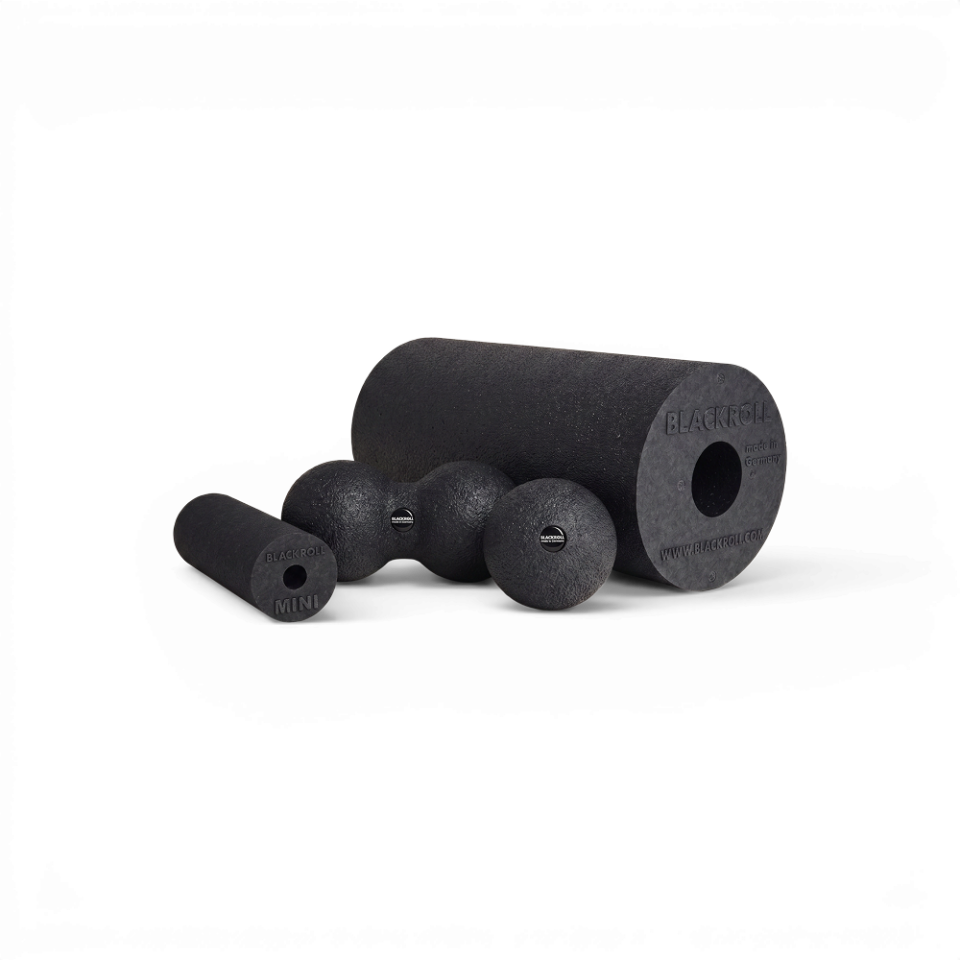
Every training period concludes with a recovery phase that gives your body time to fully regenerate. Light training and alternative sports like swimming or cycling help you recover actively. With BLACKROLL products, you can relieve muscle tension and promote blood circulation—preparing you ideally for the next training phase. This phase is essential for your long-term health and continuous performance improvement.
With a well-thought-out and holistic approach that encompasses both training and recovery, you’ll achieve sustainable progress and remain healthy and high-performing over the long term.
Recovery Products for the Recovery Phase




Microcycles and Their Importance
Microcycles play a central role in designing an effective running training plan and are an indispensable element of training periodization. These small cycles, typically lasting one week, allow you to specifically control and adjust your training load. By strategically distributing periods of exertion and recovery within these cycles, the risk of overtraining can be minimized while continuously improving performance.
A well-designed microcycle includes various intensity levels and training types, such as tempo runs, intervals, long runs, and recovery sessions. This variety prevents monotonous training and helps maintain motivation. For example, a microcycle might begin with interval training to raise the anaerobic threshold, followed by a recovery run the next day to relax the muscles and initiate adaptation processes.
Adapting microcycles to individual needs and goals is essential. A marathon runner has different requirements than someone who wants to improve their performance over shorter distances. In addition, external factors such as work-related stress or other personal commitments should be taken into account to ensure an optimal balance between exertion and recovery. In the long term, a finely tuned microcycle setup helps you get the most out of periodization in running training and achieve your athletic goals in a focused and healthy way, while always prioritizing good sleep recovery to optimally support muscle energy metabolism.


Structuring a Macrocycle Plan
When developing a macrocycle plan for running training, several coordinated phases are crucial. First, broad goals are established for the entire duration of the training cycle, which form the basis for the subsequent division of the plan. A macrophase—often spanning a year—is divided into smaller mesocycles, each of which focuses on specific training content.
Phase 1
The first phase is often referred to as the preparatory period and emphasizes systematic foundational work. The goal is to improve endurance, strength, and technique. This is achieved by gradually increasing training volume to create a solid foundation upon which specific performance improvements can be built.
Competition Preparation Phase
Subsequently, the so-called competition preparation phase focuses on increasing intensity and specialization. Here, it is essential to simulate race conditions through targeted pace training and intense interval runs. This approach helps prevent injuries and optimizes performance.
Tapering Phase
The tapering phase begins immediately before the competition. During this phase, training volume and intensity are reduced to give the body the rest it needs and enable it to perform at its best on competition day.
Systematic periodization takes into account not only the physical but also the psychological aspects of training. Careful planning enables sustainable performance development, minimizes overexertion, and promotes optimal preparation for major sporting events.


Structure of a Mesocycle
The mesocycle, a central component of training planning, offers runners the opportunity to systematically work on their performance. Typically, a mesocycle spans several weeks and consists of coordinated training phases. Intensity and volume play an important role here. A strategic combination of intense sessions and recovery phases maximizes performance gains and minimizes the risk of injury.
An effective mesocycle begins with a base phase that focuses on building basic endurance. This forms the foundation upon which more complex training sessions are built. Progression is key: Gradually increasing training intensity optimally prepares the body for upcoming demands. For example, in the first few weeks, the focus can be on long, easy runs, followed by more intense intervals in later phases.
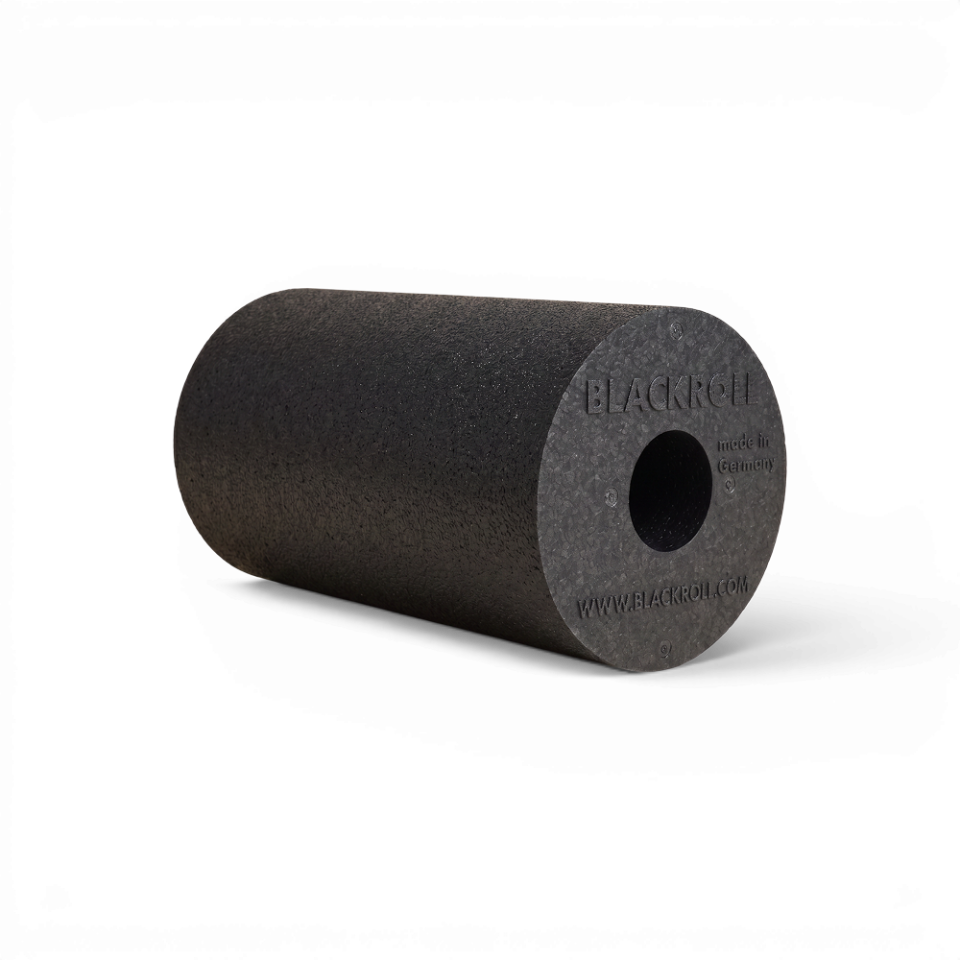
Supplementary exercises such as strength or flexibility training can be integrated into a mesocycle to compensate for muscular deficiencies and improve running economy. This is where tools like the FASZIENROLLE® come into play, as they contribute to recovery and muscle care. Specific rolling techniques can help relieve muscle tension, which enables faster recovery.
Structured periodization in running training moderates physical stress in such a way that continuous adaptations can take place during the mesocycle, ultimately resulting in a significant improvement in performance.


Training Cycles in Periodization
Structured periodization in running training is divided into various training cycles, each of which builds on the previous one and pursues clearly defined goals. These cycles ensure that your training proceeds systematically and purposefully—from building a foundation to specific competition preparation.
An Overview of the Most Important Training Cycles
- Foundational Training: This phase forms the foundation of your training plan. The focus is on improving aerobic endurance and developing a solid strength base. Runs at a moderate pace, combined with exercises for stability, flexibility, and mobility, lay the groundwork for future demands. You can also use BLACKROLL® tools during this phase to promote recovery and flexibility.
- Build-up training: Here, the fundamentals are reinforced while training volume and intensity are gradually increased. The goal is to improve strength, speed, and running technique. Interval runs, tempo runs, and targeted strength exercises take center stage. This phase is crucial for reaching the next performance level.
- Intensity Training: In this phase, training becomes even more specific. The workload is further increased through intervals and competition-specific sessions. At the same time, recovery remains a key component to prevent overexertion. Here, you’ll work specifically on your anaerobic threshold to improve your race pace.
- Immediate Competition Preparation: The so-called tapering phase reduces training volume while maintaining high intensity. The focus is on maximizing physical and mental freshness for the competition. Through targeted recovery and nutrition, you’ll prepare yourself optimally for competition day.
- Competition Phase: This phase is the culmination of your training plan. The goal here is to fully tap into the fitness you’ve built up and deliver your best performance in competition. Between competitions, targeted active recovery is essential to maintain your performance level.
- Transition Phase: The competition phase is followed by a more relaxed period focused on recovery and alternative sports. During this phase, you can actively give your body a break, recharge your energy, and prevent injuries.
- Recovery Phase: This phase concludes the training cycle and is essential for fully regenerating both body and mind. Using BLACKROLL® tools, practicing yoga, or engaging in gentle forms of exercise supports this process and optimally prepares you for the next training cycle.
With each cycle, you get closer to your individual goals by specifically addressing your weaknesses and improving your competition speed.
With a well-thought-out structure in your training plan and the targeted use of recovery strategies , you can ensure that you not only increase your performance level but also stay healthy and motivated in the long term.


Recovery Strategies in Training
A week off from training—does that sound like standing still to you? Quite the opposite: A targeted rest period is often the key to improving your performance in the long run. Especially in endurance sports, such as running, recovery isn’t a sign of weakness, but rather of intelligence and strategic planning.
During an intensive training phase, your body is pushed to its limits. Micro-injuries in muscles and fascia, fatigue of the nervous system, and increased stress on the entire body are natural side effects. Without sufficient recovery time, however, this can quickly lead to overtraining, injuries, or a performance plateau. A week-long break allows your body to fully recover, repair micro-injuries, and replenish its energy reserves.
Why a one-week break can be beneficial
A one-week break from training not only allows for physical recovery but also offers mental benefits. You’ll have time to look back, reflect on your training, and set new goals. This mental regeneration can boost your motivation and help you start the next training phase with renewed clarity and determination.
On a physical level, the body uses this rest period to optimize repair processes in the muscles, regenerate the fascia, and restore hormonal balance. The stressed skeletal and connective tissues, in particular, benefit from the break, as they can recover from the strain and adapt more effectively. Using BLACKROLL® tools such as the fascia roller, the ball, or compression products can support this process by promoting blood circulation and specifically relieving tension.
Effective Recovery Strategies
- Active recovery: Instead of being completely inactive, you can stay in shape during your break with gentle activities like yoga, swimming, or cycling. BLACKROLL® products help you specifically release muscle tension and maintain flexibility.
- Myofascial self-massage: Use a foam roller or ball to treat tense muscle groups. This promotes blood circulation, accelerates the removal of metabolic waste products, and supports recovery.
- Sleep and Nutrition: A balanced diet and adequate sleep are crucial during this phase. Good sleep is essential for hormonal recovery and the body’s repair processes. Nutritional strategies focused on protein, healthy fats, and micronutrients can further support the recovery process.
- Mental Training and Mindfulness: Use the break to build mental strength. Breathing exercises, meditation, or simply taking time for yourself can help relax your mind and prepare you for upcoming challenges.
Plan your periodization: Use the break to revise your training plan. Systematic periodization, which strategically manages training load and recovery, ensures that you make continuous progress while staying healthy.
Conclusion: A Training Break as a Performance Booster
A one-week break isn’t just beneficial—it’s necessary to give your body and mind the chance to fully recover. The key is to integrate recovery as a fixed part of your training plan and support it with targeted strategies. With tools like the BLACKROLL® FAZIAL ROLLER or recovery products, you can optimize the recovery process and ensure that you start the next training phase feeling refreshed, strengthened, and motivated.


Injury Prevention Through Periodization
In running, a well-thought-out training plan is essential for preventing injuries and maintaining performance over the long term. Structured periodization—the systematic planning of training phases—allows you to optimally balance training load and recovery. With this approach, you can significantly reduce the risk of overtraining, which often leads to injuries.
Why Periodization Prevents Injuries
The core of effective periodization lies in the targeted adjustment of training load. Instead of constantly increasing intensity, you incorporate strategic recovery phases. For example, a week with a higher training volume can be followed by a week with a reduced pace and a focus on recovery. This variation not only protects muscles and tendons from overuse but also gives your nervous system a chance to recover. Especially important: Mental exhaustion can also negatively impact your performance—so regular breaks are crucial.
Strategic Variation of Training Phases
Each phase of your training plan should have a clear goal, whether it’s building basic endurance, improving your speed, or learning proper running form. This targeted variation engages different muscle groups, helping to avoid repetitive strain. This keeps your body adaptable and protects against injuries that can result from one-sided movement patterns.
Individualized Planning Is Key
A periodization strategy should always be tailored to your individual needs, performance level, and goals. Working with an experienced coach or using digital tools such as heart rate monitors and training apps can help you precisely monitor and adjust your training load. Regularly listening to your body—paying attention to signs like fatigue or pain—is just as important as the planning itself.
Periodization is more than just a training concept— it’s an effective strategy for sustainable and healthy running. With a smart balance of training load, recovery, and targeted variation, you can prevent injuries and take your performance to the next level.