12 Common Sleep Myths Debunked

There’s a wide variety of well-meaning tips and tricks circulating when it comes to sleep. And that’s why there are also many sleep myths in circulation that have been passed down to us from previous generations.
In this article, we’ll reveal the 12 things you can safely skip to get a better night’s sleep.

Warm Milk with Honey Makes You Sleepy
Warm milk with honey is probably one of the best-known home remedies for trouble falling asleep. And at first glance, milk actually doesn’t seem too bad as a sleep inducer. That’s because milk contains the amino acid tryptophan—a precursor to the sleep hormone melatonin—which, in turn, is absorbed particularly well by the body thanks to the honey. Here’s the catch, though: A glass of milk is nowhere near enough to produce enough tryptophan to have a sleep-promoting effect. Much larger amounts would be needed for that. Furthermore, the sleep-promoting effect has not yet been scientifically proven.
Still, the placebo effect can help. For those who have gone to bed with a cup of warm milk and honey in the past, the sweet drink evokes a sense of comfort because it brings back childhood memories—which, in turn, can help you relax and feel balanced

The body can “save up” sleep
Even though the idea is appealing—that our bodies have a sort of “sleep account” where we can save up sleep for lean times—unfortunately, stockpiling sleep doesn’t work. This brings us to the next sleep myth. As if that weren’t enough, “pre-sleeping” can actually backfire. Because if you sleep (too much) during the day, it doesn’t just disrupt your natural sleep-wake cycle. The urge to sleep in the evening isn’t strong enough anymore, and falling asleep becomes even harder. So if you’re sleep-deprived, this deficit is more likely to be compensated for during the deep sleep phase at night than by “stockpiling” sleep.
That said, catching up on sleep (in moderation) is actually possible. So if you don’t get enough sleep during the week, you can make up for your sleep deficit by sleeping in on the weekend. But that shouldn’t be a free pass to regularly get too little sleep. Chronic sleep deprivation can’t simply be made up for with a few longer nights and can make you sick in the long run. So it’s best to view sleeping in on the weekend as a pleasant bonus rather than a necessity.
You fall asleep more easily in front of the TV
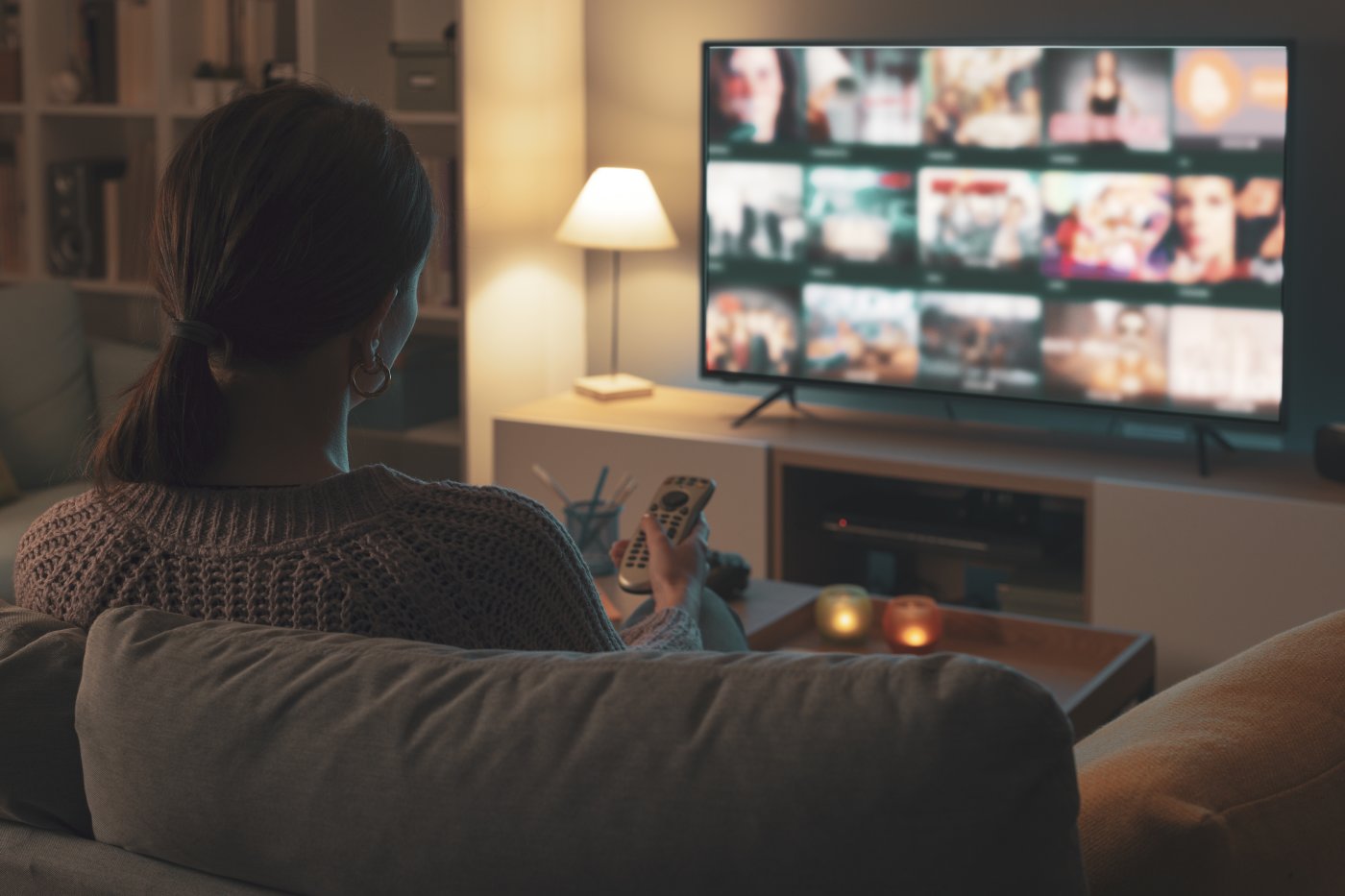
If you’re hoping for a kind of “digital Sandman” when you lie in front of the TV in the evening, we’re afraid we’ll have to disappoint you. Even though the idea brings comfort to many people and distracts them from the worries of everyday life, electronic devices like TVs, smartphones, tablets, and the like have the exact opposite effect before bedtime.
This is because they emit blue light, which inhibits the production of the sleep hormone melatonin. But the body and mind need melatonin to wind down and prepare for sleep. Flickering light—such as from a TV—also stimulates brain activity, which makes falling asleep even more difficult.
Sleep experts therefore recommend keeping all electronic devices out of the bedroom for at least 60 to 120 minutes before bedtime. Instead, you could meditate, practice mindfulness exercises or yoga, or read—and, ideally, realize that you don’t need the distraction of electronic devices at all.

Sleep before midnight is the most important
This statement, too, can be exposed as a half-truth. After all, the idea that sleep before midnight is better than other sleep is only partially true. While the first stages of sleep are particularly important for rest and recovery,
However, the time at which these phases occur plays only a minor role. After all, due to different chronotypes (the best-known being “night owls” and “early birds”), every person has an individual sleep pattern and, consequently, an individual bedtime. While larks like to go to bed early and jump out of bed at the first rays of sunlight, owls prefer to turn night into day and become really active again in the evening hours. This shifts their biological midnight—but that doesn’t mean owls necessarily sleep worse just because they go to bed later.
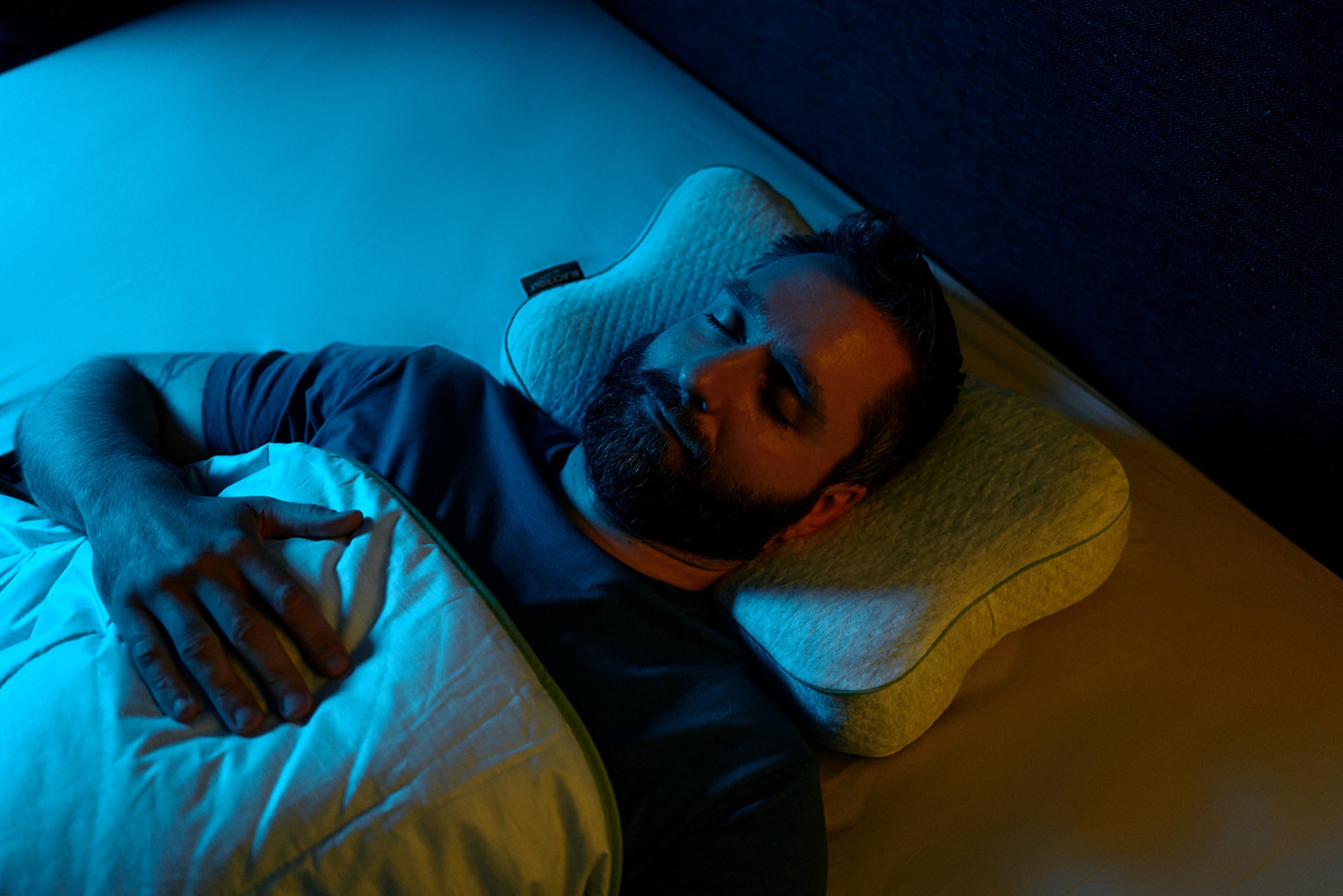
In addition, good sleep depends on sleep quality, the total amount of sleep during the night, and the sleep rhythm, so that all sleep phases are completed as fully as possible. The mattress or pillow you sleep on, for example, also has a major influence. Ideally, they support the sleeper’s body position and ensure that they wake up in the morning without neck or headaches.

Alcohol Helps You Fall Asleep
You’ve probably experienced this yourself: after a glass or two of wine, you’ve felt incredibly sleepy. It’s true that you do benefit initially from having an alcoholic drink in the evening. Red wine, for example, has a sedative effect and makes us feel pleasantly drowsy.
But that’s where the positive effects end. Instead of letting us sleep soundly until the next morning, alcohol primarily causes us to sleep more restlessly and drastically reduces the quality of our sleep. This is because the body’s natural production of adenosine has decreased. Adenosine is a chemical in the brain that’s released by alcohol and initially makes us drowsy. But as soon as it’s broken down after a few hours, we wake up, even though we haven’t had a restful night’s sleep.
In addition, alcohol acts as a diuretic. So, after a night of heavy drinking, frequent trips to the bathroom are practically inevitable. If you don’t want to give up alcohol, you should view that glass of red wine more as a pleasant get-together with good friends rather than a nightcap.

Exercising before bedtime makes it harder to fall asleep
Generally speaking, working up a sweat through exercise helps us fall asleep more easily and can even improve sleep quality. According to a meta-analysis by ETH Zurich, exercise within 4 hours of bedtime does not affect sleep—provided it is moderate. However, very intense exercise right before bedtime is an exception to this rule.
Study participants who did interval training in the evening had not yet recovered sufficiently in the hour before bedtime, and their heart rate was still elevated by more than 20 beats per minute. So if you still want to exercise in the evening, you should opt for a gentle workout such as relaxed cycling, yoga, or slow jogging. As a general rule of thumb: a workout is considered moderate if you can no longer sing but can still speak.
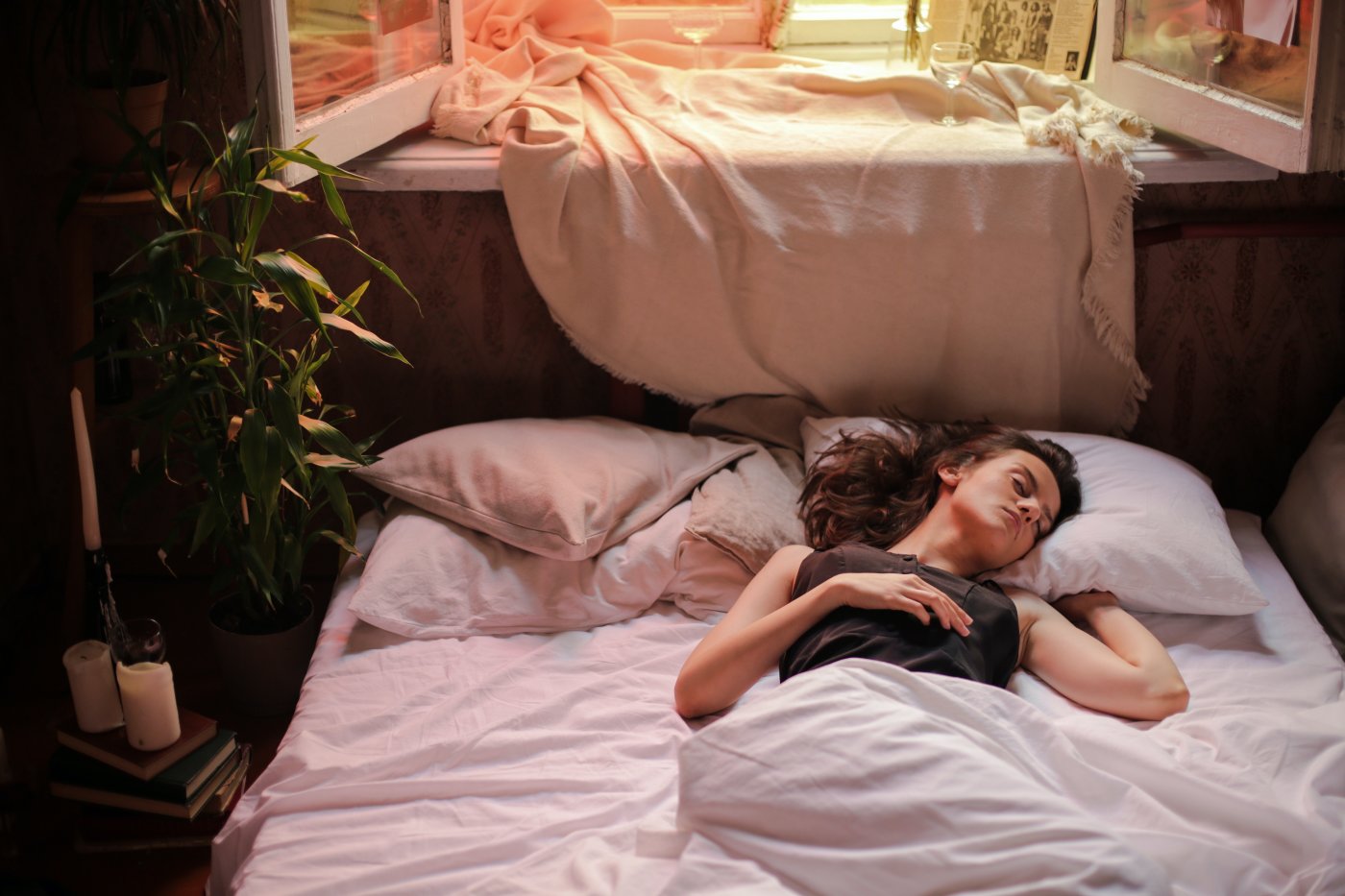
Sleeping with the window open helps you sleep better
This, too, is a sleep myth. That’s because if you sleep with the window open, you risk being woken up by outside noises.
And science goes even further: Researchers at Johannes Gutenberg University in Mainz have examined various study results that show that nighttime noise can actually be harmful to your health and can lead to conditions such as cardiovascular disease and metabolic disorders.
So, for a restful night’s sleep without interruptions, you should close your window at night.

Counting sheep can help you fall asleep
Counting sheep has always been a popular bedtime ritual for children and is considered the epitome of a reliable sleep aid. Are you one of those people who, as a child, spent nights trying to fall asleep by counting sheep? If it worked for you, great. If not, that’s no surprise. After all, it has now even been scientifically proven that counting sheep doesn’t work for falling asleep.
Sleep researchers at the University of Oxford studied different methods for falling asleep in test groups. Those who counted sheep or didn’t think about anything in particular actually took longer to fall asleep than other study participants who mentally transported themselves to a relaxing situation. On average, they were able to fall asleep a full 20 minutes faster than those who counted sheep. Counting animals was perceived by the study participants as stressful or annoying and was even described as monotonous.
So instead of counting sheep, why not try a relaxation technique—such as yoga, autogenic training, progressive muscle relaxation, or meditation—to prepare yourself for sleep?
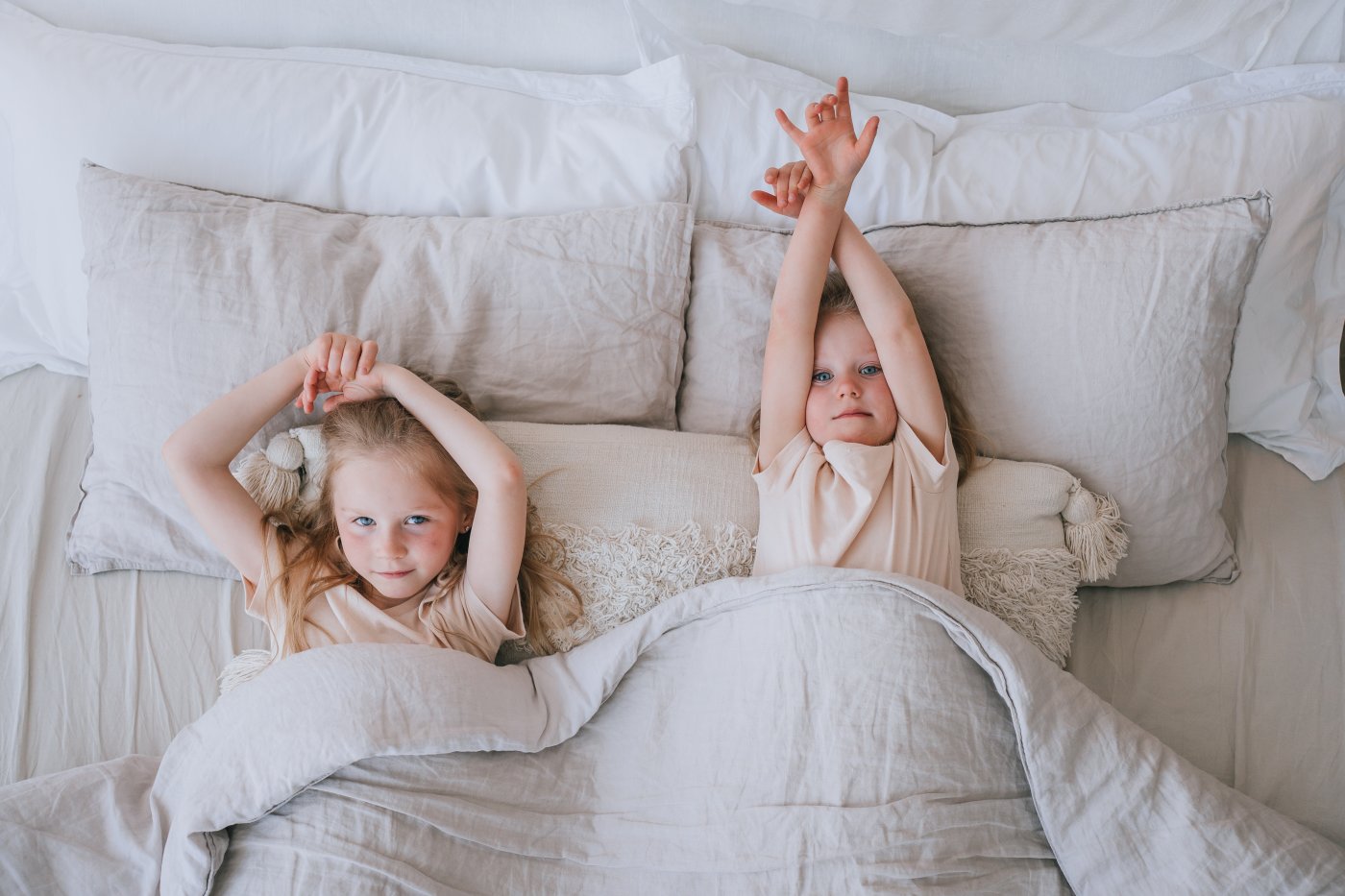
Sleep duration decreases with age
In popular parlance, this phenomenon is jokingly called “senile insomnia”—a term used to describe seniors who get out of bed as early as 4 or 5 a.m. to start their day. This has led to the assumption that older people no longer need as much sleep as younger people.
And it’s generally true that the amount of sleep seniors get shortens after age 70—to about 5 to 6 hours per night. However, since most of them take longer naps during the day, they still end up getting nearly the same amount of sleep as younger people.
Only those who sleep through the night sleep really well
We can confidently refute this assumption and debunk it as a sleep myth. After all, no one sleeps through the night—quite the opposite, in fact: Every night, we wake up about 30 times without even realizing it. This is because our brain doesn’t register wakefulness periods shorter than three minutes.
So a quick trip to the bathroom or turning over in bed to find a more comfortable position doesn’t affect the quality of your sleep. It only becomes a problem when you wake up and toss and turn in bed for a long time. If your alarm goes off right on time in the morning, you might not get the hours of sleep you need to feel refreshed.
But instead of staring at your alarm clock’s display every few minutes during the night to count down the remaining hours, you should get out of bed and distract yourself with something relaxing. For example, read a book, do some breathing exercises, or listen to soft music to help you drift back to sleep.
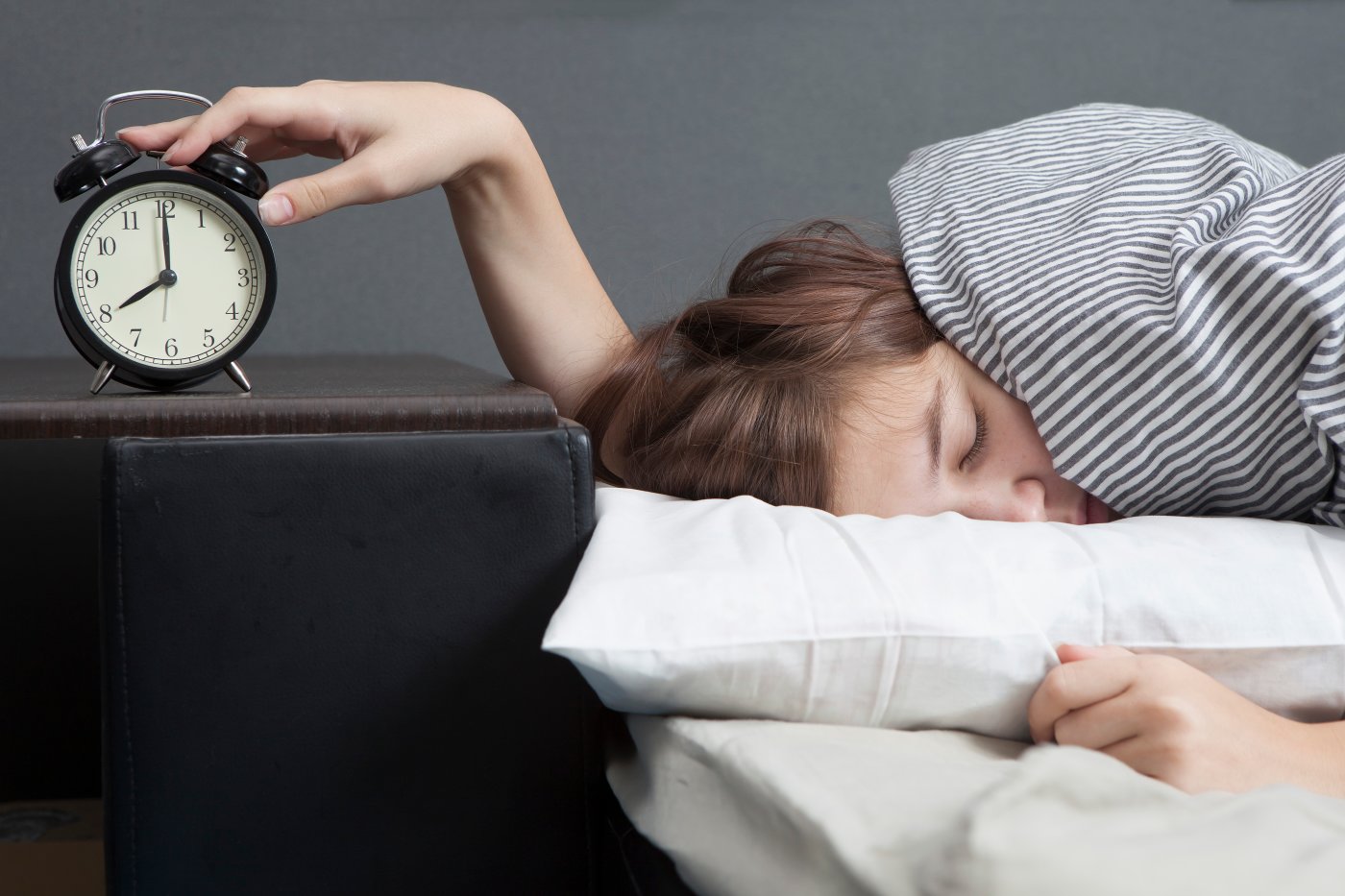
You need at least 8 hours of sleep per night
Many people believe that 8 hours of sleep per night is the optimal amount. While sleep research recommends that adults get an average of 7 to 9 hours of sleep, these figures aren’t set in stone. Some people need only 5 hours to feel refreshed and well-rested, while others need more. What matters is how you feel. So you can’t make a blanket statement about whether, for example, 10 hours of sleep is too much. The quality of your sleep is much more important for assessing your needs.
However, if you know your sleep needs and notice that you’ve been having trouble getting enough sleep for quite some time, this can lead to difficulty concentrating and health problems. It’s best to have a doctor check you out. Medical reasons, such as sleep disorders, could be behind your trouble falling and staying asleep.
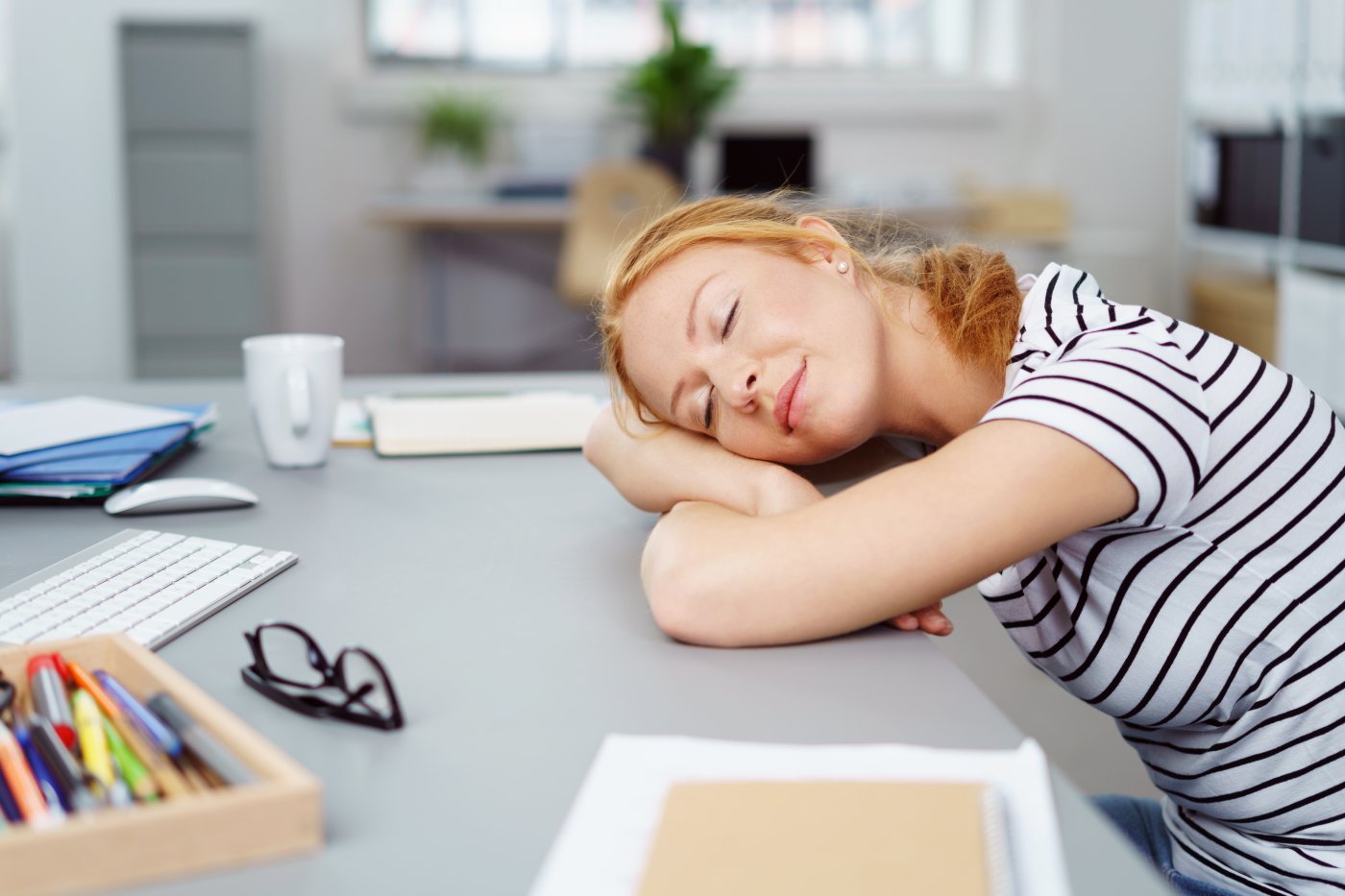
An afternoon nap leads to poor sleep at night
This well-known claim is also one of the sleep myths—at least when the timing of the daytime nap is right. An afternoon nap actually disrupts nighttime sleep if it’s too long. Additionally, if your afternoon nap is too long, you’ll enter the deep sleep phase. A typical sleep pattern consists of several sleep cycles that repeat throughout the night.
Each cycle consists of different sleep phases that normally occur in the following order: falling asleep, light sleep, deep sleep, and REM sleep. The deep sleep phase begins about 30 minutes after falling asleep. If you wake up during this phase, you may feel exhausted for the rest of the day.
If, on the other hand, you take a so-called power nap that lasts no longer than 20 minutes (meaning you wake up before entering the deep sleep phase), it can boost your energy levels, improve your mental performance, and still allow you to go to bed as usual in the evening. According to a study at the University of Massachusetts, a short afternoon nap may even have a positive effect on the learning ability of children and adults.
For a Restful Night’s Sleep