Sleeping Poorly During a Full Moon: Fact or Myth?

It’s a full moon again, and you’re lying awake in bed while the moon lights up your room. You’re not alone. Many people complain that they sleep poorly during a full moon. But why is that? Is there a scientific explanation, or is it just a myth?
In this article, we’ll explore, among other things, the question “Why do you sleep poorly during a full moon?” We’ll look at the most common myths and scientific explanations and give you tips on how to get a restful night’s sleep even during a full moon.
Myths About the Full Moon
There are many myths surrounding the full moon and its effect on our sleep. Here are some of the most common ones:
Myth 1: The full moon affects your sleep cycle
A common myth is that the full moon affects your sleep cycle. It’s often claimed that the full moon causes you to sleep less deeply and for shorter periods of time. This theory stems from the assumption that the moon influences the tides, since it ultimately affects 70% of the water on Earth.
Myth 2: The full moon causes nightmares
Another myth is that the full moon causes nightmares. It’s often claimed that you have worse dreams during a full moon and that your dreams are more eerie or even frightening.
Myth 3: The full moon makes you restless
Many people believe that the full moon makes them restless. They feel tense or nervous and have trouble falling asleep. It’s often claimed that this is due to the magnetic fields emanating from the moon.


Scientific Explanations
While these myths sound interesting, there is no scientific evidence that the full moon affects your sleep cycle or your dreams. However, here are some scientific explanations that show how the full moon can affect your sleep:
Explanation 1: Moonlight disrupts your natural sleep-wake cycle
One possible explanation is that moonlight disrupts your natural sleep-wake cycle. Your body is programmed to respond to natural light sources. When moonlight illuminates your bedroom, your body may interpret this as a signal that it’s time to get up.
Explanation 2: The full moon causes stress and anxiety
Another explanation is that the full moon causes stress and anxiety. Studies have shown that people have elevated cortisol levels during the full moon, which is a sign of stress. These stress responses can interfere with your sleep.
Explanation 3: The full moon affects your melatonin levels
Another scientific explanation is that the full moon affects your melatonin levels. Melatonin is a hormone that regulates your sleep-wake cycle. When the full moon is out, it can disrupt your melatonin levels and make it difficult for you to fall asleep or stay asleep.
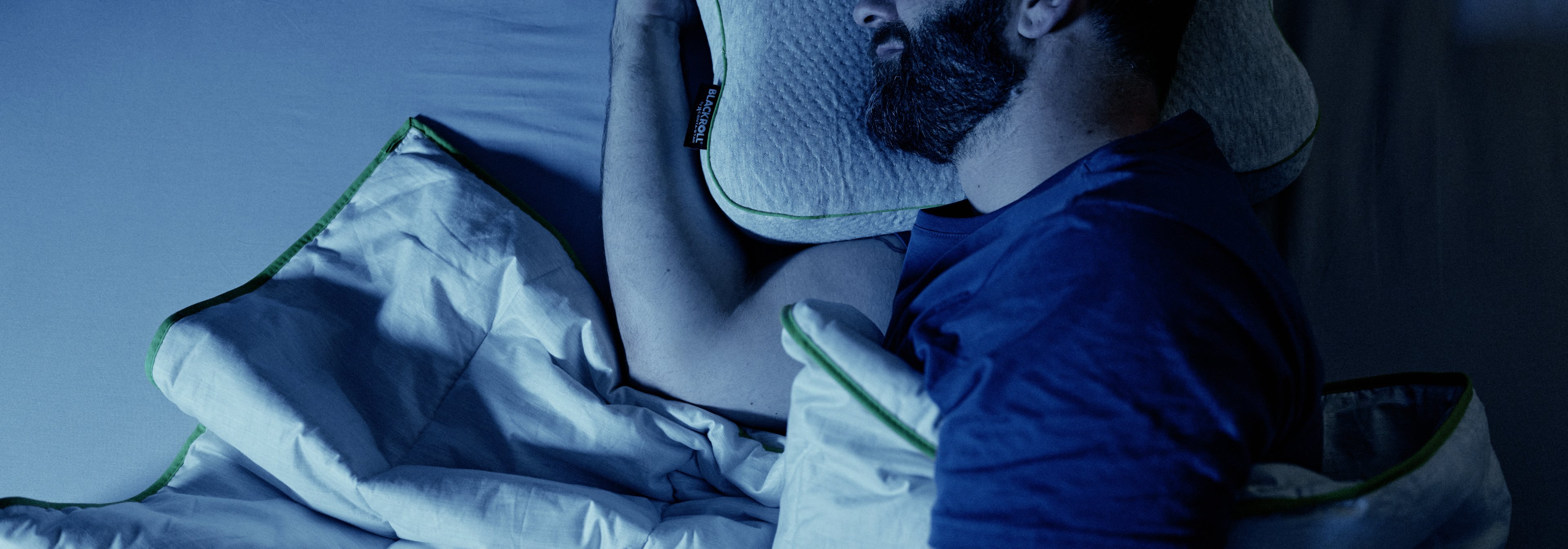
Tips for Restful Sleep During a Full Moon
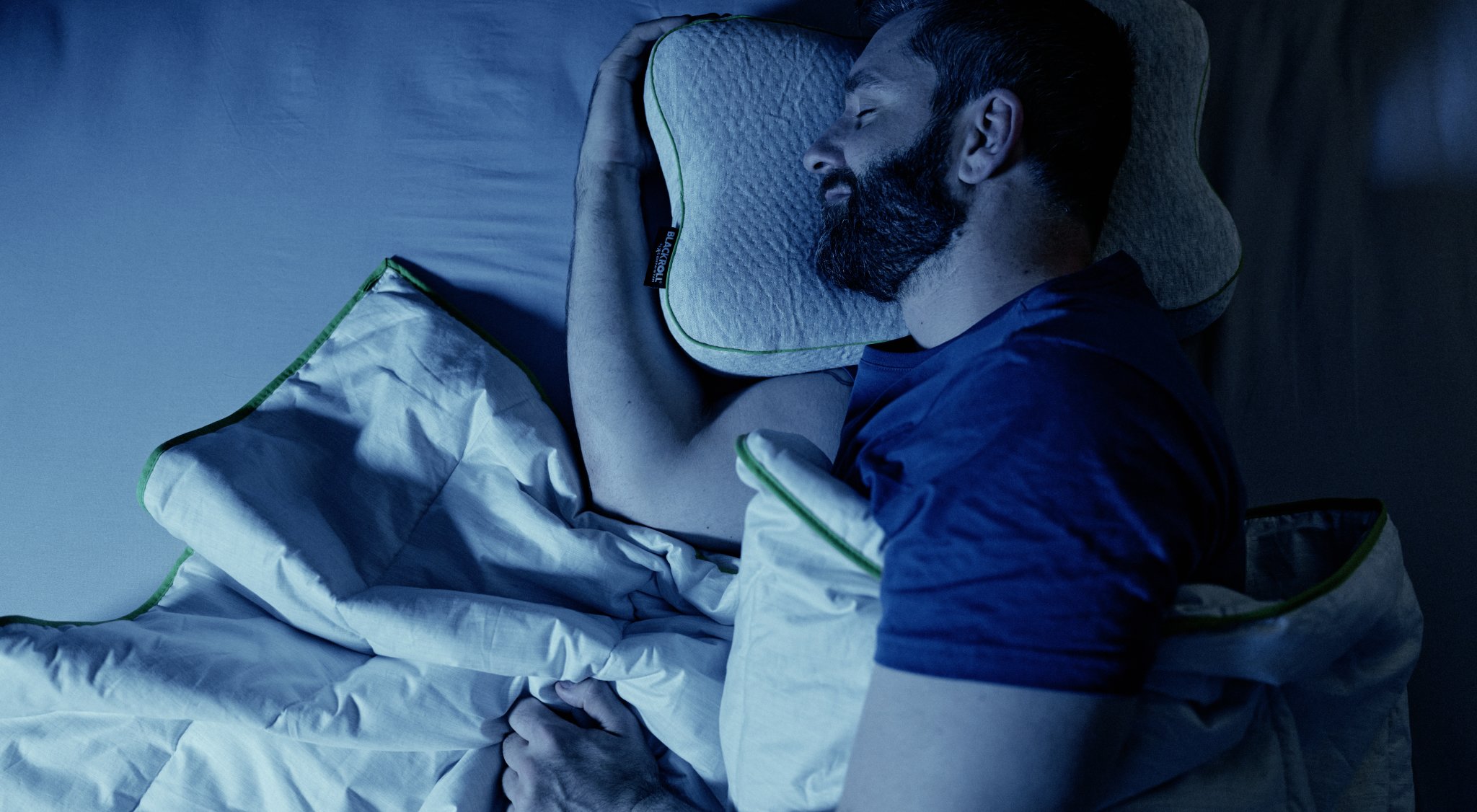
The full moon can cause sleep disturbances in some people. The moon’s increased brightness and the potential change in melatonin levels can disrupt sleep. Since there’s no way to turn off the full moon, here are some tips to help you sleep well anyway:
- Create a dark sleeping environment: Since the full moon makes it brighter outside, it’s important to make your bedroom as dark as possible. Use blackout curtains or blinds to minimize the amount of moonlight coming in. Wearing a sleep mask can also help.
- Relaxation rituals before bedtime: Establish a relaxing bedtime routine to prepare your body and mind for sleep. For example, you can take a warm bath, do some light stretching, or practice relaxation techniques such as meditation or breathing exercises.
- Avoid electronic devices: The blue light emitted by electronic devices such as smartphones, tablets, and televisions can disrupt sleep, as it can affect the production of melatonin, a hormone that regulates the sleep-wake cycle. Try to turn off these devices at least one hour before bedtime.
- Create a soothing atmosphere: Design your bedroom to provide a relaxing and calming atmosphere. Use soothing colors, maintain a comfortable room temperature, and ensure good ventilation. A comfortable bed and cozy bedding can also help you feel at ease and fall asleep more easily.
- Use natural sleep aids: If you have trouble falling asleep during a full moon, natural sleep aids like valerian root or chamomile tea might help. These herbal remedies can have a calming effect and help you relax.
- Maintain a healthy lifestyle: A healthy lifestyle can have a positive impact on your sleep, even during a full moon. Try to incorporate regular physical activity into your day, but avoid strenuous activities right before bedtime. Also, make sure to eat a balanced diet and reduce your consumption of caffeinated beverages in the afternoon and evening.
- Develop a positive attitude toward the full moon: Instead of focusing on the possible negative effects of the full moon, try to develop a positive attitude. View the full moon as something beautiful and soothing. By keeping your thoughts and emotions about the full moon positive, you may feel more relaxed and sleep better.
Moon Phases: From New Moon to Full Moon
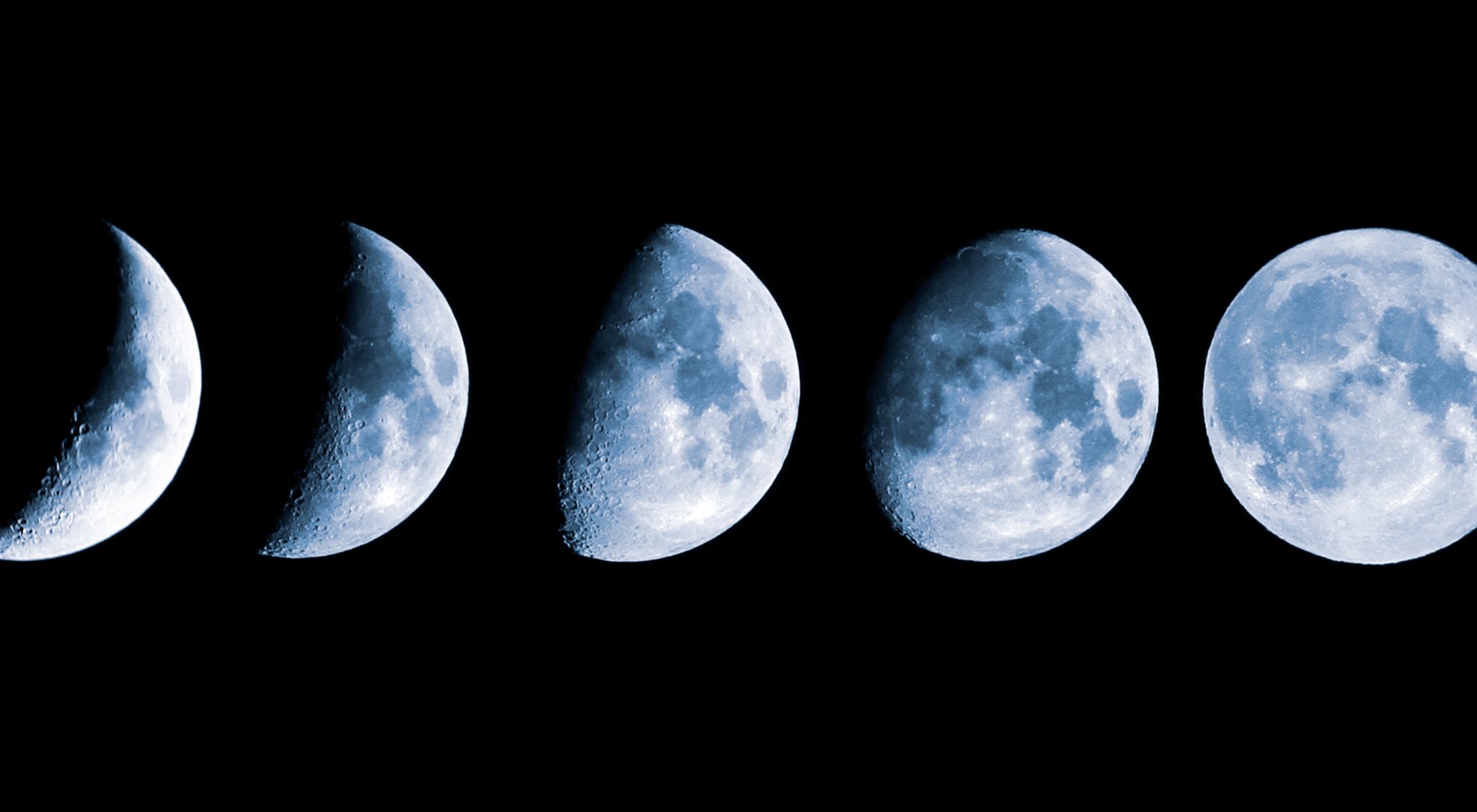
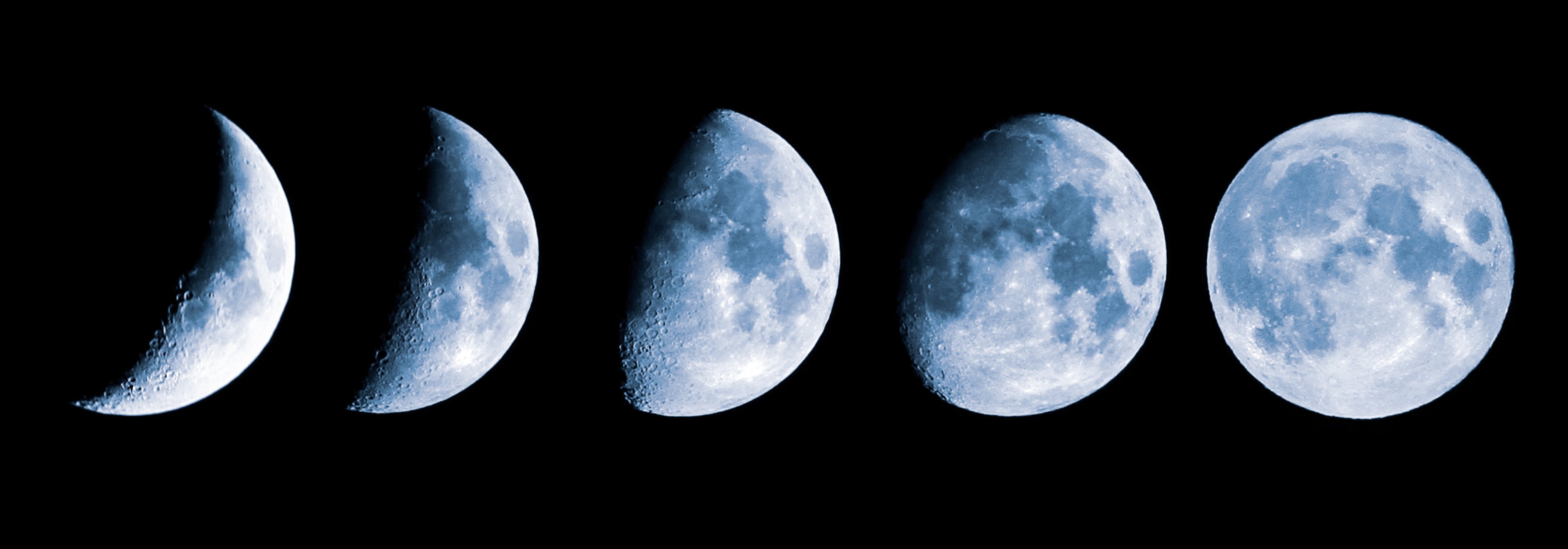
The phases of the moon are the different appearances of the moon as seen from Earth, caused by the changing illumination of the moon by the sun. The main phases of the moon are:
- New Moon: During this phase, the Moon is not visible because the side facing Earth is not illuminated by the Sun.
- Waxing Crescent: After the new moon, a narrow portion of the Moon is illuminated, and this illuminated portion grows (increases) each day.
- First Quarter: During this phase, half of the Moon is illuminated, and the illuminated portion continues to grow. It is the phase between the waxing crescent and the waxing half-moon.
- Waxing half-moon: Half of the moon is illuminated and continues to grow until it is fully illuminated.
- Full Moon: The entire Moon is illuminated and fully visible from Earth.
- Waning Half Moon: After the full moon, the moon’s illumination begins to decrease again, starting with this phase, in which half of the moon is illuminated once more.
- Last Quarter: In this phase, only half of the moon is illuminated again, but the part that was illuminated during the first quarter is now dark.
- Waning crescent moon: The illuminated portion of the moon continues to shrink until it eventually becomes a new moon again.
These cycles repeat approximately every 29.5 days, which is the length of a lunar month.
05 Full Moon Calendar 2026/2027
2026:
- Mon 26 Oct, 05:11
- Tue 24 Nov, 15:53
- Thu 24 Dec, 02:28
2027:
- Fri 22 Jan, 13:17
- Sun 21 Feb, 00:23
- Mon 22 Mar, 11:43
- Wed 21 Apr, 00:27
- Thu 20 May, 12:59
- Sat 19 Jun, 02:44
- Sun 18 Jul, 17:44
- Tue 17 Aug, 09:28
- Thu 16 Sep, 01:03
- Fri 15 Oct, 15:47
- Sun 14 Nov, 04:25
- Mon 13 Dec, 17:08
(Merz, 2026)
Conclusion
Overall, there are many myths and scientific theories surrounding the full moon and its impact on your sleep. Although there is no direct evidence that the full moon affects your sleep, factors such as moonlight, stress and anxiety, and social factors can disrupt your sleep. It’s important to listen to your body and take steps to improve your sleep, especially during a full moon.
There is no single answer as to why people sleep poorly during a full moon. It may be a combination of physiological and social factors that affect your sleep. However, it’s reassuring to know that there are steps you can take to improve your sleep.
Use these tips to get a restful night’s sleep during a full moon, and be sure to listen to your body to figure out what works best for you. By focusing on your sleep and taking steps to improve it, you’ll be better rested and more productive in the long run.
So, remember: when the full moon shines again and you’re having trouble falling asleep, don’t worry. With a few simple changes, you can get a restful night’s sleep and feel ready to give it your all the next day.
FAQ
Although there’s no scientific evidence that the full moon directly affects your sleep cycle, other factors—such as moonlight or increased stress and anxiety caused by the full moon—can interfere with your sleep.
There is no scientific evidence that the full moon causes nightmares. However, moonlight can affect the quality of your sleep, which may lead to worse dreams.
There are several steps you can take to sleep better during a full moon. For example, you can block out the moonlight, create a relaxing sleep environment, and practice relaxation techniques such as yoga or meditation.
You can find the next full moon dates in the Full Moon Calendar in Chapter 05.
If you can’t sleep during a full moon, make sure your sleeping environment is as dark and quiet as possible. Blackout curtains or a sleep mask may help. Stick to your usual bedtime, avoid electronic devices before going to bed, and use relaxing rituals such as gentle stretching, breathing exercises or meditation.
Also interesting


Quellen
Cajochen, C., Altanay-Ekici, S., Münch, M., Frey, S., Knoblauch, V., & Wirz-Justice, A. (2013). Evidence that the lunar cycle influences human sleep. Current Biology, 23(15), 1485–1488. https://doi.org/10.1016/j.cub.2013.06.029
Casiraghi, L., Spiousas, I., Dunster, G. P., McGlothlen, K., Fernández-Duque, E., Valeggia, C., & de la Iglesia, H. O. (2021). Moonstruck sleep: Synchronization of human sleep with the moon cycle under field conditions. Science Advances, 7(5), eabe0465. https://doi.org/10.1126/sciadv.abe0465
Cordi, M., Ackermann, S., Bes, F. W., Hartmann, F., Konrad, B. N., Genzel, L., Pawlowski, M., Steiger, A., Schulz, H., Rasch, B., & Dresler, M. (2014). Lunar cycle effects on sleep and the file drawer problem. Current Biology, 24(12), R549–R550. https://doi.org/10.1016/j.cub.2014.05.017
Merz, A. (2026). Vollmondkalender. Sterngucker.de. https://www.sterngucker.de/wissen/vollmondkalender/