
The “Hour of the Wolf”: Why You Wake Up at 3 a.m. – Causes & Tips

Many people regularly wake up between 3 and 4 a.m. —seemingly for no reason. This nocturnal phenomenon is known as the “wolf hour.” Sleep researchers in Munich describe it as a phase during the night when the body and mind reach their lowest point—biologically, hormonally, and emotionally.
During this time, cortisol and serotonin levels are particularly low, while melatonin levels peak. This hormonal interplay can lead to rumination, inner restlessness, or feelings of loneliness. Many people therefore experience the “wolf hour” as a kind of nocturnal “mini-slump” or even a psychological twilight.
So if you often wake up around 3 a.m. and find your thoughts racing, you’re not alone. In this article, you’ll learn what’s behind the “wolf hour,” what role your hormonal balance plays in it—and what strategies can help you gently drift back to sleep.
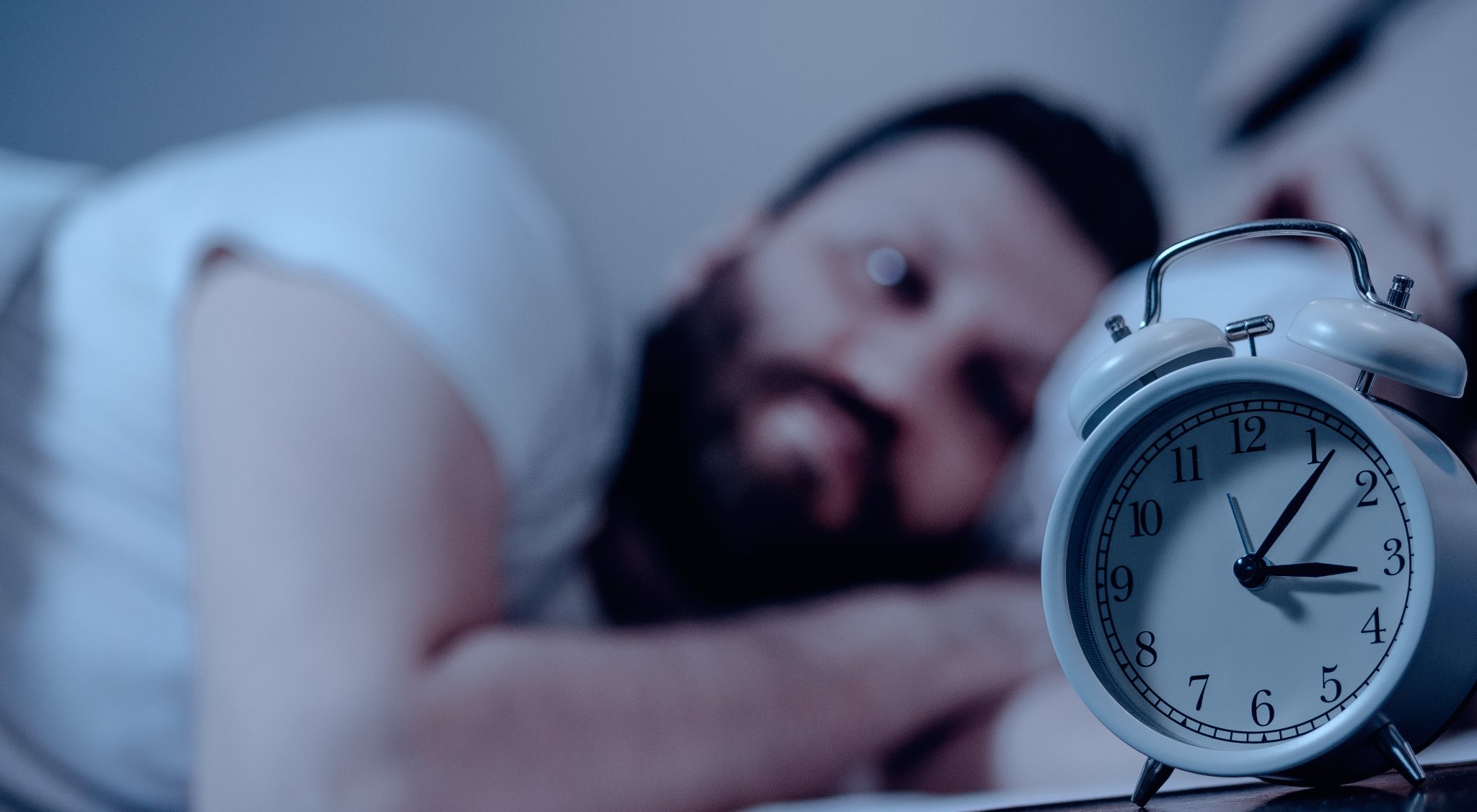

The Importance of the “Wolf Hour” for Sleep
The Importance of the "Wolf Hour" for Sleep
In short: The “wolf hour” refers to the period between 3:00 and 4:00 a.m., when body temperature, cortisol, and serotonin levels reach their lowest points, while melatonin levels are at their highest. This hormonal imbalance affects the body ’s hormonal balance and can cause people to wake up during this part of the night and feel depressed or restless.
Sleep researchers describe the “wolf hour” as the biological low point of our circadian rhythm. It is considered the phase between deep sleep and the onset of light sleep, during which the brain is in a sort of “reset mode” and stress hormones like cortisol are only minimally active. As a result, our emotional balance is more easily disrupted—which can affect our well-being.
Why You Wake Up at Night in the First Place
We wake up as many as 30 times a night—usually without noticing. This is due to our sleep cycles, which consist of several phases and last about 90 to 110 minutes each. During the transitions between these phases, we may wake up briefly—which is completely normal. These short waking phases are inherent in the nature of our sleep architecture and serve to help the body orient itself and ensure its safety.
What Makes the “Wolf Hour” So Special
The “wolf hour” is a specific time window during which many people experience rumination, worry, or restlessness. At this time of night, our body temperature reaches its lowest point, and we are particularly susceptible to negative thoughts or a feeling of inner emptiness. From a psychological perspective, this is a time when the mind is still at rest, but emotions are particularly active.
The hormonal cause behind the “wolf hour”
Studies in modern sleep research show that during the “wolf hour,” an imbalance between melatonin (high) and cortisol and serotonin (both low) leads to frequent waking. Between 3 and 4 a.m., melatonin levels—the hormone responsible for making us feel sleepy—are at their highest. At the same time, serotonin and cortisol, which promote balance and alertness, are significantly reduced. Blood flow to the brain is also reduced. This combination can feel like a minor nighttime “mini-depression.”
Want to dive deeper into the topic of sleep hormones? Check out our article: Melatonin Effects and Side Effects.
Why Worries Seem Worse at Night
Due to this hormonal imbalance, problems often seem bigger at night than they actually are. It’s not until morning that cortisol levels rise again—and with them, a sense of clarity, control, and the ability to take action. This explains why many people find the night to be eerie or “difficult,” while confidence suddenly returns in the morning.
What You Should Know Right Now
So if you find yourself trying to find the ultimate solution to your problems during the “hour of the wolf,” you should know some strategies to outsmart yourself. Sometimes it helps just to recognize the phenomenon for what it is and to know that hormonal imbalance is the trigger—and that you’ll usually feel much better once you wake up.
People with chronic sleep disorders often experience the “hour of the wolf” more intensely than others. Simply being aware of this phenomenon can help you cope better with nighttime rumination. If you’re regularly affected by this, you should develop specific techniques for relaxation and mental balance—you’ll find concrete tips further down in this article.


Waking Up at 3 a.m.: The Role of the Body Clock
Waking Up at 3 a.m.: The Role of the Organ Clock
In Traditional Chinese Medicine (TCM), waking up between 3 and 4 a.m. has special significance. According to the internal body clock, each phase of the night is associated with a specific organ. This organ is particularly active during this time—both physically and energetically.
According to TCM, the time between 3 and 5 a.m. corresponds to the lungs —an organ associated with letting go, emotional balance, and inner equilibrium. Regularly waking up at this time may therefore indicate mental or emotional stress that is “weighing on your chest.”
What happens between 3 and 5 a.m. according to TCM?
During this phase, the lungs are particularly active. They carry out cleansing and detoxification processes and support the body’s regeneration. In TCM, the principle is: Those who can let go emotionally also sleep more deeply physically. According to traditional views, people who regularly wake up during this time may have an imbalance in this area.
Common causes include allergies, respiratory problems such as asthma, or emotional stress that hinders free breathing. Grief or unresolved conflicts can also manifest during this time.
How to Support Your Lungs While You Sleep
A calm evening routine with breathing exercises, fresh air, and a mindful moment of letting go can help prepare your body and mind for the night. Sleep research studies show that regular breathing exercises activate the parasympathetic nervous system —which promotes relaxation and a stable hormonal balance.
🛏️ Tip: You’ll find a relaxing evening routine focused on breathing further down in this article—it can help you sleep better through the night and stay calm during the second half of the night.
The Role of Your Internal Clock and Cortisol Levels
From a medical perspective, there’s also an explanation for why you wake up at this specific time. Our bodies follow a circadian rhythm controlled by hormones like melatonin and cortisol —the latter being important stress hormones that regulate alertness and energy.
- In the evening, melatonin levels rise—you get tired and fall asleep.
- In the early morning hours, cortisol levels rise again—gently preparing you to wake up.
Between 3 and 4 a.m., your body reaches a hormonal low point:
- Melatonin is at its peak.
- Cortisol is at its lowest.
- Your body temperature drops.
- Blood flow to the brain is reduced.
“A narrative review in the Int. J. Mol. Sci. (2025) highlights that chronically elevated cortisol levels can disrupt even the normal circadian rhythm—making nighttime awakenings more likely.”
This interplay explains why you’re particularly susceptible to rumination, worry, or emotional restlessness during this time of night. In this hormonal twilight, thoughts are harder to control—even though they often seem more harmless during the day. Being aware of this can help you deal with these moments more calmly.


Spiritual & Emotional Interpretation of Waking Up at Night
Spiritual Meaning of Waking Up at Night by Time of Day
Many people regularly wake up at the same time each night—and it is precisely these moments that have been considered significant in various cultures since ancient times. From a spiritual and psychological perspective, they can indicate emotional blockages, inner restlessness, or the beginning of a personal transformation. The so-called “inner clock of the soul” sometimes seeks to draw our attention to unresolved issues—ranging from suppressed anger and grief to a desire for more balance in life.
Important: The following interpretations are based on a combination of Traditional Chinese Medicine (TCM) and transpersonal psychology. They are not a diagnosis, but rather suggestions for self-reflection—a look into the interplay of body, mind, and emotion.
🕐 1 a.m. – Emotional blockages and suppressed anger
- Spiritual Interpretation: This time window represents pent-up emotions such as anger, frustration, or resentment.
- Physical Correspondence (TCM): Liver meridian —it is responsible for the processing and flow of emotions.
- Possible cause: You’re trying to control something or are suppressing an inner conflict.
- What you can do: Write down your thoughts, practice forgiveness, or do calming breathing exercises.
🕑 2 a.m. – Self-judgment and feelings of guilt
- Spiritual Interpretation: This time of day may indicate inner criticism or underlying guilt.
- Physical association (TCM): Also associated with the liver meridian —it is sensitive to emotional overload.
- Possible cause: The feeling of not being good enough or of having failed at something.
- What you can do: Cultivate self-compassion, repeat mantras like “I am enough,” or try gentle meditation in the soft glow of moonlight.
🕒 3 a.m. – Spiritual Awakening and a Message from the Soul
- Spiritual Interpretation: Often referred to as the “sacred hour”—a moment when consciousness is particularly open. Many experience this as a phase of mysticism or inner awakening.
- Physical Correspondence (TCM): Transition to the lung meridian, which is associated with grief and life energy (Qi).
- Possible cause: An inner transformation or spiritual growth is on the horizon.
- What you can do: Meditate, keep a dream journal, or write down intuitive thoughts. Trust that new insights will reveal themselves.
🕓 4 a.m. – Grief, Longing, and Letting Go
- Spiritual Interpretation: This time represents processes of letting go and emotional depth—the unconscious mind is at work in the twilight between night and morning.
- Physical Correspondence (TCM): Lung Meridian —the seat of the breath and a symbol of grief.
- Possible cause: Unresolved losses or the need for inner healing.
- What you can do: Practice deep breathing, letting-go exercises, or a short mindfulness practice.
🕔 5 a.m. – Worries, Fears, and the Meaning of Life
- Spiritual Interpretation: At this early hour of the night, the mind often awakens while the soul still rests—a moment between shadow and dawn.
- Physical Correspondence (TCM): Large Intestine Meridian —symbolizes letting go of old thoughts.
- Possible cause: Fears about the future, career uncertainty, or an unfulfilled need for guidance.
- What you can do: Start the day mindfully with a morning ritual, light yoga, or affirmations like “I am on my path.”
🎁 Bonus: What you can do in general
- Keep a dream journal: Messages are often hidden in the unconscious and revealed through dreams.
- Evening rituals: Gratitude exercises, breathing exercises, and avoiding screen light promote restful sleep.
- Mindfulness in daily life: Waking up at night often reflects your experience of the day—internal balance during the day stabilizes your sleep.
- Intuitive reflection: Consciously ask yourself, “What is my body trying to tell me?”—and write down your thoughts on the matter.
Waking Up at 3 a.m.: Spiritual Meaning
The term “wolf hour” has its roots in antiquity. In ancient traditions, it referred to the deepest phase of the night—that time when everything was asleep, while only the wolves were awake and roaming. This symbolic hour of the wolf represented solitude, instinct, and the moment between darkness and dawn.
In spiritual traditions, the “wolf hour” is described as a period of heightened conscious activity —a time when the boundaries between the conscious and the unconscious become more permeable. Many see this as an opportunity to confront their own fears, recognize emotional shadows, and gain inner clarity.
From a psychological perspective, this reflects the connection between body and mind: during the late hours of the night, the brain works to process emotional experiences. The silence and mystique of this hour create an atmosphere that makes reflection, meditation, and spiritual practices particularly potent.
Whether you believe in spiritual energies or view the phenomenon from a psychological perspective—the “hour of the wolf” serves as a reminder that even in the darkness lies a moment of renewal. In this quiet phase of the night, growth can emerge—between shadow and new light.


What to Do If You Wake Up in the Middle of the Night
What to Do When You Wake Up in the Middle of the Night
The good news: You’re not alone. Many people experience exactly this—lying awake at 3 a.m., feeling cold, ruminating, or feeling helpless. The “wolf hour” isn’t a coincidence, but rather the result of hormonal balance, stress, and mental activity. However, there are proven ways to find peace again during this part of the night and stabilize your well-being.
1. Get up briefly & get your circulation going
If you find yourself tossing and turning in bed during the “wolf hour,” get up briefly and get your circulation moving. Even just a glass of water, a few steps, or a glance out the window in the soft moonlight can calm the brain. This brief stimulus boosts blood flow to the brain, helping your body better distinguish between activity and relaxation.
A slightly dimmed light briefly interrupts melatonin production —this can help stop the whirlwind of thoughts without permanently disrupting your sleep. Afterward, autogenic training, gentle yoga, or a guided dream journey can help you drift back into a restful sleep.
Keep this in mind: This state of mind is a reaction to a temporary imbalance in your sleep hormones —especially cortisol and melatonin. The next morning, when cortisol levels rise again, the world usually looks a bit clearer.
2. Consciously Stop the Mind-Spinning – With Three Questions
If you’ve gotten lost in a whirlwind of thoughts, a mental “reset” can help. Ask yourself these three questions:
- Will this problem still be relevant tomorrow?
- Would it be so bad if it were resolved by tomorrow?
- Do I really need to solve it right now?
Jot down the answers briefly in a notebook—this takes the load off your brain and stops the rumination. Simply writing them down signals to your nervous system that the thoughts are “stored” and that you can relax again.
3. Allow yourself to feel your emotions instead of suppressing them
If you feel sad, empty, or overwhelmed, allow yourself to feel that way. The “wolf hour” isn’t just a physical low—it’s an emotional one, too. Psychologists advise embracing emotions rather than suppressing them—this relieves pressure on the limbic system and reduces stress hormones like cortisol.
Instead of getting frustrated about lying awake, accept the moment. Sometimes a brief cry or conscious breathing helps release tension. This allows the body to move back toward balance.
4. The 4-7-8 Breathing Method
Breathing techniques can directly calm your central nervous system. One particularly effective technique is the 4-7-8 method, which is recommended by sleep researchers worldwide.
- Place the tip of your tongue behind your upper front teeth.
- Exhale completely through your mouth, making a soft sound.
- Close your mouth and inhale through your nose, counting to 4.
- Hold your breath and count to 7.
- Exhale again, counting to 8.
- Repeat this pattern at least three times.
This method activates the parasympathetic nervous system —the relaxation system—and helps you let go of your thoughts and gently drift back to sleep.
5. Practice good sleep hygiene
Not only your behavior during the night, but also how you prepare for it affects the quality of your sleep. Good sleep hygiene ensures stability in your sleep-wake cycle and supports your natural hormonal balance.
- Ideal room temperature: 16–19 °C—promotes deep sleep and prevents night sweats.
- A darkened and quiet room supports melatonin production.
- Avoid blue light from laptops, smartphones, or TVs for at least one hour before bed.
- An ergonomic mattress and the right pillow relieve pressure on your muscles and spine.
Our recommendation: Ergonomic sleep support from BLACKROLL®
Products with an ergonomic design can provide optimal support for the body at night and promote a natural sleep cycle:
- BLACKROLL® RECOVERY PILLOW – pressure-relieving memory foam provides optimal support for the neck and head.
- BLACKROLL® RECOVERY BASE – an ergonomic mattress for restful sleep and natural recovery.
This combination can help you fall asleep more peacefully and wake up less often during the “hour of the wolf.” In addition, our digital sleep course helps you regulate your nervous system over the long term and improve your sleep quality sustainably.
Your Ergonomic Sleep Support from BLACKROLL®


Recovery Blanket Summer
Available in multiple variants


Evening Routine: How to Prepare for a Restful Night’s Sleep
The key to a better night’s sleep often lies in your evening routine. Your body doesn’t start relaxing only once you’re in bed—it begins hours before—or it might not at all. With a targeted evening routine, you can wind down your nervous system, stabilize your hormone balance, and prevent yourself from waking up during the “wolf hour.” Small rituals help lower stress hormone levels and activate the parasympathetic nervous system —your relaxation system.

Step 1: Wind Down & Unwind
About an hour before bedtime, you should switch to “rest mode” to prepare your body and mind for a good night’s sleep:
- No more screen light—instead, dim the lights or use candles.
- Avoid arguments, news, and emails.
- Relax with tea, soft music, stretching, or a book.
💡 Tip: Put your smartphone and laptop away at least an hour before bed. This reduces blue light exposure and promotes the natural release of melatonin.
Step 2: Relax Your Body & Calm Your Nervous System
Regular movement and relaxation rituals help the nervous system switch from stress mode to recovery mode. Especially helpful:
- A fascia routine with the BLACKROLL® fascia roller (legs, back, neck)
- Breathing exercises —e.g., 4-7-8 breathing or box breathing
- 5 minutes of myofascial yoga or mobility exercises while standing or in bed
💡 Tip: Establish a fixed sequence, e.g., rolling → breathing → brushing your teeth → reading. The brain associates routine with safety—a signal for relaxation.
Step 3: Create the Right Sleep Environment
Optimal sleep hygiene is crucial for stable sleep cycles and the body’s recovery:
- Bedroom temperature: ideally 16–19 °C—this prevents night sweats.
- Completely darken the room (curtains or sleep mask)—darkness increases melatonin levels.
- Minimize noise or use white noise to promote uninterrupted sleep.
Step 4: Sleep Ergonomically—with BLACKROLL®
Your sleep quality depends heavily on your sleeping position and the materials you use. Back tension, neck pain, or restless sleep are often caused by an ergonomically unsuitable sleeping surface. The right support can promote blood circulation, relieve pressure points, and enhance your well-being at night.
- BLACKROLL® RECOVERY PILLOW – pressure-relieving memory foam provides optimal support for your neck and head.
- BLACKROLL® RECOVERY BLANKET – temperature-regulating and snug.
- BLACKROLL® RECOVERY BASE – an ergonomic mattress for deep, undisturbed sleep.
This combination supports your sleep both physically and emotionally—and helps prevent those late-night restlessness spells from happening in the first place. In addition, the BLACKROLL® digital sleep course can help you establish a healthy sleep-wake cycle over the long term.
📌 Bonus Tip
Before going to bed, write down three things that went well today. This simple gratitude exercise shifts your focus from worries to the positive—which calms the brain and reduces nighttime rumination.


Summary
Summary: What You Should Know About the “Wolf Hour”
As daunting as the “wolf hour” may feel—you’re not alone. Many people experience a low point emotionally between 3 and 4 a.m., triggered by a natural imbalance in sleep hormones. While melatonin levels are at their peak, serotonin and cortisol are at their lowest. This hormonal shift can lead to rumination, inner restlessness, or feelings of loneliness.
“These feelings are temporary—by morning, the world looks clearer.”
The most important thing to remember is that these emotions are temporary. As soon as cortisol levels rise again in the morning, your sense of well-being improves—and your thoughts become clearer. Knowing this can help you stay more relaxed at night and develop trust in your own body.
If you’re affected more frequently, a structured evening routine, mindful relaxation, and an ergonomic sleep environment can help you sleep through the night better and keep your nervous system in balance.
However, if your sleep problems persist or significantly impact your daily life, talk to your primary care physician or a sleep specialist. There are professional ways to improve your sleep quality in the long term—from sleep coaching to medical diagnostics.
FAQs
The “wolf hour” refers to a period of time right around midnight when most people are in their deepest sleep. During this phase, we are in what’s known as REM sleep, also called dream sleep. REM sleep is particularly important for our recovery and regeneration. During this time, we experience vivid dreams, and our brain processes the day’s events. If you can sleep undisturbed during the “wolf hour,” you’ll feel refreshed and well-rested the next morning.
To improve your sleep quality during the “wolf hour,” it’s important to ensure a good sleep environment. This includes a dark, quiet, and well-ventilated bedroom. Avoid using screens before bedtime, as blue light can interfere with the production of melatonin, the sleep hormone. Also, try to relax and reduce stress before going to bed. A regular bedtime and a consistent bedtime routine can also help you enter the deep sleep stages more easily during the “wolf hour.”
Waking up during the “wolf hour” can have a negative effect on your body, as you may be jolted out of deep sleep. If you wake up abruptly from REM sleep, you may feel tired and irritable in the morning. Waking up during the “wolf hour” can also lead to sleep disturbances and impair your overall sleep quality. It’s important to get enough sleep and avoid regularly waking up during the “wolf hour” to allow your body to recover optimally.
To prevent yourself from waking up during the “wolf hour,” make sure your sleep environment is as quiet and dark as possible. If necessary, use earplugs or a sleep mask to block out disruptive noises or light sources. Also, be sure not to consume caffeinated beverages before going to bed, as these can wake you up. A regular bedtime and a relaxed state before going to bed can also help you stay in the deeper stages of sleep throughout the night and prevent you from waking up during the “wolf hour.”
The “wolf hour” is important for your body because vital regenerative processes take place during this time. The REM sleep phase, which occurs primarily during the “wolf hour,” is when most dreaming takes place and the brain processes the events of the day. Additionally, this sleep phase involves reorganizing memory content, allowing you to store and recall information more effectively. Healthy, undisturbed sleep during the “wolf hour” is therefore crucial for your mental and physical recovery.
To align your sleep cycle with the “wolf hour,” you should stick to a consistent bedtime and give your body enough time to relax before going to bed. It’s helpful to maintain regular bedtimes and develop a bedtime routine that helps you fall asleep. Avoid using electronic devices such as smartphones or tablets before bedtime, as the blue light can affect the production of melatonin, the sleep hormone. By allowing your body to get a regular 8 hours of sleep, you’ll find it easier to stay in the deep sleep phases during the “wolf hour” and feel well-rested the next day.
The “wolf hour” affects your natural sleep-wake cycle because it marks the peak of deep sleep and REM sleep. During deep sleep, physical regeneration processes—such as muscle growth—are promoted. REM sleep, on the other hand, is important for mental recovery and information processing. If you can sleep undisturbed during the “wolf hour,” you’ll be able to complete your natural sleep cycles and thus benefit from better sleep quality. However, waking up during the “wolf hour” can disrupt your natural sleep-wake cycle and lead to poorer recovery. Therefore, it’s important to make sure you don’t wake up during this time in order to support your natural sleep cycle.
At night, levels of the stress hormone cortisol and the “happiness hormone” serotonin are particularly low, while melatonin levels peak. This shift in hormonal balance can make thoughts feel more intense and worries more overwhelming. It’s not until the morning, when cortisol levels rise again, that emotional balance stabilizes—and many problems seem less dramatic.
Yes. From a psychological perspective, the “wolf hour” represents a phase of heightened self-reflection. During this time, the limbic system and emotional memory are particularly active, while the prefrontal cortex—the rational part of the brain—is still at rest. As a result, emotions and unresolved issues come to the forefront more strongly. Waking up at night can therefore also be an expression of internal processing or stress management.
In many cultures, the “hour of the wolf” is considered a time of transformation—between darkness and twilight. Those interested in spirituality see it as a moment when the boundaries between the conscious and the unconscious become more permeable. Whether one interprets this as a “spiritual awakening” or a time of deep intuition is a matter of individual perspective—for many people, however, it serves as an impetus for self-reflection and inner clarity.
If you regularly wake up between 3 and 4 a.m., feel exhausted during the day, or experience other symptoms such as a racing heart, sweating, or rumination, this may indicate a sleep disorder or an imbalance in stress hormones. Talk to your primary care physician or a sleep specialist. A medical examination or professional sleep coaching can help identify the causes and treat them effectively.
Yes, it’s possible. The key is a consistent sleep routine with a fixed bedtime, good sleep hygiene, and conscious stress reduction. Breathing exercises, evening movement with the BLACKROLL® fascia roller, or meditation can calm your nervous system and improve cortisol regulation. This helps many people sleep through the night without waking up during the “wolf hour.”
Sources:
- Dijk, D.-J., Duffy, J. F., Silva, E. J., & Shanahan, T. L. (2012). Amplitude reduction and phase shifts of melatonin, cortisol, and other circadian rhythms after a gradual advance of sleep and light exposure in humans. PLoS ONE, 7(2), e30037. https://doi.org/10.1371/journal.pone.0030037
- Leung, F. Y., Bowles, N. P., Thosar, S. S., Butler, M. P., Clemons, N. A., Robinson, L. D., … & Shea, M. X. (2022). The circadian system modulates the cortisol awakening response in humans. Frontiers in Neuroscience, 16. https://doi.org/10.3389/fnins.2022.995452
- Brum, M. C. B., et al. (2022). Effect of night-shift work on cortisol circadian rhythm and melatonin levels. Sleep Science, 15(2), 143–148. https://doi.org/10.5935/1984-0063.20220034
- Hernández-Navarro, E., Zamora-Mendoza, D., & Pérez-Vaquero, M. (2024). Modified cortisol circadian rhythm: The hidden toll of night-shift work. International Journal of Molecular Sciences, 26(5), 2090. https://doi.org/10.3390/ijms26052090
- Walker, M. P. (2017). Why We Sleep: Unlocking the Power of Sleep and Dreams. Scribner. – A foundational work on sleep architecture, deep sleep, and REM sleep.
- Nater, U. M., & Kuhl, J. (2020). Stress, Sleep, and Cortisol: Interactions Between Psychological Stress and Circadian Regulation. Journal of Psychosomatic Medicine and Psychotherapy, 66(3), 210–225. https://doi.org/10.13109/zptm.2020.66.3.210
- Brown, R. P., & Gerbarg, P. L. (2005). Sudarshan Kriya yogic breathing in the treatment of stress, anxiety, and depression: Part I – neurophysiological model. Journal of Alternative and Complementary Medicine, 11(1), 189–201. https://doi.org/10.1089/acm.2005.11.189
- Kryger, M., Roth, T., & Dement, W. C. (Eds.). (2022). Principles and Practice of Sleep Medicine (7th ed.). Elsevier. – A reference work on sleep research, hormonal dynamics, and sleep disorders.
- Zhang, Y., & Ma, L. (2019). Exploring the historical and cultural origins of the “hour of the wolf”: An anthropological perspective. Journal of Cultural History, 31(2), 145–162. https://doi.org/10.1016/j.culhis.2019.145
- Harvard Medical School Division of Sleep Medicine (2023). Circadian rhythms and human health. Sleep Health Review. https://sleep.hms.harvard.edu/circadian-rhythms
How BLACKROLL® can help you with sleep problems:
Recovery Blanket Summer
Available in multiple variants