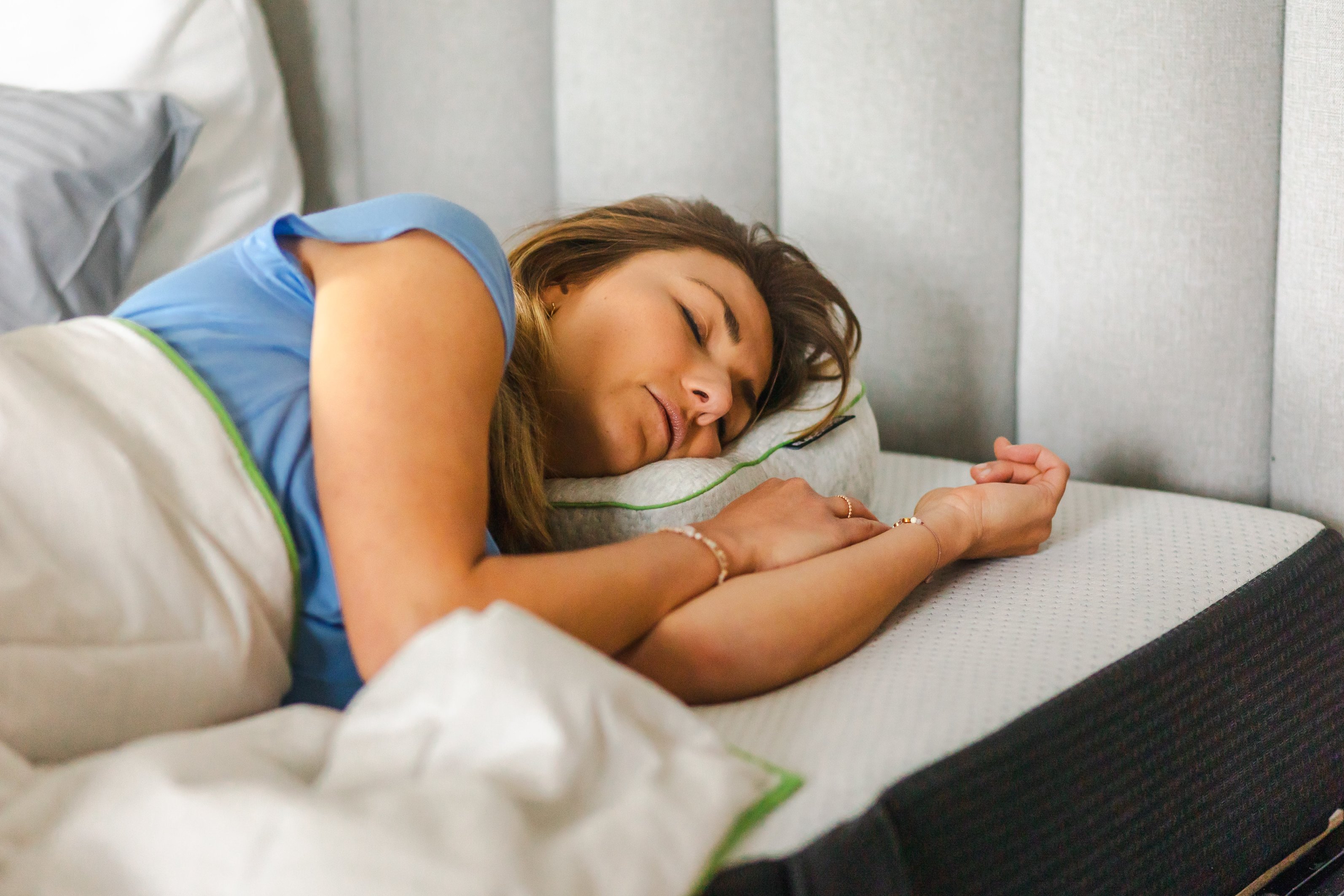
Sleep Hygiene: Basics for Restful Sleep

Introduction: Why sleep hygiene is so important
Sleep isn’t just a minor part of your day – it’s the foundation of your health, performance and well-being. Even just a few nights of poor sleep can affect concentration, mood and even the immune system (Walker, 2017).
In Germany, many adults regularly report difficulties falling asleep or staying asleep.
The good news is that many of these issues can be significantly reduced through targeted routines and better sleep hygiene.
In short, sleep hygiene refers to the habits and conditions that can help you fall asleep more easily and wake up feeling more rested.
In this article, you’ll learn what sleep hygiene means and why it matters, which sleep problems are particularly common, 13+ practical tips for everyday life, how factors such as light, nutrition, stress and exercise can affect your sleep, and when it may be time to seek professional help.
If you’d like to explore the topic of sleep in more depth, you’ll find more articles on falling asleep, sleep problems and sleep quality in our Sleep Knowledge Hub.
What is sleep hygiene?
Sleep hygiene refers to a set of practices and habits that support optimal sleep. These include consistent bedtimes, a quiet bedroom, and avoiding disruptive factors such as caffeine or alcohol in the evening.
The goal is to make bedtime as pleasant as possible, improve the ability to fall asleep, and promote restful sleep (Hirshkowitz et al., 2015).

You can learn more about the basics of restful sleep in our Sleep Knowledge Center.
Learn moreWhy is sleep hygiene important?
Good sleep hygiene is essential for maintaining healthy sleep in the long term. It can help prevent sleep problems and improve sleep quality. Paying attention to your sleep environment can support mental well-being, recovery and performance.
It also supports the natural production of melatonin, the hormone that helps prepare your body for sleep.
Sleep hygiene is an important part of your long-term health. You can find more tips and background information in our Health & Recovery section.
A good evening routine is a key part of healthy sleep hygiene. In the following video, our sleep expert Dr Lutz Graumann shares simple and effective tips that can help you wind down more easily in the evening and enjoy more restful sleep.
You’ll learn which habits you can incorporate into your daily routine to improve your sleep quality, reduce stress and wake up feeling refreshed. From relaxation techniques and managing light exposure to practical evening routines, this guide makes it easy to build healthy sleep habits step by step.
If you regularly struggle to fall asleep or wake up during the night, you’ll find practical strategies you can try straight away. Give your body the rest it needs while supporting your overall health.
Common Sleep Problems
Many people suffer from sleep disorders that directly affect their daily lives.
Common problems include: difficulty falling asleep (often due to stress or screen time), waking up during the night, and overall poor sleep quality caused by noise, light, an unsuitable room environment, or an unsuitable mattress.
A significant proportion of the population meets the criteria for insomnia requiring treatment (Riemann et al., 2017).
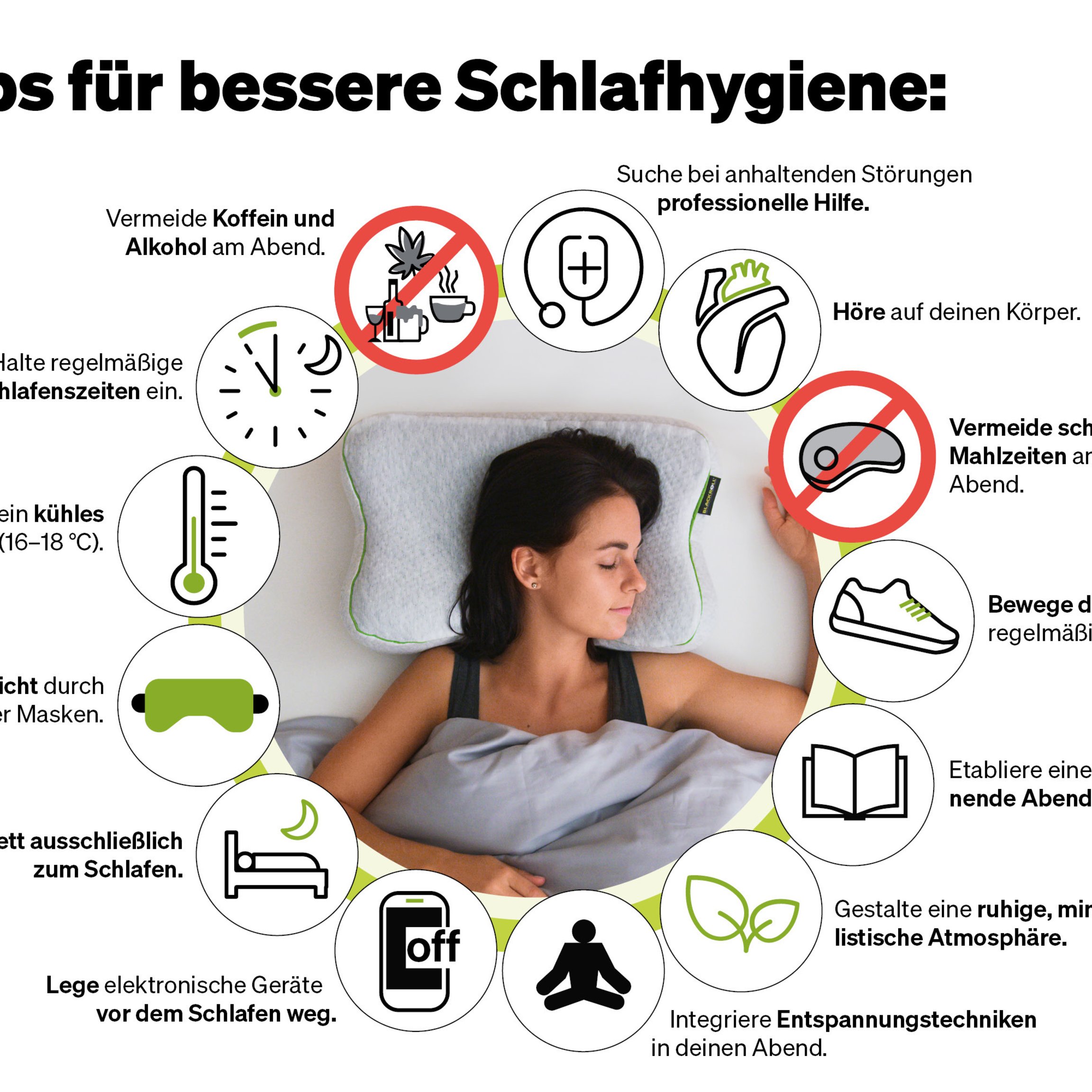
13 Tips for Better Sleep Hygiene
- Stick to a regular sleep schedule.
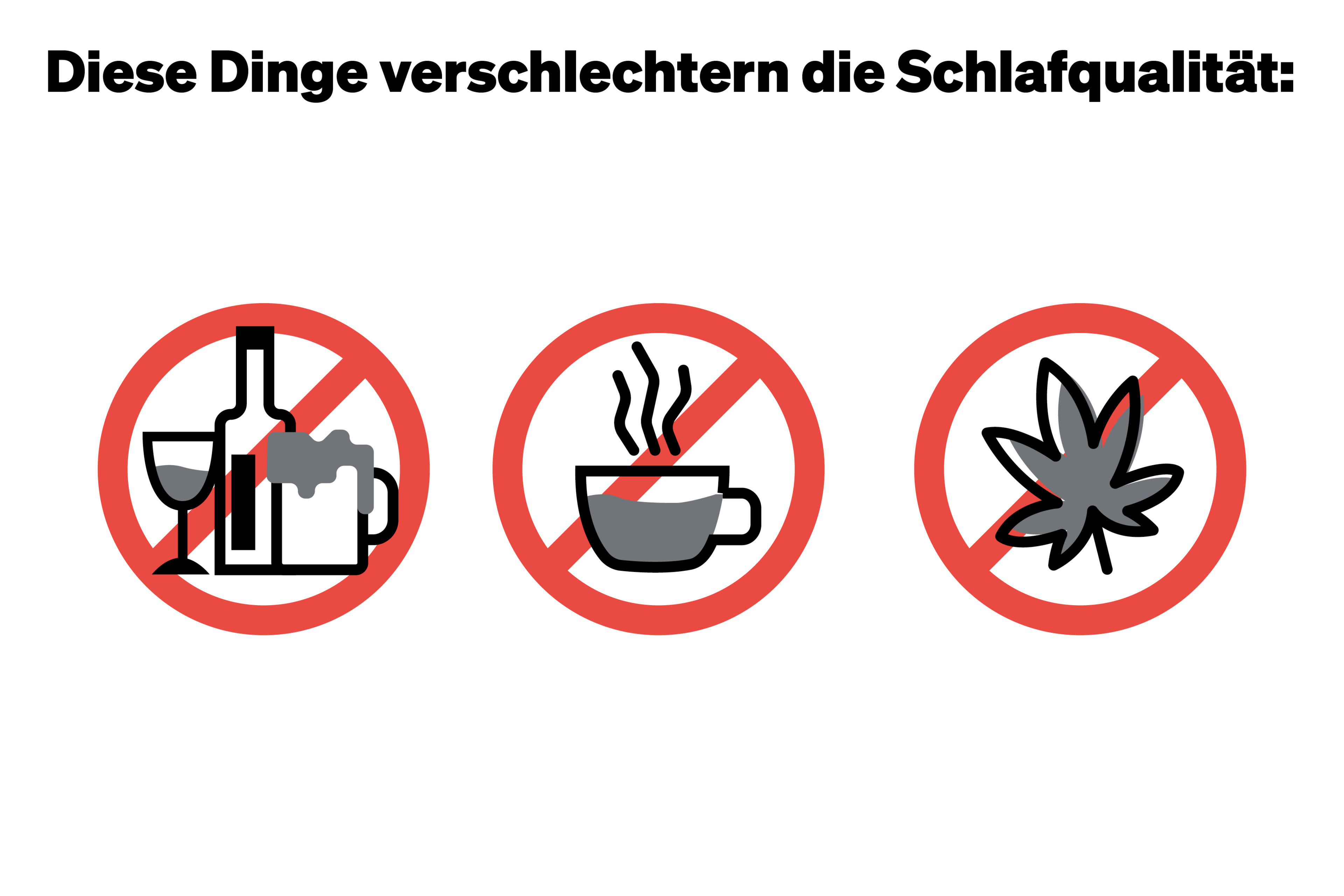
- Avoid caffeine and alcohol in the evening.
- Keep your bedroom cool (16–20°C).
- Reduce light with curtains or a sleep mask.
- Use your bed only for sleeping.
- Put electronic devices away before bedtime.
- Incorporate relaxation techniques into your evening.
- Create a calm, minimalist sleep environment.
- Establish a relaxing evening routine.
- Exercise regularly.
- Avoid heavy meals late in the evening.
- Listen to your body.
- Seek professional help if sleep problems persist.
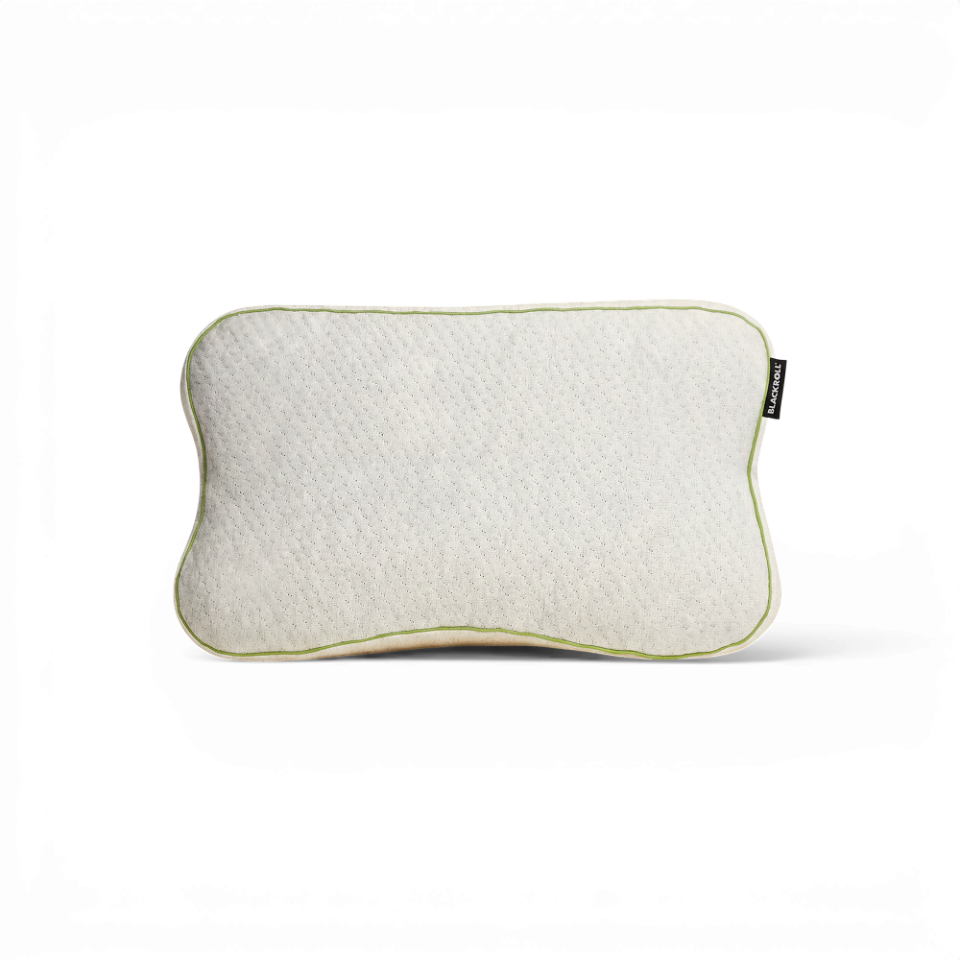
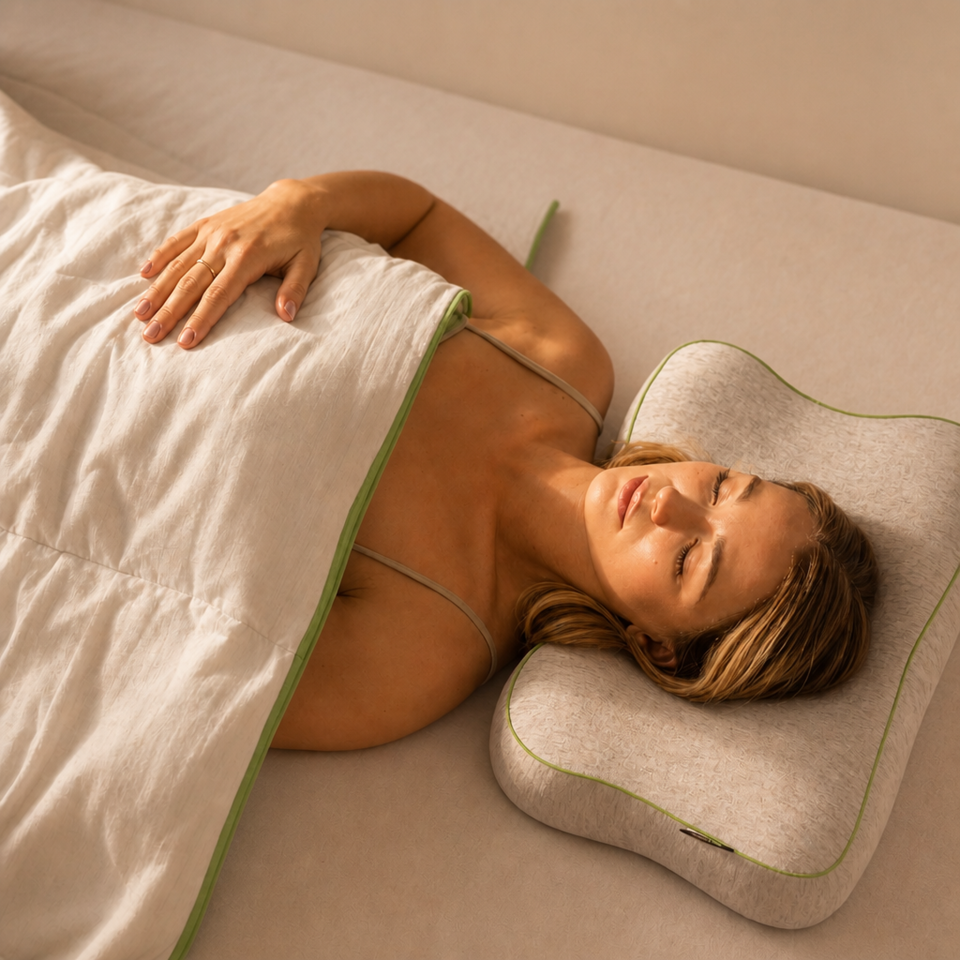
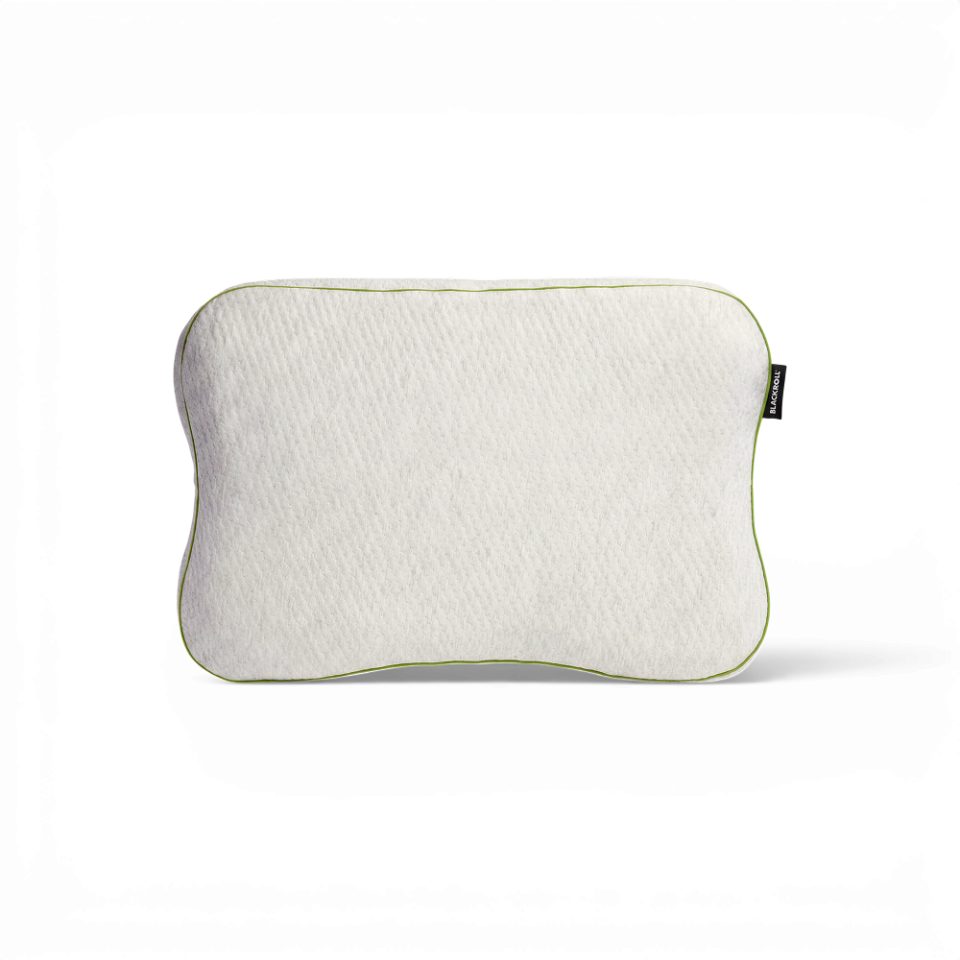
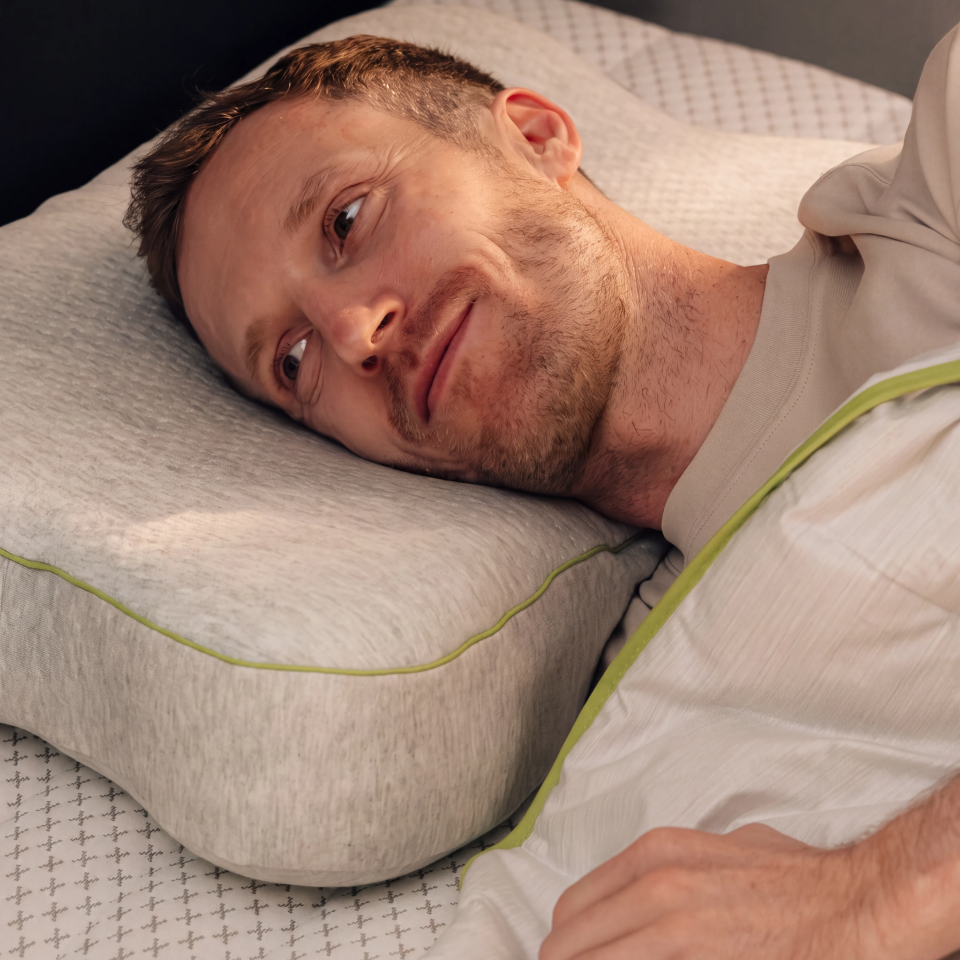
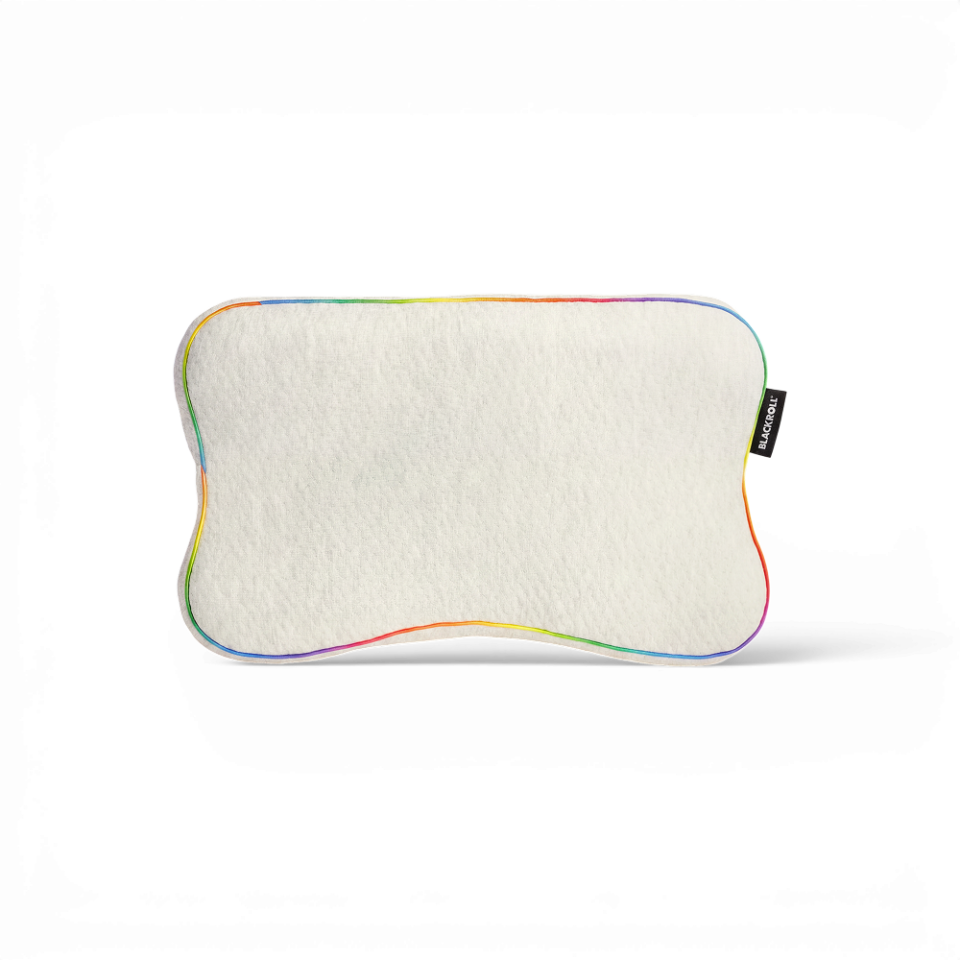
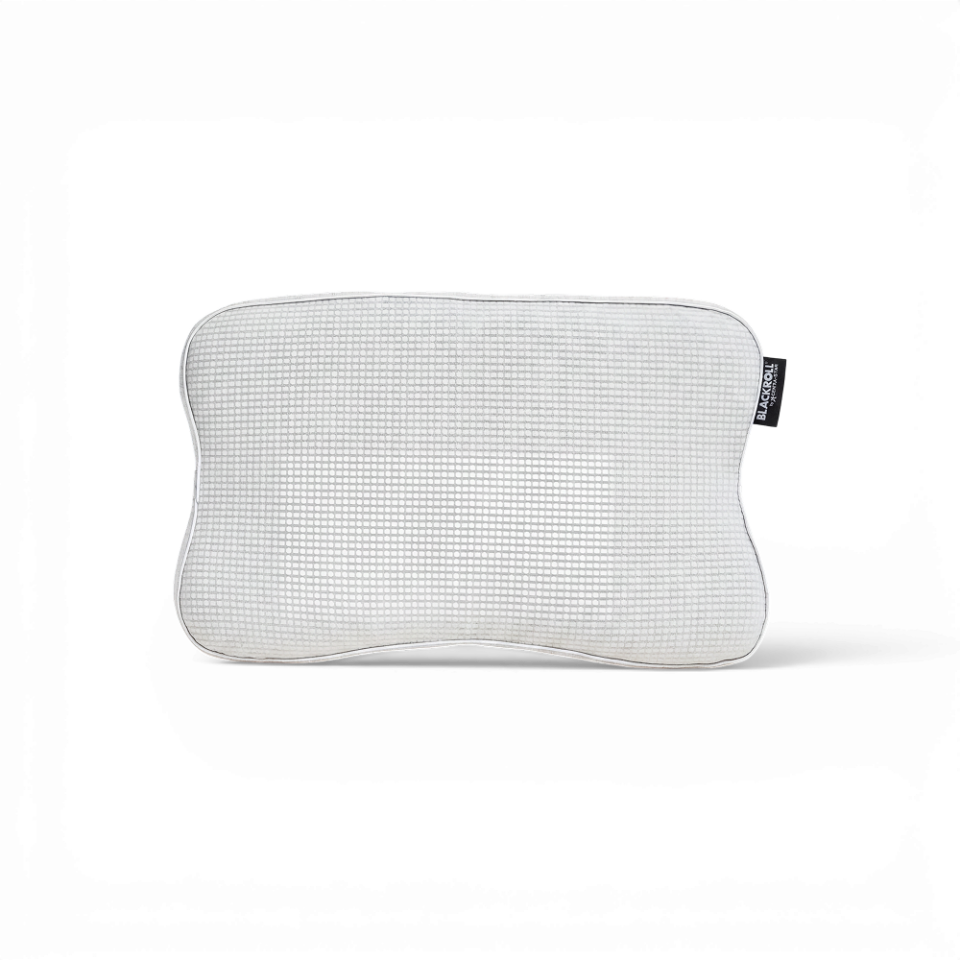
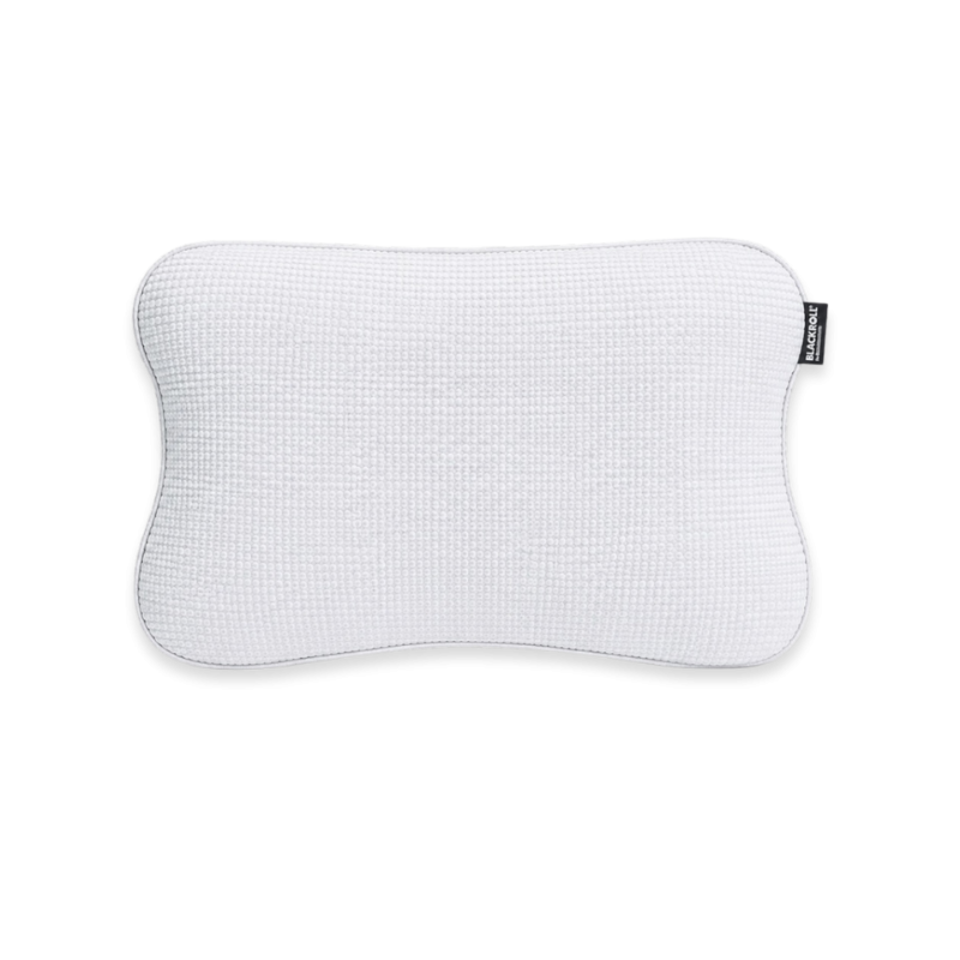
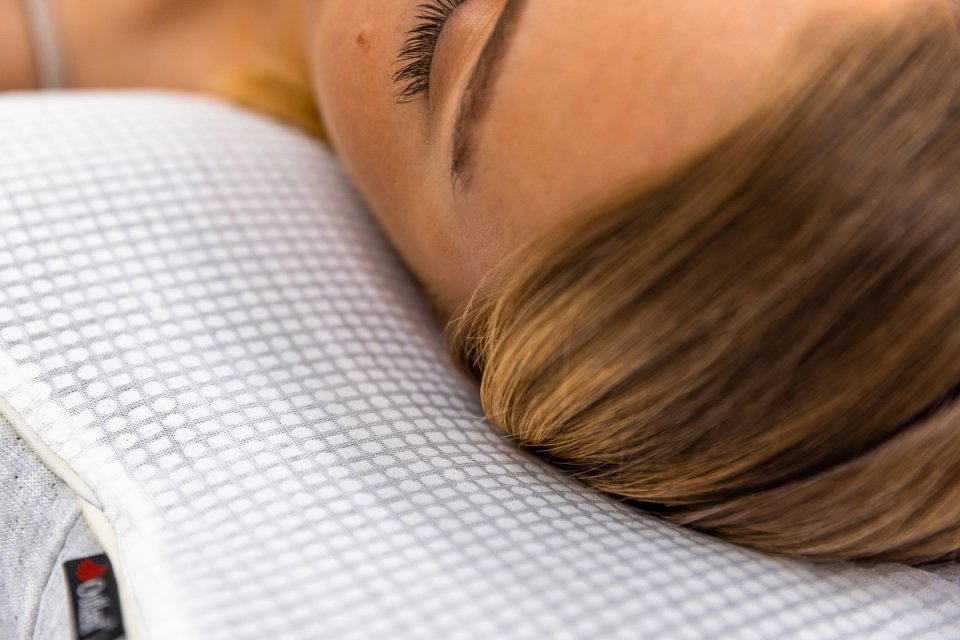
The right sleep environment is just as important as your habits. Products such as the BLACKROLL® RECOVERY PILLOW can help provide optimal support for your neck and spine.
Key factors in detail
Consider your chronotype
Your chronotype (early bird vs. night owl) influences when your body naturally feels most active. Where possible, align your sleep schedule with your natural rhythm rather than constantly working against it. This can reduce tiredness and improve sleep quality.
Temperature & bedroom climate
The ideal bedroom temperature is between 16 and 18°C. Overheating can interfere with melatonin production. Regular ventilation, lightweight duvets such as the BLACKROLL® RECOVERY BLANKET, and fresh air can help create a comfortable environment for restful sleep.
Light and screen time
Natural morning light helps regulate your circadian rhythm. In the evening, try to reduce exposure to bright artificial light – particularly blue light from screens – as it can suppress melatonin production and make it harder to fall asleep (Chellappa et al., 2011). Blackout curtains and night-shift settings can help.
Nutrition & hydration
Avoid large, heavy meals, alcohol and caffeine in the hours before bedtime. Light snacks such as a banana or yoghurt are often easier to digest. Avoid drinking large amounts of fluid late in the evening to reduce the need to get up during the night.
Exercise and physical activity
Regular physical activity can improve sleep quality. Try to finish intense workouts a few hours before bedtime. An evening walk or gentle yoga can help you unwind and prepare your body for sleep.
Stress management & relaxation techniques
Meditation, breathing exercises and progressive muscle relaxation can help calm your mind and make it easier to fall asleep. A short journaling session can also help clear your mind before bed. If you’re looking for effective ways to reduce stress, try our BLACKROLL® relaxation exercises.
Intimacy & closeness
Physical closeness can promote the release of oxytocin, which may have a positive effect on sleep quality. Try to associate your bed primarily with sleep and intimacy.
As a general rule: Good days lead to good nights. All the small decisions we make from the moment we wake up until we go to bed influence how well we sleep. Both our behaviors and external circumstances play a central role. This includes things like regular bedtimes, creating a sleep-friendly environment, getting enough exercise, our consumption habits, and much more.
Stefan Schneider, BLACKROLL® Master Trainer

Routines and Lifestyle
Evening Routine
A consistent evening routine signals to your body that it’s time to sleep. Warm baths, reading, or relaxation exercises 60 minutes before bedtime are particularly effective. Avoid bright lights and screens.
Daytime Naps
Short power naps of 15–20 minutes can boost performance, but they shouldn’t be taken too late in the day so as not to interfere with nighttime sleep.
Regular Bedtimes
Go to bed and wake up at the same time every day if possible—even on weekends. This stabilizes your internal clock and reduces difficulty falling asleep.
Myths & Mistakes About Sleep Hygiene
- “You can catch up on sleep on the weekend.” – This often disrupts your sleep rhythm.
- “Alcohol helps you fall asleep.” – While it does help you fall asleep, it impairs deep and REM sleep.
- “Caffeine only has a short-term effect.” – Caffeine has a half-life of 6–8 hours and can interfere with sleep.
When to Seek Professional Help
If sleep problems persist for more than three weeks despite good sleep hygiene or significantly interfere with your daily life, seek medical help. If you suspect insomnia, sleep apnea, or other sleep disorders, it is important to have them evaluated by a healthcare professional (Riemann et al., 2017).

Sleep better, live healthier—with our sleep course. Up to 100% refund + a free Recovery Pillow.
Discover the online sleep course nowSupportive Apps & Technologies
Sleep trackers (e.g., wearables), meditation apps, and smart alarm clocks can help you: They analyze patterns, make it easier to relax, and wake you up during lighter sleep phases to reduce morning grogginess.
Find the right tools for restful sleep in our BLACKROLL® Sleep Collection.

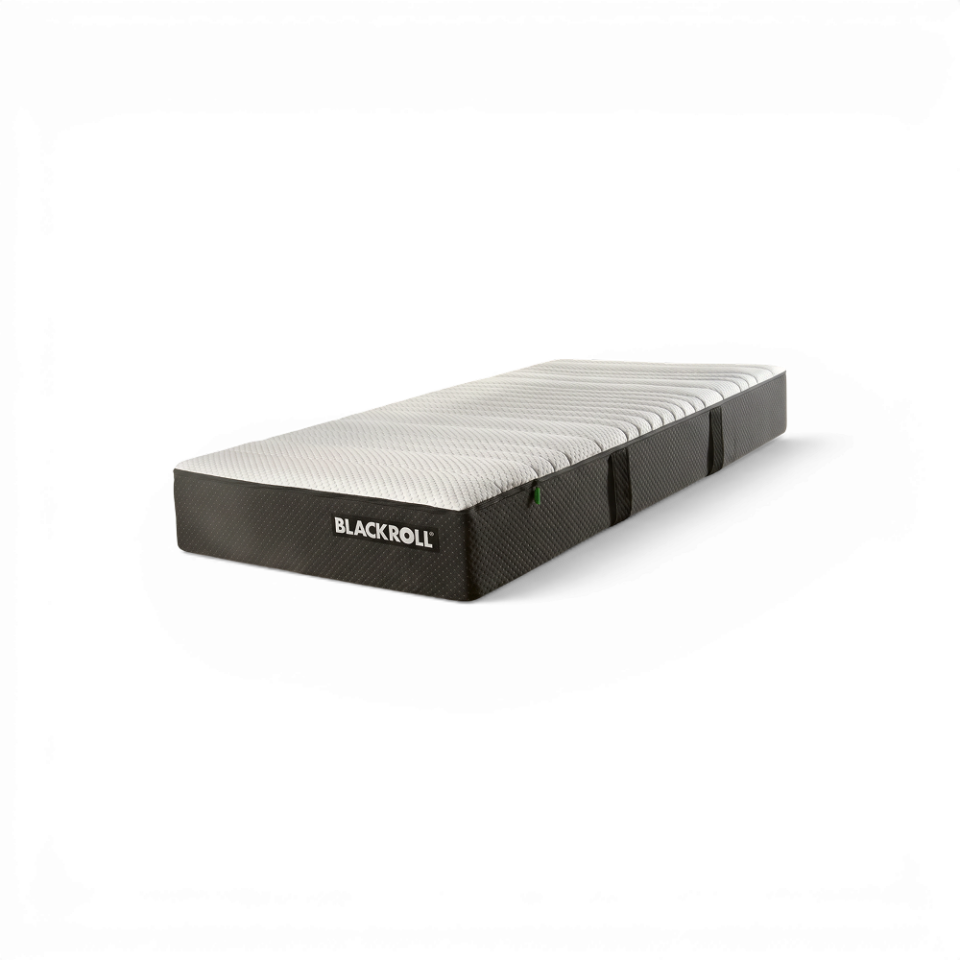
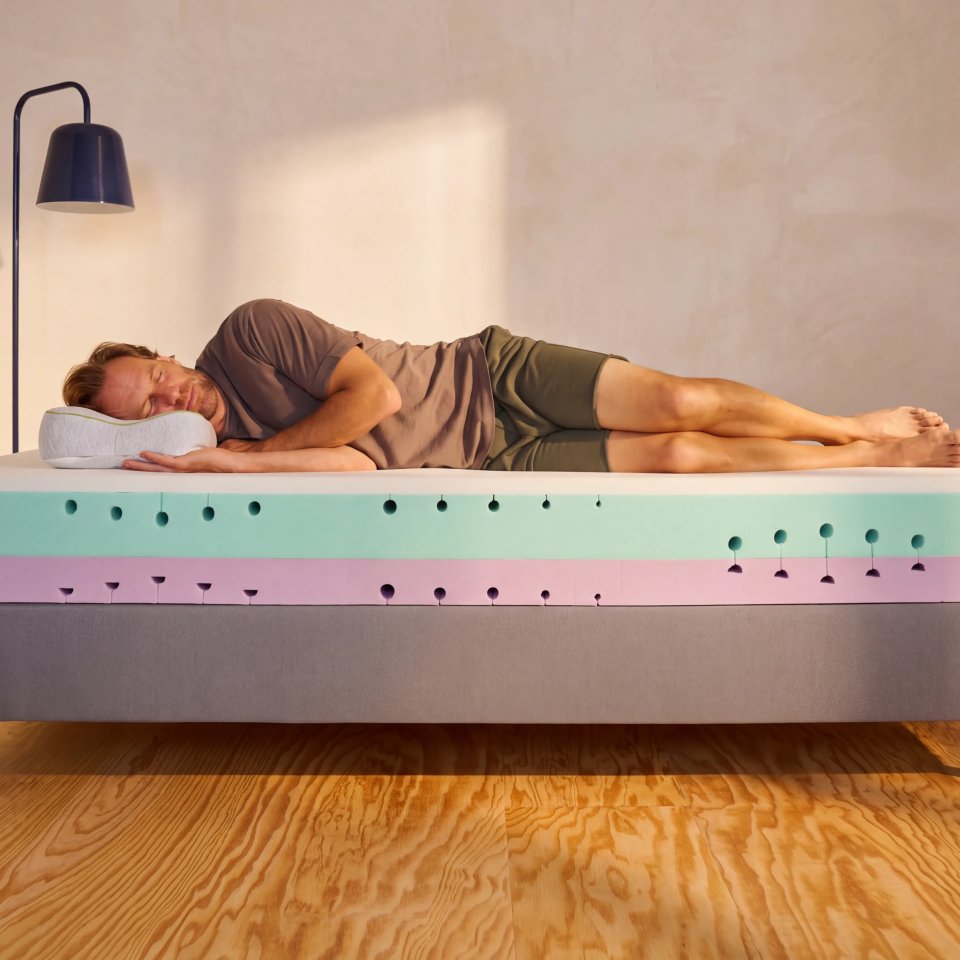
Recovery Base 2.0
Available in multiple variants
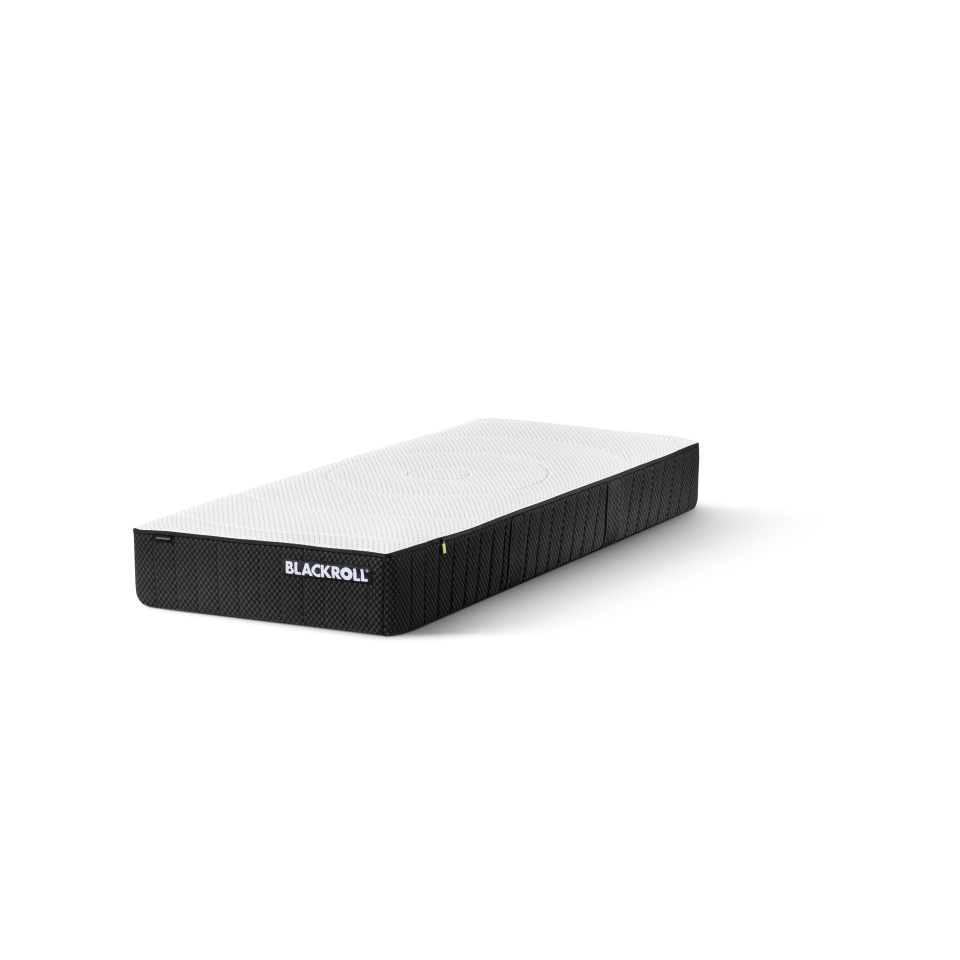
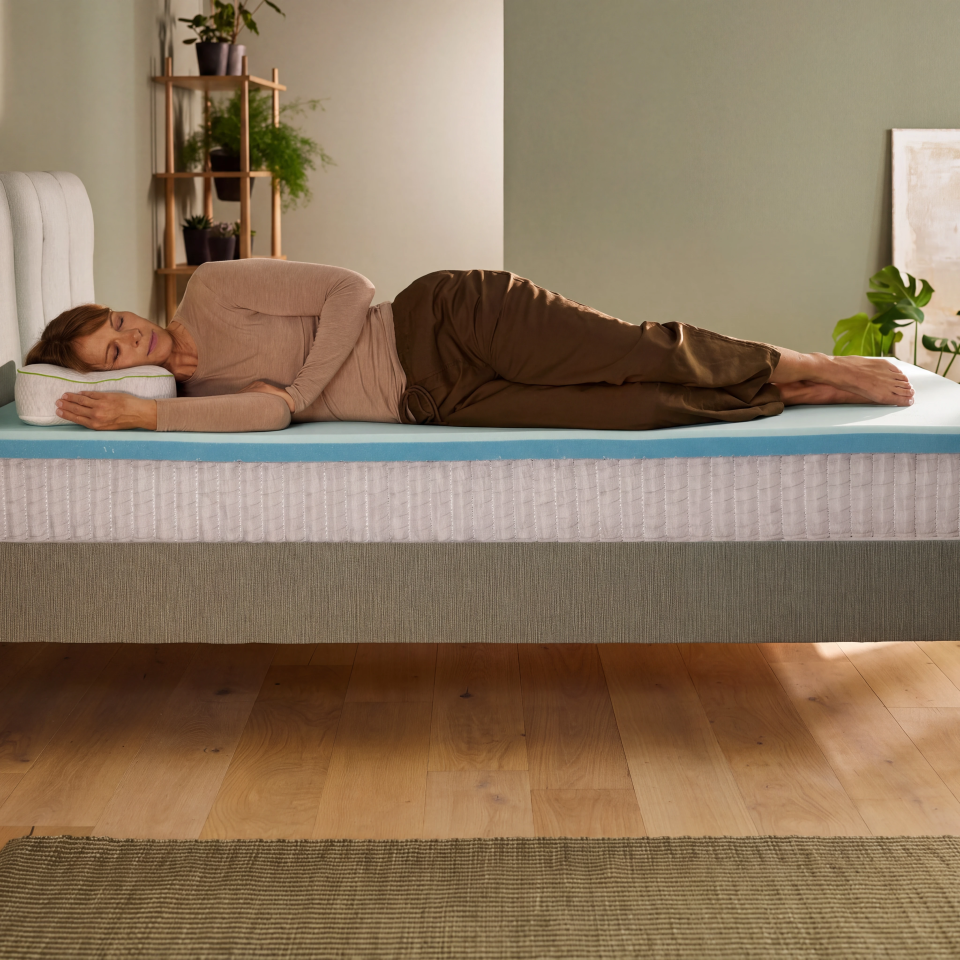
Recovery Base Balance
Available in multiple variants

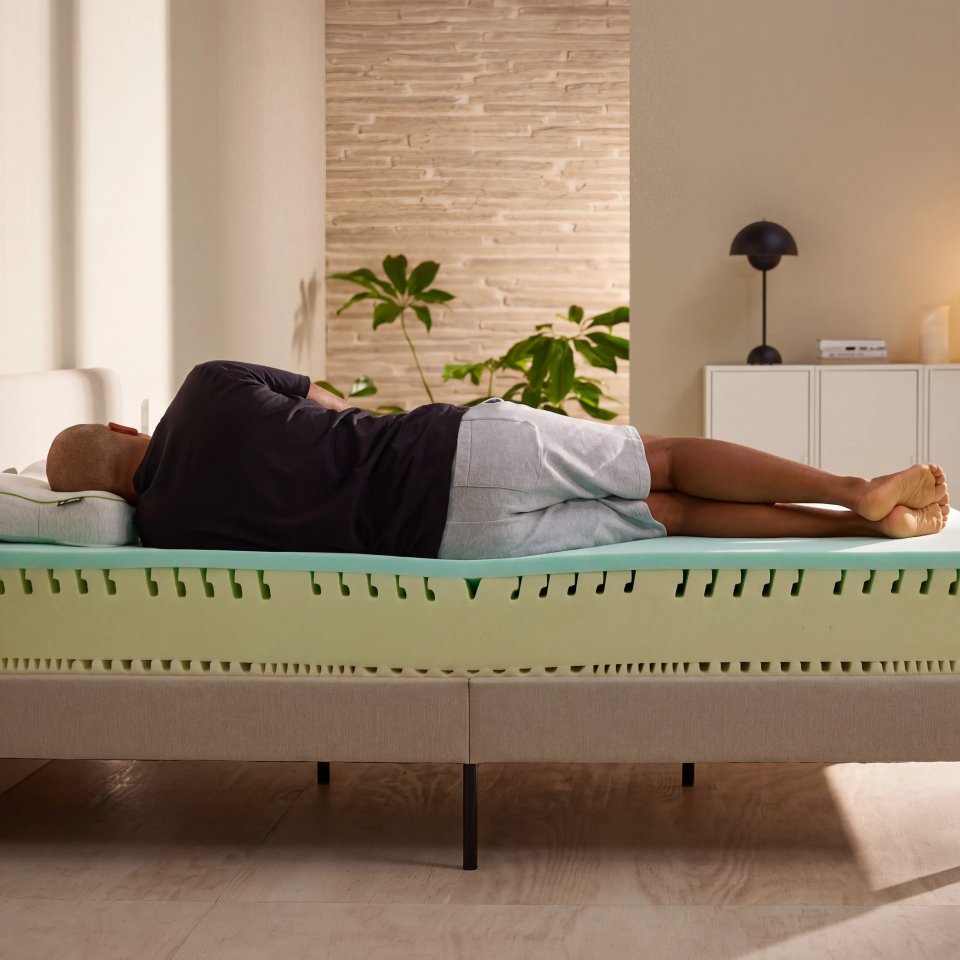
Recovery Base Elite
Available in multiple variants
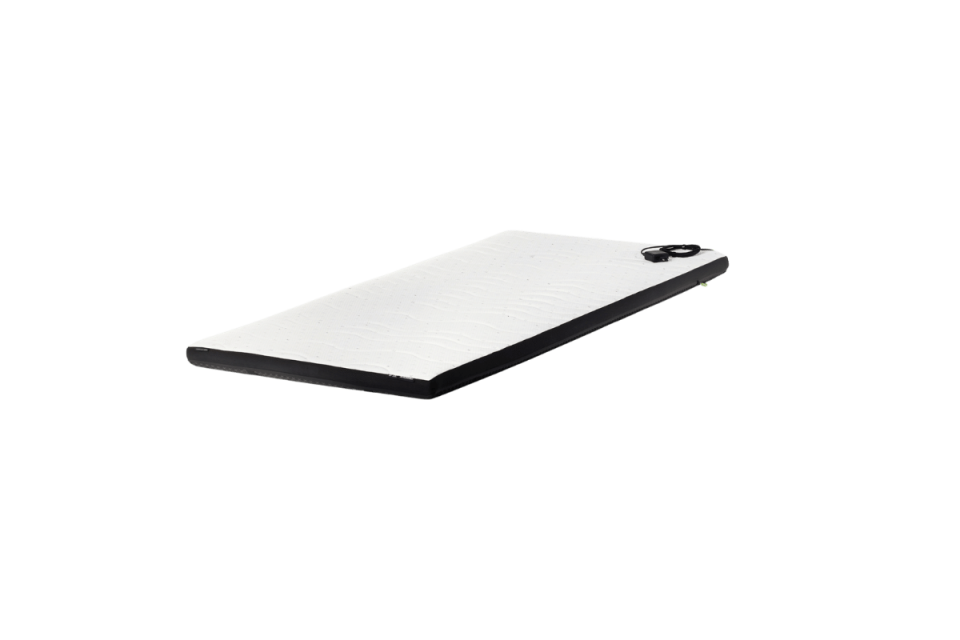
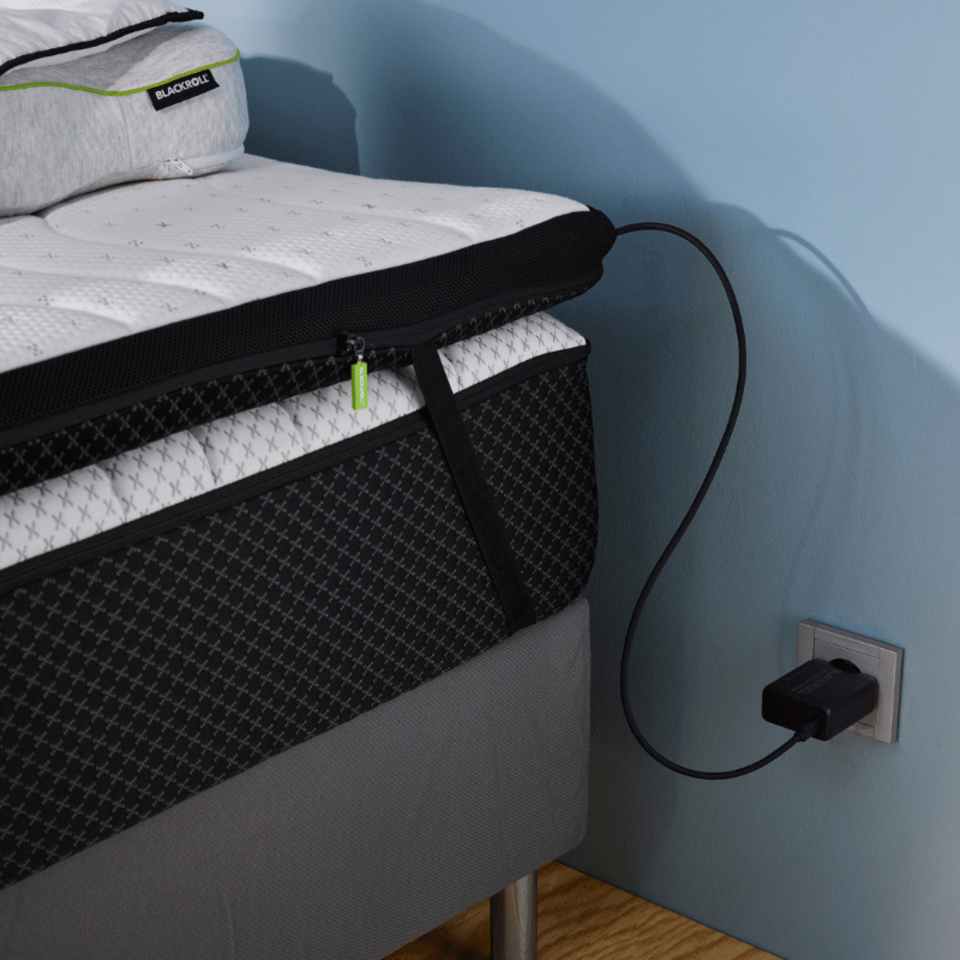
Climate Flow Topper
Available in multiple variants
FAQ on Sleep Hygiene
All habits and environmental factors that promote healthy, restful sleep—from consistent bedtimes to reducing light and noise.
Reduce screen time in the evening, keep the bedroom cool, stick to a regular bedtime, and avoid caffeine and alcohol in the evening.
It determines your natural cycle of activity and sleepiness. If possible, adjust your bedtime accordingly.
Generally 16–20 °C, combined with good ventilation and a suitable comforter.
Blue light in the evening can suppress melatonin and make it harder to fall asleep; in the morning, daylight helps “synchronize” your internal clock.
Very greasy, heavy meals, alcohol, and caffeinated beverages; small, light snacks are usually better.
Caffeine delays the time it takes to fall asleep and fragments sleep; alcohol reduces deep sleep and REM sleep.
Yes, relaxation techniques can reduce stress and shorten sleep latency.
Ideally, 15–20 minutes, preferably not in the late afternoon.
“Sleeping in on the weekend makes up for everything,” “Alcohol helps you sleep well,” “Caffeine only works for a short time”—all three are misleading.
If symptoms last longer than 3 weeks, if you experience severe daytime sleepiness, frequent awakenings, pauses in breathing, or significant impairment.
Sleep trackers, meditation apps, and smart alarm clocks—as a supplement, not a substitute for good sleep habits.
Conclusion: The Key Points
Good sleep hygiene thrives on routine and conscious decisions: regular bedtimes, a quiet environment, less caffeine and alcohol in the evening, light management, and stress reduction. Small, consistent changes often have the greatest impact.
Sources (APA)
- Walker, M. (2017). Why We Sleep: Unlocking the Power of Sleep and Dreams. Scribner.
- Hirshkowitz, M., et al. (2015). National Sleep Foundation’s sleep time duration recommendations. Sleep Health, 1(1), 40–43. https://doi.org/10.1016/j.sleh.2014.12.010
- Riemann, D., et al. (2017). European guideline for the diagnosis and treatment of insomnia. Journal of Sleep Research, 26(6), 675–700. https://doi.org/10.1111/jsr.12594
- Chellappa, S. L., et al. (2011). Acute exposure to evening blue-enriched light impacts human sleep. Journal of Sleep Research, 20(2), 258–265. https://doi.org/10.1111/j.1365-2869.2010.00885.x