Circadian Rhythm: Meaning, Functions, and Tips for Optimization

The circadian rhythm is a complex interplay of biological mechanisms that prepare the body for the transition from day to night and ensure that important physiological processes occur in harmony with environmental conditions. In this article, we explain why you shouldn’t live in opposition to your circadian rhythm and how you can specifically support it to function optimally.
Key Takeaways
- The circadian rhythm is the body’s internal clock, operating on an approximately 24-hour cycle.
- It influences sleep, alertness, hormones, body temperature, and metabolism, among other processes.
- Light is the most important external time cue and helps synchronize the internal clock with the day-night cycle.
- Irregular sleep schedules, shift work, jet lag, and exposure to light at the wrong time of day can disrupt the circadian rhythm.
- Regular sleep times, daylight exposure, physical activity, and consistent daily routines can help support a stable circadian rhythm.
Am I Out of Sync? The Quick Check
The more of these statements apply to you, the more likely it is that your internal clock and daily routine are out of sync:
- You need significantly more sleep on weekends than during the week.
- You lie awake for a long time at night even though you feel tired.
- Your alarm wakes you from deep sleep almost every day.
- Your bedtime varies by more than an hour from day to day.
- You struggle to get going in the morning and only feel at your best late in the evening.
Three Strategies That Work Right Away
Consistent wake-up time: Get up at the same time every day, including weekends. In a prospective cohort study of 60,977 UK Biobank participants, Windred et al. (2024) found that a regular sleep-wake rhythm was associated with a 20–48% lower risk of all-cause mortality, and sleep regularity was a stronger predictor of mortality than sleep duration. In practice, this means your wake-up time is your most important anchor.
Morning light: Spend 20–30 minutes outside within the first hour after waking. In a placebo-controlled home study involving 42 adults experiencing social jet lag during the working week, Geerdink et al. (2016) observed that 30 minutes of daily morning light shifted the body’s nighttime signal forward by an average of 84 minutes over nine days—around 36 minutes more than in the comparison group, which followed the same earlier sleep schedule without the morning light intervention. In practice, morning light works best as a reinforcement of a consistent routine rather than on its own.
Dim the lights in the evening: Reduce light exposure around two hours before bedtime. Research increasingly shows how strategically using morning light and reducing evening light can help support the body’s circadian rhythm.
Overview of the Circadian Rhythm
The circadian rhythm, also known as the “internal clock,” refers to the internal biological rhythm found not only in humans but also in animals and many other organisms. It is one of the key components of chronobiology and is essential for regulating numerous vital functions
On average, humans typically have a circadian rhythm of about 24 hours. However, its duration can vary depending on individual differences and, depending on the chronotype, can even shift by up to five hours. You’ve surely heard of owls and larks. These are chronotypes defined by going to bed early and waking up early (larks) and going to bed late and waking up late (owls). So what is still nighttime for owls may already be the optimal time for larks to exercise or start work.
The circadian rhythm is influenced by various factors such as light and darkness and controls biological processes such as our sleep-wake cycles, body temperature, hormone production, and metabolic activity. The body’s adaptation to chronobiology is crucial for health and well-being. This is because the body responds to the different phases of circadian rhythms by adjusting body temperature, metabolism, and heart and respiratory rates. This also enables us to adapt to different time zones and work schedules, for example, when traveling.
Disruptions to the circadian rhythm, on the other hand, can have serious consequences and lead, for example, to sleep disorders or jet lag. Therefore, you should understand the circadian rhythm and develop healthy habits to support it. These include, among other things, a regular bedtime, limiting screen time before bed, and regular physical activity.
Tip: An example of the circadian rhythm is the feeling of tiredness that occurs in the evening as melatonin levels rise, or the increased alertness in the morning when light inhibits melatonin production and stimulates the production of cortisol, the so-called “wake-up hormone.” To ensure your internal clock functions stably, it’s advisable to stick to consistent times for going to bed and waking up—even on weekends. Otherwise, a shift in your rhythm occurs, which we call “social jet lag.”
Biorhythm and Circadian Rhythm: What’s the Difference?
The term biorhythm is often used to describe the body’s natural internal clock and recurring biological processes. Scientifically, the more precise term is circadian rhythm: an approximately 24-hour cycle that influences processes such as the sleep-wake cycle and is synchronized with our environment by external cues such as light (National Heart, Lung, and Blood Institute, 2022).
This should not be confused with the so-called biorhythm theory, which claims that physical, emotional, and intellectual performance follows fixed cycles of 23, 28, and 33 days. There is insufficient scientific evidence to support these predetermined cycles (Touitou et al., 2026).
So, when you talk about your “biorhythm” and mean your internal body clock, you are usually referring to processes that chronobiology associates, among other things, with the circadian rhythm.
How does the circadian rhythm work?
The circadian rhythm is controlled by complex biological mechanisms that operate at various levels of the body. The main regulator of the circadian rhythm is located in a part of the brain called the hypothalamus, specifically in a region known as the suprachiasmatic nucleus (SCN). The SCN acts as the body’s internal clock and receives signals from light and darkness via the retina of the eye. The suprachiasmatic nucleus (SCN) is also known as the master clock or central clock; it is the primary pacemaker for many circadian rhythms and the control center of the diencephalon.
Light is therefore the most important timer for the circadian rhythm and has the greatest influence on it. When light hits the photoreceptors in the retina, signals are sent to the SCN that prepare the body to be awake and active. When it gets dark, however, the SCN sends out signals that prepare the body for sleep. The light receptors thus act like a doorman, telling the brain what time of day it is based on sunlight.
The SCN also controls the production of hormones that influence the circadian rhythm. One important hormone is melatonin, the “sleep hormone,” which is produced by the brain and regulates the sleep-wake cycle. Melatonin production is also influenced by light. It increases in the dark, preparing us for sleep, while it decreases in the light, causing us to wake up.
The Importance of the Circadian Rhythm for Health
The circadian rhythm influences a wide range of physiological processes in the body and interacts closely with other biological rhythms to coordinate the body’s functions throughout the day and night. Below, we’ll introduce you to some of the most important aspects:
Sleep-Wake Cycle
The circadian rhythm regulates the sleep-wake cycle, which in turn is crucial for good sleep quality and duration. A stable circadian rhythm can help prevent sleep disorders, support your health, and promote your overall well-being.
Hormonal Regulation
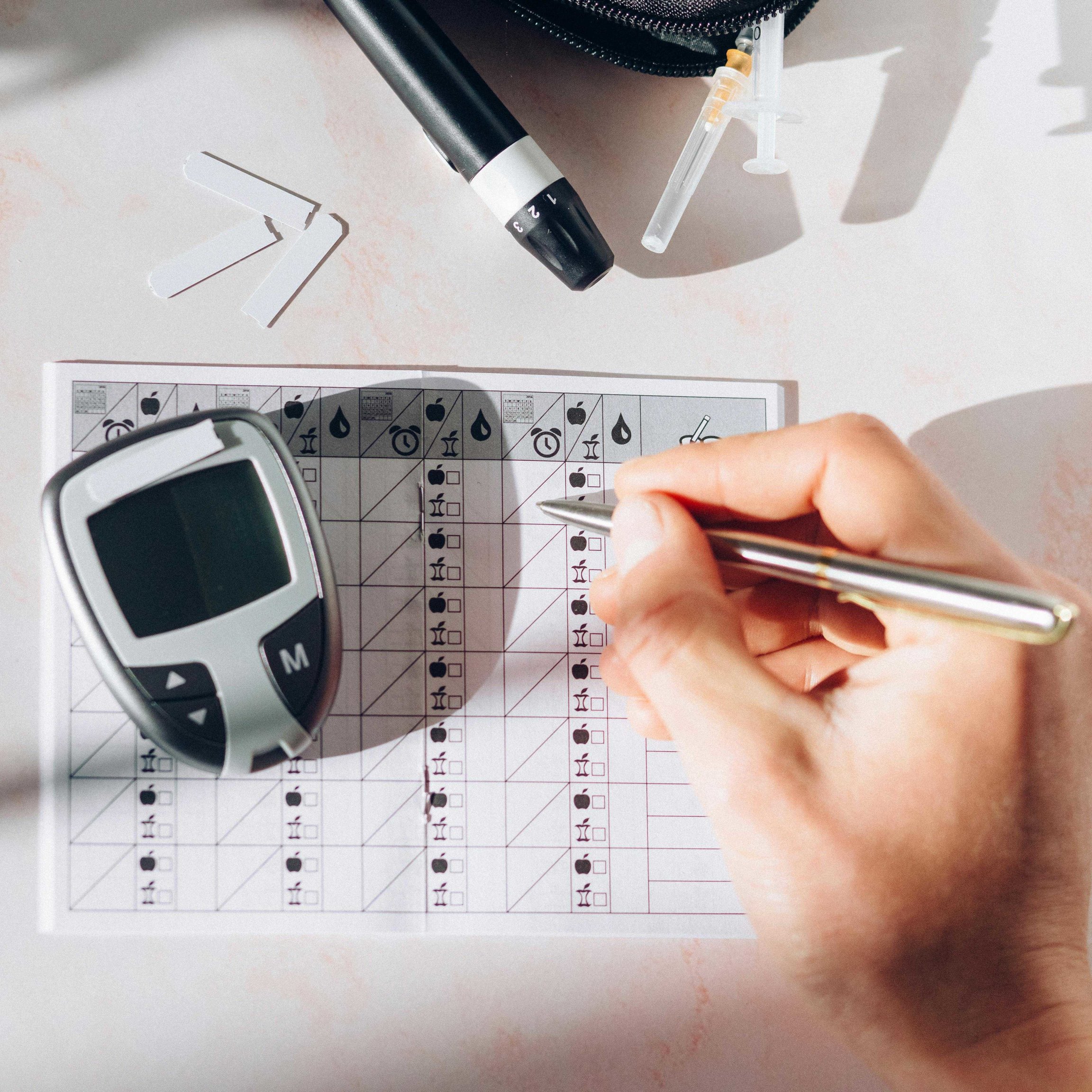
Numerous hormones in the body follow a circadian rhythm, including cortisol, melatonin, insulin, and various sex hormones. A disrupted circadian rhythm can lead to hormonal imbalances, which may result in metabolic disorders, weight gain, or diabetes.
Immune Function
Since sleep and circadian rhythms are closely linked to the immune response, dysregulation can weaken the immune system and increase susceptibility to infections and inflammation.

Metabolism and Digestion
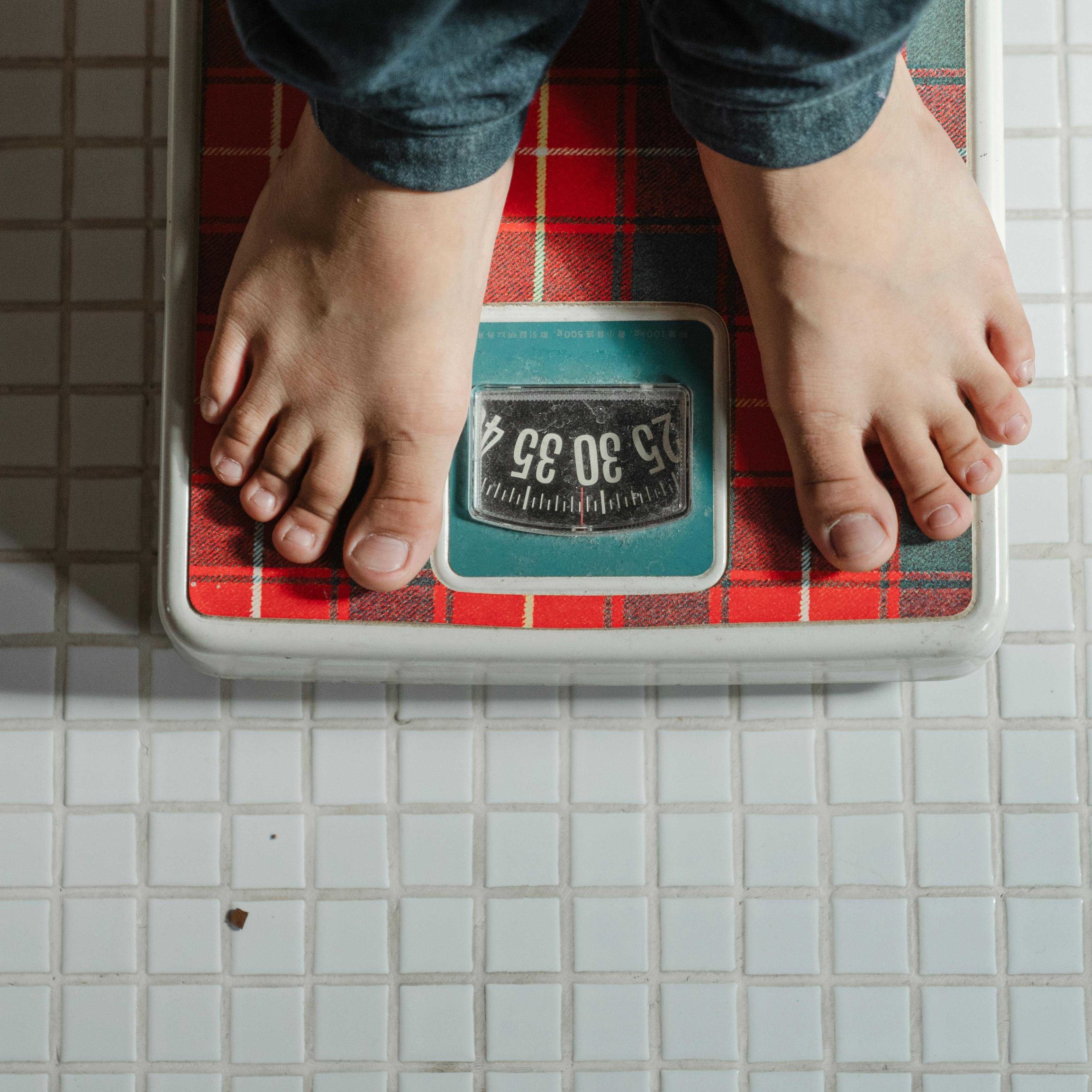
A disrupted circadian rhythm can lead to metabolic disorders, such as an increased risk of obesity and cardiovascular disease, or metabolic syndrome, which is associated with high blood pressure, obesity, or disorders of sugar and fat metabolism.
Mental Health
A stable circadian rhythm can also have a positive impact on mental health. This is because sleep disorders and a disrupted internal clock are associated with an increased risk of mental health conditions such as depression, anxiety, and bipolar disorder.

Regulation of Physiological Processes
The circadian rhythm influences not only the sleep-wake cycle but also other physiological processes, such as body temperature, which typically peaks in the early evening and reaches its lowest point toward morning.

Factors that can influence the circadian rhythm
Not only the body’s own biological processes, but also external environmental conditions can influence the circadian rhythm—both positively and negatively. Among the most important factors are:
Light and darkness
Light is the most important timer for the circadian rhythm. The intensity, duration, and color of light can influence the circadian rhythm by regulating the production of hormones such as melatonin and signaling to the body when it is time to be awake or to sleep.

Sleep-Wake Times
Regular sleep-wake times can stabilize the circadian rhythm and support its function. Deviations from these times—such as those caused by shift work or jet lag—artificially disrupt the body’s internal clock for extended periods. These factors can disrupt the circadian rhythm and trigger sleep disorders.
Diet and Meal Times
Our mealtimes and what we eat can also influence the circadian rhythm, especially since both affect metabolism and insulin production. A regular and balanced diet can therefore help stabilize the circadian rhythm.
Physical Activity
Physical activity can support the circadian rhythm—especially when done outdoors and in daylight—and improve sleep quality. Exercising against your own circadian rhythm, however, is harmful and reduces performance. For example, this happens when you exercise at extreme times when your body is normally geared toward sleep. If you have no other choice, you should still be aware that sleep quality and recovery may suffer as a result of training at night or too early in the morning. However, the distinction between chronotypes (see above) also plays a role here.

Social Interactions
Social activities such as meals, work hours, and leisure activities can also affect the circadian rhythm. By maintaining a regular routine, you can help stabilize your circadian rhythm.

Stress and Emotions
Stress and emotional states stimulate the production of stress hormones such as cortisol and influence the activity of the nervous system. This, too, has a negative effect on the circadian rhythm.

Environmental Factors
External environmental factors such as temperature, noise, and air quality can also influence the circadian rhythm by affecting the sleep-wake cycle and other physiological processes in the body.
Occupations with irregular sleep patterns
Shift work, in particular, is one of the factors that can significantly influence the body’s internal clock due to the resulting irregular sleep patterns. While occupations with unusual or constantly shifting work schedules can offer many advantages, they also pose a major challenge to the body’s internal clock, as it functions only within the context of rotating shift systems. These occupations primarily include doctors and nurses, firefighters and emergency medical personnel, police officers, flight attendants and pilots, and workers in logistics and transportation. People who work under these conditions in the industries mentioned above are particularly likely to suffer from a disrupted circadian rhythm and its effects.
Effects of Sleep Disorders on the Circadian Rhythm
If you suffer from a sleep disorder, it can have significant effects on your circadian rhythm, as this rhythm is very closely linked to the sleep-wake cycle. Some of the effects that sleep disorders can have on the circadian rhythm include:
- Changes in the sleep-wake cycle: Sleep disorders such as insomnia, sleep apnea, or irregular sleep can disrupt the natural sleep-wake cycle, which is regulated by our circadian rhythm. This can lead to irregular bedtimes, difficulty falling asleep or waking up, and insufficient or non-restorative sleep.
- Suppression of melatonin production: A disrupted sleep phase can impair the production of melatonin, a hormone that regulates the circadian rhythm and influences the sleep-wake cycle. Sleep disorders, particularly those associated with exposure to light during the night, can suppress the natural production of melatonin and disrupt the circadian rhythm.
- Disruption of body temperature: The circadian rhythm also influences our body temperature, which normally peaks in the early morning hours and reaches its lowest point in the evening. Sleep disorders disrupt these circadian fluctuations in body temperature, which can lead to disrupted sleep architecture.
- Effects on hormone production: Sleep disturbances can also affect the production of other hormones regulated by the circadian rhythm, such as cortisol, insulin, and various sex hormones. Disrupted hormone production can lead to metabolic disorders, weight gain, increased stress, and other health problems.
- Mental Health: Sleep disorders can also affect mental health and are associated with a variety of mental health conditions, such as depression, anxiety, and bipolar disorder. These conditions can further disrupt the circadian rhythm and reinforce a vicious cycle of sleep problems and mental health issues.
8 Tips for Improving Your Circadian Rhythm
Once your internal clock is out of sync, you can help it get back on track on its own with a few simple steps. These tips will help you improve your circadian rhythm and promote a healthy sleep-wake cycle:
Regular Bedtimes
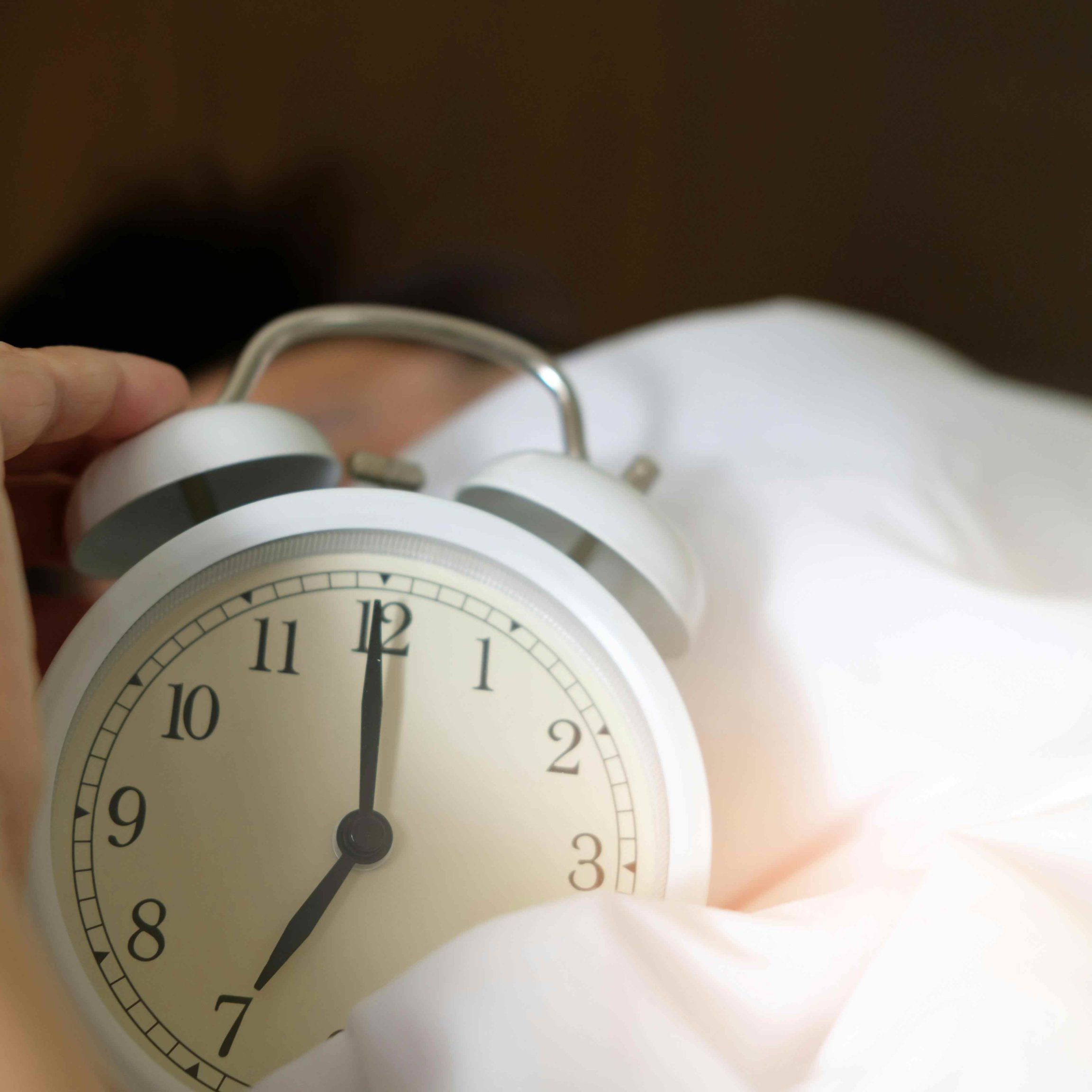
Try to go to bed and wake up at the same time every day, even on weekends. This helps stabilize your circadian rhythm and establish a routine.
Exposure to Light
Expose yourself to daylight during the day, especially in the morning. Natural light helps synchronize your circadian rhythm and boost your energy and alertness throughout the day.

Avoid bright light before bedtime
Reduce your exposure to bright light—especially blue light from screens such as smartphones, tablets, and computers—at least one hour before bedtime. This is because blue light can inhibit the production of the sleep hormone melatonin and cause us to feel awake instead of tired.
Create an optimal sleep environment
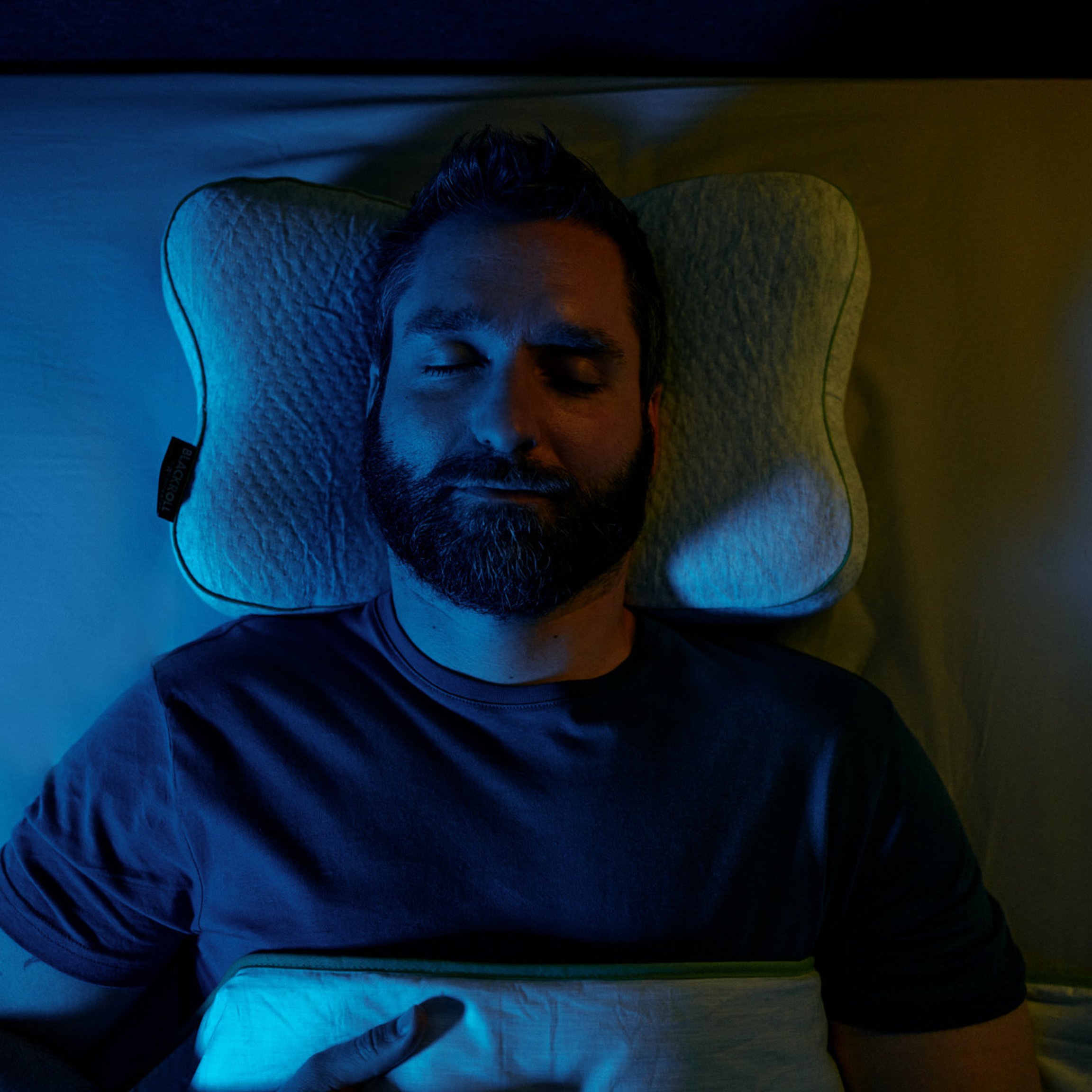
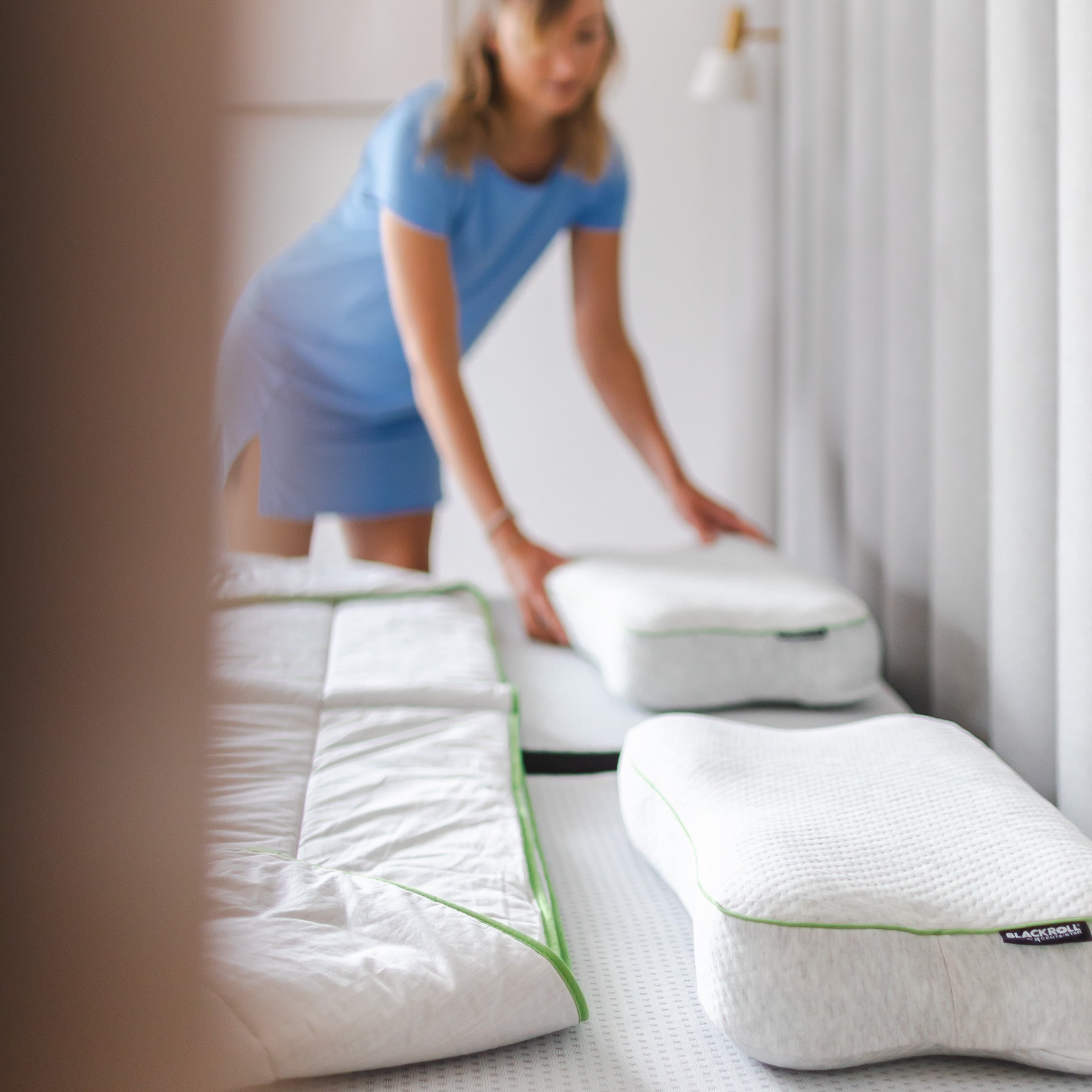
Make sure your bedroom is quiet, dark, and cool. If necessary, use blackout curtains, earplugs, or a humidifier to create a comfortable sleeping environment. Our RECOVERY BASE helps you get restful sleep and recover better. The mattress adapts perfectly to your body’s contours and is suitable for every sleep type.
Limit your caffeine and alcohol intake
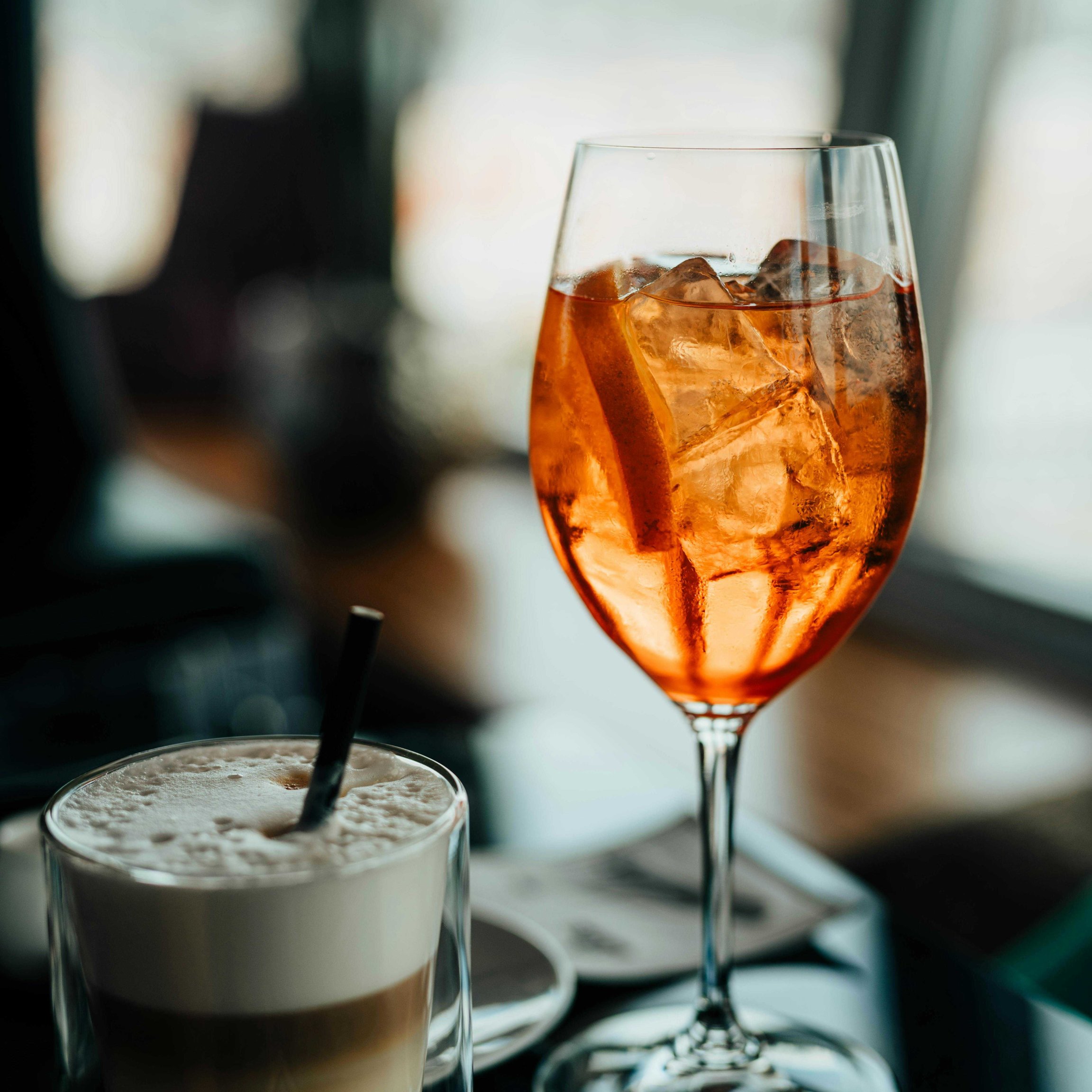
Avoid caffeinated beverages like coffee and tea, as well as alcohol in the evening, since they often interfere with sleep. Alternatively, you can opt for soothing herbal teas, for example. A rule of thumb would be: no more than 4 cups of coffee (or other caffeinated beverages) and none after 2:00 p.m. Since alcohol primarily disrupts your REM sleep, you should go to bed sober on as many days of the year as possible.
Develop a relaxing evening routine
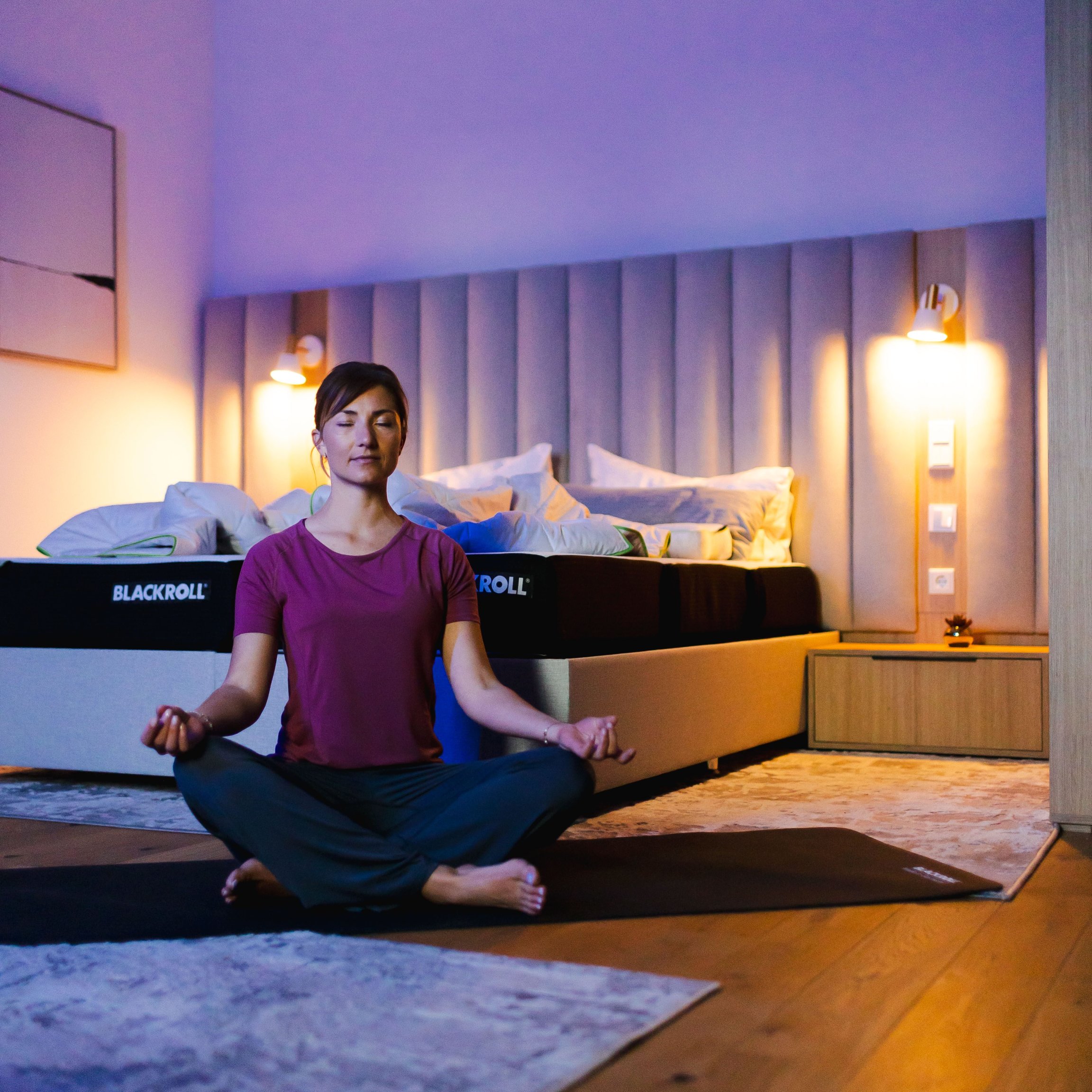
Create a routine that helps you relax and prepare for sleep, such as a warm bath, gentle stretching exercises, reading, or meditation.
Get regular exercise
Be physically active on a regular basis, but ideally not right before bedtime. Exercise and physical activity can help support your circadian rhythm and improve your sleep quality. Aim for at least 5,650 steps even on days you’re working from home.

Eat a healthy diet
Avoid heavy meals and too much fluid right before bedtime so your digestion doesn’t keep you awake or a full bladder wakes you up. Instead, eat easily digestible snacks and meals, preferably 2.5 hours before your planned bedtime.

Food and the circadian rhythm
In fact, consuming certain foods can also influence the circadian rhythm, especially when eaten at specific times of day. The following aspects of diet are linked to the circadian rhythm:
- Meal timing: The body reacts differently to various types of food depending on the time of day they are consumed. As a general recommendation, therefore, it’s best to eat regular meals—but have larger meals earlier in the day and smaller meals in the evening so as not to disrupt sleep.
- Breakfast: A hearty meal in the morning can help your body regulate its circadian rhythm—especially when traveling to different time zones. Otherwise, breakfast is optional.
- Light dinner: Heavy meals late in the evening can strain digestion and interfere with sleep. Therefore, eat easily digestible foods in the evening and avoid large meals.
- Carbohydrates and proteins: Consuming carbohydrates and proteins at different times of the day can also affect your circadian rhythm. Carbohydrates can provide energy in the morning, while proteins can help supply the body with essential amino acids at night.
- Adequate Hydration: Drinking enough fluids is not only important for overall health but can also support the circadian rhythm. Therefore, drink enough water throughout the day to stay hydrated, but avoid consuming large amounts of fluid right before bedtime to reduce nighttime trips to the bathroom.
What Helps with Jet Lag, Shift Work, and Social Jet Lag?
Not every circadian disruption requires the same approach—the key is understanding which direction your internal clock has shifted. Here are four common situations and what can help.
Jet Lag: Traveling East Is Harder Than Traveling West
Why: When you cross time zones, your internal clock continues to run on your home time while light exposure and daily routines at your destination follow a different schedule. Willoughby et al. (2025) analyzed 64,847 trips by 57,240 people and found that sleep duration returned to baseline after about two days, while sleep timing took considerably longer to readjust. Eastward travel disrupted sleep more than westward travel.
How and when: After traveling east, morning light and darkness in the evening can help; after traveling west, the opposite applies. Expect adjustment to take one to two weeks rather than just two days. You can find a detailed jet lag strategy separately.
Shift Work: Complete Adjustment Is Unrealistic
Why: If you work at night and sleep during the day, your days off almost inevitably expose you to the opposite light-dark schedule again.
How and when: In a controlled study using a simulated night-shift schedule, Rahman et al. (2022) observed a shift of around three hours over five days in an advance-shift protocol involving 18 participants. There was no demonstrated difference between adjusting gradually and shifting the schedule all at once. In practice, the goal is not complete reversal but partial adjustment. Bright light during the shift and dark glasses on the way home can help support this.
Social Jet Lag: The Weekend Is the Key
Why: If you have to get up early during the week but sleep three hours later on weekends, you repeatedly shift your internal clock as if you were taking a short trip across time zones.
How and when: Try to keep your weekend wake-up time within one hour of your weekday schedule and get morning light instead of sleeping much later. Your sleep type—whether you tend to be more of a night owl or an early bird—affects how strongly social jet lag impacts you.
Shifted Without an Obvious Cause
Why: Sometimes there is no clear trigger. Your bedtime and wake-up time may gradually drift later over several months until your alarm clock and internal clock are far out of sync.
How and when: In a randomized study of 22 pronounced late chronotypes, Facer-Childs et al. (2019) found that a three-week real-world intervention combining earlier wake and sleep times, consistent meal timing, and controlled caffeine and exercise timing shifted sleep schedules forward by around two hours without reducing sleep duration. The effect came from the combination of strategies rather than a single intervention.
The 14-Day Plan: How to Get Your Circadian Rhythm Back on Track
Two weeks is a realistic timeframe—not a promise, but a solid starting point. Work through the steps in order and stick with each stage before adding the next.
Days 1–3: Set Your Anchor
- Choose a consistent wake-up time and stick to it every day, including weekends.
- Get 20–30 minutes of daylight within the first hour after waking.
- Two hours before bedtime, switch off overhead lights and use only warm, indirect lighting.
Days 4–7: Structure Your Day
- Eat your meals at similar times each day.
- Schedule physical activity during the first half of the day.
- Avoid caffeine after the early afternoon.
- Dim screens or switch to night mode in the evening.
Days 8–14: Stabilize Your Rhythm
- Keep your weekend wake-up time within one hour of your weekday schedule.
- If you need to start waking earlier, move your bedtime forward by 15 minutes every two to three days.
- Stick to the same evening routine, even if you do not notice a difference during the first few days.
FAQ
FAQ
Your circadian rhythm is your body’s internal clock, operating on an approximately 24-hour cycle. It influences when you feel tired or alert and helps your body adapt important processes to the day-night cycle. There are individual differences: some people naturally feel tired and wake up earlier, while others tend to do so later.
In everyday language, the terms “biorhythm” and “circadian rhythm” are often used interchangeably, but scientifically they are not the same. The circadian rhythm is a clearly defined and well-researched concept in chronobiology. Biorhythm, on the other hand, is a broader everyday term used to describe various natural rhythms of the body.
Circadian rhythms help coordinate numerous processes in the body. These include sleep and wakefulness, hormone production, body temperature, and metabolism. A stable circadian rhythm therefore supports restorative sleep and important recovery processes, among other functions.
A disruption occurs when your internal clock is no longer well aligned with the natural day-night cycle or your daily routine. This can happen with jet lag, shift work, or highly irregular sleep schedules and may affect your sleep, alertness, and performance.
Potential disruptors include irregular sleep schedules, shift work, travel across multiple time zones, and light exposure at the wrong time of day. Bright or blue-enriched light in the evening, in particular, can signal to the body that it is still daytime and thereby influence the internal clock.
Possible signs include difficulty falling or staying asleep, severe daytime tiredness, or trouble waking up in the morning. If you regularly don’t feel tired or alert at the desired times, this may also indicate that your internal clock and daily routine are out of sync.
Hilfreich sind vor allem konstante Schlaf- und Aufstehzeiten sowie ausreichend Tageslicht, insbesondere am Morgen. Versuche außerdem, Stress zu reduzieren, dich regelmäßig zu bewegen und ausgewogene Mahlzeiten möglichst zu ähnlichen Zeiten einzunehmen. Auch wiederkehrende Rituale wie feste Morgen- und Abendroutinen oder gemeinsame Familienzeiten können deinem Körper Orientierung im Tagesablauf geben. Weniger helles Licht am Abend und möglichst geringe Schwankungen des Schlafrhythmus – etwa zwischen Arbeitswoche und Wochenende – unterstützen zusätzlich eine stabile innere Uhr.
It depends on how far your circadian rhythm has shifted. Willoughby et al. (2025) found that after travel across time zones, sleep duration returned to baseline after around two days, while sleep timing took considerably longer to readjust. For a noticeable reset, plan on around two weeks of consistent routines rather than just a long weekend.
You can’t completely change your chronotype, but you can shift it to some extent. Facer-Childs et al. (2019) observed in 22 pronounced late chronotypes that a three-week program combining earlier wake-up times, morning light, and consistent meal times shifted sleep timing forward by around two hours. So, you may still tend to be a night owl, but you can bring your sleep schedule closer in line with everyday demands.
Yes. In healthy people, blood pressure normally decreases by around 10–20% during sleep compared with waking levels. Forshaw et al. (2022) analyzed 17 studies involving healthy individuals and found that short sleep duration, frequent awakenings, less deep sleep, and highly irregular sleep schedules were associated with an absence of the normal nighttime drop in blood pressure. An abnormal blood pressure pattern should be evaluated by a healthcare professional.
You Might Also Like





Sources
Dama, M. H., Martin, J., Tassone, V. K., Lin, Q., Lou, W., & Bhat, V. (2025). The association between delayed sleep-wake phase disorder and depression among young individuals: A systematic review and meta-analysis. The Canadian Journal of Psychiatry. https://doi.org/10.1177/07067437251328308
Facer-Childs, E. R., Middleton, B., Skene, D. J., & Bagshaw, A. P. (2019). Resetting the late timing of 'night owls' has a positive impact on mental health and performance. Sleep Medicine, 60, 236–247. https://doi.org/10.1016/j.sleep.2019.05.001
Forshaw, P. E., Correia, A. T. L., Roden, L. C., Lambert, E. V., & Rae, D. E. (2022). Sleep characteristics associated with nocturnal blood pressure nondipping in healthy individuals: A systematic review. Blood Pressure Monitoring, 27(6), 357–370. https://doi.org/10.1097/MBP.0000000000000619
Geerdink, M., Walbeek, T. J., Beersma, D. G. M., Hommes, V., & Gordijn, M. C. M. (2016). Short blue light pulses (30 min) in the morning support a sleep-advancing protocol in a home setting. Journal of Biological Rhythms, 31(5), 483–497. https://doi.org/10.1177/0748730416657462
Moon, E., Partonen, T., Beaulieu, S., & Linnaranta, O. (2022). Melatonergic agents influence the sleep-wake and circadian rhythms in healthy and psychiatric participants: A systematic review and meta-analysis of randomized controlled trials. Neuropsychopharmacology, 47(8), 1523–1536. https://doi.org/10.1038/s41386-022-01278-5
National Heart, Lung, and Blood Institute. (2022). Circadian rhythm disorders. https://www.nhlbi.nih.gov/health/circadian-rhythm-disorders
Phillips, A. J. K., Vidafar, P., Burns, A. C., McGlashan, E. M., Anderson, C., Rajaratnam, S. M. W., Lockley, S. W., & Cain, S. W. (2019). High sensitivity and interindividual variability in the response of the human circadian system to evening light. Proceedings of the National Academy of Sciences, 116(24), 12019–12024. https://doi.org/10.1073/pnas.1901824116
Rahman, S. A., St Hilaire, M. A., Grant, L. K., Barger, L. K., Brainard, G. C., Czeisler, C. A., Klerman, E. B., & Lockley, S. W. (2022). Dynamic lighting schedules to facilitate circadian adaptation to shifted timing of sleep and wake. Journal of Pineal Research, 73(1), e12805. https://doi.org/10.1111/jpi.12805
Smith, M. T., McCrae, C. S., Cheung, J., Martin, J. L., Harrod, C. G., Heald, J. L., & Carden, K. A. (2018). Use of actigraphy for the evaluation of sleep disorders and circadian rhythm sleep-wake disorders: An American Academy of Sleep Medicine clinical practice guideline. Journal of Clinical Sleep Medicine, 14(7), 1231–1237. https://doi.org/10.5664/jcsm.7230
Touitou, Y., Gubin, D., Mauvieux, B., & Touitou, C. (2026). The biorhythm concept revisited: A narrative critical review and epistemological analysis of a persisting but scientifically invalid term in chronobiology. Chronobiology International, 43(8), 1128–1132. https://doi.org/10.1080/07420528.2026.2648755
Willoughby, A. R., Vallat, R., Ong, J. L., & Chee, M. W. L. (2025). Insights about travel-related sleep disruption from 1.5 million nights of data. Sleep, 48(7), zsaf077. https://doi.org/10.1093/sleep/zsaf077
Windred, D. P., Burns, A. C., Lane, J. M., Saxena, R., Rutter, M. K., Cain, S. W., & Phillips, A. J. K. (2024). Sleep regularity is a stronger predictor of mortality risk than sleep duration: A prospective cohort study. Sleep, 47(1), zsad253. https://doi.org/10.1093/sleep/zsad253
Youngstedt, S. D., Elliott, J. A., & Kripke, D. F. (2019). Human circadian phase–response curves for exercise. The Journal of Physiology, 597(8), 2253–2268. https://doi.org/10.1113/JP276943