
For runners, a balanced diet is much more than just a source of energy—it forms the foundation for optimal performance, faster recovery, and long-term health. Whether you’re a beginner or an ambitious marathon runner, choosing the right foods can make the difference between a successful run and exhaustion.
It’s not just about consuming carbohydrates, proteins, and fats, but also about the importance of micronutrients, hydration, and meal timing. Here, we’ve summarized how you can best tailor your diet to your running training to help you reach your goals while feeling great.


Nutrition Basics for Runners
Nutrition is the foundation upon which runners build their performance and endurance. The three macronutrients—carbohydrates, proteins, and fats—as well as vitamins, minerals, and fluids play a crucial role. Understanding the basic principles will help you provide your body with optimal nutrition and get the most out of your training.
1. Carbohydrates: The Main Source of Energy
Carbohydrates are the most important fuel for runners. They are stored as glycogen in the muscles and liver and are rapidly broken down during intense exercise to provide energy. A sufficient intake of carbohydrates before training or a race helps fill your energy stores and maintain your performance. Foods like whole grains, oatmeal, fruit, and sweet potatoes are ideal.
2. Proteins: Building Blocks for Recovery and Muscle Maintenance
Protein supports recovery and muscle building after training. Especially after long runs or intense workouts, protein-rich foods such as lean meat, fish, legumes, eggs, or dairy products help repair muscles and promote recovery. The goal is to consume an adequate amount of protein spread out over the course of the day.

3. Fats: A Long-Term Source of Energy
Healthy fats not only provide long-term energy but also support important bodily functions such as hormone production and the absorption of fat-soluble vitamins. For runners, unsaturated fatty acids—found in nuts, seeds, avocados, and olive oil—are particularly valuable.
4. Vitamins and Minerals: Small Helpers with a Big Impact
Micronutrients such as iron, magnesium, and calcium are essential for runners. Iron supports oxygen transport in the blood, magnesium helps with muscle relaxation, and calcium is important for bone health. A balanced diet rich in fruits, vegetables, and whole grains usually meets these needs.
5. Hydration: The Foundation of Endurance
Adequate hydration is essential for runners, as the body loses not only water but also electrolytes when sweating. Drink water regularly and, during longer runs or intense training sessions, supplement with isotonic drinks to maintain fluid and electrolyte balance.


What to eat before jogging?
The meal you eat before running plays a crucial role in your performance and well-being. It provides the necessary energy without weighing down your stomach and ensures that you feel light and powerful. But what exactly should you eat, and when is the right time to eat it?
1. Meal Timing
The timing of your meal is crucial for avoiding stomach discomfort while running. As a general rule:
- Large meals: About 2–3 hours before running.
- Small snacks: 30–60 minutes beforehand.
Pay attention to how your body reacts and figure out what works best for you.
2. Focus on Carbohydrates
Since carbohydrates are the most important source of energy when jogging, your pre-run meal should consist mainly of easily digestible carbohydrates. Examples:
- A banana
- A small cup of plain yogurt with honey
- Oatmeal with plant-based milk and fruit
These options provide quick energy and are easy on the stomach.
3. Fat and Protein in Moderation
Fat and protein slow down digestion and, if consumed in large quantities before a run, can lead to a heavy feeling in the stomach. Therefore, you should limit high-fat or high-protein foods before running. However, small amounts—such as a dollop of yogurt or a bit of nut butter—are fine.
4. Avoid foods that are hard to digest
Certain foods can cause stomach problems or an uncomfortable feeling of fullness while running. These include:
- High-fat foods (e.g., fast food or cream-based sauces)
- High-fiber foods (e.g., raw vegetables or whole-grain products)
- Sugary snacks that can cause blood sugar fluctuations.
5. Don’t forget to stay hydrated
Drink about 200–400 ml of water 30 minutes before your run to start out hydrated. However, avoid drinking large amounts right before you start to prevent an uncomfortable gurgling sensation in your stomach.
What you eat before jogging should be easy to digest and provide your body with quick energy. Carbohydrates are the main focus, while fat, protein, and fiber should be consumed only in moderation. Listen to your body to find the ideal combination and timing for you—that way, you can enjoy your run with ease and energy!


Nutrition After Your Run
After running, proper nutrition is essential to promote recovery, replenish energy stores, and repair your muscles. The so-called “recovery meal” ensures that your body recovers quickly and that you can start your next training session feeling refreshed.
1. The Ideal Time for the Recovery Meal
The first hour after running is often referred to as the “open window.” During this time, your body is particularly receptive to nutrients. A combination of carbohydrates and protein consumed within this window best promotes recovery. Plan to have a small snack immediately after your run and a full meal within 2 hours.
2. Carbohydrates to replenish energy stores
When you run, your glycogen stores in your muscles and liver are depleted. After your workout, it’s important to replenish them with high-quality carbohydrates. Ideal options include:
- Whole-grain products (e.g., whole-grain bread, quinoa, oatmeal)
- Fruit (e.g., bananas, apples, berries)
- Potatoes or sweet potatoes
- Rice or pasta
These foods provide both quick and sustained energy for recovery.
3. Protein for muscle repair and growth
After running, your muscles need protein to repair microtears and maintain muscle mass. Combine carbohydrates with a protein-rich source such as:
- Low-fat quark or yogurt
- Legumes (e.g., lentils, beans)
- Fish (e.g., salmon) or lean meat
- Eggs or tofu
- Protein shakes combined with carbohydrates as a convenient option on the go
A serving of about 20–30 g of protein after your run is ideal.
4. Fluid and Electrolyte Balance
When you sweat, you lose not only water but also important electrolytes such as sodium, potassium, and magnesium. Drink plenty of water or isotonic beverages after your run to restore your fluid and electrolyte balance. A smoothie with a pinch of salt or a glass of mineral water can also help.
5. Additional Nutrients for Recovery
- Antioxidants from fruits and vegetables such as berries, spinach, or carrots help reduce oxidative stress and alleviate inflammation.
- Omega-3 fatty acids from salmon, chia seeds, or walnuts support recovery and have anti-inflammatory effects.
6. Examples of recovery meals
- Whole-grain bread with cottage cheese and tomatoes, served with a glass of freshly squeezed orange juice.
- A smoothie made with banana, berries, rolled oats, and yogurt, plus protein powder and a pinch of salt.
- A bowl of quinoa with salmon, avocado, and steamed vegetables.
- Oatmeal with milk or a plant-based alternative, protein powder, nuts, and a spoonful of honey.
Your post-run nutrition should combine carbohydrates, protein, and fluids to optimally support recovery. With the right foods, you’ll help your body recover quickly, build muscle, and get ready for the next challenge.

Are energy gels worth it?
For runners who cover longer distances or complete intense training sessions, the question often arises of how best to maintain their energy levels during these activities. In addition to classic snacks like bananas or dried fruit, energy gels are a popular choice. But when are they useful, and what should you keep in mind?
What are energy gels?
Energy gels are concentrated sources of carbohydrates in liquid or gel form. They provide quickly available energy and are specifically designed for endurance athletes. Typically, they contain a mixture of:
- Simple sugars such as glucose and fructose
- Electrolytes such as sodium and potassium
- Sometimes caffeine for an extra energy boost
Energy gels are easy to carry and quick to consume, making them convenient for runners.
When are energy gels useful?
Energy gels are especially useful during longer runs or races that last more than 60 minutes . At that point, your glycogen stores begin to deplete, and your body needs additional energy. They’re ideal:
- For half-marathons or marathons
- For long training sessions lasting over 90 minutes
- When no other snacks are readily available or practical
For shorter runs or light training, energy gels are generally not necessary.
Benefits of Energy Gels
- Quick energy: The carbohydrates they contain enter the bloodstream rapidly and provide immediate energy.
- Compact and lightweight: Gels take up little space and are easy to carry.
- Targeted replenishment: They often contain electrolytes that help replenish those lost through sweating.
Possible Disadvantages of Energy Gels
- Digestive issues: Not everyone tolerates energy gels equally well. Some runners complain of gastrointestinal issues such as bloating or diarrhea.
- Taste and texture: The sweet taste and gel-like texture aren’t for everyone.
- Price: Compared to natural alternatives like bananas or dates, energy gels can be expensive.
What should you keep in mind?
- Test for tolerance: Try energy gels during training before a race to make sure your stomach tolerates them well.
- Combine with water: To aid absorption and prevent stomach discomfort, you should always take energy gels with a little water.
- Proper dosage: Follow the manufacturer’s recommendations—usually about one gel every 30–45 minutes while running.
Natural Alternatives to Energy Gels
If you’d like to avoid commercial products, there are natural alternatives that provide energy just as quickly:
- Bananas
- Dates or dried fruit
- Energy bars
Energy gels are a convenient and effective snack for longer runs or races to quickly replenish energy. They’re useful when ease of use and quick availability are key. However, if you’re sensitive to artificial ingredients or don’t like the sweet taste, you can opt for natural alternatives. The key is to find the strategy that works best for you to maintain your performance while running.


Meal Planning on Training Days
For beginner runners, proper nutrition on training days is crucial for supplying the body with energy, supporting performance, and promoting recovery. Thoughtful meal planning helps you get the most out of your training and feel your best. Here’s a simple and healthy strategy for beginners.
1. The Structure of a Training Day
A training day should be divided into three main meals (breakfast, lunch, dinner) and, optionally, two small snacks. Each meal has a specific role:
- Before your workout: Provide energy.
- After your workout: Promote recovery.
- Throughout the day: Meet your nutritional needs and provide your body with a steady supply of energy.
2. Before training: The right energy source
- Timing: Eat a light meal about 2–3 hours before running, or have a small snack 30–60 minutes beforehand.
- Goal: Replenish your glycogen stores and avoid heavy, high-fat foods that are hard to digest.
Examples:
- Oatmeal with banana and a little honey
- Whole-grain toast with peanut butter
- A small smoothie made with yogurt, berries, and oatmeal
3. After your workout: Support recovery
- Timing: Within the first hour after your run, your body is particularly receptive to carbohydrates and protein.
- Goal: Replenish your energy stores and support muscle recovery.
Examples:
- A slice of whole-grain bread with cottage cheese and tomatoes
- Plain yogurt with fruit and nuts
- A small omelet with vegetables and whole-grain bread
4. Main Meals: Balancing Your Day
Each main meal should contain a balanced combination of carbohydrates, proteins, fats, and micronutrients. Here are a few examples:
Breakfast:
- Provides energy to start the day.
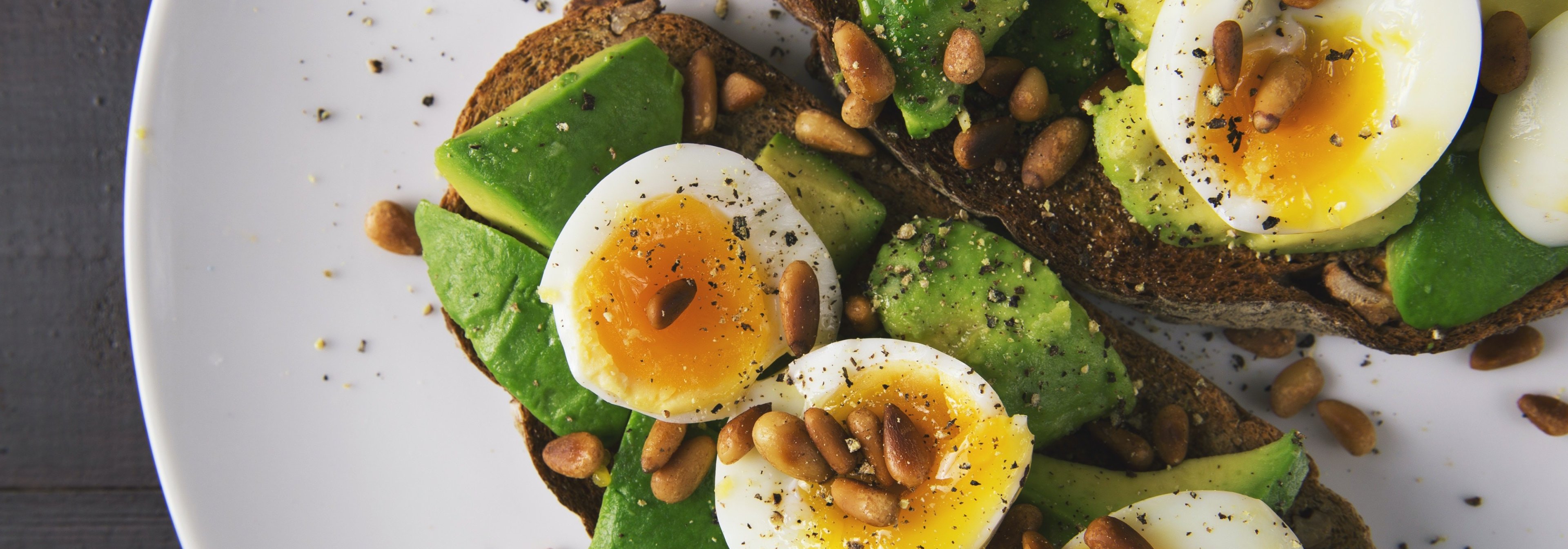
- Whole-grain bread with avocado and an egg
- Cereal with yogurt, nuts, and fruit
Lunch:
- Provides you with long-lasting energy.
- Quinoa salad with chicken and vegetables
- Whole-grain pasta with a light tomato sauce and salmon
Dinner:
- Supports recovery and prepares your body for a good night’s sleep.
- Sweet potatoes with steamed vegetables and tofu
- Roasted vegetables with feta and olive oil
5. Snacks for in between meals
Snacks prevent cravings and keep your blood sugar stable. Choose nutrient-rich options:
- An apple with a handful of almonds or other nuts
- Vegetable sticks with hummus
- A small handful of dried fruit
6. Don’t forget to stay hydrated
Drink plenty of water throughout the day, especially on training days. Start staying hydrated before your run, and consider supplementing with isotonic drinks during more intense workouts.
7. Tips for beginners
- Plan ahead: Prepare meals and snacks to avoid reaching for unhealthy options on a whim.
- Listen to your body: Pay attention to which foods make you feel good before and after your run.
- Be flexible: Every body reacts differently—adjust your diet if you notice that certain foods don’t agree with you.
Meal planning on training days for beginners should be simple and practical. Focus on nutrient-rich foods that provide you with energy and promote recovery. With the right nutrition, you’ll lay the foundation for a successful running routine and a healthy lifestyle.