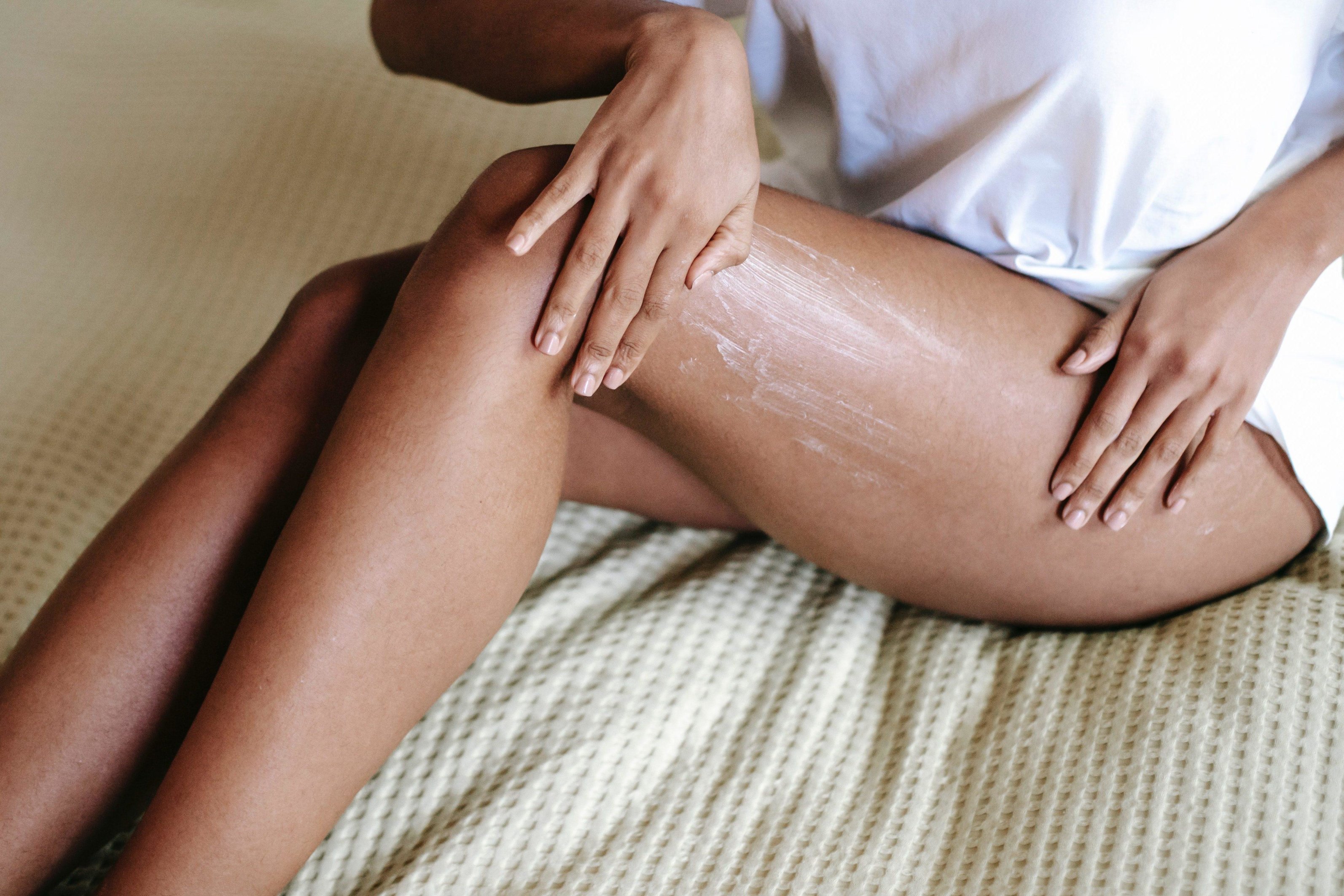
Skin Care for Athletes – A Pro Routine for Training & Recovery

Skincare for Athletes – The Most Important Points at a Glance
- Exercise takes a bigger toll on your skin than you might think—due to sweat, UV rays, friction, and environmental factors. (Read more in the article)
- Hydration from the inside and out is part of your basic routine—it keeps your skin elastic and resilient. :contentReference[oaicite:0]{index=0}
- Cleansing before a workout, then gently cleansing and moisturizing afterward, helps prevent breakouts. :contentReference[oaicite:1]{index=1}
- Sunscreen isn’t just an extra for athletes—it protects against UV damage and premature skin aging. :contentReference[oaicite:2]{index=2}
- Specialized solutions like anti-chafing products and barrier creams make all the difference in everyday life. :contentReference[oaicite:3]{index=3}
Skincare is more than just a “nice-to-have”—especially for active people, it’s an essential part of your routine. During workouts, your skin is constantly exposed to stressors like sweat, friction, sun, and environmental factors. These factors can weaken your skin’s natural barrier and lead to irritation, breakouts, or even pain if left unaddressed. A well-thought-out skincare plan helps your skin not only withstand these challenges but also stay regenerated and healthy.
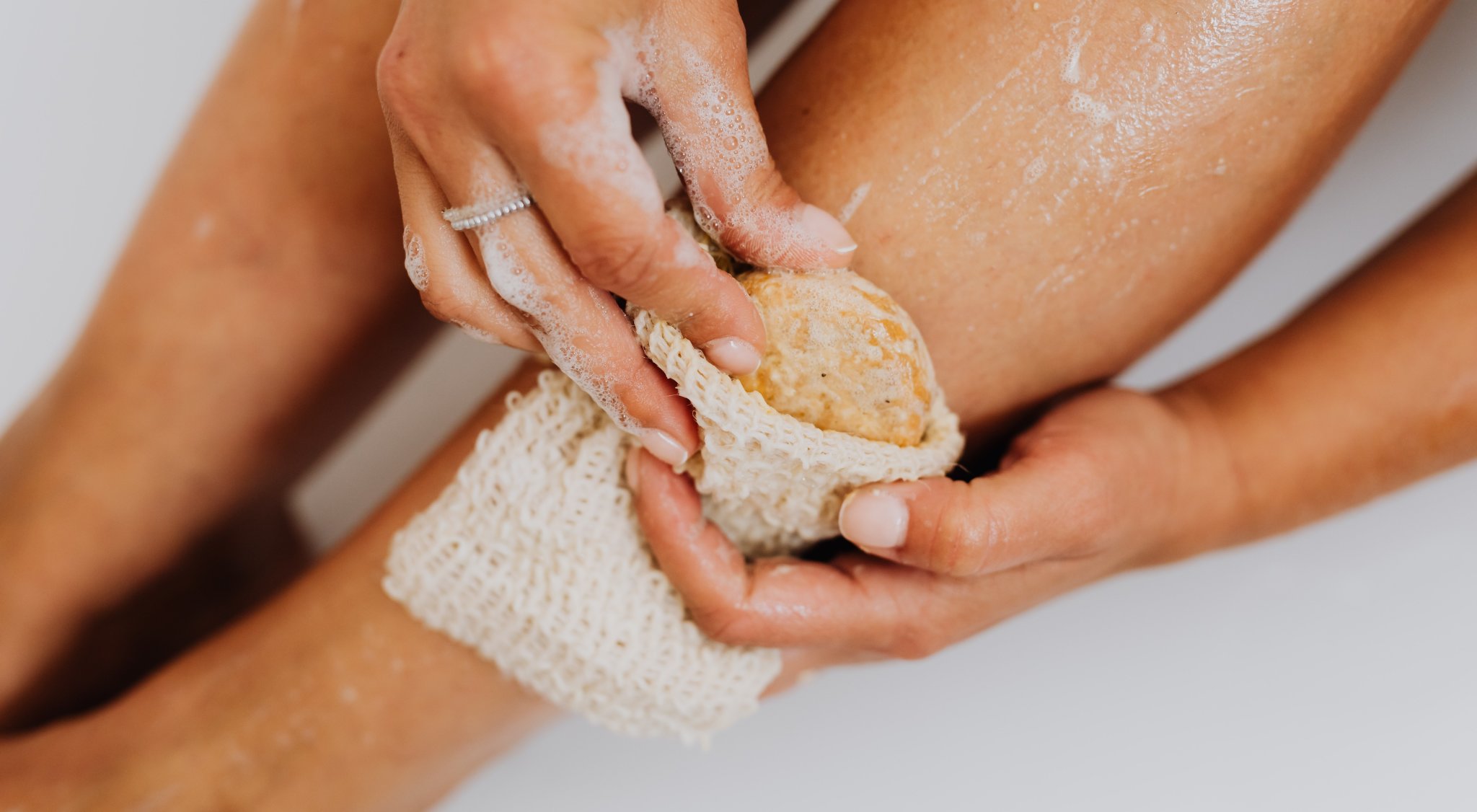
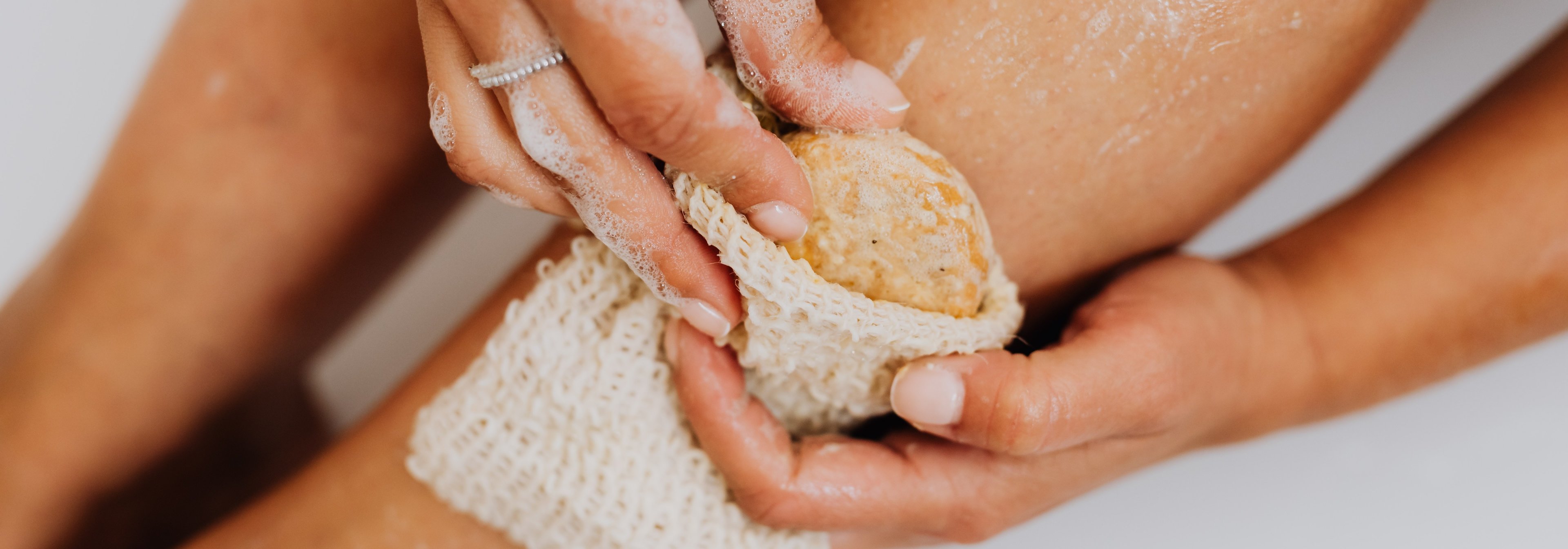
Before your workout: Prepare your skin specifically
Your skin’s preparation begins even before you take your first step on the treadmill or trail—with targeted preparation. Gently cleanse your face and body to remove makeup, dirt, and excess sebum. This creates a clean base and prevents sweat and dirt from clogging your pores during your workout.
A light moisturizer can help lock in moisture and strengthen the skin’s barrier function—which is especially important in cooler or drier conditions to prevent irritation. Look for pH-neutral formulas that don’t disrupt the skin’s natural acid mantle.
During exercise: Keep your skin in the game
As you sweat, your skin experiences stress: moisture, salts, and friction can clog pores, trigger irritation, or cause an unpleasant burning sensation. That’s why it’s important to think not only about your muscles but also about your skin as soon as you start moving.
Sweat & Pores: Keep Them Clean, But Don’t Over-Cleanse
Sweat can cause pores to clog more quickly or lead to irritation. That’s why it’s a good idea to regularly pat your skin dry with a clean towel throughout your workout and to avoid wearing makeup or heavy creams before you start.
Preventing Friction & Chafing
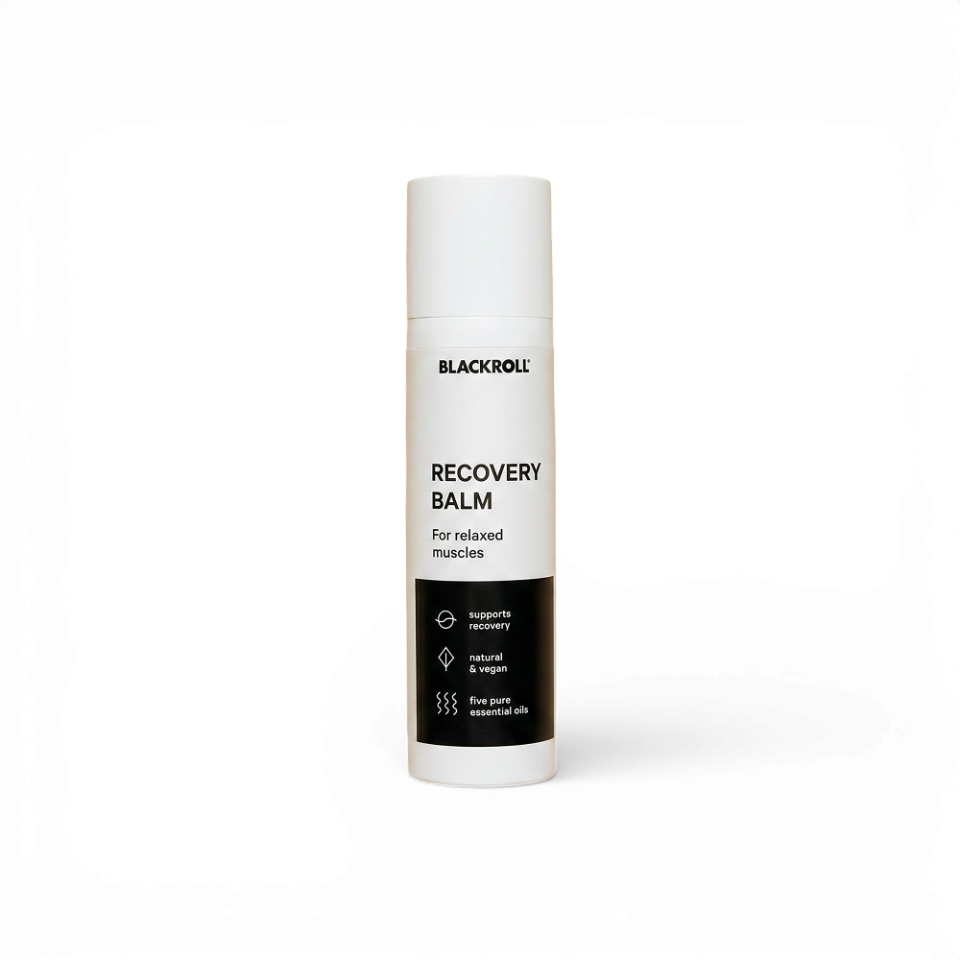
Friction is one of the main causes of skin irritation during exercise. Painful spots can quickly develop—especially on the thighs, under the breasts, or in the armpits—when skin rubs against skin or against clothing. Anti-chafing balms or barrier creams create a protective layer and effectively reduce friction—a must-have for long runs, bike rides, or intense gym sessions.
Breathable Clothing & Rapid Air Circulation
The fit and material of your workout clothes directly affect skin health: Moisture-wicking, breathable fabrics conserve your skin’s energy and reduce friction and moisture buildup. Tight, synthetic clothing can contribute to additional skin problems, especially during high-intensity activity.
Workarounds for Long Sessions
During long training sessions or competitions, it can help to let fresh air reach your skin every now and then, gently pat yourself dry, and, if necessary, reapply a protective layer—this increases comfort and minimizes irritation over time.


After Training: Recovery & Care
After Training: Recovery & Care
After exercising, your skin isn’t just “clean”—it’s vulnerable: Sweat, salts, bacteria, and dead skin cells build up on the surface and can clog pores or cause irritation if not removed promptly. A well-thought-out post-workout routine therefore not only helps you feel refreshed but also supports your skin’s natural recovery.
Gentle Cleansing Immediately After Your Workout
The most important step after exercising is a **mild but thorough cleansing**, ideally within 20–30 minutes after your workout. It removes sweat, oil, and potential germs without disrupting the skin’s natural acid mantle. You should avoid overly harsh cleansers, as they can weaken the skin’s barrier.
A quick shower upgrade
A lukewarm shower effectively cleanses the entire body, and the heat opens your pores, making it easier to remove sweat and dirt. A quick cold rinse at the end can improve blood circulation and close your pores again.
Moisturizing & Regeneration
After cleansing, your skin needs moisture. A light, quickly absorbed cream or lotion strengthens the skin barrier, prevents dryness, and reduces feelings of tightness. Active ingredients such as **hyaluronic acid, aloe vera, or glycerin** are particularly beneficial here, as they bind moisture and have a soothing effect.
Specialized Care for Face & Body
The face and body have different needs:
- On the face, a **soothing serum** with niacinamide or panthenol can reduce redness and irritation.
- On the body, moisturizing lotions or light oils help, especially in areas that have been heavily affected by sweat.


Problem Areas During Exercise: Chafing, Acne, and Common Irritations
Problem Areas During Exercise: Chafing, Acne, and Common Irritations
Exercise can be good for your skin—but it’s not without its challenges. Sweat, friction, and tight workout clothes contribute to common skin issues that go far beyond “normal sweating.” Chafing, mechanical acne, and friction dermatitis aren’t just buzzwords—they’re real skin reactions that many active people are familiar with.
Chafing & Friction Irritations
Chafing refers to the painful friction of the skin caused by prolonged contact with clothing, other areas of the skin, or damp fabric. The inner thighs, armpits, chest area, and groin—areas subject to high movement and friction—are particularly prone to chafing. Causes include repeated rubbing, moisture, and pressure from the fabric.
- Wear moisture-wicking clothing that fits well.
- Anti-chafing balms or barrier creams reduce friction and support the skin’s barrier.
- Change out of sweaty clothing quickly to minimize friction.
Exercise Acne & Mechanical Acne
Breakouts after exercise are not uncommon: sweat, dead skin cells, and bacteria can clog pores, especially when tight athletic clothing, helmets, or straps generate heat and pressure. Dermatologists also refer to this as mechanical acne—a form of acne caused by **heat, pressure, and friction**.
- Wash your face and body immediately after your workout with a mild, non-comedogenic cleansing gel.
- Avoid wearing makeup while working out and opt for breathable fabrics.
- For persistent breakouts, a dermatologically formulated product containing salicylic acid or a similar ingredient can help.
Infections, Heat Rash, & Skin Reactions
Especially in high-traffic environments like gyms or swimming pools, other problems can also arise: fungal infections, heat rash (miliaria), or irritation from contaminated surfaces. Maintaining good hygiene with your mat, towels, and equipment significantly reduces these risks.
- Be sure to shower thoroughly before and after your workout—especially in shared facilities.
- Clean towels, regularly washed clothing, and your own workout mats are a must.
- Watch for signs of infection (itching, severe redness, discharge) and seek medical advice if necessary.
Sun Protection & Environmental Factors: Protecting Your Skin Outdoors
When participating in outdoor sports, your skin is exposed not only to sweat but also to intense UV radiation, wind, cold, and water reflection. These factors can lead to sunburn, premature skin aging, and long-term damage—including a higher risk of skin cancer if you regularly spend many hours outdoors. Athletes are often more exposed to UV radiation than non-athletes—whether running, cycling, or participating in mountain sports.
Why Sun Protection Isn’t an Extra
UV damage doesn’t just happen at the beach: it occurs just as much during outdoor activities— in the morning, at noon, or even on cloudy days. Thoughtful sun protection is therefore an essential part of any active person’s gear. Comprehensive protective measures reduce sunburn, long-term skin damage, and the risk of skin cancer.
How to effectively protect your skin
- Use SPF 30–50+: At least SPF 30 for workouts under ~2 hours, SPF 50 for longer sessions or when exposed to water or sweat.
- Apply 15–30 minutes in advance so the protective film can set properly.
- Reapply regularly —every ~2 hours or after heavy sweating.
- Wear UPF-rated clothing (e.g., shirts, hats): A physical barrier further reduces direct UV exposure in addition to the sunscreen.
- Be mindful of wind and reflection: Water and snow reflect UV rays and increase exposure—additional protection is especially important here.
Don’t underestimate other environmental factors
In addition to the sun, outdoor factors also include wind, cold, and chlorinated water—all of which can dry out the skin and weaken its barrier. Especially when swimming, the pH difference in the water can exacerbate skin dryness, and wind creates additional friction.

More practical skincare tips for athletes
In addition to the routines described above, there are classic tips that have proven effective in practice and that you can use as a supplement to reduce irritation and discomfort in everyday life.
Wear Less Makeup During Workouts
Avoid wearing makeup or heavy cosmetics before exercising: Makeup can clog your pores, making it harder for sweat and dirt to escape and leading to breakouts. Allowing your skin to “breathe” helps prevent pimples and irritation during and after your workout.
Gently Pat Dry Instead of Rubbing
After showering or patting your skin dry, remember: gently patting your skin dry preserves the natural skin barrier. Vigorous rubbing can further irritate the skin and disrupt its barrier functions.
Breathable Clothing & Regular Changes
Workout clothes should wick away moisture quickly and be breathable. Change out of sweaty shirts or tight workout clothes regularly so that sweat and bacteria don’t cause skin irritation.
Choose Skincare Suited to Your Skin Type
Depending on your skin type, it may be helpful to choose skincare lines that are specifically formulated for dry, sensitive, or combination skin. Athletes with dry skin, in particular, benefit from creams with additional moisturizing ingredients such as urea or ceramides.
FAQ
After a workout, it’s important to gently but thoroughly remove sweat, dirt, sebum, and bacteria. Cleanse your skin immediately after exercising with a mild cleanser to prevent clogged pores and irritation and to support skin regeneration.
During longer workouts, it helps to gently pat your skin dry with a clean towel every so often. This reduces moisture buildup and friction, which prevents irritation without drying out your skin.
Yes, your skin is still exposed to UV rays even when the sky is cloudy. Especially when participating in outdoor sports, sunscreen with a sufficient SPF should be part of your routine to reduce UV damage.
It’s best to avoid wearing makeup while exercising. Makeup can clog your pores and, combined with sweat and dirt, lead to increased irritation and breakouts.
Friction occurs where skin rubs against skin or clothing. Breathable clothing, regularly patting your skin dry, and using barrier protection such as creams or balms can effectively reduce discomfort.
Before your workout, gently cleanse your skin and apply a light moisturizer. During your workout, pat sweat off your skin. After your workout, you should thoroughly cleanse your skin, moisturize it, and reapply sunscreen if needed.
The basic skincare routine remains similar, but when exercising, sweat- and water-resistant formulas, good barrier protection, and reliable sunscreen are especially important to withstand the stresses of sweat, friction, and environmental factors.