Beat Your Personal Best?
Time to Recover!
Tips for optimal recovery after your B2Run.
Why active recovery is important.
The B2Run is behind you, and you gave it your all to get yourself and your company onto the leaderboard. Your body has already had a good chance to recover overnight, but your legs still feel heavy, and the run is still in your bones.
Every physical exertion requires the necessary amount of recovery. Ideally, you did a few minutes of cool-down after yesterday’s run to boost blood flow to the worked muscles once more. But even now—and for up to 72 hours after the race—you can help your body recover and restore its physiological balance. In addition to passive recovery, which relies primarily on sleep, active recovery offers a variety of ways to regenerate quickly. The goal of active recovery: Your muscle tone decreases, blood flow improves, and the breakdown and replacement of damaged tissue and metabolic waste products are accelerated. Thanks to improved recovery after exercise, your body adapts more quickly, which can lead to an increase in your performance.
To support you during your recovery phase and get you ready for your next athletic performance as quickly as possible, we’ve put together 4 tips for active recovery.
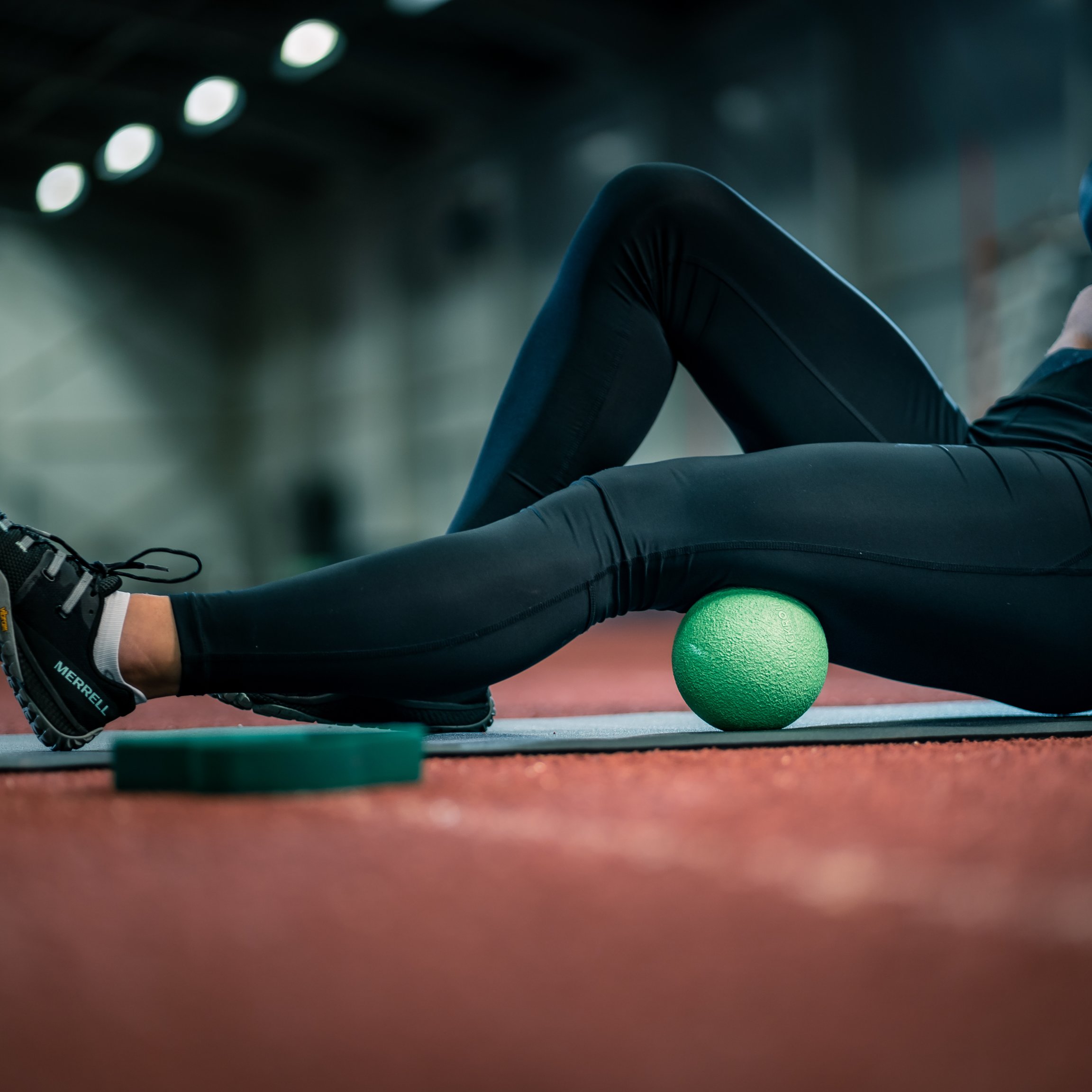
1. Myofascial Self-Massage
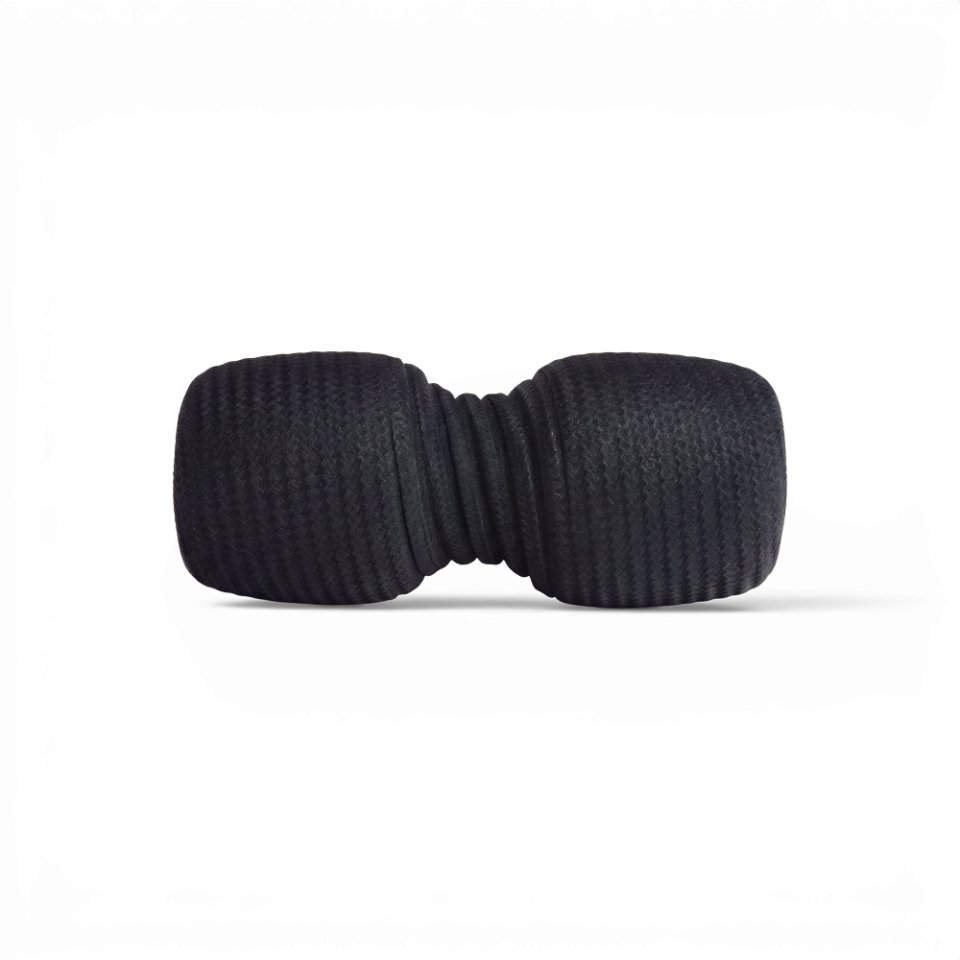
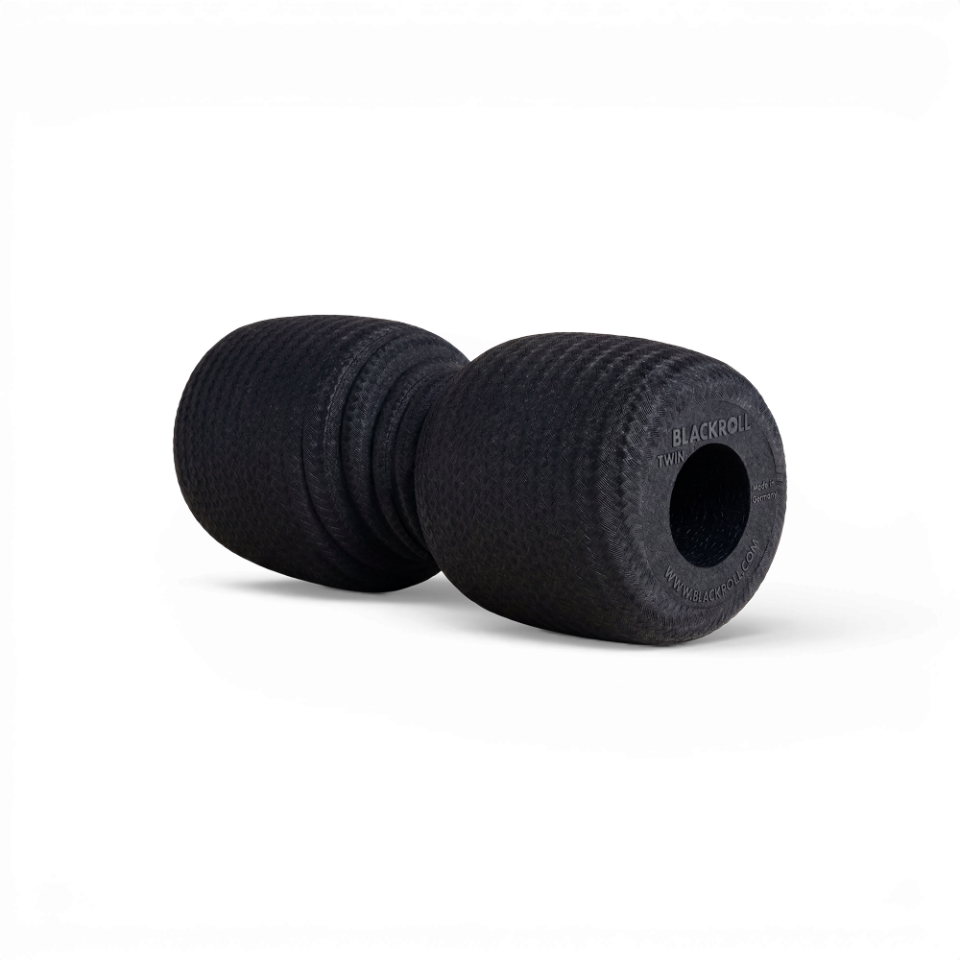
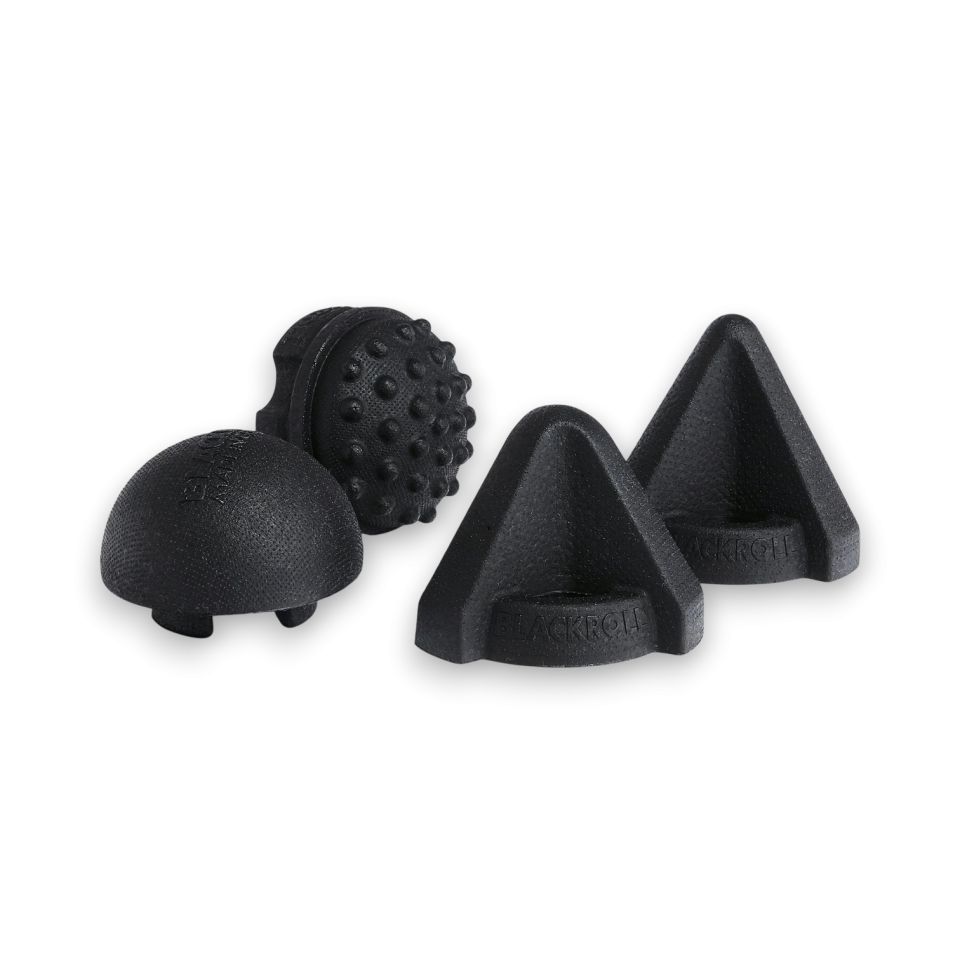
First, we recommend myofascial self-massage to reduce muscle tone. Foam rolling helps shorten your recovery time after a competition and can even improve your flexibility. This specialized rolling technique works through a combination of pressure and movement. Rolling also shifts muscles and fascia, making them more supple. That’s why this type of self-massage is called myofascial—from “myo” (muscle) and “fascial” (fascia). You loosen adhesions and tight spots in muscles, tendons, and fascia while simultaneously promoting blood circulation. By rolling slowly and precisely with the BLACKROLL® BALL 08 or the BLACKROLL® fascia roller, you can penetrate deeper into the tissue and release adhesions and trigger points.
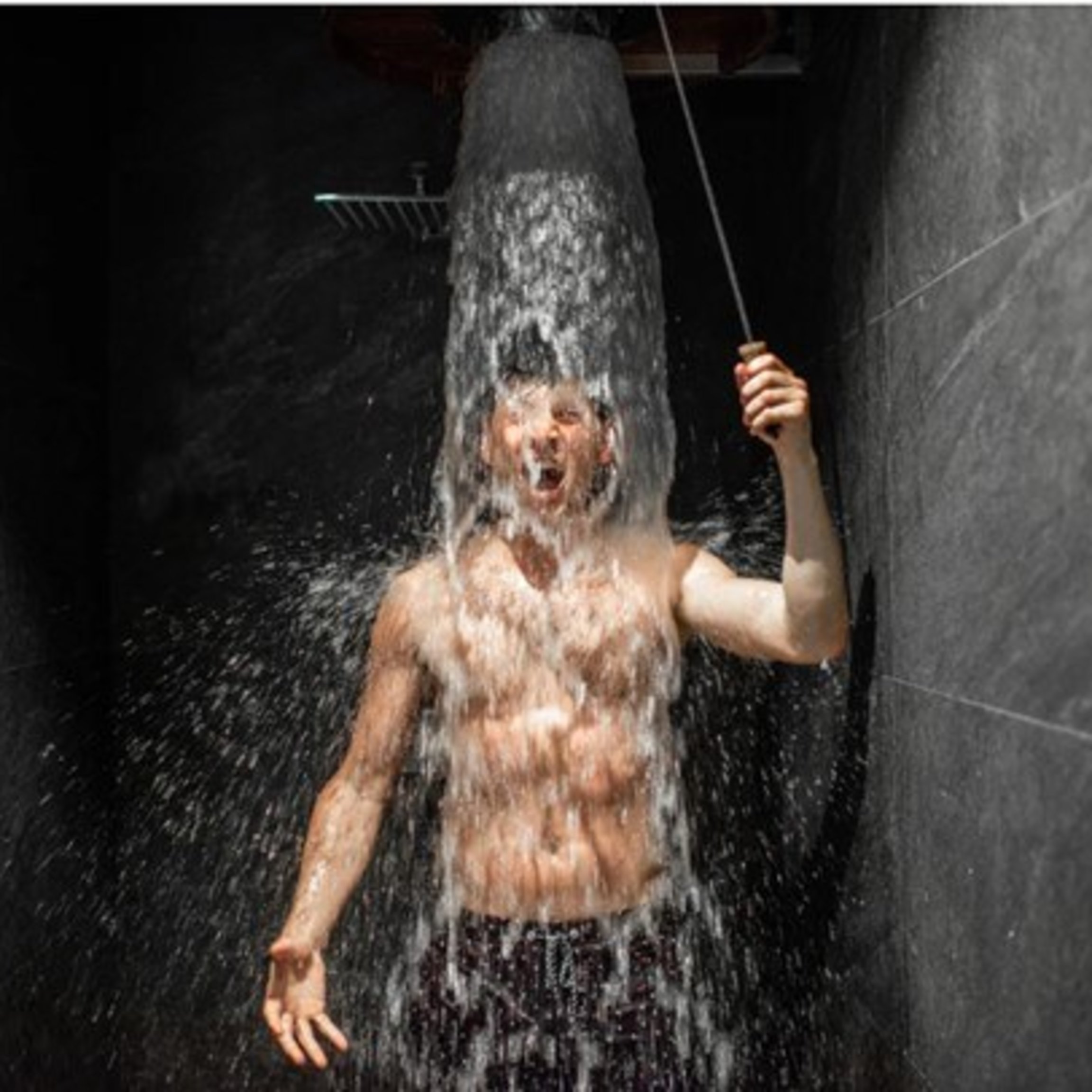
2. Alternating hot and cold showers
The carefully balanced mix of heat and cold promotes rapid recovery by aiding the removal of metabolic waste products from the muscles. The cold draws blood away from muscles that have just been working, which enhances the removal of lactic acid. Heat causes the capillaries to dilate, allowing oxygen-rich blood to flow back into the muscles.
Recommended procedure
One to two minutes under hot water (35 to 40°C), followed by thirty to sixty seconds under cold water (10 to 15°C). Repeat three to four times.
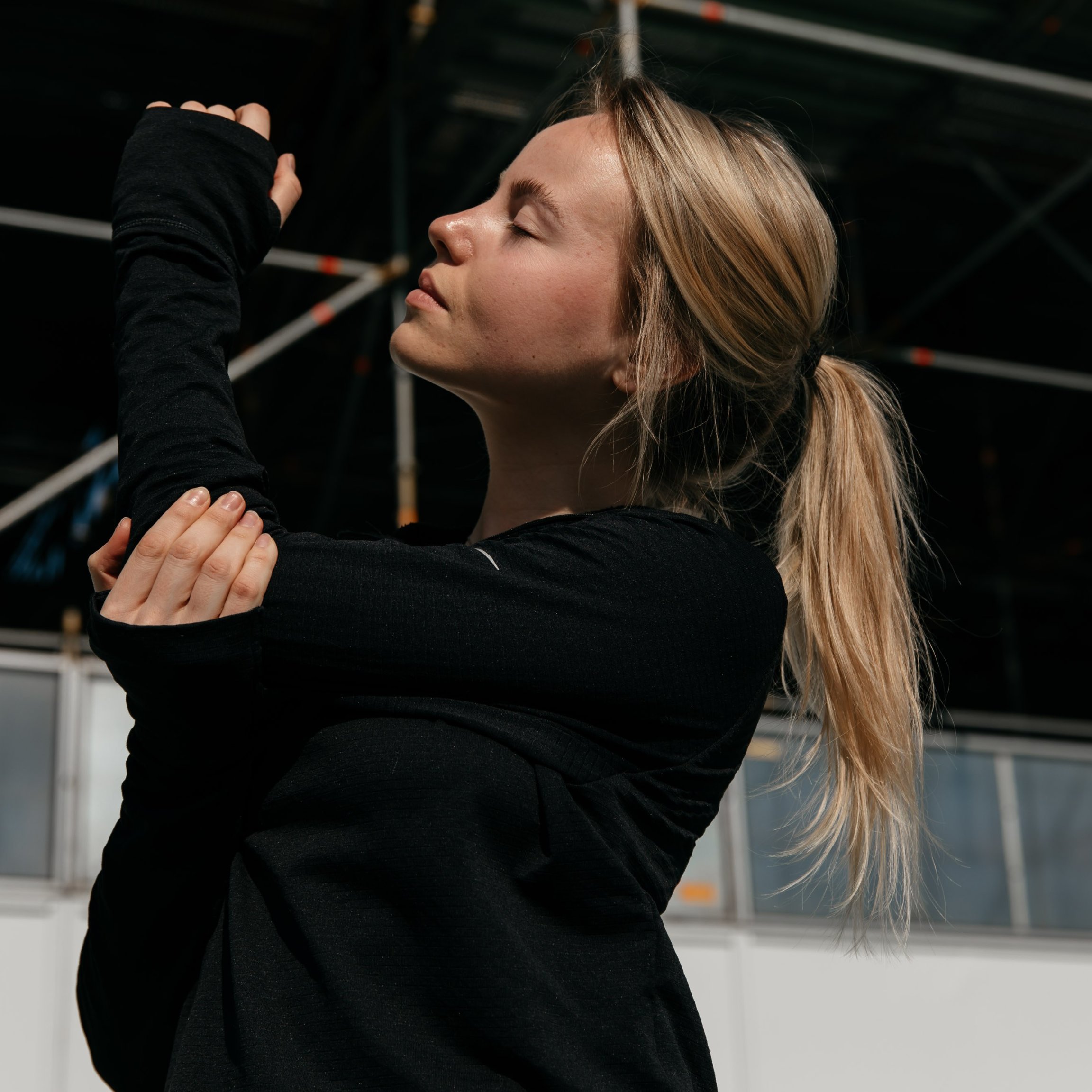
3. Recovery Breathing Technique
- Touch the tip of your tongue to the roof of your mouth, directly behind your upper front teeth. Keep your tongue in this position while breathing.
- Close your mouth and breathe in gently through your nose, counting to four as you do so.
- Now hold your breath and count to seven.
- Exhale through your mouth as if you were blowing out a candle, counting to eight as you do so. Repeat this breathing exercise about eight times.
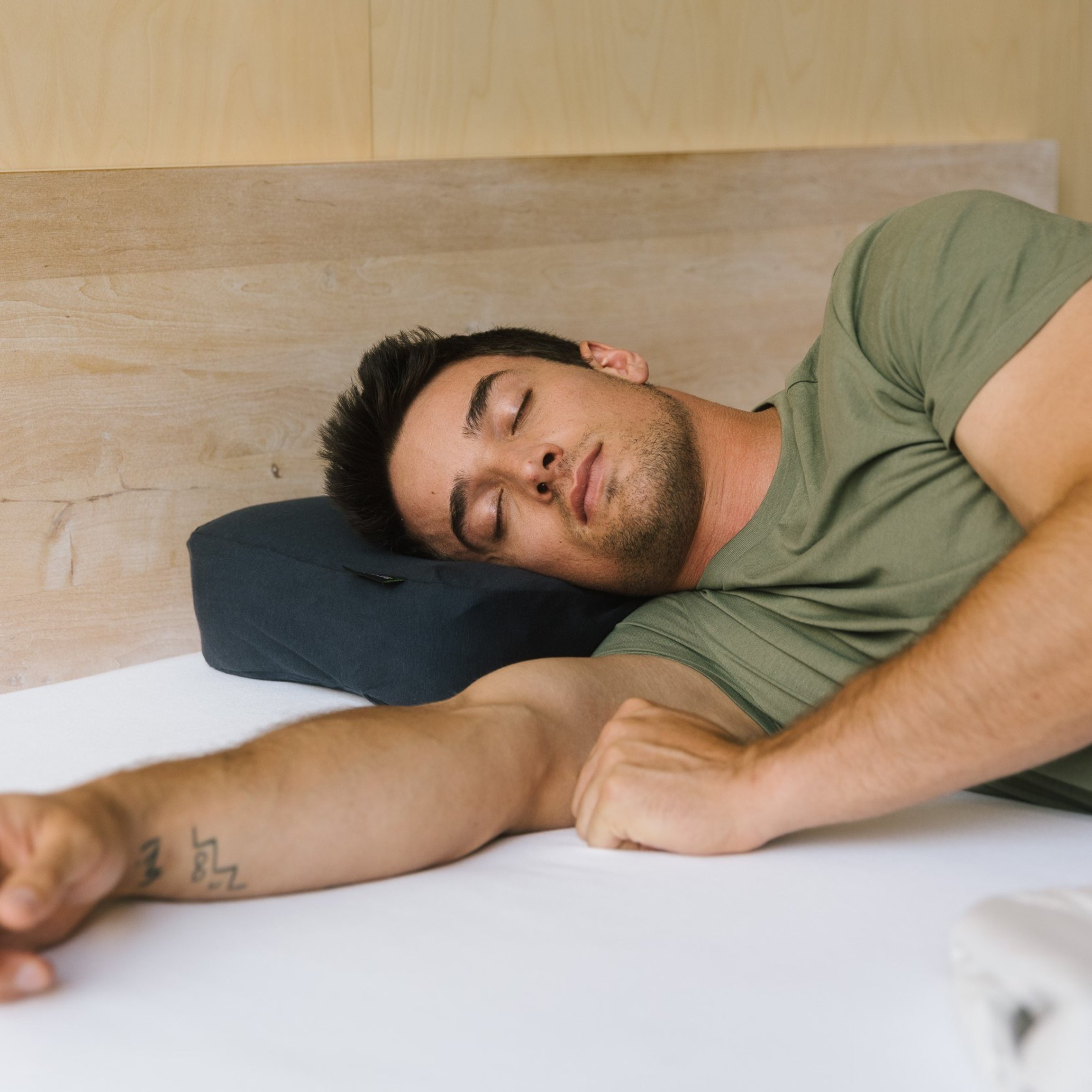
4. Power Naps
It is now scientifically established that short naps—in addition to the main nighttime sleep phase—can positively influence human performance. But the key question, of course, is: How long should a nap last to maximize performance? The information on this topic in the media, as well as in scientific literature, is highly contradictory. Two options are now recommended:
Option 1: A short nap of no more than 15 minutes—counting from the moment you fall asleep.
2. Option: You sleep for about two to two and a half hours. By then, it’s very likely that you’ve completed a full sleep cycle consisting of light sleep, deep sleep, and REM sleep. In this case, performance improvements lasting up to six hours are likely.
Products for recovery after your run
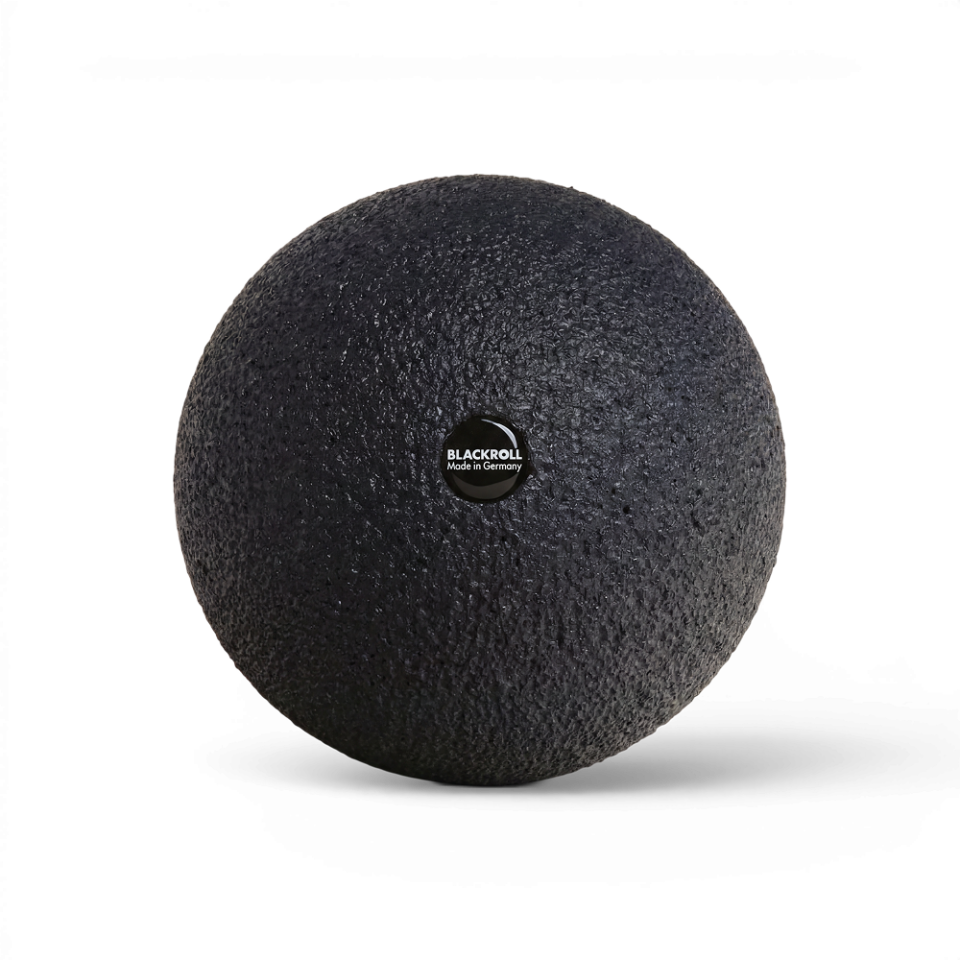
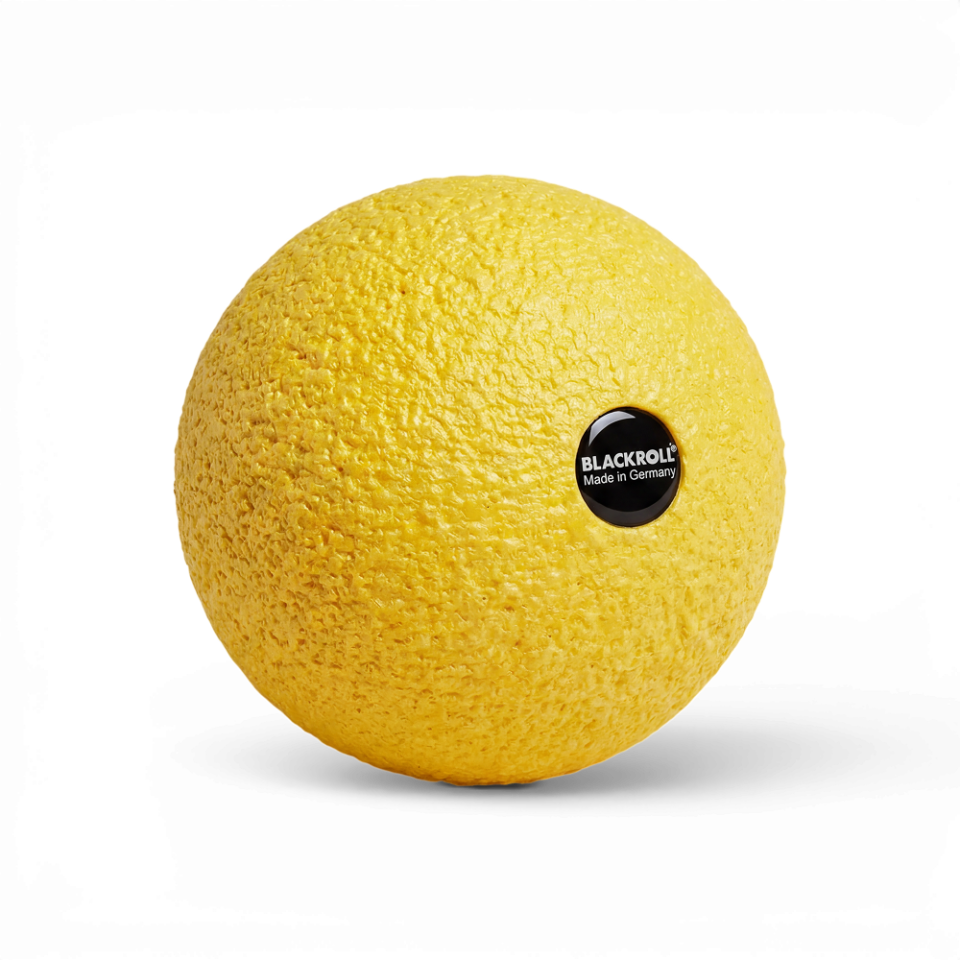
Ball 12
Available in multiple variants