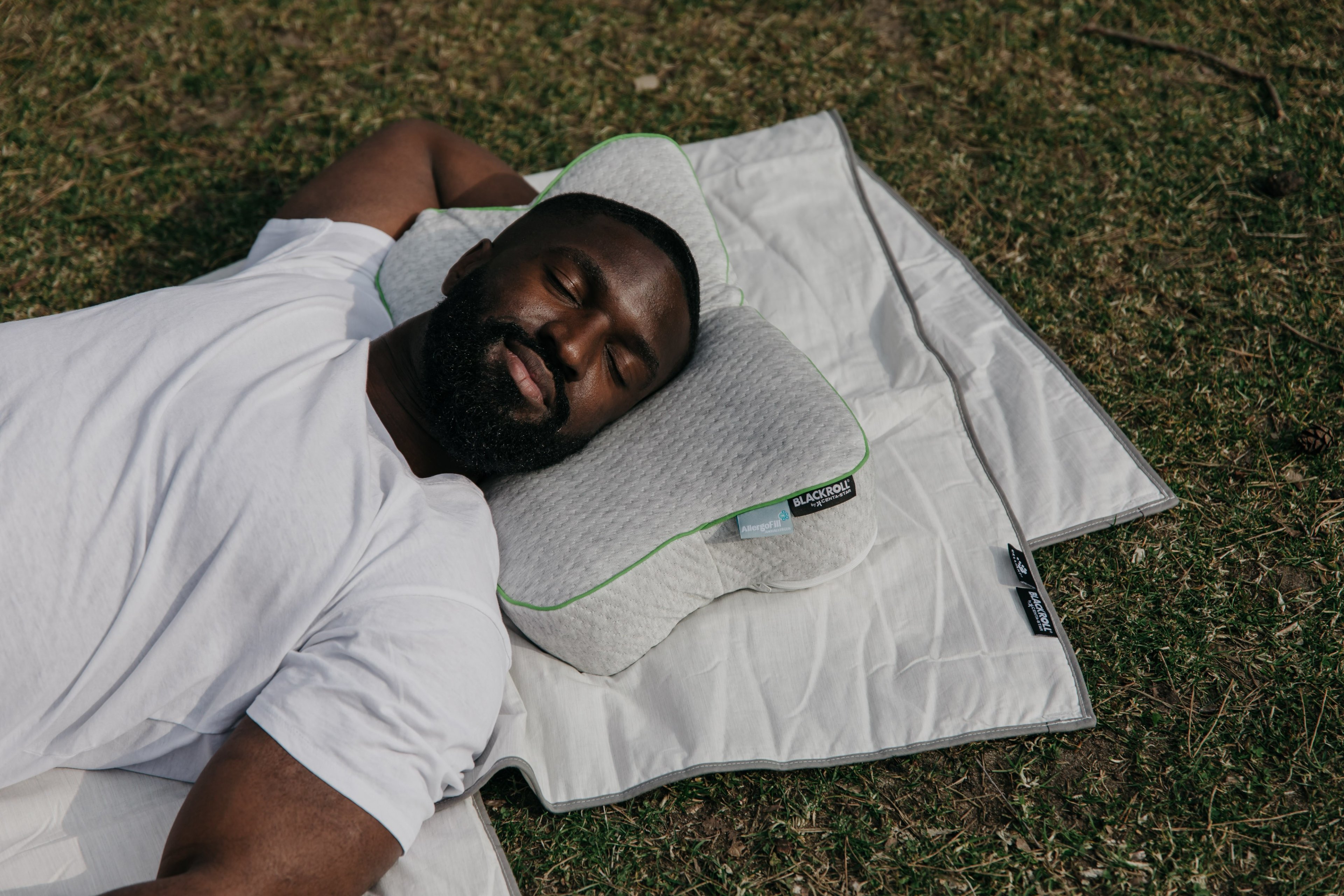
Train smart—recover smarter!
Your Recovery Plan!
While the training plan for preparing for a run is usually perfectly planned, the topic of recovery is often neglected. This is a critical mistake, considering that proper recovery can have a majorimpact on your long-term performance gains during the preparation phase as well as on your performance on race day.
During training, your muscles, tendons, and joints are put under heavy strain, resulting in micro-injuries. These must heal so that you can become stronger and more resilient. Without adequate recovery, you risk overtraining, a decline in performance, and injuries that can affect your health .
In order for your body to adapt to the physical stress of training and restore its physiological balance, it needs the right amount of recovery —even during the preparation phase! In addition to passive recovery, in which sleep plays a particularly important role, there are a variety of active measures—such as stretching, yoga, and self-massage with fascia tools—to support the body’s recovery.

Optimal Recovery!
But how?
Active Recovery! How Does It Actually Work?
The primary goal of recovery is to lower muscle tone, improve blood circulation, and break down metabolic waste products and damaged tissue. This promotes muscle recovery, reduces muscle soreness, and improves flexibility. After every workout, you should set aside enough time for recovery and view recovery as an integral part of your training. Only by maintaining a balanced ratio of exertion and recovery can you reach your full performance potential and minimize the risk of injury.
Here, we’ve put together a schedule with a few general tips to actively support your recovery phase.
0–5 minutes after your run—Cool-down & Hydration
Although recovery sounds like a break, you shouldn’t stop abruptly and sit down right away. Instead, stay on your feet for a bit longer and do a light cool-down. Cooling down improves blood flow to the muscle tissue and accelerates the breakdown of lactate, a metabolic byproduct that accumulates in the muscles during intense exercise.
Also , drink, drink, drink!!! After a longer run, you’re sure to be dehydrated. Make sure to drink plenty of fluids. Water with an electrolyte solution is ideal for this; if needed, you can also add a little fruit juice for flavor and to replenish carbohydrates.
5–15 minutes after your run—Stretching & Rolling
Your muscles have worked hard. To allow muscle tone to return to normal, they should now be specifically relaxed. You can support this process with various stretching exercises—feel free to use aids like the MULTI BAND—or through myofascial self-massage with our BLACKROLL. Rolling, combined with pressure and movement, shifts muscles and fascia, loosens adhesions and tightness, and improves blood flow and mobility. By rolling slowly and precisely with the BLACKROLL® BALL 08 or the BLACKROLL® Fascia Roller, you can penetrate even deeper into the tissue and release tension points. You can find a suitable routine for this here.
15–30 minutes after your run—Eating
Your diet also plays a key role in the recovery process. Adequate hydration and a balanced meal containing protein and carbohydrates help restore your energy reserves and support muscle recovery. Especially after long-distance runs, your glycogen stores are nearly completely depleted. If you fail to replenish your muscle glycogen stores in a timely manner, you’ll slow down your recovery process.
Carbohydrates are macronutrients. They consist of sugar molecules, are broken down into glucose in the body, and are then used as the primary energy source for cells. After running, carbohydrates help replenish glycogen stores and support muscle recovery. Some carbohydrate-rich snacks that can help you replenish and maintain your energy reserves include bananas, oatmeal, dried fruit, and whole-grain bread.
Proteins are also macronutrients and are essential for building and repairing tissue in the body. Intense running workouts put stress on muscle fibers and cause some damage. Proteins help repair this damage and build new muscle mass, which improves recovery and performance. Some protein-rich snacks that can help you increase your protein intake and support recovery include Greek yogurt, protein bars, eggs, nuts and seeds, and edamame.
30–120 minutes after your run—Next Step: Power Nap!
Now that you’ve completed the most important active recovery tasks, you can finally relax and take some time for a nap. It’s now scientifically proven that naps—in addition to your main nighttime sleep—can positively impact human performance, and deep relaxation helps replenish your energy reserves. Ideally, this short nap should take place between 12 p.m. and 2 p.m. and last no longer than 20 minutes. A longer or later afternoon nap could negatively affect your nighttime sleep rhythm.
If your workout took place later in the day, you can also try other relaxation methods. Breathing exercises can be helpful here. If you’d like to further support the recovery of your legs, feel free to slip into our RECOVERY BOOTS. With gentle compression and a massaging effect, they promote the removal of metabolic waste products like lactate and further optimize your recovery.
Before you go to bed
Stretch again! No one wants to deal with heavy, tired legs for days on end after an intense run. Our special stretching and mobility exercises support blood flow and, in turn, the recovery of your muscles. At the same time, they help you unwind after an exciting day.
And then, off to bed! A deep, undisturbed sleep after a run helps relieve muscle soreness, reduce inflammation, and replenish your energy stores. In addition, sleep plays an important role in mental recovery by reducing stress and improving your mood. To get back in shape quickly after your run, good sleep is essential in addition to our recovery plan. So be sure to get enough high-quality sleep—at least 7–8 hours a night. After a very long run, it’s perfectly fine to sleep a little longer. If possible, turn off your alarm clock for the next day
Selected Exercises for Runners


Products for recovery after your run
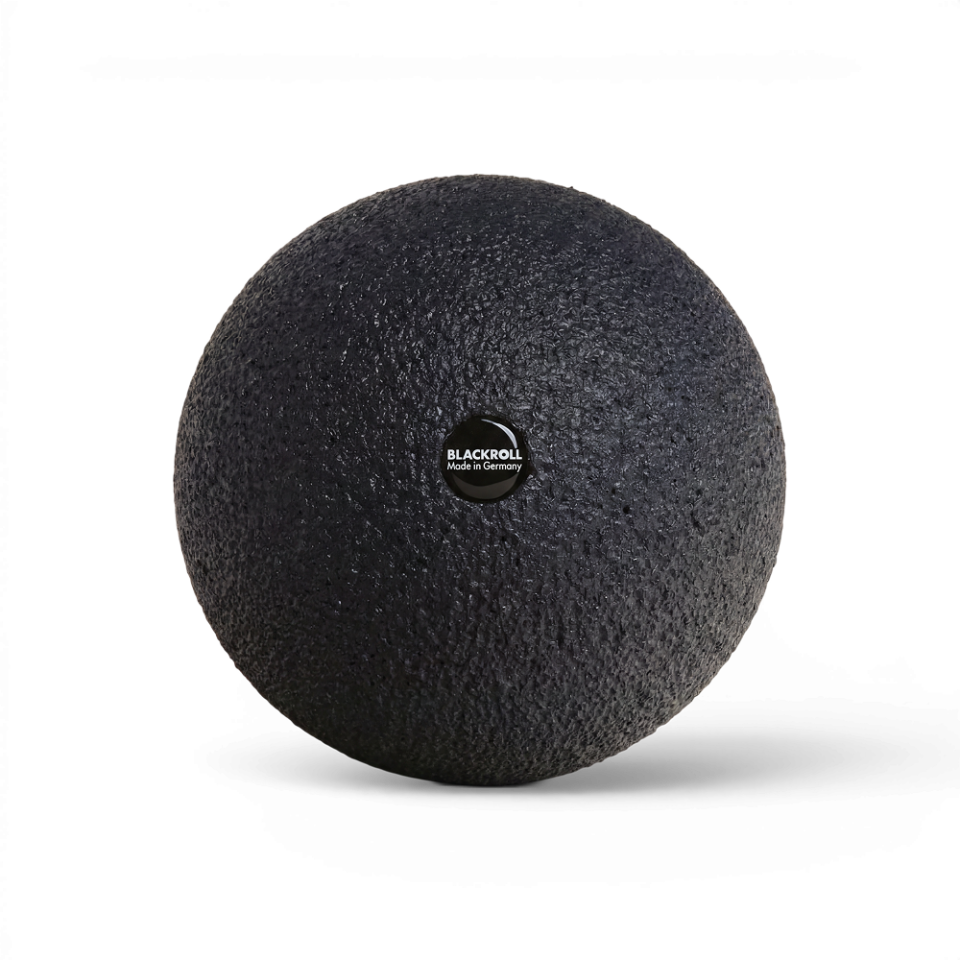
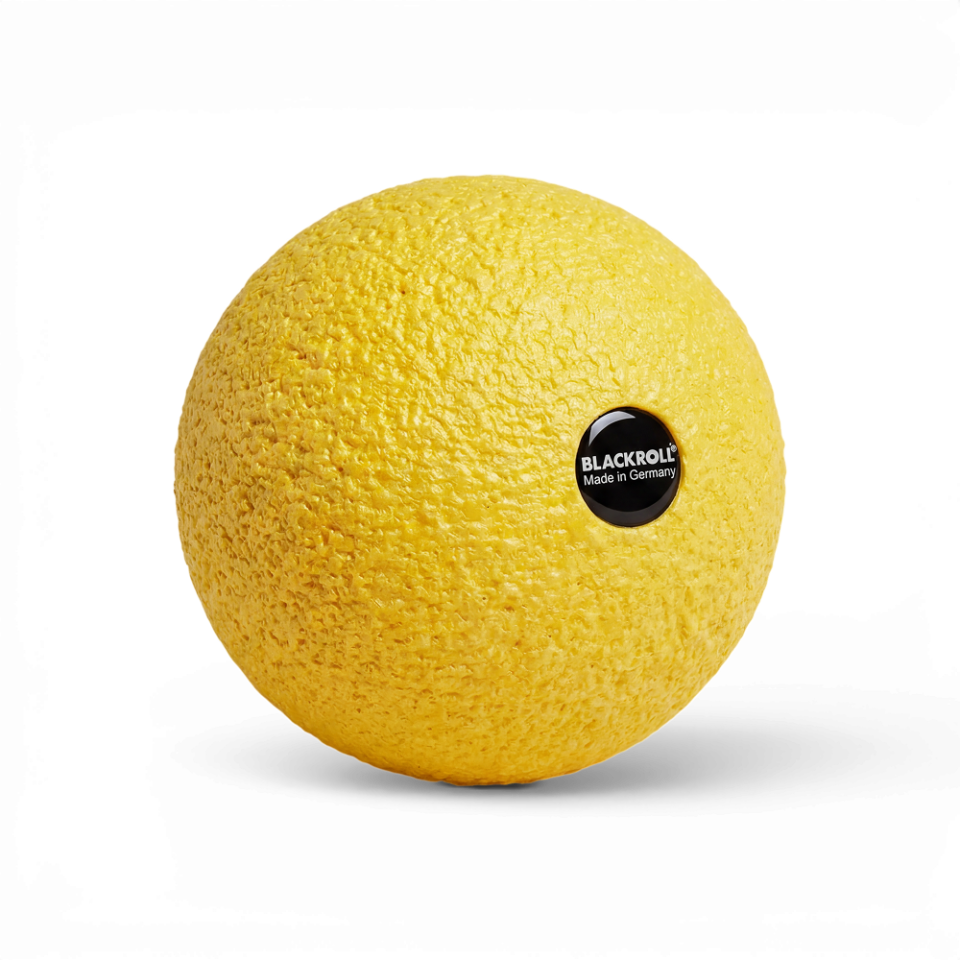
Ball 12
Available in multiple variants