Leg Axis Training
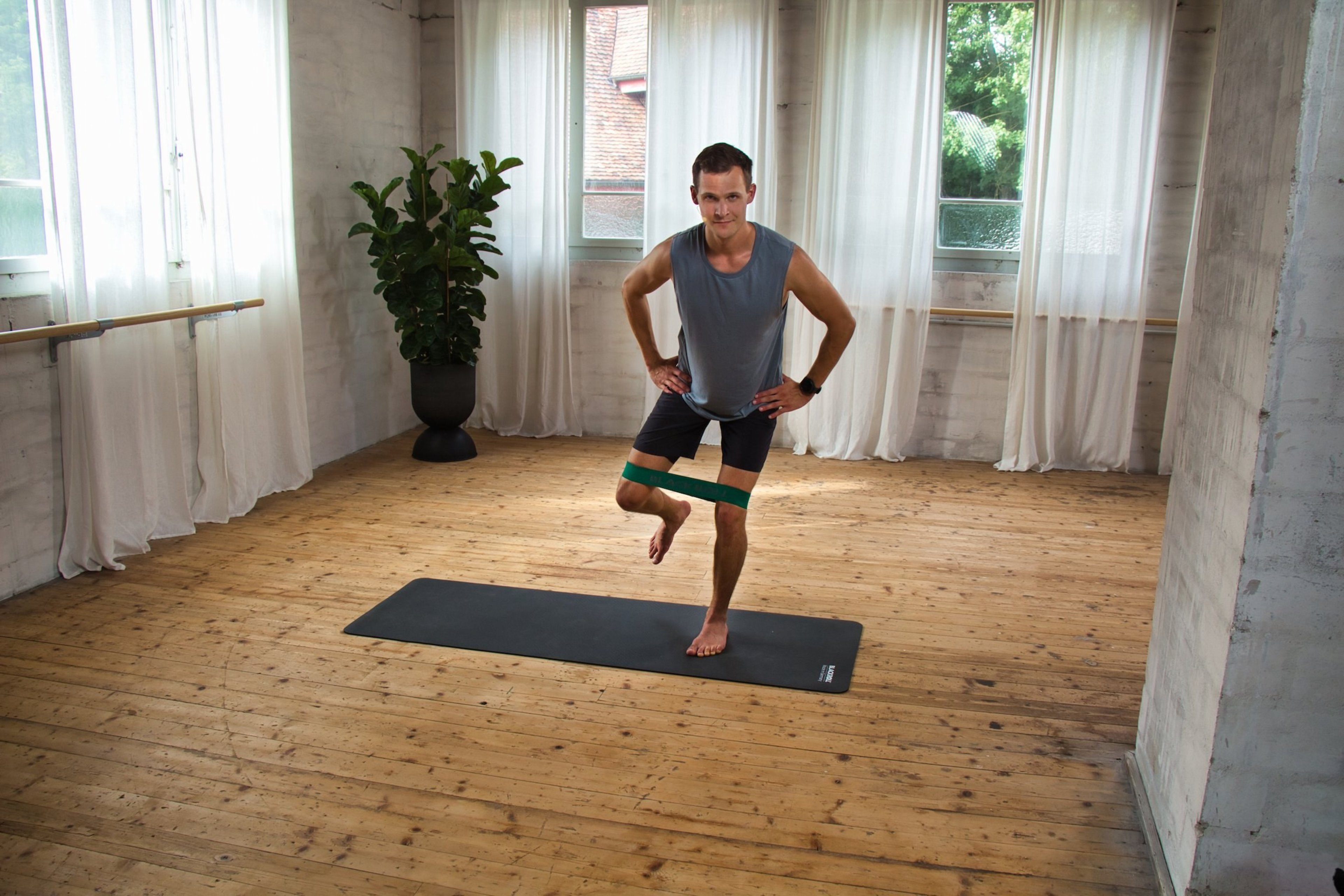
Leg Alignment Workout: Your Routine for Strong and Healthy Legs
Time
- 20 minutes
- 5 exercises
Basics of Leg Alignment Training
Leg alignment training aims to optimize the correct alignment of the legs, particularly the knees, hips, and ankles. A stable leg alignment is especially important for preventing improper loading and injuries, particularly during athletic activities.
The main goals are to strengthen the muscles responsible for leg stability—namely the glutes, thighs, and calves—and to correct muscular imbalances. Through targeted exercises, you’ll improve control over your leg movements and stabilize your joints in their natural positions.
Would you like to start training your leg alignment right away? Then grab your exercise mat and get started with our Master Trainer Stefan. In this video, he’ll show you how!
Warm-up Exercises for the Legs
An effective warm-up is crucial for preparing the muscles for the upcoming exertion and minimizing the risk of injury. The following exercises activate the leg muscles, increase blood flow, and improve joint mobility.
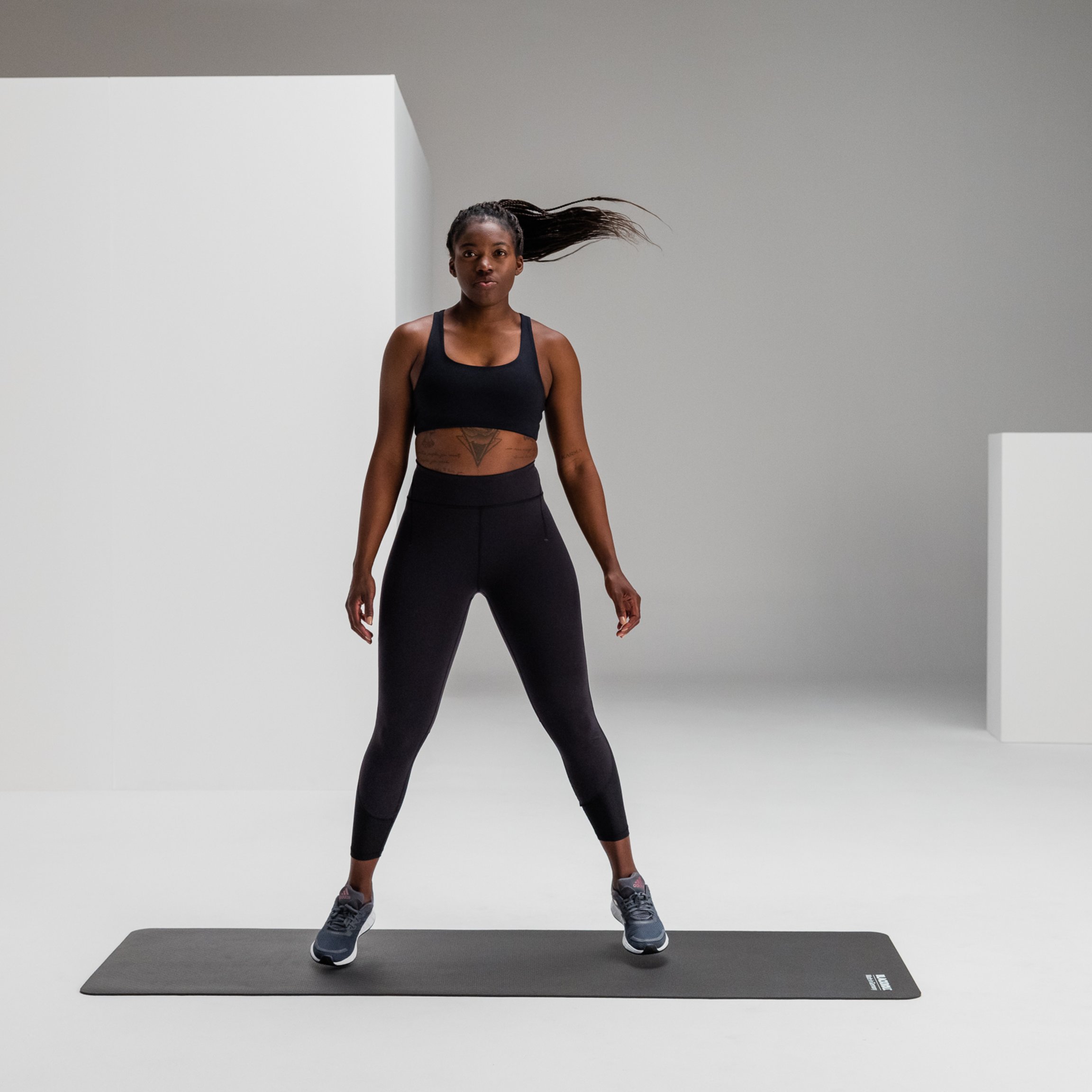
Activating Jumps
Stand with your feet hip-width apart. Keep your knees slightly bent. Perform small jumping movements in place.
Make sure the movements are springy. Jump in all directions.
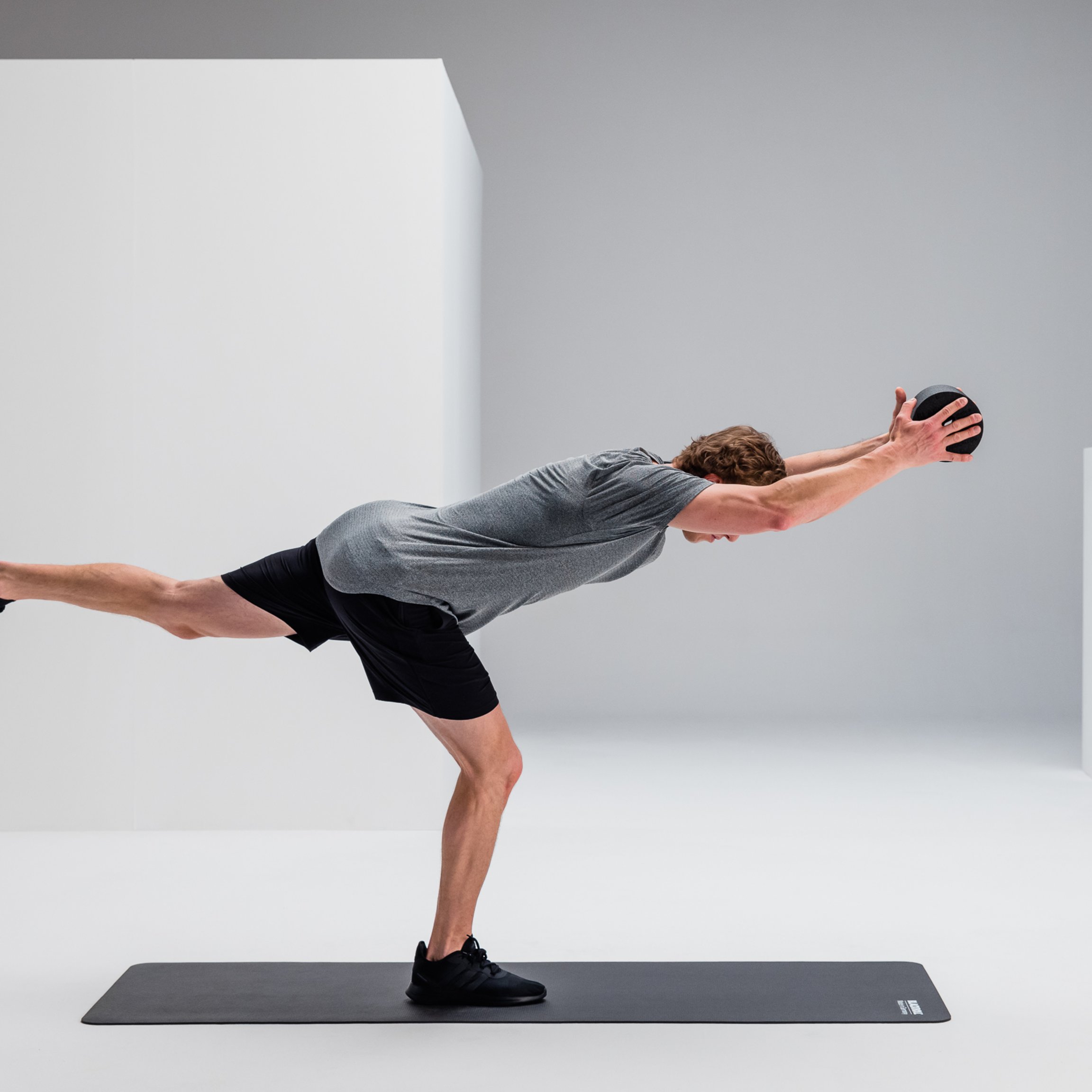
Standing Balance
Stand with your feet hip-width apart. Hold the BLACKROLL betweenyour hands and extend your arms upward. Lean your upper body forward. Lift one leg until your body is horizontal. Then return to the starting position.
Bend the knee of your supporting leg for added stability.
Side Walk
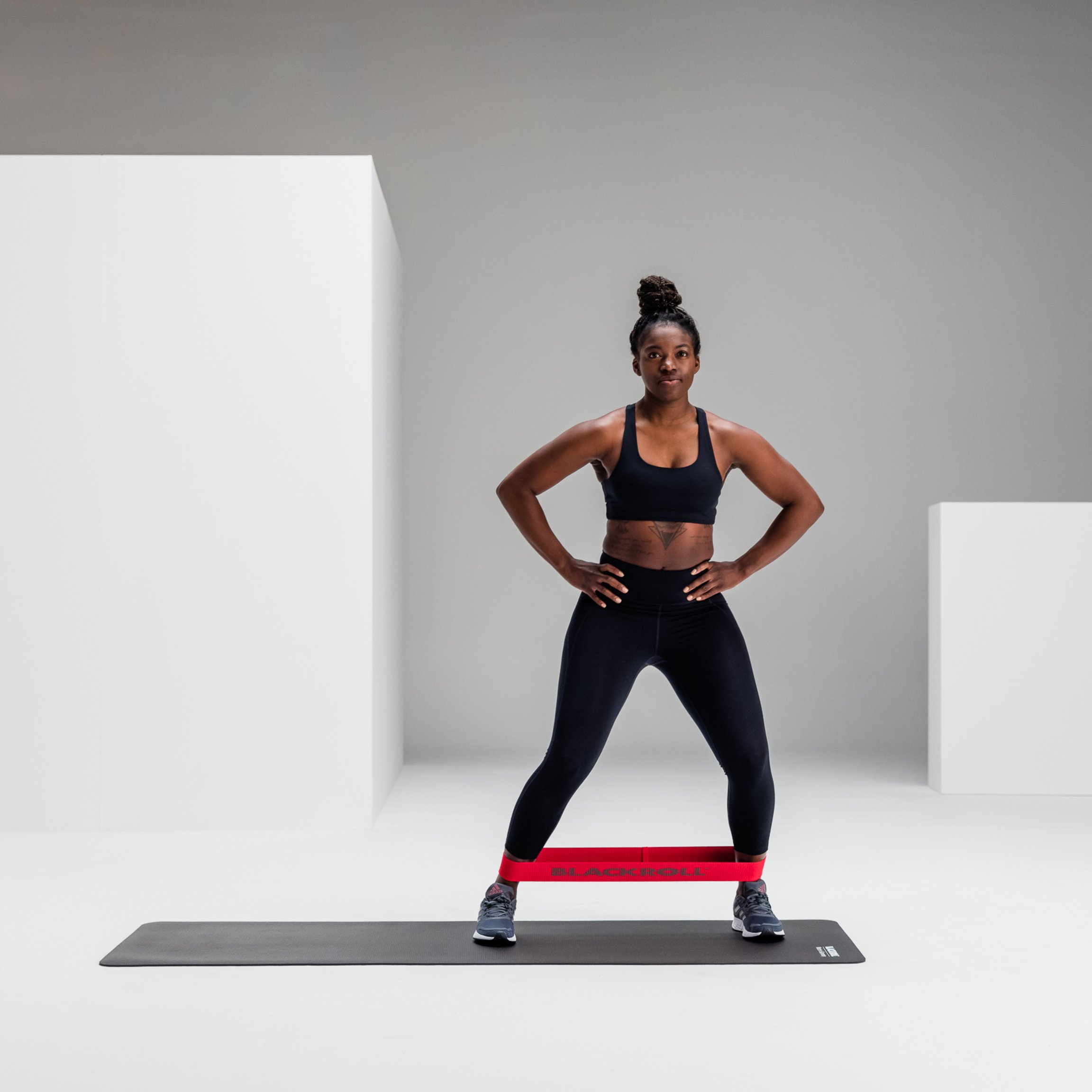
Placethe LOOP BAND around your ankles in the standing position. Bend your knees slightly. Move sideways one step at a time.
When moving sideways, make sure that the leg you’re moving toward moves first.
Side Lunges
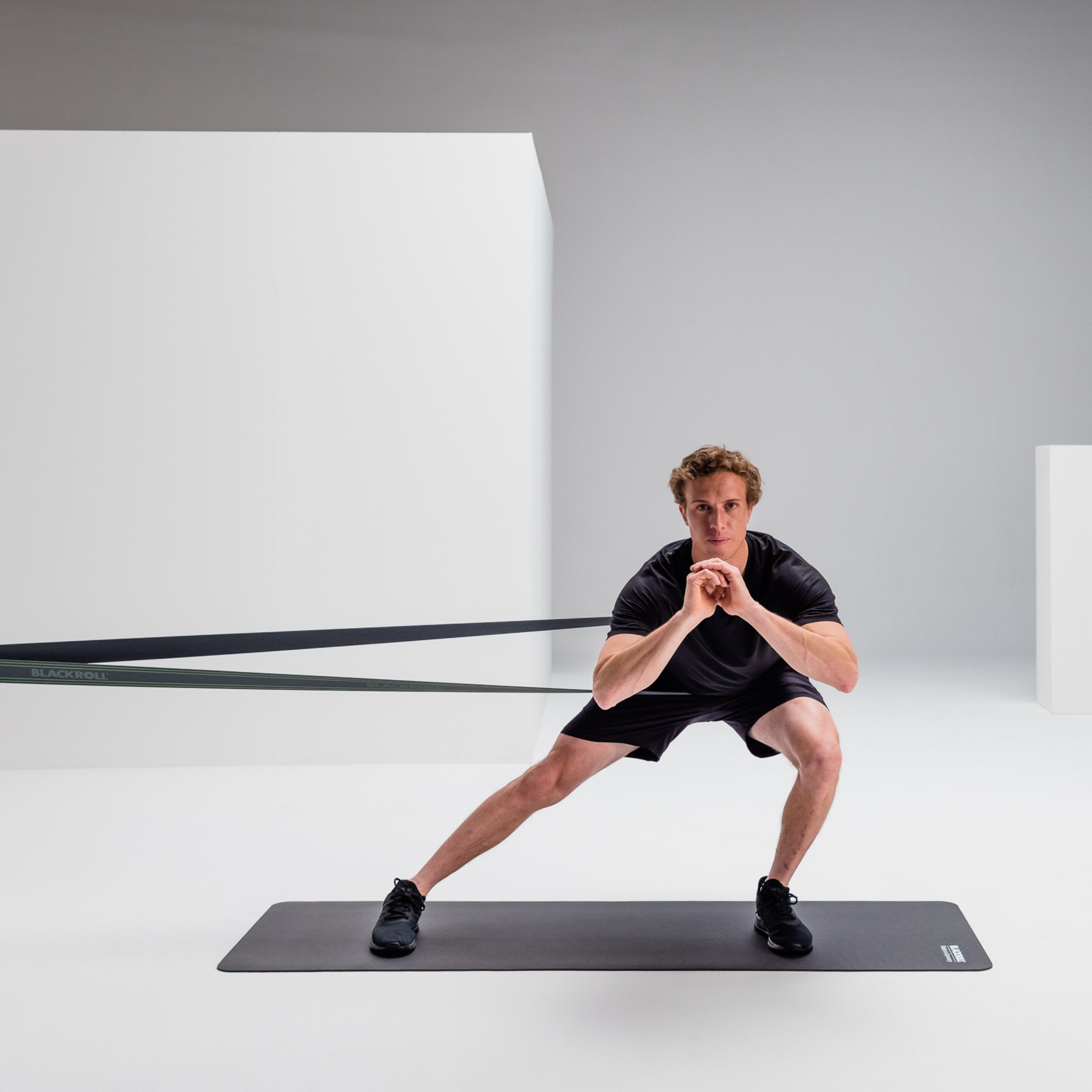
Attach the RESIST BAND to an object at hip height. Stand upright. Wrap the band around your hips. Stand sideways to the attachment point and create tension in the band. Take a side lunge. Then return to the starting position.
Plan to spend 30 seconds on each side for each of these exercises as part of your warm-up.
The following two exercises are also suitable:
Forward and Side Leg Swings
Hold onto a wall or chair with one hand for support. Swing one leg forward and backward, then to the side. Make sure your movements are controlled and fluid. This exercise mobilizes the hip joints and activates the stabilizing muscles.
Heel and toe walking
Walk on your heels and then on your toes to activate your calf muscles and ankle joints. This exercise improves stability in the lower legs and prepares the foot muscles for more intense movements.
These warm-up exercises optimally prepare your legs for the main exercises of lower-body training by activating the muscles and mobilizing the joints.
Exercises to Strengthen the Lower Body Axis
Strengthening the lower-body axis requires targeted exercises that strengthen and stabilize the muscles around the hips, knees, and ankles. These exercises activate the muscles responsible for leg alignment to correct misalignments and prevent injuries.
Here are three simple exercises to help you strengthen your leg alignment:
Squats
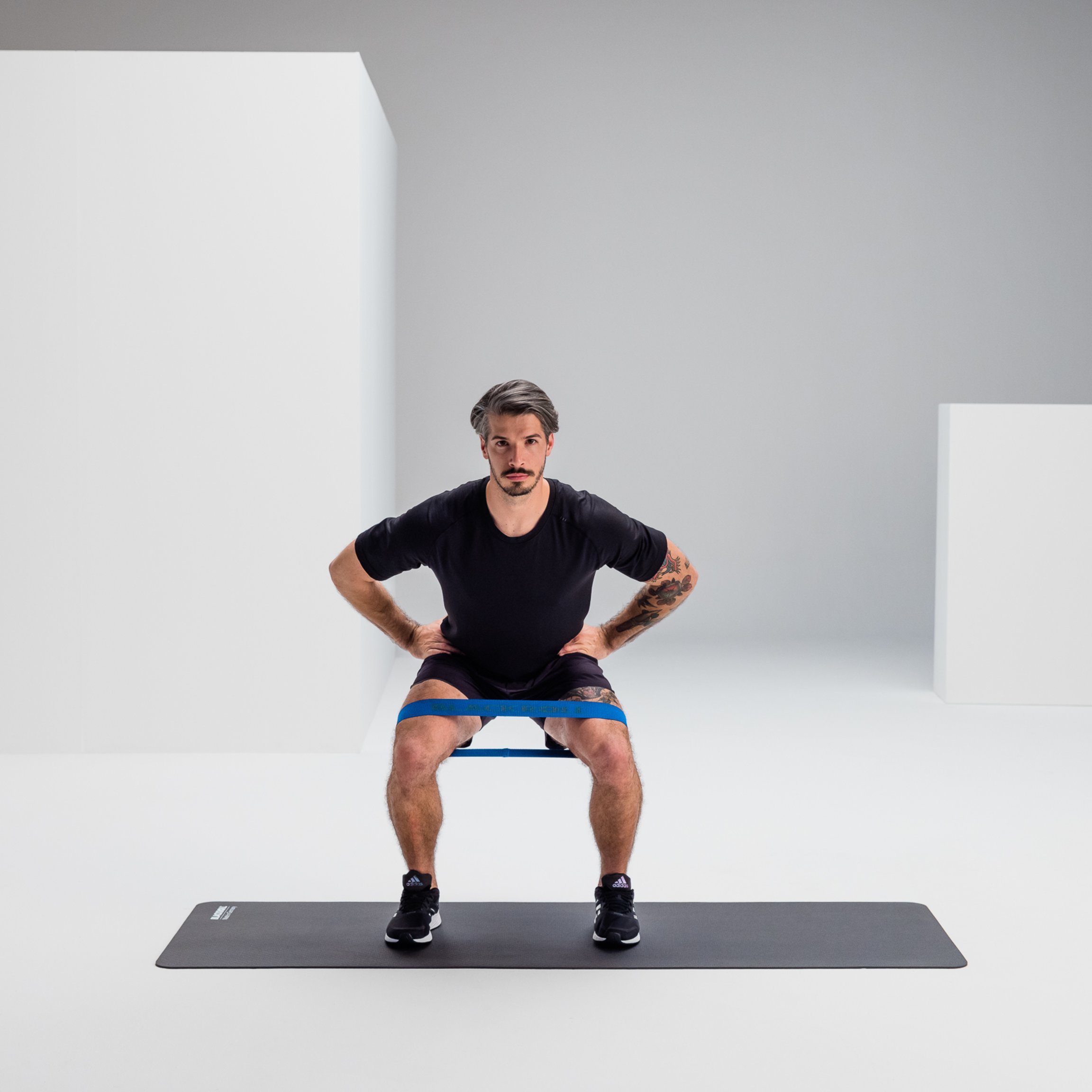
Stand with your feet shoulder-width apart and place the LOOP BAND around your thighs. Bend your knees. Your thighs should be parallel to the floor. As you perform the exercise, push your knees outward. Return to the starting position.
Hip Raises
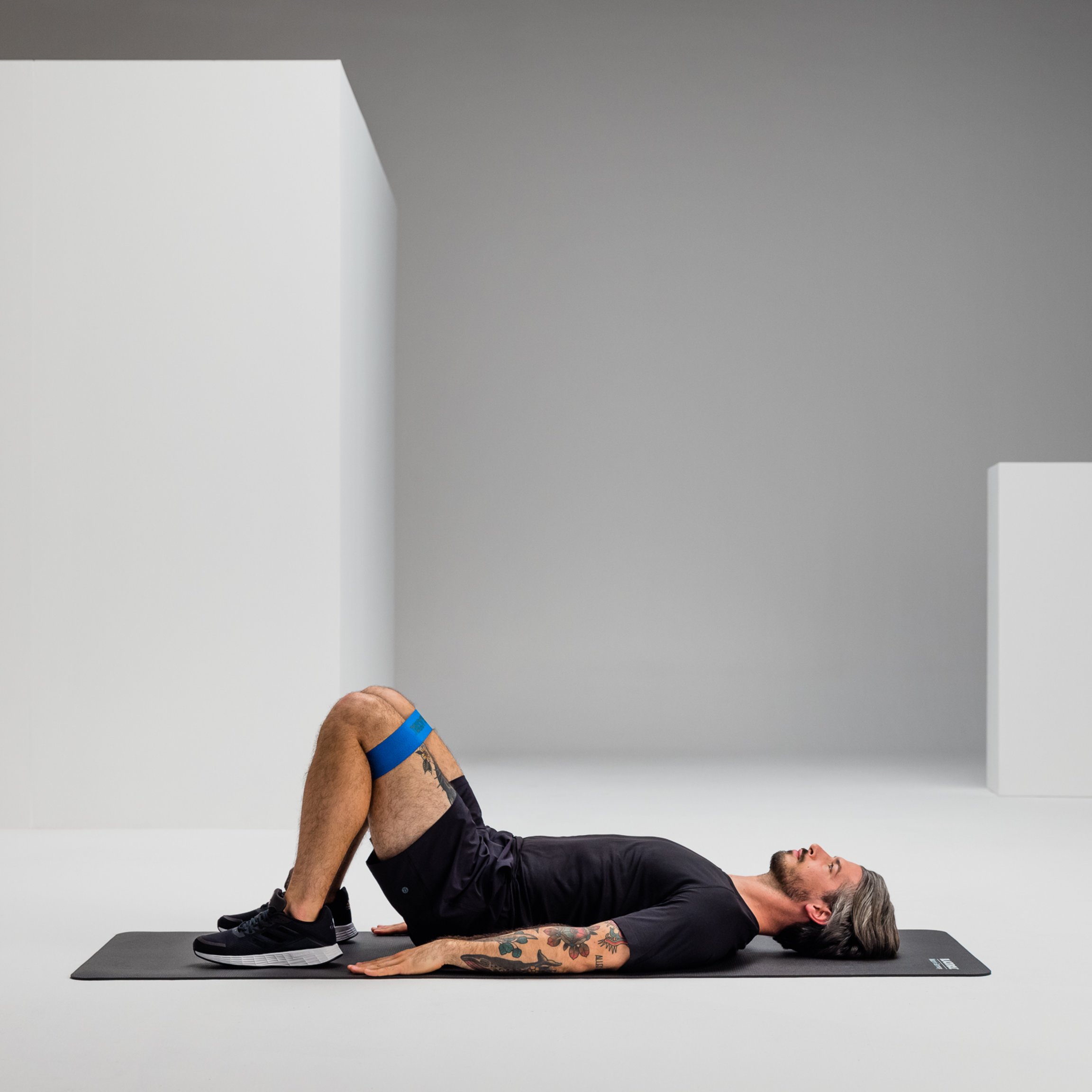
Lie on your back and place the LOOP BAND around your knees. Point your toes. Slowly lift your hips. Your thighs and upper body should form a straight line. Return to the starting position.
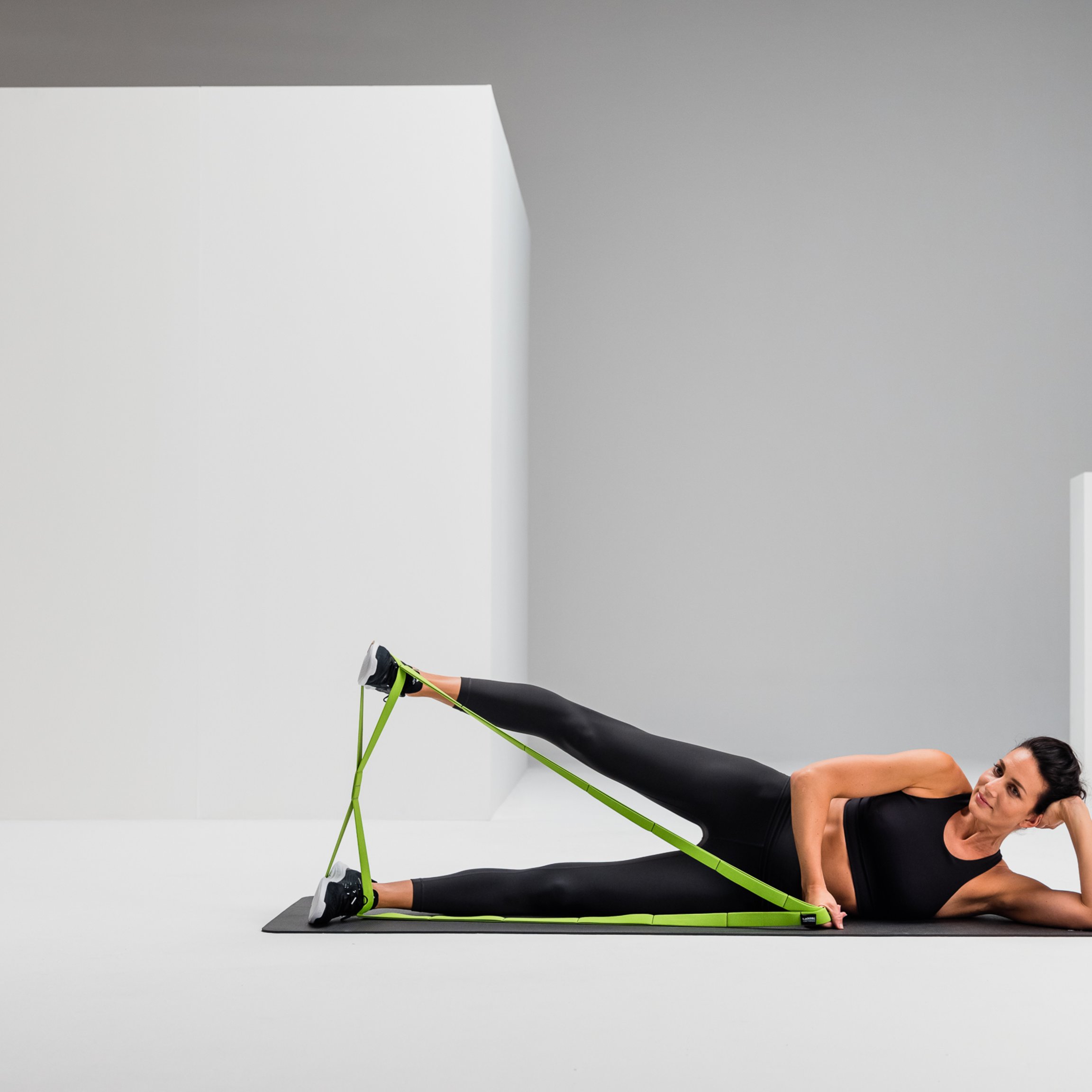
Lying Leg Abduction
Lie on your side and place your feet in the loops of the MULTI BAND. Lift your top leg as high as possible. Then lower it back down.
Never let your foot rest completely on the ground so that the band remains slightly taut at all times. If you’re performing this exercise for activation, choose a lower resistance.
Lower-Body Axis Training for Balance and Stability
Lower-body training also plays a major role in balance and stability training, as it strengthens and stabilizes the muscles and joints around the hips, knees, and ankles. Targeted exercises not only improve leg alignment but also enhance the ability to maintain balance and control sudden movements.
Single-leg exercises in particular—such as standing on one leg or lunges—enhance proprioceptive abilities—that is, body awareness and control over joint position. This is essential not only in sports but also in everyday life to prevent improper loading and injuries. A stable and well-trained lower-body alignment system helps increase the body’s overall stability and improve coordination, which has a positive effect on movement quality and performance. Exercises to improve your balance:
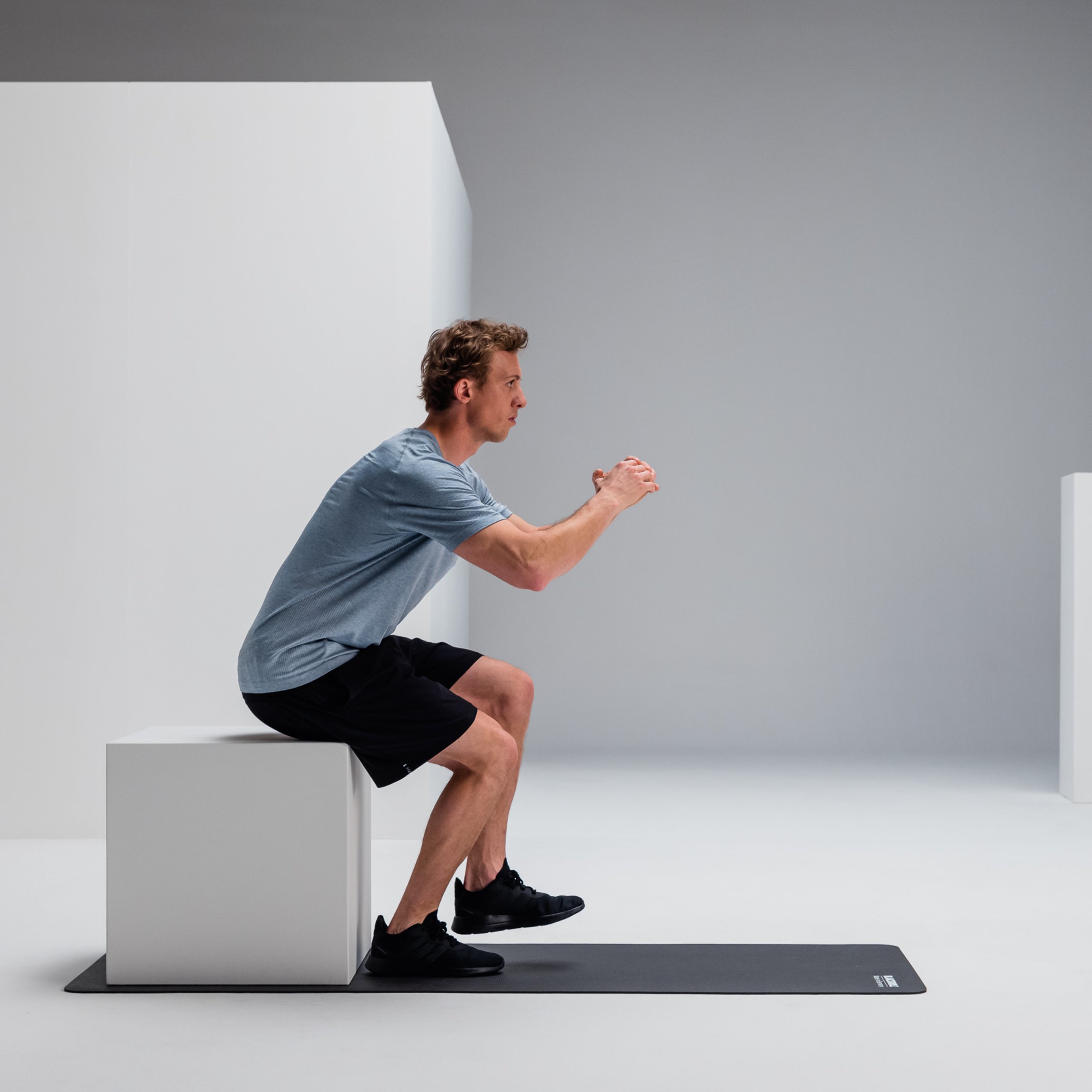
Single-Leg Squat
Place a chair behind you. Shift your weight onto one leg. Extend the other leg in front of you. Perform a one-legged squat. Briefly touch the chair with your buttocks. Return to the starting position.
If you find it difficult to stand back up on one leg during this exercise, lower yourself in a controlled manner onto one leg. Then push yourself back to the starting position using both legs.
Standing Balance
Stand with your feet hip-width apart. Hold the BLACKROLL® between your hands and extend your arms upward. Bend your upper body forward. Lift one leg until your body is parallel to the floor. Then return to the starting position.
Bend the knee of your supporting leg for added stability.
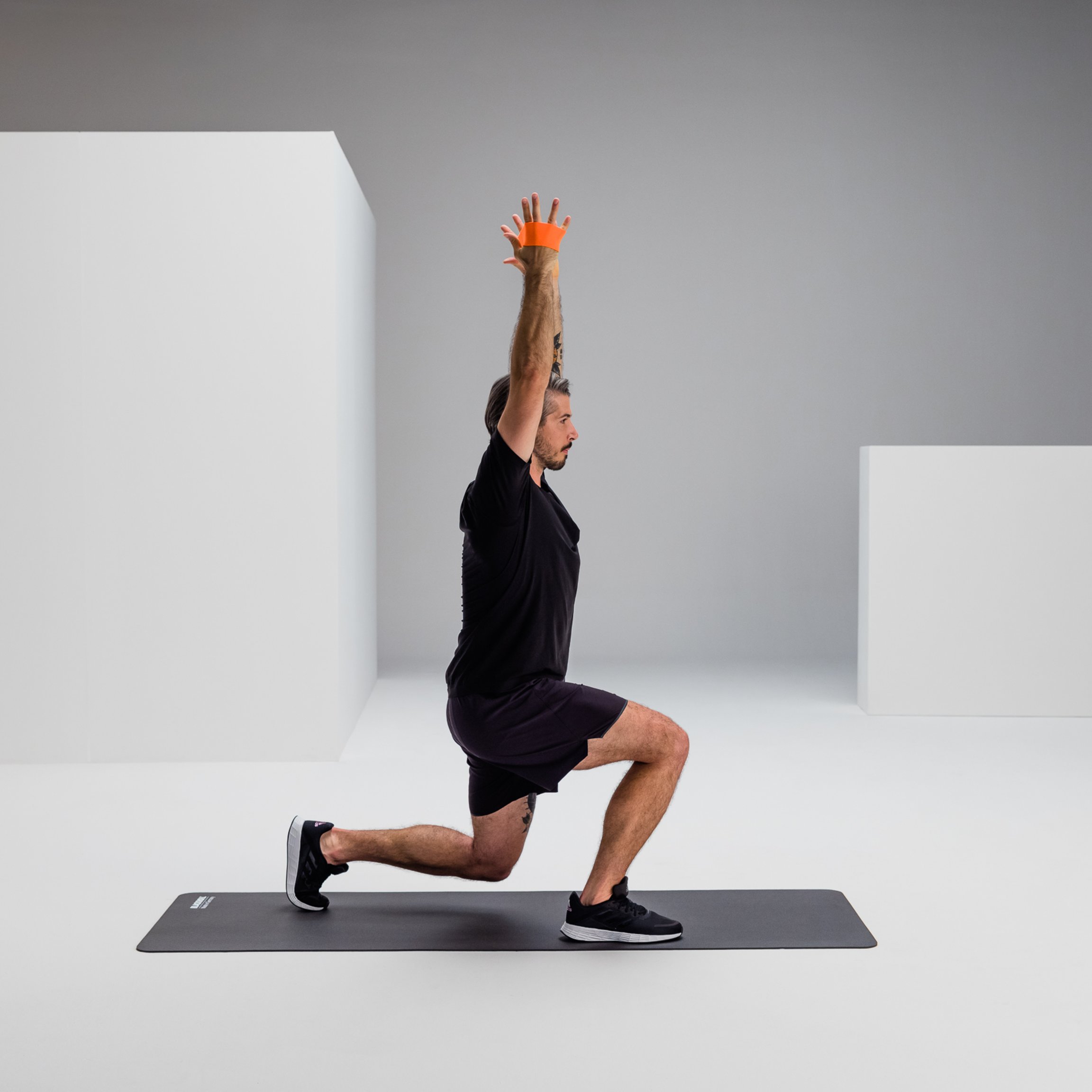
Overhead Lunge
Place the LOOP BAND around your hands. Pre-tension the band. Stand in a stable, upright position. Press the band overhead. Perform a backward lunge. Rotate your upper body toward your front leg. Rotate your upper body back to the center. Then return to an upright stance.
Your front knee should be above your ankle and pointing toward your little toe. Your back knee should not touch the floor at any time.
Lower Body Alignment Training for Injury Prevention
Lower-body alignment training helps you prevent injuries by improving the alignment and stability of your legs and correcting muscular imbalances. If your lower-body alignment is incorrect—meaning your knees, hips, or feet are out of their natural position—this can lead to improper loading and overuse. This often results in knee problems, ligament injuries, or hip pain. Through targeted exercises, you strengthen the muscles that stabilize your joints, especially in the gluteal and thigh regions. This helps distribute the load more evenly and can prevent injuries such as patellar tip syndrome or ligament strains. With regular leg alignment training, you’ll improve your control over your movements and reduce the risk of overexertion—especially during sports activities that place intense strain on your legs.
It’s best to start training today to help prevent injuries.
We hope you have a lot of fun with it.😊
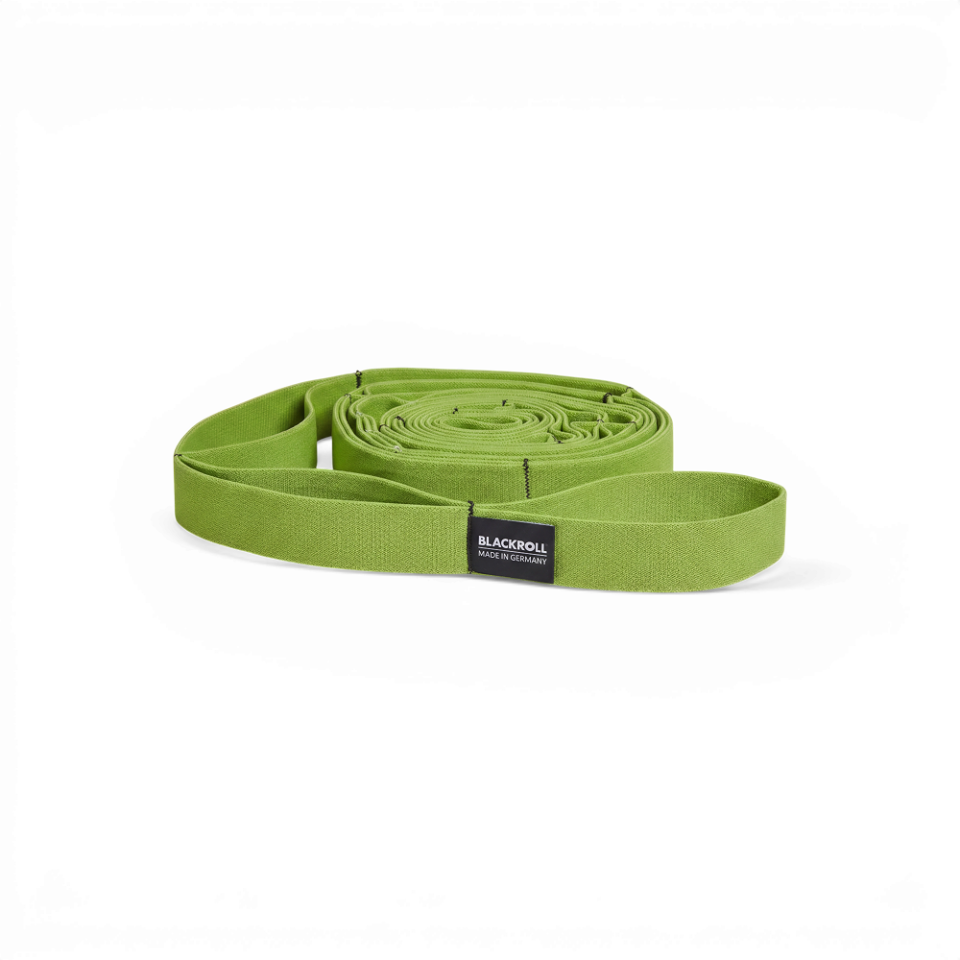
BLACKROLL products for the exercises
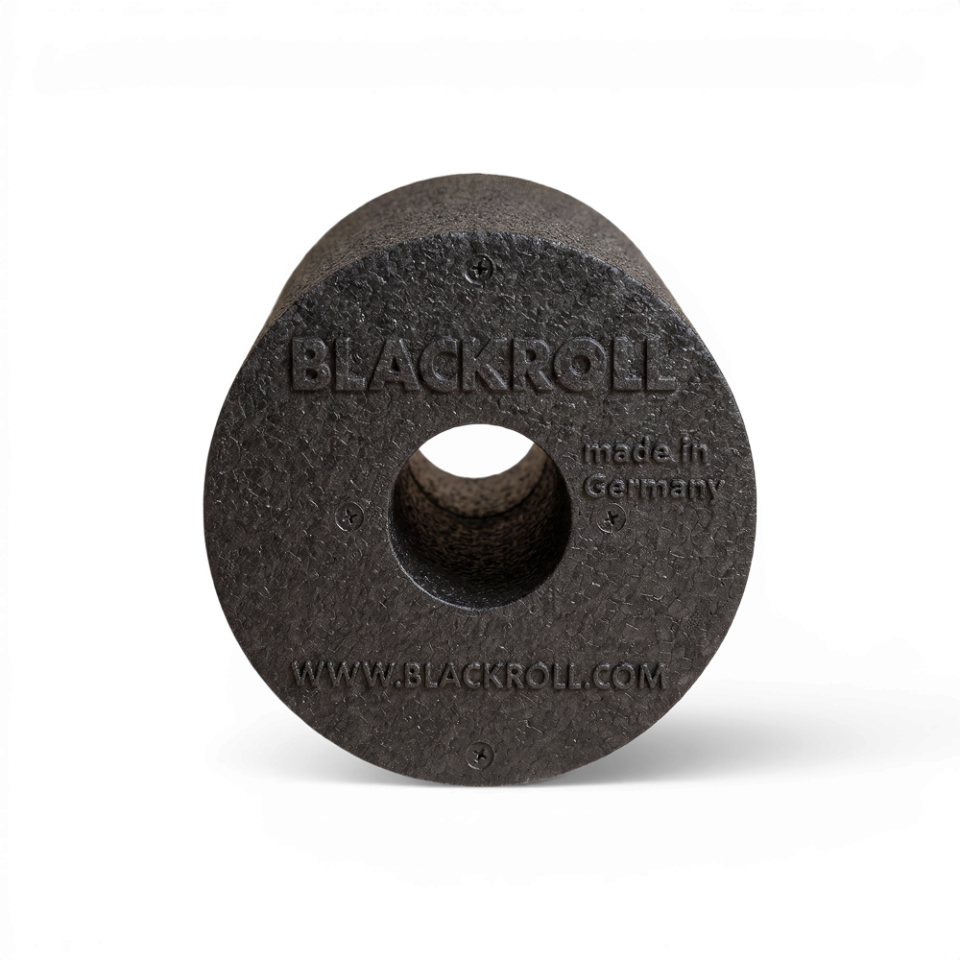
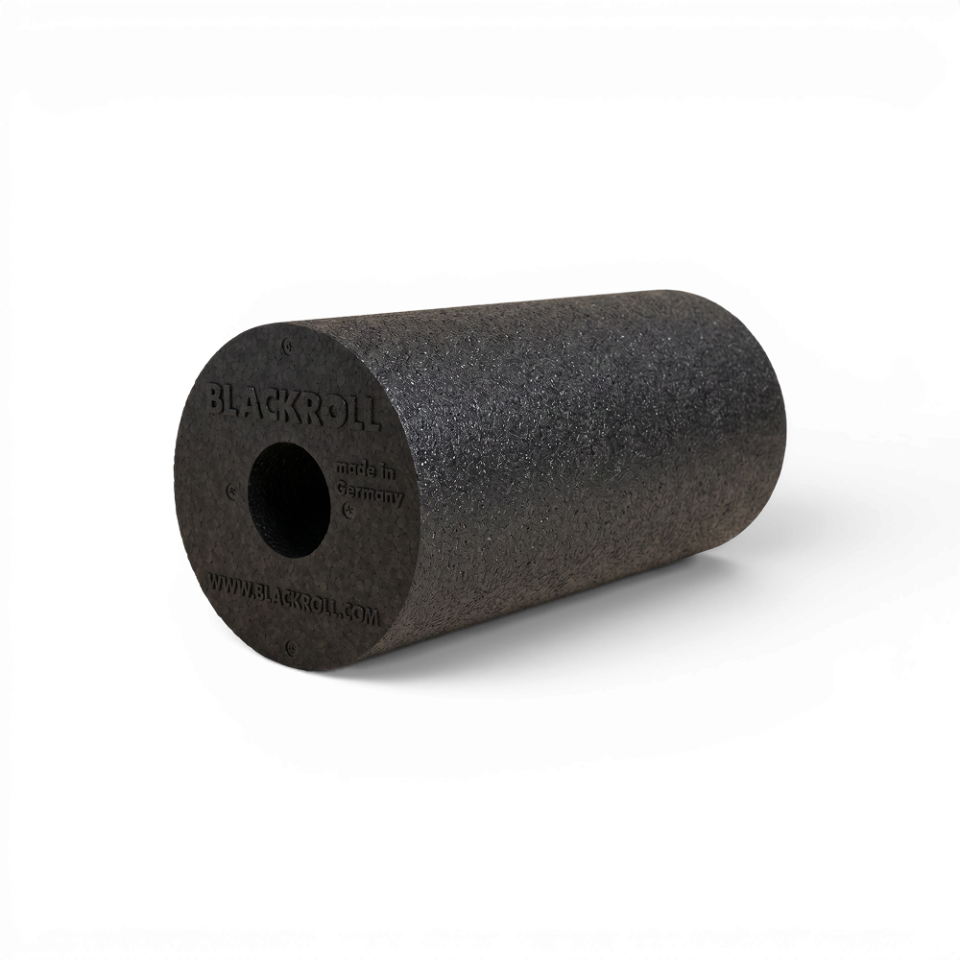
Standard
Available in multiple variants

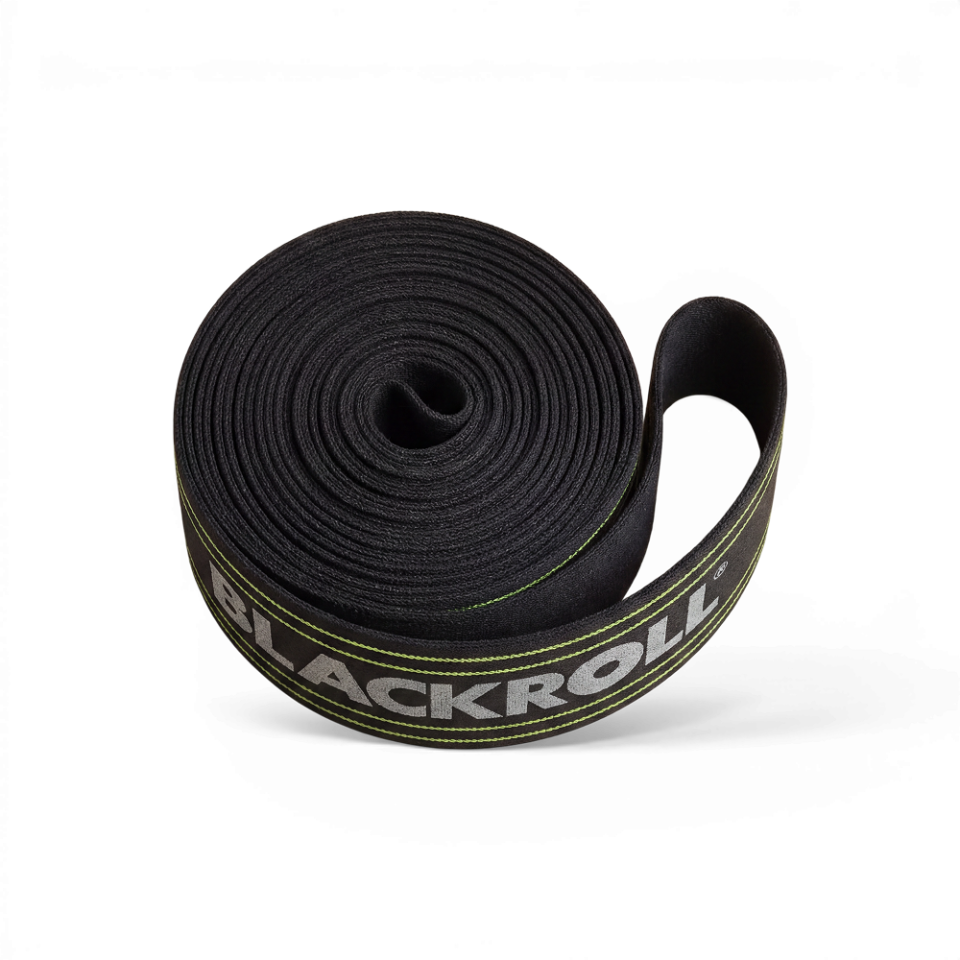
Resist Band
Available in multiple variants


Loop Band
Available in multiple variants