“One bad night won’t destroy you” – Anna West on the most important night of her career
Das erfährst du in dieser Story
- Warum viele Profis vor dem wichtigsten Spiel der Saison schlechter schlafen.
- Weshalb eine schlechte Nacht deinen nächsten Tag nicht ruinieren muss.
- Welche Morgenroutine Anna West nach kurzen Nächten empfiehlt.
- Was hinter ihrem Konzept der „Energy Givers" und „Energy Suckers" steckt.
Why pros sleep poorly before a World Cup game—and why that’s actually okay. Anna’s radical shift from sleep output to morning routine.
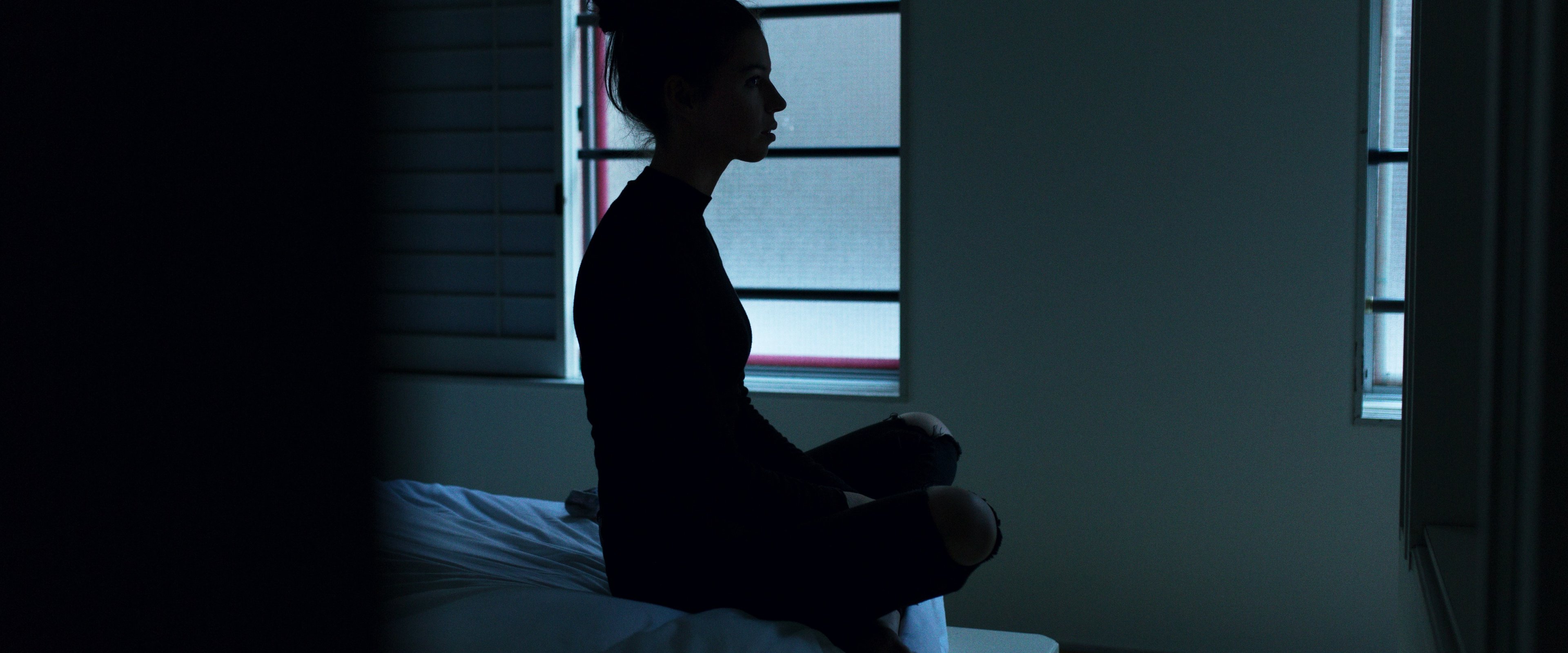
It’s 6:30 a.m., the morning before the first World Cup game. A young player comes in for breakfast, dark circles under his eyes, half-desperate. Four hours of sleep, maybe. He tells Anna everything all at once: the bed too hard, his head too full, tossing and turning, lying awake, hoping.
Anna West listens. Then she laughs and says something that changes the whole day.
“Perfect. That’s exactly what I expected.”

The Turnaround
Anna has been working with elite athletes for years. She knows that before important games, most of them sleep poorly. Cortisol levels rise, adrenaline is high, and their minds are racing at 1,500 revolutions per minute. This isn’t an emergency—it’s biology. And this is exactly where Anna’s method comes in.
“A bad night’s sleep won’t destroy you. Before a big event, it’s almost to be expected—because your body produces hormones that work against sleep. If you understand that, you’re already halfway there.”
What Anna does with her players is turn the whole logic on its head. It’s no longer, “How do we maximize sleep the night before?” but rather, “How do we structure the morning routine so that even a 4-hour night works?”

Schlaf als Leistungsträger: Experteneinblicke von Anna West für optimale Erholung im Profisport
Zum InterviewThe Wrong Response
Most athletes make the same mistake the day after a bad night’s sleep. They stay in bed. They put off breakfast. They don’t go outside. They tell everyone how tired they are.
“That’s the wrong reaction. It makes everything worse,” Anna explains.
What happens: No daylight means no circadian resynchronization. No breakfast means no metabolic trigger. No water means increased fatigue. And every “Man, I slept so badly” at the breakfast table makes the brain feel that way too.
The Right Response
Anna’s “day-after” routine follows a clear sequence.
- Light. Open the curtains—ideally, step outside for a few minutes.
- Water. Right away, before anything else happens. Ideally with electrolytes.
- Caffeine. Consumed mindfully—but never on an empty stomach.
“Never have caffeine on an empty stomach. You get a burst of energy. And then the crash that follows. You don’t want that on game day.”
Between water and caffeine comes a light breakfast. Carbs for energy, protein to keep you full, a pinch of salt for hydration. No magic pill. But three factors that, together, make all the difference.
Entdecke die DFB Sleep Produkte


Energy-Givers vs. Energy-Suckers
Anna’s favorite framework, which she’ll definitely put to good use for the 2026 World Cup. It’s both practical and romantic.
“Ask yourself who’s allowed to call you on match day morning. Who gives you energy? Who drains it? Call the first one. Let the second one call this afternoon.”
Family. Best friend. Coach. It looks different for every player. But the principle is universal: A few minutes of contact with someone who lifts you up are biochemically more valuable than an extra cup of coffee.
And that doesn’t just apply to pros. Whether you’re giving a pitch on Sunday, taking an exam, or starting a triathlon—the question “Who gives me energy?” works.
The Verbal Strategy
An observation by Anna that sounds counterintuitive but has proven effective time and again with teams: don’t talk about fatigue.
“The more we voice the pain point, the more intensely we feel it. There’s a verbal strategy—even among the coaching staff. On game day, we don’t talk about tiredness. We talk about readiness.”
It sounds trivial. But in practice, it makes a measurable difference. Whoever says at the breakfast table, “I feel great today,” is more likely to actually feel that way. Whoever says, “Man, what a lousy night,” carries that feeling into the day.
Seven Outlets
Anna has a model she’s had her players work with for a few years now. Seven types of recovery.
“We’re not iPhones. We can’t always use the same outlet and expect the battery to charge. Sometimes we need different plugs.”
Sleep is just one of seven. The others: physical rest (stretching, going for a walk), mental rest (micro-breaks, silence), emotional rest (talking with trusted friends), sensory rest (screens off), creative rest (nature, music, hands-on activities), social rest (time with energy-givers), spiritual rest (meaning, anchors, reflection).
If you realize on game day morning that your “sleep outlet” is empty, you can plug in others.
Smart, or smart about it
Anna closed each of her coaching sessions with the same phrase. It’s more of an attitude than a rule.
“We want them to do the smart thing. But if they forget to do the smart thing, they have to be smart about it.”
That applies to the player who’s had only four hours of sleep. It applies to the fan who has to be at the office at 5 a.m. because the World Cup game didn’t end until 2:30 a.m. It applies to anyone facing the most important day of their week and thinking, “If only I’d slept better.”
You could have. But you didn’t. And the first 30 minutes after waking up determine how the day will go—not the hour of sleep you missed.
Anna’s complete method—including the 7 Types of Rest, Sleep Latency, and more—is featured inthein-depth interview with Anna West.