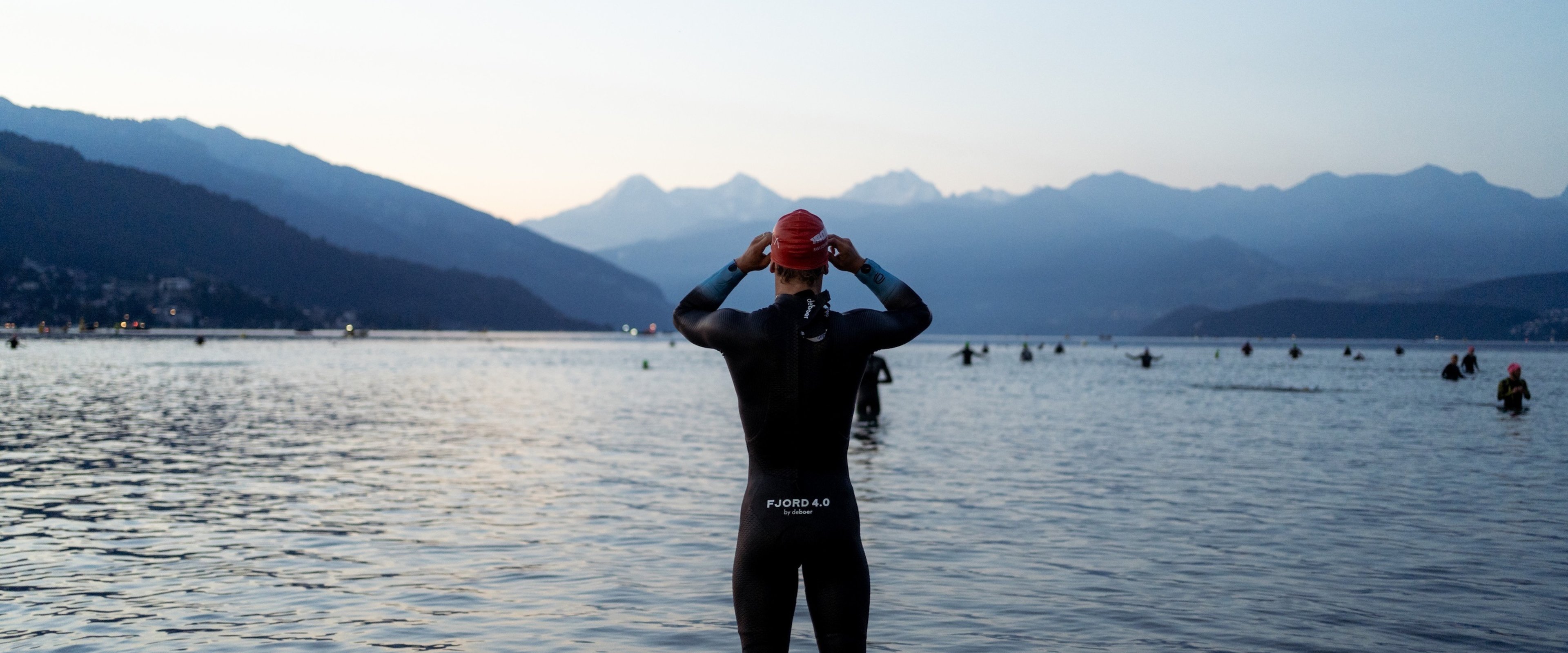
Reset to Push Limits – Frederic Funk and the Quest to Push His Own Limits
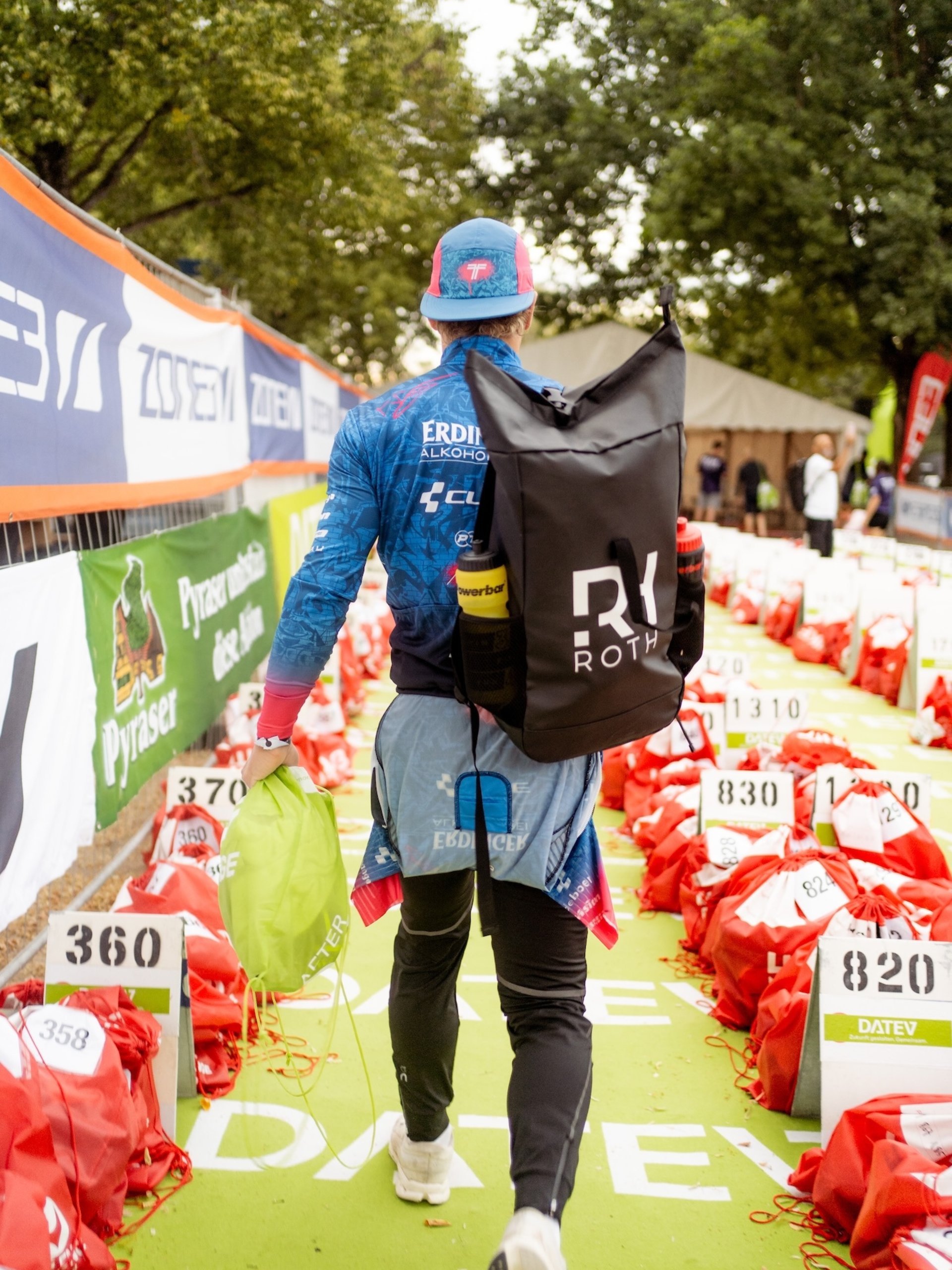
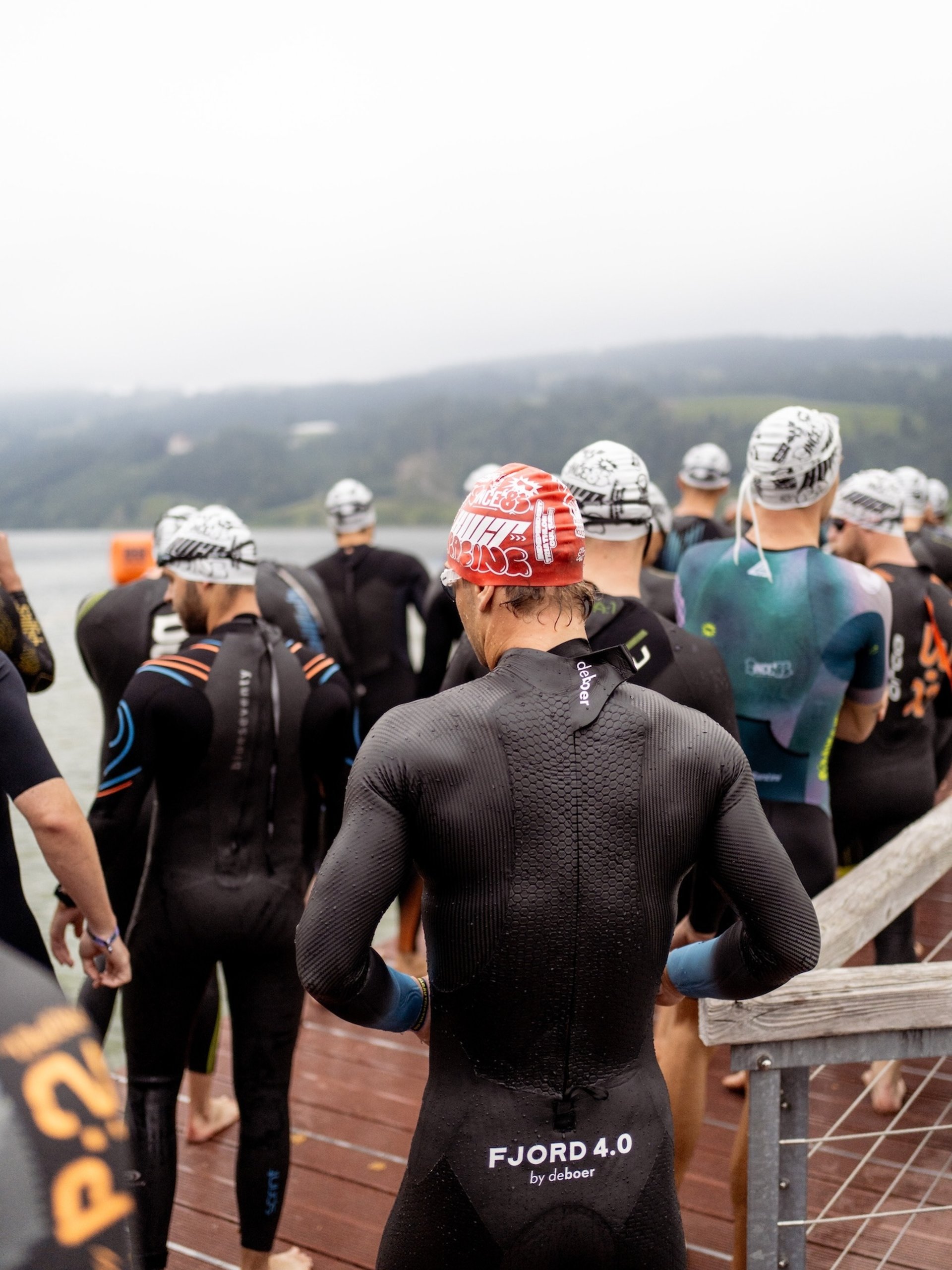
3,400 individual starters. 650 relay teams. Around 300,000 fans lining the course. Year after year, Roth in Franconia transforms into a mecca for triathlon and becomes the stage for one of the world’s largest long-distance races—the DATEV Challenge Roth.
When Frederic Funk stands at the starting line there on July 5, his race won’t begin on that day alone. It began months earlier.
His preparation has forced him to be patient. To accept setbacks. To trust that the process will eventually yield results again. And to recognize that the road back is sometimes just as challenging as the road to the top.
In this interview, the German triathlete talks about discipline, pain, extreme conditions, and the constant search for his own limits.
Frederic Funk
- He is one of the most successful German triathletes of his generation.
- The 27-year-old from Lake Constance has already won numerous international races and has been one of the most consistent athletes in long-distance triathlon for years.
- But this time, his biggest challenge isn’t in Roth.
- He is one of the most successful German triathletes of his generation.
- The 27-year-old from Lake Constance has already won numerous international races and has been one of the most consistent athletes in long-distance triathlon for years.
- But this time, the biggest challenge isn’t in Roth.
Fred’s race has been going on—for months
In May, a gastrointestinal infection knocks him off his feet; Fred loses six kilos. He pulls himself together, but the next setback follows shortly thereafter. Four weeks before Challenge Roth, Frederic Funk sits shivering in the car on his way home. He was actually supposed to be in Livigno, at an altitude of just under 1,900 meters, completing the final crucial days of training before the season’s highlight. But food poisoning forces him to cut short his final high-altitude training camp.
“At first, I thought I could keep training, but my stomach hadn’t recovered, and I just didn’t have any energy left.” Instead of squeezing out that last bit of performance for Roth, the focus suddenly shifts to getting completely healthy and replenishing his energy reserves.
The entire annual plan must be realigned.
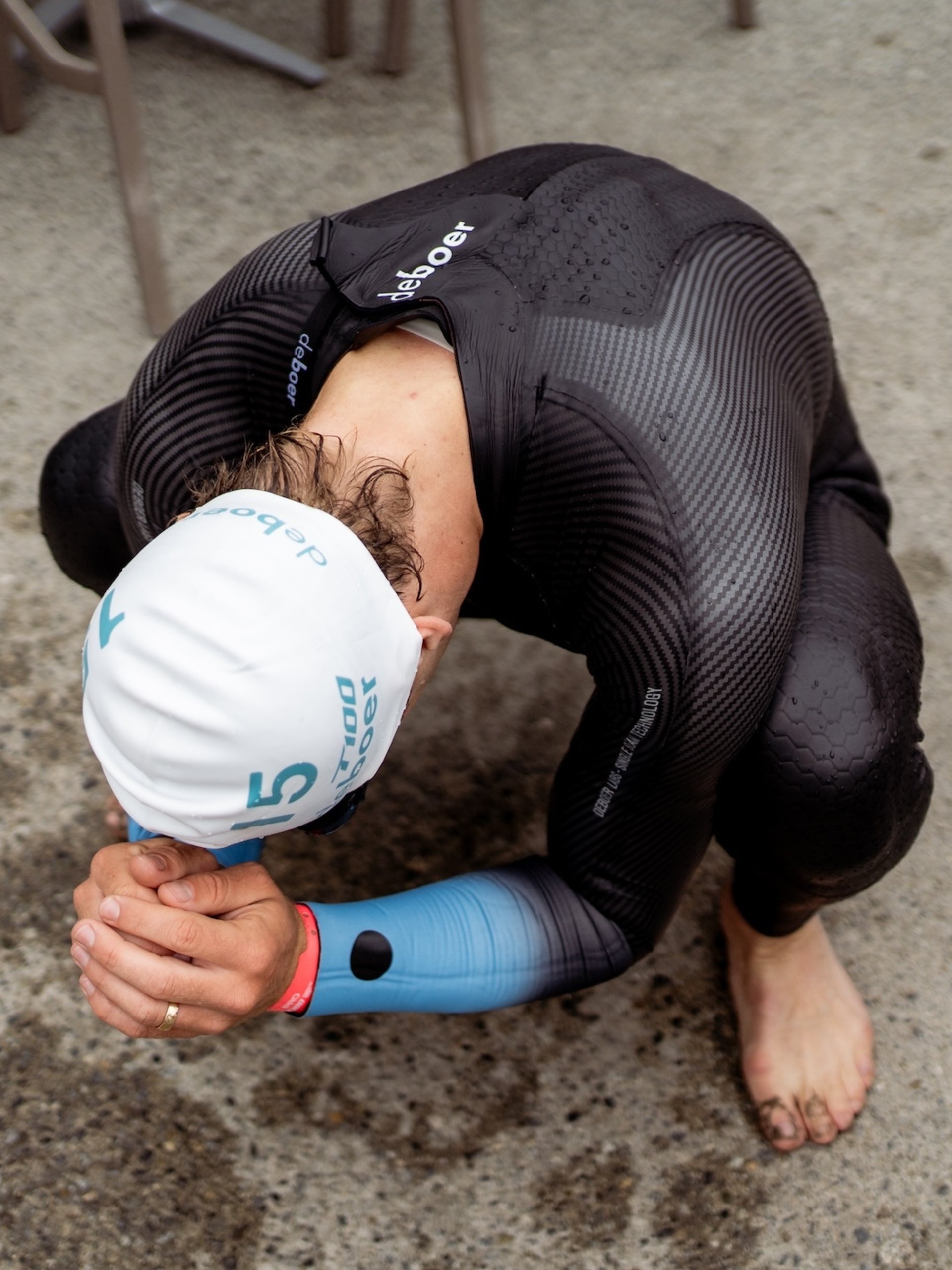
Freds BLACKROLL Recovery Routines
- Die COMPRESSION BOOTS nutze ich sehr häufig, einfach angenehm die anzuschnallen und auf der Couch zu liegen.
- FASCIA GUN. Nutze ich nicht nur zur Recovery, aber auch als Warm Up Tool vor Einheiten, um meine Muskeln aufzuwärmen.
- Die Blackroll. Selbsterklärend!
- Ich kann nicht mehr ohne mein RECOVERY PILLOW schlafen und nehme es auch überall hin mit.
- Der AIR LOUNGER. Ich bin begeistert wie einfach man den auf und abbauen kann, mega praktisch weil ich quasi eine “Couch to go” habe.
The Drive
For many, this would be a moment to question their own goals. To give up. For Frederic Funk, even this is part of his very own journey. What drives him to get back up again and again and keep going?
“In the end, though, it’s mainly about proving something to myself. I want to see if what I put in every day can really lead me to my big goal of becoming world champion and being among the best athletes in the world. If you can’t enjoy the journey, then you’ve missed out on an important part of your life.”
Will all the hard work pay off in the end? “Of course, no one knows if it’ll work out in the end. Maybe I’ll become world champion, maybe not. But that’s exactly what drives me,” he says with a smile.
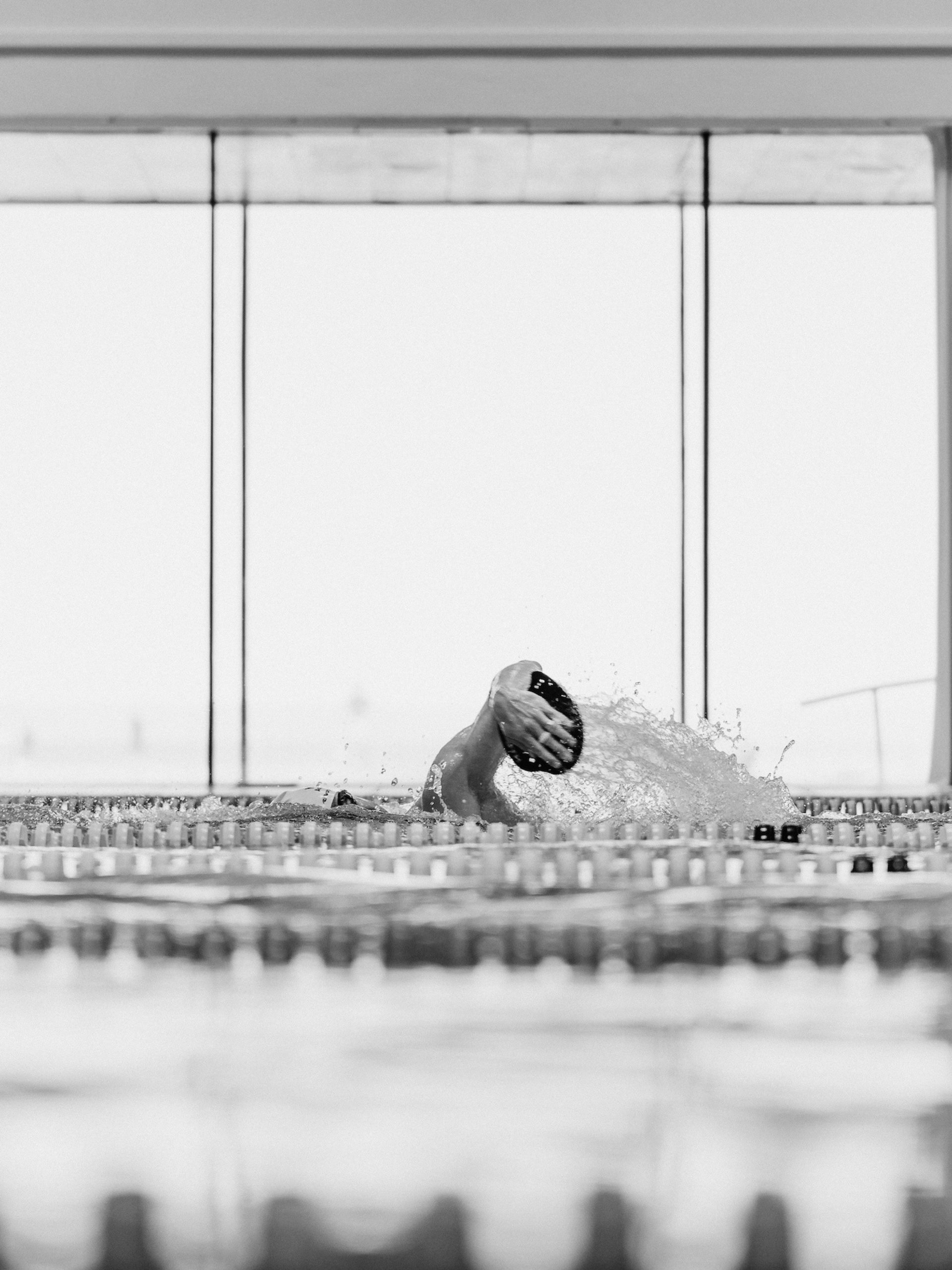
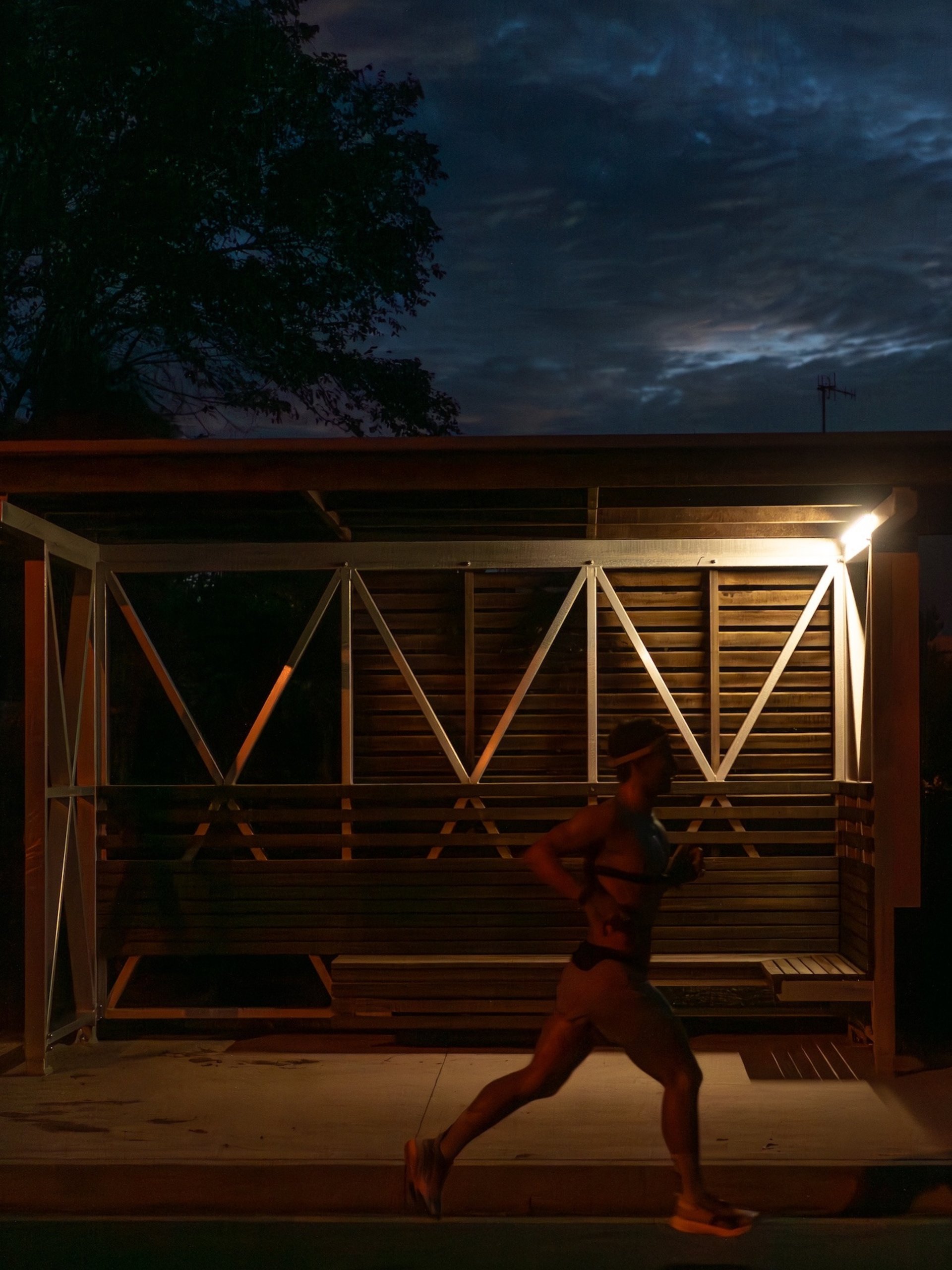
Road to Roth
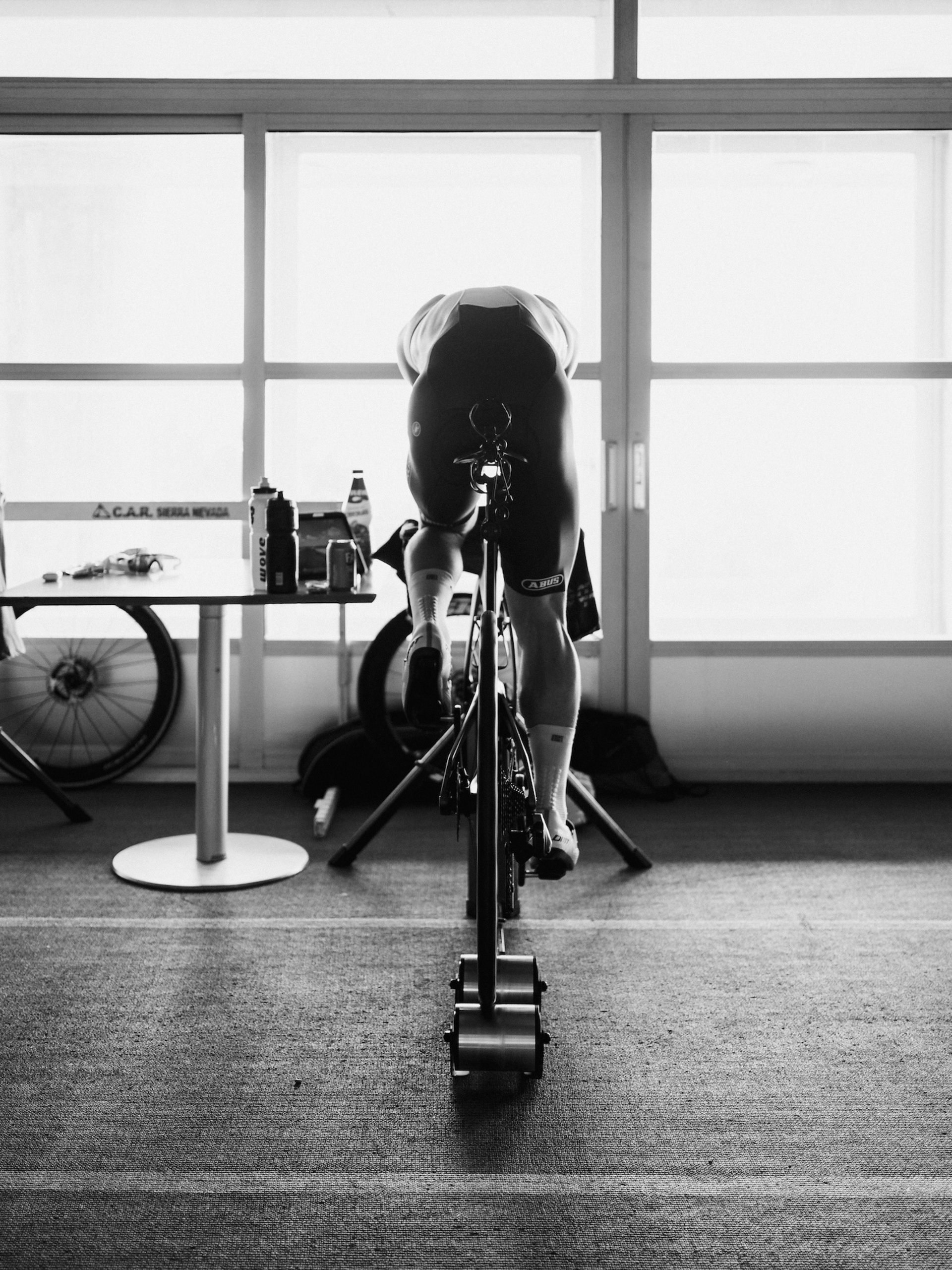
- 1,000+ training hours per year
- He burns up to 8,000 calories per training day
- The biggest challenge? Replenishing that energy—he has to regularly consume energy bars and gels
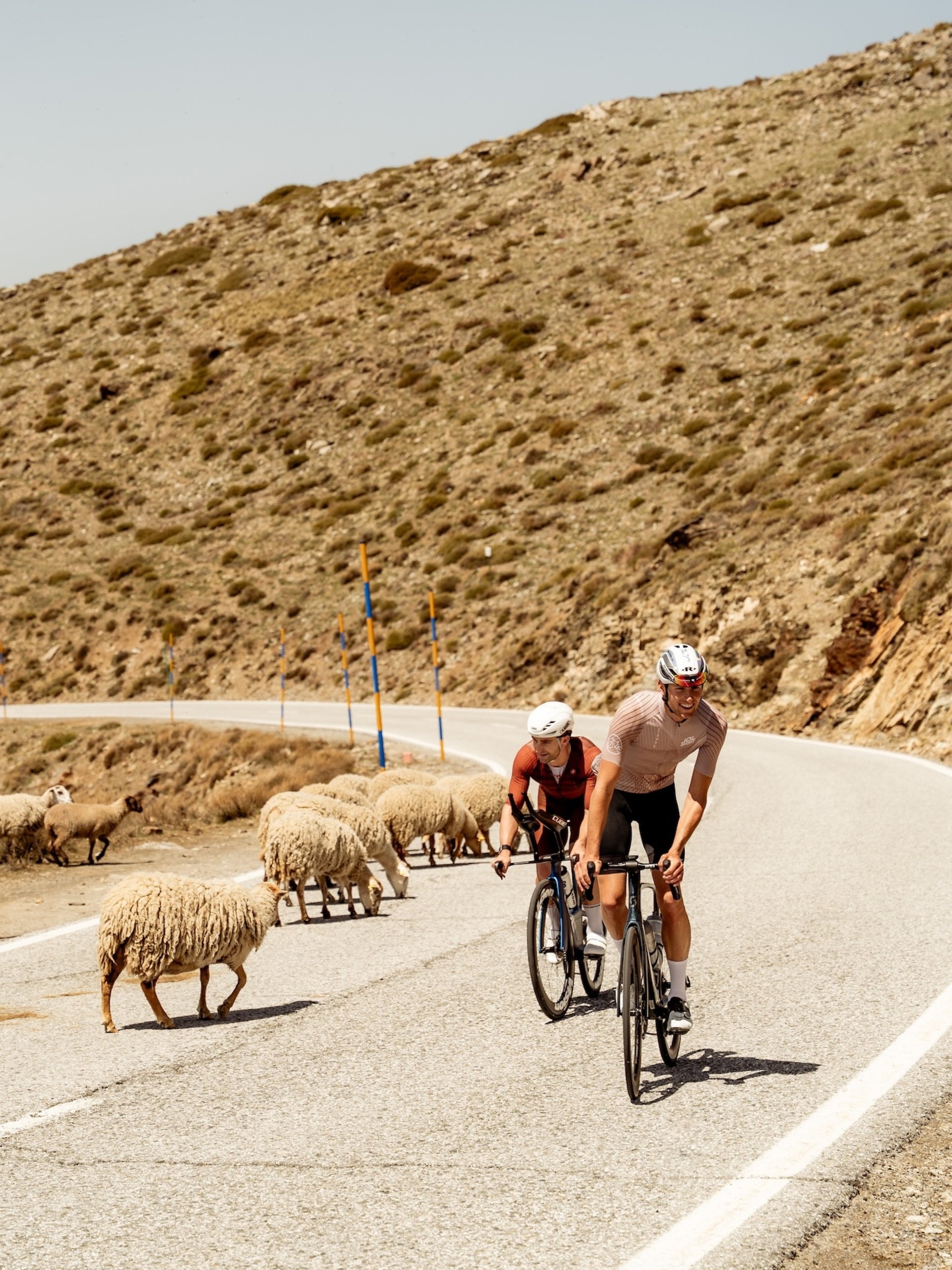
- Fred pedals at 320 watts over 180 km in long-distance cycling
- Specialized training camps at altitudes of up to 2,400 m in the Sierra Nevada
VO₂max sessions at the absolute limit of endurance
Swim. Bike. Run.
Swim. Bike. Run. And the Uncomfortable Truth
"I’ve fallen behind."
Frederic’s honesty, following several setbacks this year, is a testament to his greatness and his willingness to face reality head-on.
“After my breaks, I first had to realize just how much the level of professional triathlon has risen. And that I’d fallen behind the leaders.”
This is also because the sport is changing. Triathlon is no longer a niche or trend sport—it’s more than just a lifestyle phenomenon. This is also evident at the elite level. The level of competition rises every year, training methods are becoming more professional, teams are getting larger, and the demands on athletes are growing more complex. Anyone who wants to compete at the world’s highest level today needs more than just talent and grueling training sessions. Frederic has also felt this shift.
“I first had to take a step or two back. Refocus on myself and stop chasing results.” Consistent training and small but important steps forward—that’s his plan now.
If you want to win a triathlon, you need to do more than just swim, bike, and run. In this intense sport, it’s all about proper recovery, a balanced diet, enough sleep, perfect load management, and the right environment. Over the years, a professional team has formed around Frederic to help him optimize precisely these areas.
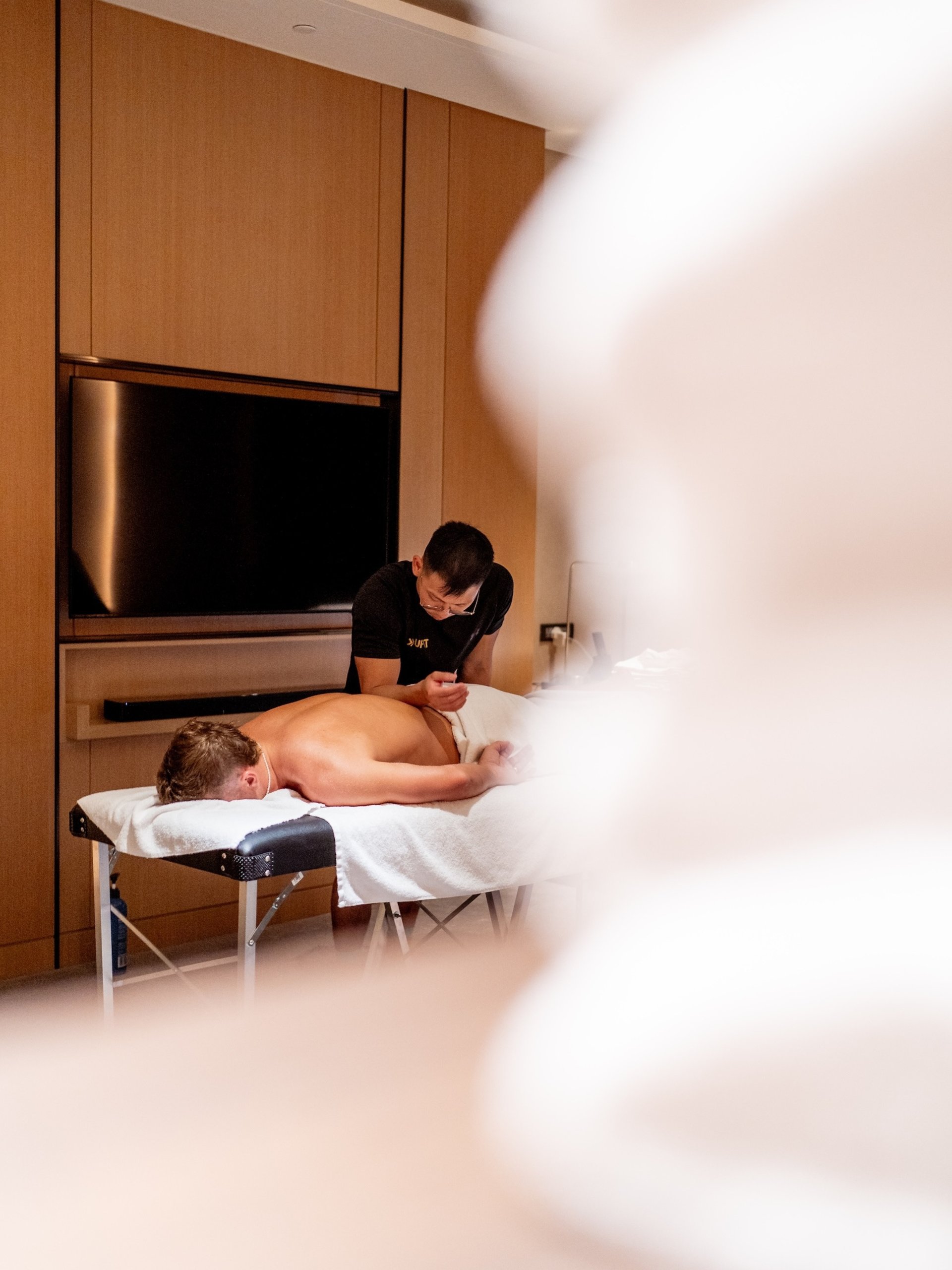
Fred’s Recovery Routines
- I use the recovery boots very often—it’s just so comfortable to strap them on and lie on the couch.
- Massage gun. I use it not only for recovery but also as a warm-up tool before workouts to warm up my muscles.
- The Blackroll. Self-explanatory 😄
- Recovery Pillow. I can’t sleep without it anymore and take it with me everywhere
- The Air Lounger. I was really impressed by how easy it is to set up and take down, and it’s super practical because it’s basically a “couch to go.”
Full Focus: Challenge Roth
Kurz vor dem größten Event des Jahres am 05. Juli zeigt seine Formkurve nun wieder bergauf, der Körper hat sich erholt. Fred spürt wieder den Rückenwind. "Die guten Ergebnisse in den letzten Wochen bei den Wettkämpfen waren dabei nicht das eigentliche Ziel. Sie waren vielmehr die Bestätigung dafür, dass Geduld manchmal die beste Antwort ist.“
Monate der Vorbereitung. Krankheiten. Rückschläge. Trainingslager. Zweifel. Die Arbeit hat sich ausgezahlt.
Die Weltszene des Triathlons versammelt sich in Roth, auch die Elite geht an den Start: „Natürlich stehen dort Athleten wie Kristian Blummenfelt, Sam Laidlow oder Patrick Lange am Start. Aber genau das macht für mich den Reiz aus.“
Sein Ziel? Keine Platzierungen oder Prognosen erfüllen, sondern sich mit den besten Athleten der Welt messen, um herauszufinden wo er wirklich steht.
„Das motiviert mich enorm.“
Jetzt ist der Moment gekommen, all das auf die Probe zu stellen.
„Wenn ich in Roth meine Leistung abrufen kann, möchte ich sehen, wie nah ich an diese Athleten herankomme.“
Frederic Funk ist wieder auf einem guten Weg. Aber hat er in Roth wirklich schon die nötige Wettkampfhärte? Alles spricht dafür. Der 27-Jährige ist auch deshalb „ready“, weil sein Mindset so besonders ist und Rückschläge dabei Teil seines Weges zurück nach oben sind.

