
All About Periodic Limb Movement Disorder
People who suffer from Periodic Limb Movement Disorder are often completely unaware of it. This is because the involuntary limb movements typically occur during sleep and may be accompanied by a general feeling of daytime sleepiness. Find out more about this condition and what those affected can do in our article.


Definition of Periodic Limb Movement Disorder
Periodic limb movement disorder (PLMD) is a neurological disorder characterized by repetitive, involuntary movements of the limbs, primarily during sleep. These movements most often occur in the legs but can also affect the arms, leading to disrupted sleep and daytime sleepiness in those affected. Periodic limb movement disorder typically occurs in middle and older age (more than 30 percent of people over 50 are believed to be affected) and is more frequently diagnosed in people with narcolepsy or REM sleep behavior disorder.
Key characteristics of PLMD include:
- Repetitive movements: The movements associated with PLMD are rhythmic and recur at regular intervals, typically every 20 to 40 seconds. They often last a few seconds and can occur many times during a single sleep period.
- Involuntary occurrence: The movements occur without conscious control by the person affected at the moment of muscle contraction.
- Sleep disturbances: The involuntary leg and arm movements can severely disrupt the affected person’s sleep or that of their bed partners. This often results in excessive daytime sleepiness and other symptoms of sleep deprivation.
- Associated Conditions: PLMD can occur on its own or in conjunction with other sleep disorders such as restless legs syndrome (RLS). While PLMD is limited to sleep, RLS typically affects waking hours and is characterized by unpleasant sensations in the legs and an urge to move them.


Symptoms and Signs
People with PLMD are often completely unaware of their symptoms and signs. This is because the twitching of the arms and legs and the subsequent waking occur completely unconsciously. Only severe daytime fatigue and the feeling of having slept poorly provide clues that PLMD may be present. In addition, people with PLMD often feel in the morning that their legs did not get any rest during the night, even though they appear to have slept enough. Often, it is their bed partners who notice the restless twitching, kicking, or thrashing.


Causes and Risk Factors
The causes of PLMD are still largely unknown. However, scientists consider a dysfunction in the dopaminergic system to be a common cause of various disorders associated with periodic limb movements. In addition, about one-third of all people affected by PLMD are believed to have a family history of the condition, suggesting a genetic influence. Risk factors include a generally unhealthy lifestyle associated with physical inactivity and obesity, as well as smoking.
Furthermore, PLMD occurs more frequently in people who suffer from diabetes, iron deficiency, or anemia, or who have severe chronic kidney or liver disease, or neurological disorders such as multiple sclerosis or Parkinson’s disease. Pregnancy is also a risk factor for PLMD, and the consumption of caffeinated beverages or the use of certain antidepressants can also increase the risk of developing PLMD.

Diagnostic Procedures
Diagnosing periodic limb movement disorder requires a careful assessment of symptoms and often also an evaluation in a sleep laboratory.
- The doctor will first take a detailed medical history to assess the symptoms, their frequency, duration, and intensity. This also includes questions about daytime sleepiness, sleep quality, and the patient’s sleep habits. The medical history should also include questions about previous sleep disorders, psychiatric conditions, neurological problems, medication use, and a family history of sleep disorders. However, because the movements occur primarily at night, a simple medical history is not sufficient.
- Validated questionnaires, such as the “Epworth Sleepiness Scale” or the “Pittsburgh Sleep Quality Index,” can help assess sleep quality and the extent of daytime sleepiness in affected individuals. Patients can assist their doctor in making a diagnosis by keeping a sleep diary, noting their sleep and wake times, and documenting sleep disruptions and daytime sleepiness over a period of one to two weeks.
- To diagnose periodic limb movement disorder, polysomnography and electromyography (EMG) are typically performed in a sleep laboratory. During polysomnography, various physiological parameters are recorded during sleep, including brain activity, eye movements, muscle activity (particularly in the legs), heart rate, and breathing patterns. The EMG recording of the leg muscles helps to identify and evaluate the characteristic periodic movements.
- In some cases, actigraphy—in which the patient wears a device (actigraph) that records movements over several days or weeks—can provide additional information about sleep-wake patterns.
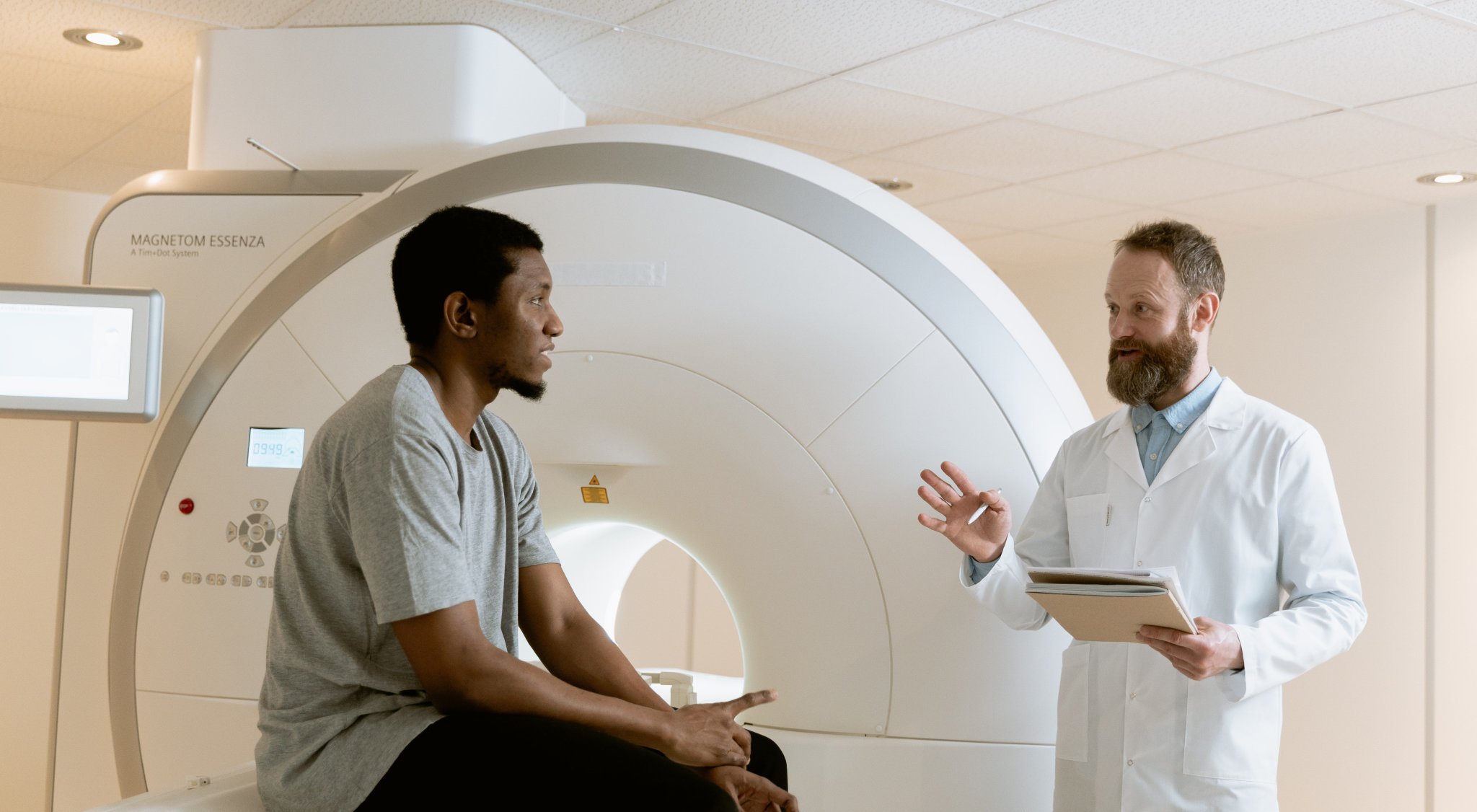
- Neurological and other systemic conditions that could explain the symptoms should be ruled out. This can be done, for example, with an MRI of the brain.
- In addition, those affected should have their iron and kidney function levels checked as part of a complete blood count.
Differential diagnosis is also particularly important in PLMD, as some other sleep disorders exhibit similar symptoms and should be ruled out before diagnosing PLMD. You’ll find more information on this in the next section.


Differential Diagnosis
To make a correct diagnosis, a doctor must first and foremost distinguish PLMD from other diseases and conditions that can cause similar symptoms. When PLMD is suspected, the differential diagnoses primarily include:
- Restless Legs Syndrome (RLS): RLS is characterized by an irresistible urge to move the legs, often accompanied by unpleasant sensations. These symptoms typically occur at rest, for example in the evening, and are characteristically relieved by movement—that is, they improve. Unlike PLMD, which occurs mainly during sleep, RLS affects waking hours. Over 80 percent of people with RLS also have PLMD.
- REM Sleep Behavior Disorder: This disorder is characterized by complex, often aggressive movements during REM sleep. However, these movements are typically less rhythmic and more frequent than those seen in PLMD.
- Myoclonic disorders: A condition known as myoclonus is characterized by sudden, involuntary muscle twitches in the facial or leg muscles, which can occur both while awake and during sleep. Myoclonic disorders are usually caused by disorders of the central nervous system or nerve injuries. However, these movements are much more subtle than those seen in PLMD.
- Neurodegenerative diseases: Certain disorders of the nervous system, such as Parkinson’s syndrome or multiple system atrophy, can also be associated with sleep disturbances and nocturnal movements. Diagnosis and differentiation from PLMD should be based on comprehensive neurological examinations and specific diagnostic criteria, as treatment varies significantly.
To rule out possible differential diagnoses, a neurologist, primary care physician, or sleep specialist should conduct a thorough medical history review, a physical examination, and a polysomnography. Additional tests such as MRI, lumbar puncture, EEG, or blood tests can also help rule out causes other than PLMD.


Treatment Options
The treatment of periodic limb movement disorder (PLMD) is primarily aimed at alleviating symptoms and improving the quality of life for those affected. The choice of treatment depends on the severity of the symptoms, the underlying causes, and the patient’s individual needs, but includes both medication and non-medication therapies. If there is an underlying medical condition that may be triggering PLMD, it should be treated first.
Non-pharmacological therapy
These include lifestyle changes and self-care measures and can play a significant role in the treatment of PLMD when the quality of sleep is impaired.
- Regular sleep schedule: Go to bed and wake up at the same time every day, even on weekends. This helps stabilize the circadian rhythm.
- Sleep Environment: Create a quiet, dark, and cool sleep environment. Use comfortable mattresses and pillows. To support your sleep, we recommend our RECOVERY PILLOW. Thanks to its elastic, breathable high-tech memory foam, it adapts perfectly to your sleeping position and relieves pressure on your spine—and is suitable for side, back, and stomach sleepers alike.
- Avoid stimulants: Avoid caffeine, nicotine, and alcohol in the hours before bedtime, as these substances can disrupt sleep.
- Relaxation rituals: Develop a relaxing evening routine. This could include reading, listening to music or an audiobook, or practicing relaxation techniques such as meditation or calm, deep breathing; you could also try yoga or tai chi. Progressive muscle relaxation (PMR) according to Jacobsen is also recommended; this involves actively tensing and relaxing muscle groups, which can also help improve your body awareness.
- Activity: Regular exercise can also help improve overall sleep quality. However, avoid intense workouts right before bedtime, as these are more likely to keep you awake rather than make you tired.
Relaxation Techniques for Restful Sleep


Drug Therapy: Medications to Relieve Symptoms
- Medications such as gabapentin or pregabalin can be used to treat patients with PLMD, as they can alleviate symptoms.
- Medications used to treat Parkinson’s disease are also employed. Examples include pramipexole, ropinirole, or rotigotine (as a skin patch). These medications increase nerve impulses to the muscles, but can sometimes worsen symptoms and may also cause nausea, a sudden drop in blood pressure upon standing, compulsive behaviors, and insomnia .
- Opioids such as oxycodone can also be used for treatment, but they are not the drugs of choice because they have severe side effects and can lead to dependence.
- Benzodiazepines such as clonazepam are also used to treat anxiety disorders or phobias; they can improve sleep quality and reduce movements during sleep. However, benzodiazepines can also be addictive, which is why patients should not take them for an extended period of time.
- If an iron deficiency is diagnosed, iron supplementation can be helpful in alleviating the symptoms.


Course and Prognosis
The course and prognosis of PLMD can vary depending on the severity of symptoms, comorbidities, and the effectiveness of treatment. PLMD often presents as a chronic condition, but the intensity of symptoms can fluctuate. Although there is currently no cure for PLMD, with appropriate treatment—which includes both medication and non-medication approaches—many patients can achieve a significant reduction in their symptoms, an improvement in sleep quality, and the ability to lead a normal daily life. Treatment can help reduce the frequency and intensity of the periodic movements.