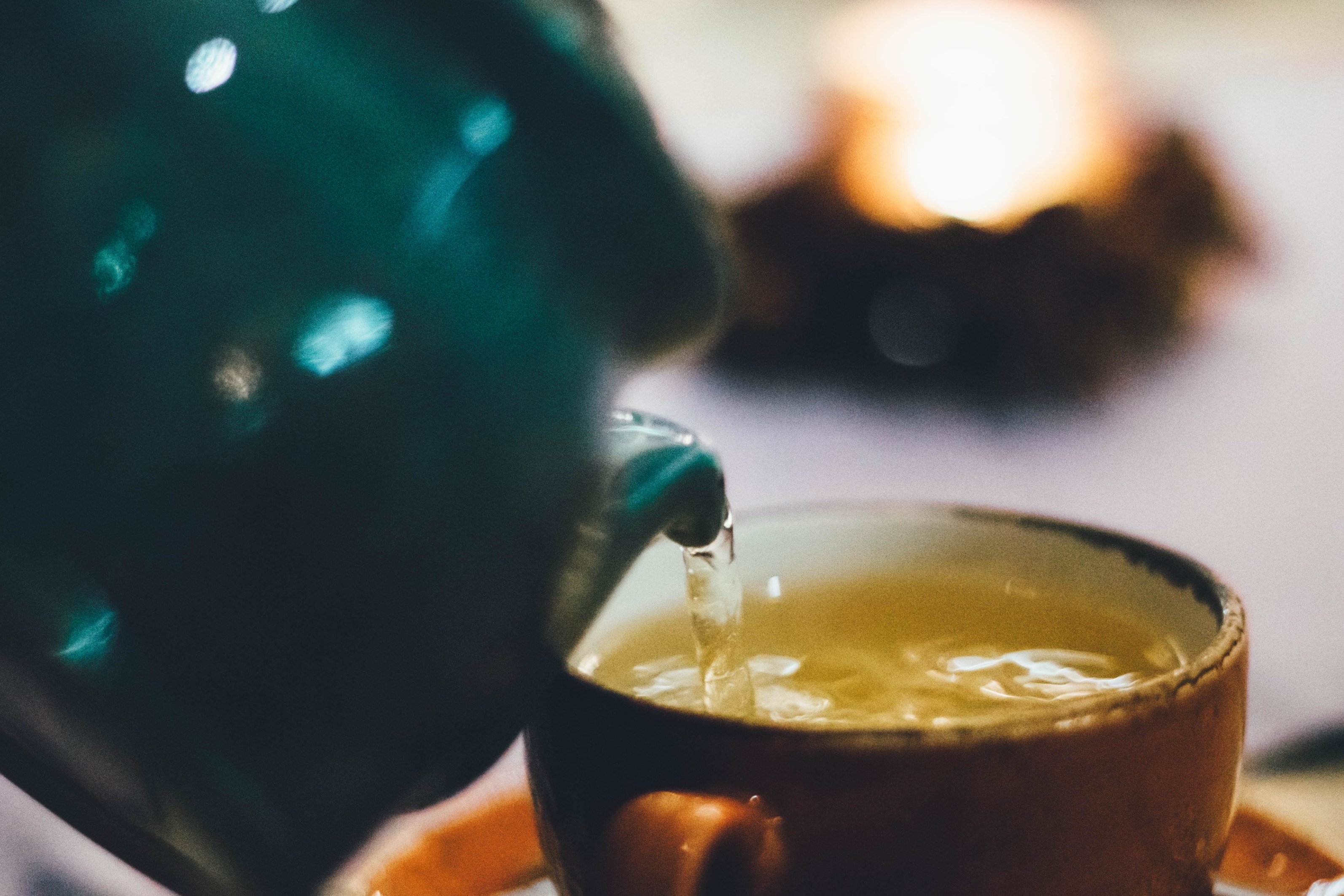
Green Tea in the Evening: Healthy or a Sleep Killer?

Drinking green tea in the evening can help you fall asleep and calm a restless mind. But doesn’t green tea contain caffeine, which keeps you awake? In this article, we’ll show you how to best use green tea in the evening to promote sleep and well-being.


Green Tea and Its Effects on Sleep
Not all green teas are the same! The caffeine content can vary greatly depending on the variety. People’s sensitivity to caffeine can also vary widely.
Three specific compounds in green tea have a particular effect on sleep:
1. Caffeine or theine
The caffeine content of green tea can vary widely and depends on various factors. According to a study by the Japanese Ministry of Health, Labor, and Welfare, one cup (approx. 100 ml) of Gyokuro tea contains an average of about 30–40 mg of caffeine. Karigane tea, on the other hand, contains an average of about 10–20 mg of caffeine per cup. It should be noted, however, that these values are only guidelines and may vary depending on the growing conditions and preparation of the tea.
The caffeine in green tea is called theine, and it has a gentler and more consistent effect than the caffeine in coffee, even though it has the same chemical structure. This is due to the tannins present in green tea, as well as L-theanine. While caffeine has a stimulating effect, the tannins and L-theanine slow down the stimulating effect and the absorption of caffeine.
2. EGCG (epigallocatechin gallate)
Another important compound in green tea is epigallocatechin gallate (EGCG), a powerful antioxidant with anti-inflammatory properties. Studies have shown that EGCG can also have positive effects on sleep and health. A 2017 study examined the effects of EGCG on sleep in people with sleep disorders. Participants were given either EGCG supplements or a placebo and were monitored for four weeks. The results showed that the EGCG group experienced a significant improvement in sleep quality and longer sleep duration compared to the placebo group.¹
3. L-Theanine
L-theanine is an amino acid found in green tea and known for its calming effects. A 2019 study² examined the effects of L-theanine on sleep quality in men with mild sleep disturbances. Participants received either L-theanine supplementation or a placebo. Those who received L-theanine showed a significant improvement in sleep quality. Sleep duration increased, and the number of waking episodes during the night decreased. An increase in alpha-wave activity in the brain was also observed, indicating greater relaxation and a reduction in stress and anxiety.
"Green tea can have a positive effect on sleep thanks to its components such as L-theanine, EGCG, and caffeine, especially if you choose low-caffeine varieties like Bancha or Hojicha in the evening. The amino acid theanine promotes relaxation and has a calming effect, while antioxidants in green tea have neuroprotective properties and can boost metabolism and fat burning. It is important to consider the variety, preparation method, and individual sensitivities to fully reap the health benefits of green tea."
Andrea Meyer, expert in alternative medicine



Green tea in the morning or in the evening
Does the caffeine in green tea keep you awake at night?
That depends on the variety and how it’s prepared. Some varieties contain a lot of caffeine, while others contain less. The ratio of caffeine to catechins and tannins determines whether the tea has a stimulating or relaxing effect. The preparation method is also crucial. Most of the caffeine is released into the water within about 30 seconds. Only after that are tannins and catechins released. So letting the tea steep for only a very short time to reduce the caffeine content isn’t a good idea.
Let’s take a look at the types of tea that are suitable for the evening.
Green Tea in the Evening
Bancha and Hojicha are particularly well-suited as evening teas. They’re made from older leaves and therefore contain less caffeine. Kamairicha, a Japanese green tea that’s processed by roasting, also has comparatively low caffeine content. It has a mild, nutty flavor, though. If you want to play it completely safe with caffeine, you can also opt for decaffeinated tea. It contains only very small amounts of caffeine.
Green Tea in the Morning
Varieties like Sencha and Gyokuro are particularly popular here. Sencha is the most common variety in Japan and has a mild, grassy flavor. It also contains slightly less caffeine than Gyokuro. Gyokuro has more caffeine but also a higher concentration of L-theanine, which somewhat balances out the caffeine. Gyokuro is a higher-quality variety and has a mild flavor with a hint of sweetness.
Green tea on an empty stomach?
If you have a very sensitive stomach, you should be careful about drinking tea on an empty stomach. Green tea contains tannins, caffeine, and—if steeped for too long—bitter compounds, all of which can irritate the stomach. You might experience heartburn or feel nauseous. However, these symptoms usually go away after a short time


Green Tea and Its Effects on the Mind
The amino acid theanine plays a key role in green tea’s effects on the mind. Theanine increases alpha wave activity in the brain. Alpha waves occur during relaxation and inner calm. Theanine can even increase the release of dopamine and serotonin in the brain. These “happiness hormones” also have a calming effect.
Due to its high antioxidant content, green tea also has neuroprotective properties and may therefore help reduce the risk of diseases such as Alzheimer’s and Parkinson’s.³


Green Tea and Its Effect on Fat Burning
Caffeine and EGCG in green tea can both boost metabolism and fat burning. Studies have shown that the EGCG in green tea can increase the activity of hormone-sensitive lipase (HSL). HSL is an enzyme that releases fat from fat cells so that it can be used by the body as an energy source. In addition, EGCG can also promote thermogenesis. In this process, the body burns more energy (in the form of calories) to maintain its body temperature. The leaf infusion also helps regulate blood sugar levels, which in turn has a positive effect on type 2 diabetes and obesity.
Antioxidant and Anti-Inflammatory Compounds in Green Tea
Green tea also contains a variety of antioxidants, including polyphenols and catechins. In addition to EGCG, there are other important antioxidants such as epicatechin (EC), epigallocatechin (EGC), and epicatechin gallate (ECG). Polyphenols and catechins can reduce oxidative stress and thus have anti-inflammatory effects. In addition, green tea also contains flavonoids, carotenoids, and ascorbic acid (vitamin C), which likewise have antioxidant effects. It doesn’t just sound good—it actually is!
Antioxidants neutralize free radicals in the body, which can be caused by various environmental factors such as UV radiation, air pollution, and smoking. These free radicals can damage cells and trigger inflammation in the body, which in turn increases the risk of various chronic diseases.


The optimal temperature and steeping time for green tea
Be sure to use good-quality water that isn’t excessively chlorinated. Heat the water to about 80–85 °C. Green tea is more sensitive to high temperatures than black tea. The steeping time can vary depending on the variety and personal taste, but should normally be between 2 and 3 minutes. For finer varieties like matcha, the steeping time can be shorter, while coarser teas like sencha can steep longer. If the tea steeps for too long, bitter compounds are released and the tea tastes very astringent.


Different Varieties and Their Flavor Profiles
Japanese green tea often has a grassy and sweet flavor, while Chinese green tea frequently tastes nutty, earthy, and slightly astringent. Matcha is also a type of green tea. It is ground into a fine powder and has a robust, slightly bitter flavor. White tea, which is also processed as green tea, has a less intense aroma than other varieties.
Drug Interactions with Green Tea
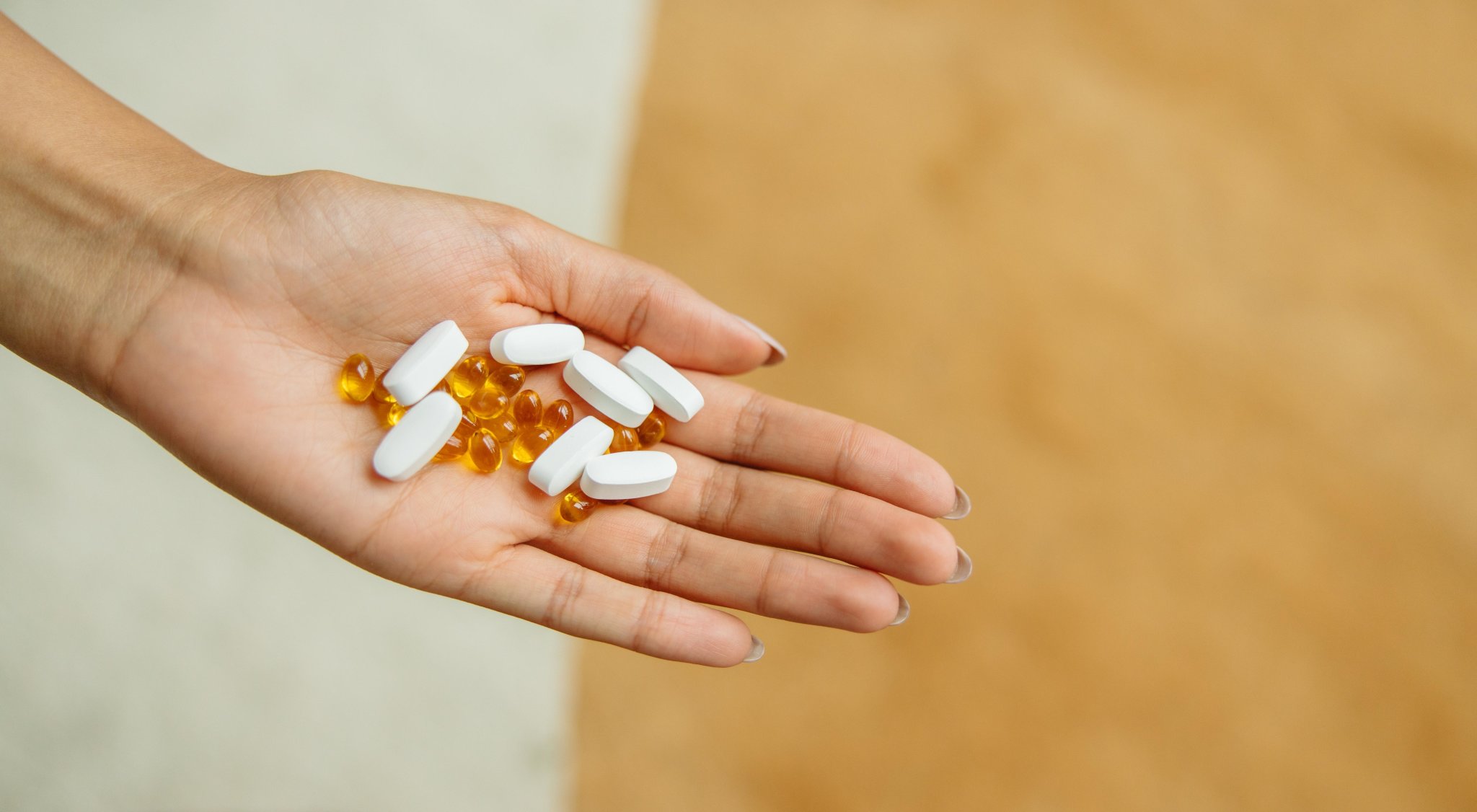
Bioactive compounds in tea can interact with medications. For example, catechins can inhibit the absorption of iron from plant sources in the intestines. This should be taken into account by people with iron deficiency or anemia. Caution is also advised when taking medications such as blood thinners, blood pressure medications, or psychotropic drugs. Be sure to consult a doctor if you are taking any medications.
Conclusion: Green Tea
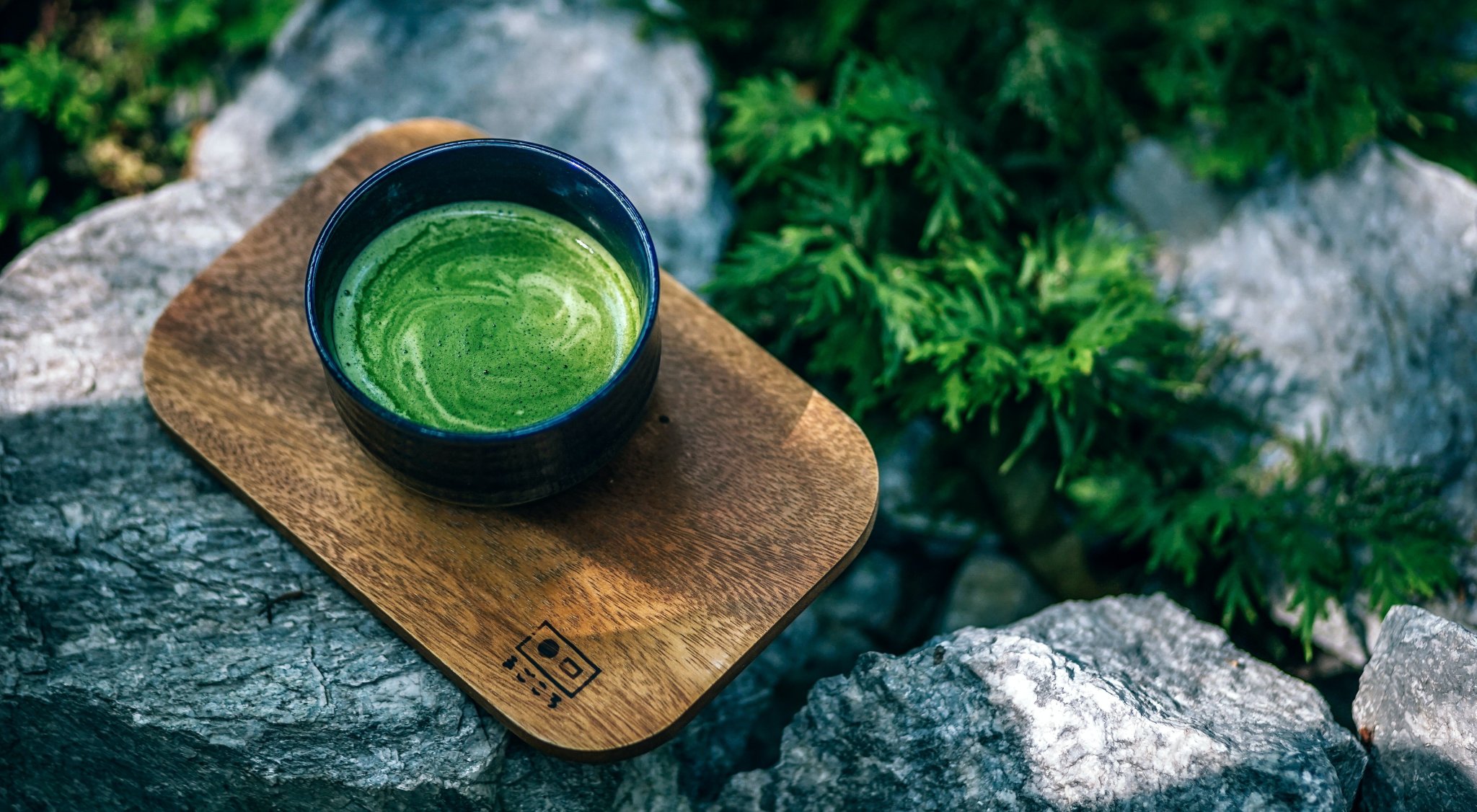
Green tea offers many health benefits. It can even help you fall asleep and has a calming effect. Tannins, catechins, and L-theanine help mitigate the caffeine in the tea. However, you should pay attention to the type of tea you choose and how you prepare it. If you drink too many cups or a variety that’s very high in caffeine, it may make it difficult for you to fall asleep. The tea also has a diuretic effect, so you may need to use the restroom during the night. If you’re very sensitive to caffeine, it’s best to avoid drinking green tea 2–3 hours before going to bed.
Sources:
Kim JH, Lee J, Park H, Shim J, Lee YJ, Jung H, Cho YJ, Lee J, Shin C, (2017) Effects of L-theanine on the mental health of shift workers: an open-label pilot study, Journal of Clinical Sleep Medicine, Volume 13, Issue 02, https://doi.org/10.5664/jcsm.6...
Yamada, T., Terashima, T., & Okubo, T. (2019). Effects of L-theanine on Sleep Quality and Cognitive Function in Adults with Mild Cognitive Impairment: A Randomized Controlled Trial. Journal of the American College of Nutrition, 38(8), 730–736.
https://pubmed.ncbi.nlm.nih.gov/31623400/
Qin XY, Cheng Y, Yu LC. Potential protection of green tea polyphenols against intracerebral hemorrhage-induced brain injury. Oxid Med Cell Longev. 2016;2016:1782739. doi:10.1155/2016/1782739
Söhle J et al. (2016). Epigallocatechin-3-gallate-induced activation of the lipolytic protease HSL in primary human adipocytes is Ca2+ dependent. J Lipid Res, 57(2), 262-270. doi: 10.1194/jlr.M062109